
1. Search Result
Search Result
Results for "

cellular death

" in MedChemExpress (MCE) Product Catalog:

35

Inhibitors & Agonists

4

Screening Libraries

1

Peptides

3

Inhibitory Antibodies

4

Natural
Products

Cat. No. Product Name Target Research Areas Chemical Structure
  • HY-145597
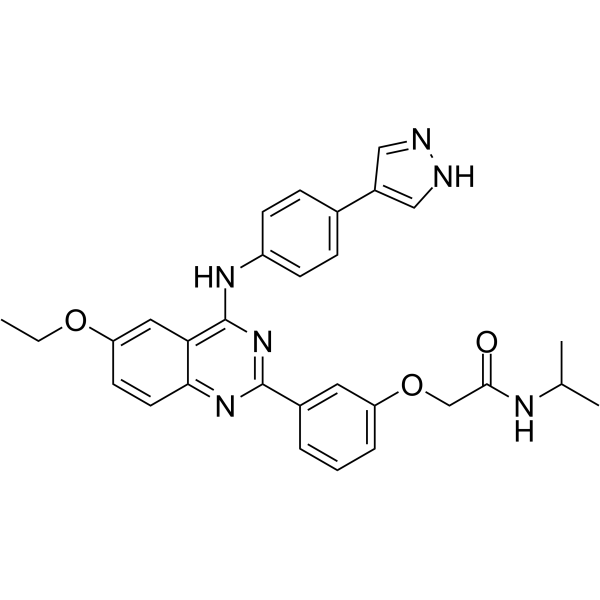
    KL-11743
    5 Publications Verification

    GLUT Disulfidptosis Metabolic Disease Cancer
    KL-11743 is a potent, orally active, and glucose-competitive inhibitor of the class I glucose transporters, with IC50s of 115, 137, 90, and 68 nM for GLUT1, GLUT2, GLUT3, and GLUT4, respectively. KL-11743 specifically blocks glucose metabolism. KL-11743 can synergize with electron transport inhibitors to induce cell death. In addition, KL-11743 can induce the formation of disulfide bonds in actin cytoskeletal proteins, leading to the occurrence of cellular disulfidptosis .
    KL-11743
  • HY-100355

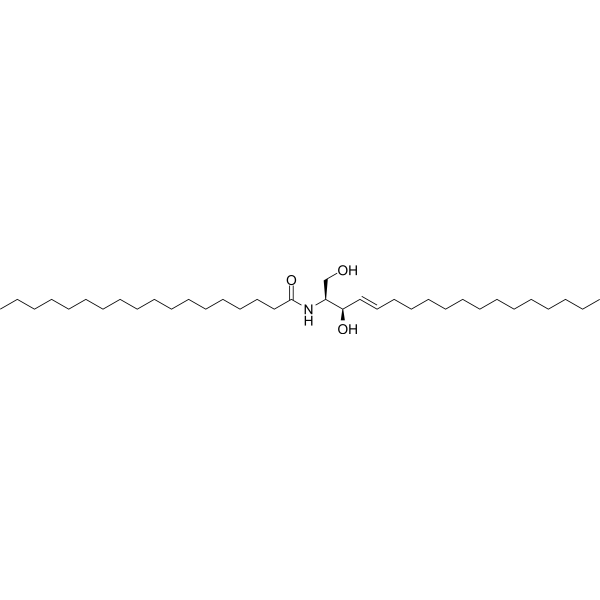
    C18-Ceramide

    Endogenous Metabolite Neurological Disease Cancer
    C18-Ceramide (d18:1/18:0) is a bioactive molecule with multiple functions in cells, not a traditional agonist or inhibitor targeting a single site. It can act on multiple cellular targets, such as proteins related to endoplasmic reticulum stress (e.g., ATF-4, XBP-1, CHOP), proteins in the PI3K/AKT signaling pathway, and SNARE complex proteins. It exerts activities like inducing cell death, promoting autophagy, and regulating exocytosis through mechanisms such as activating endoplasmic reticulum stress, inhibiting the PI3K/AKT signaling pathway, and affecting lipid raft - related functions. It can be used in research on the mechanism of neuronal injury in the field of neuroscience and in the treatment research of cancers such as glioma in the field of oncology .
    C18-Ceramide (d18:1/18:0)
  • HY-N0595
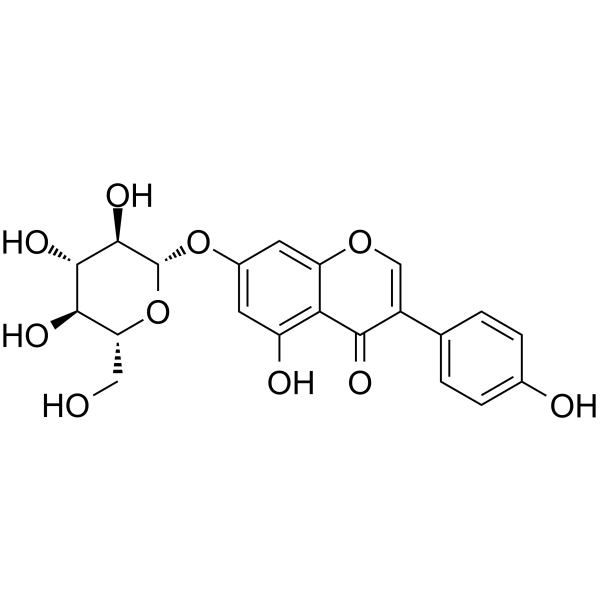
    Genistin
    5+ Cited Publications

    Genistine; Genistoside; Genistein 7-O-β-D-glucopyranoside

    Estrogen Receptor/ERR Apoptosis Metabolic Disease Cancer
    Genistin (Genistine), an isoflavone belonging to the phytoestrogen family, is a potent anti-adipogenic and anti-lipogenic agent. Genistin attenuates cellular growth and promotes apoptotic cell death breast cancer cells through modulation of ERalpha signaling pathway .
    Genistin
  • HY-P4052

    ROS Kinase Neurological Disease
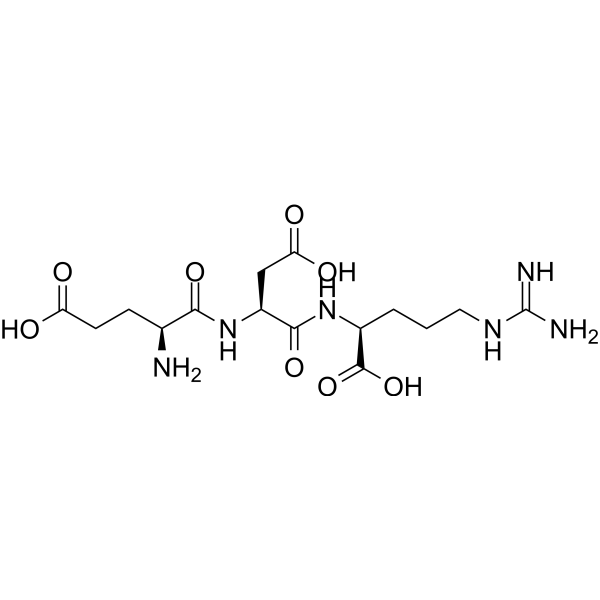
    Pinealon is a 3-amino acid peptide and shows neuroprotective properties. Pinealon prevents reactive oxygen species (ROS) accumulation and suppresses the activation of ERK 1/2. Pinealon stimulates the functional activity of the main cellular elements of brain tissue, reduces the level of spontaneous cell death. Pinealon protects the rat offspring from prenatal hyperhomocysteinemia .
    Pinealon
  • HY-P99618

    IBI-315; BH2950

    EGFR PD-1/PD-L1 Cancer
    Fidasimtamab is a bispecific antibody targeting human epidermal growth factor receptor 2 (Her2) and programmed death protein 1 (PD-1), with a Ka of 3.55e-10 M for human Her2 and a Ka of 1.17e-9 M for human PD-1. Fidasimtamab cross-links Her2-positive tumor cells with PD-1-positive T cells to form immune synapses, blocks PD-1-ligand interactions, preserves antibody-dependent cellular cytotoxicity, induces gasdermin B (GSDMB)-mediated pyroptosis, and activates T cells. Fidasimtamab is applicable to relevant research on Her2-positive gastric cancer .
    Fidasimtamab
  • HY-A0169A
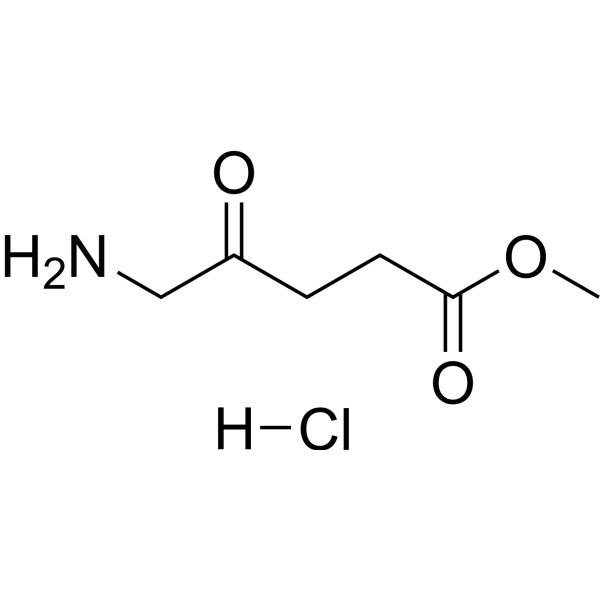
    Methyl aminolevulinate hydrochloride
    1 Publications Verification

    Reactive Oxygen Species (ROS) Photosensitizer Cancer
    Methyl aminolevulinate hydrochloride is a sensitizer used in photodynamic therapy (PDT). Methyl aminolevulinate hydrochloride penetrates the skin and induces the production of photoactive porphyrins including protoporphyrin IX in cells; upon exposure to appropriate light, it generates ROS, which triggers cellular oxidation and cell death. Methyl aminolevulinate hydrochloride acts as a photo-damage reversing agent through epidermal reconstruction, cytokine-mediated activation of dermal fibroblasts, elastin breakdown, new collagen formation, and compression of dilated capillaries. Methyl aminolevulinate hydrochloride reduces the expression of the proliferation marker Ki-67 and the early skin carcinogenesis marker TP53. Methyl aminolevulinate hydrochloride delays the onset of ultraviolet-induced skin tumors and reduces tumor burden in hairless mice. Methyl aminolevulinate hydrochloride is applicable to research related to actinic keratosis and basal cell carcinoma .
    Methyl aminolevulinate hydrochloride
  • HY-P991061

    CHS-114; SRF-114

    CCR Cancer
    Tagmokitug (CHS-114; SRF-114) is a fully human IgG1 antibody targeting CCR8. Tagmokitug selectively binds to human CCR8 (Kd = 502 pM) and mediates the death of CCR8-expressing cells via antibody-dependent cellular cytotoxicity and antibody-dependent cellular phagocytosis. Tagmokitug selectively eliminates intratumoral regulatory T cells, induces tumor growth inhibition, remodels the tumor immune microenvironment, and promotes the differentiation of cytotoxic CD8 + T cell subsets. Tagmokitug can be used for the research of solid tumors .
    Tagmokitug
  • HY-12929

    SU093

    Pim Apoptosis Cancer
    NSC756093 (SU093) is a GBP1:PIM1 interaction inhibitor. NSC756093 binds to GBP1-PIM1 with a Kd of 38 nM. NSC756093 suppresses proliferation, reduces migration, induces G1 phase cell-cycle arrest, and increases apoptotic cell death in ovarian cancer cells. NSC756093 reduces cellular proteasomal activity, induces accumulation of ubiquitinated proteins, and restrains tumor progression and lung metastasis in murine ovarian cancer xenograft models. NSC756093 increases sensitivity of prostate cancer cells to Docetaxel (HY-B0011) and sensitizes GBP1-overexpressing ovarian cancer cells to Paclitaxel (HY-B0015). NSC756093 can be used for the research of prostate cancer and ovarian cancer .
    NSC756093
  • HY-119904

    Cholinesterase (ChE) Infection
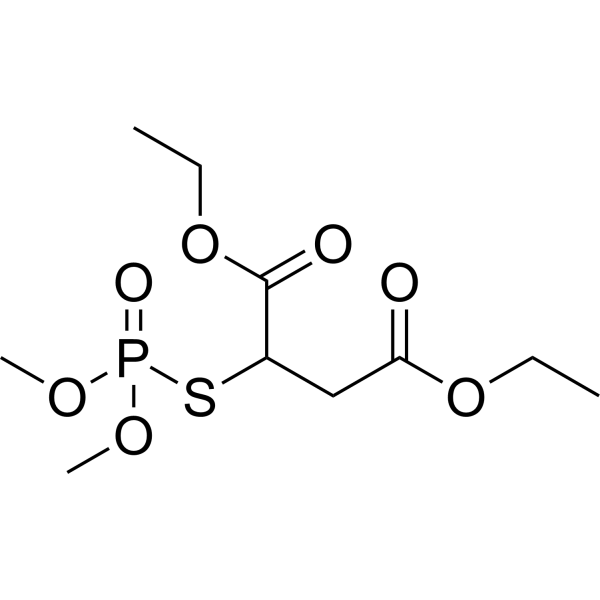
    Malaoxon is a pesticide metabolite. Malaoxon can induce cellular death in cultured human pulmonary cells. Malaoxon can be used for the research of pulmonary toxicity .
    Malaoxon
  • HY-P2982

    Liposome Metabolic Disease
    Ceramide 1-phosphate is a bioactive lipid and one of the key components of sphingolipids. Ceramide 1-phosphate playing diverse roles in cellular behaviors such as cell differentiation, migration, proliferation and death .
    Ceramide 1-phosphate
  • HY-N0595R

    Genistine (Standard); Genistoside (Standard); Genistein 7-O-β-D-glucopyranoside (Standard)

    Reference Standards Estrogen Receptor/ERR Apoptosis Metabolic Disease Cancer
    Genistin (Standard) is the analytical standard of Genistin. This product is intended for research and analytical applications. Genistin (Genistine), an isoflavone belonging to the phytoestrogen family, is a potent anti-adipogenic and anti-lipogenic agent. Genistin attenuates cellular growth and promotes apoptotic cell death breast cancer cells through modulation of ERalpha signaling pathway .
    Genistin (Standard)
  • HY-125147

    NAMPT Cancer
    A-1293201 is a substrate-independent NAMPT inhibitor with antitumor activity. A-1293201 effectively reduces the total cellular NAD +/NADH (NADt) level, subsequently leading to ATP depletion and cancer cell death. In addition, A-1293201 can effectively overcome the acquired resistance mechanism of the NAMPT Y18 mutant to CHS-828 (HY-10079) .
    A-1293201
  • HY-125209A

    Apoptosis PARP DNA/RNA Synthesis Cancer
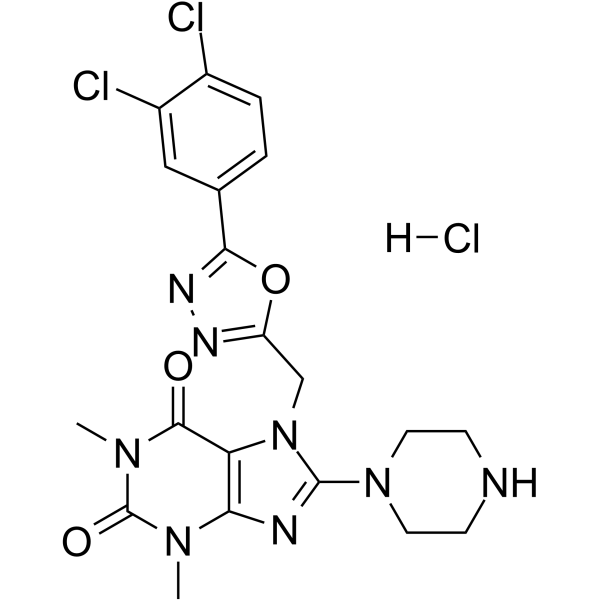
    TH5427 hydrochloride is a NUDT5 inhibitor with a human target IC50 of 29 nM, ~690-fold selectivity over MTH1 in vitro, and selective functional inhibition over other NUDIX hydrolases including NUDT9 .TH5427 hydrochloride binds to the active site of NUDT5, blocking enzymatic activity related to ADP-ribose metabolism and PAR-derived ATP synthesis .TH5427 hydrochloride blocks progestin-dependent nuclear ATP synthesis, impairs progestin-induced chromatin remodeling, inhibits histone H1 displacement, disrupts progestin-dependent gene regulation, and abrogates progestin-dependent proliferation in breast cancer cells .TH5427 hydrochloride functions as a versatile probe to study nuclear ATP dynamics and ADP-ribose-related metabolism in cells .TH5427 hydrochloride engages NUDT5 at physiological temperatures, as demonstrated by Drug Affinity Responsive Target Stability (DARTS) assay .TH5427 hydrochloride stabilizes NUDT5 against thermal denaturation in cell lysates and intact cells, as shown by cellular thermal shift assay (CETSA) .TH5427 hydrochloride functionally inhibits NUDT5 activity, leading to downstream effects on oxidative DNA damage and DNA replication in triple-negative breast cancer (TNBC) cells .TH5427 hydrochloride suppresses proliferation of TNBC cells without inducing cell death or apoptosis, slows DNA replication in TNBC cells, promotes accumulation of oxidative DNA lesions, and triggers DNA damage response in TNBC cells .TH5427 hydrochloride suppresses growth of TNBC cells in vitro, inhibits growth of TNBC xenograft tumors in nude mice in vivo, and shows greater potency against TNBC cell lines compared to ER-positive and normal-like breast cell lines .TH5427 hydrochloride can be used for the research of breast cancer and triple-negative breast cancer .
    TH5427 hydrochloride
  • HY-178163

    Ferroptosis Necroptosis RIP kinase Reactive Oxygen Species (ROS) Mixed Lineage Kinase Inflammation/Immunology
    Zharp1-163 is a dual inhibitor of ferroptosis and necroptosis. Zharp1-163 effectively blocks ferroptosis by reducing reactive oxygen species (ROS) levels and inhibits necroptosis by potently and selectively targeting RIPK1 kinase activity (KD = 240 nM; IC50 = 406.1 nM). Zharp1-163 inhibits the cellular activation of RIPK1, RIPK3 and MLKL in response to necroptotic stimulation. Zharp1-163 markedly attenuates TNF-α (HY-P1875)-induced systemic inflammatory syndrome, including the prevention of TNF-α-induced mortality and hypothermia in mice. Zharp1-163 significantly alleviates acute kidney injury associated with both necroptosis and ferroptosis in models induced by Cisplatin (HY-17394) and ischemia-reperfusion. Zharp1-163 can be used for the study of diseases associated with cell death pathways, such as kidney disease .
    Zharp1-163
  • HY-161521

    Polo-like Kinase (PLK) Cancer
    PLK1-IN-10 (Compound 4Bb) is an orally active PLK1 PBD (polo-box domain) inhibitor. PLK1-IN-10 blocks the interaction of PLK1 with the cell division regulator protein 1 (PRC1) and decreases the protein expression of the CDK1-Cyclin B1 complex. PLK1-IN-10 reacts with glutathione (GSH) to increase cellular oxidative stress, ultimately leading to cell death .
    PLK1-IN-10
  • HY-P991542

    CD19 Cancer
    GBR-401 is a humanized anti-CD19 monoclonal antibody with high affinity for FcγRIIIa. GBR-401 exerts a potent in vitro and in vivo cytotoxic activity against various B-cell malignancies. GBR-401 induces cell death by antibody dependent cellular cytotoxicity (ADCC) and direct killing effect. GBR-401 demonstrates potent activity of depleting malignant B cells and prolongs mice survival in multiple xenograft severe combined immunodeficiency (SCID) mice models .
    GBR-401
  • HY-119904R

    Drug Metabolite Reference Standards Infection
    Malaoxon (Standard) is the analytical standard of Malaoxon. This product is intended for research and analytical applications. Malaoxon is a pesticide metabolite. Malaoxon can induce cellular death in cultured human pulmonary cells. Malaoxon can be used for the research of pulmonary toxicity .
    Malaoxon (Standard)
  • HY-139860

    Reactive Oxygen Species (ROS) Cancer
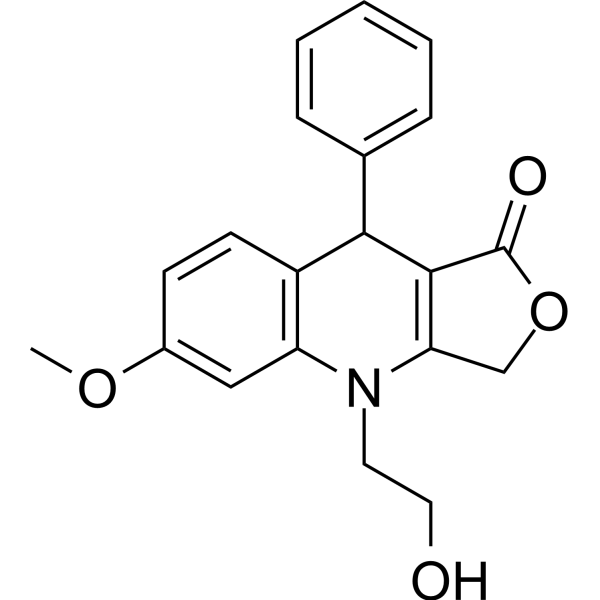
    Anticancer agent 15 is capable of significantly increasing the cellular level of ROS and inducing melanoma cancer cell death via necroptosis.
    Anticancer agent 15
  • HY-122006

    Reactive Oxygen Species (ROS) Cancer
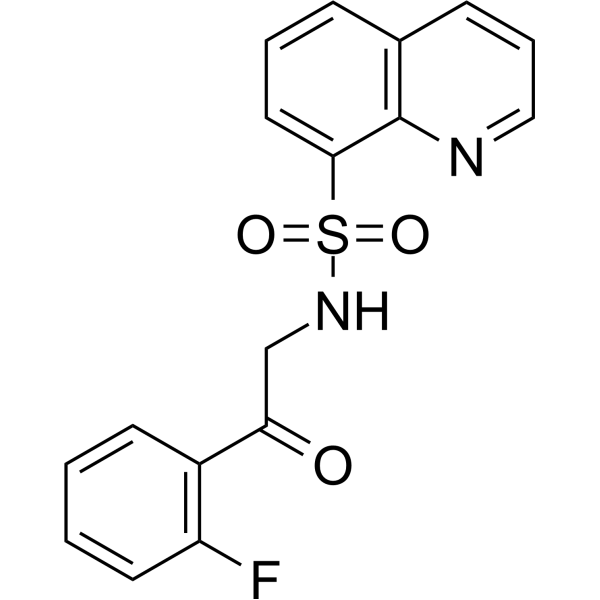
    NPD926 is a small molecule that targets glutathione and induces cancer cell death. NPD926 causes cellular glutathione depletion and subsequent generation of reactive oxygen species (ROS), thereby sensitizing fibroblasts to Xc- system inhibitors. NPD926 is a ROS inducer with anticancer activity. .
    NPD926
  • HY-119857

    SIRT2 Inhibitor,Inactive Control

    Sirtuin Neurological Disease
    AGK7 is a potent inhibitor of sirtuin 2 (SIRT2). AGK7 rescues alpha-synuclein toxicity and modified inclusion morphology in a cellular model of Parkinson's disease. AGK7 protects against dopaminergic cell death both in vitro and in a Drosophila model of Parkinson's disease .
    AGK7
  • HY-168066

    Fungal Infection
    Antifungal agent 117 is a bis-pyrazole carboxamide derivative with antifungal activity, exhibiting an EC50 value of 11.58 mg/L against Sclerotinia sclerotiorum. Antifungal agent 117 increases cell membrane permeability, causing an imbalance in osmotic pressure inside and outside the cell, and induces the accumulation of reactive oxygen species (ROS), leading to oxidative damage to the cell membrane, resulting in leakage of cellular contents and eventually cell death. RNA sequencing analysis reveals that Antifungal agent 117 downregulates catalase genes and upregulates neutral ceramidase genes, disrupting cell membrane structure, accelerating sphingolipid metabolism, and promoting cell death. Antifungal agent 117 shows great potential in the fields of plant protection and antifungal infection .
    Antifungal agent 117
  • HY-170490

    Photosensitizer Apoptosis Cancer
    TTQ-SA is a near-infrared (NIR) spiro-AIEgen (aggregation-induced emission luminogen), that converts near-infrared light (NIR) into thermal energy, causing thermal damage and death of tumor cells. TTQ-SA exhibits cellular uptake and targeting ability in cancer cell MF-7. TTQ-SA silences the expression of survivin gene with combination of DNAzyme, enhances the sensitivity of tumor cells to photothermal therapy .
    TTQ-SA
  • HY-100355R

    Endogenous Metabolite Reference Standards Neurological Disease Cancer
    C18-Ceramide (Standard) is the analytical standard of C18-Ceramide. This product is intended for research and analytical applications. C18-Ceramide can promote exocytosis of glutamate from damaged neurons. C18-Ceramide promotes cell death in glioma cells. Ceramides is involved in diverse cellular functions, such as differentiation, cell cycle progression, cell-cell adhesion, senescence, and apoptosis .
    C18-Ceramide (Standard)
  • HY-162923

    Bacterial Antibiotic Infection
    Antibacterial agent 244 is an orally active compound with broad-spectrum antibacterial activity, primarily targeting Gram-positive bacteria, with a MIC value of 1–4 μg/mL and low hemolytic toxicity (HC50 of 111.6 μg/mL). Antibacterial agent 244 disrupts bacterial transmembrane potential, increases membrane permeability, leading to leakage of cellular contents such as DNA and proteins, ultimately causing bacterial death. Antibacterial agent 244 can be used in research related to Gram-positive bacterial infections .
    Antibacterial agent 244
  • HY-175221

    Apoptosis Autophagy Cancer
    WHN-11 is an amino-Artemisinin (HY-B0094) derivative with anti-cancer activity against various cancer cell lines. WHN-11 deprives the cell of ATP, activates autophagy, and causes subsequent cell death by apoptosis. WHN-11 alters cellular protein homeostasis pathways to induce mitochondrial fission and dysfunction. WHN-11's anti-cancer activity is independent of substantive ROS production. WHN-11 can be used for the study of triple-negative breast cancer (TNBC) .
    WHN-11
  • HY-A0169

    Reactive Oxygen Species (ROS) Photosensitizer Cancer
    Methyl aminolevulinate is a sensitizer used in photodynamic therapy (PDT). Methyl aminolevulinate penetrates the skin and induces the production of photoactive porphyrins including protoporphyrin IX in cells; upon exposure to appropriate light, it generates ROS, which triggers cellular oxidation and cell death. Methyl aminolevulinate acts as a photo-damage reversing agent through epidermal reconstruction, cytokine-mediated activation of dermal fibroblasts, elastin breakdown, new collagen formation, and compression of dilated capillaries. Methyl aminolevulinate reduces the expression of the proliferation marker Ki-67 and the early skin carcinogenesis marker TP53. Methyl aminolevulinate delays the onset of ultraviolet-induced skin tumors and reduces tumor burden in hairless mice. Methyl aminolevulinate is applicable to research related to actinic keratosis and basal cell carcinoma .
    Methyl aminolevulinate
  • HY-W585945

    Reactive Oxygen Species (ROS) Inflammation/Immunology
    Mono N-Desmethyl Disperse Polyester Dark Blue is a bioreductive agent that is activated under hypoxic conditions. Once inside a cell, it is reduced to its active form, which generates reactive oxygen species that can damage cellular components, including DNA. This damage can lead to cell death, particularly in hypoxic cancer cells that are already under stress. It has also been shown to inhibit the activity of hypoxia-inducible factor 1 (HIF-1) , which is a key regulator of the cellular response to hypoxia.
    Mono N-desmethyl disperse polyester dark blue
  • HY-182269

    Cathepsin Apoptosis PARP Caspase Cancer
    Cathepsin-IN-5 is a cathepsin inhibitor with IC50 values of 6.2 μM and 81 nM for cathepsin L and cathepsin S. Cathepsin-IN-5 inhibits cancer cells proliferation, induces apoptosis, reduces growth of hepatocellular tumors in mouse models, and modulates expression of genes linked to cell death, cell proliferation, and cellular processes. Cathepsin-IN-5 can be used for the research of hepatocellular carcinoma .
    Cathepsin-IN-5
  • HY-182307

    Apoptosis Caspase TNF Receptor Cancer
    OH14 is a cellular FLICE-like inhibitory protein (cFLIP) inhibitor and TNF-related apoptosis-inducing ligand (TRAIL) sensitizer. OH14 selectively binds to the DED1 pocket of cFLIP, disrupting its recruitment to the TRAIL-death inducing signalling complex without affecting procaspase-8 recruitment to FADD, allowing procaspase-8 activation. OH14 promotes TRAIL-mediated apoptosis and impairs cell viability in breast cancer systems when combined with TRAIL. OH14 can be used for the research of breast cancer .
    OH14
  • HY-185494

    Drug-Linker Conjugates for ADC DNA Alkylator/Crosslinker Cancer
    Mal-Val-Lys-PAB-CBI-PBD dimer is a Drug-Linker Conjugates for ADC. Mal-Val-Lys-PAB-CBI-PBD dimer consists of the ADC Cytotoxin CBI-PBD dimer and a linker Mal-Val-Lys-PAB. Mal-Val-Lys-PAB-CBI-PBD dimer exhibits alkylating activity at A-T-rich DNA minor groove adenine residues, disrupting DNA integrity. Mal-Val-Lys-PAB-CBI-PBD dimer induces cancer cell growth inhibition and cellular death. Mal-Val-Lys-PAB-CBI-PBD dimer can be used for the research of cancer .
    Mal-Val-Lys-PAB-CBI-PBD dimer
  • HY-181075

    Bacterial Reactive Oxygen Species (ROS) Infection
    Antibacterial agent 318 is an antibacterial agent that binds to bacterial DNA, blocks its replication, and forms supramolecular complexes. Antibacterial agent 318 acts as an oxidative stress inducer, elevating intracellular reactive oxygen species (ROS) levels, oxidizing glutathione (GSH) to glutathione disulfide (GSSG), depleting cellular GSH reserves, and inducing bacterial cell death through oxidative damage. Antibacterial agent 318 disrupts the bacterial cell membrane and reduces bacterial metabolic activity. Antibacterial agent 318 exhibits rapid bactericidal activity, inhibits bacterial biofilm formation, and displays minimal cytotoxicity toward non-cancerous mammalian cells. Antibacterial agent 318 is applicable in research on drug-resistant bacterial infections .
    Antibacterial agent 318
  • HY-117578

    Endogenous Metabolite Neurological Disease
    KB 5666 is a benzoxazine derivative with lipid peroxidation inhibitory activity. KB 5666 showed protective effects against post-ischemic neuronal death. KB 5666 effectively protected CA1 neurons when injected 5 minutes before or immediately after ischemia. KB 5666 also showed a dose-dependent protective effect when injected within 1 hour after ischemia. KB 5666 effectively prevented the significant decrease in microtubule-associated protein 2 immunoreactivity within the dendritic field of CA1 pyramidal cells. KB 5666 prevented the decrease in [3H]PDBu binding activity in different layers of the CA1 region after ischemia. The application of KB 5666 showed the ability to improve the cellular and functional consequences of ischemia .
    KB 5666
  • HY-A0169AR

    Reactive Oxygen Species (ROS) Reference Standards Photosensitizer Inflammation/Immunology Cancer
    Methyl aminolevulinate hydrochloride (Standard) is the analytical standard of Methyl aminolevulinate hydrochloride. This product is intended for research and analytical applications. Methyl aminolevulinate hydrochloride is a sensitizer used in photodynamic therapy (PDT). Methyl aminolevulinate hydrochloride penetrates the skin and induces the production of photoactive porphyrins including protoporphyrin IX in cells; upon exposure to appropriate light, it generates ROS, which triggers cellular oxidation and cell death. Methyl aminolevulinate hydrochloride acts as a photo-damage reversing agent through epidermal reconstruction, cytokine-mediated activation of dermal fibroblasts, elastin breakdown, new collagen formation, and compression of dilated capillaries. Methyl aminolevulinate hydrochloride reduces the expression of the proliferation marker Ki-67 and the early skin carcinogenesis marker TP53. Methyl aminolevulinate hydrochloride delays the onset of ultraviolet-induced skin tumors and reduces tumor burden in hairless mice. Methyl aminolevulinate hydrochloride is applicable to research related to actinic keratosis and basal cell carcinoma .
    Methyl aminolevulinate hydrochloride (Standard)
  • HY-W715812

    Fungal Apoptosis Caspase Reactive Oxygen Species (ROS) MDM-2/p53 SOD Bcl-2 Family PERK JNK p38 MAPK Cardiovascular Disease Infection Endocrinology Cancer
    Bromuconazole is a triazole fungicide with oral efficacy and blood-brain barrier permeability . Bromuconazole protects crops from various fungal contaminations. Bromuconazole exhibits cytotoxicity against a variety of cancer cells, induces G0/G1 cell cycle arrest and inhibits DNA synthesis in cancer cells, and triggers cytoskeletal structural disorder, genotoxic damage, apoptotic (apoptosis) cell death, and mitochondrial membrane depolarization. Bromuconazole activates caspase-3, induces excessive production of ROS, p53 and Bax, lipid peroxidation, increased activities of SOD and CAT, and downregulates Bcl-2. By upregulating p-ERK1/2 and p-JNK, Bromuconazole disrupts the MAPK signaling pathway, impairs the cellular stress response of human trophoblast cells and endometrial cells, and damages the implantation process . Bromuconazole is applicable to research related to glioma, colon cancer, reproductive injury (implantation dysfunction), and cardiac dysfunction .
    Bromuconazole
  • HY-182360

    PERK Eukaryotic Initiation Factor (eIF) Bcl-2 Family Apoptosis Reactive Oxygen Species (ROS) STING DNA/RNA Synthesis PD-1/PD-L1 Cancer
    Cytisine-Platinum(IV) Prodrug-1 is a Pt(IV) prodrug incorporating the natural compound Cytisine (HY-N0175) with antiproliferative activity against tumor cells. Cytisine-Platinum(IV) Prodrug-1 promotes calcium transfer across the IP3R1-GRP75-VDAC1 axis to drive mitochondrial calcium overload. Cytisine-Platinum(IV) Prodrug-1 initiates unfolded protein response via PERK, eIF2α, ATF4, and CHOP to modulate Bcl-2 and Bax, triggering apoptosis. Cytisine-Platinum(IV) Prodrug-1 induces mitochondrial dysfunction, ROS production, reduced ATP synthesis, DNA damage, and S-phase cell cycle arrest. Cytisine-Platinum(IV) Prodrug-1 activates the cGAS-STING pathway, reduces PD-L1 expression, drives immunogenic cell death. Cytisine-Platinum(IV) Prodrug-1 exhibits high physiological stability, efficient cellular accumulation, and enhanced platinum-DNA binding, and inhibits tumor growth in mouse models with reduced systemic toxicity. Cytisine-Platinum(IV) Prodrug-1 can be used for the research of lung cancer .
    Cytisine-platinum(IV) prodrug-1

Inquiry Online

Your information is safe with us. * Required Fields.

Salutation


Country or Region *

Applicant Name *


Organization Name *

Department *


Email Address *


Product Name *

Cat. No.


Requested quantity *

Phone Number *


Remarks

Inquiry Online

Inquiry Information

Product Name:
Cat. No.:
Quantity:
MCE Japan Authorized Agent:

