
From 11:00 pm to 12:00 pm EST ( 8:00 pm to 9:00 pm PST ) on January 6th, the website will be under maintenance. We are sorry for the inconvenience. Please arrange your schedule properly.
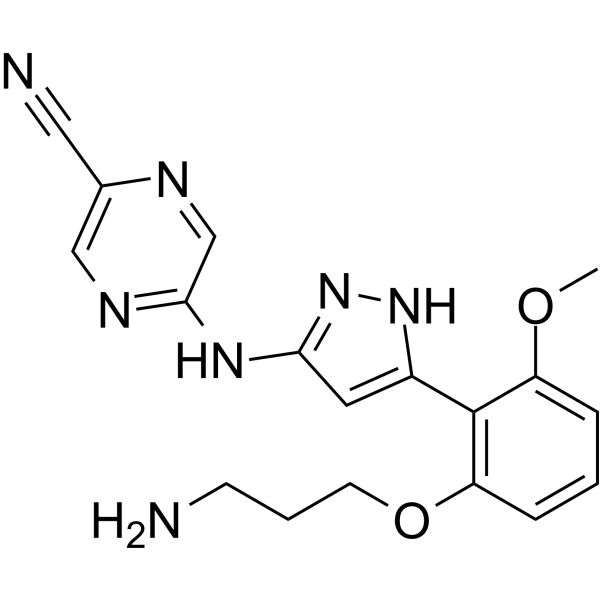
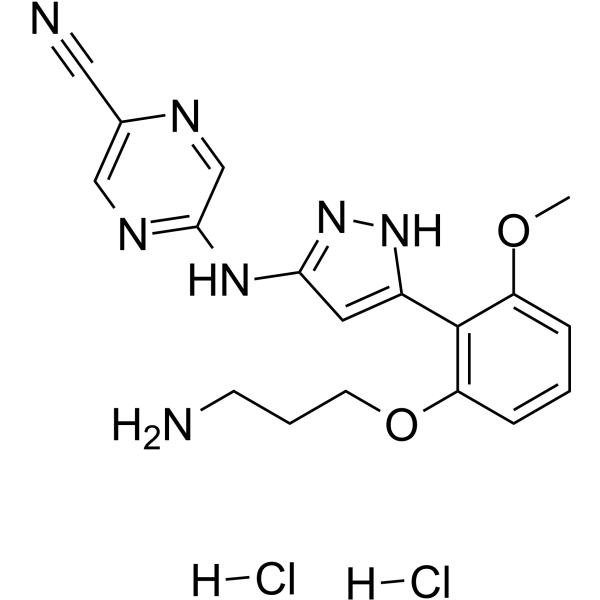
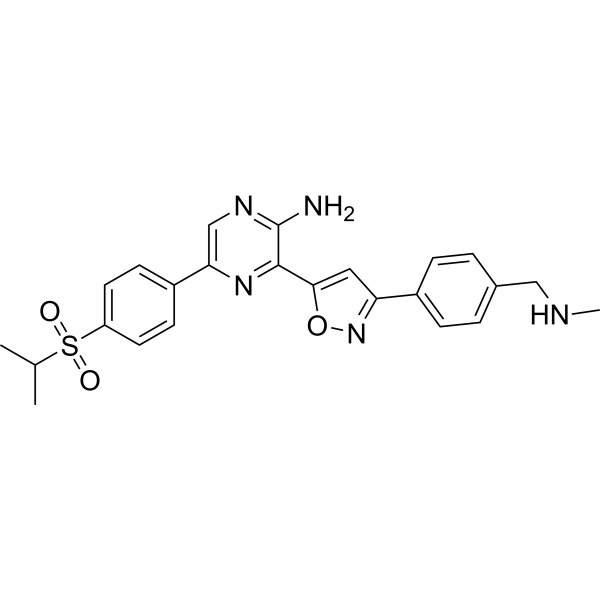
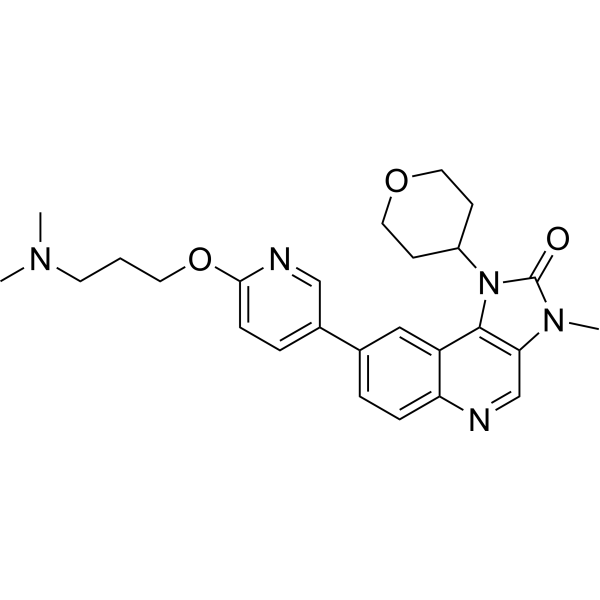
Gartisertib (VX-803) is an ATP-competitive, orally active, and selective ATR inhibitor, with a Ki of <150 pM. Gartisertib potently inhibits ATR-driven phosphorylated checkpoint kinase-1 (Chk1) phosphorylation with an IC50 of 8 nM. Antitumor activity .
AZD0156 is a potent, selective and orally active ATM inhibitor with an IC50 of 0.58 nM. AZD0156 inhibits the ATM-mediated signaling, prevents DNA damage checkpoint activation, disrupts DNA damage repair, and induces tumor cell apoptosis .
Mirin is a potent Mre11-Rad50-Nbs1 (MRN) complex inhibitor. Mirin prevents MRN-dependent activation of ATM (IC50=12 μM) without affecting ATM protein kinase activity, and it inhibits Mre11-associated exonuclease activity. Mirin abolishes the G2/M checkpoint and homology-dependent repair in mammalian cells. Mirin prevents ATM activation in response to DNA double-strand breaks (DSBs) and blocks homology-directed repair (HDR) in mammalian cells .
FEN1-IN-1 (compound 1) is a small molecule flap endonuclease 1 (FEN1) inhibitor with antitumor activity. FEN1-IN-1 binds to the active site of FEN1 and partly achieves inhibition by the co-ordination of Mg 2+ ions. FEN1-IN-1 initiaties a DNA damage response and activates the ATM checkpoint signalling pathway, the phosphorylation of histone H2AX and the ubiquitination of FANCD2 in mammalian cells. FEN1-IN-1 is promising for research of cancers .
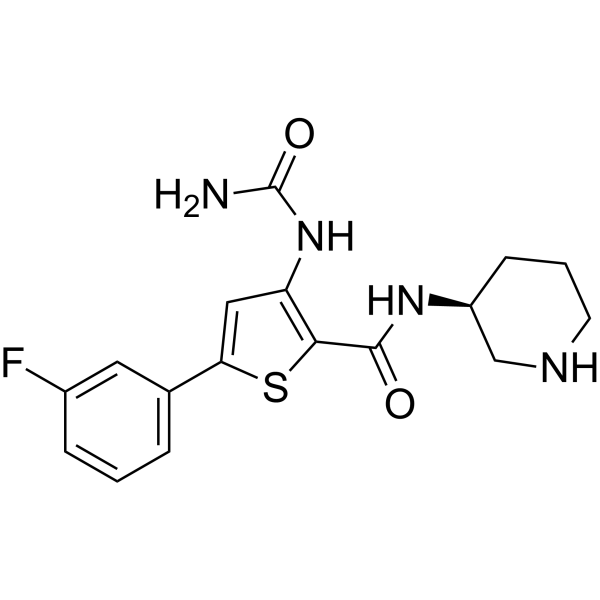
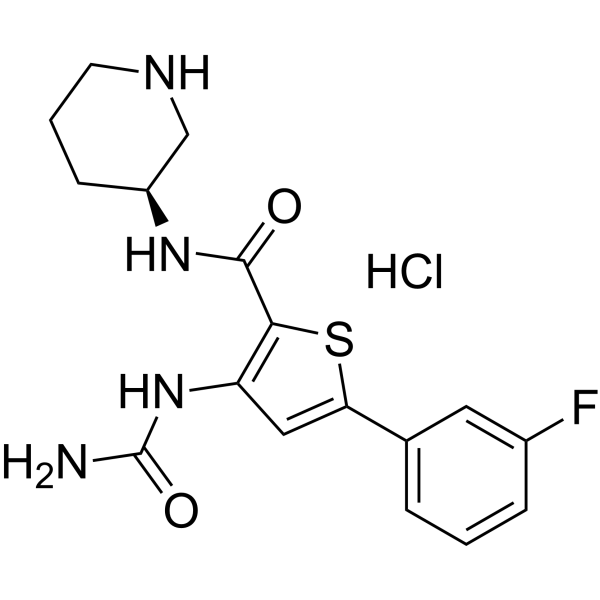
SCH900776 (MK-8776) is a potent, selective and orally bioavailable inhibitor of checkpoint kinase1 (Chk1) with an IC50 of 3 nM. SCH900776 shows 50- and 500-fold selectivity over CDK2 and Chk2, respectively .
Tinurilimab (Bay 1834942) is an anti-CEACAM6 (carcinoembryonic antigen-related cell adhesion molecule 6) humanized IgG2 monoclonal antibody. CEACAM6 is an immune checkpoint regulator suppressing the activity of effector T-cells against tumors. Tinurilimab shows an increased tumor cell killing effect in the tumor-cell/T-cell co-culture system .
Tiragolumab is an immune checkpoint inhibitor binding to the T-cell immunoglobulin and ITIM domain (TIGIT). Tiragolumab in combination with Atezolizumab (HY-P9904) and Bevacizumab (HY-P9906) has benefit in unresectable hepatocellular carcinoma. Tiragolumab can be used to study non-small cell lung cancer (NSCLC) and melanoma .
Sirpiglenastat (DRP-104) is a broad acting glutamine antagonist. Sirpiglenastat has anticancer effects by directly targeting tumor metabolism and simultaneously inducing a potent antitumor immune response .
proTAME, a cell-permeable proagent form of TAME, is an anaphase promoting complex/cyclosome (APC/C) inhibitor. proTAME causes cell cycle arrest in metaphase .
BMS-1166 is a potent PD-1/PD-L1 immune checkpoint inhibitor. BMS-1166 induces dimerization of PD-L1 and blocks its interaction with PD-1, with an IC50 of 1.4 nM. BMS-1166 antagonizes the inhibitory effect of PD-1/PD-L1 immune checkpoint on T cell activation .
CA-170 is an orally delivered dual inhibitor of VISTA and PD-L1. CA-170 exhibits potent rescue of proliferation and effector functions of T cells inhibited by PD-L1/L2 and VISTA with selectivity over other immune checkpoint proteins as well as a broad panel of receptors and enzymes .
Ontorpacept (TTI-621) is a soluble fusion protein that consists of the human SIRPα N-terminal (1-118) linked to the Fc region of human IgG1. The N-terminal (1-118)-fragment of ontorpacept is a binding domain for CD47 which is an inhibitor of phagocytosis by macrophages. Ontorpacept is a CD47-blockingcheckpoint inhibitor with antitumor activity .
Monalizumab (IPH2201) is an immune checkpoint inhibitor targeting Natural Killer Group 2A (NKG2A). Monalizumab, a humanized anti-NKG2A blocking mAb, increases IFN-γ production, thereby promoting NK cell effector functions. Monalizumab can be used for the research of head and neck squamous cell carcinoma (HNSCC) .
Vudalimab is a potent dual PD-1 and CTLA-4 inhibitor as a fully humanized bispecific monoclonal antibody. Vudalimab targets immune checkpoint receptors PD-1 and CTLA-4 and promotes tumor-selective T-cell activation .
BMS-1001 is an orally active human PD-L1/PD-1 immune checkpoint inhibitor. BMS-1001 exhibits low-toxicity in cells. The IC50 value of BMS-1001 in a homogeneous time-resolved fluorescence (HTRF) binding assay is 2.25 nM .
JBI-589 is a non-covalent PAD4 isoform-selective inhibitor with oral bioavailability. JBI-589 reduces CXCR2 expression and blocks neutrophil chemotaxis. JBI-589 reduces primary tumor and metastases, and enhances the anti-tumor effect of checkpoint inhibitors. JBI-589 can be used in cancer research .
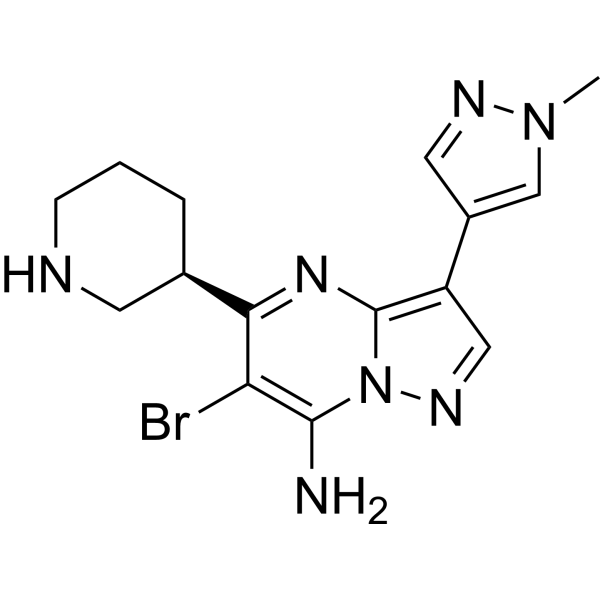
CCT244747 is a potent, orally bioavailable and highly selective CHK1 inhibitor, with an IC50 of 7.7 nM; CCT244747 also abrogates G2 checkpoint with an IC50 of 29 nM.
KIF18A-IN-1 is an inhibitor of the mitotic kinesin KIF18A with anti-tumor activity. KIF18A targeted inhibitors may activate mitotic checkpoints and selectively kill chromosomally unstable cancer cells .
Neihulizumab (ALTB-168) is an immune checkpoint agonistic antibody that binds to human CD162 (PSGL-1), leading to downregulation of activated T-cells. Neihulizumab can be uesd for steroid-refractory acute graft-versus-host-disease (SR-aGVHD), psoriasis, psoriatic arthritis and ulcerative colitis research .
BMS-502 (Compound 22) is a potent dual inhibitor of diacylglycerol kinase (DGK) α and ζ with IC50 of 4.6 nM and 2.1 nM. BMS-502 enhanced T cell immune responses in mice. BMS-502 can be used in tumor immunity related research .
BMS-37 is a PD-1/PD-L1 immune checkpoint inhibitor with an IC50 towards the PD-L1/PD-1 complex in the range of 18 to 200 nM. BMS-37 shows unspecific toxicity against modified Jurkat T cells with an EC50 between 3 and 6 µM. BMS-37 can be used for the study of the PD-L1-induced exhaustion of T-cells or as PD-L1 ligand to synthesize PROTAC molecules .
Safimestomig (6MW3211) is an CD47/PD-L1-targeting bispecific antibody. Safimestomig blocks CD47-mediated 'don't eat me' signaling and selectively binds to CD47 on tumor cells. Safimestomig blocks PD-L1-mediated immune checkpoint signaling. Safimestomig can be used for the research of cancer .
M2I-1 is a Mad2 inhibitor targeting the binding of Mad2 to Cdc20, an essential protein-protein interaction (PPI) within the spindle assembly checkpoint (SAC) .
Zalifrelimab (AGEN1884) is a fully human IgG1 monoclonal antibody targeting CTLA-4 (CTLA-4). Zalifrelimab antagonizes the inhibitory checkpoints of immune cell activation regulated by CTLA-4 signaling .
BOS-172722 is an inhibitor of monopolar spindle 1 (MPS1) checkpoint with an IC50 of 11 nM and 63 nM for MPS1 (1 mM ATP) and P-MPS1, respectively. BOS-172722 also has potential for the study of various forms of breast cancer .
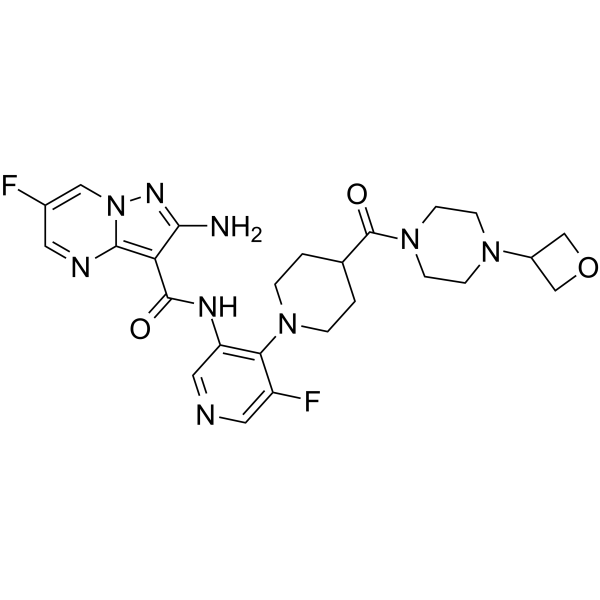
GDC-0425 (RG-7602) is an orally available, highly selective small molecule ChK1 inhibitor. GDC-0425 can be used for the research of various malignancies .
Rulonilimab is a human IgG1 monoclonal antibody against PD-1 that targets, binds and inhibits PD-1 and its downstream signalling pathways with potential immune checkpoint inhibition and anti-tumour activity .
QM31 (SVT016426), a cytoprotective agent, is a selective inhibitor of Apaf-1. QM31 inhibits the formation of the apoptosome (IC50=7.9μM), the caspase activation complex composed by Apaf-1, cytochrome c, dATP and caspase-9. QM31 exerts mitochondrioprotective functions and interferes with the intra-S-phase DNA damage checkpoint .
GNE-900 is a an ATP-competitive, selective, and orally active ChK1 inhibitor with IC50s of 0.0011, 1.5 μM for ChKl, ChK2, respectively. GNE-900 abrogates the G2-M checkpoint, enhances DNA damage, and induces Apoptosis. Gemcitabine (HY-17026) and GNE-900 administration shows anti-tumor activity .
SCH900776 S-isomer is the S-isomer of SCH900776. SCH900776 is a potent, selective and orally bioavailable inhibitor of checkpoint kinase1 (Chk1) with IC50 of 3 nM.
PD 407824 is a checkpoint kinase Chk1 and WEE1 inhibitor with IC50s of 47 and 97 nM, respectively. PD 407824 is a chemical BMP sensitizer and increases the sensitivity of cells to sub-threshold amounts of BMP4 .
Tuvonralimab (PSB-205) is a humanized IgG1 monoclonal antibody against CTLA-4. Tuvonralimab can be used in the research of tumors. Recommend Isotype Controls: Human IgG1 kappa, Isotype Control (HY-P99001) .
BMS-1166-N-piperidine-CO-N-piperazine dihydrochloride incorporates a ligand for PD-1/PD-L1 immune checkpoint, and a PROTAC linker. BMS-1166-N-piperidine-CO-N-piperazine dihydrochloride can be used in the synthesis of PROTAC PD-1/PD-L1 degrader-1?(HY-131183). PROTAC PD-1/PD-L1 degrader-1 inhibits PD-1/PD-L1 interaction with an IC50 of 39.2 nM .
Chk1-IN-5 is a potent checkpoint kinase 1 (Chk1) inhibitor. Chk1-IN-5 inhibits Chk1 phosphorylation and inhibits tumor growth in colon cancer xenograft model .
NTPO (Nitrilotris methylenephosphonic acid) is a DNA damage inducer, causing genomic DNA damage and fragmentation, activating ATR-mediated cell cycle checkpoints. The DNA damaging effects of NTPO are abrogated by base excision repair (BER) but not nucleotide excision repair (NER) .
Antitumor agent-180 (Compound 13a) is an inhibitor for BUB1 mitotic checkpoint serine/threonine kinase B (BUB1B). Antitumor agent-180 inhibits the proliferation of ccRCC cell Caki-1 with IC50 of 2.047 µM. Antitumor agent-180 induces necrosis and apoptosis in Caki-1 .
LAG-3 biner 1 (compound 3) is a small molecule ligand (Kd=1.23 μM) for the immune checkpoint lymphocyte activation gene 3 (LAG-3). LAG-3 biner 1 can be used in the research of cancer diagnosis targeting LAG-3 .
AHR antagonist 5, a potent and orally active aryl hydrocarbon receptor (AHR) antagonist extracted from patent WO2018195397, example 39, has an IC50 of < 0.5 μΜ. AHR antagonist 5 significantly inhibits tumor growth combined with checkpoint inhibitor anti-PD-1 .
BMS-332 is a dual DGKα/ζ lipid kinase inhibitor, with IC50s of 5 and 1 nM against DGKα and DGKζ, respectively. BMS-332 enhances the antigen-specific T cell response. BMS-332 reduces the viral load in the liver and spleen when combined with anti-PD-1 in chronic infection models. BMS-332 can be used for the study of T cell immune checkpoint strategy .
M351-0056 is the agonist for the immune checkpoint protein VISTA, that reduces the secretion of VISTA-induced cytokines, promotes the T-cell proliferation induced by VISTA, and exhibits immunomodulatory activity. M351-0056 ameliorates Imiquimod (HY-B0180)-induced psoriatic dermatitis in mouse models .
BMS-1001 is an orally active human PD-L1/PD-1 immune checkpoint inhibitor. BMS-1001 exhibits low-toxicity in cells. The IC50 value of BMS-1001 in a homogeneous time-resolved fluorescence (HTRF) binding assay is 2.25 nM .
Lesabelimab (LDP) is an immunoglobulin G1-kappa anti-CD274 monoclonal antibody. CD274 is an immune checkpoint ligand, represses antitumour immunity through the interaction with PDCD1 receptor .
eIF4E-IN-1 is a potent inhibitor of eIF4E. eIF4E-IN-1 inhibits immunosuppression components such as immune checkpoint proteins PD-1, PD-L1, LAG3, TIM3, and/or IDO, in order to inhibit or release immune suppression in certain diseases, such as cancer and infectious disease (extracted from patent WO2021003194A1, compound Y) .
Xirestomig (ATG-101) is a tetravalent "2+2″ PD-L1×4-1BB bispecific antibody. Xirestomig binds PD-L1 and 4-1BB concurrently, with a greater affinity for PD-L1, and potently activated 4-1BB+ T cells when cross-linked with PD-L1-positive cells. Xirestomig activates exhausted T cells upon PD-L1 binding. Xirestomig displays potent antitumor activity in numerous in vivo tumor models, including those resistant or refractory to immune checkpoint inhibitors (ICIs) .
PD-1/PD-L1-IN-13 (Compound 43) is a potent immune checkpointPD-1/PD-L1 inhibitor with an IC50 value of 10.2 nM. PD-1/PD-L1-IN-13 promots CD8 + T cell activation and delays the tumor growth in the Hepa1-6 syngeneic mouse model .
TTK/PLK1-IN-1 (Formula I) is the inhibitor for threonine tyrosine kinase (TTK) and polo-like kinase 1 (PLK1) with IC50 of 7 nM and 72 nM. TTK/PLK1-IN-1 regulates spindle assembly checkpoint (SAC), and exhibits antitumor efficacy against TNBC .
ST-162 is a MAPK/PI3K dual antagonist. ST-162 exhibits antitumor activity and can increase the efficacy of immune checkpoint blockers. ST-162 can be used for the research of cancer, such as melanoma .
WEE1-IN-14 (Compound 14) is a selective WEE1 inhibitor (IC50: 0.5 nM in L-RB-FEP calculations, 1.0 nM in ADP-Glo kinase assay). Inhibition of Wee1 in cancer cells disrupts the G2-M checkpoint, removes the regulatory controls on the cell cycle, and leads to early onset of mitotic failure followed by apoptosis of tumor cells. Therefore, WEE1-IN-14 is a useful tool for studying cancer biology .
CHK1-IN-13 (Compound 38) is a checkpoint kinase 1 (Chk1) inhibitor with an IC50 of 10-50 nM. CHK1-IN-13 has anticancer activity, and can be used for the research of cancers, such as breast, ovarian and prostate cancer .
Polzastobart (JTX-8064) is a humanized IgG4 monoclonal antagonist antibody that selectively binds LILRB2 and prevents it from binding its ligands, classical and non-classical MHC I molecules. Polzastobart enhances pro-inflammatory cytokine production in macrophages by blocking the ability of LILRB2 to bind HLA-A/B and/or HLA-G, a marker of immunotolerance on cancer cells. Polzastobart is a macrophage immune checkpoint inhibitor .
Mps1-IN-1 dihydrochloride is a potent and ATP-competitive Mps1 kinase inhibitor with an IC50 of 367 nM. Mps1-IN-1 dihydrochloride inhibit Mps1 mitotic kinase activity and abrogates spindle assembly checkpoint (SAC) function. Mps1-IN-1 dihydrochloride decreases the viability of both cancer and ‘normal’ cells .
Isogranulatimide is a selective checkpoint kinase 1 (Chk1) inhibitor with an IC50 value of 0.1 μM. Isogranulatimide inhibits the G2/M checkpoint and inhibits the growth of p53-mutant tumor cells. Isogranulatimide is promising for research of tumors associated with DNA damage response .
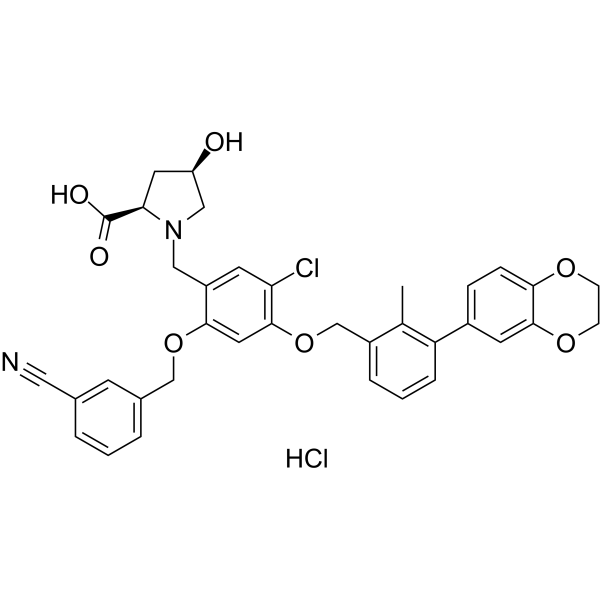
BMS-1166 hydrochloride is a potent PD-1/PD-L1 immune checkpoint inhibitor. BMS-1166 hydrochloride induces dimerization of PD-L1 and blocks its interaction with PD-1, with an IC50 of 1.4 nM. BMS-1166 hydrochloride antagonizes the inhibitory effect of PD-1/PD-L1 immune checkpoint on T cell activation .
Tuparstobart (Incagn-02385) is an IgG1κ antibody targeting LAG-3. LAG-3 is an immune checkpoint receptor protein mainly expressed on activated T cells, NK cells, B cells and plasmacytoid dendritic cells .
XC-12 is an orally active and potent small-molecule CD73 inhibitor (an immune checkpoint) with IC50 values of 12.36 nM and 1.29 nM against soluble and membrane-bound CD73 forms, respectively. XC-12 is promising for research of cancers .
HPK1-IN-2 dihydrochloride is a potent and orally active hematopoietic progenitor kinase-1 (HPK1) inhibitor (IC50<0.05 μΜ) with antitumor activity. HPK1-IN-2 dihydrochloride also inhibits Lck (0.05 μΜ<IC50<0.5 μΜ) and Flt3 (IC50<0.05 μΜ) kinase activities .
RIP1 kinase inhibitor 5 (example 1) is a potent inhibitor of RIP1, which is used as a checkpoint kinase to control tumor immunity . RIP1 kinase inhibitor 5 is similar with SIR1-365 (compound 13), which inhibits necrosis and iron death activity .
ATM-IN-1 is a potent inhibitor of ATM. ATM is located mainly in the nucleus and microsomes and is involved in cell cycle progression and in the cell cycle checkpoint response to DNA damage. ATM-IN-1 has the potential for the research of cancer and neurology diseases (extracted from patent WO2021139814A1, compound 3) .
WAY-230563 (ST045945) is a serine/threonine kinase inhibitor that can block CHK1/CHK2-mediated cell cycle checkpoints. WAY-230563 can induce G2/M phase arrest and DNA damage in tumor cells .
CDK2-IN-48 (Compound 109) is a CDK2 inhibitor with IC50 values for CDK2 and CDK1 of respectively < 0.05 and > 1 μM. CDK2-IN-48 can be used for the study of CDK2-dependent cancers .
PF-3837 is an Mps1 kinase inhibitor with a Ki value of 0.33 nM and an IC50 value of 5.5 nM. PF-3837 interferes with the cell cycle checkpoint by inhibiting Mps1 catalytic activity, reducing genomic stability, thereby inducing cancer cell apoptosis (Apoptosis). PF-3837 can be used in research on breast cancer .
AHR antagonist 5 hemimaleate, a potent and orally active aryl hydrocarbon receptor (AHR) antagonist, has an IC50 of < 0.5 µΜ. AHR antagonist 5 hemimaleate significantly inhibits tumor growth combined with checkpoint inhibitor anti-PD-1 (WO2018195397, example 39) .
BMS-1166-N-piperidine-CO-N-piperazine incorporates a ligand for PD-1/PD-L1 immune checkpoint, and a PROTAC linker. BMS-1166-N-piperidine-CO-N-piperazine can be used in the synthesis of PROTAC PD-1/PD-L1 degrader-1?(HY-131183). PROTAC PD-1/PD-L1 degrader-1 inhibits PD-1/PD-L1 interaction with an IC50 of 39.2 nM .
PD-1/PD-L1-IN-49 (compound 1c) is a potent inhibitor of PD-1/PD-L1, with the IC50 of 77 nM. PD-1/PD-L1-IN-49 activates Jurkat T cells, reflecting successful blockade of the PD-1/PD-L1 immune checkpoint .
Firastotug is an IgG1κ antibody targeting CTLA4. CTLA4 is a cytotoxic T lymphocyte-associated protein and a key immune checkpoint in the fields of autoimmunity and cancer .
NSC 109555 ditosylate is a potent, selective, ATP-competitive checkpoint kinase 2 (Chk2) inhibitor with an IC50 of 240 nM. NSC 109555 ditosylate can be used for the research of cancer .
Fanastomig (EMB-02) is a bispecific antibody against PD-1/LAG3. Fanastomig exhibits potential immune checkpoint inhibitory activity and antineoplastic activity .
HPK1-IN-39 (Compound 10n) is a selective HPK1 Inhibitor (IC50: 29 nM). HPK1-IN-39 inhibits the phosphorylation of SLP76. HPK1-IN-39 can be used for research of cancer immunotherapy .
CHK1-IN-11 (Compound 1) is an orally active, checkpoint kinase 1 (CHK1) inhibitor. CHK1-IN-11 is useful for the study of cancers with oncogene amplification .
Zn-DPA-maytansinoid conjugate 1 is a small molecule-based maytansinoid conjugate targeting immune checkpoint. Zn-DPA-maytansinoid conjugate 1 induces lasting regression of tumor growth and rejuvenates tumor microenvironment (TME) to an "inflamed hot tumor" .
Pom-8PEG, an E3 ligase ligand-linker conjugate, incorporates a cereblon (CRBN) ligand for the E3 ubiquitin ligase and an 8-unit PEG linker. Pom-8PEG can be used in the synthesis of PROTAC, such as IDO1 PROTAC degrader .
IDO1-IN-7 is a highly potent and selective indoleamine-2,3-dioxygenase-1 (IDO1) inhibitor, with an IC50 of 6.1 nM in in the cellular assay (SKOV3). IDO1-IN-7 has immunomodulatory effects. IDO1-IN-7 can be used for the research of cancer .
Human PRKCA mRNA encodes the human protein kinase C alpha (PRKCA) protein, a member of Protein kinase C (PKC) family. PRKCA has been reported to play roles in many different cellular processes, such as cell adhesion, cell transformation, cell cycle checkpoint, and cell volume control.
ZINC05626394 is a cytochrome b5 reductase 3 inhibitor with activity by increasing nitric oxide bioavailability. ZINC05626394 may have potential applications in anti-cancer suppression, especially in combination with antibody drug conjugates (ADCs) and immune checkpoint inhibitors. The efficacy of ZINC05626394 may be limited by different mechanisms, including antigen-related resistance and failure of endocytosis .
Indibulin (Standard) is the analytical standard of Indibulin. This product is intended for research and analytical applications. Indibulin (ZIO 301), an orally applicable inhibitor of tubulin assembly, shows potent anticancer activity with a minimal neurotoxicity. Indibulin reduces inter-kinetochoric tension, produces aberrant spindles, activates mitotic checkpoint proteins Mad2 and BubR1, and induces mitotic arrest and apoptosis .
Phosphorylated CHKtide is a synthetic peptide substrate derived from CDC25C, which is phosphorylated by CHK1/CHK2 in one of the DNA repair pathways. Phosphorylated CHKtide is used in the assays of cell cycle checkpoint kinases 1 and 2 (CHK1/CHK2) and salt-inducible kinases (SIKs) .
DB07006 (compound 18) is a potent, ATP-cpmpetitive dual inhibitor of Wee1 (IC50 = 0.030 μM) and Chk1 checkpoint kinases (IC50 = 0.018 μM). DB07006 demonstrates effective abrogation of the G2/M checkpoint in combination with DNA-damaging agents in cellular models. DB07006 can be used for cancer research .
BMS-1166 (Standard) is the analytical standard of BMS-1166 (HY-102011). This product is intended for research and analytical applications. BMS-1166 is a potent PD-1/PD-L1 immune checkpoint inhibitor. BMS-1166 induces dimerization of PD-L1 and blocks its interaction with PD-1, with an IC50 of 1.4 nM. BMS-1166 antagonizes the inhibitory effect of PD-1/PD-L1 immune checkpoint on T cell activation .
BMS-37 hydrochloride is a PD-1/PD-L1 immune checkpoint inhibitor with an IC50 towards the PD-L1/PD-1 complex in the range of 18 to 200 nM. BMS-37 hydrochloride shows unspecific toxicity against modified Jurkat T cells with an EC50 between 3 and 6 µM. BMS-37 hydrochloride can be used for the study of the PD-L1-induced exhaustion of T-cells or as PD-L1 ligand to synthesize PROTAC molecules .
CA-170 (Standard) is the analytical standard of CA-170 (HY-101093). This product is intended for research and analytical applications. CA-170 is an orally delivered dual inhibitor of VISTA and PD-L1. CA-170 exhibits potent rescue of proliferation and effector functions of T cells inhibited by PD-L1/L2 and VISTA with selectivity over other immune checkpoint proteins as well as a broad panel of receptors and enzymes .
WEE1/PKMYT1-IN-4 is a selective WEE1/PKMYT1 inhibitor, with IC50 values of 0.185 μM and 2.2 nM for human WEE1 and PKMYT1, respectively. WEE1/PKMYT1-IN-4 inhibits phosphorylation of CDK1 at T14 and Y15, disrupting the G2/M cell cycle checkpoint. WEE1/PKMYT1-IN-4 can be used for the research of colorectal cancer and amplified breast cancer .
WEE1-IN-4 (Standard) is the analytical standard of WEE1-IN-4 (HY-108343). This product is intended for research and analytical applications. WEE1-IN-4 (Compound 15) is a potent checkpoint Wee1 Kinase inhibitor with an IC50 of 0.011 μM. Wee1 inhibitors can abrogate the G2/M checkpoint .
AZD0156 (Standard) is the analytical standard of AZD0156 (HY-100016). This product is intended for research and analytical applications. AZD0156 is a potent, selective and orally active ATM inhibitor with an IC50 of 0.58 nM. AZD0156 inhibits the ATM-mediated signaling, prevents DNA damage checkpoint activation, disrupts DNA damage repair, and induces tumor cell apoptosis .
CHK1-IN-15 (compound 9a) is a ATP-kompetitive inhibitor of Checkpoint-Kinase-1 (CHK1) with a 95% binding at 1.0 µM. CHK1-IN-15 is a Chk1 target protein ligand of MA203 (HY-179157). CHK1-IN-15 can be used in cancer-related research .
Gartisertib-d8 (VX-803-d8) is the deuterium labeled Gartisertib (HY-136270). Gartisertib (VX-803) is an ATP-competitive, orally active, and selective ATR inhibitor, with a Ki of <150 pM. Gartisertib potently inhibits ATR-driven phosphorylated checkpoint kinase-1 (Chk1) phosphorylation with an IC50 of 8 nM. Antitumor activity .
Ziptide is a substrate for MAPK activated protein kinase 2 (MAPKAPK2, Km = 5 μM), MAPKAPK3 (Km = 30 μM), PARK (Km = 40 μM), checkpoint kinase 1 (Chk1, Km = 5 μM), AMP-activated protein kinase (AMPK, Km = 75 μM), and calcium/calmodulin-dependent protein kinase II (CamKII, Km = 300 μM) .
CDK20 is a major controller of cell cycle checkpoints, which regulate cell growth and proliferation and perform a role in the development of many malignancies. CDK20 is thought to have Cyclin-dependent activating kinase (CAK) activity for CDK2 when it is complexed with Cyclin H. CDK20/CycT1 Recombinant Human Active Protein Kinase is an ortholog of CDK20 .
Chk2-IN-1 (compound 1) is a potent and selective inhibitor of checkpoint kinase 2 (Chk2), with IC50s of 13.5 nM and 220.4 nM for Chk2 and Chk1, respectively. Chk2-IN-1 can elicit a strong ataxia telangiectasia mutated (ATM)-dependent Chk2-mediated radioprotection effect .
PD-1/PD-L1-IN-28 (compound 3) is an immune checkpoint inhibitor of PD-1/PD-L1 signaling pathway (IC50=0.744 µM). PD-1/PD-L1-IN-28 shows good research potential in tumor immunity .
Prexasertib dihydrochloride (LY2606368 dihydrochloride) is a selective, ATP-competitive second-generation checkpoint kinase 1 (CHK1) inhibitor with a Ki of 0.9 nM and an IC50 of <1 nM. Prexasertib dihydrochloride inhibits CHK2 (IC50=8 nM) and RSK1 (IC50=9 nM). Prexasertib dihydrochloride causes double-stranded DNA breakage and replication catastrophe resulting in apoptosis. Prexasertib dihydrochloride shows potent anti-tumor activity .
Dicycloplatin is a DNA damage inducer. Dicycloplatin induces DNA damage by activating biphosphorylated checkpoint kinase 2 (CHK2), breast cancer 1 (BRCA1) and triphosphorylated p53. Dicycloplatin can induce cell cycle arrest, inhibit proliferation and lead to apoptosis in prostate cancer PC3 cells and lung cancer NCI/H446 cells. Dicycloplatin can be used in cancer researchr .
Evorpacept (ALX148) is a high-affinity CD47-blocking fusion protein with an inactive human immunoglobulin Fc region. Evorpacept binds to CD47, blocks the interaction of the CD47-SIRPα immune checkpoint, and inhibits the binding of wild-type SIRPα to CD47. Evorpacept is applicable to research related to acute myeloid leukemia .
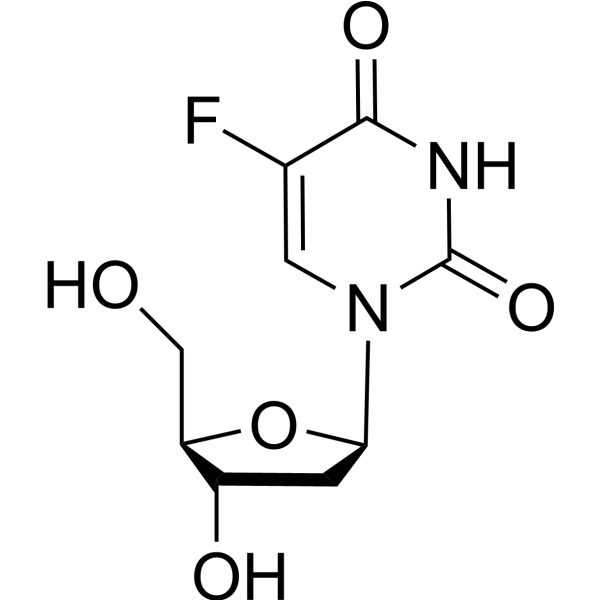
Floxuridine (5-Fluorouracil 2'-deoxyriboside) is a pyrimidine analog and known as an oncology antimetabolite. Floxuridine inhibits Poly(ADP-Ribose) polymerase and induces DNA damage by activating the ATM and ATR checkpoint signaling pathways in vitro. Floxuridine is a extreamly potent inhibitor for S. aureus infection and induces cell apoptosis . Floxuridine has antiviral effects against HSV and CMV .
Dargistotug (M-6223) is a fully human IgG1 monoclonal antibody targeting TIGIT (T cell immune receptor with Ig domain and ITIM). TIGIT is an inhibitory immune checkpoint that promotes NK cell depletion and reduces the secretion of cytokines by binding to CD155 and other antibodies. It can also directly or indirectly inhibit effector T cells and upregulate Tregs cells, thereby exerting immunosuppression. Function .
SB-218078 is a potent, selective, ATP-competitive and cell-permeable checkpoint kinase 1 (Chk1) inhibitor that inhibits Chk1 phosphorylation of cdc25C with an IC50 of 15 nM. SB-218078 is less potently inhibits Cdc2 (IC50 of 250 nM) and PKC (IC50 of 1000 nM). SB-218078 causes apoptosis by DNA damage and cell cycle arrest .
Prexasertib Mesylate Hydrate (LY2606368 Mesylate Hydrate) is a selective, ATP-competitive second-generation checkpoint kinase 1 (CHK1) inhibitor with a Ki of 0.9 nM and an IC50 of <1 nM. Prexasertib Mesylate Hydrate inhibits CHK2 (IC50=8 nM) and RSK1 (IC50=9 nM). Prexasertib Mesylate Hydrate causes double-stranded DNA breakage and replication catastrophe resulting in apoptosis. Prexasertib Mesylate Hydrate shows potent anti-tumor activity .
OM137 is an aurora kinase inhibitor, with an IC50 of 21.7 μM (Aurora A kinase) and 2.4 μM (Aurora B kinase). OM137 also inhibits Cdk1/cyclinB and Cdk5/p25 with an approximate IC50 of 20 μM. OM137 reduces spindle checkpoint-signaling proteins (Mad2 and BubR1) at the kinetochores of chromosomes .
Prexasertib mesylate (LY2606368 mesylate) is a selective, ATP-competitive second-generation checkpoint kinase 1 (CHK1) inhibitor with a Ki of 0.9 nM and an IC50 of <1 nM. Prexasertib mesylate inhibits CHK2 (IC50=8 nM) and RSK1 (IC50=9 nM). Prexasertib mesylate causes double-stranded DNA breakage and replication catastrophe resulting in apoptosis. Prexasertib mesylate shows potent anti-tumor activity .
Prexasertib (LY2606368) is a selective, ATP-competitive second-generation checkpoint kinase 1 (CHK1) inhibitor with a Ki of 0.9 nM and an IC50 of <1 nM. Prexasertib inhibits CHK2 (IC50=8 nM) and RSK1 (IC50=9 nM). Prexasertib causes double-stranded DNA breakage and replication catastrophe resulting in apoptosis. Prexasertib shows potent anti-tumor activity .
WEE1-IN-13 (Compound 10) is a highly selective WEE1 kinase inhibitor (IC50=0.7 nM). WEE1-IN-13 abrogates the G2/M checkpoint and induces tumor cell apoptosis. WEE1-IN-13 is promising for research of solid tumors (e.g., non-small cell lung cancer, ovarian cancer) .
M2I-1 (Standard) is the analytical standard of M2I-1 (HY-100341). This product is intended for research and analytical applications. M2I-1 is a Mad2 inhibitor targeting the binding of Mad2 to Cdc20, an essential protein-protein interaction (PPI) within the spindle assembly checkpoint (SAC) .
GW814408X is a kinase chemical genome group (KCGS) compound that inhibits the AURKC kinase involved in cell cycle progression, checkpoint regulation, and cell division. GW814408X exhibits cell line-dependent toxicity, e.g., cytotoxic effects on HeLa cells. GW814408X acts as a protein kinase inhibitor across ATP-dependent and -independent luciferases with potential implications for Fluc reporter assays .
Efdelikofusp alfa is a bispecific Fc fusion protein. Efdelikofusp alfa is formed by fusing the N-terminal extracellular domain of human CD80 (B7.1) with the Fc fragment of human immunoglobulin G4 (IgG4), and is linked to an interleukin-2 variant (IL-2v) as the C-terminal part. Efdelikofusp alfa exhibits potential immunostimulatory, immune checkpoint inhibitory, and antitumor activities.
Quinacrine (Acriquine) acetate is a small molecule modulator of the cGAS-STING-TBK1 signaling pathway, possessing immune stimulatory activity. Quinacrine acetate has been explored for its potential therapeutic applications in enhancing anti-tumor immunity. Quinacrine acetate can improve the effectiveness of cancer immunotherapies by addressing the poor immunogenicity of various tumors. Quinacrine acetate also presents a promising strategy for overcoming the limitations associated with immune checkpoint inhibitors in cancer treatment.
CDK20 is a major controller of cell cycle checkpoints, which regulate cell growth and proliferation and perform a role in the development of many malignancies. CDK20 is thought to have Cyclin-dependent activating kinase (CAK) activity for CDK2 when it is complexed with Cyclin H. CDK20/CycH Recombinant Human Active Protein Kinase can be used to study the function of CDK20/CycH .
STC-15 is an orally active RNA methyltransferase METTL3 inhibitor with the activity of activating anti-tumor immunity and reshaping the tumor microenvironment. STC-15 inhibits tumor growth by activating anti-cancer immune responses associated with increased interferon signaling and synergizes with T-cell checkpoint blockade. STC-15 can be used in the study of proliferative diseases such as cancer and autoimmune diseases .
Efzilonkofusp alfa is a bispecific Fc fusion protein. Efzilonkofusp alfa is formed by fusing the N-terminal extracellular domain of human CD80 (B7.1) with the Fc fragment of human immunoglobulin G4 (IgG4), and is linked to an interleukin-2 variant (IL-2v) as the C-terminal part. Efzilonkofusp alfa exhibits potential immunostimulatory, immune checkpoint inhibitory, and antitumor activities.
PD-1/PD-L1-IN-25 (compound D2) is an inhibitor of PD-1/PD-L1 interaction with an IC50 value of 16.17 nM. PD-1/PD-L1-IN-25 activates the antitumor immunity of T cells efficiently in PBMCs. PD-1/PD-L1-IN-25 can be used for the research of cancer .
CAMK1D-IN-1 (compound I) is an inhibitor of CAMK1D, targeting cytotoxic T lymphocyte (CTL)-resistant tumor cells. CAMK1D impairs CTL-induced death receptor signaling and apoptosis by inhibiting caspases, making it a key and effective target for PD-L1-refractory tumors .
RRx-001, a hypoxia-selective epigenetic agent and studied as a radio- and chem-sensitizer, triggers apoptosis and overcomes agent resistance in myeloma. RRx-001 exhibits potent anti-tumor activity with minimal toxicity . RRx-001 is a dual small molecule checkpoint inhibitor by downregulating CD47 and SIRP-α . RRx-001 is a potent inhibitor of G6PD and shows potent antimalarial activity .
GNE-783 is a selective CHK1 inhibitor that enhances the activity of gemcitabine. GNE-783 improves the efficacy of anti-metabolite DNA damage drugs by inactivating S-phase and G2-phase cell cycle checkpoints following DNA damage. GNE-783 selectively enhances the chemical synergy of certain drugs in different tumor types, for example, enhancing the activity of temozolomide only in melanoma cell lines .
Prexasertib dimesylate (LY2606368 dimesylate) is a selective, ATP-competitive second-generation checkpoint kinase 1 (CHK1) inhibitor with a Ki of 0.9 nM and an IC50 of <1 nM. Prexasertib dimesylate inhibits CHK2 (IC50=8 nM) and RSK1 (IC50=9 nM). Prexasertib dimesylate causes double-stranded DNA breakage and replication catastrophe resulting in apoptosis. Prexasertib dimesylate shows potent anti-tumor activity .
CHK1-IN-4 hydrochloride is a selective checkpoint kinase 1 (Chk1) inhibitor with an IC50 ≤ 1 nM. The IC50 value of CHK1-IN-4 hydrochloride against Chk2 ranges from 50 to 100 nM. CHK1-IN-4 hydrochloride inhibits cancer cell proliferation and exhibits antitumor activity in colon cancer xenograft models. CHK1-IN-4 hydrochloride can be used for the research of colon cancer and breast cancer .
BMS-242 is a small molecule PD-1/PD-L1 inhibitor with the activity of inhibiting the PD-1/PD-L1 interaction. BMS-242 can bind to the hydrophobic channel pocket between PD-L1 molecules, inhibit the PD-1/PD-L1 immune checkpoint pathway, and provide a new way for cancer inhibition.
CHK1-IN-4 is a selective checkpoint kinase 1 (Chk1) inhibitor with an IC50 ≤ 1 nM. The IC50 value of CHK1-IN-4 against Chk2 ranges from 50 to 100 nM. CHK1-IN-4 inhibits cancer cell proliferation and exhibits antitumor activity in colon cancer xenograft models. CHK1-IN-4 can be used for the research of colon cancer and breast cancer .
BO-264 is a highly potent and orally active transforming acidic coiled-coil 3 (TACC3) inhibitor with an IC50 of 188 nM and a Kd of 1.5 nM. BO-264 specifically blocks the function of FGFR3-TACC3 fusion protein. BO-264 induces spindle assembly checkpoint (SAC)-dependent mitotic arrest, DNA damage and apoptosis. BO-264 has broad-spectrum antitumor activity .
Vorbipiprant (CR6086) is an orally active EP4 receptor antagonist with high selectivity for the human EP4 receptor (Ki: 16.6 nM). Vorbipiprant has immunomodulatory, anti-inflammatory, antitumor, and anti-angiogenic activities. Vorbipiprant can inhibit the expression of multiple pro-inflammatory cytokines and the activation of immune cells, and convert "cold" tumors unresponsive to immune checkpoint inhibitors into "hot" tumors. Vorbipiprant is used in the research of diseases such as rheumatoid arthritis and colon cancer .
PLK1-IN-4 is a potent and selective PLK1 inhibitor with IC50 < 0.508 nM. PLK1-IN-4 has broad antiproliferative activity against a variety of cancer cell lines. PLK1-IN-4 induces mitotic arrest at the G2/M phase checkpoint, leading to cancer cell apoptosis. PLK1-IN-4 can be used for researching hepatocellular carcinoma .
Berzosertib (VE-822) is an orally active, CNS-penetrant, and selective ATR kinase inhibitor. Berzosertib blocks ATR kinase activity, abrogates G2/M cell cycle checkpoint, impairs DNA damage repair. Berzosertib induces apoptosis, inhibnits conlony migration, inhibits cell proliferation, and activates cGAS-STING axes in cancer cells. Berzosertib can be used for the research of cancers, such as head and neck squamous cell carcinoma, and colorectal cancer .
Prexasertib lactate (LY2606368 lactate) is the lactate form of Prexasertib (HY-18174). Prexasertib lactate is a selective, ATP-competitive second-generation checkpoint kinase 1 (CHK1) inhibitor with a Ki of 0.9 nM and an IC50 of <1 nM. Prexasertib lactate inhibits CHK2 (IC50=8 nM) and RSK1 (IC50=9 nM). Prexasertib lactate causes double-stranded DNA breakage and replication catastrophe resulting in apoptosis. Prexasertib lactate shows potent anti-tumor activity .
Floxuridine (Standard) is the analytical standard of Floxuridine. This product is intended for research and analytical applications. Floxuridine (5-Fluorouracil 2'-deoxyriboside) is a pyrimidine analog and known as an oncology antimetabolite. Floxuridine inhibits Poly(ADP-Ribose) polymerase and induces DNA damage by activating the ATM and ATR checkpoint signaling pathways in vitro. Floxuridine is a extreamly potent inhibitor for S. aureus infection and induces cell apoptosis . Floxuridine has antiviral effects against HSV and CMV .
Berzosertib (VE-822) hydrochloride is an orally active, CNS-penetrant, and selective ATR kinase inhibitor. Berzosertib hydrochloride blocks ATR kinase activity, abrogates G2/M cell cycle checkpoint, impairs DNA damage repair. Berzosertib hydrochloride induces apoptosis, inhibnits conlony migration, inhibits cell proliferation, and activates cGAS-STING axes in cancer cells. Berzosertib hydrochloride can be used for the research of cancers, such as head and neck squamous cell carcinoma, and colorectal cancer .
SirReal2 is a potent, isotype-selective Sirt2 inhibitor with an IC50 value of 140 nM and has very little effect on the activities of Sirt3-5. SirReal2 leads to tubulin hyperacetylation in HeLa cells and induces destabilization of the checkpoint protein BubR1. SirReal2 combined with VS-5584 (HY-16585) suppresses tumor growth and extends the survival rate of mice in tumor xenograft model. SirReal2 is is promising for research of cancer, inflammation and neurodegeneration .
PF-7006 is an Mps1 kinase inhibitor with a Ki value of 0.27 nM and an IC50 value of 2.5 nM. PF-7006 interferes with cell cycle checkpoints by inhibiting the catalytic activity of Mps1, reducing histone H3 levels, and shortening the duration of mitosis, leading to apoptosis in cancer cells. Combined use of PF-7006 with Palbociclib (HY-50767) increases cancer cell tolerance to PF-7006. PF-7006 can be used for breast cancer research .
CHK1-IN-12 (Compound example 1-5) is an orally active and highly selective checkpoint kinase 1 (CHK1) inhibitor with in vitro enzyme IC50≤10 nM and cellular IC50≤50 nM. CHK1-IN-12 inhibits the phosphorylation activity of CHK1 kinase to block the DNA damage response pathway, inducing tumor cell cycle arrest and apoptosis. CHK1-IN-12 is promising for research of cancers .
Cbl-b-IN-2 (Example 8) is an orally bioavailable compound, can inhibit the E3 enzyme Casitas B-lineage lymphoma proto-oncogene-b (Cbl-b) in the ubiquitin proteasome pathway. Cbl-b-IN-2 can be used to modulate the immune system and diseases amenable to immune system modulation. Cbl-b-IN-2 (Example 8) also may be administered to an individual with cancer, either alone or as part of a combination, with one or more of an immune checkpoint inhibitor, an anti-neoplastic agent, and radiation agent .
CD28-IN-3 is a CD28 inhibitor with an IC50 of 7.80 μM and a Kd of 52.45 μM. CD28-IN-3 selectively blocks the CD28-B7 interaction, thereby inhibiting CD28-mediated costimulation. CD28-IN-3 suppresses the production of proinflammatory cytokines IFN-γ, IL-2 and TNF-α. CD28-IN-3 can be used in the research of checkpoint-resistant cancers .
JH295 hydrate is a potent, irreversible and selective NIMA-related kinase 2 (Nek2) inhibitor with an IC50 of 770 nM. JH295 hydrate inhibits cellular Nek2 via alkylation of Cys22. JH295 hydrate is inactive against the mitotic kinases, Cdk1, Aurora B or Plk1, and does not perturb bipolar spindle assembly or the spindle assembly checkpoint . JH295 (hydrate) is a click chemistry reagent, it contains an Alkyne group and can undergo copper-catalyzed azide-alkyne cycloaddition (CuAAc) with molecules containing Azide groups.
ONC-841 is a blood-brain barrier-permeable, humanized monoclonal antibody targeting SIGLEC10. As an immune checkpoint inhibitor, ONC-841 restores the functions of immune effector cells such as T cells and enhances anti-tumor immune responses by blocking inhibitory signals mediated by SIGLEC10. ONC-841 restores the phagocytic and migratory activities of microglia, and promotes the phagocytosis of Amyloid-β and Tau protein aggregates by microglia. ONC-841 is applicable to research related to solid tumors and Alzheimer's disease .
AGEN-2373 is a conditionally active agonist antibody targeting the co-stimulatory receptor CD137. GEN-2373 binds to CD137 without disruption of ligand binding. AGEN-2373 stimulates CD137 under receptor clustering conditions. AGEN-2373 can enhance T cell activity when combined with other checkpoint modulators (e.g. PD-1 antagonist and OX40 agonist). AGEN-2373 can be studied in research for human malignancies .
Prexasertib-d4 (LY2606368-d4) is the deuterium labeled Prexasertib (HY-18174). Prexasertib (LY2606368) is a selective, ATP-competitive second-generation checkpoint kinase 1 (CHK1) inhibitor with a Ki of 0.9 nM and an IC50 of <1 nM. Prexasertib inhibits CHK2 (IC50=8 nM) and RSK1 (IC50=9 nM). Prexasertib causes double-stranded DNA breakage and replication catastrophe resulting in apoptosis. Prexasertib shows potent anti-tumor activity .
JH295 is a potent, irreversible and selective NIMA-related kinase 2 (Nek2) inhibitor with an IC50 of 770 nM. JH295 inhibits cellular Nek2 via alkylation of Cys22. JH295 is inactive against the mitotic kinases, Cdk1, Aurora B or Plk1, and does not perturb bipolar spindle assembly or the spindle assembly checkpoint . JH295 is a click chemistry reagent, it contains an Alkyne group and can undergo copper-catalyzed azide-alkyne cycloaddition (CuAAc) with molecules containing Azide groups.
CFI-401870 is an orally active threonine tyrosine kinase (TTK (Mps1)) inhibitor with an IC50 of 3.1 nM. CFI-401870 exhibits IC50s against PLK4, KDR, AURKA and other kinases such as AURKB/INCENP were all greater than 1 μM.CFI-401870 inhibits the growth of various cancer cells, causing chromosome lag, an increase in aneuploidy and cell cycle arrest. CFI-401870 can be used for the study of cancers such as colon cancer .
Axl-IN-16 is a dual inhibitor of Axl/HIF. Axl-IN-16 induces fruiting body formation of Flammulina velutipes. Axl-IN-16 inhibits hypoxia-inducible factor activity and receptor tyrosine kinase expression .
D18 is an immune modulator. D18 acts as a TLR7/8 dual agonist (EC50 = 24 nM for hTLR7 and 10 nM for hTLR8, respectively). D18 increases PD-L1 expression through epigenetic regulation, thus sensitizing tumors to PD-1/PD-L1 blockade. D18 is a ADC cytotoxin uesd for the systhesis of ADC HE-S2 (HY-144497). D18 has strong immune activation and anti-tumor activity. D18 commonly used in cancer research, such as colon cancer .
Chk1-IN-6 is a selective and orally active Chk1 inhibitor with an IC50 of 16.1 nM. Chk1-IN-6 shows antiproliferative activity of MV-4-11 cells. Chk1-IN-6 exerts effective response in the MV-4-11 xenograft mouse model. Chk1-IN-6 exhibits synergistic anticancer effect with Gemcitabine (HY-17026). Chk1-IN-6 can be used in the research of cancers such as acute myeloid leukemia and colorectal adenocarcinoma .
ANI-7 is an activator of aryl hydrocarbon receptor (AhR) pathway. ANI-7 inhibits the growth of multiple cancer cells, and potently and selectively inhibits the growth of MCF-7 breast cancer cells with a GI50 of 0.56 μM. ANI-7 induces CYP1-metabolizing mono-oxygenases by activating AhR pathway, and also induces DNA damage, checkpoint Kinase 2 (Chk2) activation, S-phase cell cycle arrest, and cell death in sensitive breast cancer cell lines .
CA1001 is a small-molecule ZNF74 inhibitor and a peripherally restricted κ/δ dual opioid receptor agonist. CA1001 exhibits potent antitumor activity both in vitro and in vivo. CA1001, in combination with immune checkpoint inhibitors, significantly enhances tumor regression. CA1001 activates peripherally restricted κ/δ dual opioid receptors and exerts analgesic effects under conditions of inflammatory pain, neuropathic pain, and mechanical hyperalgesia. CA1001 can be used in research related to melanoma, mechanical hyperalgesia, neuropathic pain, and inflammatory arthritis pain.
Lisavanbulin (BAL-101553) dihydrochloride is the prodrug of the microtubule targeting agent Avanbulin (BAL 27862) (HY-106008). Lisavanbulin dihydrochloride exhibits antitumor activity, especially in tumors that express high levels of end-binding protein 1. Lisavanbulin dihydrochloride has ability to target tumor cell proliferation and affects the tumor microenvironment by reducing tumor microvasculature. Lisavanbulin dihydrochloride is also a spindle assembly checkpoint activator. Lisavanbulin dihydrochloride induces cell cycle arrest and subsequent death or aberrant chromosome segregation. Lisavanbulin dihydrochloride can be studied in research for diffuse large B cell lymphoma (DLBCL) and glioblastoma .
TPPC, a porphyrin cholesterol conjugate, can render cancer cells more sensitive to ICIs. TPPC can enhance photodynamic immunotherapy toward lung cancer .
Arvenin I is a natural cucurbitacin glucoside that activates T cells within the cancer-competitive environment. Arvenin I covalently reacts with and hyperactivates MKK3, thereby reviving the mitochondrial fitness of exhausted T cells through the activation of the p38MAPK pathway . Arvenin I exhibits broad-spectrum antiproliferative against cancer cells . Arvenin I enhances antitumor effects both as a monotherapy and in combination with immune checkpoint inhibitors in mice . Arvenin I can be used for cancer research, such as colon cancer, breast cancer, lung cancer, and ovarian cancer [1][2].
Lisavanbulin (BAL-101553) is the prodrug of the microtubule targeting agent Avanbulin (BAL 27862) (HY-106008). Lisavanbulin is a BBB-penetrant and orally active antitumor agent, especially in tumors that express high levels of end-binding protein 1. Lisavanbulin has ability to target tumor cell proliferation and affects the tumor microenvironment by reducing tumor microvasculature. Lisavanbulin is also a spindle assembly checkpoint activator. Lisavanbulin induces cell cycle arrest and subsequent death or aberrant chromosome segregation. Lisavanbulin can be studied in research for diffuse large B cell lymphoma (DLBCL) and glioblastoma .
SirReal2 (Standard) is the analytical standard of SirReal2 (HY-100591). This product is intended for research and analytical applications. SirReal2 is a potent, isotype-selective Sirt2 inhibitor with an IC50 value of 140 nM and has very little effect on the activities of Sirt3-5. SirReal2 leads to tubulin hyperacetylation in HeLa cells and induces destabilization of the checkpoint protein BubR1. SirReal2 combined with VS-5584 (HY-16585) suppresses tumor growth and extends the survival rate of mice in tumor xenograft model. SirReal2 is is promising for research of cancer, inflammation and neurodegeneration .
Floxuridine- 13C, 15N2 (5-Fluorouracil 2'-deoxyriboside- 13C, 15N2) is the 13C- and 15N-labeled labeled Floxuridine (HY-B0097). Floxuridine (5-Fluorouracil 2'-deoxyriboside) is a pyrimidine analog and known as an oncology antimetabolite. Floxuridine inhibits Poly(ADP-Ribose) polymerase and induces DNA damage by activating the ATM and ATR checkpoint signaling pathways in vitro. Floxuridine is a extreamly potent inhibitor for S. aureus infection and induces cell apoptosis . Floxuridine has antiviral effects against HSV and CMV .
Talviraline is a non-nucleoside reverse transcriptase (NNRT) inhibitor that is primarily used to inhibit the replication of human immunodeficiency virus type 1 (HIV-1). Talviraline inhibits the viral replication process by binding to a specific site of HIV-1 reverse transcriptase (RT). Talviraline can be used to study the potential countermeasures and safety of HIV-1 infection .
L-Fucose (6-Deoxy-L-galactopyranose) is an orally active dietary sugar. L-Fucose is one of the key metabolites involved in the interaction between humans and the intestinal microbiota. L-Fucose binds to proteins as a post-translational modification through the fucosylation process, thereby regulating the behavior and function of proteins. L-Fucose has shown the ability to inhibit tumor growth and increase the infiltration of immune cells within tumors. L-Fucose can be used in cancer and anti-tumor immune research .
PVTX-405 is a selective and oral active IKZF2 molecular glue degrader with a DC50 of 0.7 nM and a Dmax of 91%. PVTX-405 enhances degradation efficiency, significantly reduces off-target degradation, and alleviates hERG inhibition with IC50 of 48 µM. PVTX-405 significantly inhibits the growth of MC38 tumors, with greater synergistic anti-cancer efficacy in combination with immune checkpoint therapies (ICTs) (anti-PD1 or anti-LAG3) in the MC38 mouse tumor xenograft model using Crbn 391V C57BL/6 mice .
BMS-1166-N-piperidine-COOH, the BMS-1166-based moiety, binds to E3 ligase ligand via a linker to form PROTAC PD-1/PD-L1 degrader-1 (HY-131183) to degrade PD-1/PD-L1 . BMS-1166 is a potent PD-1/PD-L1 interaction inhibitor with an IC50 of 1.4 nM. BMS-1166 antagonizes the inhibitory effect of PD-1/PD-L1 immune checkpoint on T cell activation .
PPACK dihydrochloride is an orally active, selective molecular glue degrader targeting IKZF2. Through a molecular glue mechanism, PPACK dihydrochloride binds to CRBN, recruits IKZF2 to form a ternary complex, and promotes its ubiquitination and proteasomal degradation. This further converts inhibitory regulatory T cells (Treg) into effector-like T cells, enhances CD8 + T cell responses, and modulates the Teff:Treg balance. PPACK dihydrochloride also increases the production of the inflammatory cytokine IL-2 and reduces the suppressive activity of Treg. PPACK dihydrochloride can be used in cancer immunotherapy research, and exhibits a synergistic effect when combined with immune checkpoint inhibitors such as anti-PD1 .
Anti-Mouse CD96 Antibody (3.3) is a rat-derived anti-mouse CD96 IgG1 λ type antibody inhibitor. Anti-Mouse CD96 Antibody (3.3) blocks binding of CD155 to CD96. Anti-Mouse CD96 Antibody (3.3) can enhance the antitumor efficacy of multiple immune-checkpoint inhibitors. Anti-Mouse CD96 Antibody (3.3) shows potent anti-tumor and anti-metastatic activity in various tumor models. Anti-Mouse CD96 Antibody (3.3) can be used for the researches of cancer and inflammation, such as mammary carcinoma .
AZD4877 hydrochloride is a synthetic dynein inhibitor with potential anti-tumor activity. AZD4877 selectively inhibits the microtubule dynein KSP (also known as kinesin-5 or Eg5), which may lead to inhibition of mitotic spindle assembly. The action of AZD4877 may activate the spindle assembly checkpoint, leading to cell cycle arrest at the mitotic stage. AZD4877 may induce cell death in actively dividing tumor cells. AZD4877 may be less likely to cause peripheral neuropathy associated with microtubule-targeted compounds as it is not involved in post-mitotic processes. AZD4877 is essential for the formation of bipolar spindles and the proper segregation of sister chromosomes .
AN02 is a derivative of Curcumin (HY-N0005). AN02 inhibits the proliferation and clonogenicity, migration and invasion of ovarian cancer cells. AN02 dose-dependently upregulates the expression of APC and mediates the degradation of CTLA-4 through SMAD4. In the small xenograft model, AN02 significantly inhibits tumor growth and reverses the tumor immune-suppressive microenvironment. AN02, when combined with Ipilimumab (HY-P9901), can enhance efficacy and inhibit epithelial-mesenchymal transition. AN02 can be used for the study of ovarian cancer .
Z3071585108 is a small molecule binder of the LAG-3 D1 domain with Kd values measured for the MST-TRIC channel and spectral shift detection of 59.2 and 56.1 μM respectively. Z3071585108 partially inhibits the binding of LAG-3 to MHCII, with an EC₅₀ of 42.9 μM. Z3071585108 can be used for the study of small molecule immunotherapies targeting LAG-3 .
PPACK TFA is an orally active, selective molecular glue degrader targeting IKZF2. Through a molecular glue mechanism, PPACK TFA binds to CRBN, recruits IKZF2 to form a ternary complex, and promotes its ubiquitination and proteasomal degradation. This further converts inhibitory regulatory T cells (Treg) into effector-like T cells, enhances CD8 + T cell responses, and modulates the Teff:Treg balance. PPACK TFA also increases the production of the inflammatory cytokine IL-2 and reduces the suppressive activity of Treg. PPACK TFA can be used in cancer immunotherapy research, and exhibits a synergistic effect when combined with immune checkpoint inhibitors such as anti-PD1 .
Anti-Mouse PD-1 Antibody (S-5001) is a selective inhibitor targeting PD-1, blocking the PD-1/PD-L1 immune checkpoint axis through competitive binding to PD-1. Anti-Mouse PD-1 Antibody (S-5001) works by reversing the tumor immunosuppressive microenvironment and reactivating the anti-tumor activity of cytotoxic T lymphocytes. It can be used in research on tumors such as melanoma and HPV-positive oropharyngeal squamous cell carcinoma. Anti-Mouse PD-1 Antibody (S-5001) is often combined with photothermal therapy, chemotherapy, etc., to enhance efficacy .
EVT801 is an orally active and selective inhibitor of VEGFR-3 (IC50=11 nM), which has antitumor effects. EVT801 inhibits not only VEGF-C-induced human endothelial cell proliferation, but also tumor (lymphatic) angiogenesis in tumor mouse models. EVT801 can reduce tumor hypoxia, immunosuppressive cytokines (CCL4, CCL5) and myeloid derived suppressor cells (MDSC) production. EVT801 has synergistic effect with immune checkpoint therapy (ICT), which improves ICT response rate and has better inhibitory effect on cancer mouse models . EVT801 is a click chemistry reagent, it contains an Alkyne group and can undergo copper-catalyzed azide-alkyne cycloaddition (CuAAc) with molecules containing Azide groups.
PLX-4545 is an orally active, selective molecular glue degrader targeting IKZF2. Through a molecular glue mechanism, PLX-4545 binds to CRBN, recruits IKZF2 to form a ternary complex, and promotes its ubiquitination and proteasomal degradation. This further converts inhibitory regulatory T cells (Treg) into effector-like T cells, enhances CD8 + T cell responses, and modulates the Teff:Treg balance. PLX-4545 also increases the production of the inflammatory cytokine IL-2 and reduces the suppressive activity of Treg. PLX-4545 can be used in cancer immunotherapy research, and exhibits a synergistic effect when combined with immune checkpoint inhibitors such as anti-PD1 .
DOTA-Bn-CA-170 is a molecular probe targeting the VISTA protein, with a Kd value of 0.124 nM. DOTA-Bn-CA-170 is formed by covalently linking the p-SCN-Bn-DOTA ligand with CA-170 (HY-101093). DOTA-Bn-CA-170 labeled with [ 68Ga]Ga successfully achieves specific and high-contrast PET imaging of VISTA expression in various tumor-bearing mouse models. DOTA-Bn-CA-170 can be used for the study of VISTA-targeted immunotherapy .
TIM-3-ligand-1 (Compound 35) is a highly efficient and selective TIM-3 ligand with a Ki value of 156 nM. TIM-3-ligand-1 can be used for research in immunotherapy .
BAP2 is an allosteric protein disulfide isomerase (PDI) inhibitor with a IC50 of 0.85 μM. BAP2 binds to His256 in the b′ domain of PDI and exerts inhibitory effects through allosteric binding to the b′ domain. BAP2 upregulates GRP78. BAP2 inhibits the growth of glioblastoma cells. BAP2 can be used in studies related to glioblastoma .
CIRc-014 is an orally active Cyclin A/B inhibitor with a Cyclin A IC50 of 0.05 μM, Cyclin A Kd of 2.7 nM, Cyclin B IC50 of less than 0.02 μM and Cyclin B Kd of 1.0 nM. CIRc-014 activates the spindle assembly checkpoint and promotes the formation of a complex between Cyclin B and CDK2 by blocking the RxL interaction of Cyclin A/B. CIRc-014 can induce replication stress, DNA damage, mitotic arrest and apoptosis in tumor cells. CIRc-014 showed tumor growth inhibition and regression in NCI-H69 and NCI-H446 small cell lung cancer xenograft models. CIRc-014 can be used for the research of small-cell lung cancer .
Apcin-A is a small molecule inhibitor that selectively targets the cell division cycle protein Cdc20 and is a derivative of Apcin (HY-110287). Apcin-A competitively binds to the D-box binding pocket of Cdc20 and inhibits substrate ubiquitination mediated by the anaphase promoting complex APC/C-Cdc20. Apcin-A also blocks the binding of Cdc20 to substrates (such as securin and cyclin B1), inhibiting anaphase initiation and cell cycle exit. Apcin-A can promote or prolong mitotic slippage in coordination with p31 comet under conditions of high spindle assembly checkpoint (SAC) activity. Apcin-A can be used to develop anti-mitotic drugs and overcome tumor chemotherapy resistance. Apcin-A can be used to synthesize PROTAC CP5V (HY-130257)[1][2][3].
Topoisomerase I inhibitor 17 (Compound 7h) is a Topoisomerase I (Top1) inhibitor. Topoisomerase I inhibitor 17 reduces DDX5 and reverses the locking of Top1 activity by DDX5. Topoisomerase I inhibitor 17 induces Top1-mediated DNA damage and promotes reactive oxygen species (ROS) production. Topoisomerase I inhibitor 17 induces Apoptosis (reduces antiapoptotic proteins XIAP, Bcl-2, Survivin and up-regulates pro-apoptotic proteins Bax, γH2AX). Topoisomerase I inhibitor 17 also blocks the progression of the G2/M checkpoint and induces cell cycle arrest. Topoisomerase I inhibitor 17 significantly inhibits colony formation and cell migration in colorectal cancer cells. Topoisomerase I inhibitor 17 effectively reduces tumors in human PDX tumor mice .
Mps1/TTK-IN-1 (Compound cpd-5), a derivative of NMS-P715 (HY-12382), is a Mps1 kinase inhibitor with an IC50 of 9.2 nM and a Kd of 1.6 nM. Mps1/TTK-IN-1 specifically targets the ATP-binding pocket of the Mps1 kinase. Mps1/TTK-IN-1 maintains inhibitory activity against Mps1 drug-resistant mutants (C604Y, C604W) with IC50 values of 170 and 19 nM and Kd values of 471 and 349 nM. Mps1/TTK-IN-1 can block the phosphorylation of kinetochore protein KNL1 mediated by Mps1, interfere with the spindle assembly checkpoint function, prevent the correct separation of chromosomes, and thereby inhibit the mitosis and proliferation of tumor cells .
Lanerkitug (BAY3375968) is a fully human monoclonal IgG1 anti-human CCR8 antibody. Lanerkitug selectively depletes human CCR8 + Tregs via antibody dependent cellular cytotoxicity (ADCC) and antibody dependent cellular phagocytosis (ADCP). Lanerkitug can be used in the research of solid tumors .
NSC 109555 is an ATP-competitive inhibitor of checkpoint kinase 2 (Chk2; IC50=200 nM in a cell-free kinase assay). It is selective for Chk2 over Chk1 and 16 kinases in a panel but does inhibit Brk, c-Met, IGFR, and LCK with IC50 values of 210, 6,000, 7,400, and 7,100 nM, respectively. NSC 109555 inhibits Chk2 autophosphorylation and phosphorylation of the Chk2 substrate histone H1 in vitro (IC50=240 nM). It inhibits the growth of, and induces autophagy in, L1210 leukemia cells in vitro.2 NSC 109555 (1,250 nM) potentiates gemcitabine-induced cytotoxicity in MIA PaCa-2, CFPAC-1, PANC-1, and BxPC-3 pancreatic cancer cells, as well as reduces gemcitabine-induced increases in Chk2 phosphorylation and enhances gemcitabine-induced production of reactive oxygen species (ROS) in MIA PaCa-2 cells.
ASD141 is a mouse IgG1 antibody targeting mouse CD11b and a CD11b antagonist. ASD141 remodels the tumor microenvironment, enhances antigen presentation ability, and induces PD-L1 expression. ASD141 can be used for the research of colon cancer .
CID-078 is an orally active macrocyclic cyclin A and cyclin B inhibitor. CID-078 binds cyclin hydrophobic patches, disrupting interactions of cyclin A-Cdk2 with E2F1 and cyclin B-Cdk1 with Myt1, and selectively targets RxL binding motifs to block complex-substrate interactions. CID-078 induces DNA damage, G2/M cell cycle arrest, apoptosis, mitotic catastrophe, spindle assembly checkpoint activation, and neomorphic cyclin B-CDK2 complex formation, driving synthetic lethality in E2F-driven cancer cells. CID-078 can be used for the research of small cell lung cancer, non-small cell lung cancer, triple negative breast cancer, advanced solid tumors, luminal HR +/HER 2- breast cancer, RB1-altered solid tumors, and neuroblastoma .
SF-9-2 is a PD-L1/PD-1 binding inhibitor (IC50 = 24.9 nM). SF-9-2 inhibits epithelial-mesenchymal transition, migration, invasion, and proliferation of SK-N-SH cells, and also induces apoptosis and cell cycle arrest. SF-9-2 blocks PD-L1-induced SK-N-SH cell growth through the MAPK signaling pathway. SF-9-2 restores GSK-3β activity and enhances PD-L1 degradation through the ubiquitin-proteasome pathway. SF-9-2 inhibits tumor growth in the SK-N-SH NOG mouse model without significant toxicity. SF-9-2 also acts as an immune checkpoint inhibitor, blocking PD-L1 to restore T cell function. SF-9-2 can be used in neuroblastoma research .
VTX-1218 is a VSIG4 inhibitor with human Kd 7.4 nM. VTX-1218 blocks VSIG4 activity, relieves VSIG4-mediated macrophage suppression, repolarizes tumor-associated macrophages and induces T cell activation. VTX-1218 upregulates cytokines and chemokines linked to immune cell recruitment. VTX-1218 can be used for the research of multiple cancer types .
MI-773 TFA is an orally active, selective MDM2-p53 interactioninhibitor with a Ki of 0.88 nM for MDM2.MI-773 TFA blocks the MDM2-TP53 interaction. MI-773 TFA potently activates p53. MI-773 TFA induces Apoptosis. MI-773 TFA causes tumor regression in xenograft models of adenoid cystic carcinoma. MI-773 TFA exhibits anticancer effects in neuroblastoma. MI-773 TFA can be used for the research of adenoid cystic carcinoma .
PD-1/PD-L1-IN-63 is an orally active PD-1/PD-L1 inhibitor with an IC50 of 9.1 nM. PD-1/PD-L1-IN-63 blocks the PD-1/PD-L1 interaction, induces cancer cell death and inhibits tumor growth. PD-1/PD-L1-IN-63 can be used in the research of melanoma .
PF-08046054 (SGN-PDL1V) is a PD-L1-directed Antibody-drug conjugate (ADC), which is comprised of an anti-PD-L1 antibody conjugated to VcMMAE (HY-15575). PF-08046054 is direct cytotoxicity to PD-L1-expressing tumor cells via the intracellular delivery of MMAE. PF-08046054 can be used for the study of solid tumors
DNA is prone to numerous forms of damage that can injure cells and impair fitness. Cells have developed an array of mechanisms to repair these injuries. Proliferating cells are especially vulnerable to DNA damage due to the added demands of cellular growth and division. Cell cycle checkpoints represent integral components of DNA repair that coordinate cooperation between the machinery of the cell cycle and several biochemical pathways that respond to damage and restore DNA structure. By delaying progression through the cell cycle, checkpoints provide more time for repair before the critical phases of DNA replication, when the genome is replicated, and of mitosis, when the genome is segregated. Loss or attenuation of checkpoint function may increase spontaneous and induced gene mutations and chromosomal aberrations by reducing the efficiency of DNA repair.
MCE owns a unique collection of 3,275 cell cycle/DNA damage-related compounds which can be used in the research of the same.
Immuno-Oncology is a type of immunotherapy that has the specific purpose of treating cancer. It works by stimulating our immune system to fight back. Normally, our immune system is able to destroy cancer cells in our body, however sometimes cancer cells can adapt and mutate, effectively hiding from our immune system. This is when tumors can develop and become a threat to our health. Immuno-oncology involves mobilizing lymphocytes to recognize and eliminate cancer cells using the body’s immune system. There are several immuno-oncology treatments available, including Immune cell therapy (CAR-T), monoclonal antibodies (mABs) and checkpoint inhibitors, cytokines and cancer vaccines.
MCE Small Molecule Immuno-Oncology Compound Library offers 769 bioactive tumor immunology compounds that target some important checkpoints such as PD1/PD-L1, CXCR, Sting, IDO, TLR, etc. This library is a useful tool for Immuno-oncology research.
Gastric Cancer (GC) is one of the most common malignant tumors in the world, ranking fourth in mortality rate globally. Because the early symptoms of stomach neoplasm are usually not obvious, are diagnosed with gastric cancer at terminal stage, and the relative survival rate within 5 years is very low. With the further understanding of the molecular characteristics of stomach neoplasm, many therapeutic targets for gastric cancer have been identified, and molecular targeted therapies such as CTLA-4, HER2 and immune checkpoint inhibitors have made rapid progress. Although survival rates for patients with gastric neoplasm have improved over the past few decades, the prognosis is still worrying. Therefore, there is an urgent need for new drugs to treat gastric cancer.
MCE designs a unique collection of 1,103 small molecules with definite or potential anti-gastric cancer activity, which is an important tool for studying the pathological mechanism of stomach neoplasm and developing drugs for stomach neoplasm.
PF-08046054 (SGN-PDL1V) is a PD-L1-directed Antibody-drug conjugate (ADC), which is comprised of an anti-PD-L1 antibody conjugated to VcMMAE (HY-15575). PF-08046054 is direct cytotoxicity to PD-L1-expressing tumor cells via the intracellular delivery of MMAE. PF-08046054 can be used for the study of solid tumors
NTPO trisodium is a DNA damage inducer, causing genomic DNA damage and fragmentation, activating ATR-mediated cell cycle checkpoints. The DNA damaging effects of NTPO trisodium are abrogated by base excision repair (BER) but not nucleotide excision repair (NER) .
PPACK TFA is an orally active, selective molecular glue degrader targeting IKZF2. Through a molecular glue mechanism, PPACK TFA binds to CRBN, recruits IKZF2 to form a ternary complex, and promotes its ubiquitination and proteasomal degradation. This further converts inhibitory regulatory T cells (Treg) into effector-like T cells, enhances CD8 + T cell responses, and modulates the Teff:Treg balance. PPACK TFA also increases the production of the inflammatory cytokine IL-2 and reduces the suppressive activity of Treg. PPACK TFA can be used in cancer immunotherapy research, and exhibits a synergistic effect when combined with immune checkpoint inhibitors such as anti-PD1 .
Fmoc-KCRGDK is a self-assembling peptide that can be used to prepare hydrogels and assist in drug delivery for immune checkpoint inhibitors. Fmoc-KCRGDK can be applied in cancer immunotherapy research .
DOTA-Bn-CA-170 is a molecular probe targeting the VISTA protein, with a Kd value of 0.124 nM. DOTA-Bn-CA-170 is formed by covalently linking the p-SCN-Bn-DOTA ligand with CA-170 (HY-101093). DOTA-Bn-CA-170 labeled with [ 68Ga]Ga successfully achieves specific and high-contrast PET imaging of VISTA expression in various tumor-bearing mouse models. DOTA-Bn-CA-170 can be used for the study of VISTA-targeted immunotherapy .
Phosphorylated CHKtide is a synthetic peptide substrate derived from CDC25C, which is phosphorylated by CHK1/CHK2 in one of the DNA repair pathways. Phosphorylated CHKtide is used in the assays of cell cycle checkpoint kinases 1 and 2 (CHK1/CHK2) and salt-inducible kinases (SIKs) .
Ziptide is a substrate for MAPK activated protein kinase 2 (MAPKAPK2, Km = 5 μM), MAPKAPK3 (Km = 30 μM), PARK (Km = 40 μM), checkpoint kinase 1 (Chk1, Km = 5 μM), AMP-activated protein kinase (AMPK, Km = 75 μM), and calcium/calmodulin-dependent protein kinase II (CamKII, Km = 300 μM) .
Anti-Mouse PD-1 Antibody (S-5001) is a selective inhibitor targeting PD-1, blocking the PD-1/PD-L1 immune checkpoint axis through competitive binding to PD-1. Anti-Mouse PD-1 Antibody (S-5001) works by reversing the tumor immunosuppressive microenvironment and reactivating the anti-tumor activity of cytotoxic T lymphocytes. It can be used in research on tumors such as melanoma and HPV-positive oropharyngeal squamous cell carcinoma. Anti-Mouse PD-1 Antibody (S-5001) is often combined with photothermal therapy, chemotherapy, etc., to enhance efficacy .
Tinurilimab (Bay 1834942) is an anti-CEACAM6 (carcinoembryonic antigen-related cell adhesion molecule 6) humanized IgG2 monoclonal antibody. CEACAM6 is an immune checkpoint regulator suppressing the activity of effector T-cells against tumors. Tinurilimab shows an increased tumor cell killing effect in the tumor-cell/T-cell co-culture system .
Tiragolumab is an immune checkpoint inhibitor binding to the T-cell immunoglobulin and ITIM domain (TIGIT). Tiragolumab in combination with Atezolizumab (HY-P9904) and Bevacizumab (HY-P9906) has benefit in unresectable hepatocellular carcinoma. Tiragolumab can be used to study non-small cell lung cancer (NSCLC) and melanoma .
Ontorpacept (TTI-621) is a soluble fusion protein that consists of the human SIRPα N-terminal (1-118) linked to the Fc region of human IgG1. The N-terminal (1-118)-fragment of ontorpacept is a binding domain for CD47 which is an inhibitor of phagocytosis by macrophages. Ontorpacept is a CD47-blockingcheckpoint inhibitor with antitumor activity .
Monalizumab (IPH2201) is an immune checkpoint inhibitor targeting Natural Killer Group 2A (NKG2A). Monalizumab, a humanized anti-NKG2A blocking mAb, increases IFN-γ production, thereby promoting NK cell effector functions. Monalizumab can be used for the research of head and neck squamous cell carcinoma (HNSCC) .
Vudalimab is a potent dual PD-1 and CTLA-4 inhibitor as a fully humanized bispecific monoclonal antibody. Vudalimab targets immune checkpoint receptors PD-1 and CTLA-4 and promotes tumor-selective T-cell activation .
Evorpacept (ALX148) is a high-affinity CD47-blocking fusion protein with an inactive human immunoglobulin Fc region. Evorpacept binds to CD47, blocks the interaction of the CD47-SIRPα immune checkpoint, and inhibits the binding of wild-type SIRPα to CD47. Evorpacept is applicable to research related to acute myeloid leukemia .
Neihulizumab (ALTB-168) is an immune checkpoint agonistic antibody that binds to human CD162 (PSGL-1), leading to downregulation of activated T-cells. Neihulizumab can be uesd for steroid-refractory acute graft-versus-host-disease (SR-aGVHD), psoriasis, psoriatic arthritis and ulcerative colitis research .
ONC-841 is a blood-brain barrier-permeable, humanized monoclonal antibody targeting SIGLEC10. As an immune checkpoint inhibitor, ONC-841 restores the functions of immune effector cells such as T cells and enhances anti-tumor immune responses by blocking inhibitory signals mediated by SIGLEC10. ONC-841 restores the phagocytic and migratory activities of microglia, and promotes the phagocytosis of Amyloid-β and Tau protein aggregates by microglia. ONC-841 is applicable to research related to solid tumors and Alzheimer's disease .
Safimestomig (6MW3211) is an CD47/PD-L1-targeting bispecific antibody. Safimestomig blocks CD47-mediated 'don't eat me' signaling and selectively binds to CD47 on tumor cells. Safimestomig blocks PD-L1-mediated immune checkpoint signaling. Safimestomig can be used for the research of cancer .
Zalifrelimab (AGEN1884) is a fully human IgG1 monoclonal antibody targeting CTLA-4 (CTLA-4). Zalifrelimab antagonizes the inhibitory checkpoints of immune cell activation regulated by CTLA-4 signaling .
Rulonilimab is a human IgG1 monoclonal antibody against PD-1 that targets, binds and inhibits PD-1 and its downstream signalling pathways with potential immune checkpoint inhibition and anti-tumour activity .
Tuvonralimab (PSB-205) is a humanized IgG1 monoclonal antibody against CTLA-4. Tuvonralimab can be used in the research of tumors. Recommend Isotype Controls: Human IgG1 kappa, Isotype Control (HY-P99001) .
Lesabelimab (LDP) is an immunoglobulin G1-kappa anti-CD274 monoclonal antibody. CD274 is an immune checkpoint ligand, represses antitumour immunity through the interaction with PDCD1 receptor .
Xirestomig (ATG-101) is a tetravalent "2+2″ PD-L1×4-1BB bispecific antibody. Xirestomig binds PD-L1 and 4-1BB concurrently, with a greater affinity for PD-L1, and potently activated 4-1BB+ T cells when cross-linked with PD-L1-positive cells. Xirestomig activates exhausted T cells upon PD-L1 binding. Xirestomig displays potent antitumor activity in numerous in vivo tumor models, including those resistant or refractory to immune checkpoint inhibitors (ICIs) .
Polzastobart (JTX-8064) is a humanized IgG4 monoclonal antagonist antibody that selectively binds LILRB2 and prevents it from binding its ligands, classical and non-classical MHC I molecules. Polzastobart enhances pro-inflammatory cytokine production in macrophages by blocking the ability of LILRB2 to bind HLA-A/B and/or HLA-G, a marker of immunotolerance on cancer cells. Polzastobart is a macrophage immune checkpoint inhibitor .
Tuparstobart (Incagn-02385) is an IgG1κ antibody targeting LAG-3. LAG-3 is an immune checkpoint receptor protein mainly expressed on activated T cells, NK cells, B cells and plasmacytoid dendritic cells .
Dargistotug (M-6223) is a fully human IgG1 monoclonal antibody targeting TIGIT (T cell immune receptor with Ig domain and ITIM). TIGIT is an inhibitory immune checkpoint that promotes NK cell depletion and reduces the secretion of cytokines by binding to CD155 and other antibodies. It can also directly or indirectly inhibit effector T cells and upregulate Tregs cells, thereby exerting immunosuppression. Function .
Anti-Mouse CD96 Antibody (3.3) is a rat-derived anti-mouse CD96 IgG1 λ type antibody inhibitor. Anti-Mouse CD96 Antibody (3.3) blocks binding of CD155 to CD96. Anti-Mouse CD96 Antibody (3.3) can enhance the antitumor efficacy of multiple immune-checkpoint inhibitors. Anti-Mouse CD96 Antibody (3.3) shows potent anti-tumor and anti-metastatic activity in various tumor models. Anti-Mouse CD96 Antibody (3.3) can be used for the researches of cancer and inflammation, such as mammary carcinoma .
VTX-1218 is a VSIG4 inhibitor with human Kd 7.4 nM. VTX-1218 blocks VSIG4 activity, relieves VSIG4-mediated macrophage suppression, repolarizes tumor-associated macrophages and induces T cell activation. VTX-1218 upregulates cytokines and chemokines linked to immune cell recruitment. VTX-1218 can be used for the research of multiple cancer types .
Firastotug is an IgG1κ antibody targeting CTLA4. CTLA4 is a cytotoxic T lymphocyte-associated protein and a key immune checkpoint in the fields of autoimmunity and cancer .
Fanastomig (EMB-02) is a bispecific antibody against PD-1/LAG3. Fanastomig exhibits potential immune checkpoint inhibitory activity and antineoplastic activity .
Efdelikofusp alfa is a bispecific Fc fusion protein. Efdelikofusp alfa is formed by fusing the N-terminal extracellular domain of human CD80 (B7.1) with the Fc fragment of human immunoglobulin G4 (IgG4), and is linked to an interleukin-2 variant (IL-2v) as the C-terminal part. Efdelikofusp alfa exhibits potential immunostimulatory, immune checkpoint inhibitory, and antitumor activities.
Efzilonkofusp alfa is a bispecific Fc fusion protein. Efzilonkofusp alfa is formed by fusing the N-terminal extracellular domain of human CD80 (B7.1) with the Fc fragment of human immunoglobulin G4 (IgG4), and is linked to an interleukin-2 variant (IL-2v) as the C-terminal part. Efzilonkofusp alfa exhibits potential immunostimulatory, immune checkpoint inhibitory, and antitumor activities.
AGEN-2373 is a conditionally active agonist antibody targeting the co-stimulatory receptor CD137. GEN-2373 binds to CD137 without disruption of ligand binding. AGEN-2373 stimulates CD137 under receptor clustering conditions. AGEN-2373 can enhance T cell activity when combined with other checkpoint modulators (e.g. PD-1 antagonist and OX40 agonist). AGEN-2373 can be studied in research for human malignancies .
ELB021 is an antibody inhibitor targeting the CD160checkpoint. ELB021 specifically binds to CD160 on the cell surface and blocks its immune checkpoint pathway, thereby stimulating innate and adaptive anti-tumor immune responses. ELB021 effectively eliminates CD160-expressing cancer cells by enhancing T cell proliferation and CD8 + T cell-mediated cytotoxicity. Independent of PD-1 regulation, ELB021 is applicable to research related to B-cell leukemia and HIV-1 infection .
CA1001 is a small-molecule ZNF74 inhibitor and a peripherally restricted κ/δ dual opioid receptor agonist. CA1001 exhibits potent antitumor activity both in vitro and in vivo. CA1001, in combination with immune checkpoint inhibitors, significantly enhances tumor regression. CA1001 activates peripherally restricted κ/δ dual opioid receptors and exerts analgesic effects under conditions of inflammatory pain, neuropathic pain, and mechanical hyperalgesia. CA1001 can be used in research related to melanoma, mechanical hyperalgesia, neuropathic pain, and inflammatory arthritis pain.
Lanerkitug (BAY3375968) is a fully human monoclonal IgG1 anti-human CCR8 antibody. Lanerkitug selectively depletes human CCR8 + Tregs via antibody dependent cellular cytotoxicity (ADCC) and antibody dependent cellular phagocytosis (ADCP). Lanerkitug can be used in the research of solid tumors .
ASD141 is a mouse IgG1 antibody targeting mouse CD11b and a CD11b antagonist. ASD141 remodels the tumor microenvironment, enhances antigen presentation ability, and induces PD-L1 expression. ASD141 can be used for the research of colon cancer .
Arvenin I is a natural cucurbitacin glucoside that activates T cells within the cancer-competitive environment. Arvenin I covalently reacts with and hyperactivates MKK3, thereby reviving the mitochondrial fitness of exhausted T cells through the activation of the p38MAPK pathway . Arvenin I exhibits broad-spectrum antiproliferative against cancer cells . Arvenin I enhances antitumor effects both as a monotherapy and in combination with immune checkpoint inhibitors in mice . Arvenin I can be used for cancer research, such as colon cancer, breast cancer, lung cancer, and ovarian cancer [1][2].
Axl-IN-16 is a dual inhibitor of Axl/HIF. Axl-IN-16 induces fruiting body formation of Flammulina velutipes. Axl-IN-16 inhibits hypoxia-inducible factor activity and receptor tyrosine kinase expression .
The CHEK2 protein is a serine/threonine protein kinase that critically coordinates checkpoint-mediated cell cycle arrest, DNA repair activation, and apoptosis in response to DNA double-strand breaks. Activated CHEK2 phosphorylates CDC25A, CDC25B, and CDC25C, inhibiting their phosphatase activities and preventing the CDK-cyclin complex from activating cell cycle progression. CHEK2 Protein, Human (sf9, GST) is the recombinant human-derived CHEK2 protein, expressed by Sf9 insect cells , with GST labeled tag.
CHEK2 is a serine/threonine protein kinase that coordinates cellular responses to DNA double-strand breaks by activating cell cycle arrest, DNA repair, and apoptosis. It phosphorylates effectors and inhibits CDC25A, CDC25B, and CDC25C, thereby enhancing CDK cyclin inhibition and cell cycle arrest. CHEK2 Protein, Mouse (sf9, His-GST) is the recombinant mouse-derived CHEK2 protein, expressed by Sf9 insect cells , with N-His, N-GST labeled tag.
CHFR; E3 ubiquitin-protein ligase CHFR; checkpoint with forkhead and RING finger domains protein; RING finger protein 196; RING-type E3 ubiquitin transferase CHFR
The CHFR protein is an E3 ubiquitin protein ligase that delays mitosis by microtubule toxicants. CHFR Protein, Human is the recombinant human-derived CHFR protein, expressed by E. coli , with tag free.
CHFR; E3 ubiquitin-protein ligase CHFR; checkpoint with forkhead and RING finger domains protein; RING finger protein 196; RING-type E3 ubiquitin transferase CHFR
The CHFR protein is an E3 ubiquitin protein ligase that delays mitosis by microtubule toxicants. CHFR Protein, Human (His) is the recombinant human-derived CHFR protein, expressed by E. coli , with N-6*His labeled tag.
The TRIP13 protein plays a key role in meiosis, affecting chromosome reorganization and structural development. It is critical for the formation of crossing and noncrossing pathways, homologous synapses, and synaptonemal complexes. TRIP13 Protein, Human is the recombinant human-derived TRIP13 protein, expressed by E. coli , with tag free.
The TRIP13 protein plays a key role in meiosis, affecting chromosome reorganization and structural development. It is critical for the formation of crossing and noncrossing pathways, homologous synapses, and synaptonemal complexes. TRIP13 Protein, Human (His, Strep) is the recombinant human-derived TRIP13 protein, expressed by E. coli , with N-Strep, N-6*His labeled tag.
MAD2L1 is a critical spindle assembly checkpoint component that delays anaphase until correct chromosome alignment. During prophase, it forms a heterotetrameric complex with MAD1L1 at unattached kinetochores, recruiting O-MAD2 and aiding transformation. MAD2L1 Protein, Human (His-SUMO) is the recombinant human-derived MAD2L1 protein, expressed by E. coli , with N-SUMO, N-6*His labeled tag.
Floxuridine- 13C, 15N2 (5-Fluorouracil 2'-deoxyriboside- 13C, 15N2) is the 13C- and 15N-labeled labeled Floxuridine (HY-B0097). Floxuridine (5-Fluorouracil 2'-deoxyriboside) is a pyrimidine analog and known as an oncology antimetabolite. Floxuridine inhibits Poly(ADP-Ribose) polymerase and induces DNA damage by activating the ATM and ATR checkpoint signaling pathways in vitro. Floxuridine is a extreamly potent inhibitor for S. aureus infection and induces cell apoptosis . Floxuridine has antiviral effects against HSV and CMV .
Prexasertib-d4 (LY2606368-d4) is the deuterium labeled Prexasertib (HY-18174). Prexasertib (LY2606368) is a selective, ATP-competitive second-generation checkpoint kinase 1 (CHK1) inhibitor with a Ki of 0.9 nM and an IC50 of <1 nM. Prexasertib inhibits CHK2 (IC50=8 nM) and RSK1 (IC50=9 nM). Prexasertib causes double-stranded DNA breakage and replication catastrophe resulting in apoptosis. Prexasertib shows potent anti-tumor activity .
Gartisertib-d8 (VX-803-d8) is the deuterium labeled Gartisertib (HY-136270). Gartisertib (VX-803) is an ATP-competitive, orally active, and selective ATR inhibitor, with a Ki of <150 pM. Gartisertib potently inhibits ATR-driven phosphorylated checkpoint kinase-1 (Chk1) phosphorylation with an IC50 of 8 nM. Antitumor activity .
Phospho-Chk1 (Ser280) Antibody (YA9942) is a Rabbit-derived and non-conjugated IgG Recombinant, Monoclonal antibody, targeting to Phospho-Chk1 (Ser280).
Cell cycle checkpoint control protein; Cell cycle checkpoint control protein RAD9A; DNA repair exonuclease rad9 homolog A; hRAD 9; hRAD9; Rad 9; RAD 9A; RAD9; S pombe; homolog; RAD9 homolog A; RAD9 homolog; RAD9A; RAD9A_HUMAN.
WB, IP
Human, Mouse, Rat, Monkey
Rad9 Antibody (YA5262) is a Mouse-derived and non-conjugated monoclonal antibody, targeting to Rad9.
JH295 is a potent, irreversible and selective NIMA-related kinase 2 (Nek2) inhibitor with an IC50 of 770 nM. JH295 inhibits cellular Nek2 via alkylation of Cys22. JH295 is inactive against the mitotic kinases, Cdk1, Aurora B or Plk1, and does not perturb bipolar spindle assembly or the spindle assembly checkpoint . JH295 is a click chemistry reagent, it contains an Alkyne group and can undergo copper-catalyzed azide-alkyne cycloaddition (CuAAc) with molecules containing Azide groups.
JH295 hydrate is a potent, irreversible and selective NIMA-related kinase 2 (Nek2) inhibitor with an IC50 of 770 nM. JH295 hydrate inhibits cellular Nek2 via alkylation of Cys22. JH295 hydrate is inactive against the mitotic kinases, Cdk1, Aurora B or Plk1, and does not perturb bipolar spindle assembly or the spindle assembly checkpoint . JH295 (hydrate) is a click chemistry reagent, it contains an Alkyne group and can undergo copper-catalyzed azide-alkyne cycloaddition (CuAAc) with molecules containing Azide groups.
Human PRKCA mRNA encodes the human protein kinase C alpha (PRKCA) protein, a member of Protein kinase C (PKC) family. PRKCA has been reported to play roles in many different cellular processes, such as cell adhesion, cell transformation, cell cycle checkpoint, and cell volume control.
Inquiry Online
Your information is safe with us. * Required Fields.
Western blot analysis of extracts from THP-1(lane 2(20μg), Jurkat (lane 3(20μg) and NIH3T3(lane 4(20μg) using FOXO1A (HY-P80132) Rabbit mAb. Proteins were transferred
to a PVDF membrane and blocked with 5% non-fat milk in TBST for 2 hour at room temperature. The primary antibody (1/1000) and Loading control antibody (Beta Actin, HY-P80438, 1/10000) was
used in 5% non-fat milk in TBST at 4°C overnight. Goat Anti-Mouse/Rabbit IgG-HRP Secondary Antibody (1/10000) was used for 1 hour at room temperature.
Western blot analysis of extracts from THP-1(lane 2(20μg), Jurkat (lane 3(20μg) and NIH3T3(lane 4(20μg) using FOXO1A (HY-P80132) Rabbit mAb. Proteins were transferred
to a PVDF membrane and blocked with 5% non-fat milk in TBST for 2 hour at room temperature. The primary antibody (1/1000) and Loading control antibody (Beta Actin, HY-P80438, 1/10000) was
used in 5% non-fat milk in TBST at 4°C overnight. Goat Anti-Mouse/Rabbit IgG-HRP Secondary Antibody (1/10000) was used for 1 hour at room temperature.
Western blot analysis of extracts from THP-1(lane 2(20μg), Jurkat (lane 3(20μg) and NIH3T3(lane 4(20μg) using FOXO1A (HY-P80132) Rabbit mAb. Proteins were transferred
to a PVDF membrane and blocked with 5% non-fat milk in TBST for 2 hour at room temperature. The primary antibody (1/1000) and Loading control antibody (Beta Actin, HY-P80438, 1/10000) was
used in 5% non-fat milk in TBST at 4°C overnight. Goat Anti-Mouse/Rabbit IgG-HRP Secondary Antibody (1/10000) was used for 1 hour at room temperature.
Western blot analysis of extracts from THP-1(lane 2(20μg), Jurkat (lane 3(20μg) and NIH3T3(lane 4(20μg) using FOXO1A (HY-P80132) Rabbit mAb. Proteins were transferred
to a PVDF membrane and blocked with 5% non-fat milk in TBST for 2 hour at room temperature. The primary antibody (1/1000) and Loading control antibody (Beta Actin, HY-P80438, 1/10000) was
MedchemExpress Validation 03
Western blot analysis of extracts from THP-1(lane 2(20μg), Jurkat (lane 3(20μg) and NIH3T3(lane 4(20μg) using FOXO1A (HY-P80132) Rabbit mAb. Proteins were transferred
MedchemExpress Validation 04
Western blot analysis of extracts from THP-1(lane 2(20μg), Jurkat (lane 3(20μg) and NIH3T3(lane 4(20μg) using FOXO1A (HY-P80132) Rabbit mAb. Proteins were transferred
to a PVDF membrane and blocked with 5% non-fat milk in TBST for 2 hour at room temperature. The primary antibody (1/1000) and Loading control antibody (Beta Actin, HY-P80438, 1/10000) was
used in 5% non-fat milk in TBST at 4°C overnight. Goat Anti-Mouse/Rabbit IgG-HRP Secondary Antibody (1/10000) was used for 1 hour at room temperature.
MedchemExpress Validation
Western blot analysis of extracts from THP-1(lane 2(20μg), Jurkat (lane 3(20μg) and NIH3T3(lane 4(20μg) using FOXO1A (HY-P80132) Rabbit mAb. Proteins were transferred
to a PVDF membrane and blocked with 5% non-fat milk in TBST for 2 hour at room temperature. The primary antibody (1/1000) and Loading control antibody (Beta Actin, HY-P80438, 1/10000) was
used in 5% non-fat milk in TBST at 4°C overnight. Goat Anti-Mouse/Rabbit IgG-HRP Secondary Antibody (1/10000) was used for 1 hour at room temperature.
Western blot analysis of extracts from THP-1(lane 2(20μg), Jurkat (lane 3(20μg) and NIH3T3(lane 4(20μg) using FOXO1A (HY-P80132) Rabbit mAb. Proteins were transferred
to a PVDF membrane and blocked with 5% non-fat milk in TBST for 2 hour at room temperature. The primary antibody (1/1000) and Loading control antibody (Beta Actin, HY-P80438, 1/10000) was
used in 5% non-fat milk in TBST at 4°C overnight. Goat Anti-Mouse/Rabbit IgG-HRP Secondary Antibody (1/10000) was used for 1 hour at room temperature.
MedchemExpress Validation
Western blot analysis of extracts from THP-1(lane 2(20μg), Jurkat (lane 3(20μg) and NIH3T3(lane 4(20μg) using FOXO1A (HY-P80132) Rabbit mAb. Proteins were transferred
to a PVDF membrane and blocked with 5% non-fat milk in TBST for 2 hour at room temperature. The primary antibody (1/1000) and Loading control antibody (Beta Actin, HY-P80438, 1/10000) was
used in 5% non-fat milk in TBST at 4°C overnight. Goat Anti-Mouse/Rabbit IgG-HRP Secondary Antibody (1/10000) was used for 1 hour at room temperature.
MedchemExpress Validation
Western blot analysis of extracts from THP-1(lane 2(20μg), Jurkat (lane 3(20μg) and NIH3T3(lane 4(20μg) using FOXO1A (HY-P80132) Rabbit mAb. Proteins were transferred
to a PVDF membrane and blocked with 5% non-fat milk in TBST for 2 hour at room temperature. The primary antibody (1/1000) and Loading control antibody (Beta Actin, HY-P80438, 1/10000) was
used in 5% non-fat milk in TBST at 4°C overnight. Goat Anti-Mouse/Rabbit IgG-HRP Secondary Antibody (1/10000) was used for 1 hour at room temperature.
MedchemExpress Validation
Western blot analysis of extracts from THP-1(lane 2(20μg), Jurkat (lane 3(20μg) and NIH3T3(lane 4(20μg) using FOXO1A (HY-P80132) Rabbit mAb. Proteins were transferred
to a PVDF membrane and blocked with 5% non-fat milk in TBST for 2 hour at room temperature. The primary antibody (1/1000) and Loading control antibody (Beta Actin, HY-P80438, 1/10000) was
used in 5% non-fat milk in TBST at 4°C overnight. Goat Anti-Mouse/Rabbit IgG-HRP Secondary Antibody (1/10000) was used for 1 hour at room temperature.
MedchemExpress Validation
Western blot analysis of extracts from THP-1(lane 2(20μg), Jurkat (lane 3(20μg) and NIH3T3(lane 4(20μg) using FOXO1A (HY-P80132) Rabbit mAb. Proteins were transferred
to a PVDF membrane and blocked with 5% non-fat milk in TBST for 2 hour at room temperature. The primary antibody (1/1000) and Loading control antibody (Beta Actin, HY-P80438, 1/10000) was
used in 5% non-fat milk in TBST at 4°C overnight. Goat Anti-Mouse/Rabbit IgG-HRP Secondary Antibody (1/10000) was used for 1 hour at room temperature.
MedchemExpress Validation
Western blot analysis of extracts from THP-1(lane 2(20μg), Jurkat (lane 3(20μg) and NIH3T3(lane 4(20μg) using FOXO1A (HY-P80132) Rabbit mAb. Proteins were transferred
to a PVDF membrane and blocked with 5% non-fat milk in TBST for 2 hour at room temperature. The primary antibody (1/1000) and Loading control antibody (Beta Actin, HY-P80438, 1/10000) was
used in 5% non-fat milk in TBST at 4°C overnight. Goat Anti-Mouse/Rabbit IgG-HRP Secondary Antibody (1/10000) was used for 1 hour at room temperature.
MedchemExpress Validation
Western blot analysis of extracts from THP-1(lane 2(20μg), Jurkat (lane 3(20μg) and NIH3T3(lane 4(20μg) using FOXO1A (HY-P80132) Rabbit mAb. Proteins were transferred
to a PVDF membrane and blocked with 5% non-fat milk in TBST for 2 hour at room temperature. The primary antibody (1/1000) and Loading control antibody (Beta Actin, HY-P80438, 1/10000) was
used in 5% non-fat milk in TBST at 4°C overnight. Goat Anti-Mouse/Rabbit IgG-HRP Secondary Antibody (1/10000) was used for 1 hour at room temperature.
MedChemExpress values your privacy and your trust is important to us. We use cookies to enhance your website experience. Some cookies are necessary to run the website.
Privacy and Cookie Policy

