
104 Results for "

coloring purpose

" in MedChemExpress (MCE) Product Catalog:
Products (104)

104 Results for "coloring purpose" in MCE Product Catalog:

67
67 Publications Verification
Cat. No.: HY-12238
CAS No.: 1127442-82-3
Purity:  99.60%
Synonyms: endo-IWR 1; IWR-1-endo
Target:  

Organoid Wnt

Research Areas:  

Inflammation/Immunology Cancer

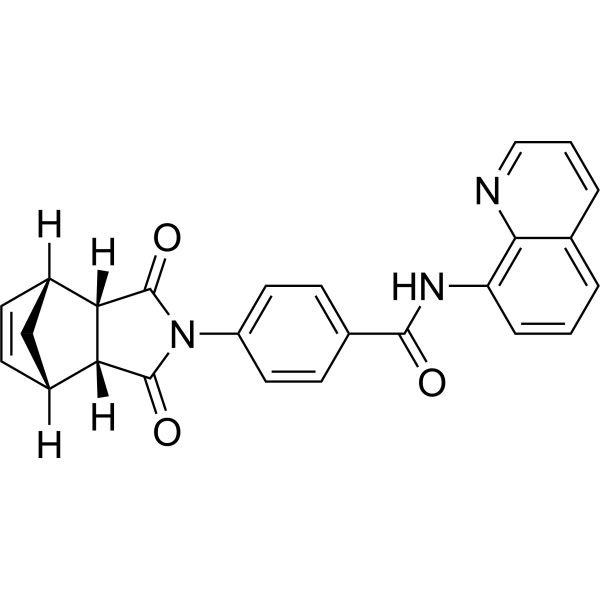
IWR-1 (IWR-1-endo) is a tankyrase inhibitor targeting Wnt/β-catenin (IC50 = 180 nM). IWR-1 compromises critical steps of the canonical Wnt signaling, namely translocation of β-catenin to the nucleus and subsequent TCF/LEF activation and expression of Wnt/β-catenin downstream targets. IWR-1 promotes β-catenin phosphorylation by promoting stability of Axin-scaffolded destruction complexes. IWR-1 can be studied in research for anti-tumor purposes, and diseases such as osteosarcoma, colorectal cancer and psoriasis .
loading...
    loading...
21
21 Cited Publications
Cat. No.: HY-129122
CAS No.: 2086257-77-2
Purity:  99.46%
Target:  

VDAC

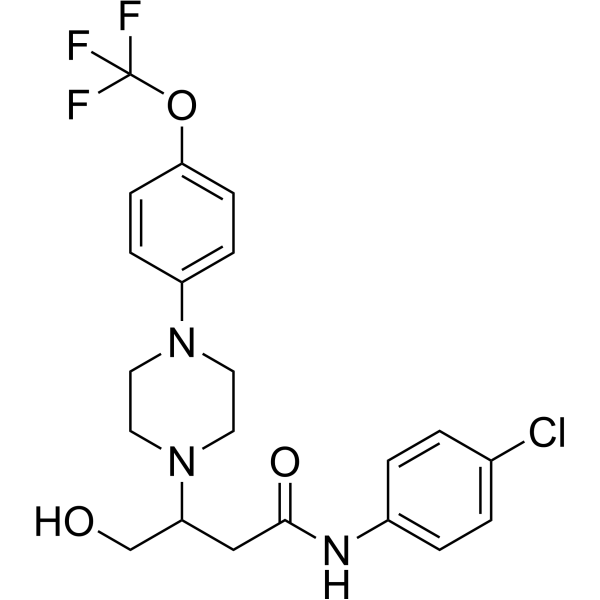
VBIT-4 is an inhibitor of voltage-dependent anion channel 1 (VDAC1) oligomerization with a binding affinity (Kd) of 17 μM. VBIT-4, as an apoptosis inhibitor, can be used for therapeutic purposes in apoptosis-associated disorders, such as neurodegenerative and cardiovascular diseases .
loading...
    loading...
20
20 Cited Publications
Cat. No.: HY-B2163
CAS No.: 472-61-7
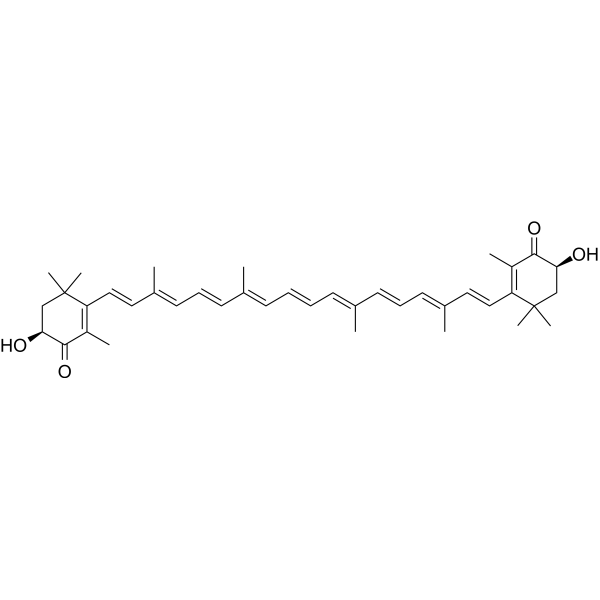
Astaxanthin, the red dietary carotenoid, is an orally effective and potent antioxidant. Astaxanthin inhibits NF-κB and down-regulates VEGF in blood glucose. Astaxanthin exerts anti-cancer cell proliferation, increases apoptosis, impairs migration and invasion by activating PPARγ and reducing the expression of STAT3. Astaxanthin also has neuroprotective and anti-inflammatory activity and can be used in studies of cancer, diabetic retinopathy, cardiovascular disease, and in the coloring of animal feed .
loading...
    loading...
3
3 Cited Publications
Cat. No.: HY-N6012
CAS No.: 517-88-4
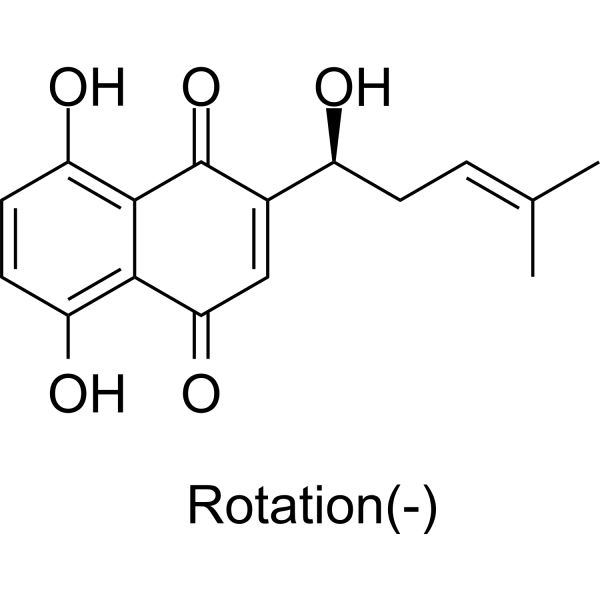
(-)-Alkannin, found in Alkanna tinctoria, is used as a food coloring. (-)-Alkannin shows anticancer activity, arrests cell cycle, and induces apoptosis. (-)-Alkannin improves hepatic inflammation in a Rho-kinase pathway .
loading...
    loading...
2
2 Cited Publications
Cat. No.: HY-D0257
CAS No.: 1934-21-0
Synonyms: Acid Yellow 23; FD&C Yellow No. 5
Target:  

Fluorescent Dye

Research Areas:  

Neurological Disease

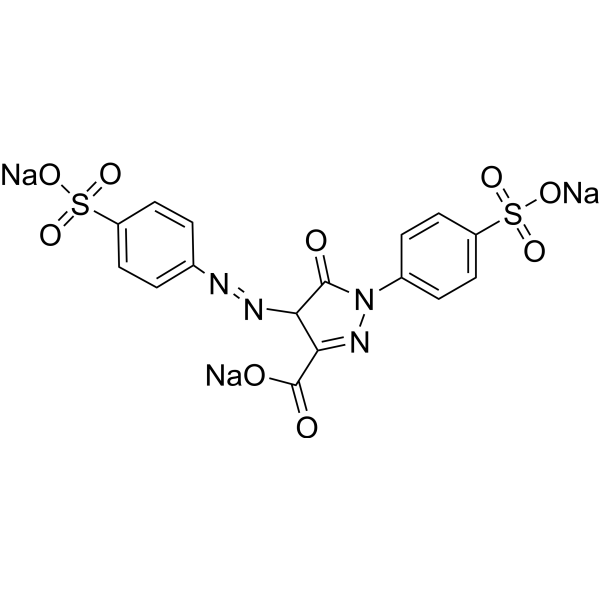
Tartrazine (Acid Yellow 23; FD&C Yellow No. 5) is an orally active azo acid dye, orange-yellow powder, soluble in water and turns yellow. Tartrazine is mainly used as a synthetic lemon yellow azo dye for food coloring. Tartrazine is the most stable colorant.Tartrazine induces mitochondria-mediated Apoptosis. Tartrazine can cause neurodevelopmental toxicity, cytotoxicity, and genotoxicity .
loading...
    loading...
2
2 Cited Publications
Cat. No.: HY-D0023
CAS No.: 6358-69-6
Synonyms: HPTS; Solvent Green 7
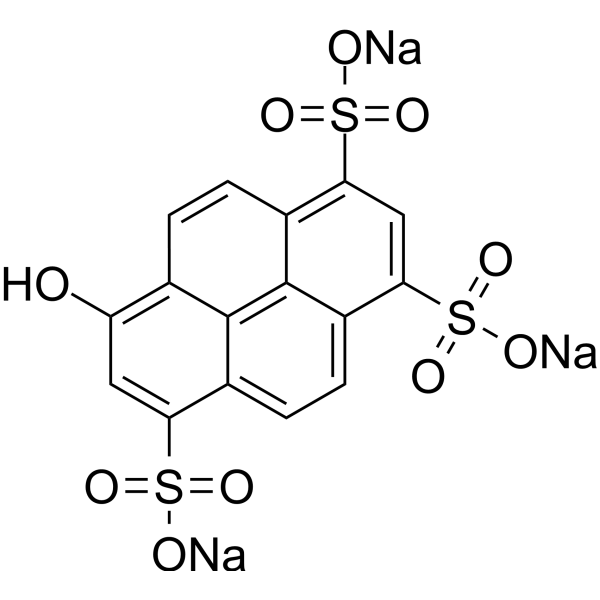
Pyranine (HPTS; Solvent Green 7) is a cell-impermeant pH-sensitive fluorescent indicator. Pyranine acts as a class of fluorescent chemosensor for the Cu + ion. Pyranine is used as a coloring agent, biological stain, optical detecting reagent, and pH indicator (Ex/Em = 450/510 nm) .
loading...
    loading...
1
1 Cited Publications
Cat. No.: HY-B0519A
CAS No.: 1401-69-0
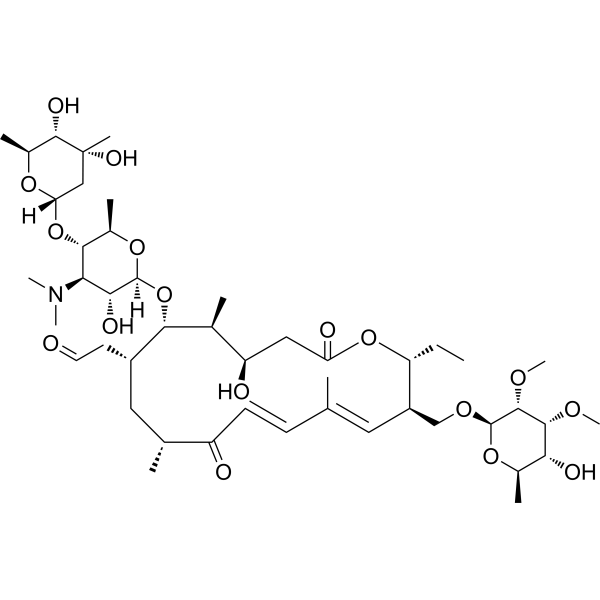
Tylosin (Tylosin A) is a macrolide antibiotic found naturally as a fermentation product of Streptomyces fradiae. Tylosin exerts potent antimicrobial activity against Gram-positive bacteria. Tylosin is widely used as a feed additive for promoting animal growth. Tylosin is used for veterinary purposes against bacterial dysentery and respiratory diseases in poultry, pigs and cattle .
loading...
    loading...
1
1 Cited Publications
Cat. No.: HY-D0193
CAS No.: 2611-82-7
Synonyms: Acid Red 18; New Coccine
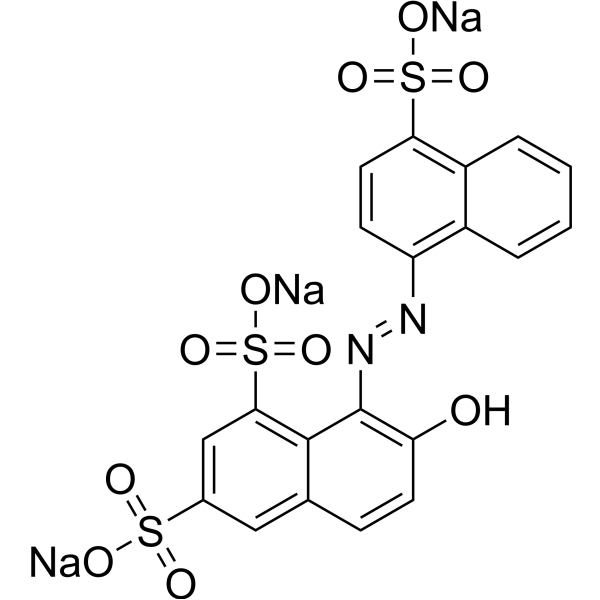
Ponceau 4R is a synthetic colorant that can be used for food coloring. Ponceau 4R is a strawberry red azo dye that can be used in a variety of foods, usually synthesized from aromatic hydrocarbons, and is stable to light, heat, and acids .
loading...
    loading...
1
1 Cited Publications
Cat. No.: HY-B0519
CAS No.: 74610-55-2
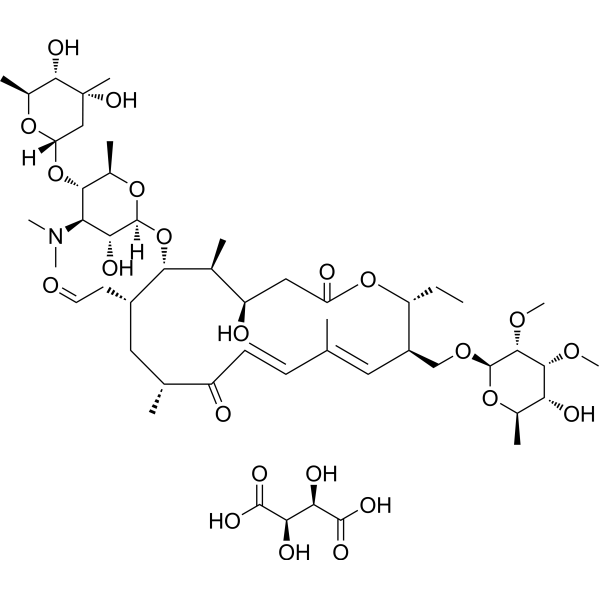
Tylosin tartrate is a macrolide antibiotic found naturally as a fermentation product of Streptomyces fradiae. Tylosin tartrate exerts potent antimicrobial activity against Gram-positive bacteria. Tylosin tartrate is widely used as a feed additive for promoting animal growth. Tylosin tartrate is used for veterinary purposes against bacterial dysentery and respiratory diseases in poultry, pigs and cattle .
loading...
    loading...
1
1 Cited Publications
Cat. No.: HY-B0519B
CAS No.: 1405-53-4
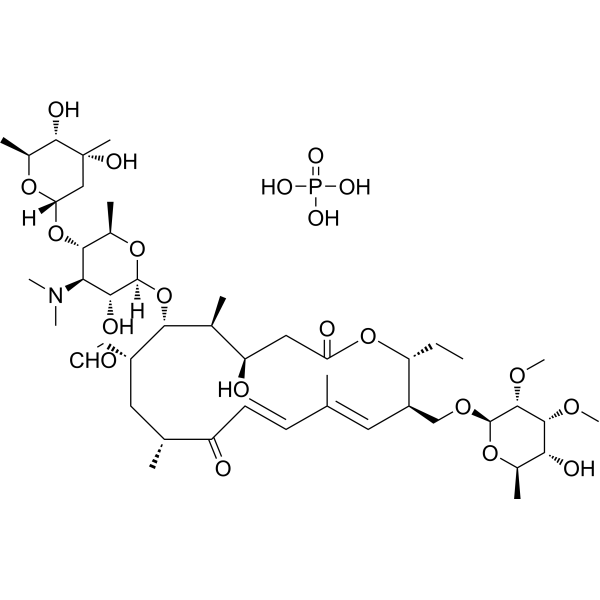
Tylosin phosphate is a macrolide antibiotic found naturally as a fermentation product of Streptomyces fradiae. Tylosin tartrate exerts potent antimicrobial activity against Gram-positive bacteria. Tylosin phosphate is widely used as a feed additive for promoting animal growth. Tylosin phosphate is used for veterinary purposes against bacterial dysentery and respiratory diseases in poultry, pigs and cattle .
loading...
    loading...
Cat. No.: HY-D0259
CAS No.: 16423-68-0
Synonyms: Erythrosin extra bluish; Tetraiodofluorescein disodium
Research Areas:  

Infection

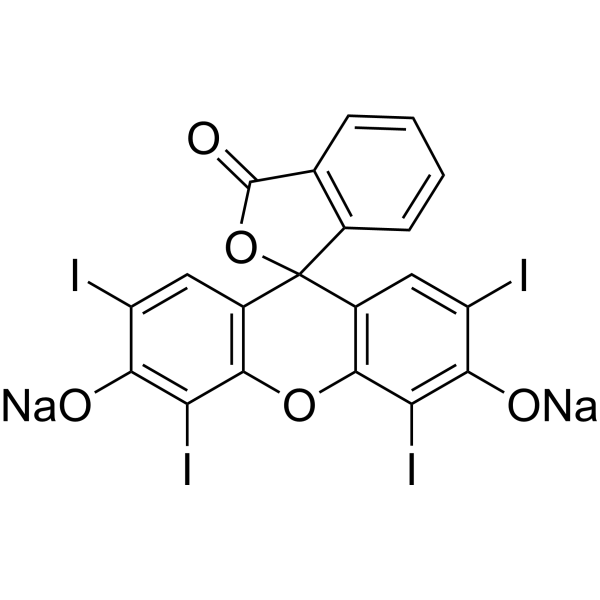
Erythrosine B (Erythrosin extra bluish; Tetraiodofluorescein) is a visible red dye and insecticide with colorimetric and fluorescent properties. Erythrosine B serves as a membrane-impermeant live-cell dye for Gram-positive and Gram-negative bacteria, primarily staining dead cells with damaged plasma membranes. Erythrosine B exhibits photosensitive larvicidal toxicity against Culex pipiens quinquefasciatus larvae. Erythrosine B is used in live/dead bacterial assays in colorimetric and fluorescent measurements for low-, medium-, and high-throughput experiments, as well as in research related to mosquito-borne diseases and food coloring .
loading...
    loading...
Cat. No.: HY-W105835
CAS No.: 3344-18-1
Synonyms: Trimagnesium dicitrate
Research Areas:  

Neurological Disease

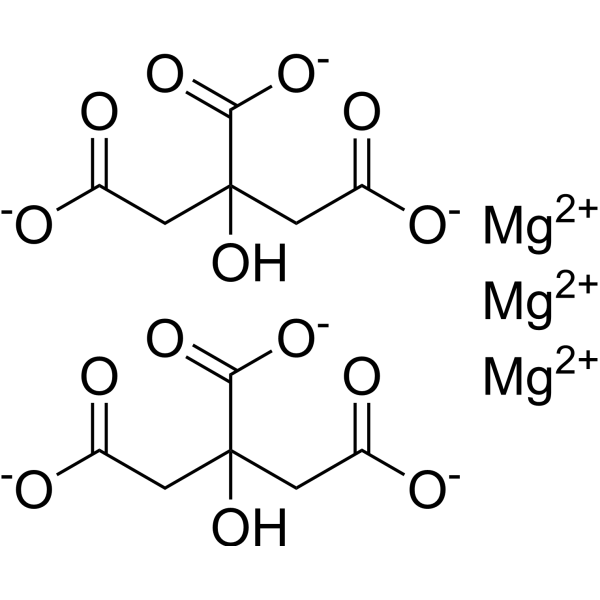
Magnesium citrate (Trimagnesium dicitrate) is an orally active magnesium-containing compound that can cross the blood-brain barrier (BBB). Magnesium citrate can be used as an intestinal cleanser and is studied for its application in laxatives. Magnesium citrate can also increase the pain threshold and is studied for pain-relief purposes .
loading...
    loading...
Cat. No.: HY-Y0190
CAS No.: 87-91-2
Synonyms: Diethyl tartrate
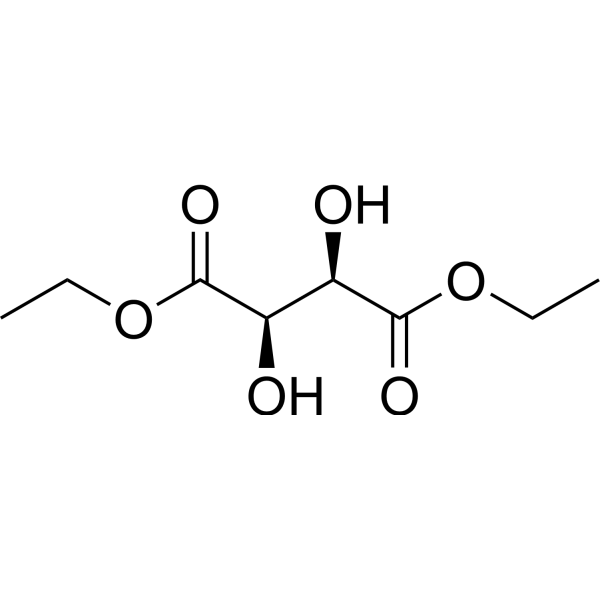
(2R,3R)-Diethyl 2,3-dihydroxysuccinate (Diethyl tartrate) is utilized in food industry as a flavoring agent and acidity regulator and for this purpose is also used in wines .
loading...
    loading...
Cat. No.: HY-159821
CAS No.: 2830607-59-3
Synonyms: CK-4021586; CK-586
Target:  

Myosin

Research Areas:  

Cardiovascular Disease

Ulacamten (CK-4021586; CK-586) is an orally active cardiac myosin inhibitor and an inhibitor of the double-headed cardiac heavy meromyosin (HMM)ATPase (excluding single-headed myosin subfragment-1), with an EC50 of 2.9 μM. Ulacamten regulates cardiac myosin, reduces excessive myocardial contractility, and alleviates left ventricular outflow tract obstruction. Ulacamten increases the left ventricular short-axis systolic internal diameter, inhibits dobutamine-induced exacerbation of obstruction, and exerts only a mild reducing effect on left ventricular systolic function. Ulacamten also inhibits the fractional shortening of the short axis without altering calcium transients. Ulacamten shows good safety and tolerability in purpose-bred cats with naturally occurring obstructive hypertrophic cardiomyopathy .
loading...
    loading...
Cat. No.: HY-N7393
CAS No.: 64519-82-0
Synonyms: Palatinitol
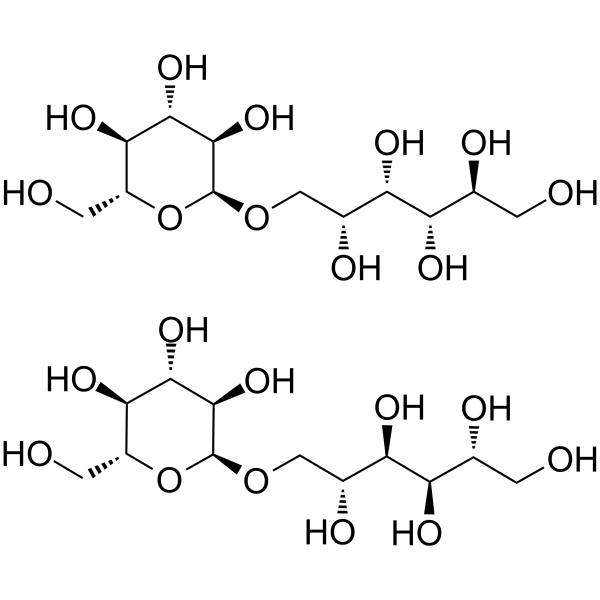
Isomalt (Palatinitol), a well-tolerated, non-toxic polyol and a protein-stabilizing excipient, stabilizes lactate dehydrogenase (LDH) moderately during freeze-drying, and performs better during storage. Isomalt is traditionally used as a sweetening agent in the food industry and as a tabletting excipient for pharmaceutical purposes .
loading...
    loading...
Cat. No.: HY-135712
CAS No.: 1936-15-8
Synonyms: Acid Orange GG
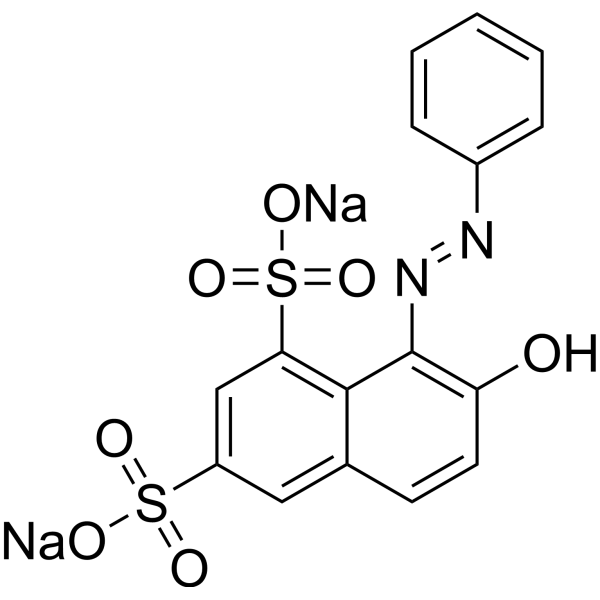
Orange G is an azo dye commonly found in textile wastewater and is mainly used for textile dyeing. Orange G has a coloring function and can give textiles a specific color. The stability and potential hazards of Orange G in the environment are often used to study the removal effects of various wastewater treatment technologies on difficult-to-degrade organic pollutants, especially the degradation of azo dyes. Related research focuses on how to destroy the azo bond of Orange G through chemical, physical or biological methods to achieve harmless treatment to solve the problem of textile wastewater pollution .
loading...
    loading...
Cat. No.: HY-D0376
CAS No.: 4702-90-3
Synonyms: C.I. 48160
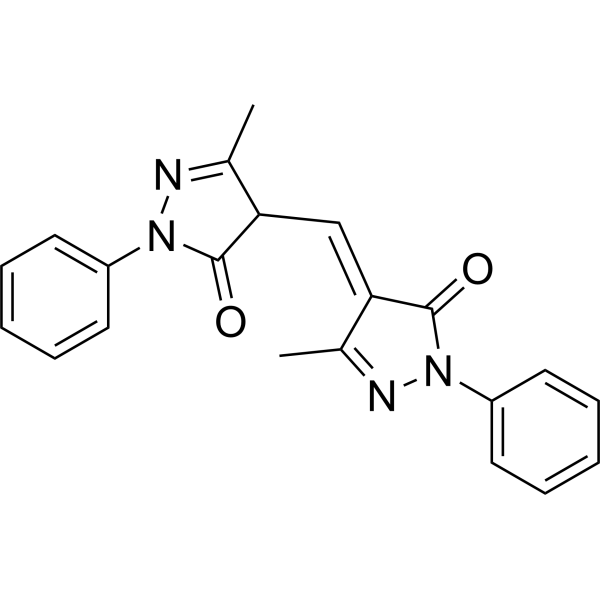
Solvent Yellow 93 (C.I. 48160) is an azomethine dye. Solvent Yellow 93 is used as a colorant of toner. Solvent Yellow 93 is used for the coloring of polyester fiber pulp and is also used to make polyester masterbatch .
loading...
    loading...
Cat. No.: HY-N4112
CAS No.: 13074-06-1
Synonyms: 1-Deoxy-D-galactitol
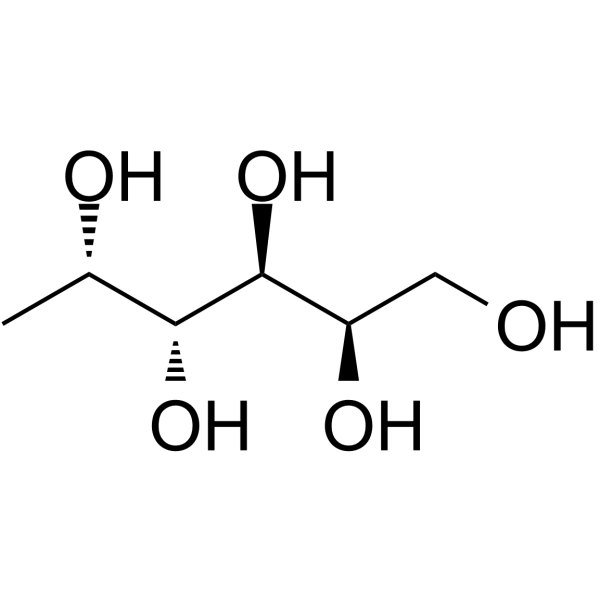
L-Fucitol (1-Deoxy-D-galactitol) is a type of sugar alcohol that can be found in Nutmeg. L-Fucitol can be used as a raw material to prepare L-Fuco-4-ketose for pharmaceutical purposes .
loading...
    loading...
Cat. No.: HY-W019833
CAS No.: 76343-22-1
Synonyms: PC(14:0/18:0); 1-Myristoyl-2-stearoyl-sn-glycero-3-phosphocholine
MSPC is an asymmetrical phosphatidylcholine containing a myristic acid (14:0) at the sn-1 position and a stearic acid (18:0) at the sn-2 position. It can self assemble in water to form lipid bilayers. Reagent grade, for research purpose.
loading...
    loading...
Cat. No.: HY-147017
CAS No.: 1210456-20-4
Purity:  99.70%
Synonyms: GSK286
Target:  

Bacterial

Research Areas:  

Infection Inflammation/Immunology

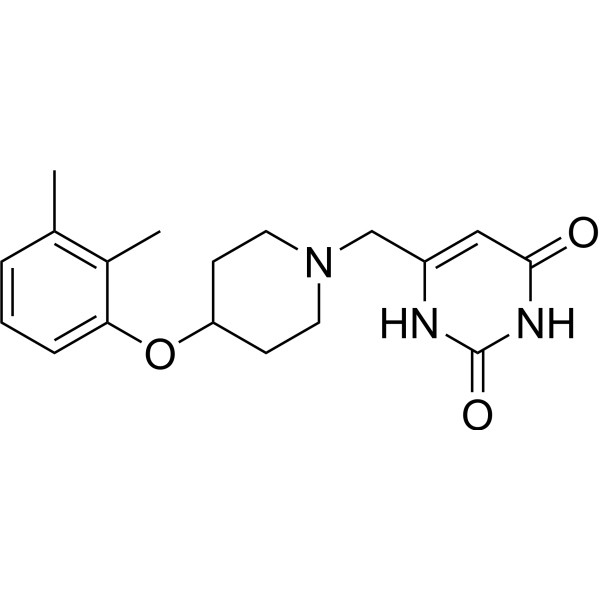
GSK2556286 (GSK286) is an orally active and cholesterol-dependent Mycobacterium tuberculosis inhibitor. GSK2556286 inhibits Mycobacterium tuberculosis inside infected macrophages (IC50 = 0.07 μM in THP-1 cells), in the presence of cholesterol. GSK2556286 acts via Rv1625c, a membrane-bound adenylyl cyclase in Mycobacterium tuberculosis. GSK2556286 is an Rv1625 agonist leading to increased cAMP and reduced cholesterol metabolism. GSK2556286 can be studied in research for antitubercular purposes .
loading...
    loading...

