1. Search Result
Search Result
Results for "

covalent modification

" in MedChemExpress (MCE) Product Catalog:

57

Inhibitors & Agonists

4

Screening Libraries

2

Fluorescent Dyes

27

Biochemical Assay Reagents

1

Peptides

4

Natural
Products

1

Isotope-Labeled Compounds

3

Click Chemistry

1

Oligonucleotides

Cat. No. Product Name Target Research Areas Chemical Structure
  • HY-16909
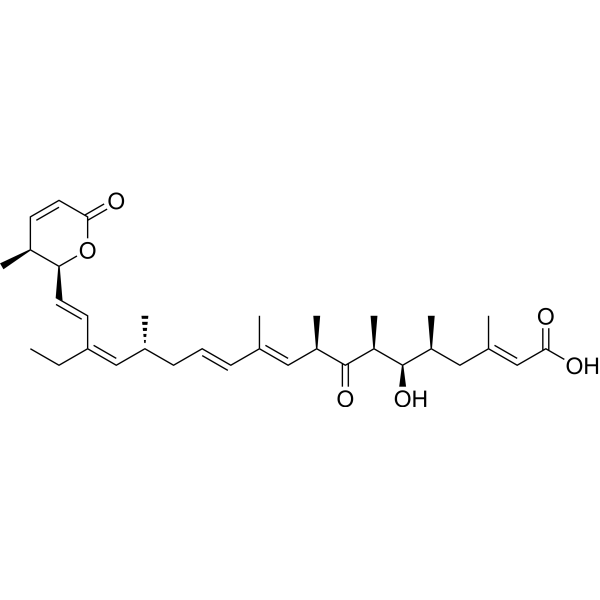
    Leptomycin B
    20+ Cited Publications

    CI 940; LMB

    CRM1 Fungal Antibiotic Infection Cancer
    Leptomycin B (CI 940; LMB) is a potent inhibitor of the nuclear export of proteins. Leptomycin B inactivates CRM1/exportin 1 by covalent modification at a cysteine residue. Leptomycin B is a potent antifungal antibiotic blocking the eukaryotic cell cycle .
    Leptomycin B
  • HY-N0191
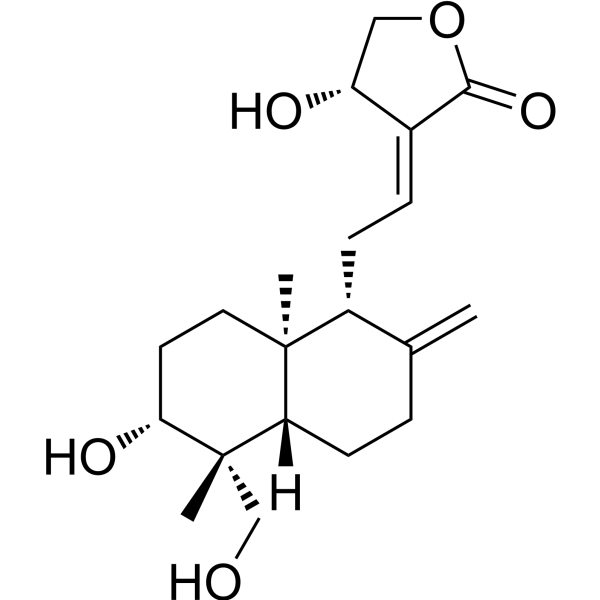
    Andrographolide
    30+ Cited Publications

    Andrographis

    NF-κB SARS-CoV Influenza Virus Autophagy Parasite Infection Inflammation/Immunology Cancer
    Andrographolide is a NF-κB inhibitor, which inhibits NF-κB activation through covalent modification of a cysteine residue on p50 in endothelial cells without affecting IκBα degradation or p50/p65 nuclear translocation. Andrographolide has antiviral effects.
    Andrographolide
  • HY-128892
    EN6
    5 Publications Verification

    Autophagy Neurological Disease
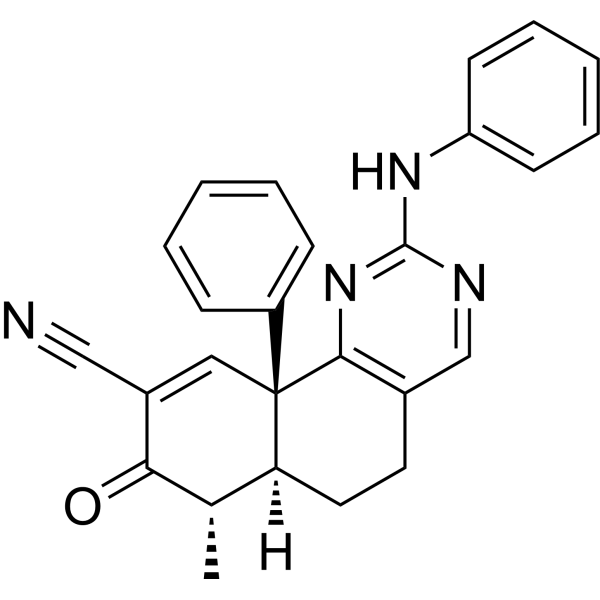
    EN6 is a small-molecule in vivo autophagy activator that covalently targets cysteine 277 in the ATP6V1A subunit of the lysosomal v-ATPase. EN6-mediated modification of ATP6V1A uncouples v-ATPase from Rag, leading to inhibition of mTORC1 signalling, increased lysosomal acidification, and activation of autophagy. EN6 also scavenges TDP-43 aggregates (causative agents of frontotemporal dementia) in a lysosome-dependent manner .
    EN6
  • HY-Y1353

    Biochemical Assay Reagents Others Metabolic Disease
    Di-tert-butyl dicarbonate (tBOC) is a covalent modification agent for hydroxyl groups (-OH) on the chitosan molecular chain. Di-tert-butyl dicarbonate selectively modifies chitosan and stabilizes the material structure through hydrophobic encapsulation. Di-tert-butyl dicarbonate reacts with the -OH groups of chitosan to form a hydrophobic layer, and in conjunction with triethylamine (TEA), removes trifluoroacetic acid (TFA) salts produced during the electrospinning process, preserving the nanofiber structure and high porosity of the membrane, and improving the material's cytocompatibility and mineralization-promoting ability. Di-tert-butyl dicarbonate can be used in research in the field of guided bone regeneration (GBR) .
    Di-tert-butyl dicarbonate
  • HY-124700
    LYPLAL1-IN-1
    1 Publications Verification

    Cyclic GMP-AMP Synthase STING PD-1/PD-L1 Epoxide Hydrolase Metabolic Disease
    LYPLAL1-IN-1 (compound 11) is a selective, covalent, and irreversible inhibitor of the lysophospholipase-like enzyme LYPLAL1 (IC50 = 6 nM). LYPLAL1-IN-1 shows selectivity against other serine hydrolases such as carboxylesterase CES1 (IC50 > 50 μM for CES1). LYPLAL1-IN-1 inhibits the depalmitoylation function of LYPLAL1, blocking its depalmitoylation modification of cyclic GMP-AMP synthase (cGAS), thereby promoting cGAS dimerization and activation, and initiating the cGAS-STING pathway-mediated innate immune response. LYPLAL1-IN-1 can enhance DNA-induced type I interferon production, upregulate PD-L1 expression in tumor cells, and promote the accumulation of tumor-infiltrating CD8 + T cells, with the core function of strengthening the anti-tumor immune response. LYPLAL1-IN-1 is primarily used in tumor immunology research, especially in combination with PD-1/PD-L1 inhibitors .
    LYPLAL1-IN-1
  • HY-155882

    mPEG750-NH2

    Biochemical Assay Reagents Cancer
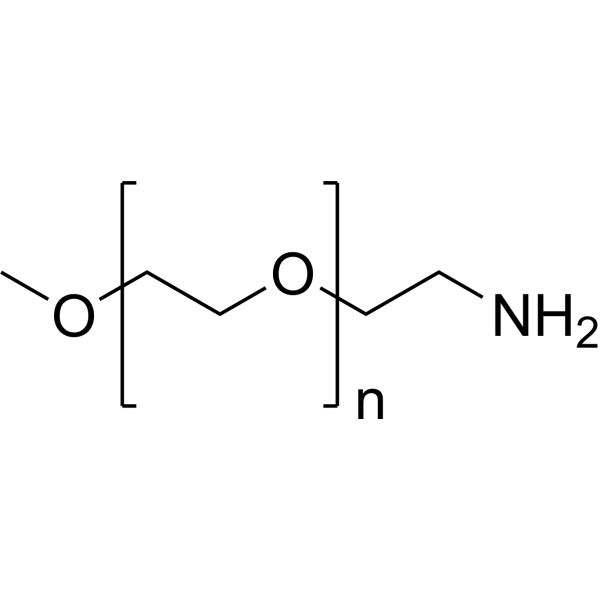
    mPEG750-amine (mPEG750-NH2) is a chemical modification reagent for nanoparticles, capable of covalently binding to Ad-PVA to form Ad-PVA-PEG polymers. mPEG750-amine stabilizes gene delivery complexes by providing steric hindrance, reducing particle aggregation, while enhancing the water solubility and serum stability of the complex, reducing carrier cytotoxicity, and assisting in the efficient condensation of pDNA by cationic components to form nanoparticles that can be endocytosed by cells. mPEG750-amine can also be used to synthesize folate-conjugated polymer micelles for encapsulating the anticancer agent Camptothecin (HY-16560). Folate-conjugated polymer micelles are effective carriers for poorly soluble anticancer drugs, capable of avoiding macrophages and acting through folate receptor (FR)-mediated endocytosis to target tumor cells. mPEG750-amine can be applied to research in the field of non-viral gene delivery, as a component of gene delivery vectors, facilitating the safe and efficient delivery of nucleic acid drugs to target cells .
    mPEG750-amine
  • HY-128522

    Ras Cancer
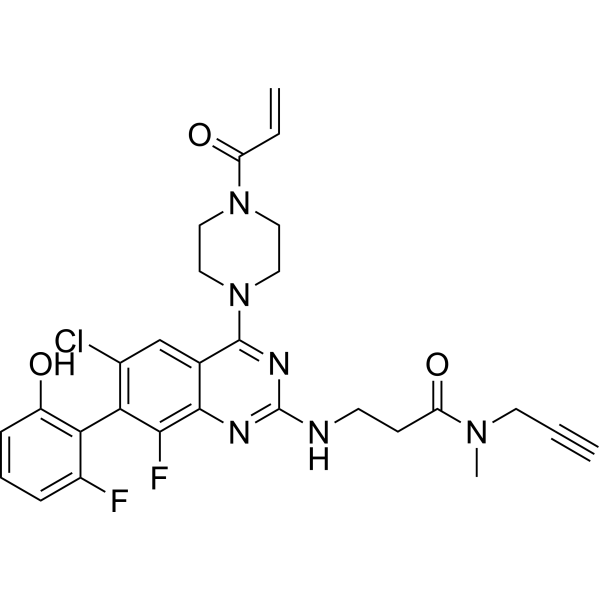
    ARS-1323-alkyne is a covalent inhibitor probe that covalently binds to the Switch-II pocket (S-IIP) of the KRAS G12C mutant protein. ARS-1323-alkyne visualizes the covalent modification of KRAS G12C and quantitatively measures the binding efficiency of the inhibitor to the target. ARS-1323-alkyne can be used to validate the target occupancy of KRAS G12C inhibitors and the synergistic mechanism of combination therapy .
    ARS-1323-alkyne
  • HY-134222A

    N-Acetyl-L-serine

    Endogenous Metabolite Complement System Others
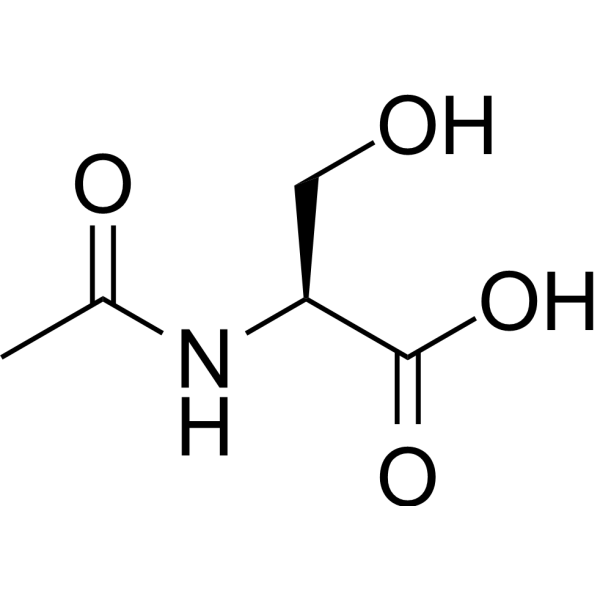
    N-Acetylserine (N-Acetyl-L-serine) is a complement pathway modulator targeting activated third complement protein (C3b) and an amino-terminal residue (an N-terminal acetylation modification group). N-Acetylserine reacts with the exposed thioester group of C3b via its hydroxyl group, thereby blocking the covalent binding of glycerol to this thioester group. N-Acetylserine widely exists in soluble proteins of mammalian cells (accounting for approximately 80% of such proteins). N-Acetylserine has a blocking property that prevents direct Edman sequencing of proteins; deblocking is achievable through trifluoroacetic acid-catalyzed N→O acetyl migration followed by β-elimination. N-Acetylserine is suitable for sequencing of proteins with N-terminal acetylserine modification .
    N-Acetylserine
  • HY-126192

    PiB; 6-OH-BTA-1

    Amyloid-β Neurological Disease
    Pittsburgh Compound B (PiB) is a blood-brain barrier-permeable, specific deposition PET tracer that binds to Aβ(1-40) fibrils with a Ki value of 678.4 nM. Through click chemical modification (a clickable Pittsburgh Compound B derivative is prepared by introducing a PEG3 linker and an alkynyl group at the 6-hydroxy site of Pittsburgh Compound B, followed by covalent conjugation with azide-labeled fluorescent dyes or affinity tags via copper-catalyzed azide-alkyne cycloaddition (CuAAC)), Pittsburgh Compound B and its conjugates can be used for fluorescence imaging, ultrastructural studies, and enrichment and characterization of Aβ complexes. Pittsburgh Compound B is applicable to Alzheimer's disease research .
    Pittsburgh Compound B
  • HY-U00447

    MDM-2/p53 DNA Alkylator/Crosslinker Cancer
    PK11000 is an alkylating agent, and stabilizes the DNA-binding domain of both WT and mutant p53 proteins by covalent cysteine modification without compromising DNA binding. PK11000 has anti-tumor activities .
    PK11000
  • HY-N0191R

    Andrographis (Standard)

    Reference Standards NF-κB SARS-CoV Influenza Virus Autophagy Parasite Infection Inflammation/Immunology Cancer
    Andrographolide (Standard) is the analytical standard of Andrographolide. This product is intended for research and analytical applications. Andrographolide is a NF-κB inhibitor, which inhibits NF-κB activation through covalent modification of a cysteine residue on p50 in endothelial cells without affecting IκBα degradation or p50/p65 nuclear translocation. Andrographolide has antiviral effects.
    Andrographolide (Standard)
  • HY-128661
    IDH1 Inhibitor 2
    4 Publications Verification

    Isocitrate Dehydrogenase (IDH) Metabolic Disease
    IDH1 Inhibitor 2 (compound 13) is a potent wild-type IDH1 inhibitor that exerts its activity through covalent modification of His315 with an IC50 value of 110 nM. IDH1 Inhibitor 2 can dose-dependently reduce the intracellular reduced glutamine metabolic flux, thereby affecting cellular metabolic homeostasis. IDH1 Inhibitor 2 can be used to study the role of IDH1 in cellular metabolic regulation and cancer development .
    IDH1 Inhibitor 2
  • HY-W093017

    Amine N-methyltransferase Others
    4-Chloropyridine is a NNMT (Nicotinamide N-methyltransferase) substrate and suicide inhibition-based protein labeling scaffold precursor.4-Chloropyridine undergoes NNMT-catalyzed pyridine nitrogen methylation to increase C4 electrophilicity, enabling aromatic nucleophilic substitution by NNMT cysteine C159 for covalent NNMT modification and inactivation.4-Chloropyridine can be used for the research of various cancers .
    4-Chloropyridine
  • HY-13943
    CNX-774
    2 Publications Verification

    Btk Cancer
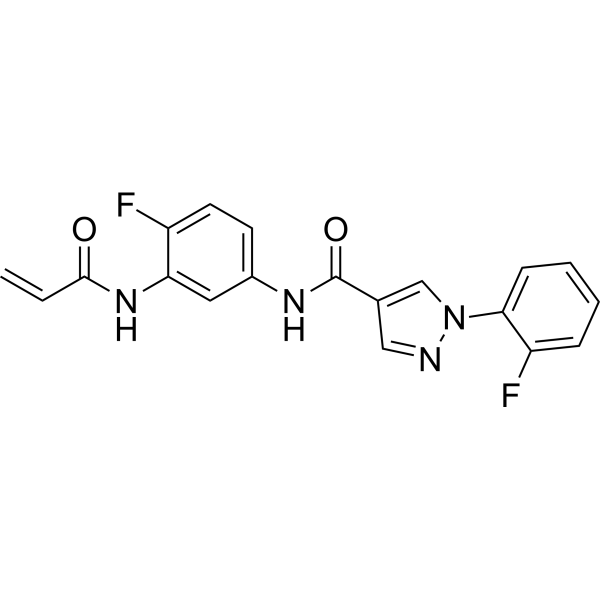
    CNX-774 is an orally active, irreversible and selective BTK inhibitor, with an IC50 of < 1 nM. CNX-774 specifically targets Cysteine 481 of Btk for covalent modification .
    CNX-774
  • HY-121539
    Supercinnamaldehyde
    1 Publications Verification

    TRP Channel Neurological Disease
    Supercinnamaldehyde is a potent transient receptor potential ankyrin 1 (TRPA1) activator with an EC50 value of 0.8 μM. Supercinnamaldehyde activates TRPA1 ion channels through covalent modification of cysteines .
    Supercinnamaldehyde
  • HY-119390

    DNA Methyltransferase Cancer
    AA-CW236 is a MGMT (O6-methylguanine DNA methyltransferase) inhibitor. AA-CW236 targets MGMT active site Cys145 for covalent modification .
    AA-CW236
  • HY-125273

    Fluorescent Dye Phosphoglycerate Dehydrogenase (PHGDH) Others
    DNS-pE is a 3-phosphoglycerate dehydrogenase (PHGDH) inhibitor with a Ki of 7.4 μM. DNS-pE selectively and irreversibly covalently modifies endogenous PHGDH in live mammalian cells, its vinyl sulfone moiety acts as a fluorescence quencher that becomes highly fluorescent upon covalent modification of PHGDH. DNS-pE can be used as a fluorescent dye for live-cell imaging .
    DNS-pE
  • HY-W012166

    NHS-Bromoacetate

    Biochemical Assay Reagents Infection
    N-Succinimidyl bromoacetate (NHS-Bromoacetate) is a heterobifunctional crosslinking reagent, mainly used to modify the ɛ-amino group of lysine side chains. By covalently linking its bromoacetyl moiety to the ɛ-amino group of lysine in peptidomimetics, N-Succinimidyl bromoacetate enables their conjugation with thiol-modified nanoparticles via thioether bonds. N-Succinimidyl bromoacetate also performs bromoacetylation modification on carrier proteins, which then forms stable thioether bonds with the thiol groups of cysteine in peptides, thus efficiently preparing soluble peptide-protein conjugates with high substitution ratios. N-Succinimidyl bromoacetate can be used to prepare activated Sepharose derivatives for affinity chromatography, protein affinity labeling reagents, and peptide-protein immunogen conjugates with non-immunogenic linkages. N-Succinimidyl bromoacetate is applicable to studies related to HIV-1 infection and glioblastoma multiforme .
    N-Succinimidyl bromoacetate
  • HY-D2871

    Biochemical Assay Reagents Neurological Disease
    DAyne is a Dopamine (DA)-mimetic probe. DAyne covalently binds to proteins modified by dopamine oxidation products (e.g., dopaquinone, DQ) to form adducts. DAyne is promising for research of Parkinson’s disease (PD), particularly neurotoxicity, protein modification, and related pathways (e.g., endoplasmic reticulum stress, cytoskeletal instability) caused by dopamine dysregulation .
    DAyne
  • HY-W009048

    DCH18C6; Perhydrodibenzo-18-crown-6

    Biochemical Assay Reagents Others
    Dicyclohexano-18-crown-6-ether (DCH18C6) is an excellent strontium chelating agent. Dicyclohexano-18-crown-6-ether exhibits favorable extraction capacity and selectivity toward Sr (II). After chemical modification, Dicyclohexano-18-crown-6-ether is covalently bonded to an organosilicon matrix via co-condensation. DCH18C6-functionalized organosilicon materials are expected to be applied to the extraction and separation of strontium from radioactive waste liquid .
    Dicyclohexano-18-crown-6-ether
  • HY-D2956

    CLIP-GLA-NHS

    Biochemical Assay Reagents Others
    BC-GLA-NHS (CLIP-GLA-NHS) is a NHS-labeled CLIP tag, which is an amine-reactive crosslinker and can achieve site-specific protein labeling. The NHS ester of BC-GLA-NHS reacts with the primary amine of the target molecule (such as antibodies, quantum dots) in a pH 7.5-8.5 buffer solution to form a stable amide bond. After coupling, the BC molecule undergoes a nucleophilic substitution reaction with the active site (Cys) of the CLIP-tagged fusion protein, releasing benzylcytosine and forming an irreversible thioether bond, achieving covalent labeling. BC-GLA-NHS can be used for click chemistry labeling .
    BC-GLA-NHS
  • HY-179403

    Ras Cancer
    KRASG12C IN-17 is an orally active covalent KRAS G12C inhibitor, showing strong inhibitory activity in KRAS G12C-mutant cancer cells (NCI-H23 IC50 = 0.7 nM; NCI-H358 IC50 = 0.5 nM). KRASG12C IN-17 covalently and irreversibly binds to KRAS G12C with > 96% modification efficiency in both GDP-bound and GMPPNP-bound conformations. KRASG12C IN-17 can be used for studies of KRAS-driven cancers, including colorectal cancer .
    KRASG12C IN-17
  • HY-W671129

    Antibiotic Fungal Infection
    Frenolicin B is a covalent enzyme inhibitor and an orally active antiparasitic agent, with an IC50 of 0.2 μM against human Prx1. Frenolicin B selectively inhibits Glutaredoxin 3 via covalent modification of the active-site cysteines Cys159/Cys261. Frenolicin B selectively inhibits Peroxiredoxin 1 via covalent modification of the active-site cysteines Cys83/Cys173. Frenolicin B can be used in research related to colon cancer, breast cancer, lung cancer and malaria .
    Frenolicin B
  • HY-137028

    PD157432

    EGFR Cancer
    2'-Thioadenosine (PD157432) is a selective and irreversible inhibitor of ErbB-1 and ErbB-2, with an IC50 of 45 µM for ErbB-2. 2'-Thioadenosine covalently inactivates ErbB-1 via modification of a cysteine residue at the active site .
    2′-Thioadenosine
  • HY-176000

    Dipeptidyl Peptidase Inflammation/Immunology Cancer
    Sulphostin is a covalent inhibitor of dipeptidyl peptidase 4 (DPP4), dipeptidyl peptidase 9 (DPP9), and dipeptidyl peptidase 8 (DPP8) with IC50 values of 79, 1392, 6930 nM, respectively. Sulphostin causes phosphosulfamate modification, irreversibly inhibits the enzyme activity. Sulphostin can be used for inflammation and cancer study .
    Sulphostin
  • HY-163105

    Microtubule/Tubulin Cancer
    Tubulin/NEDDylation-IN-1 (compound C11) is a dual inhibitor of tubulin (Microtubule/Tubulin)-NEDDylation (IC50 for tubulin=2.40 μM), which has strong anti-proliferative activity. Neddylation is a protein post-translational modification that covalently tags the ubiquitin-like protein NEDD8 to target proteins. Tubulin/NEDDylation-IN-1 forms hydrogen bonds with residues of tubulin and E1 NEDD8 activating enzyme (NAE) through methoxy and dithiocarbamate groups and inhibits NEDDylation and microtubulin in an ATP-dependent manner. tube polymerization .
    Tubulin/NEDDylation-IN-1
  • HY-185225

    Drug Derivative Others
    cis-Vaccenic acid NHS ester is an N-hydroxysuccinimide (NHS)-activated ester derivative of cis-vaccenic acid (HY-113427A) (C18:1 n-7), which is commonly used as a fatty acid labeling reagent or covalent modification reagent .
    cis-Vaccenic acid NHS ester
  • HY-W451415

    Biochemical Assay Reagents Others
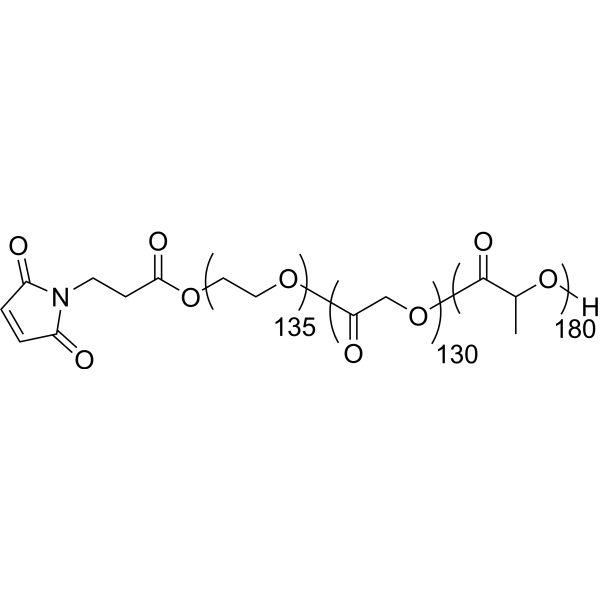
    NHS-PEG-NHS is a derivative of activated polyethylene glycol (PEG) that can modify functional groups on protein surfaces via covalent binding. NHS-PEG-NHS serves as a bioconjugation modification reagent for modifying proteins, enzymes, peptides and antibodies .
    NHS-PEG-NHS
  • HY-181989

    Glucosylceramide Synthase (GCS) Cancer
    CAIF is an irreversible, selective allosteric covalent inhibitor of ucosyltransferase 8 (FUT8) with an IC50 of 5.7 μM. CAIF inhibits core fucosylation modification in cancer cells, and suppresses the invasion and migration of cancer cells. CAIF is applicable for cancer research .
    CAIF
  • HY-182744

    MDM-2/p53 Cancer
    LLQ-45 is a covalent p53 Y220C mutant protein agonist with an EC50 of 24.97 μM. LLQ-45 activates the anti-tumor function of p53 Y220C through covalent modification, restores its DNA-binding ability and enhances its thermal stability. LLQ-45 selectively inhibits the proliferation of p53 Y220C mutant tumor cells, suppresses cell growth and upregulates the expression of CDKN1A. LLQ-45 can be used in studies related to p53 Y220C mutant cancers .
    LLQ-45
  • HY-W1052523C

    Biochemical Assay Reagents Others
    DPPE-PEG1000-NH2 is a conjugate composed of DPPE, a PEG chain, and a terminal primary amino group (-NH2). The primary amino group in DPPE-PEG1000-NH2 can be covalently linked to functional groups such as carboxylic acids, NHS esters, and isocyanates for targeted modification of liposomes/nanoparticles.
    DPPE-PEG1000-NH2
  • HY-W1052523B

    Biochemical Assay Reagents Others
    DPPE-PEG5000-NH2 is a conjugate composed of DPPE, a PEG chain, and a terminal primary amino group (-NH2). The primary amino group in DPPE-PEG5000-NH2 can be covalently linked to functional groups such as carboxylic acids, NHS esters, and isocyanates for targeted modification of liposomes/nanoparticles.
    DPPE-PEG5000-NH2
  • HY-W1052523

    Biochemical Assay Reagents Others
    DPPE-PEG2000-NH2 is a conjugate composed of DPPE, a PEG chain, and a terminal primary amino group (-NH2). The primary amino group in DPPE-PEG2000-NH2 can be covalently linked to functional groups such as carboxylic acids, NHS esters, and isocyanates for targeted modification of liposomes/nanoparticles.
    DPPE-PEG2000-NH2
  • HY-W1052523D

    Biochemical Assay Reagents Others
    DPPE-PEG10000-NH2 is a conjugate composed of DPPE, a PEG chain, and a terminal primary amino group (-NH2). The primary amino group in DPPE-PEG10000-NH2 can be covalently linked to functional groups such as carboxylic acids, NHS esters, and isocyanates for targeted modification of liposomes/nanoparticles.
    DPPE-PEG10000-NH2
  • HY-W1052523A

    Biochemical Assay Reagents Others
    DPPE-PEG3400-NH2 is a conjugate composed of DPPE, a PEG chain, and a terminal primary amino group (-NH2). The primary amino group in DPPE-PEG3400-NH2 can be covalently linked to functional groups such as carboxylic acids, NHS esters, and isocyanates for targeted modification of liposomes/nanoparticles.
    DPPE-PEG3400-NH2
  • HY-182833A

    Biochemical Assay Reagents Others
    DPPE-PEG2000-NHS is a conjugate composed of DPPE, PEG chains, and terminal active esters (NHS). The NHS ester in DMPE-PEG2000-NHS can rapidly covalently react with molecules containing primary amines (such as proteins, peptides, and small molecules modified with amino groups) to form stable amide bonds, enabling targeted modification of liposomes/nanoparticles.
    DPPE-PEG2000-NHS
  • HY-182833D

    Biochemical Assay Reagents Others
    DPPE-PEG10000-NHS is a conjugate composed of DPPE, PEG chains, and terminal active esters (NHS). The NHS ester in DMPE-PEG10000-NHS can rapidly covalently react with molecules containing primary amines (such as proteins, peptides, and small molecules modified with amino groups) to form stable amide bonds, enabling targeted modification of liposomes/nanoparticles.
    DPPE-PEG10000-NHS
  • HY-182833B

    Biochemical Assay Reagents Others
    DPPE-PEG3400-NHS is a conjugate composed of DPPE, PEG chains, and terminal active esters (NHS). The NHS ester in DMPE-PEG3400-NHS can rapidly covalently react with molecules containing primary amines (such as proteins, peptides, and small molecules modified with amino groups) to form stable amide bonds, enabling targeted modification of liposomes/nanoparticles.
    DPPE-PEG3400-NHS
  • HY-183104D

    Biochemical Assay Reagents Others
    DSG-PEG10000-NHS is a conjugate composed of DSG, PEG chains, and terminal active esters (NHS). The NHS ester in DSG-PEG10000-NHS can rapidly covalently react with molecules containing primary amines (such as proteins, peptides, and small molecules modified with amino groups) to form stable amide bonds, enabling targeted modification of liposomes/nanoparticles.
    DSG-PEG10000-NHS
  • HY-183104

    Biochemical Assay Reagents Others
    DSG-PEG1000-NHS is a conjugate composed of DSG, PEG chains, and terminal active esters (NHS). The NHS ester in DSG-PEG1000-NHS can rapidly covalently react with molecules containing primary amines (such as proteins, peptides, and small molecules modified with amino groups) to form stable amide bonds, enabling targeted modification of liposomes/nanoparticles.
    DSG-PEG1000-NHS
  • HY-183016

    Biochemical Assay Reagents Others
    DMPE-PEG1000-NHS is a conjugate composed of DMPE, PEG chains, and terminal active esters (NHS). The NHS ester in DMPE-PEG1000-NHS can rapidly covalently react with molecules containing primary amines (such as proteins, peptides, and small molecules modified with amino groups) to form stable amide bonds, enabling targeted modification of liposomes/nanoparticles.
    DMPE-PEG1000-NHS
  • HY-183104B

    Biochemical Assay Reagents Others
    DSG-PEG3400-NHS is a conjugate composed of DSG, PEG chains, and terminal active esters (NHS). The NHS ester in DSG-PEG3400-NHS can rapidly covalently react with molecules containing primary amines (such as proteins, peptides, and small molecules modified with amino groups) to form stable amide bonds, enabling targeted modification of liposomes/nanoparticles.
    DSG-PEG3400-NHS
  • HY-183104A

    Biochemical Assay Reagents Others
    DSG-PEG2000-NHS is a conjugate composed of DSG, PEG chains, and terminal active esters (NHS). The NHS ester in DSG-PEG2000-NHS can rapidly covalently react with molecules containing primary amines (such as proteins, peptides, and small molecules modified with amino groups) to form stable amide bonds, enabling targeted modification of liposomes/nanoparticles.
    DSG-PEG2000-NHS
  • HY-183016C

    Biochemical Assay Reagents Others
    DMPE-PEG5000-NHS is a conjugate composed of DMPE, PEG chains, and terminal active esters (NHS). The NHS ester in DMPE-PEG5000-NHS can rapidly covalently react with molecules containing primary amines (such as proteins, peptides, and small molecules modified with amino groups) to form stable amide bonds, enabling targeted modification of liposomes/nanoparticles.
    DMPE-PEG5000-NHS
  • HY-183016B

    Biochemical Assay Reagents Others
    DMPE-PEG3400-NHS is a conjugate composed of DMPE, PEG chains, and terminal active esters (NHS). The NHS ester in DMPE-PEG3400-NHS can rapidly covalently react with molecules containing primary amines (such as proteins, peptides, and small molecules modified with amino groups) to form stable amide bonds, enabling targeted modification of liposomes/nanoparticles.
    DMPE-PEG3400-NHS
  • HY-182833

    Biochemical Assay Reagents Others
    DPPE-PEG1000-NHS is a conjugate composed of DPPE, PEG chains, and terminal active esters (NHS). The NHS ester in DMPE-PEG1000-NHS can rapidly covalently react with molecules containing primary amines (such as proteins, peptides, and small molecules modified with amino groups) to form stable amide bonds, enabling targeted modification of liposomes/nanoparticles.
    DPPE-PEG1000-NHS
  • HY-183104C

    Biochemical Assay Reagents Others
    DSG-PEG5000-NHS is a conjugate composed of DSG, PEG chains, and terminal active esters (NHS). The NHS ester in DSG-PEG5000-NHS can rapidly covalently react with molecules containing primary amines (such as proteins, peptides, and small molecules modified with amino groups) to form stable amide bonds, enabling targeted modification of liposomes/nanoparticles.
    DSG-PEG5000-NHS
  • HY-182833C

    Biochemical Assay Reagents Others
    DPPE-PEG5000-NHS is a conjugate composed of DPPE, PEG chains, and terminal active esters (NHS). The NHS ester in DMPE-PEG5000-NHS can rapidly covalently react with molecules containing primary amines (such as proteins, peptides, and small molecules modified with amino groups) to form stable amide bonds, enabling targeted modification of liposomes/nanoparticles.
    DPPE-PEG5000-NHS
  • HY-183016A

    Biochemical Assay Reagents Others
    DMPE-PEG2000-NHS is a conjugate composed of DMPE, PEG chains, and terminal active esters (NHS). The NHS ester in DMPE-PEG2000-NHS can rapidly covalently react with molecules containing primary amines (such as proteins, peptides, and small molecules modified with amino groups) to form stable amide bonds, enabling targeted modification of liposomes/nanoparticles.
    DMPE-PEG2000-NHS
  • HY-183016D

    Biochemical Assay Reagents Others
    DMPE-PEG10000-NHS is a conjugate composed of DMPE, PEG chains, and terminal active esters (NHS). The NHS ester in DMPE-PEG10000-NHS can rapidly covalently react with molecules containing primary amines (such as proteins, peptides, and small molecules modified with amino groups) to form stable amide bonds, enabling targeted modification of liposomes/nanoparticles.
    DMPE-PEG10000-NHS

Inquiry Online

Your information is safe with us. * Required Fields.

Salutation


Country or Region *

Applicant Name *


Organization Name *

Department *


Email Address *


Product Name *

Cat. No.


Requested quantity *

Phone Number *


Remarks

Inquiry Online

Inquiry Information

Product Name:
Cat. No.:
Quantity:
MCE Japan Authorized Agent:

