


363 Results for "

cytokine receptor

" in MedChemExpress (MCE) Product Catalog:
Products (363)

363 Results for "cytokine receptor" in MCE Product Catalog:

120
120 Publications Verification
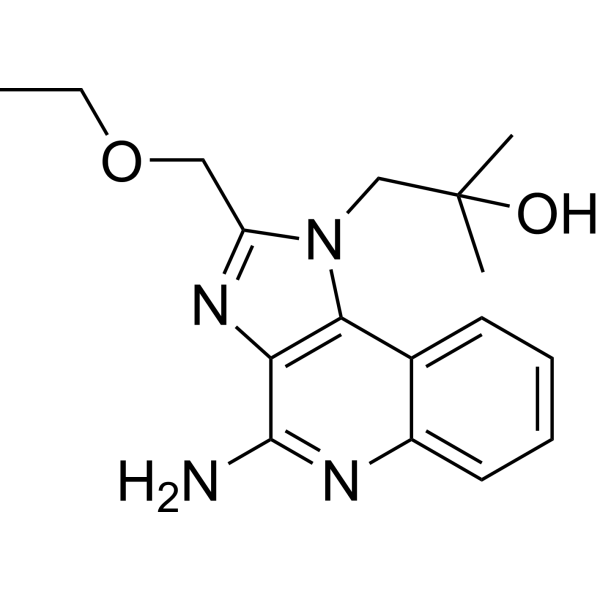
Cat. No.: HY-13740
CAS No.: 144875-48-9
Purity:  99.87%
Synonyms: R848; S28463
Resiquimod is a Toll-like receptor 7 and 8 (TLR7/TLR8) agonist that induces the upregulation of cytokines such as TNF-α, IL-6 and IFN-α.
loading...
    loading...
19
19 Cited Publications
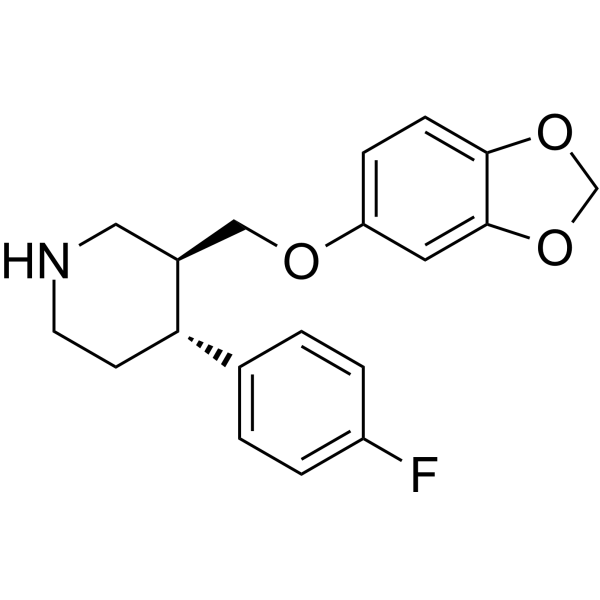
Cat. No.: HY-122272
CAS No.: 61869-08-7
Purity:  99.92%
Synonyms: BRL29060
Paroxetine (BRL29060) is an orally active and selective serotonin reuptake inhibitor (SSRI) and apoptosis inducer with blood-brain barrier permeability. Paroxetine inhibits nitric oxide synthase and CYP2D6, induces desensitization of 5-HT1A/1B/1D autoreceptors, downregulates 5-HT2 receptors, and promotes the production of inflammatory cytokines. Paroxetine is a weak norepinephrine (NE) uptake inhibitor and possesses antitumor activity. Paroxetine is widely used in research concerning depression, obsessive-compulsive disorder, panic disorder, social phobia, generalized anxiety disorder, post-traumatic stress disorder, premenstrual dysphoric disorder, hot flashes, and related conditions .
loading...
    loading...
19
19 Cited Publications
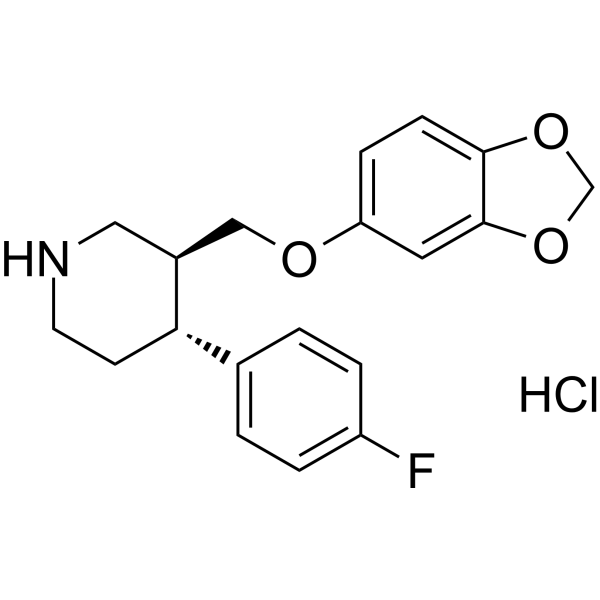
Cat. No.: HY-B0492
CAS No.: 78246-49-8
Synonyms: BRL29060 hydrochloride; BRL29060A
Paroxetine (BRL29060) hydrochloride is an orally active and selective serotonin reuptake inhibitor (SSRI) and apoptosis inducer with blood-brain barrier permeability. Paroxetine hydrochloride inhibits nitric oxide synthase and CYP2D6, induces desensitization of 5-HT1A/1B/1D autoreceptors, downregulates 5-HT2 receptors, and promotes the production of inflammatory cytokines. Paroxetine hydrochloride is a weak norepinephrine (NE) uptake inhibitor and possesses antitumor activity. Paroxetine hydrochloride is widely used in research concerning depression, obsessive-compulsive disorder, panic disorder, social phobia, generalized anxiety disorder, post-traumatic stress disorder, premenstrual dysphoric disorder, hot flashes, and related conditions .
loading...
    loading...
18
18 Cited Publications
Cat. No.: HY-P7425
Purity:  ≥ 95%, as determined by reducing SDS-PAGE.
Synonyms: TNFSF11; Tumor Necrosis Factor (Ligand) Superfamily, Member 11; TNF Superfamily Member 11; receptor Activator Of Nuclear Factor Kappa-B Ligand; TRANCE; TNLG6B; RANKL; receptor Activator Of Nuclear Factor Kappa B Ligand; OPGL; Tumor Necrosis Factor Ligand Superfamily Member; ODF; Tumor Necrosis Factor Superfamily Member 11; Tumor Necrosis Factor Ligand Superfamily Member 11; Tumor Necrosis Factor Ligand 6B; TNF-Related Activation-Induced cytokine; CD254 Antigen; Osteoclast Differentiation Factor; HRANKL2; Osteoprotegerin Ligand; OPTB2; CD254; SOdf
Species:  
Mouse
Source:  
E. coli
loading...
    loading...
16
16 Cited Publications
Cat. No.: HY-108847
CAS No.: 185243-69-0
Purity:  99.20%

Target:  

TNF Receptor Bacterial

Research Areas:  

Inflammation/Immunology Cancer

Etanercept, a dimeric fusion protein that binds TNF, acts as a TNF inhibitor. Etanercept competitively inhibits the binding of both TNF-α and TNF-β to cell surface TNF receptors, rendering TNF biologically inactive. Etanercept shows efficacy against rheumatoid arthritis, juvenile idiopathic arthritis, and plaque psoriasis .
loading...
    loading...
16
16 Cited Publications
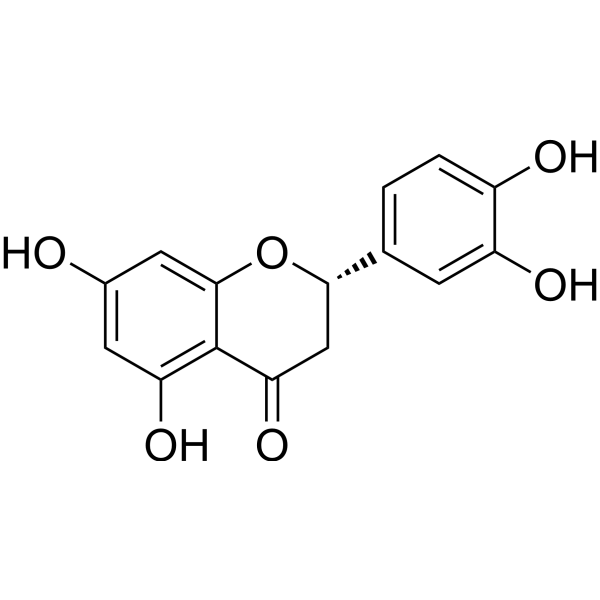
Cat. No.: HY-N0637
CAS No.: 552-58-9
Synonyms: Huazhongilexone
Eriodictyol ((±)-Huazhongilexone; Dihydroluteolin) is an orally active TRPV1 receptor antagonist (IC50=44-47 nM, rTRPV1) with antioxidant and anti-inflammatory activities. Eriodictyol effectively inhibits lipid peroxidation and the release of proinflammatory cytokines by specifically antagonizing the TRPV1 receptor and activating the Nrf2 signaling pathway. Eriodictyol reduces the levels of ICAM-1, VEGF, eNOS and TNF-α in the retina and maintains the integrity of the blood-retinal barrier. Eriodictyol alleviates oxidative stress-induced apoptosis and hyperalgesia, enhances the activity and cytotoxicity of immune cells (such as B lymphocytes, NK cells and macrophages), and increases the levels of antioxidant enzymes simultaneously. Eriodictyol can be used in the research of diabetic retinopathy, acute lung injury and various pain-related diseases .
loading...
    loading...
11
11 Cited Publications
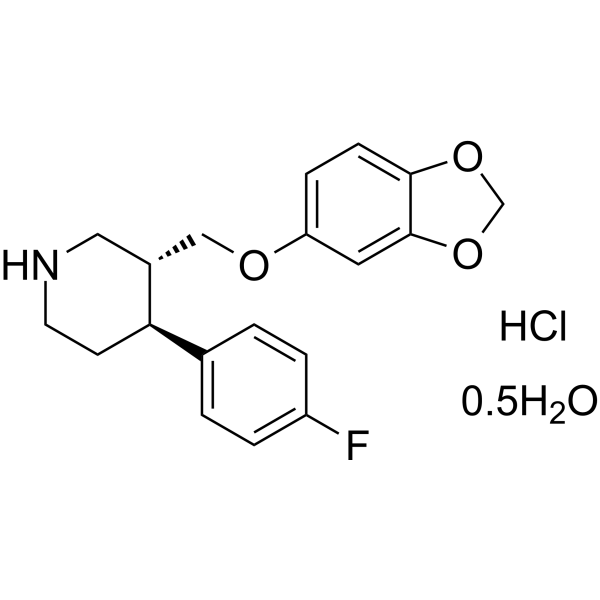
Cat. No.: HY-B0492A
CAS No.: 110429-35-1
Synonyms: BRL29060 hydrochloride hemihydrate; BRL29060A hemihydrate
Paroxetine (BRL29060) hydrochloride hemihydrate is an orally active and selective serotonin reuptake inhibitor (SSRI) and apoptosis inducer with blood-brain barrier permeability. Paroxetine hydrochloride hemihydrate inhibits nitric oxide synthase and CYP2D6, induces desensitization of 5-HT1A/1B/1D autoreceptors, downregulates 5-HT2 receptors, and promotes the production of inflammatory cytokines. Paroxetine hydrochloride hemihydrate is a weak norepinephrine (NE) uptake inhibitor and possesses antitumor activity. Paroxetine hydrochloride hemihydrate is widely used in research concerning depression, obsessive-compulsive disorder, panic disorder, social phobia, generalized anxiety disorder, post-traumatic stress disorder, premenstrual dysphoric disorder, hot flashes, and related conditions .
loading...
    loading...
6
6 Cited Publications
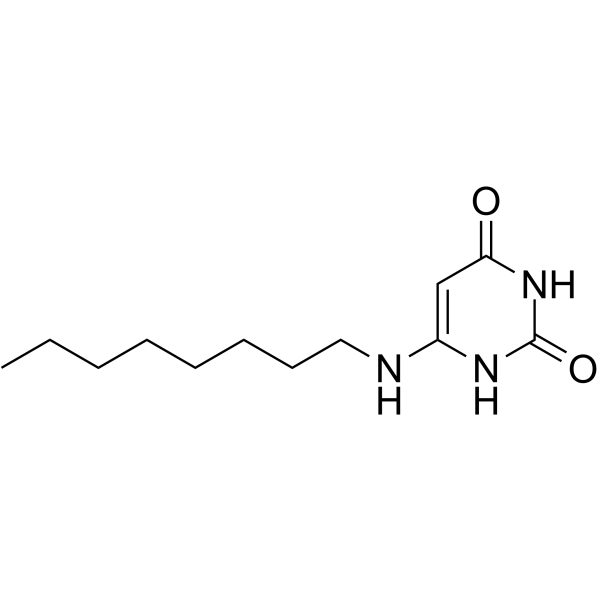
Cat. No.: HY-12764
CAS No.: 83797-69-7
Purity:  99.77%
Synonyms: GTPL5846
Research Areas:  

Inflammation/Immunology

6-OAU (GTPL5846) (6-n-octylaminouracil) is an GPR84 (G protein-coupled receptor 84) agonist, with an EC50 value of 105 nM. 6-OAU works as a chemoattractant to both PMNs and macrophages, and amplifies the proinflammatory cytokine IL-8, shows proinflammatory function. 6-OAU also displays anti-bacterial function .
loading...
    loading...
4
4 Cited Publications
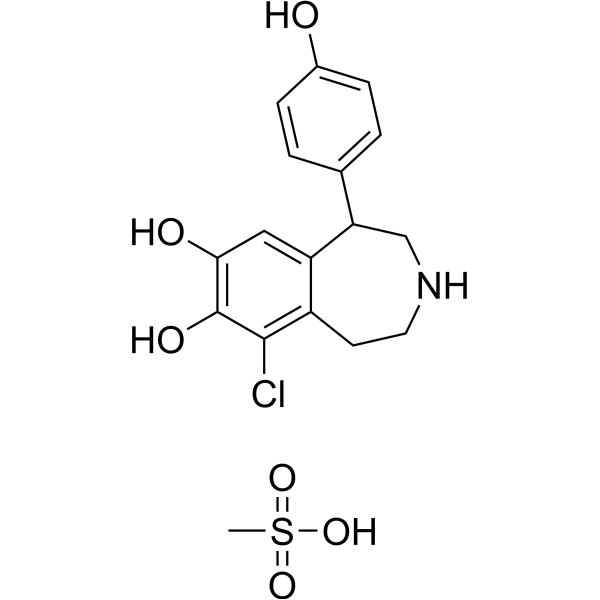
Cat. No.: HY-B0735A
CAS No.: 67227-57-0
Synonyms: Fenoldopam methanesulfonate; SKF-82526 mesylate
Fenoldopam (SKF-82526) mesylate is a selective dopamine D1 receptor agonist. Fenoldopam mesylate binds to rat D1B dopamine receptors (Kd = 11 nM) and human D1A receptors (Kd = 17 nM) in COS-7 cell membranes expressing the cloned receptors. Fenoldopam mesylate modulates dopamine receptor expression, induces vasorelaxation in vascular tissues, reverses glomerular hyperfiltration in rat models, increases intracellular cAMP levels, promotes DARPP-32 phosphorylation in small cell lung cancer (SCLC) cells, inhibits cytokine secretion, and downregulates T cell activation markers in activated human T cells. Fenoldopam mesylate can be used for research on hypertension, acute kidney injury, psoriasis, and small cell lung cancer .
loading...
    loading...
4
4 Cited Publications
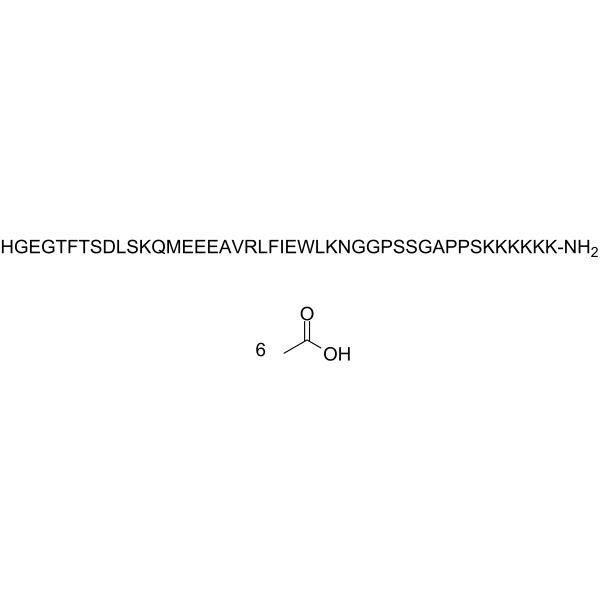
Cat. No.: HY-P0119
CAS No.: 320367-13-3
Lixisenatide is a glucagon-like peptide-1 (GLP-1) receptor agonist. Lixisenatide inhibits the inflammatory response through down regulation of pro-inflammatory cytokines, and suppresses of the Akt-MEK1/2 signaling pathway. Lixisenatide can inhibit oxidative stress, mitochondrial dysfunction and apoptosis. Lixisenatide can be used for the researches of inflammation, metabolic disease, neurological disease and cardiovascular disease, such as rheumatoid arthritis, diabetes, Alzheimer's disease and atherosclerosis .
loading...
    loading...
4
4 Cited Publications
Cat. No.: HY-P0119A
CAS No.: 1997361-87-1
Lixisenatide acetate is a glucagon-like peptide-1 (GLP-1) receptor agonist. Lixisenatide acetate inhibits the inflammatory response through down regulation of pro-inflammatory cytokines, and suppresses of the Akt-MEK1/2 signaling pathway. Lixisenatide acetate can inhibit oxidative stress, mitochondrial dysfunction and apoptosis. Lixisenatide acetate can be used for the researches of inflammation, metabolic disease, neurological disease and cardiovascular disease, such as rheumatoid arthritis, diabetes, Alzheimer's disease and atherosclerosis .
loading...
    loading...
3
3 Cited Publications
Cat. No.: HY-N2072
CAS No.: 27876-94-4
Synonyms: Transcrocetin; trans-Crocetin
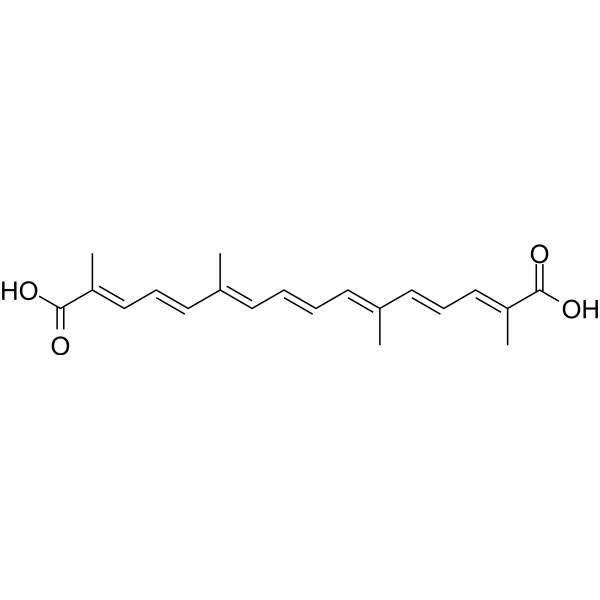
Crocetin (Transcrocetin) is an aglycone of crocin. Crocetin is an orally active and brain-penetrant. Crocetin shows strong NMDA receptor affinity and channel opening activity. Crocetin can downregulate the proinflammatory cytokines and COX-2 exoression. Crocetin can inhibit apoptosis and activation of MAPK. Crocetin can delay delays brain and body aging. Crocetin can be used for the researches of cancer, neurological disease and inflammation, such as cervical cancer and ischemia .
loading...
    loading...
3
3 Cited Publications
Cat. No.: HY-B1060
CAS No.: 2375-03-3
Synonyms: Methylprednisolone hydrogen succinate sodium
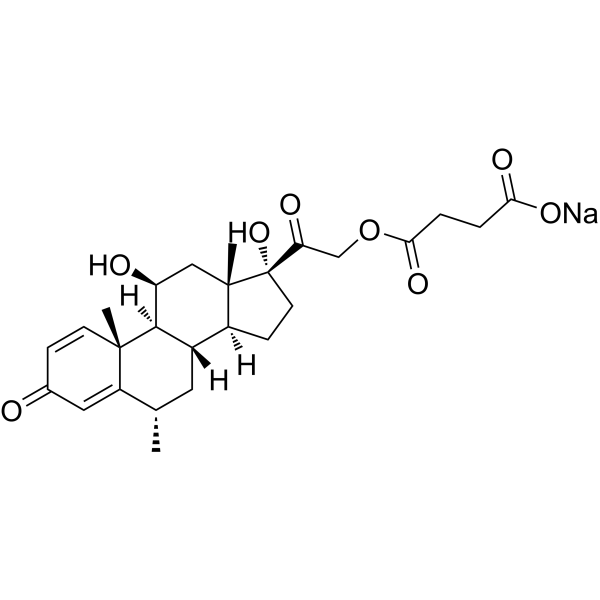
Methylprednisolone succinate (Methylprednisolone hydrogen succinate) sodium is a prodrug of Methylprednisolone (HY-B0260) and glucocorticoid with immunosuppressant and anti-inflammatory activity. Methylprednisolone succinate sodium binds cytosolic glucocorticoid receptors, translocates to nuclei, and modulates target gene transcription. Methylprednisolone succinate sodium alters Bax, Bcl-2, occludin, and ZO-1 expression; attenuates TLR4/NF-κB signaling; suppresses proinflammatory cytokine production and immune cell activation. Methylprednisolone succinate sodium can be used for the research of intracranial haemorrhage, rheumatoid arthritis, multiple sclerosis, preterminal cancer, inflammatory conditions, shock, immediate-type hypersensitivity, acute myocardial ischemia, hypoxic heart muscle damage, and traumatic spinal cord injury .
loading...
    loading...
3
3 Cited Publications
Cat. No.: HY-B1900
CAS No.: 2921-57-5
Synonyms: Methylprednisolone hydrogen succinate
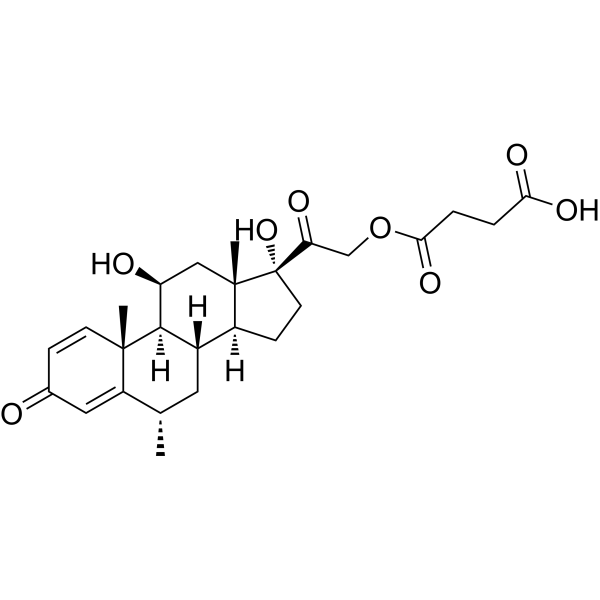
Methylprednisolone succinate (Methylprednisolone hydrogen succinate) is a prodrug of Methylprednisolone (HY-B0260) and glucocorticoid with immunosuppressant and anti-inflammatory activity. Methylprednisolone succinate binds cytosolic glucocorticoid receptors, translocates to nuclei, and modulates target gene transcription. Methylprednisolone succinate alters Bax, Bcl-2, occludin, and ZO-1 expression; attenuates TLR4/NF-κB signaling; suppresses proinflammatory cytokine production and immune cell activation. Methylprednisolone succinate can be used for the research of intracranial haemorrhage, rheumatoid arthritis, multiple sclerosis, preterminal cancer, inflammatory conditions, shock, immediate-type hypersensitivity, acute myocardial ischemia, hypoxic heart muscle damage, and traumatic spinal cord injury .
loading...
    loading...
3
3 Cited Publications
Cat. No.: HY-N1431
CAS No.: 4429-63-4
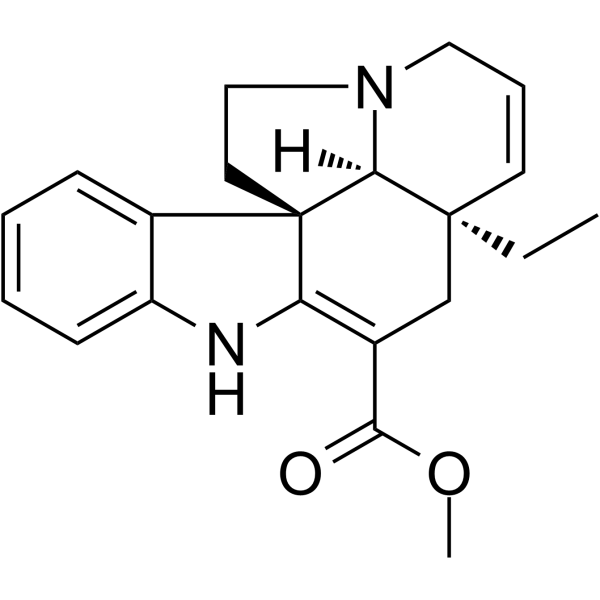
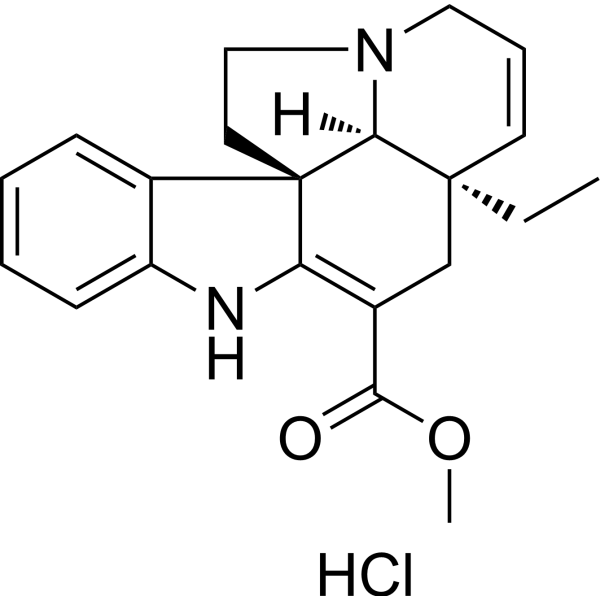
Tabersonine is a selective, orally active NLRP3 inhibitor. Tabersonine directly binds to the NACHT domain of NLRP3, inhibiting its ATPase activity and oligomerization, thereby blocking ASC spot formation and caspase-1 activation, and reducing the release of pro-inflammatory cytokines such as IL-1β. Tabersonine also inhibits K63-linked ubiquitination of TRAF6, blocking NF-κB, PI3K/Akt, and p38 MAPK signaling pathways. Tabersonine can inhibit inflammatory responses, induce apoptosis of liver cancer cells through mitochondrial pathways and death receptor pathways, reduce mitochondrial membrane potential, promote cytochrome c release, and activate caspase proteins. Tabersonine is mainly used in the study of NLRP3-driven inflammatory diseases (such as acute lung injury, sepsis, peritonitis) and tumors such as liver cancer .
loading...
    loading...
3
3 Cited Publications
Cat. No.: HY-N1431A
CAS No.: 29479-00-3
Tabersonine hydrochloride is a selective, orally active NLRP3 inhibitor. Tabersonine hydrochloride directly binds to the NACHT domain of NLRP3, inhibiting its ATPase activity and oligomerization, thereby blocking ASC spot formation and caspase-1 activation, and reducing the release of pro-inflammatory cytokines such as IL-1β. Tabersonine hydrochloride also inhibits K63-linked ubiquitination of TRAF6, blocking NF-κB, PI3K/Akt, and p38 MAPK signaling pathways. Tabersonine hydrochloride can inhibit inflammatory responses, induce apoptosis of liver cancer cells through mitochondrial pathways and death receptor pathways, reduce mitochondrial membrane potential, promote cytochrome c release, and activate caspase proteins. Tabersonine hydrochloride is mainly used in the study of NLRP3-driven inflammatory diseases (such as acute lung injury, sepsis, peritonitis) and tumors such as liver cancer .
loading...
    loading...
3
3 Cited Publications
Cat. No.: HY-W028393
CAS No.: 392-12-1
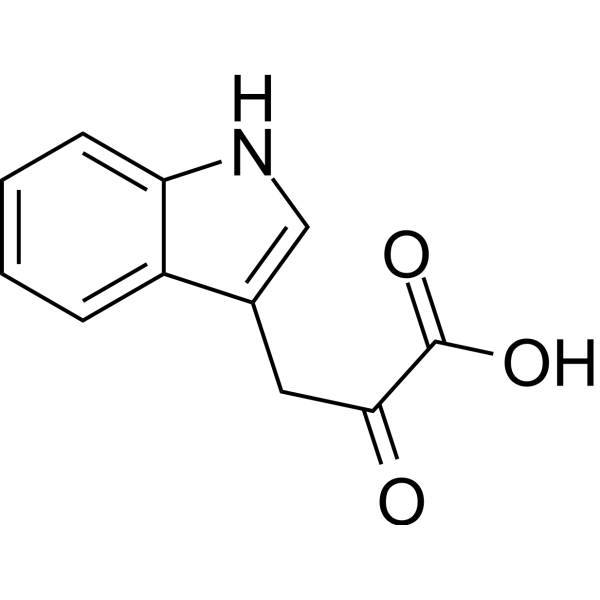
Indole-3-pyruvic acid is an orally active ketone analog of tryptophan, and is an aryl hydrocarbon receptor (AHR) agonist. Indole-3-pyruvic acid inhibits p38/MAPK phosphorylation, regulates the tryptophan metabolic pathway, and also possesses protective activities against skin photodamage, as well as anti-inflammatory and anti-anxiety bioactivities in the gut. Indole-3-pyruvic acid can downregulate the expression of IL-1β, IL-6, Cox-2, and Bax to alleviate UVB-induced keratinocyte toxicity. Indole-3-pyruvic acid can activate AHR to promote Tr1 cell differentiation, increase IL-10, and inhibit Th1 cytokine production. Indole-3-pyruvic acid can alter the levels of kynurenine metabolites in the brain, mediating central nervous system-related effects. Indole-3-pyruvic acid can be used in research on skin lesions, colitis, and anxiety .
loading...
    loading...
2
2 Cited Publications
Cat. No.: HY-P99008
CAS No.: 2417175-94-9
Synonyms: IC14
Atibuclimab (IC14), is a chimeric monoclonal antibody directed against CD14 and is composed of murine variable and human IgG4 Fc regions. Atibuclimab attenuates Lipopolysaccharides (HY-D1056) (LPS)-induced symptoms and strongly inhibits LPS-induced proinflammatory cytokine release, while only delaying the release of the anti-inflammatory cytokines soluble TNF receptor type I and IL-1 receptor antagonist. Atibuclimab can be used for the research of amyotrophic lateral sclerosis, sepsis, community-acquired pneumonia, or acute lung injury .
loading...
    loading...
2
2 Cited Publications
Cat. No.: HY-112038A
Purity:  98.82%
Target:  

RIP kinase

Research Areas:  

Inflammation/Immunology

GSK2983559 is an orally active and potent receptor interacting protein 2 (RIP2) kinase inhibitor. GSK2983559 blocks many proinflammatory cytokine responses in vivo and in human inflammatory bowel disease explant samples .
loading...
    loading...
2
2 Cited Publications
Cat. No.: HY-112038
CAS No.: 1579965-12-0
Purity:  99.90%
Target:  

RIP kinase

Research Areas:  

Inflammation/Immunology

GSK2983559 free acid (compound 3) is an orally active and potent receptor interacting protein 2 (RIP2) kinase inhibitor. GSK2983559 free acid can block many proinflammatory cytokine responses in vivo and in human inflammatory bowel disease explant samples .
loading...
    loading...

