Search Result
Results for "
deacetylation
" in MedChemExpress (MCE) Product Catalog:
3
Isotope-Labeled Compounds
| Cat. No. |
Product Name |
Target |
Research Areas |
Chemical Structure |
-
- HY-15452
-
Selisistat
Maximum Cited Publications
292 Publications Verification
EX-527
|
Sirtuin
|
Inflammation/Immunology
Cancer
|
|
Selisistat (EX-527) is a potent and selective SirT1 (Sir2 in Drosophila melanogaster) inhibitor with an IC50 of 123 nM for SirT1. Selisistat alleviates pathology in multiple animal and cell models of Huntington's disease .
|
-
-
- HY-119376
-
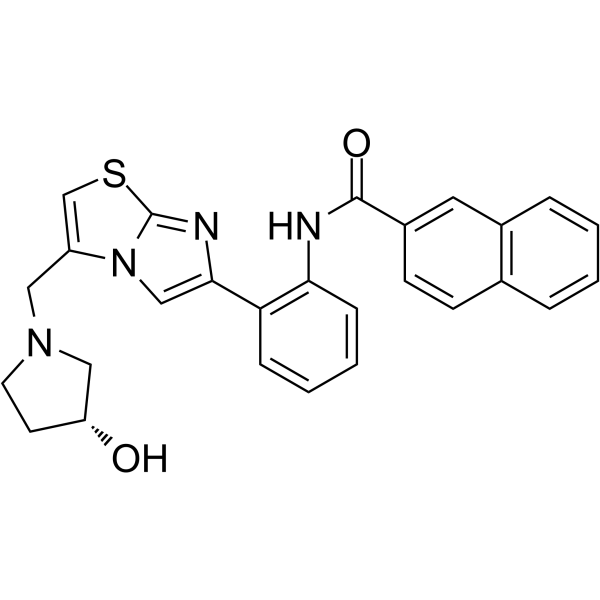
MDL-800
1 Publications Verification
|
Sirtuin
|
Cancer
|
|
MDL-800 is an allosteric and selective SIRT6 activator. MDL-800 increases SIRT6 deacetylation activity with an EC50 of 10.3 µM .
|
-
-
- HY-141550
-
|
|
NF-κB
|
Inflammation/Immunology
|
|
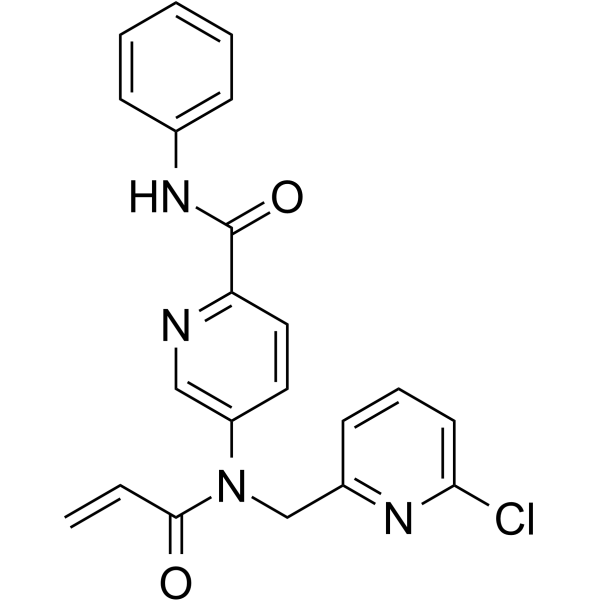
BPK-25, an active acrylamide, promotes degradation of nucleosome remodeling and deacetylation (NuRD) complex proteins by a post-translational mechanism involving covalent protein engagement. BPK-25 inhibits TMEM173 activation by the cyclic dinucleotide ligand cGAMP .
|
-
-
- HY-Y0504
-
-
-
- HY-19759
-
|
|
Sirtuin
Apoptosis
|
Cancer
|
|
SRT 2183 is a selective Sirtuin-1 (SIRT1) activator with an EC1.5 value of 0.36 μM . SRT 2183 induces growth arrest and apoptosis, concomitant with deacetylation of STAT3 and NF-κB, and reduction of c-Myc protein levels .
|
-
-
- HY-P2161B
-
|
|
Kisspeptin Receptor
|
Cancer
|
|
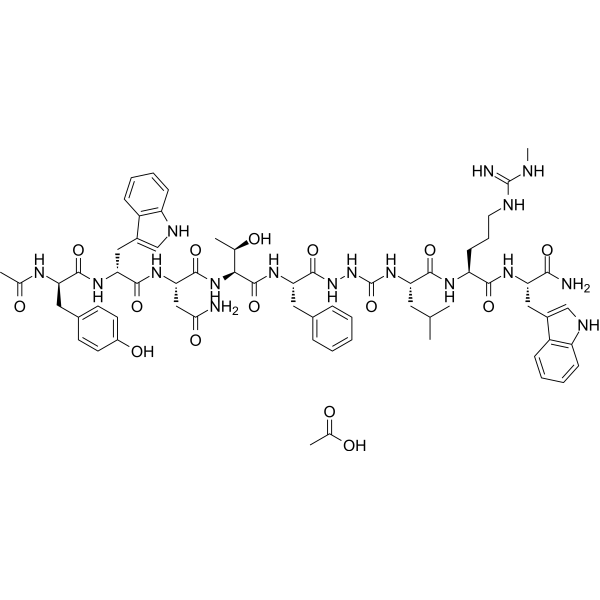
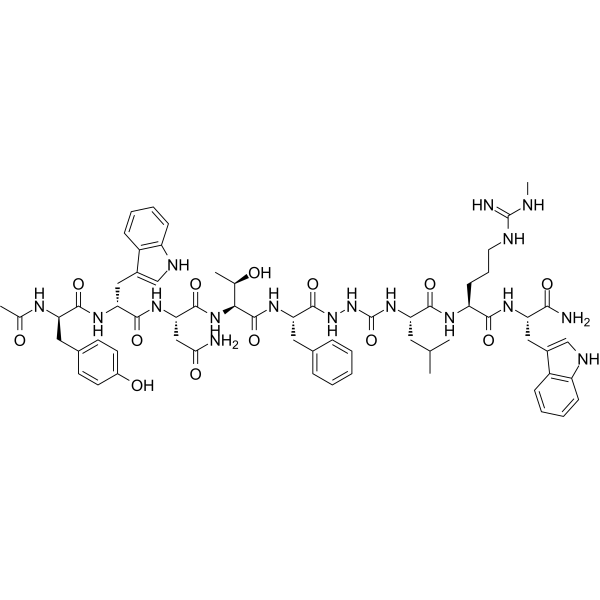
TAK-683 acetate is a potent full KISS1 receptor (KISS1R) agonist (IC50=170 pM) with improved metabolic stability. TAK-683 acetate is a nonapeptide metastin analog, exhibits agonistic activities to KISS1R with EC50 values of 0.96 nM and 1.6 nM for human and rat, respectively . TAK-683 acetate depletes GnRH in the hypothalamus and reduces plasma FSH, LH, and testosterone levels in vivo, it has the potential for the study of hormone-dependent prostate cancer .
|
-
-
- HY-P11212
-
|
|
Fluorescent Dye
|
Metabolic Disease
Cancer
|
|
Ac-RHKK(Ac)-AMC (Compound S1) is a fluorescent substrate for SITR6, that is based on p53 sequence. Ac-RHKK(Ac)-AMC mimics H3K56 deacetylation site and significantly increases the deacetylation signal with low signal-to-background ratio. Ac-RHKK(Ac)-AMC can be used for ageing and cancers research .
|
-
-
- HY-W083373A
-
|
|
Bacterial
Autophagy
|
Cancer
|
|
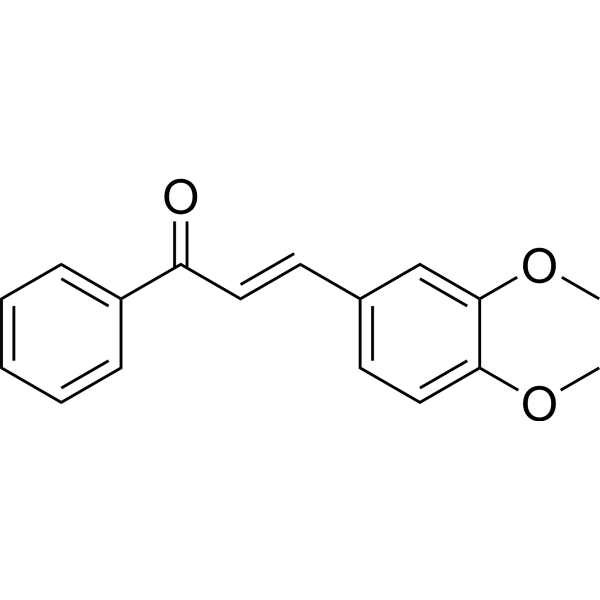
3,4-Dimethoxychalcone is a Caloric restriction mimetics (CRMs). 3,4-Dimethoxychalcone induces the deacetylation of cytoplasmic proteins and stimulates autophagy flux. 3,4-Dimethoxychalcone can be used for cardiac and cancer diseases research .
|
-
-
- HY-P5544
-
|
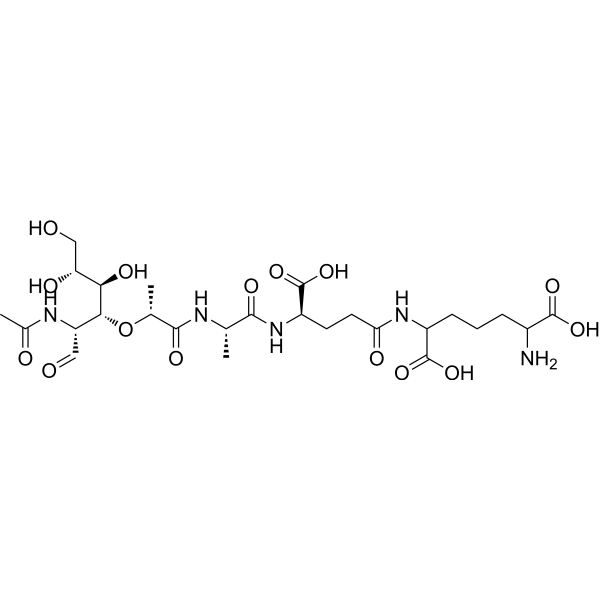
N-Acetylmuramyl-L-Ala-γ-D-Glu-meso-diaminopimelic acid
|
NOD-like Receptor (NLR)
|
Others
|
|
M-TriDAP (N-Acetylmuramyl-L-Ala-γ-D-Glu-meso-diaminopimelic acid) is a NOD1/2 agoist and biological active peptide .
|
-
-
- HY-16138
-
|
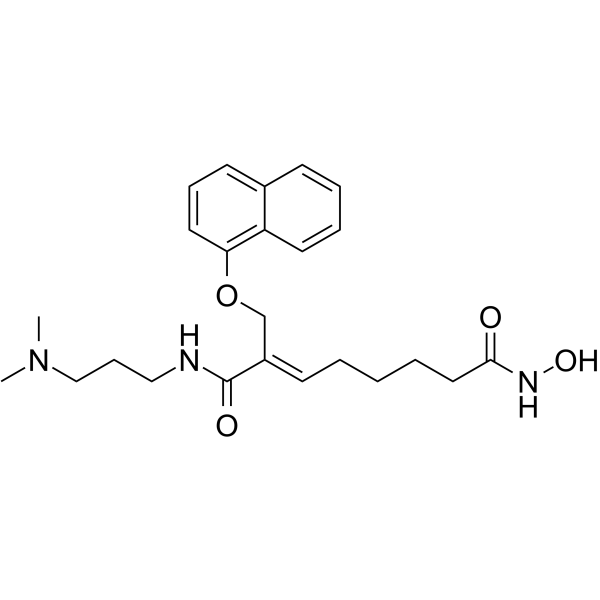
CG-200745
|
HDAC
MDM-2/p53
Apoptosis
|
Cancer
|
|
Ivaltinostat (CG-200745) is an orally active, potent pan-HDAC inhibitor which has the hydroxamic acid moiety to bind zinc at the bottom of catalytic pocket. Ivaltinostat inhibits deacetylation of histone H3 and tubulin. Ivaltinostat induces the accumulation of p53, promotes p53-dependent transactivation, and enhances the expression of MDM2 and p21 (Waf1/Cip1) proteins. Ivaltinostat enhances the sensitivity of Gemcitabine-resistant cells to Gemcitabine (HY-16138) and 5-Fluorouracil (5-FU; HY-90006). Ivaltinostat induces apoptosis and has anti-tumour effects .
|
-
-
- HY-W009300
-
|
4-OHE1
|
Endogenous Metabolite
Estrogen Receptor/ERR
Sirtuin
MDM-2/p53
PDI
Ferroptosis
Reactive Oxygen Species (ROS)
|
Neurological Disease
Metabolic Disease
Cancer
|
|
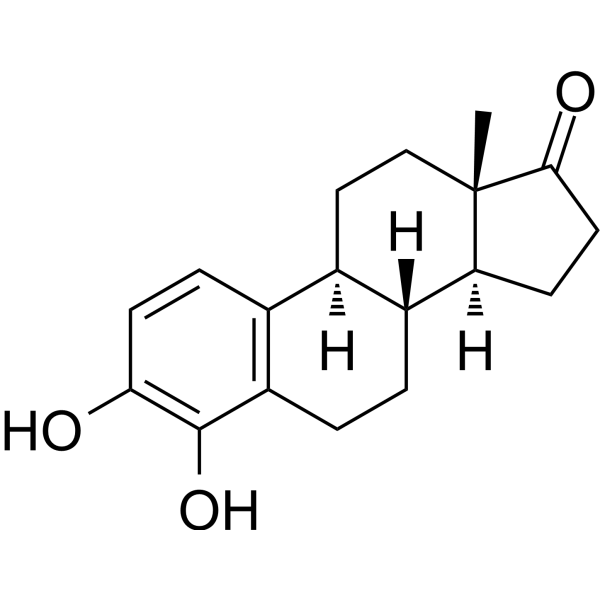
4-Hydroxyestrone (4-OHE1) is a brain-penetrant estrogen metabolite. 4-Hydroxyestrone shows neuroprotective effects involving increased cytoplasmic localization of p53 resulting from SIRT1-mediated p53 deacetylation. 4-Hydroxyestrone relies on PDI to mediate its protective effect against chemically induced ferroptosis in estrogen receptor-negative cancer cells. 4-Hydroxyestrone inhibits lipid peroxidation and lipid-ROS accumulation. 4-Hydroxyestrone blocks preovulatory luteinizing hormone surges in Rattus norvegicus. 4-Hydroxyestrone can be used for the researches of neurodegeneration, breast cancer and endocrine disease .
|
-
-
- HY-16138A
-
|
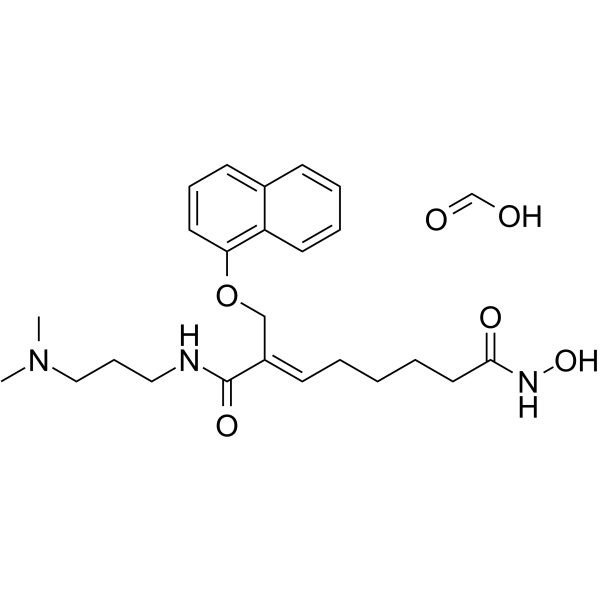
CG-200745 formic
|
HDAC
MDM-2/p53
Apoptosis
|
Inflammation/Immunology
Endocrinology
Cancer
|
|
Ivaltinostat (CG-200745) formic is an orally active, potent pan-HDAC inhibitor which has the hydroxamic acid moiety to bind zinc at the bottom of catalytic pocket. Ivaltinostat formic inhibits deacetylation of histone H3 and tubulin. Ivaltinostat formic induces the accumulation of p53, promotes p53-dependent transactivation, and enhances the expression of MDM2 and p21 (Waf1/Cip1) proteins. Ivaltinostat formic enhances the sensitivity of Gemcitabine-resistant cells to Gemcitabine (HY-16138) and 5-Fluorouracil (5-FU; HY-90006). Ivaltinostat formic induces apoptosis and has anti-tumour effects .
|
-
-
- HY-Y0504R
-
|
Hegzadesil (Standard); Trimethylamine hydrochloric acid (Standard); Trimethylamine monohydrochloride (Standard)
|
Endogenous Metabolite
Cholinesterase (ChE)
Reference Standards
|
Metabolic Disease
|
|
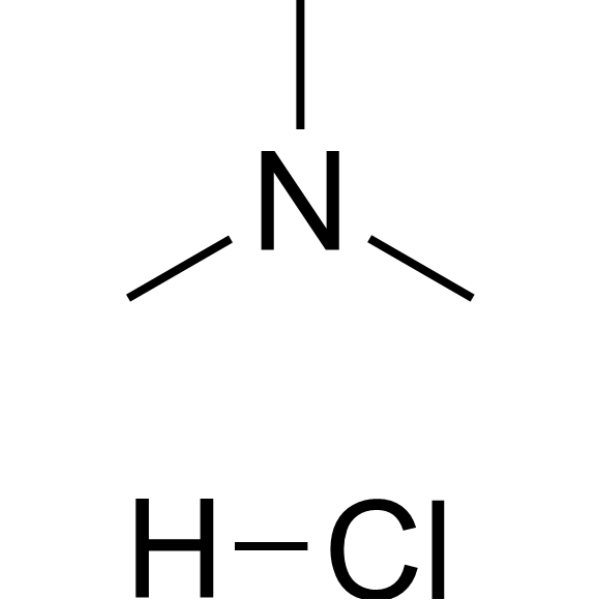
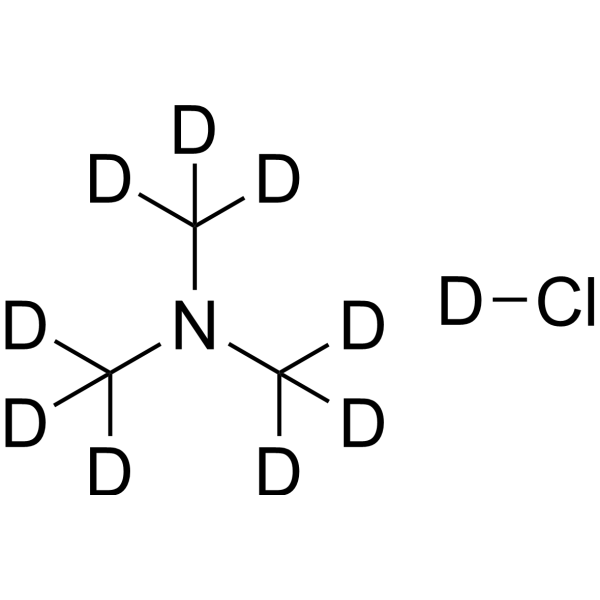
Trimethylammonium chloride (Standard) is the analytical standard of Trimethylammonium chloride. This product is intended for research and analytical applications. Trimethylammonium chlorideIt is an endogenous metabolite that inhibits deacetylation. Trimethylammonium chlorideIs a non-competitive inhibitor of acetylcholinesterase .
|
-
-
- HY-15452R
-
|
EX-527 (Standard)
|
Sirtuin
Reference Standards
|
Inflammation/Immunology
Cancer
|
|
Selisistat (Standard) is the analytical standard of Selisistat. This product is intended for research and analytical applications. Selisistat (EX-527) is a potent and selective SirT1 (Sir2 in Drosophila melanogaster) inhibitor with an IC50 of 123 nM for SirT1. Selisistat alleviates pathology in multiple animal and cell models of Huntington's disease .
|
-
-
- HY-19634
-
|
|
Sirtuin
|
Cancer
|
|
YK-3-237, a SIRT1 activator, targets mutant p53. YK-3-237 inhibits the proliferation of triple-negative breast cancer cells .
|
-
-
- HY-175988
-
|
|
DNA Methyltransferase
HDAC
|
Cancer
|
|
DNMT/HDAC-IN-2 (Compound Y7) is a DNMT and HDAC inhibitor with IC50 values for DNMT1, HDAC1, and HDAC6 of 365, 0.2, and 8.91 nM respectively. DNMT/HDAC-IN-2 inhibits the proliferation of breast cancer cells. DNMT/HDAC-IN-2 significantly reduces tumor growth in xenografts and transgenic breast cancer mouse models. DNMT/HDAC-IN-2 can be used for the study of breast cancer .
|
-
-
- HY-P11213
-
|
|
Fluorescent Dye
|
Metabolic Disease
Cancer
|
|
Ac-RYQK(Ac)-AMC (Compound S5) is a fluorescent substrate for SITR6, that is based on the H3 sequence. Ac-RYQK(Ac)-AMC mimics H3K56 deacetylation site and significantly increases the deacetylation signal with superior signal-to-background ratio. Ac-RYQK(Ac)-AMC can be used for ageing and cancers research .
|
-
-
- HY-P3364
-
|
|
Fluorescent Dye
Sirtuin
HDAC
|
Others
|
|
Ac-QPKK(Ac)-AMC is a p53-derived peptide conjugated with a fluorophore, which serves as a fluorescent peptide substrate for detecting the deacylase activity of zinc-dependent HDACs and sirtuins (Ex = 360 nm; Em = 460 nm) .
|
-
-
- HY-136522
-
|
|
Histone Demethylase
Apoptosis
|
Cancer
|
|
S2116, a N-alkylated tranylcypromine (TCP) derivative, is a potent lysine-specific demethylase 1 (LSD1) inhibitor. S2116 increases H3K9 methylation and reciprocal H3K27 deacetylation at super-enhancer regions. S2116 induces apoptosis in TCP-resistant T-cell acute lymphoblastic leukemia (T-ALL) cells by repressing transcription of the NOTCH3 and TAL1 genes. S2116 significantly retardes the growth of T-ALL cells in xenotransplanted mice .
|
-
-
- HY-P2161
-
|
|
Kisspeptin Receptor
|
Cancer
|
|
TAK-683 is a potent full KISS1 receptor (KISS1R) agonist (IC50=170 pM) with improved metabolic stability. TAK-683 is a nonapeptide metastin analog, exhibits agonistic activities to KISS1R with EC50 values of 0.96 nM and 1.6 nM for human and rat, respectively . TAK-683 depletes GnRH in the hypothalamus and reduces plasma FSH, LH, and testosterone levels in vivo, it has the potential for the study of hormone-dependent prostate cancer .
|
-
-
- HY-155727
-
|
|
Sirtuin
Apoptosis
|
Cancer
|
|
Sirt1/2-IN-2 (compound hsa55) is a dual inhibitor of SIRT1/2 with IC50s of 1.8 μM (SIRT1) and 2.4 μM (SIRT2), respsectivley. Sirt1/2-IN-2 completely blocks p53 deacetylation, and increase of p53 and α-tubulin acetylation. Sirt1/2-IN-2 induces apoptosis and shows anti-proliferation activity against human leukemia cell lines .
|
-
-
- HY-136523
-
|
|
Histone Demethylase
Apoptosis
|
Cancer
|
|
S2157, a N-alkylated tranylcypromine (TCP) derivative, is a potent lysine-specific demethylase 1 (LSD1) inhibitor. S2157 increases H3K9 methylation and reciprocal H3K27 deacetylation at super-enhancer regions. S2157 induces apoptosis in TCP-resistant T-cell acute lymphoblastic leukemia (T-ALL) cells by repressing transcription of the NOTCH3 and TAL1 genes. S2157 efficiently pass through the blood-brain barrier and can almost completely eradicate CNS leukemia in mice transplanted with T-ALL cells .
|
-
-
- HY-169846
-
|
|
Sirtuin
|
Metabolic Disease
|
|
CL5D is an activator of protein deacetylase SIRT6. CL5D can significantly enhance the deacetylation activity of SIRT6 and improve its catalytic efficiency. CL5D regulates SIRT6 activity by promoting conformational changes, especially dependent on the role of Arg-65 residue. CL5D can be used to study the activation mechanism of SIRT6 and its function in metabolism, DNA repair and aging .
|
-
-
- HY-178485
-
|
|
PI3K
HDAC
Akt
Histone Methyltransferase
|
Cancer
|
|
SJY26 is a PI3K/HDAC dual-target inhibitor with IC50s of 0.59 nM (PI3Kα and PI3Kδ), 2.02 nM (PI3Kγ), 12.69 nM (PI3Kβ) and 114 nM (HDAC1). SJY26 exhibits potent broad-spectrum anti-proliferative activity, and is particularly sensitive to Jurkat and PC9R cells. SJY26 inhibited the migration of PC9R cells, arrested the cell cycle and induced cell apoptosis. SJY26 reduces AKT phosphorylation, and decreases histone H3 deacetylation (Ac-H3). SJY26 can be used for the studies of non-small cell lung cancer and leukemia .
|
-
-
- HY-P2115
-
|
|
GnRH Receptor
|
Cancer
|
|
Ramorelix is a luteinizing-hormone-releasing hormone (LHRH) antagonist. Ramorelix can inhibit tumor progression in vivo. Ramorelix can be studied in anti-cancer research .
|
-
-
- HY-P2178
-
|
|
HDAC
|
Cancer
|
|
Dihydrochlamydocin analog-1 (compound 2) is a Chlamydocin (HY-115761) analogue that inhibits histone H4 peptide deacetylation with IC50 of 30 nM .
|
-
-
- HY-114981
-
|
|
Sirtuin
|
Inflammation/Immunology
|
|
SRTCX1002 is a potent activator of SIRT1 (STAC), suppresses inflammatory responses through promotion of p65 deacetylation and inhibition of NF-κB Activity. SRTCX1002 suppresses stimuli-induced NF-κB transcriptional activation and LPS-induced TNFα secretion with IC50s of 0.71 and 7.58 µM, respectively .
|
-
-
- HY-149283
-
|
|
JAK
HDAC
Apoptosis
|
Cancer
|
|
JAK/HDAC-IN-2 is a potent 2-amino-4-phenylaminopyrimidine JAK/HDAC dual-target inhibitor. JAK/HDAC-IN-2 potently inhibits HDAC3/6 and JAK1/2 at nanomolar levels. JAK/HDAC-IN-2 has proapoptotic activity and inhibits histone deacetylation and STAT3 phosphorylation. JAK/HDAC-IN-2 presents remarkable antiproliferative activity in both hematological malignancies and solid cancers .
|
-
-
- HY-W585905
-
|
|
Isotope-Labeled Compounds
|
Others
|
|
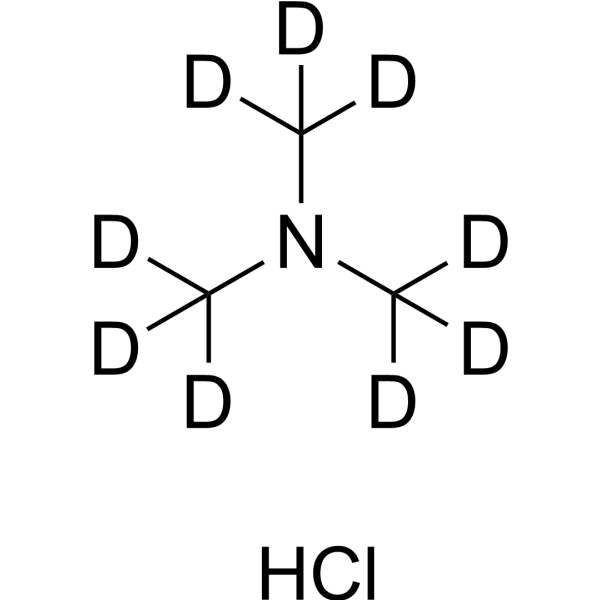
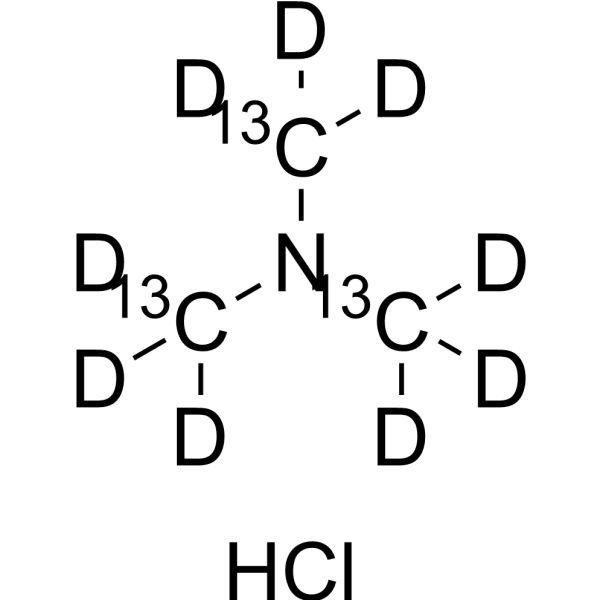
Trimethylammonium chloride- 13C3 is a deuterated labeled Trimethylammonium chloride (HY-Y0504). Trimethylammonium chlorideIt is an endogenous metabolite that inhibits deacetylation. Trimethylammonium chlorideIs a non-competitive inhibitor of acetylcholinesterase .
|
-
-
- HY-163698
-
|
|
Sirtuin
|
Cancer
|
|
SIRT-IN-4 is an inhibitor of the NAD+-dependent lysine deacetylase Sirtuin2 (Sirt2) (IC50=0.35 μM). SIRT-IN-4 is a potent Sirt2 deacetylase inhibitor that reduces cell survival and inhibits the migration of prostate cancer cells. SIRT-IN-4 can be used to study Sirt2 in cell cycle regulation, gene expression regulation, etc .
|
-
-
- HY-P5544A
-
|
N-Acetylmuramyl-L-Ala-γ-D-Glu-meso-diaminopimelic acid TFA
|
NOD-like Receptor (NLR)
|
Others
|
|
M-TriDAP (N-Acetylmuramyl-L-Ala-γ-D-Glu-meso-diaminopimelic acid) TFA is a NOD1/2 agoist and biological active peptide .
|
-
-
- HY-155729
-
|
|
Sirtuin
Apoptosis
|
Cancer
|
|
Sirt1/2-IN-4 (compound PS3) is a triple inhibitor of SIRT1/2/3 with IC50s of 1.2 μM (SIRT1), 1.9 μM (SIRT2), and 18.6 μM (SIRT3), respsectivley. Sirt1/2-IN-4 completely blocks p53 deacetylation, with potential anti-cancer activity .
|
-
-
- HY-P2161A
-
|
|
Kisspeptin Receptor
|
Cancer
|
|
TAK-683 TFA is a potent full KISS1 receptor (KISS1R) agonist (IC50=170 pM) with improved metabolic stability. TAK-683 TFA is a nonapeptide metastin analog, exhibits agonistic activities to KISS1R with EC50 values of 0.96 nM and 1.6 nM for human and rat, respectively . TAK-683 TFA depletes GnRH in the hypothalamus and reduces plasma FSH, LH, and testosterone levels in vivo, it has the potential for the study of hormone-dependent prostate cancer .
|
-
-
- HY-155728
-
|
|
Sirtuin
Apoptosis
|
Cancer
|
|
Sirt1/2-IN-3 (compound PS9) is a dual inhibitor of SIRT1/2 with IC50s of 1.4 μM (SIRT1) and 2.0 μM (SIRT2), respsectivley. Sirt1/2-IN-3 completely blocks p53 deacetylation, and increase of p53 and α-tubulin acetylation. Sirt1/2-IN-3 induces apoptosis and shows anti-proliferation activity against human leukemia cell lines .
|
-
-
- HY-144725
-
|
|
HDAC
Apoptosis
|
Cancer
|
|
HDAC1/6-IN-1 (compound D7) is a potent multitarget inhibitor of GLP, HDAC6 and HDAC1, with IC50 values of 1.3, 13, and 89 nM, respectively. HDAC1/6-IN-1 can inhibit the methylation and deacetylation of H3K9 on protein level. HDAC1/6-IN-1 induces cancer cell apoptosis, G0/G1 cell cycle arrest, and blocks migration and invasion .
|
-
-
- HY-W009300S
-
|
4-OHE1-d4
|
Endogenous Metabolite
Isotope-Labeled Compounds
Estrogen Receptor/ERR
Sirtuin
MDM-2/p53
PDI
Ferroptosis
Reactive Oxygen Species (ROS)
|
Neurological Disease
Metabolic Disease
Cancer
|
|
4-Hydroxyestrone (4-OHE1)-d4 is the deuterium labeled 4-Hydroxyestrone (HY-W009300). 4-Hydroxyestrone is a brain-penetrant estrogen metabolite. 4-Hydroxyestrone shows neuroprotective effects involving increased cytoplasmic localization of p53 resulting from SIRT1-mediated p53 deacetylation. 4-Hydroxyestrone relies on PDI to mediate its protective effect against chemically induced ferroptosis in estrogen receptor-negative cancer cells. 4-Hydroxyestrone inhibits lipid peroxidation and lipid-ROS accumulation. 4-Hydroxyestrone blocks preovulatory luteinizing hormone surges in Rattus norvegicus. 4-Hydroxyestrone can be used for the researches of neurodegeneration, breast cancer and endocrine disease .
|
-
-
- HY-W009300S1
-
|
4-OHE1-13C6
|
Isotope-Labeled Compounds
Endogenous Metabolite
Estrogen Receptor/ERR
Sirtuin
MDM-2/p53
PDI
Ferroptosis
Reactive Oxygen Species (ROS)
|
Neurological Disease
Metabolic Disease
Cancer
|
|
4-Hydroxyestrone (4-OHE1)- 13C6 is a 13C-labeled 4-Hydroxyestrone (HY-W009300). 4-Hydroxyestrone is a brain-penetrant estrogen metabolite. 4-Hydroxyestrone shows neuroprotective effects involving increased cytoplasmic localization of p53 resulting from SIRT1-mediated p53 deacetylation. 4-Hydroxyestrone relies on PDI to mediate its protective effect against chemically induced ferroptosis in estrogen receptor-negative cancer cells. 4-Hydroxyestrone inhibits lipid peroxidation and lipid-ROS accumulation. 4-Hydroxyestrone blocks preovulatory luteinizing hormone surges in Rattus norvegicus. 4-Hydroxyestrone can be used for the researches of neurodegeneration, breast cancer and endocrine disease .
|
-
-
- HY-N18420
-
|
|
Sirtuin
|
Metabolic Disease
|
|
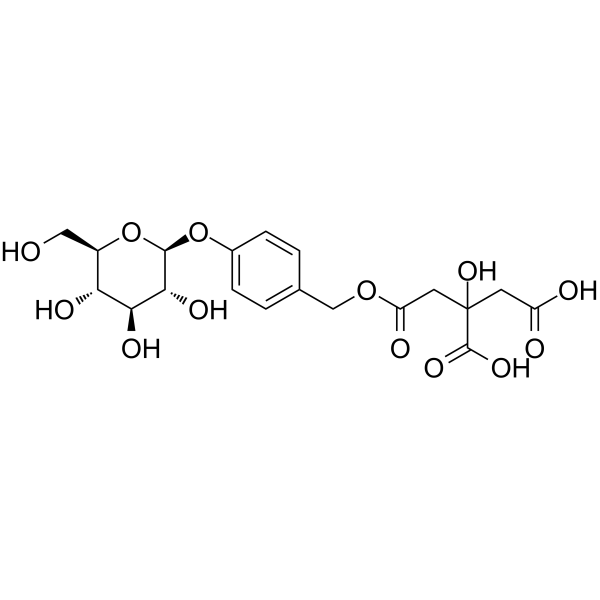
Citriniorl A is a SIRT1 enhancer with an EC50 of 5.8 μM. Citriniorl A binds to key amino acid residues in the SIRT1 active site to stabilize binding and enhance SIRT1-mediated deacetylation. Citriniorl A can be used for the research of metabolic disorders .
|
-
-
- HY-182061
-
|
|
Sirtuin
|
Cancer
|
|
SIRT6 activator 3 (Compound 24) is a SIRT6 activator with an EC50 of 5 μM. SIRT6 activator 3 exhibits histone deacetylation activity. SIRT6 activator 3 can be used in cancer research .
|
-
-
- HY-129443
-
|
|
Drug Metabolite
|
Others
|
|
Deacetylcephaloglycin is the active metabolite of Cephaloglycin (HY-16137). Deacetylcephaloglycin is a degradation product of Cephaloglycin that eliminates the 3-acetyl group in acidic medium and can be further degraded to Deacetylcephaloglycin lactone. Deacetylation is the rate-determining step in the degradation of Cephaloglycin to lactone .
|
-
-
- HY-E70100A
-
|
|
Biochemical Assay Reagents
|
Others
|
|
Acetyl xylan esterase, Cellvibrio japonicus (EC 3.1.1.72) is an enzyme that catalyzes a chemical reaction, the deacetylation of xylans and xylo-oligosaccharides. Acetyl xylan esterase, Cellvibrio japonicus (EC 3.1.1.72) belongs to the family of hydrolases, specifically those acting on carboxylic ester bonds.
|
-
-
- HY-E70100B
-
|
|
Biochemical Assay Reagents
|
Others
|
|
Acetyl xylan esterase, Clostridium thermocellum (EC 3.1.1.72) is an enzyme that catalyzes a chemical reaction, the deacetylation of xylans and xylo-oligosaccharides. Acetyl xylan esterase, Clostridium thermocellum (EC 3.1.1.72) belongs to the family of hydrolases, specifically those acting on carboxylic ester bonds.
|
-
-
- HY-181126
-
|
|
HDAC
|
Neurological Disease
Metabolic Disease
Inflammation/Immunology
|
|
G194-0712 is a selective histone deacetylase 5 (HDAC5) activator with an EC50 of 7.96 μM and a Kd of 2.53 μM. G194-0712 restores ACTN4-K417 deacetylation and nuclear import, and increases CSTA expression. G194-0712 accelerates wound closure in chronic wound models, reducing wound area and epithelial gap. G194-0712 can be used for the research of chronic skin wounds, such as diabetic wounds, ischemic wounds, radiation injury wounds .
|
-
| Cat. No. |
Product Name |
Target |
Research Area |
-
- HY-P2161B
-
|
|
Kisspeptin Receptor
|
Cancer
|
|
TAK-683 acetate is a potent full KISS1 receptor (KISS1R) agonist (IC50=170 pM) with improved metabolic stability. TAK-683 acetate is a nonapeptide metastin analog, exhibits agonistic activities to KISS1R with EC50 values of 0.96 nM and 1.6 nM for human and rat, respectively . TAK-683 acetate depletes GnRH in the hypothalamus and reduces plasma FSH, LH, and testosterone levels in vivo, it has the potential for the study of hormone-dependent prostate cancer .
|
-
- HY-P11212
-
|
|
Fluorescent Dye
|
Metabolic Disease
Cancer
|
|
Ac-RHKK(Ac)-AMC (Compound S1) is a fluorescent substrate for SITR6, that is based on p53 sequence. Ac-RHKK(Ac)-AMC mimics H3K56 deacetylation site and significantly increases the deacetylation signal with low signal-to-background ratio. Ac-RHKK(Ac)-AMC can be used for ageing and cancers research .
|
-
- HY-P5544
-
|
N-Acetylmuramyl-L-Ala-γ-D-Glu-meso-diaminopimelic acid
|
NOD-like Receptor (NLR)
|
Others
|
|
M-TriDAP (N-Acetylmuramyl-L-Ala-γ-D-Glu-meso-diaminopimelic acid) is a NOD1/2 agoist and biological active peptide .
|
-
- HY-P11213
-
|
|
Fluorescent Dye
|
Metabolic Disease
Cancer
|
|
Ac-RYQK(Ac)-AMC (Compound S5) is a fluorescent substrate for SITR6, that is based on the H3 sequence. Ac-RYQK(Ac)-AMC mimics H3K56 deacetylation site and significantly increases the deacetylation signal with superior signal-to-background ratio. Ac-RYQK(Ac)-AMC can be used for ageing and cancers research .
|
-
- HY-P3364
-
|
|
Fluorescent Dye
Sirtuin
HDAC
|
Others
|
|
Ac-QPKK(Ac)-AMC is a p53-derived peptide conjugated with a fluorophore, which serves as a fluorescent peptide substrate for detecting the deacylase activity of zinc-dependent HDACs and sirtuins (Ex = 360 nm; Em = 460 nm) .
|
-
- HY-P2161
-
|
|
Kisspeptin Receptor
|
Cancer
|
|
TAK-683 is a potent full KISS1 receptor (KISS1R) agonist (IC50=170 pM) with improved metabolic stability. TAK-683 is a nonapeptide metastin analog, exhibits agonistic activities to KISS1R with EC50 values of 0.96 nM and 1.6 nM for human and rat, respectively . TAK-683 depletes GnRH in the hypothalamus and reduces plasma FSH, LH, and testosterone levels in vivo, it has the potential for the study of hormone-dependent prostate cancer .
|
-
- HY-P2115
-
|
|
GnRH Receptor
|
Cancer
|
|
Ramorelix is a luteinizing-hormone-releasing hormone (LHRH) antagonist. Ramorelix can inhibit tumor progression in vivo. Ramorelix can be studied in anti-cancer research .
|
-
- HY-P2178
-
|
|
HDAC
|
Cancer
|
|
Dihydrochlamydocin analog-1 (compound 2) is a Chlamydocin (HY-115761) analogue that inhibits histone H4 peptide deacetylation with IC50 of 30 nM .
|
-
- HY-P5544A
-
|
N-Acetylmuramyl-L-Ala-γ-D-Glu-meso-diaminopimelic acid TFA
|
NOD-like Receptor (NLR)
|
Others
|
|
M-TriDAP (N-Acetylmuramyl-L-Ala-γ-D-Glu-meso-diaminopimelic acid) TFA is a NOD1/2 agoist and biological active peptide .
|
-
- HY-P2161A
-
|
|
Kisspeptin Receptor
|
Cancer
|
|
TAK-683 TFA is a potent full KISS1 receptor (KISS1R) agonist (IC50=170 pM) with improved metabolic stability. TAK-683 TFA is a nonapeptide metastin analog, exhibits agonistic activities to KISS1R with EC50 values of 0.96 nM and 1.6 nM for human and rat, respectively . TAK-683 TFA depletes GnRH in the hypothalamus and reduces plasma FSH, LH, and testosterone levels in vivo, it has the potential for the study of hormone-dependent prostate cancer .
|
| Cat. No. |
Product Name |
Category |
Target |
Chemical Structure |
| Cat. No. |
Product Name |
Chemical Structure |
-
- HY-W585905
-
|
|
|
Trimethylammonium chloride- 13C3 is a deuterated labeled Trimethylammonium chloride (HY-Y0504). Trimethylammonium chlorideIt is an endogenous metabolite that inhibits deacetylation. Trimethylammonium chlorideIs a non-competitive inhibitor of acetylcholinesterase .
|
-
-
- HY-W009300S
-
|
|
|
4-Hydroxyestrone (4-OHE1)-d4 is the deuterium labeled 4-Hydroxyestrone (HY-W009300). 4-Hydroxyestrone is a brain-penetrant estrogen metabolite. 4-Hydroxyestrone shows neuroprotective effects involving increased cytoplasmic localization of p53 resulting from SIRT1-mediated p53 deacetylation. 4-Hydroxyestrone relies on PDI to mediate its protective effect against chemically induced ferroptosis in estrogen receptor-negative cancer cells. 4-Hydroxyestrone inhibits lipid peroxidation and lipid-ROS accumulation. 4-Hydroxyestrone blocks preovulatory luteinizing hormone surges in Rattus norvegicus. 4-Hydroxyestrone can be used for the researches of neurodegeneration, breast cancer and endocrine disease .
|
-
-
- HY-W009300S1
-
|
|
|
4-Hydroxyestrone (4-OHE1)- 13C6 is a 13C-labeled 4-Hydroxyestrone (HY-W009300). 4-Hydroxyestrone is a brain-penetrant estrogen metabolite. 4-Hydroxyestrone shows neuroprotective effects involving increased cytoplasmic localization of p53 resulting from SIRT1-mediated p53 deacetylation. 4-Hydroxyestrone relies on PDI to mediate its protective effect against chemically induced ferroptosis in estrogen receptor-negative cancer cells. 4-Hydroxyestrone inhibits lipid peroxidation and lipid-ROS accumulation. 4-Hydroxyestrone blocks preovulatory luteinizing hormone surges in Rattus norvegicus. 4-Hydroxyestrone can be used for the researches of neurodegeneration, breast cancer and endocrine disease .
|
-
Your information is safe with us. * Required Fields.
Inquiry Information
- Product Name:
- Cat. No.:
- Quantity:
- MCE Japan Authorized Agent:

