51 Results for "

dermatocosmetic emulsions

" in MedChemExpress (MCE) Product Catalog:
Products (51)

51 Results for "dermatocosmetic emulsions" in MCE Product Catalog:

25
25 Publications Verification
Cat. No.: HY-153808
CAS No.: 9007-81-2
Research Areas:  

Inflammation/Immunology

Complete Freund's adjuvant (CFA) is an immunoadjuvant emulsified with antigen by its discoverer Jules T. Freund to enhance an animal's immune response to an antigen. Complete Freund's adjuvant (CFA) is also an inducer of the Th1 immune response and a ligand of TLRs. Complete Freund's adjuvant (CFA) contains heat-killed inactive tuberculosis bacilli and consists of a paraffin oil-in-water emulsion. Complete Freund's adjuvant (CFA) stimulates a strong and durable immune response and can be used to induce persistent inflammatory pain models in mice, experimental autoimmune myocarditis (EAM) models, and more. Incomplete Freund's adjuvant (IFA) (HY-153808A) is another type of Freund's Adjuvant that stimulates a weaker immune response .
loading...
    loading...
5
5 Cited Publications
Cat. No.: HY-131370B
CAS No.: 68890-65-3
Synonyms: 20% Fat Emulsion
Intralipid 20% is a safe fat emulsion, composed of soybean oil (consisting of a mixture of long-chain triglycerides (C14-24) of predominantly unsaturated fatty acids), and egg phospholipids, can be used as a nutritional supplement. Intralipid 20% effectively inhibits the opening of the mitochondrial permeability transition pore, effectively protecting the heart from ischaemia-reperfusion injury and has some potential to modulate the innate immune response .
loading...
    loading...
3
3 Cited Publications
Cat. No.: HY-126403
CAS No.: 61788-85-0
Synonyms: PEG-40 hydrogenated castor oil; Macrogolglycerol hydroxystearate; Castor oil, hydrogenated, polyethoxylated
Ethoxylated hydrogenated castor oil (PEG-40 hydrogenated castor oil) is a combination of synthetic polyethylene glycol (PEG) with natural castor oil. Ethoxylated hydrogenated castor oil can be used to emulsify and solubilize oil-in-water (o/w) emulsions. Ethoxylated hydrogenated castor oil can be used as a cosolvent in vivo .
loading...
    loading...
3
3 Cited Publications
Cat. No.: HY-Y0850O
CAS No.: 9002-89-5
Synonyms: PVA (Mw 31000-50000, 87-89% hydrolyzed); Poly(Ethenol) (Mw 31000-50000, 87-89% hydrolyzed)
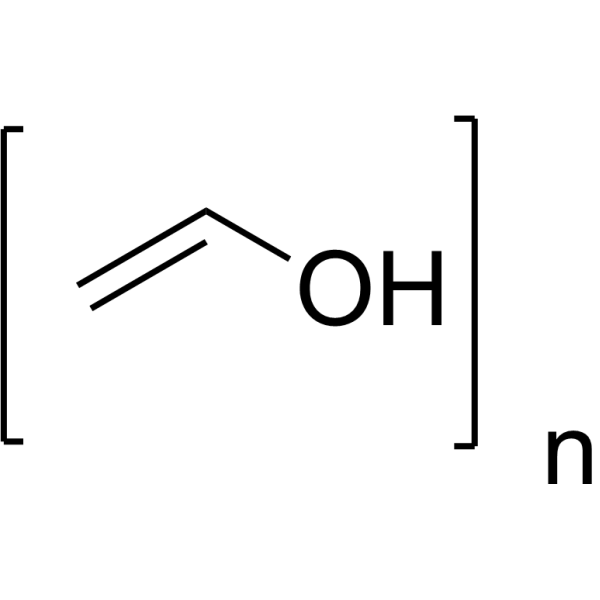
Polyvinyl alcohol (PVA; Poly (Ethenol)) (Mw 31000-50000, 87-89% hydrolyzed) is a polymer with emulsifying and stabilizing properties, with a degree of hydrolysis of 87-89%. Polyvinyl alcohol (Mw 31000-50000, 87-89% hydrolyzed) mainly acts as a stabilizer in the preparation of nanomedicines; it not only maintains the structural integrity of PEGylated PLGA nanoparticles during double emulsion synthesis, but also facilitates the preparation of chitosan/matrine-PLGA nanoparticle aqueous solutions and lipid-polymer nanoparticles. Polyvinyl alcohol (Mw 31000-50000, 87-89% hydrolyzed) can be widely used in research related to fields such as breast cancer .
loading...
    loading...
Cat. No.: HY-153808B
CAS No.: 9007-81-2
Research Areas:  

Inflammation/Immunology

Complete Freund's adjuvant (CFA, 1 mg/ml) is an immunoadjuvant emulsified with antigen that can enhance an animal's immune response to an antigen. Complete Freund's adjuvant (CFA, 1 mg/ml) is also an inducer of the Th1 immune response and a ligand of TLRs. Complete Freund's adjuvant (CFA, 1 mg/ml) contains heat-killed inactive tuberculosis bacilli and consists of a paraffin oil-in-water emulsion. Complete Freund's adjuvant (CFA, 1 mg/ml) stimulates a strong and durable immune response and can be used to induce rheumatoid arthritis in rats, and more .
loading...
    loading...
Cat. No.: HY-108294
CAS No.: 3055-99-0
Purity:  ≥98.0%
Synonyms: Nonaoxyethylene monododecyl ether
Research Areas:  

Others

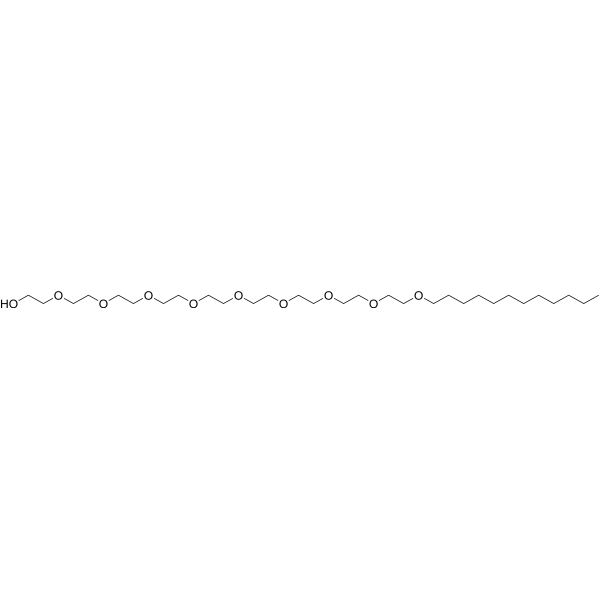
Nonaethylene glycol monododecyl ether (Nonaoxyethylene monododecyl ether) is a nonionic surfactant and polyethylene glycol (PEG) detergent that can be used to form initial coalesced O/W emulsion droplets, as well as for protein separation and purification .
loading...
    loading...
Cat. No.: HY-W250166
CAS No.: 78330-21-9
Poly(ethylene glycol) (12) tridecyl ether is a nonionic surfactant belonging to the family of ethoxylated fatty alcohols. It is commonly used as an emulsifier, solubilizer, and wetting agent in a variety of industrial and personal care products. Poly(ethylene glycol)(12) tridecyl ether has various properties that make it suitable for these applications, including its low toxicity, high solubility in water and organic solvents, and ability to stabilize emulsions. In addition, it can be used as a raw material for the production of other surfactants and specialty chemicals.
loading...
    loading...
Cat. No.: HY-117401
CAS No.: 107827-77-0
Purity:  99.32%
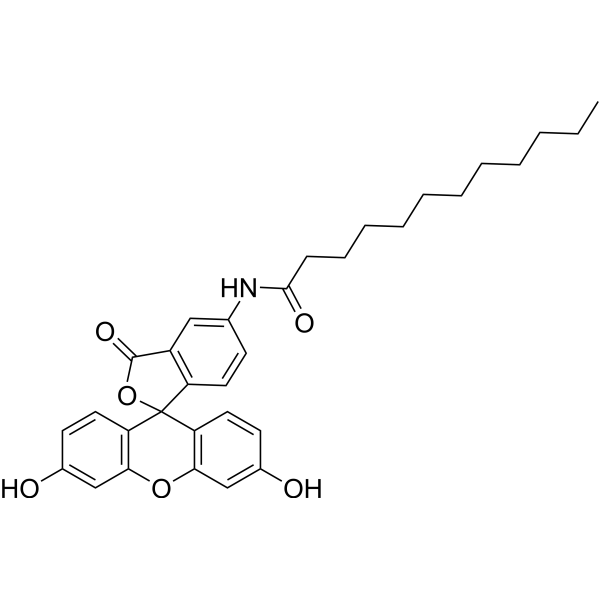
5-Dodecanoylaminofluorescein is an amphipathic (amphoteric) fluorescent probe (Ex/Em = 485 nm/515-535 nm), which consists of a hydrophilic fluorescein core and a hydrophobic dodecanoyl group (C12 fatty acid chain) linked by an amide bond. 5-Dodecanoylaminofluorescein is mainly used as an interface-localized radical trapping/indicator probe. Dodecanoylaminofluorescein can be used for the determination of the antioxidant properties of emulsions, or can serve as a lipophilic drug model for the study of passive skin penetration when encapsulated in tyrosine-derived nanospheres .
loading...
    loading...
Cat. No.: HY-139415
CAS No.: 9043-30-5
Research Areas:  

Others

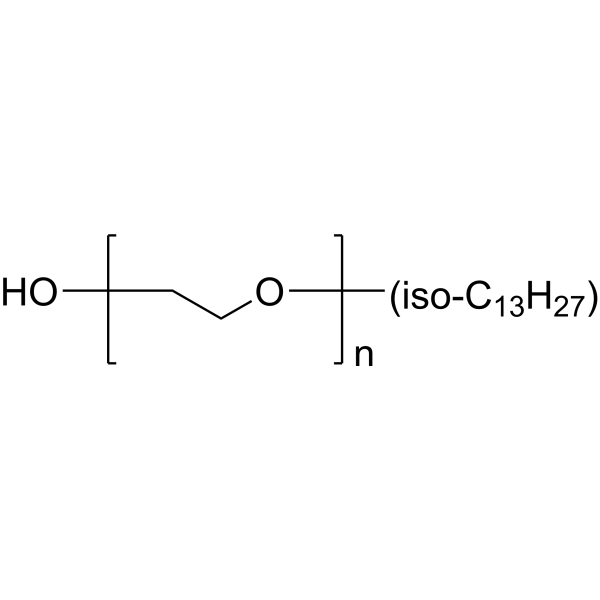
Polyethylene glycol monoisotridecyl ether is a nonionic surfactant belonging to the polyethylene glycol (PEG) family. Polyethylene glycol monoisotridecyl ether can be used to dissolve hydrophobic compounds, stabilize emulsions, and facilitate the delivery of lipophilic molecules .
loading...
    loading...
Cat. No.: HY-160410
CAS No.: 178436-06-1
Research Areas:  

Inflammation/Immunology

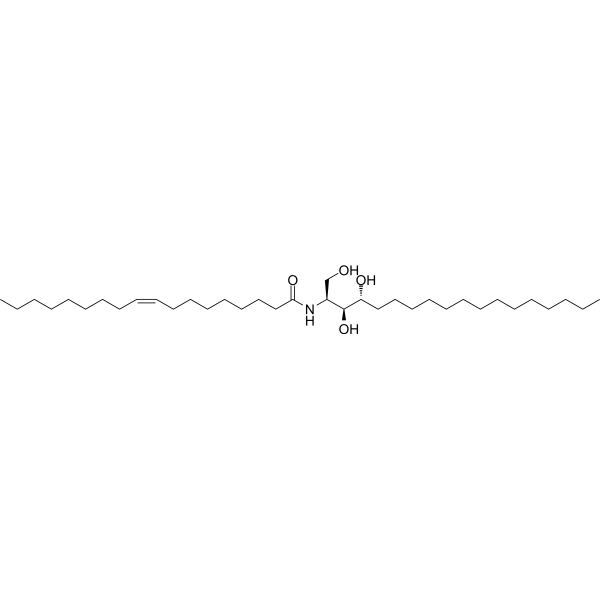
Ceramide 3B is a semi-synthetic ceramide. Ceramide 3B forms crystals in the lipid phase of oil-in-water emulsions. Ceramide 3B can be used in skin cosmetic emulsions. Ceramide 3B is applicable to the study of irritant contact dermatitis .
loading...
    loading...
Cat. No.: HY-W127620
CAS No.: 14933-08-5
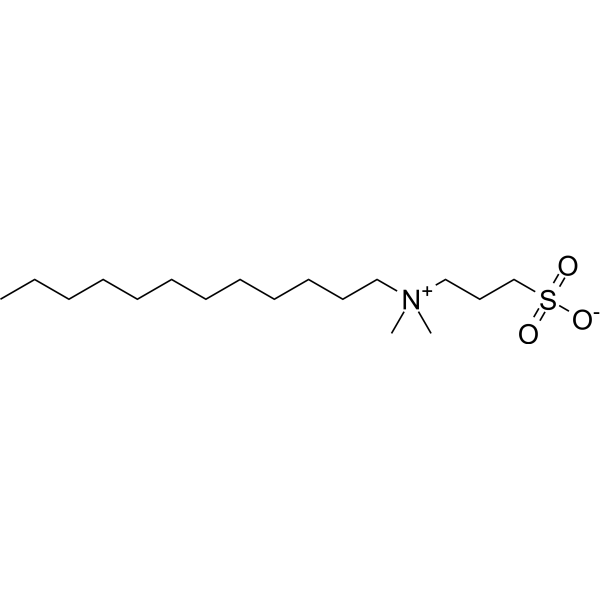
Sulfobetaine-12is a zwitterionic surfactant, which means it has both positive and negative charges in its molecules. It is used as a detergent in various industries, including pharmaceuticals, cosmetics, and personal care products. Sulfobetaine-12Often used as a mild surfactant due to its non-irritating properties and ability to stabilize emulsions. Plus, it has antistatic properties that can be used to clean electronics and other static-prone surfaces.
loading...
    loading...
Cat. No.: HY-154639
CAS No.: 68439-49-6
Polyoxyl 20 Cetostearyl Ether can be used as an excipient, such as Emulsifier and solubilizer for emulsions and creams, etc. Pharmaceutical excipients, or pharmaceutical auxiliaries, refer to other chemical substances used in the pharmaceutical process other than pharmaceutical ingredients. Pharmaceutical excipients generally refer to inactive ingredients in pharmaceutical preparations, which can improve the stability, solubility and processability of pharmaceutical preparations. Pharmaceutical excipients also affect the absorption, distribution, metabolism, and elimination (ADME) processes of co-administered drugs .
loading...
    loading...
Cat. No.: HY-W101255
CAS No.: 10052-47-8
Synonyms: MTEACl
Triethylmethylammonium chloride is a quaternary ammonium salt belonging to the class of alkylammonium salts. This compound is widely used as a phase transfer catalyst in organic synthesis to facilitate the transfer of reactants between immiscible phases. In addition, it can be used as an electrolyte in electrochemical devices, a surfactant in emulsion polymerization, and a corrosion inhibitor. Its unique chemical properties make it an important ingredient in a variety of industrial applications, including pharmaceuticals, agrochemicals, and materials science.
loading...
    loading...
Cat. No.: HY-N9934
CAS No.: 2922-42-1
Synonyms: 3-DHS; 5-Dehydroshikimic acid
(-)-3-Dehydroshikimic acid (3-DHS) is an intermediate of the Shikimate pathway. (-)-3-Dehydroshikimic acid is found in vegetables and fruits. (-)-3-Dehydroshikimic acid accumulates in bacterial mutants, serves as a precursor of aromatic metabolites, and competitively interferes with the growth response of mutant bacteria to Shikimic acid (HY-N0130). (-)-3-Dehydroshikimic acid exhibits weak antioxidant activity in liposomes and corn oil oil-in-water emulsions .
loading...
    loading...
Cat. No.: HY-N1953
CAS No.: 8000-34-8
Synonyms: Clove leaf oil,rectified
Target:  

Bacterial

Research Areas:  

Infection Inflammation/Immunology

Clove oil (Clove leaf oil,rectified) is a volatile aromatic essential oil with antibacterial, anti-inflammatory and antioxidant activities. Clove oil disrupts the integrity of bacterial cell membranes, releases intracellular nucleic acids and proteins, and inhibits bacterial growth and reproduction. Clove oil scavenges DPPH, ABTS, superoxide anions, hydrogen peroxide and hydroxyl radicals. Clove oil reduces Fe 3+ to Fe 2+, chelates Fe 2+ and iron ions, and inhibits lipid peroxidation in linoleic acid emulsions. Clove oil acts as a natural preservative to reduce the loss of oxidation products. Clove oil can be isolated from the flowers, stems and leaves of Eugenia aromatica and Eugenia caryophyllus, which belong to the Myrtaceae family. Clove oil can be used in studies related to bacterial infection, antioxidation and preservation .
loading...
    loading...
Cat. No.: HY-W250172
CAS No.: 92046-34-9
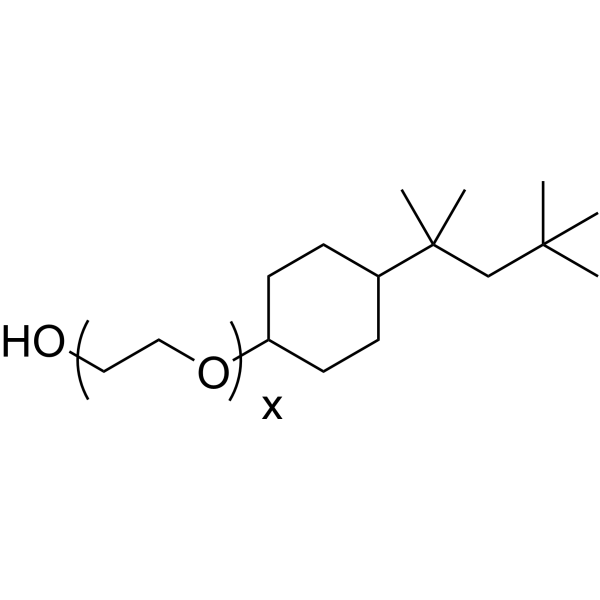
Polyethylene glycol tert-octylphenyl ether X-405 (70% in H2O) is a nonionic surfactant commonly used in a variety of industrial and research applications. Polyethylene glycol tert-octylphenyl ether X-405 (70% in H2O) belongs to the family of polyethylene glycol (PEG) ethers with a hydrophilic head and lipophilic tail and is suitable for use in emulsions, detergents and solubilizers. Polyethylene glycol tert-octylphenyl ether X-405 (70% in H2O) is particularly useful in the study of membrane proteins, where it is used to solubilize and stabilize proteins for structural analysis techniques. It is also used in a variety of other applications, including drug delivery systems, nanotechnology, and diagnostic analysis. Additionally, Polyethylene glycol tert-octylphenyl ether X-405 (70% in H2O) is used in the production of microemulsions, salves and lotions due to its emulsifying and solubilizing properties. However, it can be toxic if ingested or inhaled, so proper handling and safety precautions are required.
loading...
    loading...
Cat. No.: HY-W015761
CAS No.: 1863-63-4
Synonyms: Benzoic acid, ammonium
Ammonium benzoate is the ammonium salt of benzoic acid, which is used as a preservative in some adhesives and rubber emulsions, and is also a commonly used chemical synthesis intermediate.
loading...
    loading...
Cat. No.: HY-100557H
CAS No.: 9004-64-2
Synonyms: Hydroxypropyl Cellulose, Viscosity(2%):95000-105000mPa.s
Research Areas:  

Others

HPC, Viscosity (2%): 95000-105000 mPa.s (Hydroxypropyl Cellulose, Viscosity (2%): 95000-105000 mPa.s) is a nonionic, biocompatible cellulose derivative. Hydroxypropyl Cellulose serves as a thickener or gelling agent, lubricant, and emulsion stabilizer, and is also used in the preparation of capsules and films .
loading...
    loading...
Cat. No.: HY-W145523
CAS No.: 9062-07-1
Synonyms: Viscarin SD 309
ι-Carrageenan (Viscarin SD 309) is a biochemical reagent. ι-Carrageenan can be isolated from Eucheuma serra or red algae H. musciformis and S. filiformis. ι-Carrageenan has potential application in protein emulsion flocculation and stability .
loading...
    loading...
Cat. No.: HY-100557E
CAS No.: 9004-64-2
Synonyms: Hydroxypropyl Cellulose, Viscosity(1%):1275-3500mPa.s
Research Areas:  

Others

HPC, Viscosity (1%):1275-3500mPa.s (Hydroxypropyl Cellulose, Viscosity (1%):1275-3500mPa.s) is a nonionic, biocompatible cellulose derivative. Hydroxypropyl Cellulose serves as a thickener or gelling agent, lubricant, and emulsion stabilizer, and is also used in the preparation of capsules and films .
loading...
    loading...

