
2582 Results for "

disorders

" in MedChemExpress (MCE) Product Catalog:
Products (2582)

2582 Results for "disorders" in MCE Product Catalog:

147
147 Publications Verification
Cat. No.: HY-12708
CAS No.: 50-53-3
Purity:  99.75%
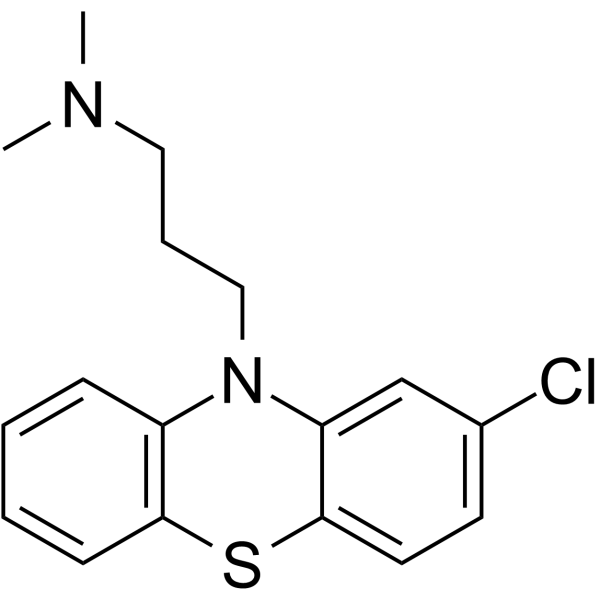
Chlorpromazine is an orally active, blood-brain barrier-transparent antipsychotic agent that effectively antagonises D2 dopamine receptors and 5-HT2A, which is widely used in schizophrenia and other psychiatric disorders. Chlorpromazine exerts anti-cancer activity through a variety of pathways, including anti-proliferation, induction of autophagy and cycle arrest (G2-M phase), inhibition of cytochrome c oxidase (CcO), inhibition of tumour growth and metastasis, and inhibition of tumour immune escape. Chlorpromazine also blocks hNav1.7 channels (IC50=25.9 μM; concentration-dependent) and HERG potassium channels (IC50=21.6 μM), which has potential for analgesic and cardiac arrhythmic studies. Chlorpromazine also can inhibit clathrin-mediated endocytosis .
loading...
    loading...
147
147 Publications Verification
Cat. No.: HY-B0407A
CAS No.: 69-09-0
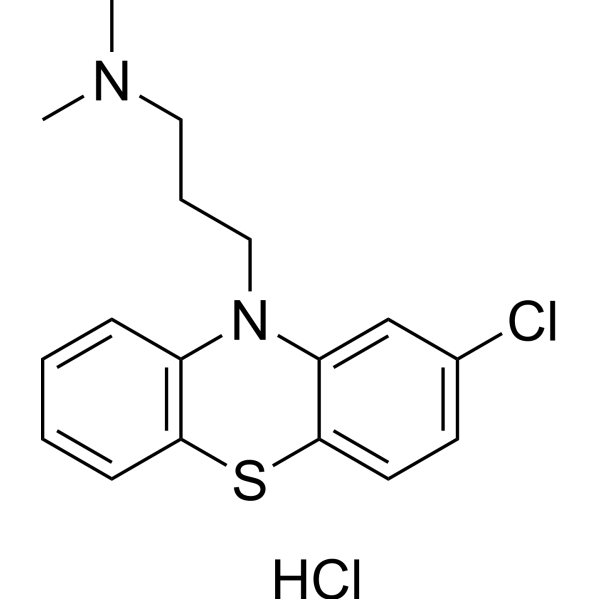
Chlorpromazine hydrochloride is an orally active, blood-brain barrier-transparent antipsychotic agent that effectively antagonises D2 dopamine receptors and 5-HT2A, which is widely used in schizophrenia and other psychiatric disorders. Chlorpromazine hydrochloride exerts anti-cancer activity through a variety of pathways, including anti-proliferation, induction of autophagy and cycle arrest (G2-M phase), inhibition of cytochrome c oxidase (CcO), inhibition of tumour growth and metastasis, and inhibition of tumour immune escape. Chlorpromazine hydrochloride also blocks hNav1.7 channels (IC50=25.9 μM; concentration-dependent) and HERG potassium channels (IC50=21.6 μM), which has potential for analgesic and cardiac arrhythmic studies. Chlorpromazine hydrochloride also can inhibit clathrin-mediated endocytosis .
loading...
    loading...
130
130 Cited Publications
Cat. No.: HY-12040
CAS No.: 488832-69-5
Purity:  99.80%
Synonyms: STA-4783
Research Areas:  

Cancer

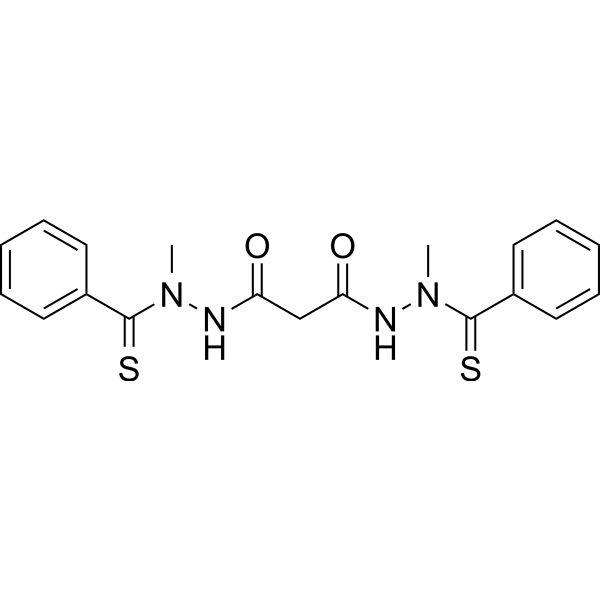
Elesclomol (STA-4783) is a potent copper ionophore and promotes copper-dependent cell death (cuproptosis). Elesclomol specifically binds ferredoxin 1 (FDX1) α2/α3 helices and β5 strand. Elesclomol inhibits FDX1-mediated Fe-S cluster biosynthesis. Elesclomol is an oxidative stress inducer that induces cancer cell apoptosis. Elesclomol is a reactive oxygen species (ROS) inducer. Elesclomol can be used for Menkes and associated disorders of hereditary copper deficiency research .
loading...
    loading...
86
86 Cited Publications
Cat. No.: HY-10448
CAS No.: 404-86-4
Purity:  99.79%
Synonyms: (E)-Capsaicin
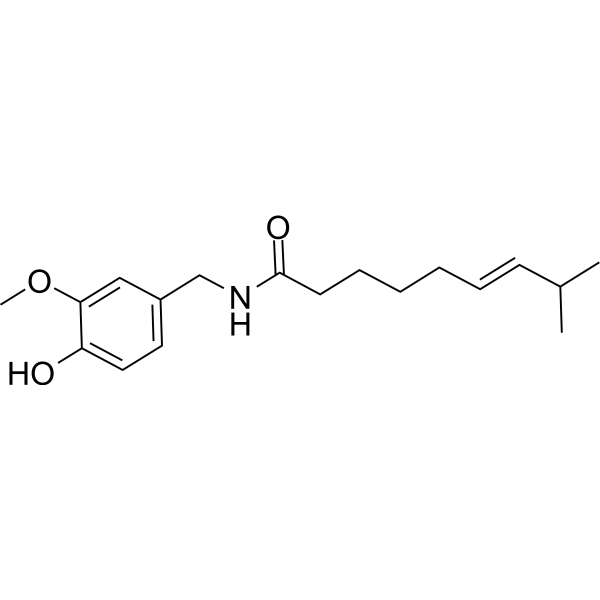
Capsaicin ((E)-Capsaicin), an active component of chili peppers, is a TRPV1 agonist. Capsaicin induces a nociceptive response by binding to its receptors. Capsaicin has analgesic effects on neurological disorders. Capsaicin has antioxidant, anti-inflammatory, anti-cancer effects .
loading...
    loading...
69
69 Cited Publications
Cat. No.: HY-10585
CAS No.: 99-66-1
Purity:  99.19%
Synonyms: VPA; 2-Propylpentanoic acid; Dipropylacetic acid
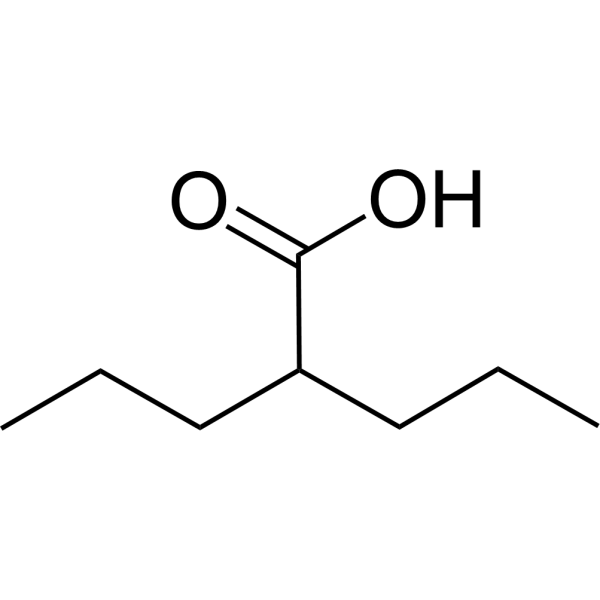
Valproic acid (VPA) is an orally active HDAC inhibitor, with IC50 in the range of 0.5 and 2 mM. Valproic acid inhibits HDAC1 (IC50, 400 μM), and induces proteasomal degradation of HDAC2. Valproic acid activates Notch1 signaling and inhibits proliferation in small cell lung cancer (SCLC) cells. Valproic acid is used in the epilepsy, bipolar disorder, metabolic disease, HIV infection and prevention of migraine headaches .
loading...
    loading...
69
69 Cited Publications
Cat. No.: HY-10585A
CAS No.: 1069-66-5
Purity:  98.14%
Synonyms: Sodium Valproate; VPA sodium; 2-Propylpentanoic acid sodium
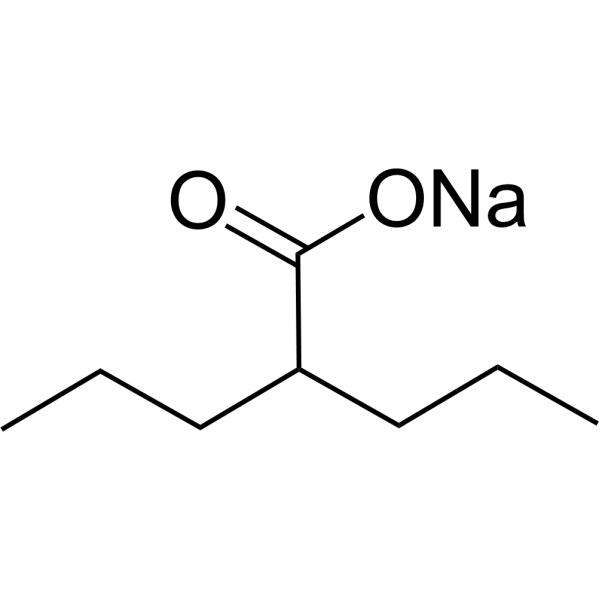
Valproic acid (Sodium Valproate) sodium is an orally active HDAC inhibitor, with IC50 in the range of 0.5 and 2 mM, also inhibits HDAC1 (IC50, 400 μM), and induces proteasomal degradation of HDAC2. Valproic acid sodium activates Notch1 signaling and inhibits proliferation in small cell lung cancer (SCLC) cells. Valproic acid sodium is used in the treatment of epilepsy, bipolar disorder, metabolic disease, HIV infection and prevention of migraine headaches .
loading...
    loading...
56
56 Cited Publications
Cat. No.: HY-108841
CAS No.: 143090-92-0
Purity:  99.40%
Synonyms: Kineret; Anakinra
Raleukin (Kineret) is a recombinant, nonglycosylated human interleukin-1 receptor (IL-1R) antagonist. Raleukin significantly reduces neutrophil accumulation in blood vessels and brain infarct volume as well as improves motor coordination performance in ischemic stroke mice model. Anakinra can be used to study chronic inflammatory disorders like rheumatoid arthritis and cardiovascular recurrence post-myocardial infarction .
loading...
    loading...
54
54 Cited Publications
Cat. No.: HY-10409
CAS No.: 936091-26-8
Purity:  99.83%
Synonyms: TG-101348; SAR 302503
Target:  

JAK Apoptosis

Research Areas:  

Cancer

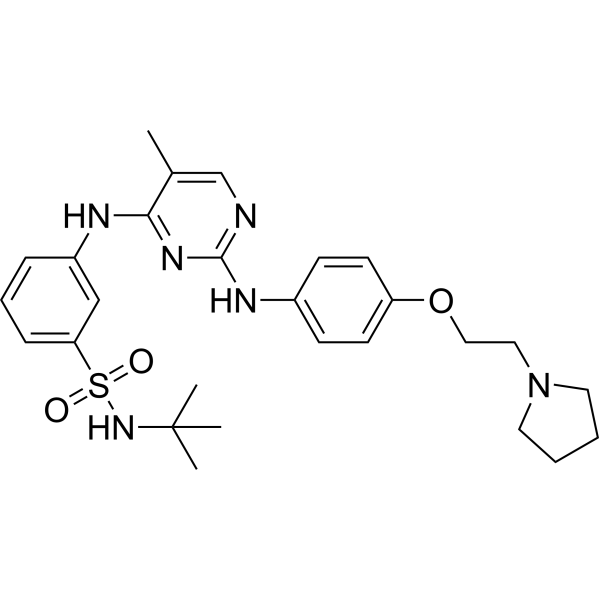
Fedratinib (TG-101348) is a potent, selective, ATP-competitive and orally active JAK2 inhibitor with IC50s of 3 nM for both JAK2 and JAK2V617F kinase. Fedratinib shows 35- and 334-fold selectivity over JAK1 and JAK3, respectively. Fedratinib induces cancer cell apoptosis and has the potential for myeloproliferative disorders research .
loading...
    loading...
54
54 Cited Publications
Cat. No.: HY-10409A
CAS No.: 1374744-69-0
Purity:  99.92%
Synonyms: TG-101348 hydrochloride hydrate; SAR 302503 hydrochloride hydrate
Target:  

JAK Apoptosis

Research Areas:  

Cancer

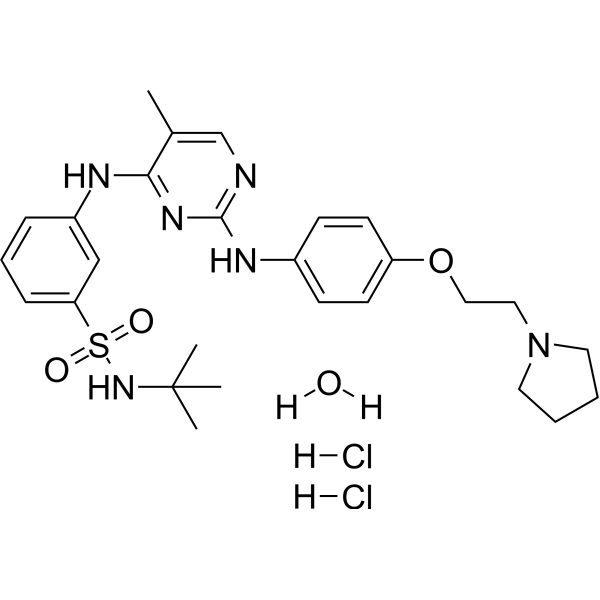
Fedratinib hydrochloride hydrate (TG-101348 hydrochloride hydrate) is a potent, selective, ATP-competitive and orally active JAK2 inhibitor with IC50s of 3 nM for both JAK2 and JAK2V617F kinase. Fedratinib hydrochloride hydrate shows 35- and 334-fold selectivity over JAK1 and JAK3, respectively. Fedratinib hydrochloride hydrate induces cancer cell apoptosis and has the potential for myeloproliferative disorders research .
loading...
    loading...
49
49 Cited Publications
Cat. No.: HY-B1081
CAS No.: 28094-15-7
Synonyms: 6-Hydroxydopamine Hydrochloride
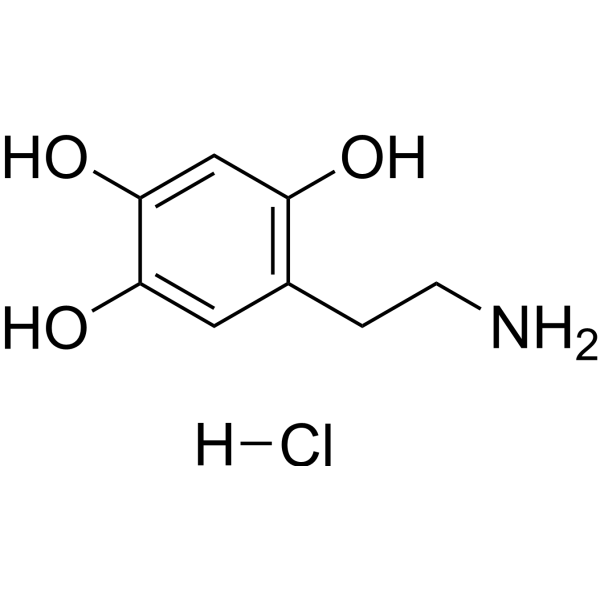
Oxidopamine (6-OHDA) hydrochloride is an antagonist of the neurotransmitter dopamine. Oxidopamine hydrochloride is a widely used neurotoxin and selectively destroys dopaminergic neurons. Oxidopamine hydrochloride promotes COX-2 activation, leading to PGE2 synthesis and pro-inflammatory cytokine IL-1β secretion. Oxidopamine hydrochloride can be used for the research of Parkinson’s disease (PD), attention-deficit hyperactivity disorder (ADHD), and Lesch-Nyhan syndrome .
loading...
    loading...
49
49 Cited Publications
Cat. No.: HY-B1081A
CAS No.: 636-00-0
Synonyms: 6-Hydroxydopamine hydrobromide; 6-OHDA hydrobromide
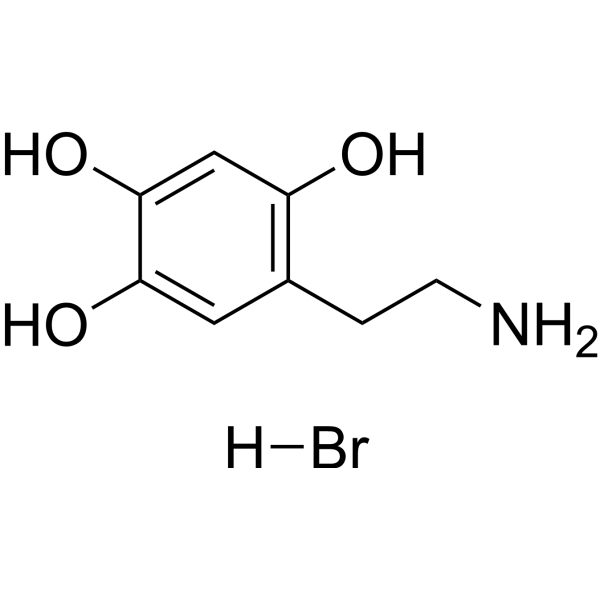
Oxidopamine (6-OHDA) hydrobromide is an antagonist of the neurotransmitter dopamine. Oxidopamine hydrobromide is a widely used neurotoxin and selectively destroys dopaminergic neurons. Oxidopamine hydrobromide promotes COX-2 activation, leading to PGE2 synthesis and pro-inflammatory cytokine IL-1β secretion. Oxidopamine hydrobromide can be used for the research of Parkinson’s disease (PD), attention-deficit hyperactivity disorder (ADHD), and Lesch-Nyhan syndrome .
loading...
    loading...
43
43 Cited Publications
Cat. No.: HY-137790
CAS No.: 38641-83-7
Purity:  99.35%
Synonyms: (-)-Bicuculline methochloride
Target:  

GABA Receptor

Research Areas:  

Neurological Disease

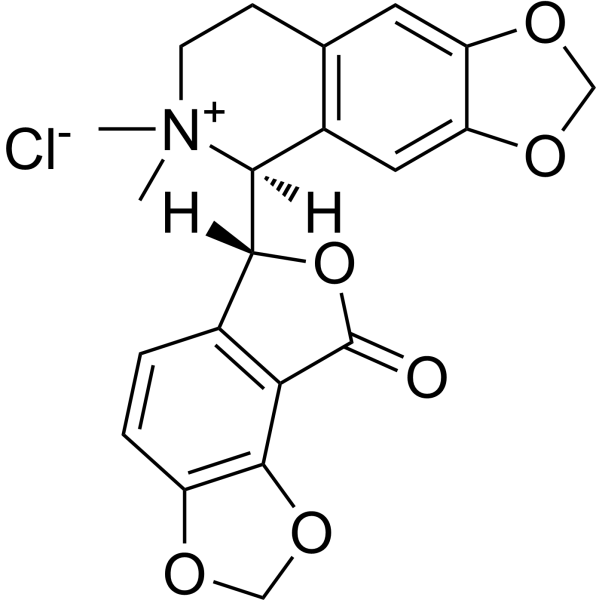
Bicuculline ((+)-Bicuculline; d-Bicuculline) methochloride is a selective GABAA receptor antagonist with an IC50 value of 3 μM. Bicuculline methochloride induces clonic tonic convulsions in mammals and can also be used to block Ca 2+ activated potassium channels. Bicuculline methochloride can be used in studies of epilepsy and other related psychiatric disorders .
loading...
    loading...
42
42 Cited Publications
Cat. No.: HY-14393
CAS No.: 518-82-1
Purity:  99.25%
Synonyms: Frangula emodin
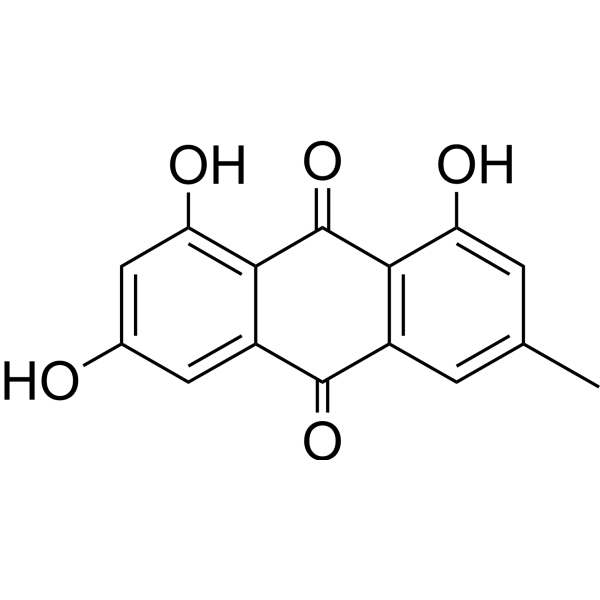
Emodin (Frangula emodin), an anthraquinone derivative, is an anti-SARS-CoV compound. Emodin blocks the SARS coronavirus spike protein and angiotensin-converting enzyme 2 (ACE2) interaction . Emodin inhibits casein kinase-2 (CK2). Anti-inflammatory and anticancer effects . Emodin is a potent selective 11β-HSD1 inhibitor with the IC50 of 186 and 86 nM for human and mouse 11β-HSD1, respectively. Emodin ameliorates metabolic disorder in diet-induced obese mice .
loading...
    loading...
35
35 Cited Publications
Cat. No.: HY-12495A
CAS No.: 548470-11-7
Purity:  98.58%
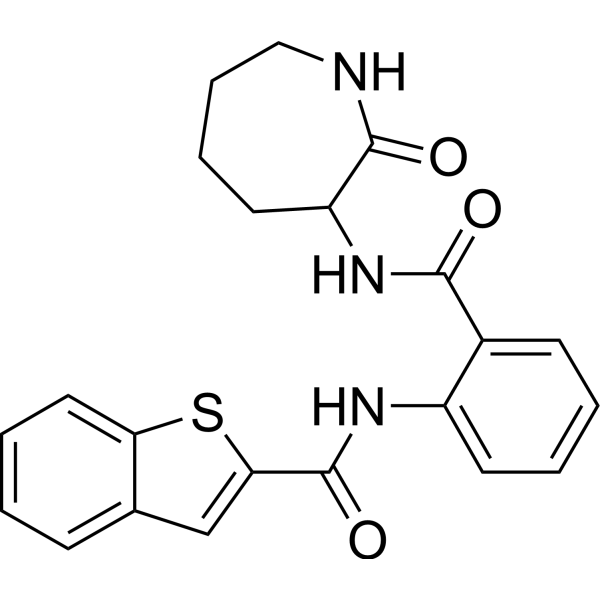
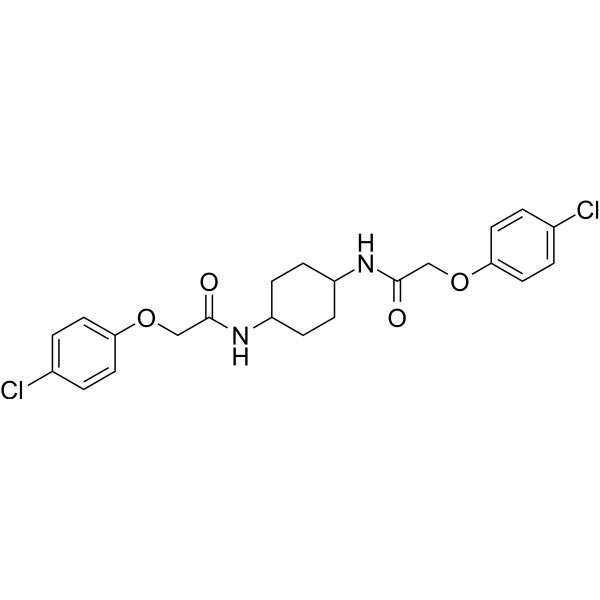
ISRIB is a brain-penetrant inhibitor of integrated stress response (ISR). Persistent activation of the ISR has been linked to the development of several neurological disorders as ISR represses translation through inhibiting eIF2B. ISRIB inhibits the ISR by promoting the nucleotide exchange activity of eIF2B and recovering the translation, and thus can be used for neurological disorders research .
loading...
    loading...
34
34 Cited Publications
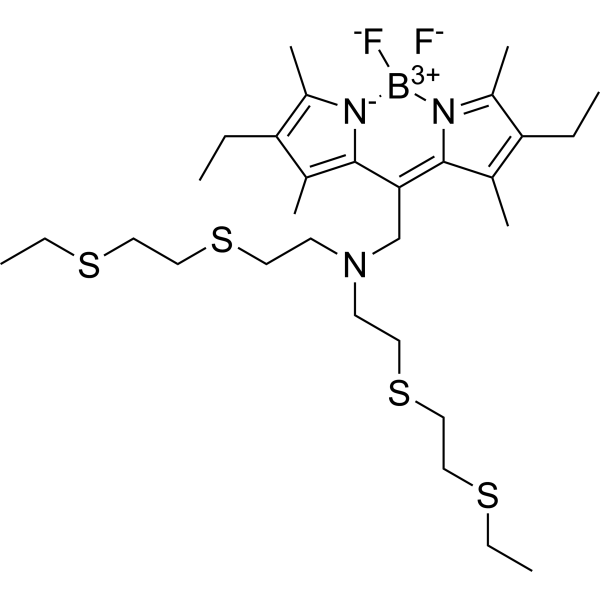
Cat. No.: HY-141511
CAS No.: 874748-20-6
Purity:  97.74%
Coppersensor-1 (CS1) is a membrane-permeable fluorescent dye. Coppersensor-1 has a picomolar affinity for Cu + with high selectivity over competing cellular metalions. Coppersensor-1 as a probe, can selective and sensitive detection of copper(I) ions (Cu +) in biological samples, including live cells. Coppersensor-1 can be used for the research of imaging of severe diseases such as cancer, cardiovascular disorders and neurogenerative diseases .
loading...
    loading...
30
30 Cited Publications
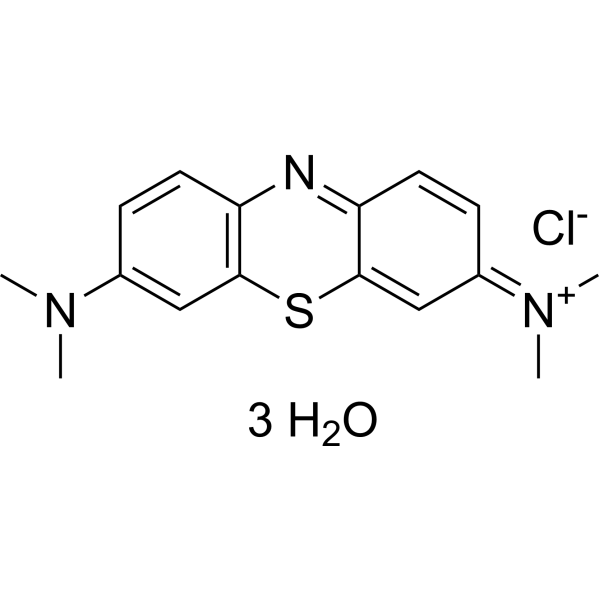
Cat. No.: HY-B1359
CAS No.: 7220-79-3
Synonyms: C.I. Basic Blue 9 trihydrate
Methylene blue trihydrate (C.I. Basic Blue 9 trihydrate) is a guanylyl cyclase (sGC), monoamine oxidase A (MAO-A) and NO synthase (NOS) inhibitor. Methylene blue trihydrate is a vasopressor and is often used as a dye in several medical procedures. Methylene blue trihydrate has antinociception, antimalarial, antidepressant and anxiolytic activity effects. Methylene Blue trihydrate has the potential for methemoglobinemias, neurodegenerative disorders and ifosfamide-induced encephalopathytreatment .
loading...
    loading...
28
28 Cited Publications
Cat. No.: HY-114392
CAS No.: 66225-78-3
Purity:  99.75%
Target:  

FXR Autophagy

Research Areas:  

Metabolic Disease

Gly-β-MCA, a bile acid, is a potent, sable, intestine-selective and oral bioactive farnesoid X receptor (FXR) inhibitor that may be a candidate for the treatment of metabolic disorders .
loading...
    loading...
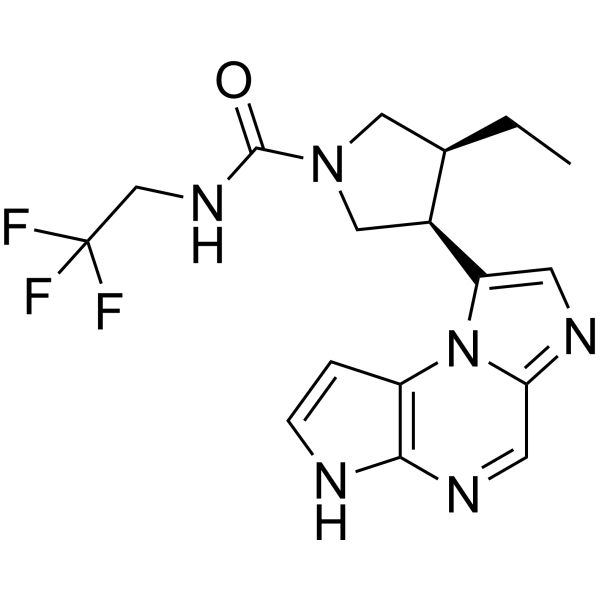
27
27 Cited Publications
Cat. No.: HY-19569
CAS No.: 1310726-60-3
Synonyms: ABT-494
Target:  

JAK

Upadacitinib (ABT-494) is a potent, orally active and selective Janus kinase 1 (JAK1) inhibitor (IC50=43 nM). Upadacitinib (ABT-494) displays approximately 74 fold selective for JAK1 over JAK2 (200 nM) in cellular assays dependent on specific, relevant cytokines. Upadacitinib (ABT-494) can be used for several autoimmune disorders research .
loading...
    loading...
22
22 Cited Publications
Cat. No.: HY-14538B
CAS No.: 53515-91-6
Target:  

Dopamine Receptor

Research Areas:  

Neurological Disease Cancer

Haloperidol lactate is a potent antipsychotic agent. Haloperidol lactate can be used in acute and chronic schizophrenia and gilles de la tourette's syndrome. Haloperidol lactate has the potential for the research of psychotic disorders .
loading...
    loading...
22
22 Cited Publications
Cat. No.: HY-14538
CAS No.: 52-86-8
Purity:  99.73%
Target:  

Dopamine Receptor

Research Areas:  

Neurological Disease Cancer

Haloperidol is a potent dopamine D2 receptor antagonist, widely used as an antipsychotic agent. Haloperidol can be used in the study of schizophrenia, tics in Tourette syndrome, mania in bipolar disorder, delirium, agitation, acute psychosis, and hallucinations from alcohol withdrawal.
loading...
    loading...

