


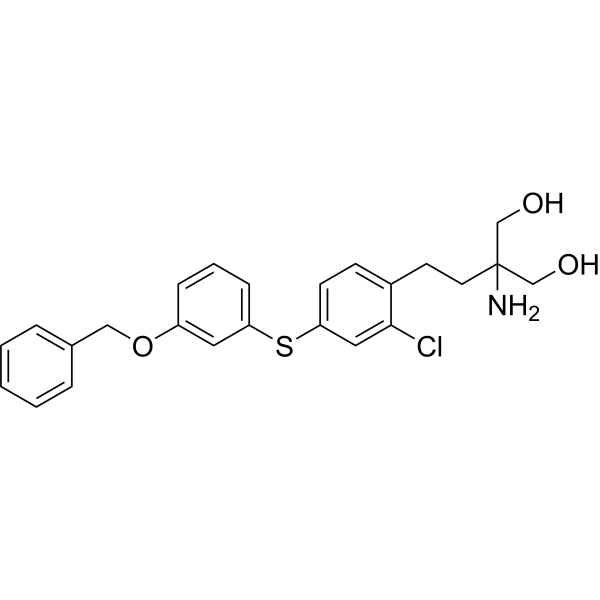
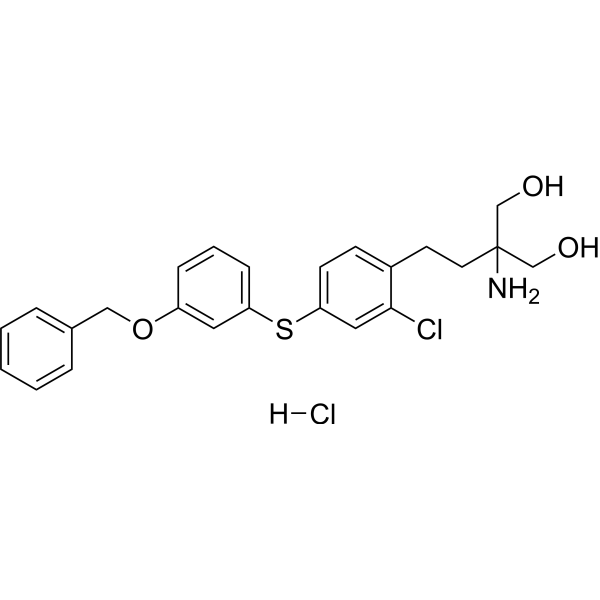

1. Search Result
Search Result
Pathways Recommended: Stem Cell/Wnt Cell Cycle/DNA Damage
Results for "

effector T cell

" in MedChemExpress (MCE) Product Catalog:

180

Inhibitors & Agonists

2

Biochemical Assay Reagents

13

Peptides

44

Inhibitory Antibodies

23

Natural
Products

1

Isotope-Labeled Compounds

1

Click Chemistry

7

Oligonucleotides

Cat. No. Product Name Target Research Areas Chemical Structure
  • HY-15689
    Epacadostat
    Maximum Cited Publications
    28 Publications Verification

    INCB 024360

    Indoleamine 2,3-Dioxygenase (IDO) Inflammation/Immunology Cancer
    Epacadostat (INCB 024360) is a potent and selective indoleamine 2,3-dioxigenase 1 (IDO1) inhibitor with an IC50 of 71.8 nM . Epacadostat can effectively reduce Trp metabolism, entailing increased activation and maturation of dendritic cells, and enhanced proliferation of effector T cells and natural killer cells (NKs), as well as attenuated Tregs expansion.
    Epacadostat
  • HY-153808A
    Incomplete Freund's adjuvant (IFA)
    4 Publications Verification

    Bacterial Inflammation/Immunology Cancer
    Incomplete Freund's adjuvant (IFA) (Montanide ISA-51) is an immunoadjuvant emulsified with antigen by its discoverer Jules T. Freund. Incomplete Freund's adjuvant (IFA) does not contain inactivated tuberculosis bacilli and consists of petroleum jelly containing lanolin. Incomplete Freund's adjuvant (IFA) induces high antibody titers and long-lasting effector T cell responses with no long-term effects on collagen disease, tumors, or death. Complete Freund's adjuvant (CFA) (HY-153808) is another type of Freund's Adjuvant that stimulates a stronger immune response .
    Incomplete Freund's adjuvant (IFA)
  • HY-150298
    Soquelitinib
    3 Publications Verification

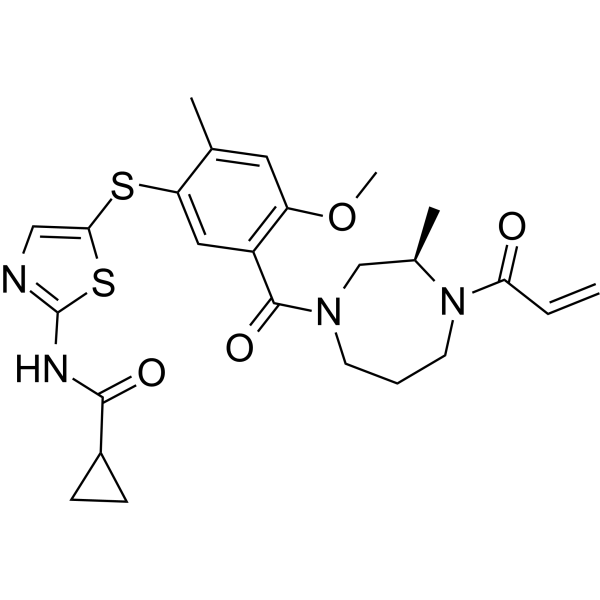
    CPI-818

    Itk Inflammation/Immunology Cancer
    Soquelitinib (CPI-818) is an orally active and highly selective covalent interleukin-2-inducible kinase (ITK) inhibitor. Soquelitinib is active in six different models of T cell-mediated inflammatory and immune disease, including acute and chronic asthma, pulmonary fibrosis, systemic sclerosis (scleroderma), psoriasis, and acute graft versus host disease with Th2 cytokine product inhibition. Soquelitinib increases tumor infiltration of normal CD8 + cells that possess enhanced T effector function .
    Soquelitinib
  • HY-P990688

    AMG-509

    CD3 Cancer
    Xaluritamig (AMG-509) is a bispecific T cell engager and cytolytic agent with a Kd of 27.6 nM for human CD3ε. Xaluritamig binds to CD3ε via an anti-CD3 single-chain variable fragment (scFv) domain, and to STEAP1 via a bispecific anti-STEAP1 antigen-binding fragment (Fab) domain, thereby recruiting and activating T cells and forming a bridge between T cells and STEAP1-expressing cancer cells. Xaluritamig induces T cell-mediated redirected cytotoxicity, tumor cell lysis, cytokine release, CD8 + T cell activation and expansion, as well as tumor stasis or regression. Xaluritamig contains an Fc domain with no effector function, which prolongs serum half-life, exhibits only minimal activity against cells with low STEAP1 expression and normal cells, and shows extremely low target-related off-tumor toxicity in cynomolgus monkeys. Xaluritamig is used in STEAP1×CD3 XmAb 2+1 immunotherapy and in research on metastatic castration-resistant prostate cancer and Ewing sarcoma .
    Xaluritamig
  • HY-N0704
    Agrimol B
    1 Publications Verification

    Sirtuin PPAR Fatty Acid Synthase (FASN) c-Myc Bacterial Infection Metabolic Disease Cancer
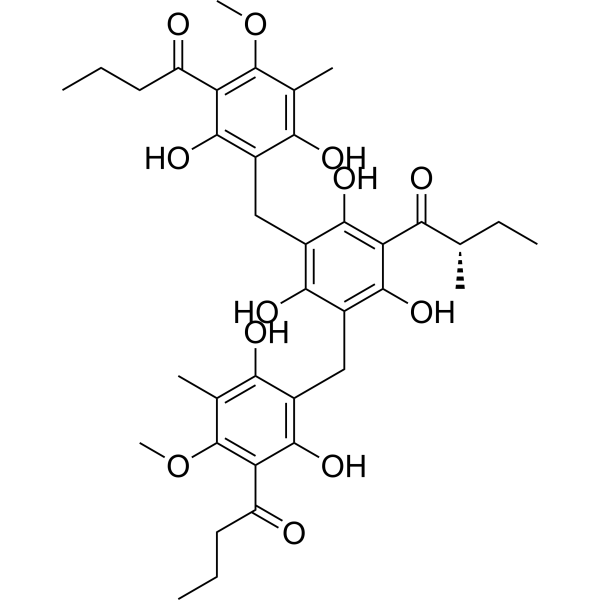
    Agrimol B, a polyphenol, is an orally active and potent SIRT1 activator. Agrimol B shows anti-adipogenic and anticancer activity. Agrimol B shows antibacterial activity against plant pathogens. Agrimol B dramatically inhibits 3T3-L1 adipocyte differentiation by reducing PPARγ, C/EBPα, FAS, UCP-1, and apoE expression. The action of Agrimol B on the cancer cells is likely derived from its effect on c-MYC, SKP2 and p27 .
    Agrimol B
  • HY-N0041
    Ginsenoside Rb3
    1 Publications Verification

    Gypenoside IV

    NF-κB COX NO Synthase Inflammation/Immunology Cancer
    Ginsenoside Rb3 is extracted from steamed Panax ginseng C. A. Meyer. Ginsenoside Rb3 exhibits inhibitory effect on TNFα-induced NF-κB transcriptional activity with an IC50 of 8.2 μM in 293T cell lines. Ginsenoside Rb3 also inhibits the induction of COX-2 and iNOS mRNA.
    Ginsenoside Rb3
  • HY-P99051
    Tinurilimab
    2 Publications Verification

    BAY 1834942

    Transmembrane Glycoprotein Inflammation/Immunology Cancer
    Tinurilimab (Bay 1834942) is an anti-CEACAM6 (carcinoembryonic antigen-related cell adhesion molecule 6) humanized IgG2 monoclonal antibody. CEACAM6 is an immune checkpoint regulator suppressing the activity of effector T-cells against tumors. Tinurilimab shows an increased tumor cell killing effect in the tumor-cell/T-cell co-culture system .
    Tinurilimab
  • HY-163028

    Tim3 Cancer
    ML-T7 is a potent Tim-3 inhibitor. ML-T7 blocks Tim-3 interactions with PtdSer and CEACAM1. ML-T7 not only enhances the antitumor activity of adoptive transfer therapy with cytotoxic T lymphocytes (CTLs) and CAR T cells but also increases the effector function of T cell. ML-T7 promotes NK cells’ killing activity against tumor cells and DC antigen-presenting capacity. ML-T7 directly exerts antitumor efficacy in preclinical tumor models either alone or in combination with Nivolumab (HY-P9903A). ML-T7 can be used for tumor immunotherapy research .
    ML-T7
  • HY-126675A
    AS2863619
    5+ Cited Publications

    CDK STAT Inflammation/Immunology
    AS2863619 enables conversion of antigen-specific effector/memory T cells into Foxp3 + regulatory T (Treg) cells for the treatment of various immunological diseases. AS2863619 is a potent, orally active cyclin-dependent kinase 8 (CDK8) and CDK19 inhibitor with IC50s of 0.61 nM and 4.28 nM, respectively. STAT5 activation enhanced by AS2863619 inhibition of CDK8/19, which consequently activates the Foxp3 gene .
    AS2863619
  • HY-156773
    STM3006
    2 Publications Verification

    Apoptosis METTL3 Cancer
    STM3006 is a highly potent, selective, and orally active inhibitor of METTL3 (IC50: 5 nM). STM3006 can reduce the m6A level, promote the formation of dsRNA, trigger a cell-intrinsic interferon response, and enhance the killing effect of T cells on tumors. STM3006 has anti-tumor activity, and its combination with anti-PD-1 immunotherapy yields better results .
    STM3006
  • HY-P99300
    Ligelizumab
    1 Publications Verification

    QGE 031; Anti-IGHE Recombinant Antibody

    Fc Receptor (FcR) Inflammation/Immunology
    Ligelizumab (QGE 031) is a humanized high-affinity anti-immunoglobulin IgE monoclonal antibody. Ligelizumab selectively inhibits the binding of IgE to the high-affinity receptor FcεRI, while the inhibitory effect on the low-affinity receptor CD23 is weak. Ligelizumab can inhibit the activation of effector cells such as mast cells and Basophil, while reducing the production of IgE by B cells, and restoring the IFN-α production and regulatory T cell (Treg) induction function of plasmacytoid dendritic cells (pDC). Ligelizumab can be used in the study of allergic diseases (such as chronic spontaneous urticaria, allergic asthma) .
    Ligelizumab
  • HY-P990717

    IMC-F106C

    CD3 Cancer
    Brenetafusp is a TCR/anti-CD3 bispecific fusion protein, consisting of a TCR targeting the PRAME peptide and an anti-CD3 scFv effector domain. Brenetafusp redirects CD3 + T cells to kill PRAME + tumor cells. Brenetafusp can be used in research related to cutaneous melanoma, non-small cell lung cancer, ovarian cancer, endometrial cancer, triple-negative breast cancer, and small cell lung cancer .
    Brenetafusp
  • HY-101093
    CA-170
    2 Publications Verification

    PD-1/PD-L1 Inflammation/Immunology Cancer
    CA-170 is an orally delivered dual inhibitor of VISTA and PD-L1. CA-170 exhibits potent rescue of proliferation and effector functions of T cells inhibited by PD-L1/L2 and VISTA with selectivity over other immune checkpoint proteins as well as a broad panel of receptors and enzymes .
    CA-170
  • HY-P99752

    ALKS 4230; RDB-1450

    Interleukin Related Inflammation/Immunology Cancer
    Nemvaleukin alfa (ALKS 4230) is a IL-2 fusion protein that selectively binds to intermediate-affinity IL-2R. Nemvaleukin alfa is an activator of NK and effector T cells. Nemvaleukin alfa can be used for research of cancer .
    Nemvaleukin alfa
  • HY-P99623

    MGD006; S80880

    CD3 Cancer
    Flotetuzumab (MGD006; S80880) is an investigational CD123/CD3 bispecific dual-affinity retargeting antibody (DART) molecule. Flotetuzumab reactivates T cells by simultaneously binding to CD123 in target cells and CD3 in effector T cells, leading to T-cell-mediated cytotoxicity in target cells. Flotetuzumab shows inhibitory effect on a mouse model of patient-derived xenograft (PDX) in acute myeloid leukemia (AML) .
    Flotetuzumab
  • HY-122542B
    PPACK TFA
    2 Publications Verification

    Ligands for E3 Ligase Molecular Glues IKZF Family Cardiovascular Disease
    PPACK TFA is an orally active, selective molecular glue degrader targeting IKZF2. Through a molecular glue mechanism, PPACK TFA binds to CRBN, recruits IKZF2 to form a ternary complex, and promotes its ubiquitination and proteasomal degradation. This further converts inhibitory regulatory T cells (Treg) into effector-like T cells, enhances CD8 + T cell responses, and modulates the Teff:Treg balance. PPACK TFA also increases the production of the inflammatory cytokine IL-2 and reduces the suppressive activity of Treg. PPACK TFA can be used in cancer immunotherapy research, and exhibits a synergistic effect when combined with immune checkpoint inhibitors such as anti-PD1 .
    PPACK TFA
  • HY-108738

    Ro 24-7375

    Interleukin Related Apoptosis Inflammation/Immunology Cancer
    Daclizumab (Ro 24-7375) is a humanized, monoclonal antibody that blocks CD25 (α-subunit of the high-affinity interleukin-2 receptor (IL-2R-HA)). Daclizumab inhibits effector T cell activation, regulatory T cell (Treg) expansion and survival, and activation-induced T-cell apoptosis. Daclizumab increases IL-2 bioavailability to bind to the intermediate-affinity IL-2R (IL-2R-IA), driving the expansion of anti-inflammatory CD56bright natural killer (NK) cells. Daclizumab can be used for multiple sclerosis and cancer research .
    Daclizumab
  • HY-12680
    PRN694
    3 Publications Verification

    Itk Inflammation/Immunology
    PRN694 is an irreversible, highly selective and potent covalent interleukin-2-inducible T-cell kinase (ITK) and resting lymphocyte kinase (RLK) dual inhibitor with IC50s of 0.3 nM and 1.4 nM, respectively. PRN694 exhibits extended target residence time on ITK and RLK, enabling durable attenuation of effector cells in vitro and in vivo .
    PRN694
  • HY-N7844

    Benzyladenosine

    Apoptosis Adenosine Receptor Inflammation/Immunology Cancer
    N6-Benzyladenosine is an adenosine receptor agonist, has a cytoactive activity. N6-Benzyladenosine arrests cell cycle at G0/G1 phase and induces cell apoptosis. N6-Benzyladenosine also exerts inhibitory effect on T. gondii adenosine kinase and glioma - .
    N6-Benzyladenosine
  • HY-104037
    Cintirorgon
    5+ Cited Publications

    LYC-55716

    ROR Cancer
    Cintirorgon (LYC-55716) is a first-in-class, selective and orally bioavailable RORγ agonist. Cintirorgon (LYC-55716) modulates gene expression of RORγ expressing T lymphocyte immune cells, resulting in enhanced effector function, as well as decreased immunosuppression, resulting in decreased tumor growth, and improved survival .
    Cintirorgon
  • HY-P99157

    CD276/B7-H3 Cancer
    Omburtamab is a humanized monoclonal antibody targeting B7-H3 (CD276). Omburtamab selectively binds to B7-H3 highly expressed on the surface of tumor cells and activates anti-tumor immune responses mediated by T cells and natural killer (NK) cells. Omburtamab can promote the specific infiltration of CAR-T cells into tumors, enhance the killing function of NK cells through the CD16 signaling pathway, and regulate tumor cell glucose metabolism (such as inhibiting the Warburg effect). Omburtamab has the potential to inhibit solid tumors such as non-small cell lung cancer (NSCLC) .
    Omburtamab
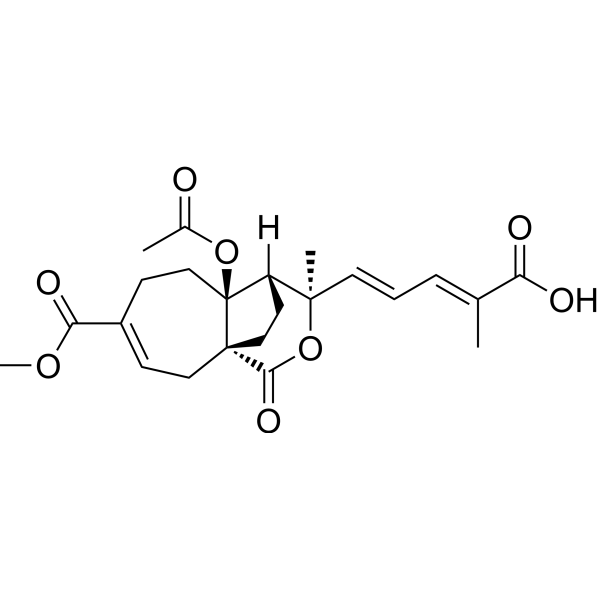
  • HY-N6939
    Pseudolaric Acid B
    2 Publications Verification

    HBV Fungal Apoptosis Autophagy Ferroptosis Interleukin Related HIF/HIF Prolyl-Hydroxylase Infection Cardiovascular Disease Inflammation/Immunology Cancer
    Pseudolaric Acid B is an orally active diterpene acid. Pseudolaric Acid B has anti-fungal, anti-fertility, anti-angiogenesis and anticancer activity, and can induce tumor cell apoptosis and autophagy. In addition, Pseudolaric Acid B can inhibit the secretion of hepatitis B virus (HBV) and has immunosuppressive effect, selectively inhibiting the proliferation of T lymphocytes and the production of IL-2 .
    Pseudolaric Acid B
  • HY-P991180

    TNF Receptor Cancer
    TRX-518 is a humanized agylcosyl IgG1 anti-GITR mAb, , and is a GITR agonist. TRX-518 binds to the extracellular domain of human GITR, abrogates Treg-mediated suppression. TRX-518 increases effector T cell activation and pro-inflammatory cytokine production, reduces circulating and intratumor Treg frequencies. TRX-518 destabilizes Treg phenotype via Foxp3 downregulation and T-bet upregulation. TRX-518 can be used for the research of solid tumors[1][2][3].
    TRX-518
  • HY-P1684
    Peptide P60
    1 Publications Verification

    FOXP3 inhibitor P60

    NF-κB Nuclear Factor of activated T Cells (NFAT) Infection Inflammation/Immunology Cancer
    Peptide P60 is a FOXP3 inhibitor. Peptide P60 reduces the nuclear translocation of FOXP3 and impairs FOXP3-mediated inhibition of NF-κB and NFAT activity. Peptide P60 inhibits the immunosuppressive activity of regulatory T cells and restores the proliferation and activation of effector T cells. Peptide P60 induces lymphoproliferative autoimmune syndrome in neonatal ICR mice and reduces the number of CD4 +CD25 +Foxp3 + T cells in the spleen. Peptide P60 enhances the efficacy of AH1 (HY-P4193) peptide vaccine and recombinant adenovirus-based HCV NS3 vaccine in BALB/c mice, including protective effects against CT26 tumor implantation. Peptide P60 can be used in studies related to tumor immunity, viral infection and lymphoproliferative autoimmune syndrome .
    Peptide P60
  • HY-159779

    PROTACs Nuclear Hormone Receptor 4A/NR4A Inflammation/Immunology Cancer
    NR-V04 is a selective NR4A1 PROTAC degrader. NR-V04 forms a ternary complex with NR4A1 and the VHL E3 ligase, mediates proteasome-dependent degradation of NR4A1. NR-V04 induces tumor-infiltrating B cells and effector memory CD8 + T cells and reduces monocytic myeloid-derived suppressor cells in tumor microenvironments. NR-V04 can be used for the research of melanoma and colon cancer .
    NR-V04
  • HY-P99916

    AMG-427

    FLT3 CD3 TNF Receptor Inflammation/Immunology Cancer
    Emirodatamab (AMG-427) is a bispecific T-cell engager (BiTE). Emirodatamab simultaneously binds FLT3 on the surface of acute myeloid leukemia (AML) cells and CD3 on the surface of T cells, thereby precisely recruiting immune effector cells to tumor sites. Emirodatamab potently induces T cell activation, secretion of proinflammatory cytokines (such as IFNγ, TNFα), and specific cytotoxicity, effectively lysing FLT3-positive tumor cells and inhibiting their growth. Emirodatamab not only significantly prolongs survival in mouse xenograft models and eliminates diseased cells in primates, but also exhibits a synergistic enhancement effect when combined with PD-1 blockade therapy. Emirodatamab is used in studies of acute myeloid leukemia, especially relapsed or refractory cases .
    Emirodatamab
  • HY-122542A
    PPACK dihydrochloride
    2 Publications Verification

    Pebac; D-Phenylalanyl-prolyl-arginyl Chloromethyl Ketone; D-Phe-Pro-Arg-CH2Cl

    Ligands for E3 Ligase Molecular Glues IKZF Family Cardiovascular Disease
    PPACK dihydrochloride is an orally active, selective molecular glue degrader targeting IKZF2. Through a molecular glue mechanism, PPACK dihydrochloride binds to CRBN, recruits IKZF2 to form a ternary complex, and promotes its ubiquitination and proteasomal degradation. This further converts inhibitory regulatory T cells (Treg) into effector-like T cells, enhances CD8 + T cell responses, and modulates the Teff:Treg balance. PPACK dihydrochloride also increases the production of the inflammatory cytokine IL-2 and reduces the suppressive activity of Treg. PPACK dihydrochloride can be used in cancer immunotherapy research, and exhibits a synergistic effect when combined with immune checkpoint inhibitors such as anti-PD1 .
    PPACK dihydrochloride
  • HY-159647

    Molecular Glues Ligands for E3 Ligase IKZF Family Cancer
    PLX-4545 is an orally active, selective molecular glue degrader targeting IKZF2. Through a molecular glue mechanism, PLX-4545 binds to CRBN, recruits IKZF2 to form a ternary complex, and promotes its ubiquitination and proteasomal degradation. This further converts inhibitory regulatory T cells (Treg) into effector-like T cells, enhances CD8 + T cell responses, and modulates the Teff:Treg balance. PLX-4545 also increases the production of the inflammatory cytokine IL-2 and reduces the suppressive activity of Treg. PLX-4545 can be used in cancer immunotherapy research, and exhibits a synergistic effect when combined with immune checkpoint inhibitors such as anti-PD1 .
    PLX-4545
  • HY-129578

    Autophagy Cathepsin Infection Inflammation/Immunology Cancer
    Asperphenamate, a fungal metabolite of Aspergillus flatiipes with anti-cancer effect, exhibits IC50 values of 92.3 μM, 96.5 μM and 97.9 μM in T47D, MDA-MB-231 and HL-60 cells, respectively .
    Asperphenamate
  • HY-126675
    AS2863619 free base
    5+ Cited Publications

    CDK STAT Inflammation/Immunology
    AS2863619 free base enables conversion of antigen-specific effector/memory T cells into Foxp3 + regulatory T (Treg) cells for the treatment of various immunological diseases. AS2863619 free base is a potent, orally active cyclin-dependent kinase 8 (CDK8) and CDK19 inhibitor with IC50s of 0.61 nM and 4.28 nM, respectively. STAT5 activation enhanced by AS2863619 free base inhibition of CDK8/19, which consequently activates the Foxp3 gene .
    AS2863619 free base
  • HY-145879

    Keap1-Nrf2 Cancer
    Nrf2 activator-2 (compound O15), a Osthole derivative, is a potent Nrf2 agonist with an EC50 of 2.9 μM in 293 T cells. Nrf2 activator-2 effectively inhibits the interaction between Keap1 and Nrf2, thus showing the activation effect on Nrf2. Nrf2 activator-2 shows a marked decrease in the level of ubiquitinated Nrf2 in cells .
    Nrf2 activator-2
  • HY-P991061

    CHS-114; SRF-114

    CCR Cancer
    Tagmokitug (CHS-114; SRF-114) is a fully human IgG1 antibody targeting CCR8. Tagmokitug selectively binds to human CCR8 (Kd = 502 pM) and mediates the death of CCR8-expressing cells via antibody-dependent cellular cytotoxicity and antibody-dependent cellular phagocytosis. Tagmokitug selectively eliminates intratumoral regulatory T cells, induces tumor growth inhibition, remodels the tumor immune microenvironment, and promotes the differentiation of cytotoxic CD8 + T cell subsets. Tagmokitug can be used for the research of solid tumors .
    Tagmokitug
  • HY-159647B

    Molecular Glues IKZF Family Cancer
    (1S,2S,3R)-PLX-4545 is the (1S,2S,3R) enantiomer of PLX-4545 (HY-159647). PLX-4545 is an orally active and selective cereblon-based molecular glue degrader of IKZF2 (zinc finger transcription factor Helios). PLX-4545 can reprogram immunosuppressive regulatory T cells into pro-inflammatory effector T cells, thereby enhancing anti-tumor immune responses .
    (1S,2S,3R)-PLX-4545
  • HY-P99242
    Alsevalimab
    1 Publications Verification

    CD276/B7-H3 Cancer
    Alsevalimab is a humanized, afucosylated IgG1 monoclonal antibody against B7-H4. Alsevalimab blocks the binding of the B7-H4 protein to the receptors on the surface of T cells, reversing the immunosuppressive state in the tumor microenvironment, thereby activating the killing effect of T cells on cancer cells. Alsevalimab can be used in combination with Pembrolizumab (HY-P9902), and shows good safety profiles .
    Alsevalimab
  • HY-108583

    5-(4-Phenylbutoxy)psoralen

    Potassium Channel Inflammation/Immunology
    Psora-4 is a potent and selective inhibitor of Kv1.3 (voltage-gated potassium channels) with an EC50 of 3 nM . Psora-4 has immunosuppressive activity and inhibits proliferation of human and rat myelin-specific effector memory T cells in vitro .
    Psora-4
  • HY-108531

    RAR/RXR Metabolic Disease
    ER 50891 is a RARα antagonist. ER 50891 can significantly antagonize the inhibitory effect of all-trans retinoic acid (ATRA) on the total cell metabolic activity and proliferation of MC3T3-E1 preosteoblasts. ER 50891 rescues ATRA-inhibited osteocalcin (OCN) expression and extracellular matrix mineralization, and suppresses alkaline phosphatase (ALP) activity synergistically. ER 50891 can be used for the study of osteoporosis related to ATRA-induced inhibition of osteoblastogenesis .
    ER 50891
  • HY-P10109

    Glucose-6-Phosphate Isomerase (GPI) Inflammation/Immunology
    G6PI 325-339 (human) is an efficient inducer of arthritis in B10.Q mice. G6PI 325-339 (human) primes Th1 and Th17 cells cross-reacted with the murine G6PI protein. G6PI 325-339 (human) induces arthritis model operating through a T and B cell-dependent pathway but without antibody effector mechanisms .
    G6PI 325-339 (human)
  • HY-105063

    HSP Metabolic Disease Inflammation/Immunology
    DiaPep277 is a 24 amino acid peptide derived from positions 437-460 in HSP60. DiaPep277 arrests the progression of β-cell destruction in NOD mice. DiaPep277 has an immune modulatory effect on diabetogenic T cells in animal models of diabetes .
    DiaPep277
  • HY-161982

    TNF Receptor Cancer
    JNU-0921 is a potent and orally active CD137 agonist. JNU-0921 increases the mRNA expression of IFN-γ and GZMB. JNU-0921 induces luciferase activity with an EC50 value of 64.07 nM.JNU-0921 enhances effector and memory function of cytotoxic CD8 + T cells (CTLs) and alleviates their exhaustion. JNU-0921 also skews polarization of helper T cells toward T helper 1 type and enhances their activity to boost CTL function. JNU-0921 shows anticancer activity .
    JNU-0921
  • HY-W010995

    Wnt Survivin β-catenin Cancer
    2,5-Dimethylcelecoxib is an analogue of celecoxib (HY-14398) with anticancer activity but without COX-2 inhibitory activity. 2,5-Dimethylcelecoxib exerts its anti-cancer cell proliferation effect by inhibiting the core mechanism of the Wnt/β-catenin signaling pathway. 2,5-Dimethylcelecoxib also inhibits T-cell factor-dependent transcriptional activity and inhibits expression of the Wnt/β-catenin target gene products cyclin D1 and survivin .
    2,5-Dimethylcelecoxib
  • HY-P991178

    TNF Receptor Cancer
    BMS-986156 is a fully humanized IgG1 agonist monoclonal antibody agonist corticosteroid-induced tumor necrosis factor receptor-related protein (GITR). BMS-986156 binds to GITR and promotes activation of T effector cells and inactivates T regulatory cells. BMS-986156 is indicated for use in advanced solid tumor studies .
    BMS-986156
  • HY-131598C

    6-Thioguanosine-5'-triphosphate tetrasodium

    Ras Inflammation/Immunology
    6-Thio-GTP (tetrasodium) is a Vav1-Rac inhibitor. 6-Thio-GTP (tetrasodium) inhibits TCR-stimulated T cell proliferation and CD28-mediated T cell survival. 6-Thio-GTP (tetrasodium) has an immunosuppressive effect in a mouse cardiac allograft transplant model and prolongs cardiac allograft survival .
    6-Thio-GTP tetrasodium
  • HY-P991455

    TNF Receptor Cancer
    PTX-35 is a human IgG monoclonal antibody (mAb) targeting TNFRSF25. PTX-35 reduces the suppressive activity of regulatory T cells and enhances CD4+ T cell effector responses in a mouse melanoma model. PTX-35 can be used in Islet cell transplant rejection and Solid tumours research. Recommended isotype control: Human IgG1 lambda2, Isotype Control (HY-P990096) .
    PTX-35
  • HY-168528
    WS-917
    1 Publications Verification

    P-glycoprotein Cancer
    WS-917 is a potent and orally active ABCB1 modulator. WS-917 enhances ABCB1 ATPase activity. WS-917 significantly enhances the antitumor effect of paclitaxel combined with anti-PD-1 antibody. WS-917 promotes CD8 + T-cell activation .
    WS-917
  • HY-P5640

    Bacterial Parasite Infection
    Tritrpticin is a porcine-derived antimicrobial peptide with properties such as membrane disruption and hemolysis. Tritrpticin disrupts the cell membranes of bacteria, fungi and Jurkat T cell leukemia cells and induces their death. Tritrpticin also enhances the efficacy of Metronidazole (HY-B0318) against *Trichomonas vaginalis*, reduces plasma endotoxin and inflammatory cytokine levels, restricts bacterial growth in blood and visceral tissues, decreases the mortality rate of septic shock in rats and enhances the therapeutic effect of ertapenem. Tritrpticin exhibits selective cytotoxicity against Jurkat T cell leukemia cells, while showing low toxicity to normal peripheral blood mononuclear cells and red blood cells, and can serve as a template for antimicrobial peptide design. Tritrpticin can be applied to research related to bacterial infections, fungal infections, trichomoniasis, septic shock and leukemia .
    Tritrpticin
  • HY-155847

    Phosphatase PD-1/PD-L1 Inflammation/Immunology Cancer
    LYP-IN-3 is a selective, orally active and reversible lymphoid-tyrosine phosphatase (LYP) inhibitor (IC50 = 2.55 μM, Ki = 0.93 μM). D34 exhibits high selectivity of PTP1B, PTPN12, PTPN5 and SSH2. LYP-IN-3 regulates the T-cell receptor (TCR) signaling by specifically inhibiting LYP. LYP-IN-3 does not significantly inhibit MC38 cell viability; its anti-tumor effect stems from immune regulation. LYP-IN-3 can significantly upregulate PD-L1 or PD-1 expression in different immune cells. LYP-IN-3 facilitates T-cell infiltration and enhances T-cell functions. LYP-IN-3 synergizes with PD-L1 blockade can significantly improve colorectal tumor regression. LYP-IN-3 can be used for the study of colorectal cancer .
    LYP-IN-3
  • HY-149916

    Adenosine Receptor Cancer
    A2AR-antagonist-1 (compound 38) is an orally active adenosine A2A receptor (A2AR) antagonist (IC50=29 nM). A2AR-antagonist-1 exhibits anti-tumor activity and mouse liver microsomal metabolic stability (t1/2=86.1 min). A2AR-antagonist-1 is also a T cells activator, via inhibiting immunosuppressive molecules (LAG-3 and TIM-3) and enhancing effector molecules (GZMB, IFNG, and IL-2) .
    A2AR-antagonist-1
  • HY-156569

    DGK Anaplastic lymphoma kinase (ALK) Inflammation/Immunology Cancer
    DGKα-IN-2 (example 48) is a DGKα inhibitor with the IC50 of 0.9 nM, extracted from patent WO2021105115. DGKα-IN-2 significantly enhances the anti-tumor effect of anti-PD-1 by increasing the proliferation and function of T cells. DGKα-IN-2 has the potential for cancer and immunology study.
    DGKα-IN-2
  • HY-P991000

    AU-007; BD-8; BDG8

    Interleukin Related Cardiovascular Disease Inflammation/Immunology Cancer
    Imneskibart (AU-007) is a human monoclonal antibody that binds to the CD25-binding epitope of interleukin-2 (IL-2), blocking the binding of IL-2 to the trimeric IL-2 receptor while retaining the ability to bind to the dimeric IL-2 receptor. Imneskibart expands effector T cell and NK cell populations, reduces regulatory T cells, increases the effector T cell/regulatory T cell ratio, and alleviates vascular leakage. Imneskibart can be used in research related to melanoma and non-small cell lung cancer. The corresponding isotype control is: Human IgG1 kappa, Isotype Control (HY-P99001) .
    Imneskibart
  • HY-P10851

    Apoptosis Inflammation/Immunology Cancer
    HVEM(14-39) is a B- and T-lymphocyte attenuator (BTLA) peptide inhibitor. HVEM (14-39) can be combined with BTLA with a KD of 0.102 μM. HVEM(14-39) enhances the activation and proliferation of T cells by regulating the expression of BTLA and HVEM in T cells, and promotes the transformation of cells into effector memory T cells. HVEM(14-39) inhibits tumor cell proliferation and promotes late apoptosis. HVEM(14-39) has immunomodulatory effects and can be used in the study of cancer .
    HVEM(14-39)

Inquiry Online

Your information is safe with us. * Required Fields.

Salutation


Country or Region *

Applicant Name *


Organization Name *

Department *


Email Address *


Product Name *

Cat. No.


Requested quantity *

Phone Number *


Remarks

Inquiry Online

Inquiry Information

Product Name:
Cat. No.:
Quantity:
MCE Japan Authorized Agent:

