

16 Results for "

electrostatic binding

" in MedChemExpress (MCE) Product Catalog:
Products (16)

16 Results for "electrostatic binding" in MCE Product Catalog:

Cat. No.: HY-W145665
CAS No.: 9005-82-7
Amylose is not a typical small-molecule ligand with a specific traditional receptor-binding target. It is a polysaccharide. In food science and biological systems, amylose can interact with proteins and free fatty acids through non-covalent forces like hydrophobic interactions and electrostatic interactions. For example, it can form a ternary complex with them, which is related to the structure and digestion of starch. It is widely studied in the fields of food science, carbohydrate metabolism, and is also relevant in research on controlling glycemic responses, as it affects starch digestion rate .
loading...
    loading...
Cat. No.: HY-W590549
CAS No.: 7212-69-3
Synonyms: DODAC
Target:  

Liposome

Research Areas:  

Cancer

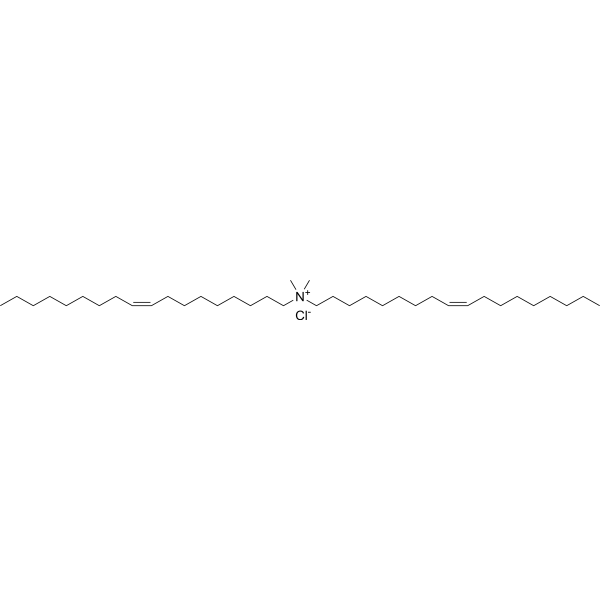
Dioleyldimethylammonium chloride (DODAC) is a positively charged lipid promoter with membrane-disrupting activity, which is often formulated into cationic liposomes with dioleoylphosphatidylethanolamine. Dioleyldimethylammonium chloride is used in gene transfection research; through electrostatic interactions, it effectively promotes the binding of programmable fusion vesicles to cells and induces membrane disruption. Dioleyldimethylammonium chloride is also applied in studies on L1210 leukemia and LS180 human colon cancer .
loading...
    loading...
Cat. No.: HY-D0006
CAS No.: 1662-01-7
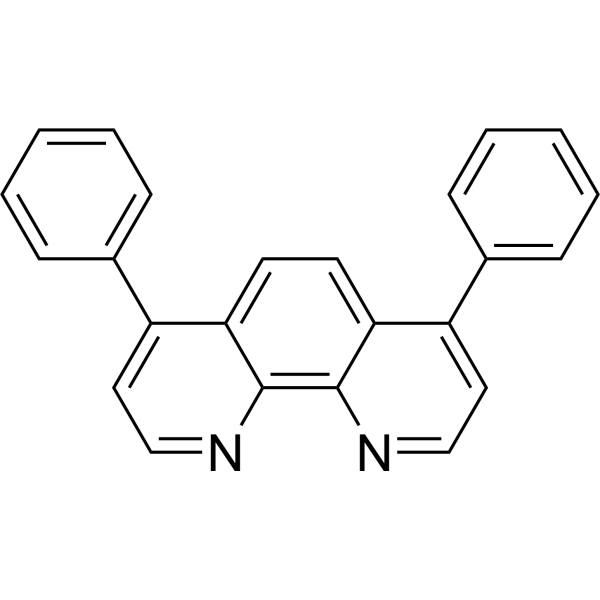
Bathophenanthroline is a nitrogen-containing organic ligand that can form stable complexes with transition metal ions such as Ru 2+. In proteomics, Bathophenanthroline is often used for in-gel protein staining. The negatively charged sulfonic acid groups of Bathophenanthroline interact electrostatically with the positively charged amino acid residues of proteins, thereby achieving specific binding to proteins and enhancing the fluorescent signal of detection. Bathophenanthroline can be used for protein separation and detection in SDS-PAGE gels in the field of proteomics, as well as other fluorescence studies[1]. Ex/Em=532 nm/610 nm[1].
loading...
    loading...
Cat. No.: HY-P5284
CAS No.: 1613231-49-4
Target:  

Inhibitory Antibodies

Research Areas:  

Others

RALA peptide is a cationic amphiphilic delivery agent targeting cell membranes, which forms nanoparticles through electrostatic interactions with anionic drugs. RALA peptide has pH-responsive binding properties, which can enhance the α-helical conformation in an acidic environment and destroy the endosomal membrane, promote the release of drugs into the cytoplasm, and exert efficient intracellular delivery activity. RALA peptide can be used in cancer research (enhancing the activity of bisphosphonates against prostate cancer and breast cancer cells) and bone tissue engineering (promoting osteoblast collagen deposition and extracellular matrix mineralization) .
loading...
    loading...
Cat. No.: HY-W587839
CAS No.: 919005-14-4
Research Areas:  

Endocrinology

4,8-Dioxa-3H-perfluorononanoic acid is an ether-substituted polyfluoroalkyl compound and also a ligand of human pregnane X receptor (hPXR), which binds to the ligand-binding domain of hPXR. 4,8-Dioxa-3H-perfluorononanoic acid targets Arg-410, Lys-210, Lys-226, Met-323 and His-327 residues. Its binding process relies on long-range electrostatic interactions, and no significant hydrogen bonds form with hPXR residues. 4,8-Dioxa-3H-perfluorononanoic acid is used as a substitute for PFOA in Germany. 4,8-Dioxa-3H-perfluorononanoic acid is detectable in environmental matrices such as river water near fluoride production plants, accumulates in organisms including grass, deer liver and locusts, and is present in plasma samples of populations in southern Germany .
loading...
    loading...
Cat. No.: HY-145969
CAS No.: 1093268-63-3
Synonyms: 3'-O-Me-m7G(5')ppp(5')G
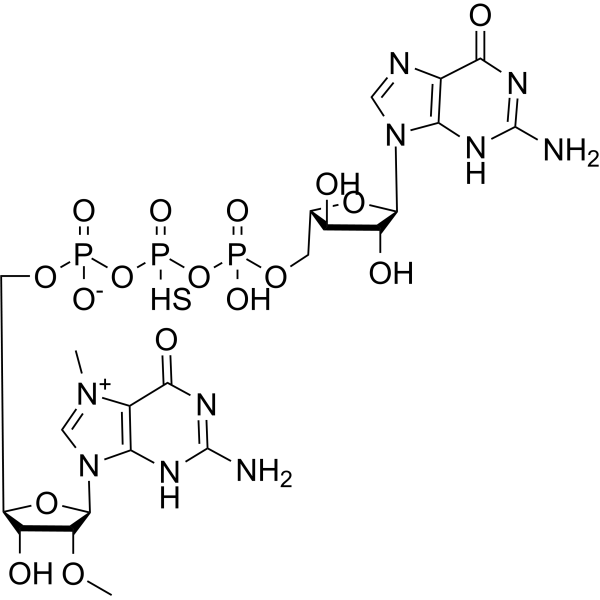
β-S-ARCA (3'-O-Me-m7G(5')ppp(5')G) is a mRNA 7-methylguanosine (m7G) cap analog carrying a phosphorothioate (PS) moiety. β-S-ARCA binds eIF4E via electrostatic interactions between its β-sulfur atom and positively charged Arg and Lys residues in the protein binding site. β-S-ARCA prevents the decapping by Dcp2, increases the mRNA half-life, enhances cap-dependent translation, and increases protein expression in cells. β-S-ARCA has been applied in researching experimental mRNA-based anticancer vaccines .
loading...
    loading...
Cat. No.: HY-145969A
Purity:  99.48%
Synonyms: 3’-O-Me-m7G(5')ppp(5')G triammonium
β-S-ARCA (3'-O-Me-m7G(5')ppp(5')G) triammonium is a mRNA 7-methylguanosine (m7G) cap analog carrying a phosphorothioate (PS) moiety. β-S-ARCA triammonium binds eIF4E via electrostatic interactions between its β-sulfur atom and positively charged Arg and Lys residues in the protein binding site. β-S-ARCA triammonium prevents the decapping by Dcp2, increases the mRNA half-life, enhances cap-dependent translation, and increases protein expression in cells. β-S-ARCA triammonium has been applied in researching experimental mRNA-based anticancer vaccines .
loading...
    loading...
Cat. No.: HY-P2302
CAS No.: 136661-76-2
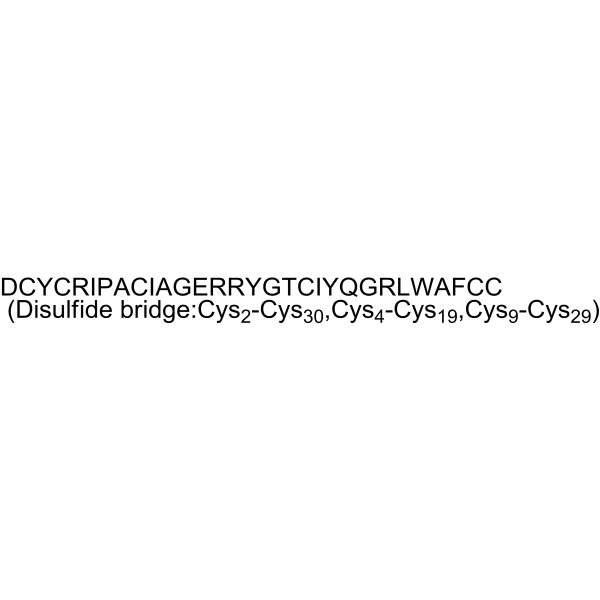
Defensin HNP-3 human is an α-defensin stored in the azurophilic granules of human neutrophils. Defensin HNP-3 human exerts broad-spectrum bactericidal, antifungal and antiviral activities mainly by forming bacterial membrane pores, and acts as a chemoattractant for monocytes and T cells. Defensin HNP-3 human maintains epithelial integrity to support periodontal tissue homeostasis, and exerts concentration-dependent effects on epithelial cell proliferation, adhesion and bacterial adhesion. Defensin HNP-3 human targets solid tumors and leukemia by inducing single-strand DNA breaks and membrane permeabilization in tumor cells via electrostatic binding and pore formation. Defensin HNP-3 human is abundant in human tongue squamous cell carcinoma and neutrophils infiltrating oral squamous cell carcinoma. Defensin HNP-3 human can be applied to research related to periodontitis and human tongue squamous cell carcinoma .
loading...
    loading...
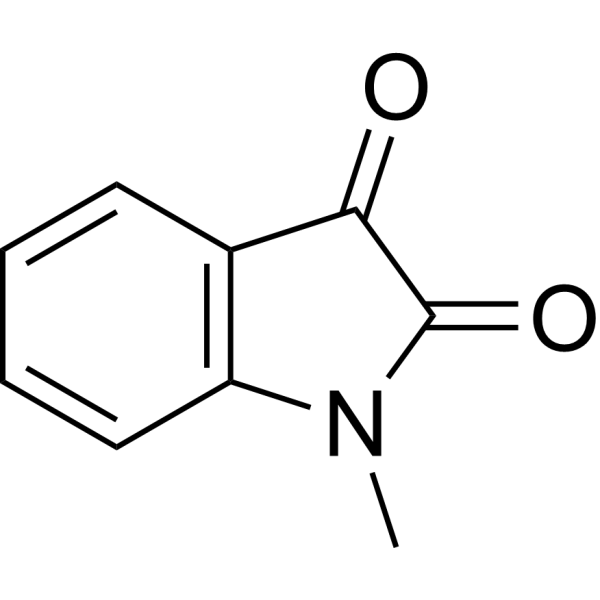
Cat. No.: HY-23148
CAS No.: 2058-74-4
Synonyms: N-Methylisatin
Research Areas:  

Others

1-Methylisatin is a potent and selective CE (carboxylesterases) inhibitor, with Kis of 38.2 and 5.38 μM for hiCE and hCE1, respectively. 1-Methylisatin interacts with Hb (human adult hemoglobin) by hydrophobic binding and electrostatic attraction. 1-Methylisatin can be used in the study of regulation of agent metabolism in vivo .
loading...
    loading...
Cat. No.: HY-W004588
CAS No.: 72914-19-3
Research Areas:  

Others Cancer

tBu2bpy is a bidentate nitrogen ligand that coordinates with Pt (II) and Pt (IV) to form functional complexes. The tBu2bpy Pt (II) bis-crown ether complex selectively recognizes Mg 2+ and Zn 2+; both ions significantly enhance the fluorescence of the complex and cause a blue shift of the absorption peak. Its six-coordinate Pt (IV) complex [Pt (X)2Me2 ( tBu2bpy)] inhibits the proliferation of tumor cells. tBu2bpy Pt (IV) complexes bind to DNA through multiple interactions including partial intercalation, groove binding, and electrostatic interaction, and can competitively displace ethidium bromide and covalently bind to purine nucleotides. tBu2bpy can be used in relevant research in fields such as organic synthesis .
loading...
    loading...
Cat. No.: HY-120465
CAS No.: 1174905-91-9
Target:  

HIV

Research Areas:  

Infection

ZINC36617540 is a novel Nef protein inhibitor with anti-HIV activity. ZINC36617540 exhibits superior binding affinity by binding to Nef protein. ZINC36617540 shows a similar binding mode to the prototype molecule B9 in molecular docking. The mechanism of action of ZINC36617540 mainly depends on its hydrophobic and electrostatic interactions with Nef protein .
loading...
    loading...
Cat. No.: HY-P11457
CAS No.: 2378579-44-1
Target:  

Bacterial

Research Areas:  

Infection

cCBD-LL37 is a chimeric antimicrobial peptide modified with a collagen-binding domain (cCBD) (TKKTLRT). cCBD-LL37 has improved retention on collagen after PBS washing and varying electrostatic conditions. cCBD-LL37 binds to collagen involves both specific and non-specific interactions, initiated by long-range electrostatic forces that transitions to close range or hydrophobic interactions. cCBD-LL37 has potent antimicrobial activity with improved structural stability under different ionic strengths and pH conditions (pH 5.5-8). cCBD-LL37 can be used for biomaterials like collagen-based wound dressings research .
loading...
    loading...
Cat. No.: HY-165427
CAS No.: 2758820-82-3
Target:  

Liposome

Research Areas:  

Cancer

Lipid 11 (Compound Lipid 1) is a cationic lipid for nucleic acid delivery. Lipid 11 forms lipid nanoparticles (LNPs) through electrostatic binding with nucleic acids (such as ceDNA). Lipid 11 forms complexes with negatively charged nucleic acids via cationic amine groups, which can be endocytosed by cells to release nucleic acids for activity. Lipid 11 is promising for research of gene therapy drug delivery systems .
loading...
    loading...
Cat. No.: HY-118260
CAS No.: 130905-04-3
Target:  

Adrenergic Receptor

Research Areas:  

Endocrinology

Phendioxan is a compound with binding activity at the α(1)-adrenaline receptor subtype. The facilitated membrane diffusion of phendioxan is thought to be associated with improved α(1d)-AR affinity. Docking simulations of phendioxan at biological targets supported the stoichiometric analysis and revealed the importance of polar, electrostatic, hydrophobic, and shape effects of its phenoxy terminal orthogonal substituents on ligand binding .
loading...
    loading...
Cat. No.: HY-P11772
CAS No.: 324030-22-0
Target:  

Bacterial

Research Areas:  

Infection

LBP-14, a peptide, is a synthetic fragment of the LPS (HY-D1056) binding protein (LBP) and is a LPS antagonist. LBP-14 interacts with LPS via electrostatic contacts between arginine/lysine residues and LPS phosphate groups, and hydrophobic contacts between aromatic/aliphatic residues and LPS acyl chains, blocking LPS binding to LBP. LBP-14 moderately inhibits LPS-induced TNF-α formation. LBP-14 can be used for the research of gram-negative sepsis .
loading...
    loading...
Cat. No.: HY-108190
CAS No.: 33103-21-8
Target:  

Antibiotic Bacterial

Research Areas:  

Infection

Tuberactinomycin A is a basic cyclic peptide antibiotic and a group I intron RNA splicing inhibitor, with an IC50 of 10 μM against the G-binding site of bacteriophage T4 group I intron RNA. Tuberactinomycin A exerts antibacterial effects by acting on the initiation and elongation steps of bacterial bacteria ribosomes to inhibit prokaryotic protein synthesis. Tuberactinomycin A competes with guanosine cofactors for binding to the G-binding site of group I intron RNA, forms electrostatic interactions with the RNA backbone, and inhibits the self-splicing of bacteriophage T4 td and sunY group I introns, and its inhibitory activity depends on Mg 2+ concentration. Tuberactinomycin A can be used in studies related to bacterial infections .
loading...
    loading...
  • 1

