

1. Search Result
Search Result
Results for "

emulsifiers

" in MedChemExpress (MCE) Product Catalog:

155

Inhibitors & Agonists

1

Screening Libraries

3

Fluorescent Dye

91

Biochemical Assay Reagents

4

Peptides

14

Natural
Products

14

Isotope-Labeled Compounds

31

Oligonucleotides

1

GMP Molecules

Cat. No. Product Name Target Research Areas Chemical Structure
  • HY-112005
    DOPE
    5+ Cited Publications

    Dioleoylphosphatidylethanolamine; 1,2-Dioleoyl-sn-glycero-3-phosphoethanolamine

    Liposome Endogenous Metabolite Inflammation/Immunology
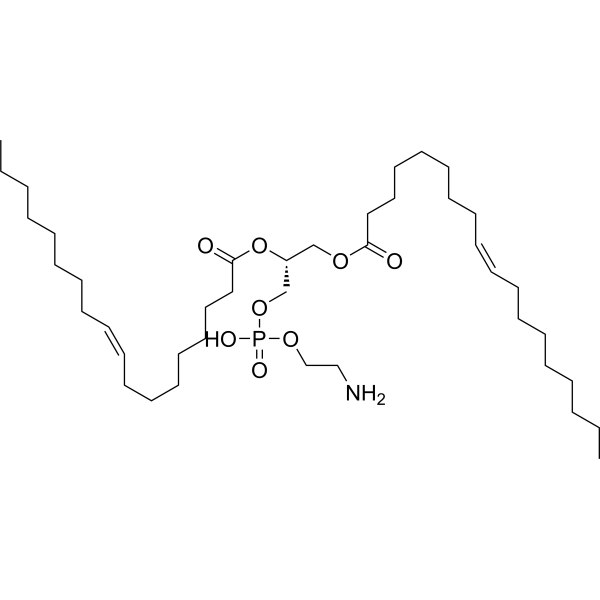
    DOPE (Dioleoylphosphatidylethanolamine) is a neutral helper lipid for cationic liposome and combines with cationic phospholipids to improve transfection efficiency of naked siRNA .
    DOPE
  • HY-125861

    MC(Viscosity:100000mPa.s)

    Environmental Pollutants Biochemical Assay Reagents Others
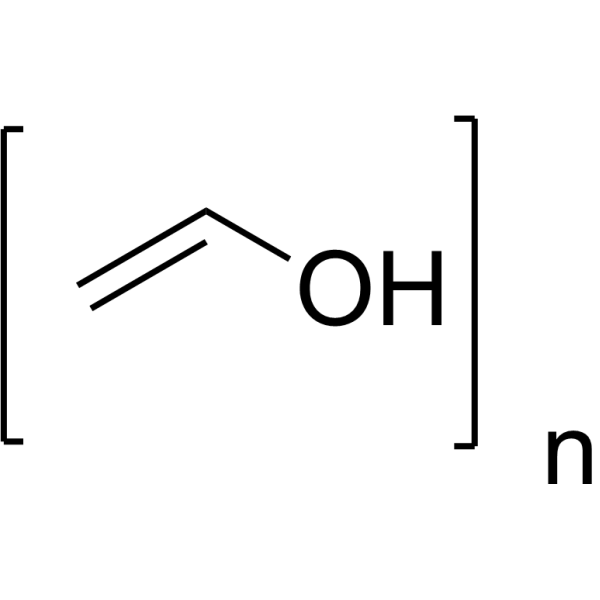
    Methyl cellulose (MC) (Viscosity:100000mPa.s) is a non-ionic cellulose ether with surface activity and thermogelation properties. Methyl cellulose (Viscosity:100000mPa.s) is widely used as drug delivery agents, thickeners, stabilizers, emulsifiers, etc., in industries such as pharmaceuticals, food, cosmetics, and construction .
    Methyl cellulose(Viscosity:100000mPa.s)
  • HY-N1428
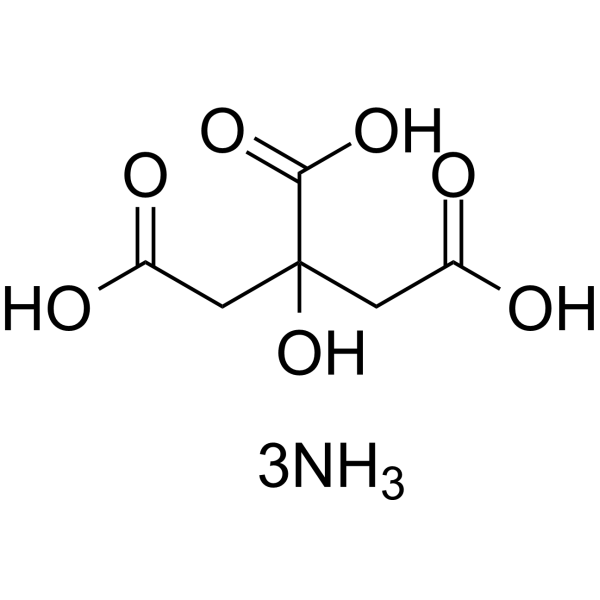
    Citric acid
    30+ Cited Publications

    Environmental Pollutants Endogenous Metabolite Bacterial Apoptosis Infection Cardiovascular Disease Metabolic Disease Inflammation/Immunology Cancer
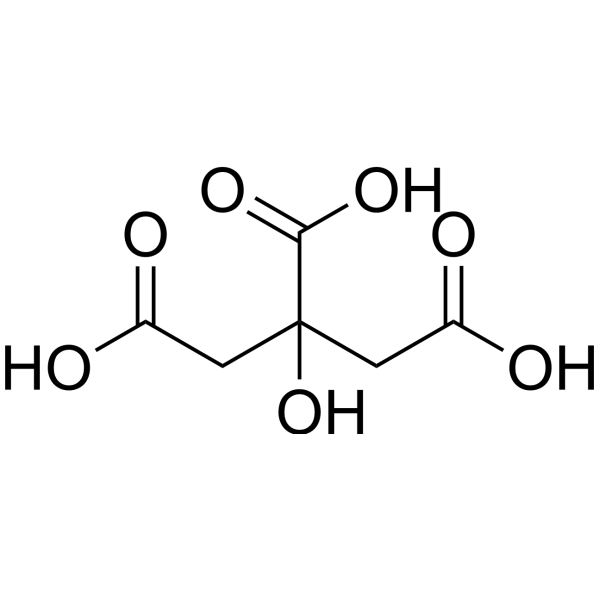
    Citric acid is a natural preservative and food tartness enhancer. Citric acid induces apoptosis and cell cycle arrest at G2/M phase and S phase in HaCaT cells. Citric acid cause oxidative damage of the liver by means of the decrease of antioxidative enzyme activities. Citric acid is also an acidulant, emulsifier, sequestrant and buffering agent widely used across many industries .
    Citric acid
  • HY-Y0316
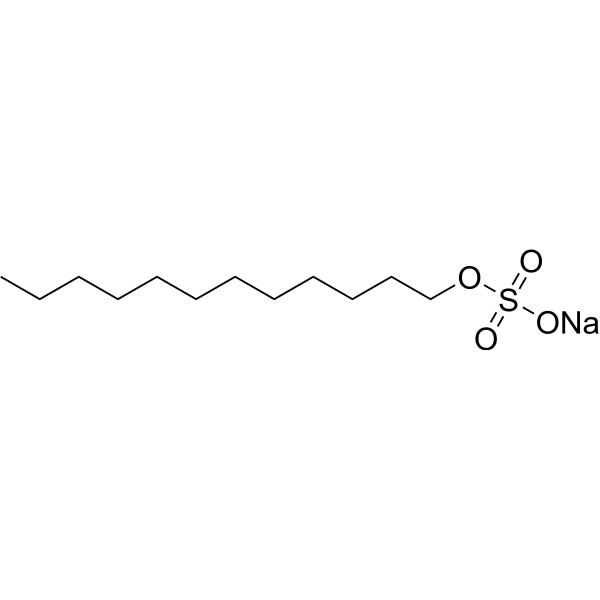
    Sodium dodecyl sulfate
    5 Publications Verification

    Sodium lauryl sulfate; Laurylsulfuric acid sodium salt

    Environmental Pollutants Biochemical Assay Reagents Others
    Sodium dodecyl sulfate is an anionic surfactant commonly used as a detergent, emulsifier, and protein denaturant in various industrial processes, especially in the production of personal care products, cleaners, and laboratory reagents. Sodium dodecyl sulfate has unique chemical properties that make it an effective ingredient in many applications, helping to reduce surface tension and enhance cleaning power.
    Sodium dodecyl sulfate
  • HY-126403
    Ethoxylated hydrogenated castor oil
    2 Publications Verification

    PEG-40 hydrogenated castor oil; Macrogolglycerol hydroxystearate; Castor oil, hydrogenated, polyethoxylated

    Environmental Pollutants Biochemical Assay Reagents Others
    Ethoxylated hydrogenated castor oil (PEG-40 hydrogenated castor oil) is a combination of synthetic polyethylene glycol (PEG) with natural castor oil. Ethoxylated hydrogenated castor oil can be used to emulsify and solubilize oil-in-water (o/w) emulsions. Ethoxylated hydrogenated castor oil can be used as a cosolvent in vivo .
    Ethoxylated hydrogenated castor oil
  • HY-125861E
    Methyl cellulose(Viscosity:4000mPa.s)
    Maximum Cited Publications
    13 Publications Verification

    MC(Viscosity:4000mPa.s)

    Environmental Pollutants Biochemical Assay Reagents Others
    Methyl cellulose (MC) (Viscosity:4000mPa.s) is a non-ionic cellulose ether with surface activity and thermogelation properties. Methyl cellulose (Viscosity:4000mPa.s) is widely used as drug delivery agents, thickeners, stabilizers, emulsifiers, etc., in industries such as pharmaceuticals, food, cosmetics, and construction .
    Methyl cellulose(Viscosity:4000mPa.s)
  • HY-B1268
    Docusate Sodium
    2 Publications Verification

    Dioctyl sulfosuccinate sodium salt

    Environmental Pollutants HSV Others
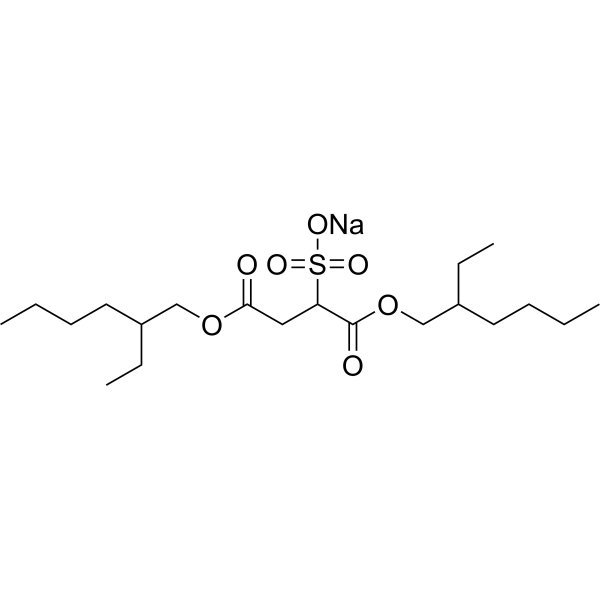
    Docusate Sodium (Dioctyl sulfosuccinate sodium salt) is one of the main components in stool softeners. Docusate Sodium is a sulfated surfactant and may inactivate viral pathogens by disrupting viral envelopes and/or denaturing/disassociating proteins. Docusate Sodium is effective in vitro against wild type and drug-resistant strains of HSV type 1 and 2. Docusate Sodium is an obesogen. Docusate Sodium with developmental exposure leads to increased adult adiposity, inflammation, metabolic disorder and dyslipidemia in offspring fed a standard diet in mice .
    Docusate Sodium
  • HY-N1446C

    Environmental Pollutants Biochemical Assay Reagents Others
    Sorbitan monooleate is a food emulsifier and can also be used as a pharmaceutical excipient. Sorbitan monooleate has good safety .
    Sorbitan monooleate
  • HY-29350
    Polyglycerol-polyricinoleate
    3 Publications Verification

    PGPR

    Environmental Pollutants Biochemical Assay Reagents Others
    Polyglycerol-polyricinoleate (PGPR) is an emulsifier commonly used in the food industry. Polyglycerol-polyricinoleate can improve food texture and stability .
    Polyglycerol-polyricinoleate
  • HY-125861B
    Methyl cellulose(Viscosity:400mPa.s)
    2 Publications Verification

    MC(Viscosity:400mPa.s)

    Environmental Pollutants Biochemical Assay Reagents Others
    Methyl cellulose (MC) (Viscosity:400mPa.s) is a non-ionic cellulose ether with surface activity and thermogelation properties. Methyl cellulose (Viscosity:400mPa.s) is widely used as drug delivery agents, thickeners, stabilizers, emulsifiers, etc., in industries such as pharmaceuticals, food, cosmetics, and construction .
    Methyl cellulose(Viscosity:400mPa.s)
  • HY-N1428A
    Citric acid monohydrate
    5+ Cited Publications

    Environmental Pollutants Endogenous Metabolite Apoptosis Bacterial Infection Cardiovascular Disease Metabolic Disease Inflammation/Immunology Cancer
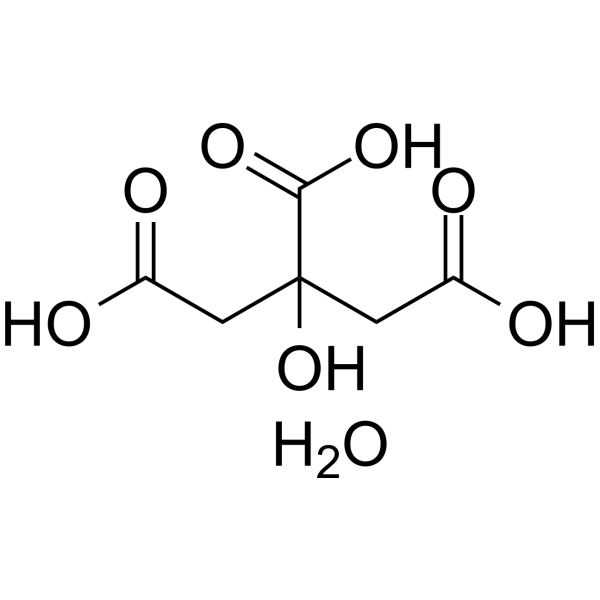
    Citric acid monohydrate is a natural preservative and food tartness enhancer. Citric acid monohydrate induces apoptosis and cell cycle arrest at G2/M phase and S phase in HaCaT cells. Citric acid monohydrate cause oxidative damage of the liver by means of the decrease of antioxidative enzyme activities. Citric acid monohydrate is also an acidulant, emulsifier, sequestrant and buffering agent widely used across many industries .
    Citric acid monohydrate
  • HY-A0272
    Sodium laureth sulfate (70% in water)
    1 Publications Verification

    Sodium lauryl polyoxyethylene ether sulfate

    Environmental Pollutants Fungal Reactive Oxygen Species (ROS) Biochemical Assay Reagents Others
    Sodium laureth sulfate (70% in water) (Sodium lauryl polyoxyethylene ether sulfate) is an anionic active agent with excellent decontamination, emulsification, dispersion, wetting, antifungal and other properties .
    Sodium laureth sulfate (70% in water)
  • HY-125861A
    Methyl cellulose(Viscosity:15mPa.s)
    2 Publications Verification

    MC(Viscosity:15mPa.s)

    Environmental Pollutants Biochemical Assay Reagents Others
    Methyl cellulose (MC) (Viscosity:15mPa.s) is a non-ionic cellulose ether with surface activity and thermogelation properties. Methyl cellulose (Viscosity:15mPa.s) is widely used as drug delivery agents, thickeners, stabilizers, emulsifiers, etc., in industries such as pharmaceuticals, food, cosmetics, and construction .
    Methyl cellulose(Viscosity:15mPa.s)
  • HY-W129988

    Environmental Pollutants Biochemical Assay Reagents Others
    Sorbitan monododecanoate is a non-ionic surfactant, often used as an emulsifier in food, feed and topical preparations. Sorbitan monododecanoate can also be employed as a pharmaceutical excipient .
    Sorbitan monododecanoate
  • HY-101530C

    PEG 100 stearate

    Environmental Pollutants Biochemical Assay Reagents Others
    Polyoxyl 100 stearate (PEG-100 stearate) is a non-ionic surfactant formed by polyethylene glycol (PEG) and stearic acid, and it is commonly used in pharmaceutical preparations, nanocarriers, emulsification systems and cosmetic formulations .
    Polyoxyl 100 stearate
  • HY-W250168A

    Polyethylene glycol oleyl ether, average Mn~1150; Polyethylene glycol monooleyl ether, n~20

    Environmental Pollutants Biochemical Assay Reagents Others
    Polyoxyethylene(20) oleyl ether (Polyethylene glycol oleyl ether, with an average Mn of 1150) is a non-ionic surfactant. Polyoxyethylene(20) oleyl ether possesses emulsifying and detergent properties and can be used as a functional additive in drug delivery systems, helping to form stable nanoemulsions .
    Polyoxyethylene(20) oleyl ether
  • HY-125861C
    Methyl cellulose(Viscosity:1500mPa.s)
    2 Publications Verification

    MC(Viscosity:1500mPa.s)

    Environmental Pollutants Biochemical Assay Reagents Others
    Methyl cellulose (MC) (Viscosity:1500mPa.s) is a non-ionic cellulose ether with surface activity and thermogelation properties. Methyl cellulose (Viscosity:1500mPa.s) is widely used as drug delivery agents, thickeners, stabilizers, emulsifiers, etc., in industries such as pharmaceuticals, food, cosmetics, and construction .
    Methyl cellulose(Viscosity:1500mPa.s)
  • HY-B1724

    Perfluorooctyl bromide; 1-Bromoperfluorooctane; PFOB

    RSV NF-κB Infection Inflammation/Immunology
    Perflubron (Perfluorooctyl bromide) is a contrast medium for magnetic resonance imaging and sonography. Perflubron inhibits chemokine expression and NF-κB activation. Perflubron can be emulsified with egg phospholipids (EYP) and shows exceptionally fast excretion characteristics. Perflubron has anti-inflammatory, antiviral and cytoprotective effects .
    Perflubron
  • HY-W129593

    Sorbitan monostearate

    Environmental Pollutants Biochemical Assay Reagents Others
    Sorbitan monooctadecanoate (Sorbitan monostearate) is a hydrophobic nonionic surfactant. Sorbitan monooctadecanoate can serve as a pharmaceutical excipient, such as an emulsifier, nonionic surfactant, solubilizer, wetting agent, and dispersing/suspending agent .
    Sorbitan monooctadecanoate
  • HY-101530

    POES

    Environmental Pollutants P-glycoprotein Bacterial Cancer
    Polyoxyethylene stearate (POES) is a non-ionic emulsifying agent.
    Polyoxyethylene stearate
  • HY-B1788S
    Taurocholic acid-d4 sodium
    1 Publications Verification

    N-Choloyltaurine-d4 sodium

    Endogenous Metabolite Inflammation/Immunology
    Taurocholic acid-d4 (sodium) is the deuterium labeled Taurocholic acid. Taurocholic acid (N-Choloyltaurine) is a bile acid involved in the emulsification of fats.
    Taurocholic acid-d4 sodium
  • HY-W004295

    Biochemical Assay Reagents Inflammation/Immunology
    1-Pentadecanol is a long-chain fatty alcohol. 1-Pentadecanol has anti-comedone activity. 1-Pentadecanol has moisturizing and hydrating properties and can be applied to skin care products. 1-Pentadecanol can be used in the production of surfactants, emulsifiers and lubricants .
    1-Pentadecanol
  • HY-W127604
    Sodium myristate
    1 Publications Verification

    Myristic acid sodium

    Biochemical Assay Reagents Others
    Sodium myristate is a salt-like compound commonly used as a surfactant or emulsifier in a variety of industrial applications, including the production of detergents, soaps, and personal care products. In addition, it can be used as an intermediate in the synthesis of various organic compounds, including fragrances and pharmaceuticals. Its unique chemical properties make it an important ingredient in a variety of industrial processes, especially in the manufacture of textiles and paper products.
    Sodium myristate
  • HY-42935A
    Heptanoate sodium
    1 Publications Verification

    Enanthate sodium

    Biochemical Assay Reagents Others
    Heptanoate sodium is an organic sodium salt compound widely used in various industries and laboratories. It can be used as surfactant, emulsifier, lubricant and preservative, etc., and plays an important role in some electronic devices. In addition, Heptanoate sodium is also used in the preparation of certain chemicals and raw materials such as paints, plastics, fragrances, etc. Although the compound has no direct medical application, it plays an important role in chemical research and industrial production.
    Heptanoate sodium
  • HY-134120

    DL-2-Hydroxystearic acid

    Biochemical Assay Reagents Others
    2-Hydroxystearic acid is an alpha-hydroxy fatty acid commonly used in a variety of personal care products, especially cosmetic and skin care formulations. 2-Hydroxystearic acid has unique chemical properties that make it an effective emulsifier and stabilizer, improving the texture and shelf life of cosmetic products. It also has a potential physiological role in improving skin hydration and elasticity, although its biological function is not fully understood.
    2-Hydroxystearic acid
  • HY-D1005F

    PEG-PPG-PEG, 2500(Average Mn)

    Environmental Pollutants Biochemical Assay Reagents Others
    Poloxamer 182 (L62) can be used as an excipient, such as Emulsifier, solubilizer, lubricant, etc. Pharmaceutical excipients, or pharmaceutical auxiliaries, refer to other chemical substances used in the pharmaceutical process other than pharmaceutical ingredients. Pharmaceutical excipients generally refer to inactive ingredients in pharmaceutical preparations, which can improve the stability, solubility and processability of pharmaceutical preparations. Pharmaceutical excipients also affect the absorption, distribution, metabolism, and elimination (ADME) processes of co-administered drugs .
    Poloxamer 182 (L62)
  • HY-125861D
    Methyl cellulose(Viscosity:40000mPa.s)
    2 Publications Verification

    MC(Viscosity:40000mPa.s)

    Environmental Pollutants Biochemical Assay Reagents Others
    Methyl cellulose (MC) (Viscosity:40000mPa.s) is a non-ionic cellulose ether with surface activity and thermogelation properties. Methyl cellulose (Viscosity:40000mPa.s) is widely used as drug delivery agents, thickeners, stabilizers, emulsifiers, etc., in industries such as pharmaceuticals, food, cosmetics, and construction .
    Methyl cellulose(Viscosity:40000mPa.s)
  • HY-145955

    Sodium stearoyl glutamate

    Biochemical Assay Reagents Others
    Sodium stearoyl glutamate is a sodium salt of monocarboxylic acid anionic surfactant, which serves as a chelating agent, skin sensitizer and anionic co-emulsifier .
    Stearoyl glutamic acid sodium
  • HY-N0508
    Rosin
    2 Publications Verification

    Others Inflammation/Immunology
    Rosin is a natural resin extracted from coniferous trees such as pine trees. Rosin is a frequent contact allergen which induces allergic contact dermatitis. Rosin can be used as emulsifiers, adhesives, and other chemical applications .
    Rosin
  • HY-D1005B
    Poloxamer 237 (F87)
    1 Publications Verification

    PEG-PPG-PEG, 7700 (Average Mn)

    Environmental Pollutants Others
    Poloxamer 237 (F87) (PEG-PPG-PEG, 7700 (Average Mn)) is an alcohol substance that acts as an oil-in-water emulsifier and solubilizer. Poloxamer 237 (F87) is used in the research of formulations such as contact lens care solutions and eye drops .
    Poloxamer 237 (F87)
  • HY-N1446A
    Glycerol Monoleate
    Maximum Cited Publications
    60 Publications Verification

    Endogenous Metabolite Others
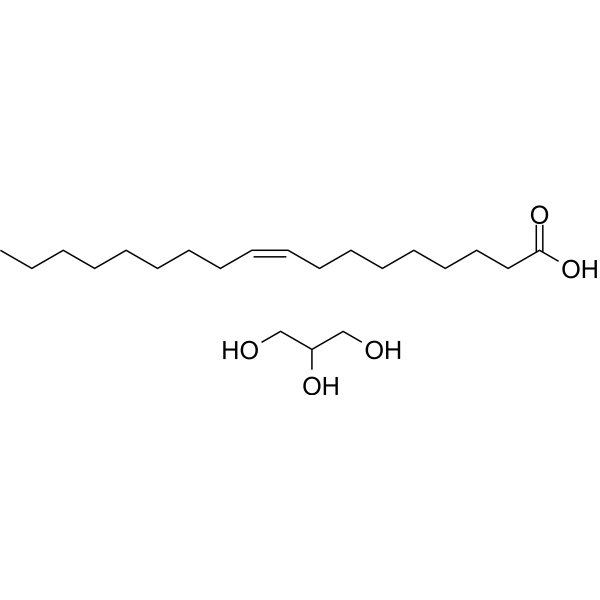
    Glycerol Monoleate is a non-toxic, biodegradable, biocompatible, lipophilic glycerol fatty acid ester. Glycerol Monoleate exhibits hemolytic properties. Glycerol Monoleate is combined with bile salts for use as an emulsifier and absorption enhancer. Glycerol Monoleate can be applied in drug delivery systems and in vitro siRNA delivery .
    Glycerol Monoleate
  • HY-W127785

    N,N-Dimethyldodecan-1-amine oxide; Dodecyldimethylamine oxide

    Environmental Pollutants Biochemical Assay Reagents Others
    N,N-Dimethyldodecylamine N-oxide is an amine oxide surfactant commonly used as a detergent, emulsifier and wetting agent in various industrial processes, especially in personal care products and household cleaning in the production of agents. N,N-Dimethyldodecylamine N-oxide has unique chemical properties that make it an effective ingredient in many product formulations to help reduce surface tension and enhance cleaning power.
    N,N-Dimethyldodecylamine N-oxide
  • HY-W130648

    Environmental Pollutants Biochemical Assay Reagents Others
    Sodium 2-ethylhexyl sulfate (40% in water) is an anionic surfactant commonly used as a detergent, wetting agent, and emulsifier in various industrial processes, especially in the production of personal care products, cleaning agents, and textile auxiliaries. Sodium 2-ethylhexyl sulfate (40% in water) has unique chemical properties that make it an effective ingredient in many applications, helping to reduce surface tension and enhance cleaning power.
    Sodium 2-ethylhexyl sulfate (40% in water)
  • HY-W099601
    Sodium dodecanoate, 99-100%
    5+ Cited Publications

    Lauric acid sodium salt, 99-100%

    Environmental Pollutants Biochemical Assay Reagents Others
    Sodium LaurateIt is an organic compound belonging to fatty acids. It is the sodium salt of lauric acid, a medium-chain saturated fatty acid found in various animal and vegetable fats. Sodium LaurateCommonly used as surfactants, emulsifiers and cleaning agents in various industries such as cosmetics, personal care and detergent industries. It's found in a variety of products, including soaps, shampoos, toothpaste, and laundry detergent. Furthermore, it also has applications in the food industry where it is used as a food additive to improve texture and stability.
    Sodium dodecanoate, 99-100%
  • HY-154639

    Environmental Pollutants Biochemical Assay Reagents Others
    Polyoxyl 20 Cetostearyl Ether can be used as an excipient, such as Emulsifier and solubilizer for emulsions and creams, etc. Pharmaceutical excipients, or pharmaceutical auxiliaries, refer to other chemical substances used in the pharmaceutical process other than pharmaceutical ingredients. Pharmaceutical excipients generally refer to inactive ingredients in pharmaceutical preparations, which can improve the stability, solubility and processability of pharmaceutical preparations. Pharmaceutical excipients also affect the absorption, distribution, metabolism, and elimination (ADME) processes of co-administered drugs .
    Polyoxyl 20 Cetostearyl Ether
  • HY-160410

    Drug Derivative Neurological Disease Inflammation/Immunology
    Ceramide 3B is a ceramide 3 lipid class with aggregation behavior. Ceramide 3B has a variety of physiological functions and can serve as a penetration enhancer and auxiliary emulsifier, playing an important role in barrier function stability .
    Ceramide 3B
  • HY-23059
    4-Dodecylbenzenesulfonic acid
    1 Publications Verification

    p-Dodecylbenzenesulphonic acid

    Environmental Pollutants Biochemical Assay Reagents Others
    4-Dodecylbenzenesulfonic acid is an organosulfur compound commonly used in various industrial applications. It is usually used as a surfactant, emulsifier and auxiliary agent, etc., and is widely used in lubricants, paints, resins and other fields. In addition, due to its good water solubility and cleaning ability, it can also be used in the preparation of products such as detergents and cleaners.
    4-Dodecylbenzenesulfonic acid
  • HY-W011087

    Environmental Pollutants Biochemical Assay Reagents Others
    Benzyldimethyltetradecylammonium chloride is a quaternary ammonium salt consisting of a positively charged N-benzyl-N,N-dimethyltetradecyl-1-amine cation and a negatively charged chloride anion. The compound is commonly used as a surfactant and emulsifier in a variety of applications including detergents, fabric softeners and personal care products. It also has antimicrobial properties and is used as a disinfectant or antiseptic in some products.
    Benzyldimethyltetradecylammonium chloride
  • HY-135297

    Biochemical Assay Reagents Others
    Mono-and diglycerides is formed by triglycerides being broken down by pancreatic lipase in the gastrointestinal lumen. Mono-and diglycerides is a food additive used as a nonionic emulsifier and mainly present in food fats .
    Mono-and diglycerides
  • HY-125861H

    MC(Viscosity:25mPa.s)

    Biochemical Assay Reagents Others
    Methyl cellulose (MC) (Viscosity:25mPa.s) is a non-ionic cellulose ether with surface activity and thermogelation properties. Methyl cellulose (Viscosity:25mPa.s) is widely used as drug delivery agents, thickeners, stabilizers, emulsifiers, etc., in industries such as pharmaceuticals, food, cosmetics, and construction .
    Methyl cellulose(Viscosity:25mPa.s)
  • HY-W099682

    n-Hexyl trimethylammonium bromide

    Biochemical Assay Reagents Others
    Hexyltrimethylammonium bromide is a cationic surfactant, quaternary ammonium compound, detergent, emulsifier, phase transfer catalyst, antibacterial agent, electrochemical device, corrosion inhibitor, micelle former, industrial chemical.
    Hexyltrimethylammonium bromide
  • HY-D1005A5

    PEG-PPG-PEG, 1850 (Average)

    Biochemical Assay Reagents Others
    Poloxamer 123 (L43) (PEG-PPG-PEG, average molecular weight 1850) is a nonionic triblock copolymer of polyoxyethylene-polyoxypropylene-polyoxyethylene with an average molecular weight of 1850. Poloxamer 123 L43 can be used as a surfactant, emulsifier, and solubilizer in cosmetics .
    Poloxamer 123 (L43)
  • HY-W127640

    Biochemical Assay Reagents Others
    Phosphocholine Chloride Sodium Salt is an organic compound containing phosphate, choline and chloride ions. It is commonly used to prepare cell membranes and liposomes for drug delivery systems. Phosphocholine Chloride Sodium Salt has various applications in the pharmaceutical industry, especially as a stabilizer and surfactant. In addition, it is used as an emulsifier and conditioning agent in the manufacture of cosmetic and personal care products.
    Phosphocholine chloride disodium
  • HY-Y1039

    1-Monostearin; 2,3-Dihydroxypropyl stearate

    Environmental Pollutants Biochemical Assay Reagents Others
    Stearic acid 1-monoglyceride is an ester composed of stearic acid and glycerin, commonly known as glyceryl monostearate. 1-Monoglyceride stearate has unique chemical properties that make it an important ingredient in a variety of industrial processes, including food production, cosmetics, and pharmaceuticals. It acts as an emulsifier, stabilizer and thickener in these products, enhancing their texture and shelf life.
    1-Stearoyl-rac-glycerol
  • HY-W127653

    Dimethylditetradecylammonium bromide

    Biochemical Assay Reagents Others
    Dimethyldimyristylammonium bromide is a quaternary ammonium compound commonly used as a surfactant or emulsifier in a variety of industrial applications, including the production of detergents, fabric softeners and hair conditioners. In addition, it can also be used as an intermediate in the synthesis of various organic compounds. Its unique chemical properties make it an important ingredient in a variety of industrial processes, especially in the manufacture of personal care products and pharmaceuticals.
    Dimethyldimyristylammonium bromide
  • HY-B1268R

    Dioctyl sulfosuccinate sodium salt (Standard)

    Reference Standards HSV Others
    Docusate (Sodium) (Standard) is the analytical standard of Docusate (Sodium). This product is intended for research and analytical applications. Docusate Sodium (Dioctyl sulfosuccinate sodium salt) is one of the main components in stool softeners. Docusate Sodium is a sulfated surfactant and may inactivate viral pathogens by disrupting viral envelopes and/or denaturing/disassociating proteins. Docusate Sodium is effective in vitro against wild type and drug-resistant strains of HSV type 1 and 2. Docusate Sodium is an obesogen. Docusate Sodium with developmental exposure leads to increased adult adiposity, inflammation, metabolic disorder and dyslipidemia in offspring fed a standard diet in mice .
    Docusate Sodium (Standard)
  • HY-W013076

    tetra(decyl)ammonium bromide

    Biochemical Assay Reagents Others
    Tetrakis(decyl)ammonium bromide is a compound belonging to the class of quaternary ammonium compounds. It is a salt with cationic properties and is used in various industrial and biomedical applications. Tetrakis(decyl)ammonium bromide is commonly used as an emulsifier, solubilizer and antimicrobial agent in personal care products, cleansers and pharmaceutical formulations. It is also used as a phase transfer catalyst in organic synthesis reactions, facilitating the movement of reactants between immiscible phases.
    Tetrakis(decyl)ammonium bromide
  • HY-100557A

    Biochemical Assay Reagents Others
    Low-Substituted Hydroxypropyl Cellulose can be used as an excipient, such as Coating agents, emulsifiers, suspensions, tablets, thickeners, thickeners, etc. Pharmaceutical excipients, or pharmaceutical auxiliaries, refer to other chemical substances used in the pharmaceutical process other than pharmaceutical ingredients. Pharmaceutical excipients generally refer to inactive ingredients in pharmaceutical preparations, which can improve the stability, solubility and processability of pharmaceutical preparations. Pharmaceutical excipients also affect the absorption, distribution, metabolism, and elimination (ADME) processes of co-administered drugs .
    Low-Substituted Hydroxypropyl Cellulose
  • HY-W763560

    Biochemical Assay Reagents Others
    Sorbitan Sesquioleate is a synthetic surfactant and emulsifier based on sorbitol and modified oleic acid .
    Sorbitan Sesquioleate
  • HY-B1788S1
    Taurocholic acid-d4
    1 Publications Verification

    N-Choloyltaurine-d4

    Endogenous Metabolite Inflammation/Immunology
    Taurocholic acid-d4 is deuterium labeled Taurocholic acid. Taurocholic acid (N-Choloyltaurine) is a bile acid involved in the emulsification of fats.
    Taurocholic acid-d4

Inquiry Online

Your information is safe with us. * Required Fields.

Salutation


Country or Region *

Applicant Name *


Organization Name *

Department *


Email Address *


Product Name *

Cat. No.


Requested quantity *

Phone Number *


Remarks

Inquiry Online

Inquiry Information

Product Name:
Cat. No.:
Quantity:
MCE Japan Authorized Agent:

