

1. Search Result
Search Result
Results for "

endotoxemia

" in MedChemExpress (MCE) Product Catalog:

35

Inhibitors & Agonists

5

Peptides

3

Natural
Products

2

Isotope-Labeled Compounds

1

Oligonucleotides

Cat. No. Product Name Target Research Areas Chemical Structure
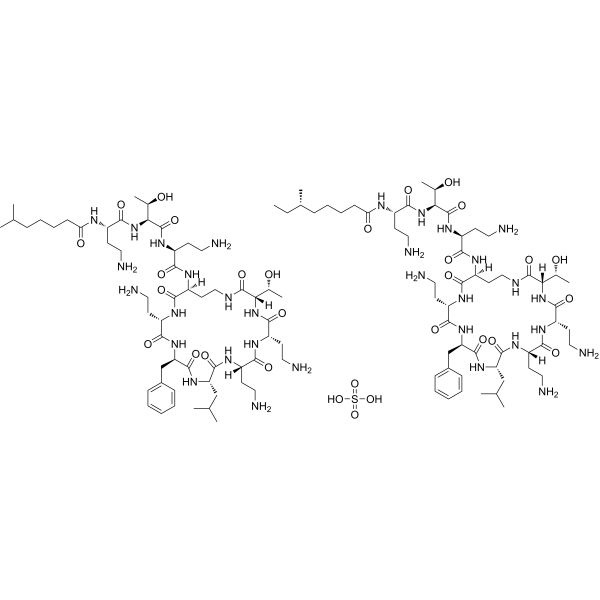
  • HY-A0248
    Polymyxin B Sulfate
    20+ Cited Publications

    Antibiotic Bacterial Infection
    Polymyxin B Sulfate is an antibiotic. Polymyxin B Sulfate inhibits Gram-negative infections by binding to the LPS of the bacterial wall with high affinity. Polymyxin B Sulfate neutralizes the effect of endotoxin. Polymyxin B Sulfate induces bacterial death by increasing its permeability. Polymyxin B Sulfate is used in endotoxemia research .
    Polymyxin B Sulfate
  • HY-149179
    Polymyxin B
    Maximum Cited Publications
    23 Publications Verification

    Antibiotic Bacterial Infection
    Polymyxin B is an antibiotic. Polymyxin B inhibits Gram-negative infections by binding to the LPS of the bacterial wall with high affinity. Polymyxin B neutralizes the effect of endotoxin. Polymyxin B induces bacterial death by increasing its permeability. Polymyxin B is used in endotoxemia research .
    Polymyxin B
  • HY-107575
    TLR4-IN-C34
    10+ Cited Publications

    Toll-like Receptor (TLR) Inflammation/Immunology
    TLR4-IN-C34 is an orally active TLR4 inhibitor and reduces systemic inflammation in models of endotoxemia and necrotizing enterocolitis .
    TLR4-IN-C34
  • HY-Y1212

    Diatomaceous earth

    Environmental Pollutants Biochemical Assay Reagents Metabolic Disease
    Celite (Diatomaceous earth) is a filter aid. Celite induces hepatic tryptophan oxygenase activity and reduces hepatic glycogen in mouse experiments. Celite can be used for studies of endotoxemia .
    Celite
  • HY-W092043
    TLR4-IN-C34-C2-COOH
    2 Publications Verification

    PROTAC Linkers Toll-like Receptor (TLR) Cardiovascular Disease Inflammation/Immunology
    TLR4-IN-C34-C2-COO is a linker that incorporates TLR4 inhibitor TLR4-IN-C34. TLR4-IN-C34-C2-COOH can be used in the research of inflammation and acute myocardial injury. TLR4-IN-C34 inhibits TLR4 in enterocytes and macrophages, and reduces systemic inflammation in mouse models of endotoxemia and necrotizing enterocolitis .
    TLR4-IN-C34-C2-COOH
  • HY-105239

    FE 202158

    Vasopressin Receptor Cardiovascular Disease
    Selepressin (FE 202158) is a selective vasopressin V1A receptor agonist. Selepressin is a potent vasopressor. Selepressin can be used in the research of septic shock .
    Selepressin
  • HY-B1817

    Environmental Pollutants Apoptosis Biochemical Assay Reagents HSP Cardiovascular Disease Inflammation/Immunology Cancer
    Zinc acetate acts as an immune response modulator. Zinc acetate enhances the expression of HSP-70 mRNA. Zinc acetate restores the proliferation and cytokine production capacities of splenocytes. Zinc acetate reduces the Apoptosis level of splenocytes in endotoxemic mice. Zinc acetate increases plasma zinc levels and improves survival rates in mice with LPS-induced lethal endotoxemia. Zinc acetate induces rapid death of prostate cancer cell lines in vitro. Zinc acetate inhibits the growth of prostate cancer xenografts in SCID mice. Zinc acetate can be used in endotoxemia research .
    Zinc acetate
  • HY-N7102
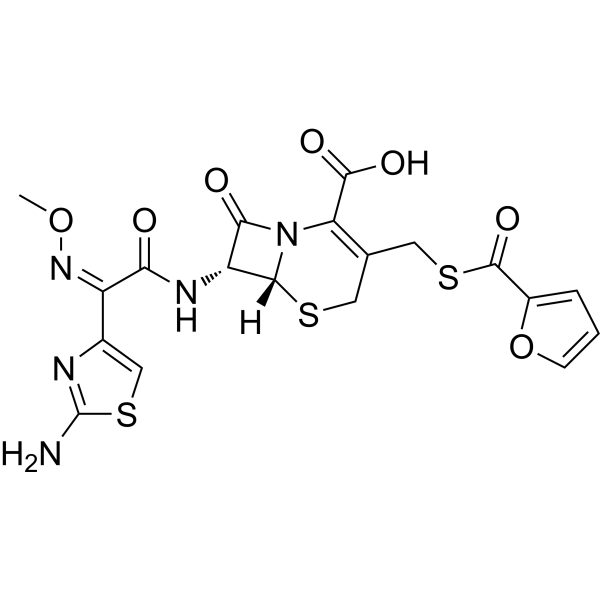
    Ceftiofur
    4 Publications Verification

    Antibiotic Bacterial NF-κB p38 MAPK TNF Receptor Interleukin Related Infection
    Ceftiofur is a cell wall synthesis inhibitor that targets bacterial penicillin-binding proteins (PBPs) and has anti-inflammatory effects in endotoxemia. Ceftiofur exerts bactericidal effects by inhibiting the synthesis of bacterial cell wall peptidoglycan, leading to bacterial cell lysis. Ceftiofur also inhibits the activation of NF-κB and MAPKs, thereby reducing the secretion of pro-inflammatory cytokines such as TNF-α, IL-1β, and IL-6 .
    Ceftiofur
  • HY-B0898
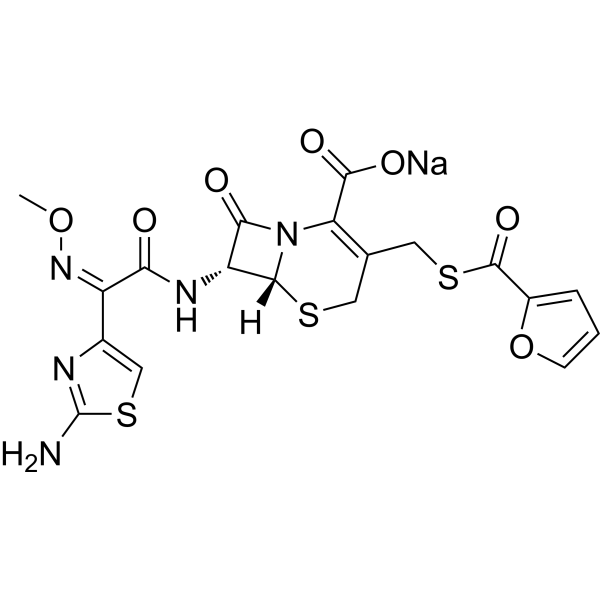
    Ceftiofur sodium
    4 Publications Verification

    sodium ceftiofur

    Antibiotic Bacterial NF-κB p38 MAPK TNF Receptor Interleukin Related Infection
    Ceftiofur sodium is a cell wall synthesis inhibitor that targets bacterial penicillin-binding proteins (PBPs) and has anti-inflammatory effects in endotoxemia. Ceftiofur sodium exerts bactericidal effects by inhibiting the synthesis of bacterial cell wall peptidoglycan, leading to bacterial cell lysis. Ceftiofur sodium also inhibits the activation of NF-κB and MAPKs, thereby reducing the secretion of pro-inflammatory cytokines such as TNF-α, IL-1β, and IL-6 .
    Ceftiofur sodium
  • HY-115620

    Phosphatase PI3K TNF Receptor Inflammation/Immunology
    AQX-016A is an orally active and potent SHIP1 agonist. AQX-016A can activate recombinant SHIP1 enzyme in vitro and stimulate SHIP1 activity. AQX-016A also can inhibit the PI3K pathway and TNFa production, can be useful for various inflammatory diseases research .
    AQX-016A
  • HY-N4205

    Cytochrome P450 Cancer
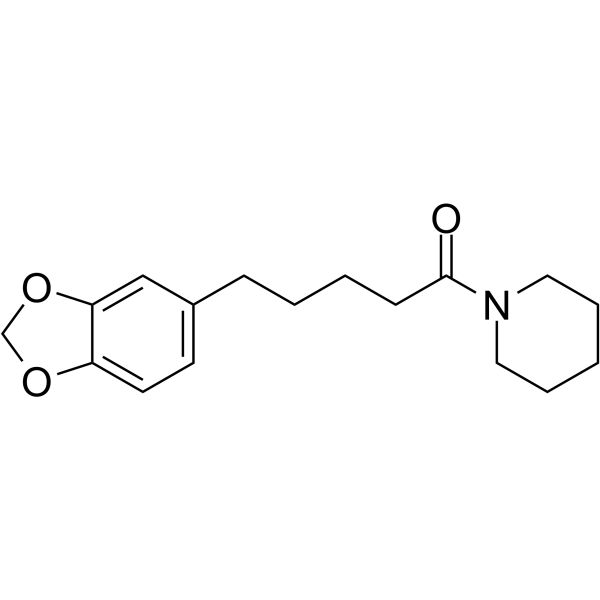
    Tetrahydropiperine is an orally effective, selective inhibitor of NF-κB and MAPKs<、b>, and an activator of the PI3K/Akt/mTOR<、b> pathway. Tetrahydropiperine reduces the production of pro-inflammatory cytokines such as TNF-α, IL-6, and nitric oxide (NO) by inhibiting the nuclear translocation of NF-κB and the phosphorylation of MAPKs such as ERK, JNK, and p38. At the same time, Tetrahydropiperine inhibits excessive autophagy by activating the PI3K/Akt/mTOR pathway, protecting neurons from oxidative damage. Tetrahydropiperine has anti-inflammatory, anti-apoptotic, and neuroprotective effects, and is mainly used in the study of inflammatory diseases (such as endotoxemia, arthritis) and neurological diseases such as ischemic stroke .
    Tetrahydropiperine
  • HY-W014223

    Ultraviolet absorber UV-0

    Environmental Pollutants Toll-like Receptor (TLR) NF-κB Reactive Oxygen Species (ROS) MyD88 IRAK Inflammation/Immunology
    2,4′-Dihydroxybenzophenone (Ultraviolet absorber UV-0) occupies the hydrophobic pocket of MD2 and blocks the dimerization of TLR4. 2,4′-Dihydroxybenzophenone inhibits the LPS induced mtROS production, and LPS induced inflammatory response by downregulating pro-inflammatory mediators and decreasing the expression of MyD88, p-IRAK4, and NF-κB. 2,4′-Dihydroxybenzophenone is also a UV absorber .
    2,4′-Dihydroxybenzophenone
  • HY-105239A

    FE 202158 acetate

    Vasopressin Receptor Cardiovascular Disease
    Selepressin (FE 202158) acetate is a selective vasopressin V1A receptor agonist. Selepressin acetate is a potent vasopressin. Selepressin acetate can be used in the study of septic shock.
    Selepressin acetate
  • HY-130581

    Bacterial Cardiovascular Disease Inflammation/Immunology
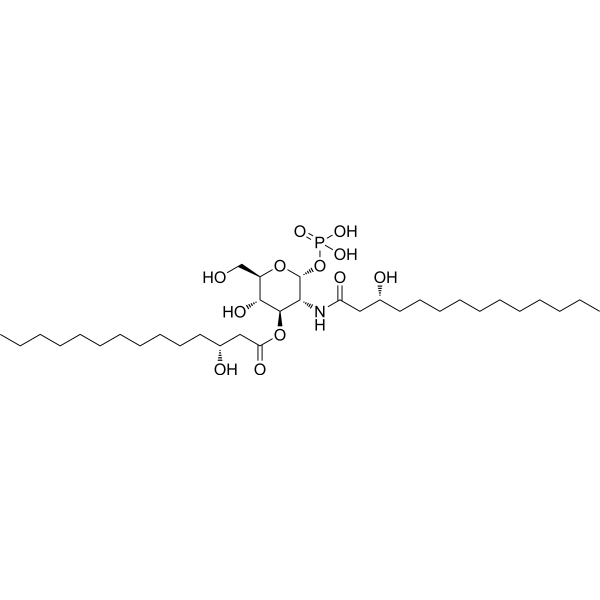
    Lipid X is a 2,3-diacylglucosamine-1-phosphate that serves as the monosaccharide precursor of lipid A, possessing both LPS antagonist and weak agonist activities. Lipid X exerts protective effects by inhibiting tumor necrosis factor production, monocyte procoagulant activity, and neutrophil priming. Lipid X may induce transient pulmonary hypertension, neutropenia, and mild pyrogenic effects in laboratory animals. Lipid X has low toxicity and no in vitro antibacterial activity, but it significantly reduces mortality following Gram-negative bacterial infection and endotoxin exposure. Lipid X tends to accumulate in liver tissue, binds to circulating cellular components, and can be converted to lipid Y through transesterification. Lipid X can be used in research on Gram-negative bacterial sepsis, endotoxemia, and associated pulmonary hypertension .
    Lipid X
  • HY-B0026
    Ceftiofur hydrochloride
    4 Publications Verification

    Antibiotic Bacterial NF-κB p38 MAPK TNF Receptor Interleukin Related Infection
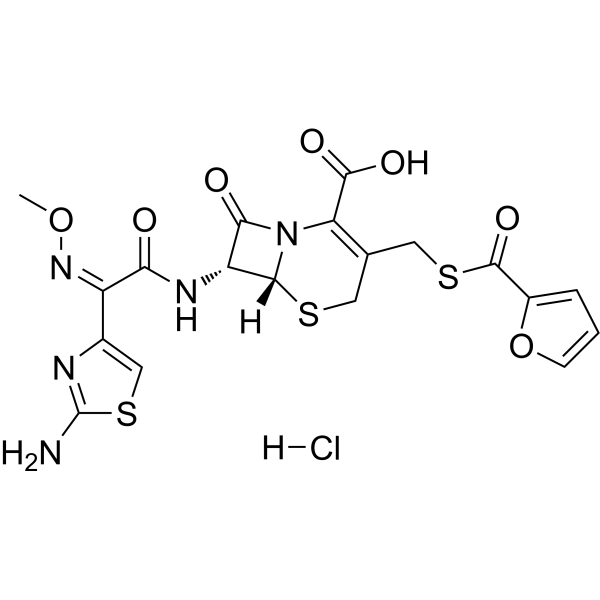
    Ceftiofur hydrochloride is a cell wall synthesis inhibitor that targets bacterial penicillin-binding proteins (PBPs) and has anti-inflammatory effects in endotoxemia. Ceftiofur hydrochloride exerts bactericidal effects by inhibiting the synthesis of bacterial cell wall peptidoglycan, leading to bacterial cell lysis. Ceftiofur hydrochloride also inhibits the activation of NF-κB and MAPKs, thereby reducing the secretion of pro-inflammatory cytokines such as TNF-α, IL-1β, and IL-6 .
    Ceftiofur hydrochloride
  • HY-B0898R

    sodium ceftiofur (Standard)

    Reference Standards Antibiotic Bacterial NF-κB p38 MAPK TNF Receptor Interleukin Related Infection
    Ceftiofur sodium (Standard) is the analytical standard of Ceftiofur sodium (HY-B0898). This product is intended for research and analytical applications. Ceftiofur sodium is a cell wall synthesis inhibitor that targets bacterial penicillin-binding proteins (PBPs) and has anti-inflammatory effects in endotoxemia. Ceftiofur sodium exerts bactericidal effects by inhibiting the synthesis of bacterial cell wall peptidoglycan, leading to bacterial cell lysis. Ceftiofur sodium also inhibits the activation of NF-κB and MAPKs, thereby reducing the secretion of pro-inflammatory cytokines such as TNF-α, IL-1β, and IL-6 .
    Ceftiofur sodium (Standard)
  • HY-N7697C

    Toll-like Receptor (TLR) Interleukin Related Reactive Oxygen Species (ROS) Cardiovascular Disease Metabolic Disease Inflammation/Immunology
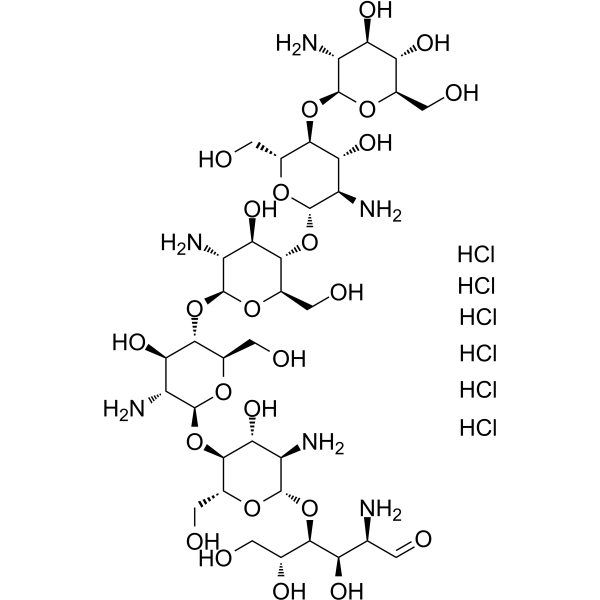
    Chitohexaose hexahydrochloride is a small molecular polysaccharide. Chitohexaose hexahydrochloride inhibits the binding of AgW to TLR4. Chitohexaose hexahydrochloride upregulates IL-10, inhibits LPS-induced upregulation of ROS, induces alternative activation of macrophages/monocytes, and suppresses LPS-induced production of TNF-α, IL-1β and IL-6. Chitohexaose hexahydrochloride reverses the mortality of mice challenged with APAP or LPS. Chitohexaose hexahydrochloride can be used in research related to Acetaminophen (HY-66005)-induced hepatotoxicity and endotoxemia .
    Chitohexaose hexahydrochloride
  • HY-158093

    NOD-like Receptor (NLR) Inflammation/Immunology
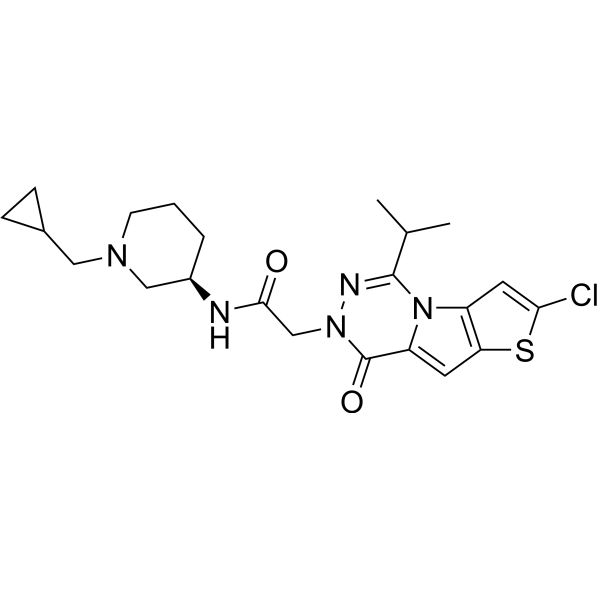
    NIC-12 is a potent NLRP3 inhibitor. NIC-12 selectively reduces circulating IL-1ß levels in the LPS-endotoxemia mice model. NIC-12 inhibits NLRP3 inflammasome activation in mouse macrophages .
    NIC-12
  • HY-145245

    PROTAC Linkers Toll-like Receptor (TLR) Inflammation/Immunology
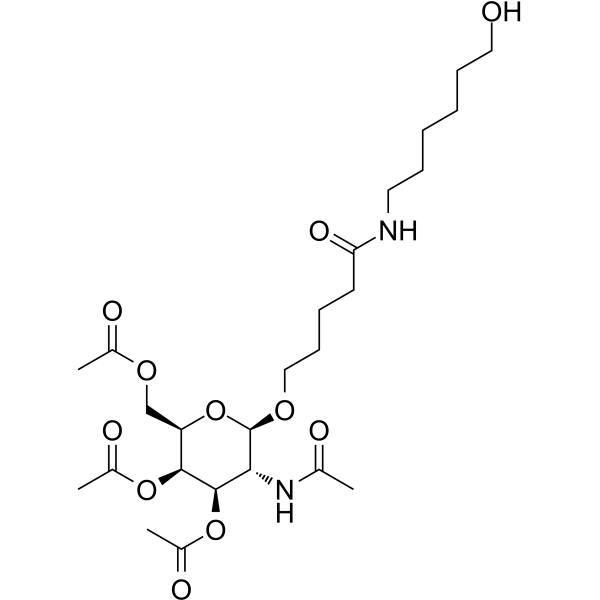
    TLR4-IN-C34-C2-amide-C6-OH is a linker that incorporates TLR4 inhibitor TLR4-IN-C34. TLR4-IN-C34 inhibits TLR4 in enterocytes and macrophages, and reduces systemic inflammation in mouse models of endotoxemia and necrotizing enterocolitis .
    TLR4-IN-C34-C2-amide-C6-OH
  • HY-145253

    PROTAC Linkers Toll-like Receptor (TLR) Inflammation/Immunology
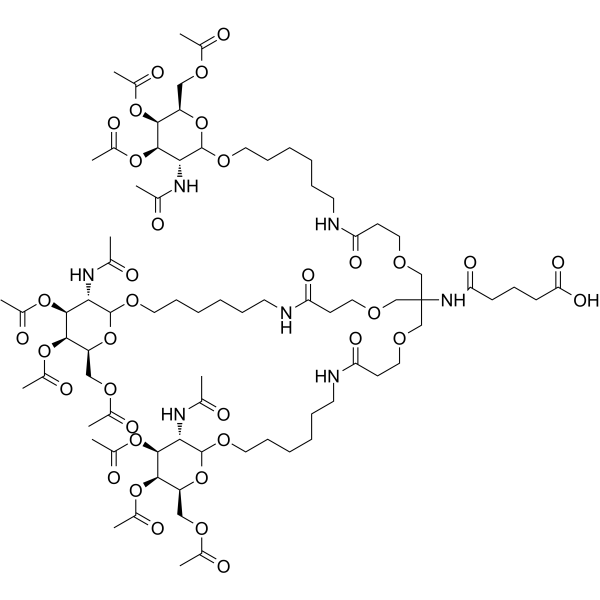
    Tri(TLR4-IN-C34-C2-amide-PEG1)-amide-C3-COOH is a linker that incorporates TLR4 inhibitor TLR4-IN-C34. TLR4-IN-C34 inhibits TLR4 in enterocytes and macrophages, and reduces systemic inflammation in mouse models of endotoxemia and necrotizing enterocolitis .
    Tri(TLR4-IN-C34-C2-amide-PEG1)-amide-C3-COOH
  • HY-145255

    PROTAC Linkers Toll-like Receptor (TLR) Inflammation/Immunology
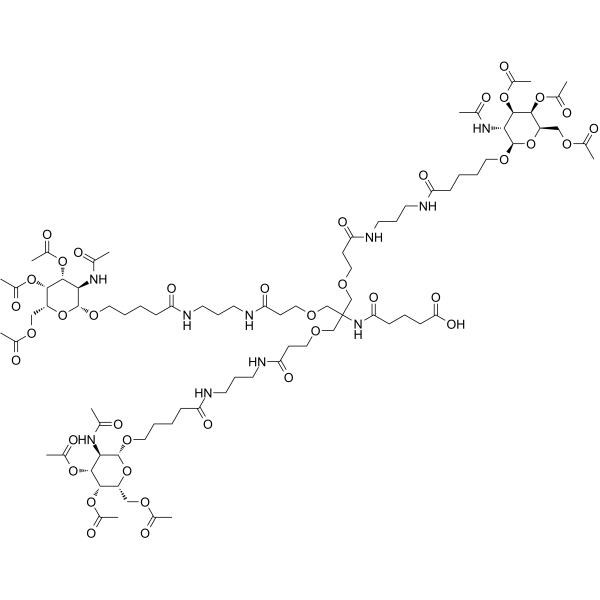
    Tri(TLR4-IN-C34-C2-amide-C3-amide-PEG1)-amide-C3-COOH is a linker that incorporates TLR4 inhibitor TLR4-IN-C34. TLR4-IN-C34 inhibits TLR4 in enterocytes and macrophages, and reduces systemic inflammation in mouse models of endotoxemia and necrotizing enterocolitis .
    Tri(TLR4-IN-C34-C2-amide-C3-amide-PEG1)-amide-C3-COOH
  • HY-B0898S

    Isotope-Labeled Compounds Antibiotic Bacterial NF-κB p38 MAPK TNF Receptor Interleukin Related Infection
    Ceftiofur-d3 sodium is deuterium labeled Ceftiofur sodium (HY-B0898). Ceftiofur sodium is a cell wall synthesis inhibitor that targets bacterial penicillin-binding proteins (PBPs) and has anti-inflammatory effects in endotoxemia. Ceftiofur sodium exerts bactericidal effects by inhibiting the synthesis of bacterial cell wall peptidoglycan, leading to bacterial cell lysis. Ceftiofur sodium also inhibits the activation of NF-κB and MAPKs, thereby reducing the secretion of pro-inflammatory cytokines such as TNF-α, IL-1β, and IL-6 .
    Ceftiofur-d3 sodium
  • HY-W014223R

    Ultraviolet absorber UV-0 (Standard)

    Reference Standards Toll-like Receptor (TLR) Reactive Oxygen Species (ROS) MyD88 IRAK NF-κB Inflammation/Immunology
    2,4′-Dihydroxybenzophenone (Standard) is the analytical standard of 2,4′-Dihydroxybenzophenone. This product is intended for research and analytical applications. 2,4′-Dihydroxybenzophenone (Ultraviolet absorber UV-0) occupies the hydrophobic pocket of MD2 and blocks the dimerization of TLR4. 2,4′-Dihydroxybenzophenone inhibits the LPS induced mtROS production, and LPS induced inflammatory response by downregulating pro-inflammatory mediators and decreasing the expression of MyD88, p-IRAK4, and NF-κB. 2,4′-Dihydroxybenzophenone is also a UV absorber .
    2,4′-Dihydroxybenzophenone (Standard)
  • HY-P10179

    Arf Family GTPase Inflammation/Immunology
    ARF6 (2-13) is a peptide with a sequence of GKVLSKIFGNKE. ARF6 (2-13) is an inhibitor of ARF6. ARF6 (2-13) can be used in the research of endotoxemia .
    ARF6 (2-13)
  • HY-W743984

    Isotope-Labeled Compounds Thrombin Cardiovascular Disease
    Melagatran-d11 is the deuterium labeled Melagatran (HY-129056). Melagatran is a direct and orally active inhibitor of thrombin, without interacting with any other enzymes in the coagulation cascade or fibrinolytic enzymes aside from thrombin. Melagatran does not require endogenous co-factors for its antithrombin effect and may help to alleviate some of the damaging effects of endotoxemia . Melagatran has the potential to provide a rational approach in the prevention of arterial occlusion .
    Melagatran-d11
  • HY-145254

    Toll-like Receptor (TLR) Inflammation/Immunology
    Tri(TLR4-IN-C34-PEG2-amide-PEG1)-amide-C3-COOH is a linker that incorporates TLR4 inhibitor TLR4-IN-C34. TLR4-IN-C34 inhibits TLR4 in enterocytes and macrophages, and reduces systemic inflammation in mouse models of endotoxemia and necrotizing enterocolitis .
    Tri(TLR4-IN-C34-PEG2-amide-PEG1)-amide-C3-COOH
  • HY-B0026R

    Reference Standards Antibiotic Bacterial NF-κB p38 MAPK TNF Receptor Interleukin Related Infection
    Ceftiofur hydrochloride (Standard) is the analytical standard of Ceftiofur hydrochloride (HY-B0026). This product is intended for research and analytical applications. Ceftiofur hydrochloride is a cell wall synthesis inhibitor that targets bacterial penicillin-binding proteins (PBPs) and has anti-inflammatory effects in endotoxemia. Ceftiofur hydrochloride exerts bactericidal effects by inhibiting the synthesis of bacterial cell wall peptidoglycan, leading to bacterial cell lysis. Ceftiofur hydrochloride also inhibits the activation of NF-κB and MAPKs, thereby reducing the secretion of pro-inflammatory cytokines such as TNF-α, IL-1β, and IL-6 .
    Ceftiofur hydrochloride (Standard)
  • HY-N7102R

    Reference Standards Antibiotic Bacterial NF-κB p38 MAPK TNF Receptor Interleukin Related Infection
    Ceftiofur (Standard) is the analytical standard of Ceftiofur (HY-N7102). This product is intended for research and analytical applications. Ceftiofur is a cell wall synthesis inhibitor that targets bacterial penicillin-binding proteins (PBPs) and has anti-inflammatory effects in endotoxemia. Ceftiofur exerts bactericidal effects by inhibiting the synthesis of bacterial cell wall peptidoglycan, leading to bacterial cell lysis. Ceftiofur also inhibits the activation of NF-κB and MAPKs, thereby reducing the secretion of pro-inflammatory cytokines such as TNF-α, IL-1β, and IL-6 .
    Ceftiofur (Standard)
  • HY-N0584B

    6-Hydroxyhyoscyamine hydrochloride

    Adrenergic Receptor Inflammation/Immunology Cancer
    Anisodamine hydrochloride is an anticholinergic and α1 adrenergic receptor antagonist. Anisodamine hydrochloride can be used for improving blood flow in circulatory disorders such as septic shock, Anisodamine hydrochloride displays a spectrum of pharmacological effects similar to Atropine (HY-B1205) and Sopolamine (HY-B2065) including inhibition of salivation, gastrointestinal and sweat secretion, gastrointestinal motility, respiratory secretion and urinary bladder contraction in vivo .
    Anisodamine hydrochloride
  • HY-182579

    p38 MAPK TNF Receptor Interleukin Related Inflammation/Immunology
    CBS-3408 is an orally active p38α MAPK inhibitor. CBS-3408 inhibits the release of TNFα and IL-1β. CBS-3408 reduces the disease severity of arthritis in mice. CBS-3408 inhibits TNFα release in a rat endotoxemia model. CBS-3408 can be used in studies related to endotoxemia and arthritis .
    CBS-3408
  • HY-157961

    Toll-like Receptor (TLR) Inflammation/Immunology
    E-5531 is an endotoxin antagonist. E-5531 quickly becomes inactive after binding with HDL. E-5531 can block the Toll like receptor 4 (TLR4) signaling pathway. E-5531 can be used for the study of endotoxemia and septic shock .
    E-5531
  • HY-105239R

    FE 202158 (Standard)

    Reference Standards Vasopressin Receptor Cardiovascular Disease
    Selepressin (Standard) is the analytical standard of Selepressin (HY-105239). This product is intended for research and analytical applications. Selepressin (FE 202158) is a selective vasopressin V1A receptor agonist. Selepressin is a potent vasopressor. Selepressin can be used in the research of septic shock .
    Selepressin (Standard)
  • HY-179371

    Pyruvate Kinase Interleukin Related Inflammation/Immunology
    LIQ1, a flavonoid derivative, is a potent Pyruvate kinase M2 (PKM2) allosteric inhibitor (IC50 = 0.39 μM; Kd = 4.5 μM) targeting Arg43 within the polyarginine pocket. LIQ1 exhibits efficacy in a mouse model of LPS (HY-D1056)-induced endotoxemia, preventing the nuclear translocation of PKM2 and inhibiting its binding to HIF-1α, thereby suppressing IL-1β transcription. LIQ1 can be used for the research of endotoxemia [1].
    LIQ1
  • HY-182377

    Interleukin Related TNF Receptor Inflammation/Immunology Cancer
    DT-5461 is an IL-1 and TNF-α antagonist. DT-5461 competitively binds lipid A-binding sites on macrophage receptors, blocks LPS (HY-D1056)-initiated signaling, inhibits LPS-induced cytokine release, prevents LPS-induced serum cytokine production in mice, and protects against LPS-induced lethal endotoxemia. DT-5461 can be used for the research of lethal endotoxemia, medullary tubular mammary carcinoma, poorly differentiated colon adenocarcinoma, squamous-cell lung carcinoma, and gelatinous gastric adenocarcinoma .
    DT-5461
  • HY-107575R

    Reference Standards Toll-like Receptor (TLR) Inflammation/Immunology
    TLR4-IN-C34 (Standard) is the analytical standard of TLR4-IN-C34 (HY-107575). This product is intended for research and analytical applications. TLR4-IN-C34 is an orally active TLR4 inhibitor and reduces systemic inflammation in models of endotoxemia and necrotizing enterocolitis .
    TLR4-IN-C34 (Standard)

Inquiry Online

Your information is safe with us. * Required Fields.

Salutation


Country or Region *

Applicant Name *


Organization Name *

Department *


Email Address *


Product Name *

Cat. No.


Requested quantity *

Phone Number *


Remarks

Inquiry Online

Inquiry Information

Product Name:
Cat. No.:
Quantity:
MCE Japan Authorized Agent:

