




1. Search Result
Search Result
Results for "

experimental mouse models

" in MedChemExpress (MCE) Product Catalog:

28

Inhibitors & Agonists

7

Peptides

2

Inhibitory Antibodies

1

Natural
Products

1

Oligonucleotides

Cat. No. Product Name Target Research Areas Chemical Structure
  • HY-P1240
    MOG (35-55) mouse, rat
    Maximum Cited Publications
    9 Publications Verification

    Myelin Oligodendrocyte Glycoprotein Peptide (35-55), mouse, rat

    Endogenous Metabolite Neurological Disease Inflammation/Immunology
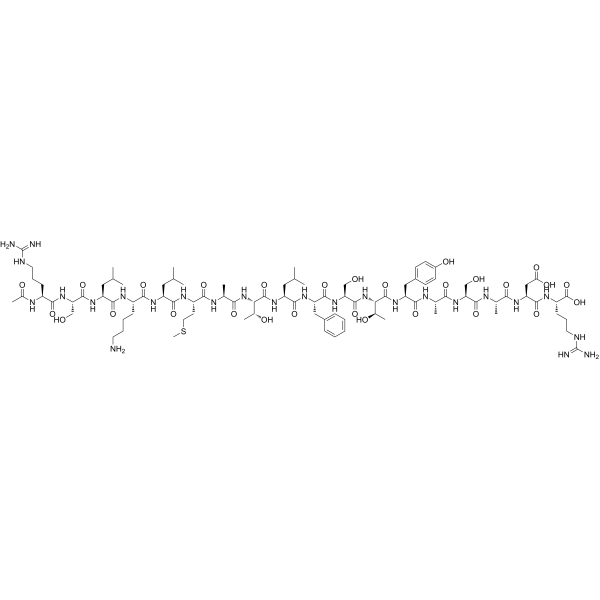
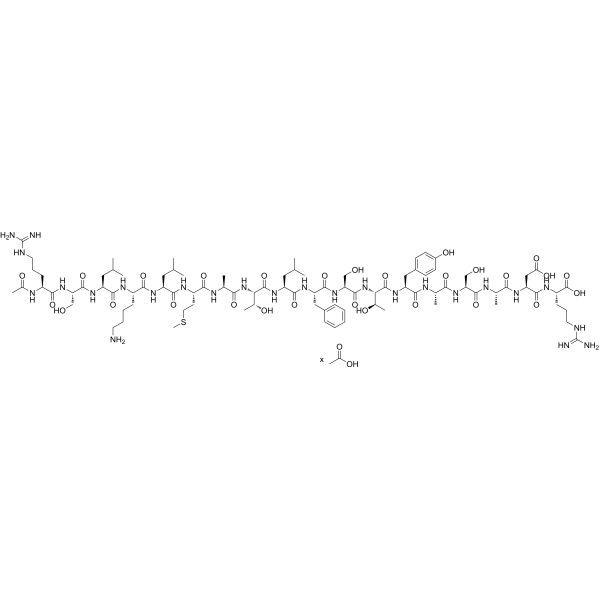
    MOG (35-55) mouse, rat (Myelin Oligodendrocyte Glycoprotein Peptide (35-55), mouse, rat) is a minor component of CNS myelin. MOG (35-55) mouse, rat has encephalitogenic activity and induces T cell proliferative. MOG (35-55) mouse, rat induces Th1 cytokine response as well as relatively high levels of IgG antibodies. MOG (35-55) mouse, rat produces a relapsing-remitting neurological disease with extensive plaque-like demyelination. MOG (35-55) mouse, rat (MOG (35-55)) can be used for experimental autoimmune encephalomyelitis (EAE) modeling .
    MOG (35-55)  mouse, rat
  • HY-P3719
    MOG(35-55) amide, mouse, rat
    1 Publications Verification

    CCR Inflammation/Immunology
    MOG (35-55) amide, mouse, rat the terminal amidation form of the 35-55 fragment of the myelin oligodendrocyte glycoprotein (MOG) immunogenic peptide (MOG (35-55) (HY-P1240)). MOG(35-55) amide, mouse, rat can be used for experimental autoimmune encephalomyelitis (EAE) modeling .
    MOG(35-55) amide, mouse, rat
  • HY-B2167R

    DHA (Standard); Cervonic acid (Standard)

    Reference Standards Endogenous Metabolite Neurological Disease Cancer
    Docosahexaenoic acid (Standard) is the analytical standard of Docosahexaenoic acid. This product is intended for research and analytical applications. Docosahexaenoic Acid (DHA) is an omega-3 fatty acid abundantly present brain and retina. It can be obtained directly from fish oil and maternal milk. In Vitro: Docosahexaenoic acid (DHA) is essential for the growth and functional development of the brain in infants. DHA is also required for maintenance of normal brain function in adults. The inclusion of plentiful DHA in the diet improves learning ability and memory . DHA is an essential requirement in every step of brain development like neural cell proliferation, migration, differentiation, synaptogenesis. The multiple double bonds and unique structure allow DHA to impart special membrane characteristics for effective cell signaling. Many development disorders like dyslexia, autism spectrum disorder, attention deficit hyperactivity disorder, schizophrenia etc. are causally related to decreased level of DHA . DHA is a potent RXR ligand inducing robust RXR activation already at low micro molar concentrations. The EC50 for RXRα activation by DHA is about 5-10 μM fatty acid . In Vivo: Docosahexaenoic acid administration over 10 weeks significantly reduces the number of reference memory errors, without affecting the number of working memory errors, and significantly increases the docosahexaenoic acid content and the docosahexaenoic acid/arachidonic acid ratio in both the hippocampus and the cerebral cortex . DHA treatment exerts neuroprotective actions on an experimental mouse model of PD. There is a decrease tendency in brain lipid oxidation of MPTP mice but it does not significantly .
    Docosahexaenoic acid (Standard)
  • HY-109010
    Poseltinib
    2 Publications Verification

    HM71224; LY3337641

    Btk BMX Kinase Toll-like Receptor (TLR) Metabolic Disease
    Poseltinib (HM71224) is an orally active, selective, irreversible small molecule Bruton tyrosine kinase (BTK) inhibitor. With an IC50 of 1.95 nM. Poseltinib effectively inhibits the signaling mediated by B cell receptors (BCR), Fc receptors (FcR), and Toll-like receptors (TLR). Poseltinib has anti-inflammatory activity and can be used in the research of rheumatoid arthritis .
    Poseltinib
  • HY-P99148

    TNF Receptor Metabolic Disease Inflammation/Immunology
    Anti-Mouse TNF alpha Antibody (TN3-19.12) is an anti-mouse TNF alpha IgG antibody inhibitor derived from host Armenian Hamster. Anti-Mouse TNF alpha Antibody (TN3-19.12) neutralizes cytotoxic activity in supernatants obtained from LNC-8 cells. Anti-Mouse TNF alpha Antibody (TN3-19.12) reduces the symptoms and severity of EAE (experimental allergic encephalomyelitis) in LNC-8 cells xenograft mice models. Anti-Mouse TNF alpha Antibody (TN3-19.12) prevents diabetes in NOD mice. Anti-Mouse TNF alpha Antibody (TN3-19.12) shows apparent radiosensitizing effect in CD2F1 mice .
    Anti-Mouse/Rat/Rabbit TNF alpha Antibody (TN3-19.12)
  • HY-131004

    Cannabinoid Receptor Neurological Disease
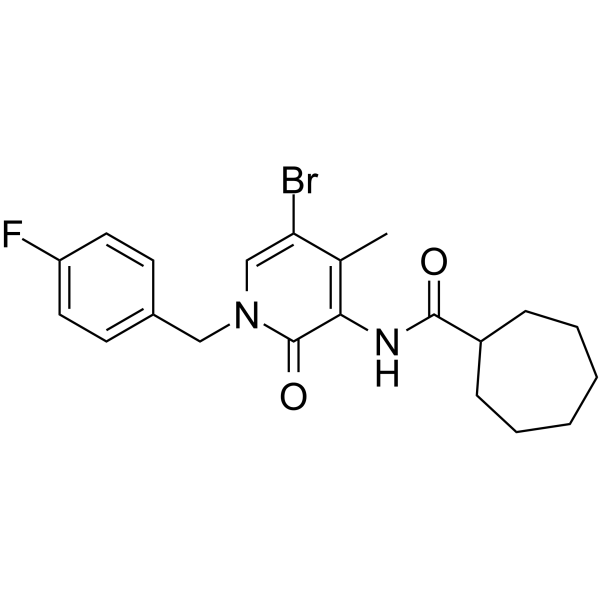
    CB2R PAM is an orally active cannabinoid type-2 receptors (CB2Rs) positive allosteric modulator. CB2R PAM displays antinociceptive activity in vivo in an experimental mouse model of neuropathic pain .
    CB2R PAM
  • HY-P10019

    NLY01

    GCGR Neurological Disease Inflammation/Immunology
    Pegsebrenatide (NLY01) is a blood-brain barrier-penetrant GLP-1R agonist. Pegsebrenatide alleviates retinal inflammation and neuronal death secondary to ocular hypertension . Pegsebrenatide significantly delays onset and reduces disease severity in experimental autoimmune encephalomyelitis . Pegsebrenatide inhibits the formation of A1 reactive astrocytes in nerve cells and reduces the loss of retinal ganglion cells and dopaminergic neurons. Pegsebrenatide exerts neuroprotective effects in a mouse model of Parkinson's disease by directly preventing microglia-mediated conversion of astrocytes to the A1 neurotoxic phenotype. Pegsebrenatide can be used for research on glaucoma, Parkinson's disease, and multiple sclerosis .
    Pegsebrenatide
  • HY-170522

    HIF/HIF Prolyl-Hydroxylase Inflammation/Immunology
    ISM012-042 is an orally active PHD1 and PHD2 inhibitor with IC50 values of 1.9 and 2.5 nM, respectively. ISM012-042 (2.5 μM) can protect Caco-2 cells from DSS-induced barrier disruption. In lipopolysaccharide (LPS)-induced mouse bone marrow-derived dendritic cells (BMDC), ISM012-042 has anti-inflammatory effects and can dose-dependently reduce the expression of IL-12 subunit IL-12p35 and TNF. ISM012-042 restores intestinal barrier function and alleviates intestinal inflammation in various experimental colitis models. ISM012-042 can be used for intestinal mucosal repair and research into immune diseases .
    ISM012-042
  • HY-P990004

    Tim3 Inflammation/Immunology Cancer
    Anti-Mouse TIM-3 Antibody (B8.2C12) is an anti-mouse TIM-3 IgG1 monoclonal antibody. Anti-Mouse TIM-3 Antibody (B8.2C12) can block the binding of Tim-3 with Phosphatidylserine (PtdSer) and CEACAM1 without interfering with the binding to Galectin-9. Anti-Mouse TIM-3 Antibody (B8.2C12) can inhibit tumor growth and activate tumor infiltrating CD8 + T cells. Anti-Mouse TIM-3 Antibody (B8.2C12) can be used for studying cancer such as breast cancer and colon cancer and constructing experimental autoimmune encephalomyelitis (EAE) models .
    Anti-Mouse TIM-3 Antibody (B8.2C12)
  • HY-125726

    (3'-sulfo)Galβ-Cer(d18:1/24:1); N-Nervonoyl Sulfatide; C24:1 Sulfatide

    Nuclear Factor of activated T Cells (NFAT) Inflammation/Immunology
    Sulfo galactosylceramide (N-Nervonoyl Sulfatide; C24:1 Sulfatide) is a glycolipid and the major sulfolipid species in mature myelin. Sulfo galactosylceramide interacts with C-type lectins and immunoglobulin-like receptors, with the highest affinity for LMIR5. Sulfo galactosylceramide induces MCP-1 production by basophils but not mast cells, and increases NFAT activation via LMIR5. Sulfo galactosylceramide alleviates symptoms and improves survival in a mouse model of chronic relapsing-remitting experimental autoimmune encephalomyelitis (EAE), and reduces inflammatory lesions and the number of infiltrating mononuclear cells in the lumbar spinal cord of EAE mice.
    Sulfo galactosylceramide
  • HY-170409

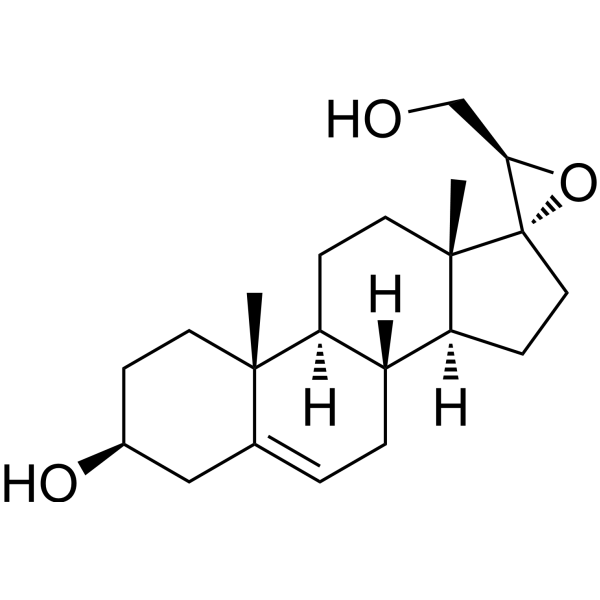
    Trk Receptor Apoptosis Neurological Disease Inflammation/Immunology
    BNN27 is the agonist for TrkA receptor and p75NTR receptor, that exhibits neurotrophic and anti-apoptotic effects. BNN27 increases the levels of glutamate, GABA, and glutamine in the rat hippocampus and prefrontal cortex, improves glutamate turnover. BNN27 exhibits neuroprotective efficacy in mouse amyotrophic lateral sclerosis (ALS) model, exhibits anti-inflammatory efficacy in experimental autoimmune encephalomyelitis (EAE) model, exhibits retinal protective efficacy in rat diabete models. BNN27 is blood-brain barrier penetrable .
    BNN27
  • HY-139061

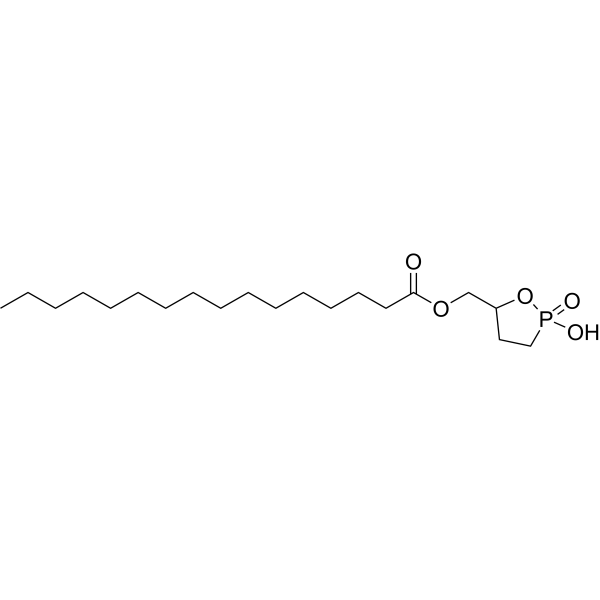
    LPL Receptor ROCK Cancer
    Palmitoyl 3-carbacyclic phosphatidic acid (HY-139061) is a palmitoylated Carba-like cyclophosphatidic acid and an analog of lysophosphatidic acid (LPA). Palmitoyl 3-carbacyclic phosphatidic acid has different functions from LPA and can inhibit the activation of RhoA and inhibit the migration of melanoma cells. Palmitoyl 3-carbacyclic phosphatidic acid effectively inhibited experimental lung metastasis and reduced the number of tumor nodules in a B16-F0 xenograft mouse model .
    Palmitoyl 3-carbacyclic phosphatidic acid
  • HY-14342A

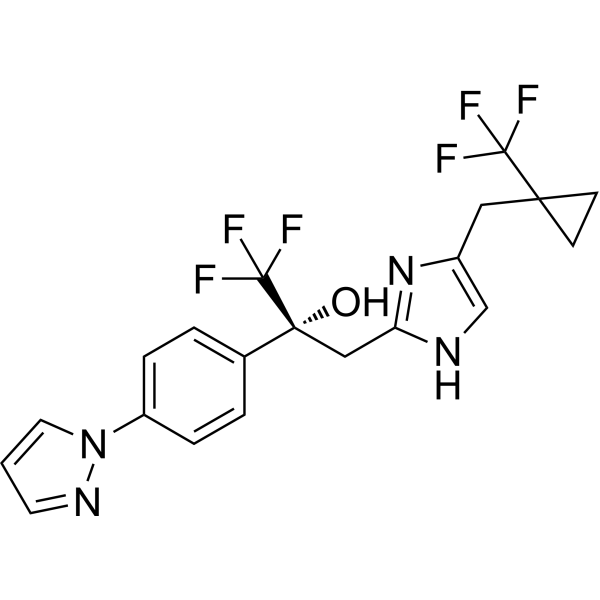
    Bombesin Receptor Metabolic Disease
    (R)-MK-5046 is the isomer of MK-5046 (HY-14342), and can be used as an experimental control. MK-5046 is a potent, selective and orally active Bombesin receptor subtype-3 (BRS-3) allosteric agonist with an IC50 and an EC50 value of 27 and 25 nM for hBRS-3, respectively. MK-5046 inhibits food intake and reduces body weight of diet-induced obese (DIO) mouse models. MK-5046 can be used for the research of obesity .
    (R)-MK-5046
  • HY-120615

    LPL Receptor Neurological Disease Inflammation/Immunology
    BMS-520 is a potent, orally active and selective sphingosine-1-phosphate 1 (S1P1) agonist with an EC50 of 0.47nM. BMS-520 shows ~3400-fold selectivity over S1P3. BMS-520 demonstrates impressive efficacy in a rat model of arthritis and in a mouse experimental autoimmune encephalomyelitis (EAE) model of multiple sclerosis. BMS-520 can be used for arthritis and EAE research .
    BMS-520
  • HY-175984

    LPL Receptor Inflammation/Immunology
    S1P1 agonist 7 is a potent, orally active, and β-arrestin-biased S1P1 agonist (EC50(G‑protein) = 12.7 nM and EC50(β‑arrestin) = 3.23 nM). S1P1 agonist 7 demonstrates potent immunomodulatory activity and a favorable safety profile. S1P1 agonist 7 exhibits excellent metabolic stability, minimal to moderate CYP inhibition, and S1P3-sparing selectivity. S1P1 agonist 7 shows pharmacokinetics, effectively reduces circulating lymphocytes, and significantly alleviates disease severity in experimental autoimmune encephalomyelitis (EAE) mouse models under both prophylactic and therapeutic regimens. S1P1 agonist 7 can be used for multiple sclerosis (MS) research .
    S1P1 agonist 7
  • HY-113698

    Bacterial Infection
    L 652813 is a quaternary ammonium heterocyclic amino β-lactam compound. L 652813 exhibits inhibitory activity against a broad spectrum of aerobic and anaerobic bacteria in vitro. L 652813 also exhibits good antibacterial activity in a mouse experimental bacteremia model .
    L 652813
  • HY-124378

    MAGL Inflammation/Immunology
    MAGL-IN-17 (Compound ) is an inhibitor for MAGL with a Ki of 0.4 μM. MAGL-IN-17 inhibits mouse MAGL and rat MAGL with IC50 of 0.18 and 0.24 μM. MAGL-IN-17 exhibits anti-inflammatory activity in mouse experimental autoimmune encephalitis models .
    MAGL-IN-17
  • HY-169201

    Keap1-Nrf2 Cancer
    Nrf2 activator-12 (compund 10v) potently activates Nrf2 (EC50=83.5 nM) and exhibits promising pharmacological properties, reversing disease progression and alleviating demyelination in an experimental autoimmune encephalomyelitis mouse model .
    Nrf2 activator-12
  • HY-110216

    CRAC Channel Inflammation/Immunology
    5J-4 is a potent CRAC inhibitor. 5J-4 decreases the numbers of infiltrated mononuclear cell into the CNS, and significantly decreases the population of infiltrated CD4+ population. 5J-4 reduces the symptoms and delayed the onset of EAE (experimental autoimmune encephalomyelitis) in mouse model of inflammation .
    5J-4
  • HY-112863

    ROR Inflammation/Immunology
    RORγt inhibitor 3 is an orally active and potent retinoic acid receptor-related orphan receptor-gamma-t (RORγt) inhibitor. RORγt inhibitor 3 shows high binding affinity and inhibitory activity of Th17 cell differentiation. RORγt inhibitor 3 also shows efficacy in both mouse experimental autoimmune encephalomyelitis (EAE) and collagen induced arthritis (CIA) models .
    RORγt inhibitor 3
  • HY-123429

    Antibiotic Infection
    CK0683A is a novel biaminourea antibiotic with antiplaque effects and demonstrated efficacy in experimental mouse dental disease models. A 12-week study in beagles compared its efficacy in terms of plaque and gingivitis reduction, staining potential, and safety. Dogs were selected as the study subjects because the onset and progression of canine periodontal disease is similar to that of humans. As a positive control for plaque and gingivitis reduction and staining, chlorhexidine acetate was selected because it is effective in both humans and dogs.
    CK0683A
  • HY-167715

    Histamine Receptor Phosphodiesterase (PDE) Inflammation/Immunology
    Traxanox is an orally available diuretic that enhances phagocytosis of yeast granules by mouse peritoneal macrophages and rat peritoneal polymorphonuclear leukocytes in vitro. Traxanox inhibits IgE-mediated histamine release and cyclic AMP phosphodiesterase activity.Traxanox exhibits anti-inflammatory activity, as it inhibits the anaphylactoid reaction and reduces pleural fluid accumulation in experimental models of inflammation. Traxanox also demonstrates a synergistic effect when combined with hydrocortisone or indomethacin in suppressing adjuvant arthritis in rats.
    Traxanox
  • HY-123479

    Antibiotic Infection
    CK0492B is a novel biaminourea antibiotic that has antiplaque properties in vitro and has shown efficacy in an experimental mouse dental disease model. A 12-week study in beagles compared its efficacy in reducing plaque and gingivitis, staining potential, and safety. Dogs were selected as the study subjects because the onset and progression of canine periodontal disease are similar to humans. Chlorhexidine acetate was selected as a positive control for plaque and gingivitis reduction and staining because it is effective in both humans and dogs.
    CK0492B
  • HY-173293

    ASK1 Inflammation/Immunology
    ASK1-IN-8 (Compound 35) is an orally active inhibitor of apoptosis signal-regulating kinase 1 (ASK1) with an IC50 value of 1.8 nM . In an experimental mouse model of liver injury induced by Acetaminophen (HY-66005), ASK1-IN-8 can significantly reduce the plasma alanine transaminase (ALT) level, protecting the liver . ASK1-IN-8 can be used in research related to liver diseases .
    ASK1-IN-8
  • HY-174999

    JAK Tyrosinase Neurological Disease Inflammation/Immunology
    JAK3-IN-18 is an orally active JAK3 and TEC inhibitor, with IC50s of 0.5391 nM and 12.40 nM, respectively. JAK3-IN-18 demonstrates outstanding selectivity over AK1, AK2, and TYk2, with selectivity ratios exceeding 10,000-fold. JAK3-IN-18 demonstrates excellent therapeutic efficacy in the experimental autoimmune encephalomyelitis (EAE) mouse model. JAK3-IN-18 can be used for the study of multiple sclerosis .
    JAK3-IN-18
  • HY-109010R

    HM71224 (Standard); LY3337641 (Standard)

    Reference Standards Btk BMX Kinase Toll-like Receptor (TLR) Metabolic Disease
    Poseltinib (Standard) is the analytical standard of Poseltinib (HY-109010). This product is intended for research and analytical applications. Poseltinib (HM71224) is an orally active, selective, irreversible small molecule Bruton tyrosine Kinase (BTK) inhibitor. With an IC50 of 1.95 nM. Poseltinib effectively inhibits the signaling mediated by B cell receptors (BCR), Fc receptors (FcR), and Toll-like receptors (TLR). Poseltinib has anti-inflammatory activity and can be used in the research of rheumatoid arthritis .
    Poseltinib (Standard)
  • HY-177933

    CCR Neurological Disease Inflammation/Immunology
    mNOX-E36 is a murine-specific analogue of NOX-E36 (HY-148100), an anti-CCL-2 L-RNA aptamer that binds and neutralises the mouse chemokine CCL-2. mNOX-E36 reduces scarring in an experimental murine model of glaucoma filtration surgery (GFS). mNOX-E36 ameliorates lupus nephritis in mice. mNOX-E36 can be used for GFS and lupus nephritis research .
    mNOX-E36
  • HY-182712

    Glycosidase Cancer
    HPSE-IN-2 is a heparanase (HPSE) inhibitor with an IC50 of 0.27 µM. HPSE-IN-2 reduces lung metastasis in mouse models. HPSE-IN-2 can be used for the research of melanoma .
    HPSE-IN-2

Inquiry Online

Your information is safe with us. * Required Fields.

Salutation


Country or Region *

Applicant Name *


Organization Name *

Department *


Email Address *


Product Name *

Cat. No.


Requested quantity *

Phone Number *


Remarks

Inquiry Online

Inquiry Information

Product Name:
Cat. No.:
Quantity:
MCE Japan Authorized Agent:

