1. Search Result
Search Result
Results for "

fungal death

" in MedChemExpress (MCE) Product Catalog:

20

Inhibitors & Agonists

1

Screening Libraries

2

Biochemical Assay Reagents

1

Peptides

5

Natural
Products

1

Isotope-Labeled Compounds

1

Oligonucleotides

Cat. No. 상품명 Target 연구분야 Chemical Structure
  • HY-B0221
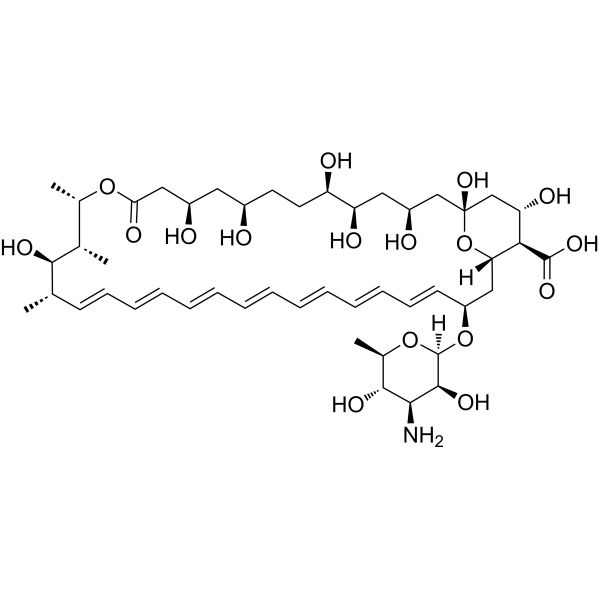
    Amphotericin B
    25+ Cited Publications

    Fungal Antibiotic Bacterial Parasite Infection Cancer
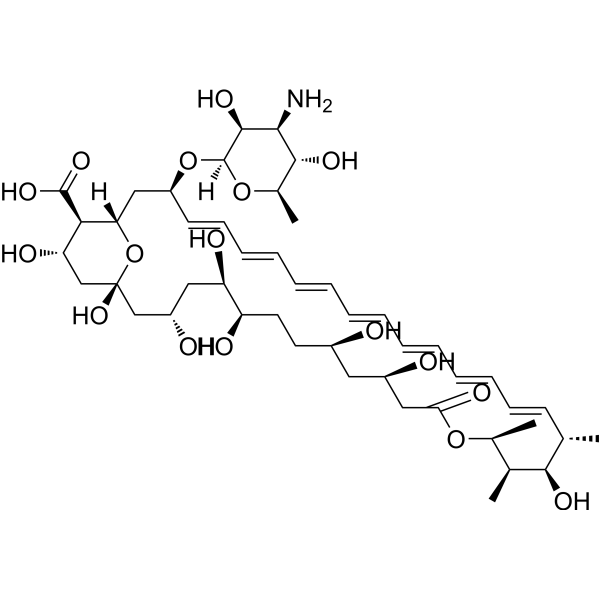
    Amphotericin B is a polyene antifungal agent against a wide variety of fungal pathogens. It binds irreversibly to ergosterol, resulting in disruption of membrane integrity and ultimately cell death.
    Amphotericin B
  • HY-119976
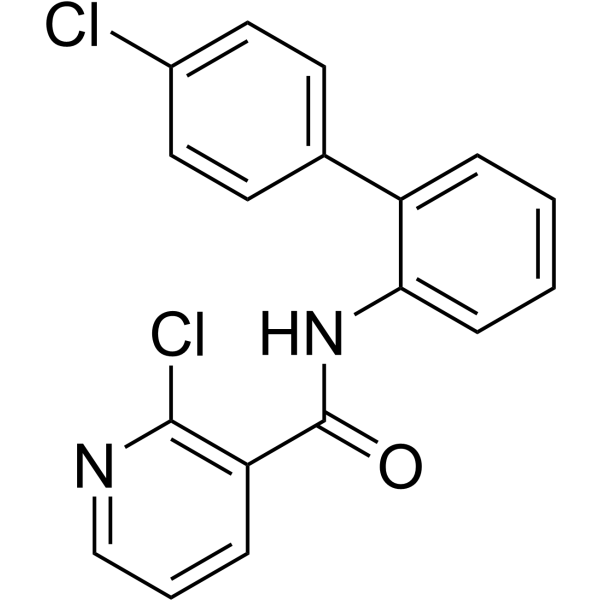
    Boscalid
    1 Publications Verification

    Environmental Pollutants Apoptosis Fungal Mitochondrial Metabolism Succinate Dehydrogenase Infection
    Boscalid is a succinate dehydrogenase (SDHI) inhibitor with antifungal activity. Boscalid binds to the ubiquinone-binding site of fungal mitochondrial complex II, blocks ATP production and aerobic respiration, exhibits good control efficacy against a variety of plant fungal diseases including gray mold, sclerotinia rot and powdery mildew, and is widely used for disease control in agriculture. Boscalid induces apoptosis, altered lipid metabolism, mitochondrial dysfunction, respiratory impairment, oxidative stress, ROS accumulation and neurodevelopmental disorders in zebrafish. Boscalid reduces foraging ability, shortens median death time and causes chronic toxicity in exposed honeybees. Boscalid also possesses genotoxicity, cytotoxicity, elevated mitochondrial superoxide levels and early-stage apoptosis .
    Boscalid
  • HY-121362

    Bacterial Endogenous Metabolite TrxR Infection Neurological Disease Inflammation/Immunology Cancer
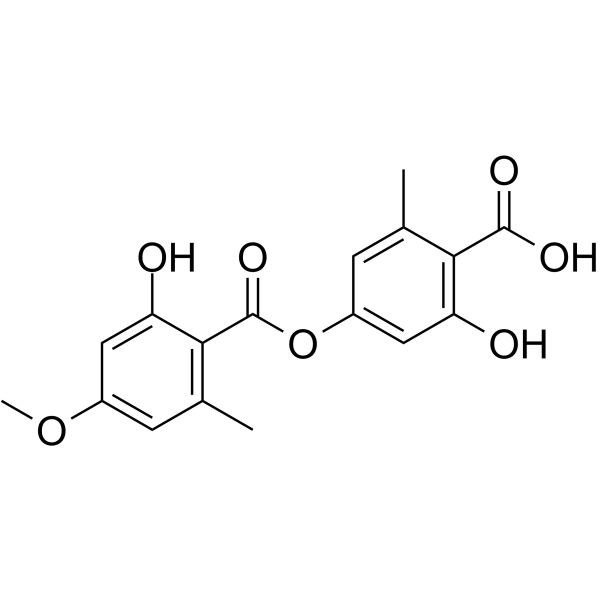
    Evernic Acid is an orally active thioredoxin reductase 1 (TrxR1) inhibitor and antiproliferative agent. Evernic Acid inhibits the proliferation and migration of human breast cancer cells. Evernic Acid blocks the NF-κB pathway by inhibiting p65 nuclear translocation and IκBα phosphorylation, thereby suppressing downstream inflammatory mediators. Evernic Acid acts as an antioxidant, anti-inflammatory agent and neuroprotective agent, protects neurons from cell death, mitochondrial dysfunction and oxidative stress damage, reduces astrocyte activation, and ameliorates dopaminergic neuron loss and neuroinflammation. Evernic Acid inhibits enoyl reductases FabI and FabZ of Plasmodium falciparum. Evernic Acid downregulates the expression of lasB and rhlA genes in Pseudomonas aeruginosa, inhibits quorum sensing and biofilm formation, and exerts antibacterial activity against Gram-positive bacteria, Gram-negative bacteria and fungi. Evernic Acid is applicable to research related to breast cancer, Parkinson's disease, bacterial infections and fungal infections .
    Evernic Acid
  • HY-N1970
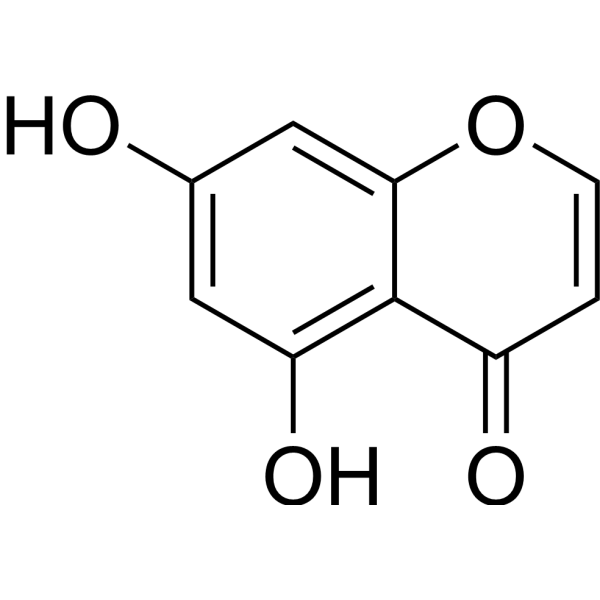
    5,7-Dihydroxychromone
    2 Publications Verification

    Keap1-Nrf2 Caspase PARP Fungal Infection Neurological Disease Metabolic Disease Inflammation/Immunology Cancer
    5,7-Dihydroxychromone is a flavonoid compound with antioxidant properties. 5,7-Dihydroxychromone induces Nrf2 nuclear translocation, increases Nrf2/ARE binding activity, and up-regulates Nrf2-dependent antioxidant genes HO-1, NQO1, GCLc. 5,7-Dihydroxychromone attenuates excessive ROS generation, inhibits activated caspase-3, caspase-9, cleaved PARP expression, and prevents neuronal apoptosis and cell death. 5,7-Dihydroxychromone increases LXRα and PPARγ mRNA expression, induces preadipocyte differentiation, and regulates blood glucose levels. 5,7-Dihydroxychromone inhibits radial growth of soil pathogenic fungi, radicle elongation of select seedlings, and transiently inhibits Bradyrhizobium sp. growth in high mannitol medium. 5,7-Dihydroxychromone can be used for the research of Parkinson’s disease, type 2 diabetes mellitus and pathogenic fungal infection .
    5,7-Dihydroxychromone
  • HY-B0854

    Environmental Pollutants Lactate Dehydrogenase Apoptosis Fungal Cytochrome P450 Keap1-Nrf2 Infection Metabolic Disease Cancer
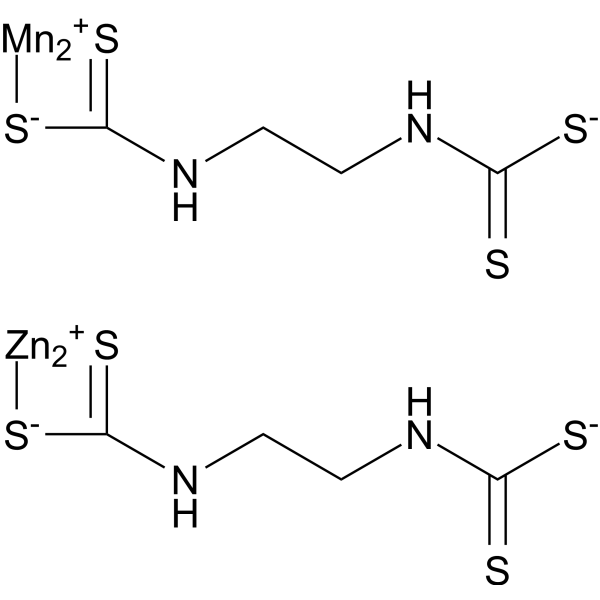
    Mancozeb is a widely used fungicide that is effective against fungal diseases in most cereals, vegetables, fruits and ornamental plants. In addition, Mancozeb can cause liver damage in mice by activating the Keap1/Nrf2 signaling pathway. Mancozeb upregulates lactate dehydrogenase and cytochrome c to alter cell metabolism and induce cell death. Mancozeb has reproductive toxicity and can induce apoptosis in ovarian cells .
    Mancozeb
  • HY-P5640

    Bacterial Parasite Infection
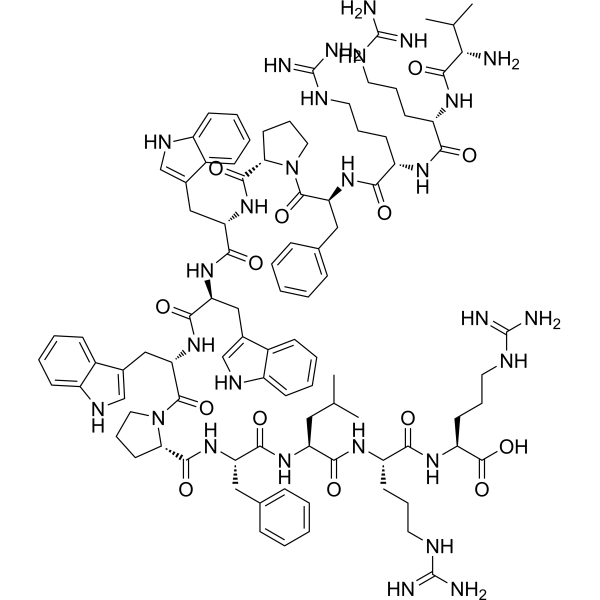
    Tritrpticin is a porcine-derived antimicrobial peptide with properties such as membrane disruption and hemolysis. Tritrpticin disrupts the cell membranes of bacteria, fungi and Jurkat T cell leukemia cells and induces their death. Tritrpticin also enhances the efficacy of Metronidazole (HY-B0318) against *Trichomonas vaginalis*, reduces plasma endotoxin and inflammatory cytokine levels, restricts bacterial growth in blood and visceral tissues, decreases the mortality rate of septic shock in rats and enhances the therapeutic effect of ertapenem. Tritrpticin exhibits selective cytotoxicity against Jurkat T cell leukemia cells, while showing low toxicity to normal peripheral blood mononuclear cells and red blood cells, and can serve as a template for antimicrobial peptide design. Tritrpticin can be applied to research related to bacterial infections, fungal infections, trichomoniasis, septic shock and leukemia .
    Tritrpticin
  • HY-B0221R

    Reference Standards Fungal Antibiotic Bacterial Parasite Infection Cancer
    Amphotericin B (Standard) is the analytical standard of Amphotericin B. This product is intended for research and analytical applications. Amphotericin B is a polyene antifungal agent against a wide variety of fungal pathogens. It binds irreversibly to ergosterol, resulting in disruption of membrane integrity and ultimately cell death.
    Amphotericin B (Standard)
  • HY-177849

    Amphotericin B liposome

    Liposome Fungal Antibiotic Infection
    Liposomal Amphotericin B is a liposome-encapsulated form of Amphotericin B (HY-B0221). Amphotericin B is a polyene antifungal agent against a wide variety of fungal pathogens. Amphotericin B binds irreversibly to ergosterol, resulting in disruption of membrane integrity and ultimately cell death. Liposomal Amphotericin B can significantly reduce the toxicity of Amphotericin B.
    Liposomal Amphotericin B
  • HY-N1970R

    Reference Standards Keap1-Nrf2 Caspase PARP Fungal Infection Neurological Disease Metabolic Disease Inflammation/Immunology Cancer
    5,7-Dihydroxychromone (Standard) is the analytical standard of 5,7-Dihydroxychromone (HY-N1970). This product is intended for research and analytical applications. 5,7-Dihydroxychromone is a flavonoid compound with antioxidant properties. 5,7-Dihydroxychromone induces Nrf2 nuclear translocation, increases Nrf2/ARE binding activity, and up-regulates Nrf2-dependent antioxidant genes HO-1, NQO1, GCLc. 5,7-Dihydroxychromone attenuates excessive ROS generation, inhibits activated caspase-3, caspase-9, cleaved PARP expression, and prevents neuronal apoptosis and cell death. 5,7-Dihydroxychromone increases LXRα and PPARγ mRNA expression, induces preadipocyte differentiation, and regulates blood glucose levels. 5,7-Dihydroxychromone inhibits radial growth of soil pathogenic fungi, radicle elongation of select seedlings, and transiently inhibits Bradyrhizobium sp. growth in high mannitol medium. 5,7-Dihydroxychromone can be used for the research of Parkinson’s disease, type 2 diabetes mellitus and pathogenic fungal infection .
    5,7-Dihydroxychromone (Standard)
  • HY-156149

    Fungal Cytochrome P450 PD-1/PD-L1 Infection
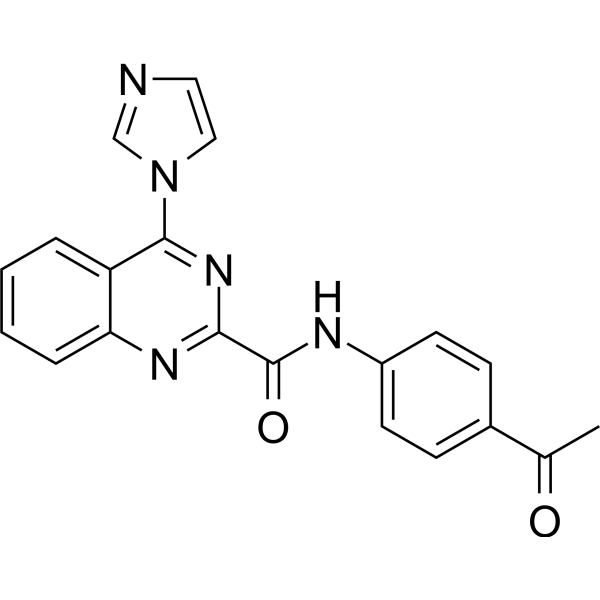
    CYP51/PD-L1-IN-1 (compound L11) is a quinazoline compound with antifungal activity. CYP51/PD-L1-IN-1 is a dual inhibitor of CYP51 (IC50: 0.884 μM) and PD-L1 (IC50: 0.083 μM), which can induce early apoptosis of fungal cells in the cell cycle. CYP51/PD-L1-IN-1 also significantly reduced intracellular IL-2, NLRP3, and NF-κBp65 protein levels, induced mitochondrial damage and ROS accumulation, and ultimately led to fungal lysis and death .
    CYP51/PD-L1-IN-1
  • HY-156150

    Fungal Cytochrome P450 PD-1/PD-L1 Infection
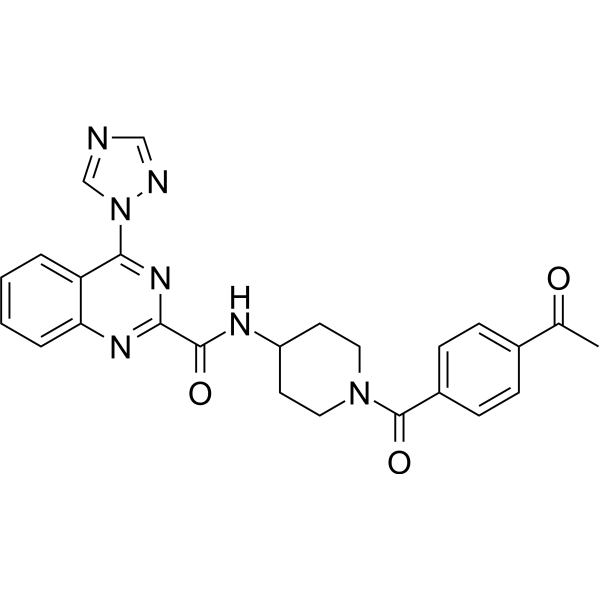
    CYP51/PD-L1-IN-2 (compound L20) is a quinazoline compound with antifungal activity. CYP51/PD-L1-IN-2 is a dual inhibitor of CYP51 (IC50: 0.263 μM) and PD-L1 (IC50: 0.017 μM), which can induce early apoptosis of fungal cells in the cell cycle. CYP51/PD-L1-IN-2 also significantly reduced intracellular IL-2, NLRP3, and NF-κBp65 protein levels, induced mitochondrial damage and ROS accumulation, and ultimately led to fungal lysis and death .
    CYP51/PD-L1-IN-2
  • HY-156151

    Fungal Cytochrome P450 PD-1/PD-L1 Infection
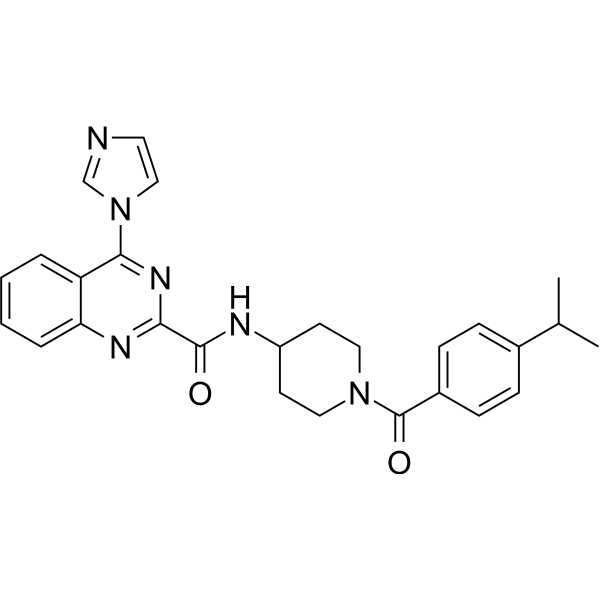
    CYP51/PD-L1-IN-3 (compound L21) is a quinazoline compound with antifungal activity. CYP51/PD-L1-IN-3 is a dual inhibitor of CYP51 (IC50: 0.205 μM) and PD-L1 (IC50: 0.039 μM), which can induce early apoptosis of fungal cells in the cell cycle. CYP51/PD-L1-IN-3 also significantly reduced intracellular IL-2, NLRP3, and NF-κBp65 protein levels, induced mitochondrial damage and ROS accumulation, and ultimately led to fungal lysis and death .
    CYP51/PD-L1-IN-3
  • HY-176746

    Fungal Infection
    CMLD009688 is a cationic amphiphilic antifungal agent. CMLD009688 selectively inhibits plant pathogenic fungi such as Fusarium graminearum. CMLD009688 interacts with biological membranes, perturbing vacuolar and mitochondrial membrane structures to induce fungal cell death. CMLD009688 is promising for research of plant fungal diseases (e.g., wheat head blight, gray mold) .
    CMLD009688
  • HY-158321

    Fungal Succinate Dehydrogenase Infection
    SDH-IN-15 (Compound 5e) is an inhibitor of succinate dehydrogenase (SDH) (IC50=2.04 μM). SDH-IN-15 has significant antifungal activity. SDH-IN-15 blocks the mitochondrial respiratory chain of the fungus through inhibition of SDH, resulting in fungal death .
    SDH-IN-15
  • HY-119976S

    Isotope-Labeled Compounds Apoptosis Fungal Mitochondrial Metabolism Succinate Dehydrogenase Others
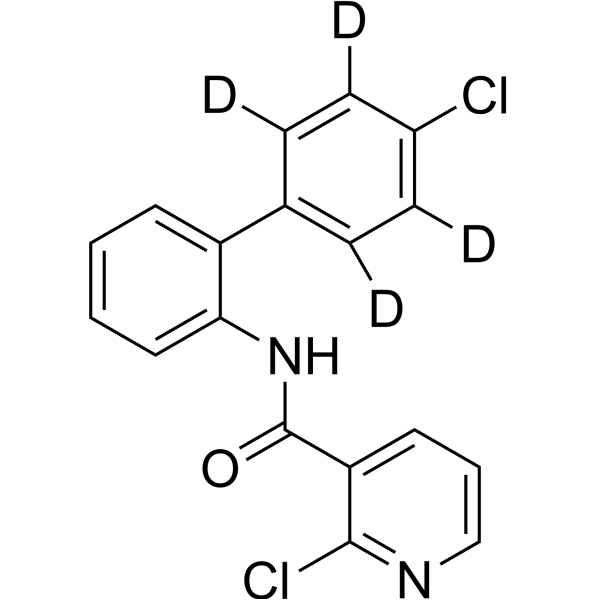
    Boscalid-d4 is the deuterium labeled Boscalid. Boscalid is a succinate dehydrogenase (SDHI) inhibitor with antifungal activity. Boscalid binds to the ubiquinone-binding site of fungal mitochondrial complex II, blocks ATP production and aerobic respiration, exhibits good control efficacy against a variety of plant fungal diseases including gray mold, sclerotinia rot and powdery mildew, and is widely used for disease control in agriculture. Boscalid induces apoptosis, altered lipid metabolism, mitochondrial dysfunction, respiratory impairment, oxidative stress, ROS accumulation and neurodevelopmental disorders in zebrafish. Boscalid reduces foraging ability, shortens median death time and causes chronic toxicity in exposed honeybees. Boscalid also possesses genotoxicity, cytotoxicity, elevated mitochondrial superoxide levels and early-stage apoptosis .
    Boscalid-d4
  • HY-119976R

    Reference Standards Apoptosis Fungal Mitochondrial Metabolism Succinate Dehydrogenase Infection
    Boscalid (Standard) is the analytical standard of Boscalid. This product is intended for research and analytical applications. Boscalid is a succinate dehydrogenase (SDHI) inhibitor with antifungal activity. Boscalid binds to the ubiquinone-binding site of fungal mitochondrial complex II, blocks ATP production and aerobic respiration, exhibits good control efficacy against a variety of plant fungal diseases including gray mold, sclerotinia rot and powdery mildew, and is widely used for disease control in agriculture. Boscalid induces apoptosis, altered lipid metabolism, mitochondrial dysfunction, respiratory impairment, oxidative stress, ROS accumulation and neurodevelopmental disorders in zebrafish. Boscalid reduces foraging ability, shortens median death time and causes chronic toxicity in exposed honeybees. Boscalid also possesses genotoxicity, cytotoxicity, elevated mitochondrial superoxide levels and early-stage apoptosis .
    Boscalid (Standard)
  • HY-181492

    Fungal Infection Inflammation/Immunology
    Antifungal agent 155 hydrochloride is an antifungal agent. Antifungal agent 155 hydrochloride induces bent, twisted, abnormally swollen hyphae, compromises fungal hyphal plasma membrane integrity, and triggers fungal cell death. Antifungal agent 155 hydrochloride can be used for the research of fusarium keratitis .
    Antifungal agent 155 hydrochloride
  • HY-W715389

    Fungal Infection
    Coumoxystrobin is a methoxyacrylate strobilurin fungicide with anti-fungal activity. Coumoxystrobin exhibits inhibitory activity against mycelial growth of Magnaporthe oryzae, increases cell membrane permeability, and reduces respiration. Coumoxystrobin shows protective activity against Magnaporthe oryzae in detached barley leaves. Coumoxystrobin reduces ATP activity of Chlorella vulgaris, thereby causing algal death. Coumoxystrobin can be used in studies related to rice blast disease .
    Coumoxystrobin
  • HY-W018143

    Bacterial Fungal Infection
    1-Methyl-4-nitroimidazole is an antibacterial agent. 1-Methyl-4-nitroimidazole is reduced by bacterial nitroreductases to form toxic derivatives, which cause DNA damage, inhibit bacterial nucleic acid synthesis, generate toxic superoxides through futile cycling of reduced radical anions, and induce bacterial cell death. 1-Methyl-4-nitroimidazole exhibits moderate in vitro activity against bacteria and fungal. 1-Methyl-4-nitroimidazole can be used in the research of skin infections, purulent infections and urinary tract infections .
    1-Methyl-4-nitroimidazole
  • HY-W715812

    Fungal Apoptosis Caspase Reactive Oxygen Species (ROS) MDM-2/p53 SOD Bcl-2 Family PERK JNK p38 MAPK Cardiovascular Disease Infection Endocrinology Cancer
    Bromuconazole is a triazole fungicide with oral efficacy and blood-brain barrier permeability . Bromuconazole protects crops from various fungal contaminations. Bromuconazole exhibits cytotoxicity against a variety of cancer cells, induces G0/G1 cell cycle arrest and inhibits DNA synthesis in cancer cells, and triggers cytoskeletal structural disorder, genotoxic damage, apoptotic (apoptosis) cell death, and mitochondrial membrane depolarization. Bromuconazole activates caspase-3, induces excessive production of ROS, p53 and Bax, lipid peroxidation, increased activities of SOD and CAT, and downregulates Bcl-2. By upregulating p-ERK1/2 and p-JNK, Bromuconazole disrupts the MAPK signaling pathway, impairs the cellular stress response of human trophoblast cells and endometrial cells, and damages the implantation process . Bromuconazole is applicable to research related to glioma, colon cancer, reproductive injury (implantation dysfunction), and cardiac dysfunction .
    Bromuconazole

온라인 문의

Your information is safe with us. * Required Fields.

호칭


Country or Region *

고객명 *


회사명 *

Department *


메일주소 *


상품명 *

Cat. No.


Requested quantity *

전화번호 *


비고

온라인 문의

Inquiry Information

상품명:
Cat. No.:
수량:
MCE Japan Authorized Agent:

