

1. Search Result
Search Result
Results for "

hepatocellular cancer

" in MedChemExpress (MCE) Product Catalog:

243

Inhibitors & Agonists

1

Screening Libraries

2

Fluorescent Dyes

11

Biochemical Assay Reagents

4

Peptides

22

Inhibitory Antibodies

55

Natural
Products

6

Isotope-Labeled Compounds

1

Antibodies

6

Oligonucleotides

Targets Recommended:
Cat. No. Product Name Target Research Areas Chemical Structure
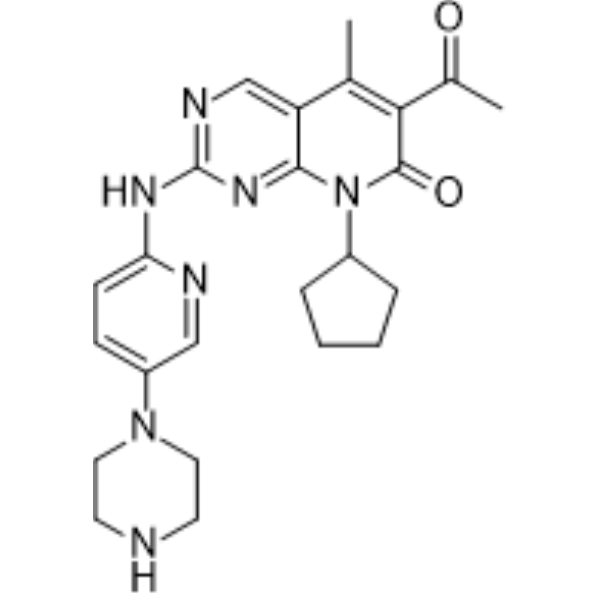
  • HY-50767
    Palbociclib
    235+ Cited Publications

    PD 0332991

    CDK Cancer
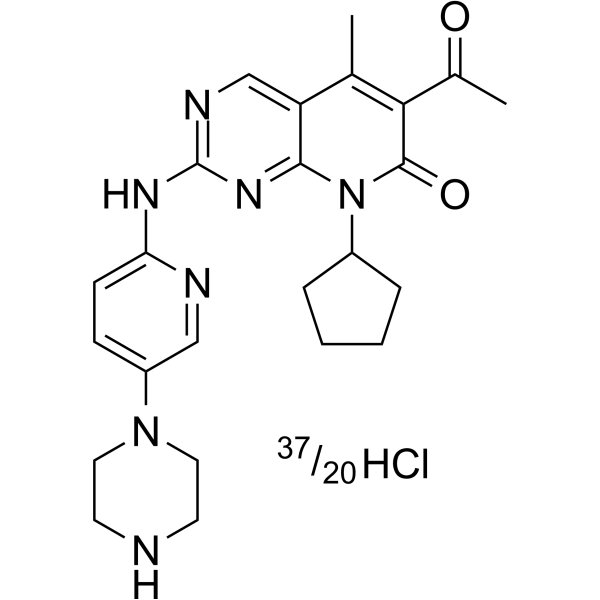
    Palbociclib (PD 0332991) is an orally active selective CDK4 and CDK6 inhibitor with IC50 values of 11 and 16 nM, respectively. Palbociclib has potent anti-proliferative activity and induces cell cycle arrest in cancer cells, which can be used in the research of HR-positive and HER2-negative breast cancer and hepatocellular carcinoma .
    Palbociclib
  • HY-50767C
    Palbociclib hydrochloride
    215+ Cited Publications

    PD-0332991 hydrochloride

    CDK Cancer
    Palbociclib (PD 0332991) hydrochloride is an orally active selective CDK4 and CDK6 inhibitor with IC50 values of 11 and 16 nM, respectively. Palbociclib hydrochloride has potent anti-proliferative activity and induces cell cycle arrest in cancer cells. Palbociclib hydrochloride can be used in the research of HR-positive and HER2-negative breast cancer and hepatocellular carcinoma .
    Palbociclib hydrochloride
  • HY-50767A
    Palbociclib monohydrochloride
    235+ Cited Publications

    PD 0332991 monohydrochloride

    CDK Cancer
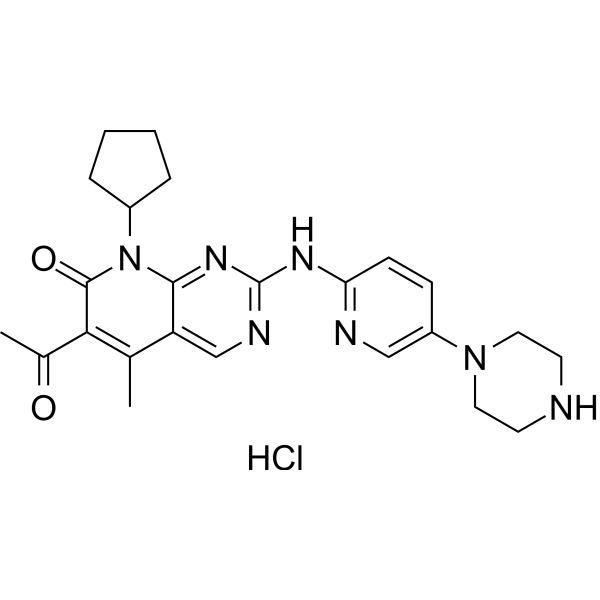
    Palbociclib (PD 0332991) monohydrochloride is an orally active selective CDK4 and CDK6 inhibitor with IC50 values of 11 and 16 nM, respectively. Palbociclib monohydrochloride has potent anti-proliferative activity and induces cell cycle arrest in cancer cells, which can be used in the research of HR-positive and HER2-negative breast cancer and hepatocellular carcinoma .
    Palbociclib monohydrochloride
  • HY-A0065
    Palbociclib isethionate
    230+ Cited Publications

    PD 0332991 isethionate

    CDK Infection Neurological Disease Cancer
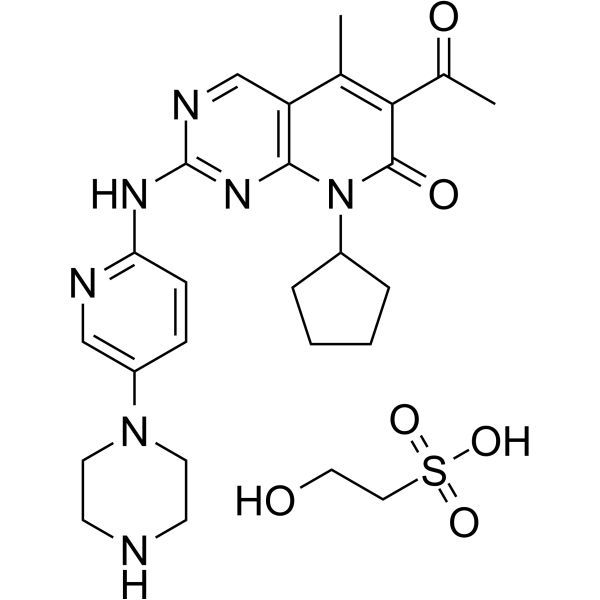
    Palbociclib (PD 0332991) isethionate is an orally active selective CDK4 and CDK6 inhibitor with IC50 values of 11 and 16 nM, respectively. Palbociclib isethionate has potent anti-proliferative activity and induces cell cycle arrest in cancer cells, which can be used in the research of HR-positive and HER2-negative breast cancer and hepatocellular carcinoma .
    Palbociclib isethionate
  • HY-16706A
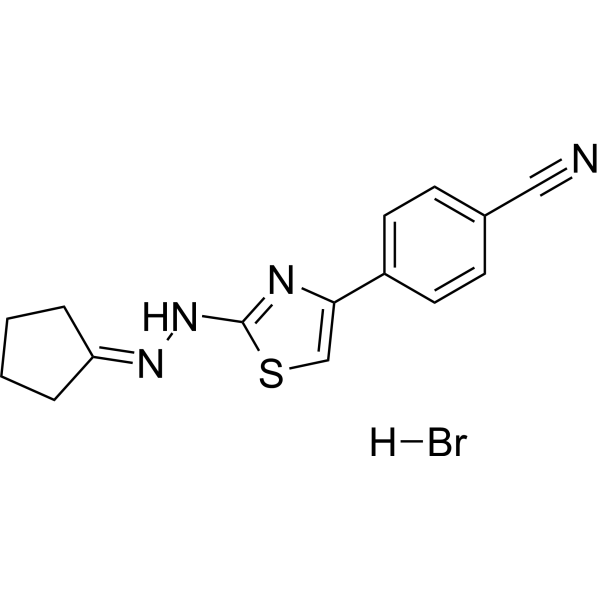
    Remodelin hydrobromide
    15+ Cited Publications

    Histone Acetyltransferase Cancer
    Remodelin hydrobromide is an orally active and selective inhibitor of acetyltransferase NAT10. Remodelin hydrobromide inhibits NAT10 activitity and slows DNA replication and suppresses growth of prostate cancer cells. Remodelin hydrobromide inhibits the growth of prostate cancer and hepatocellular carcinoma in xenograft model. Remodelin hydrobromide enhances the healthspan in hutchinson-gilford progeria syndrome (HGPS) mouse model .
    Remodelin hydrobromide
  • HY-16706
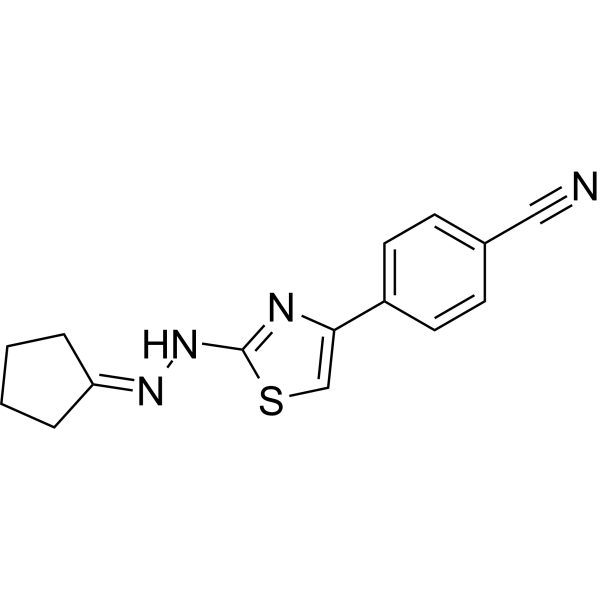
    Remodelin
    15+ Cited Publications

    Histone Acetyltransferase Cancer
    Remodelin is an orally active and selective inhibitor of acetyltransferase NAT10. Remodelin inhibits NAT10 activitity and slows DNA replication and suppresses growth of prostate cancer cells. Remodelin inhibits the growth of prostate cancer and hepatocellular carcinoma in xenograft model. Remodelin enhances the healthspan in hutchinson-gilford progeria syndrome (HGPS) mouse model .
    Remodelin
  • HY-116705
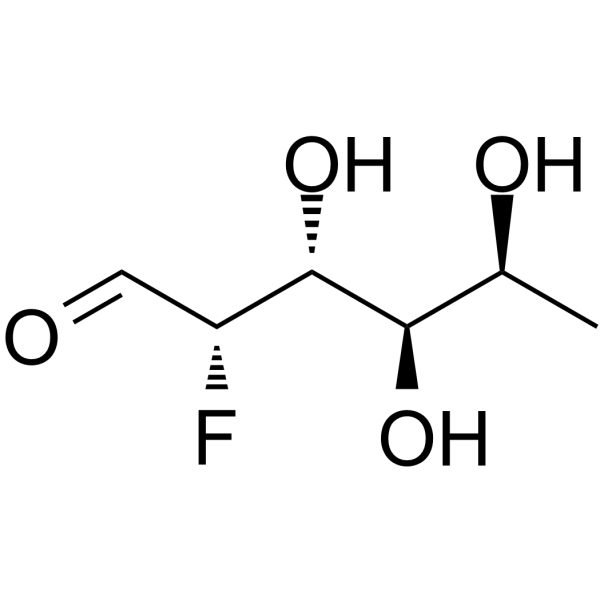
    2-Deoxy-2-fluoro-L-fucose
    1 Publications Verification

    Glycosyltransferase Cancer
    2-Deoxy-2-fluoro-L-fucose, an L-fucose analog, is a fucosylation inhibitor. 2-Deoxy-2-fluoro-L-fucose inhibits de novo synthesis of GDP-fucose in mammalian cells. Fucosylation is a relatively well-defined biomarker for progression in many human cancers; for example, pancreatic and hepatocellular carcinoma .
    2-Deoxy-2-fluoro-L-fucose
  • HY-N0462
    Corilagin
    Maximum Cited Publications
    8 Publications Verification

    NP-004255

    Toll-like Receptor (TLR) Reverse Transcriptase Bacterial Apoptosis Autophagy Infection Inflammation/Immunology Cancer
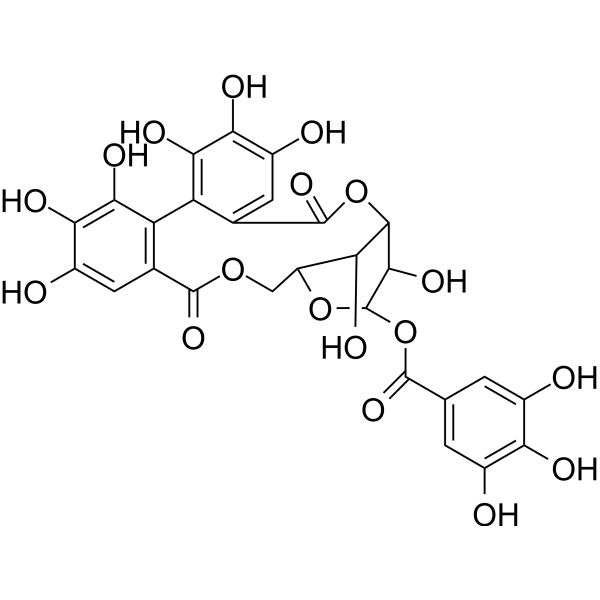
    Corilagin, a gallotannin, has anti-tumor, anti-inflammatory and hepatoprotective activities. Corilagin inhibits activity of reverse transcriptase of RNA tumor viruses. Corilagin also inhibits the growth of Staphylococcus aureus with a MIC of 25 μg/mL. Corilagin shows anti-tumor activity on hepatocellular carcinoma and ovarian cancer model. Corilagin shows low toxicity to normal cells and tissues .
    Corilagin
  • HY-P9986

    MTIG-7192A; RG-6058

    CD28 Cancer
    Tiragolumab is an immune checkpoint inhibitor binding to the T-cell immunoglobulin and ITIM domain (TIGIT). Tiragolumab in combination with Atezolizumab (HY-P9904) and Bevacizumab (HY-P9906) has benefit in unresectable hepatocellular carcinoma. Tiragolumab can be used to study non-small cell lung cancer (NSCLC) and melanoma .
    Tiragolumab
  • HY-125593

    APG-1387

    IAP Apoptosis Cancer
    Dasminapant (APG-1387), a bivalent SMAC mimetic and an IAP antagonist, blocks the activity of IAPs family proteins (XIAP, cIAP-1, cIAP-2, and ML-IAP). Dasminapant induces degradation of cIAP-1 and XIAP proteins, as well as caspase-3 activation and PARP cleavage, which leads to apoptosis. Dasminapant can be used for the research of hepatocellular carcinoma, ovarian cancer, and nasopharyngeal carcinoma .
    Dasminapant
  • HY-B0997

    Dihydroquinidine; (+)-Hydroquinidine; Hydroconquinine

    Others Cardiovascular Disease Cancer
    Hydroquinidine (Dihydroquinidine) is a potent ion channel blocker, which exhibits strong anti-cancer activity on colon, pancreatic, and hepatocellular cancer cells. Hydroquinidine prolongs the QT interval and has antiarrhythmic efficacy .
    Hydroquinidine
  • HY-15897
    LDN-212854
    1 Publications Verification

    TGF-β Receptor Cancer
    LDN-212854 is a bone morphogenetic protein (BMP) inhibitor that potently inhibits ALK2 (IC50: 1.3 nM). LDN-212854 also inhibits ALK1 (IC50: 2.40 nM). LDN-212854 can be used in the research of fibrodysplasia ossificans progressive and cancers, such as hepatocellular carcinoma (HCC) .
    LDN-212854
  • HY-50767R

    PD 0332991 (Standard)

    Reference Standards CDK Cancer
    Palbociclib (Standard) is the analytical standard of Palbociclib. This product is intended for research and analytical applications. Palbociclib (PD 0332991) is an orally active selective CDK4 and CDK6 inhibitor with IC50 values of 11 and 16 nM, respectively. Palbociclib has potent anti-proliferative activity and induces cell cycle arrest in cancer cells, which can be used in the research of HR-positive and HER2-negative breast cancer and hepatocellular carcinoma .
    Palbociclib (Standard)
  • HY-N0864

    Macranthoiside I

    Apoptosis COX Reactive Oxygen Species (ROS) Caspase SOD Cancer
    Macranthoidin B (Macranthoiside I) is an orally active triterpene saponin. Macranthoidin B inhibits epithelial-mesenchymal transition in endometriosis via the COX‑2/PGE2 pathway, and also induces tumor cell apoptosis and inhibits their proliferation by regulating metabolism and increasing ROS levels . Macranthoidin B can be used in studies related to endometriosis, colorectal cancer and hepatocellular carcinoma .
    Macranthoidin B
  • HY-124573

    OBI-3424; TH-3424; (R)-AST-3424

    DNA Alkylator/Crosslinker Cancer
    (R)-Odafosfamide (OBI-3424) is a proagent that is selectively converted by AKR1C3 (aldo-keto reductase 1C3) to a potent DNA-alkylating agent. (R)-Odafosfamide can be used for hepatocellular carcinoma, castrate-resistant prostate cancer, and acute lymphoblastic leukemia (ALL) research .
    (R)-Odafosfamide
  • HY-N4087
    Platycodin D2
    3 Publications Verification

    Mitophagy Autophagy Ferroptosis Interleukin Related IFNAR Reactive Oxygen Species (ROS) Inflammation/Immunology Cancer
    Platycodin D2 is an orally active triterpenoid saponin found in Platycodon grandiflorum. Platycodin D2 induces mitophagy in cancer cells through NIX, thereby activating the P21/CyclinA2 pathway and promoting cell senescence. Platycodin D2 induces mitochondrial dysfunction, enhances autophagy, inhibits hepatocellular carcinoma cell proliferation, and exhibits anti-tumor activity against multiple cancer cell types. Platycodin D2 promotes mRNA expression of T-bet, GATA-3, Th1 cytokines IL-2 and IFN-γ, and Th2 cytokines IL-4 and IL-10, enhances splenocyte proliferation, and acts as a vaccine adjuvant with low rabbit red blood cell hemolytic activity. Platycodin D2 induces mitochondrial ROS production, incomplete autophagy, and ferroptosis to inhibit breast cancer cell proliferation. Platycodin D2 can be used for the research of cancer, inflammation and immunology .
    Platycodin D2
  • HY-N3651
    Curzerenone
    1 Publications Verification

    Bacterial Reactive Oxygen Species (ROS) Apoptosis PI3K Akt mTOR Infection Cancer
    Curzerenone is an orally active sesquiterpene compound and Antibacterial agent. Curzerenone can be isolated from Curcuma zedoaria and Curcuma aeruginosa plants. Curzerenone increases ROS levels, activates Apoptotic signaling pathways, and attenuates the PI3K/AKT/mTOR signaling pathway. Curzerenone exhibits anticancer activity against liver cancer and cervical cancer. Curzerenone has antioxidant effects. Curzerenone shows weak antibacterial activity against Escherichia coli. Curzerenone can be used in research related to hepatocellular carcinoma, cervical cancer, and Escherichia coli infection .
    Curzerenone
  • HY-160215

    TGF-β Receptor p38 MAPK TGF-beta/Smad Interleukin Related Cancer
    GFH018 is an orally active, selective and ATP-competitive TGF-βR1 inhibitor with an IC50 of 40 nM. GFH018 reactivates the immune system by blocking the immunosuppression mediated by regulatory T cells and M2 macrophages. GFH018 inhibits tumor angiogenesis. GFH018 suppresses tumor growth in mouse tumor models. GFH018 can be used for the research of solid tumors, hepatocellular carcinoma, colorectal cancer, breast cancer, and relapsed/metastatic nasopharyngeal carcinoma .
    GFH018
  • HY-B1817A

    Zinc(II) acetate, 99.99% trace metals basis

    CDK Heme Oxygenase (HO) Apoptosis Others
    Zinc (Zinc (II)) acetate, 99.99% trace metals basis is a heme oxygenase 1 (HO-1) activator and apoptosis inducer with cytotoxic and anticancer activities. Zinc acetate, 99.99% trace metals basis enhances HO-1 expression, alters the microRNA profile, and increases the level of caspase-cleaved cytokeratin 18. Zinc acetate, 99.99% trace metals basis also regulates the expression of Cdk2/cyclin E and interferes with cell cycle progression. Zinc acetate, 99.99% trace metals basis effectively inhibits cancer cell proliferation and induces their rapid death, with no significant cytotoxicity to non-tumor tissues. Zinc acetate, 99.99% trace metals basis has been widely used in studies related to hepatocellular carcinoma, prostate cancer, and other conditions .
    Zinc acetate, 99.99% trace metals basis
  • HY-75813

    Biochemical Assay Reagents Akt 5-HT Receptor Neurological Disease Cancer
    2-Aminonicotinaldehyde is a synthetic intermediate. 2-Aminonicotinaldehyde can be used for the synthesis of 5-HT3 receptor antagonists, AKT inhibitors, and other compounds. 2-Aminonicotinaldehyde is applicable to research on depression and cancers (including hepatocellular carcinoma) .
    2-Aminonicotinaldehyde
  • HY-145396

    Biochemical Assay Reagents Cancer
    PLGA-PEG-NH2 is a material to synthesis nanomicelles. PLGA-PEG-NH2 nanomicelle is an efficient delivery system of Irinotecan for targeted colorectal cancer and hepatocellular carcinoma .
    PLGA12000-PEG2000-NH2
  • HY-153863

    PROTACs MEK Raf Cancer
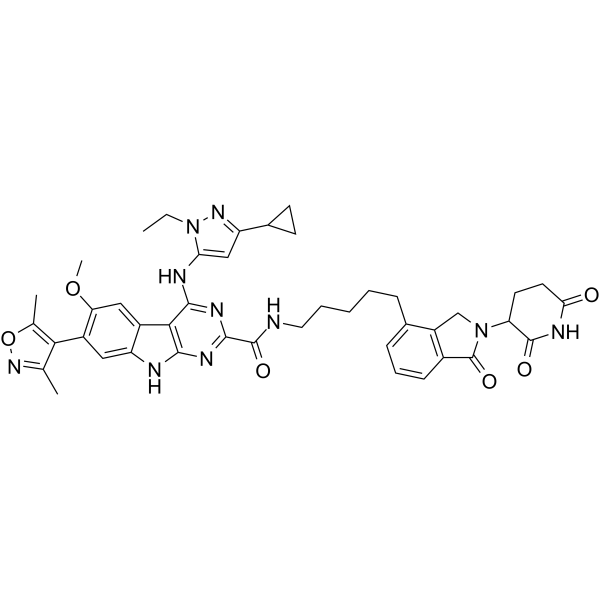
    MS934 is a novel improved VHL-recruiting MEK 1/2 PROTAC degrader. MS934 also degrades CRAF. MS934 can be used for the research of variety of human cancers, such as melanoma, nonsmall cell lung cancer (NSCLC), colorectal cancer, primary brain tumors, and hepatocellular carcinoma (Pink: Target protein ligand (HY-168288); Black: linker (HY-168289); Blue: E3 ligase ligand (HY-112078)) .
    MS934
  • HY-121638A
    (5Z,2E)-CU-3
    1 Publications Verification

    DGK Apoptosis Interleukin Related Caspase Cancer
    (5Z,2E)-CU-3 is an isomer of CU-3 (HY-121638). CU-3 is a DGKα inhibitor with an IC50 of 0.6 μM. CU-3 competitively reduces DGKα’s affinity for ATP via binding to the enzyme’s catalytic region. CU-3 induces apoptosis in cancer cells. CU-3 promotes T-cell activation and enhances IL-2 production. CU-3 can be used for the research of hepatocellular carcinoma and cervical cancer .
    (5Z,2E)-CU-3
  • HY-N12445
    Quercetin-3'-O-glucoside
    1 Publications Verification

    Topoisomerase Caspase Apoptosis SOD Metabolic Disease Inflammation/Immunology Cancer
    Quercetin-3'-O-glucoside is an orally active flavonoid glycoside. Quercetin-3'-O-glucoside reduces liver glucose-6-phosphatase activity, alters serum insulin and glucose levels, and regulates the activities of antioxidant enzymes in the liver and kidney. Quercetin-3'-O-glucoside inhibits DNA topoisomerase II, induces S-phase cell cycle arrest and caspase-3-mediated apoptosis in hepatocellular carcinoma cells. Quercetin-3'-O-glucoside selectively inhibits EGFR-mediated signaling pathways targeting AKT, ERK1/2, FAK and MEK1/2. Quercetin-3'-O-glucoside inhibits growth factor-induced migration and invasion in pancreatic cancer cells. Quercetin-3'-O-glucoside exerts free radical scavenging effects. Quercetin-3'-O-glucoside is applicable to research related to pancreatic cancer, diabetes, hepatocellular carcinoma and malignant tumors .
    Quercetin-3'-O-glucoside
  • HY-150750A

    Toll-like Receptor (TLR) Apoptosis Interleukin Related TNF Receptor IFNAR Inflammation/Immunology Cancer
    ODN M362 sodium is a TLR9 agonist that acts as a vaccine adjuvant. ODN M362 sodium activates mouse splenocytes, induces apoptosis in human hepatocellular carcinoma cells, upregulates proinflammatory cytokines in human hepatocellular carcinoma cells, and inhibits the proliferation of human hepatocellular carcinoma cells. ODN M362 sodium upregulates the expression of TLR9/TLR6, activates downstream signaling pathways via IRAK4 and IRF7, and strongly amplifies antigen-specific cellular immune responses to participate in innate immune activation. ODN M362 sodium can be used in research related to hepatocellular carcinoma and breast cancer .
    ODN M362 sodium
  • HY-N15388

    Drug Derivative Cancer
    Hericenone A is an isoindolinone found in the fruiting bodies of Hericium erinaceus. Hericenone A exerts cytotoxic activity against cancer cells. Hericenone A can be used for the research of cancer, such as metastatic human hepatocellular carcinoma .
    Hericenone A
  • HY-123901

    Apoptosis Cancer
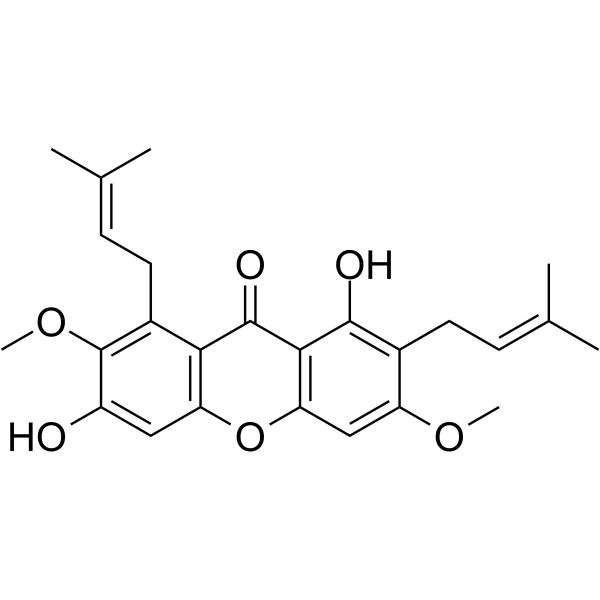
    Garcinone E is a natural xanthone found in the rind of the mangosteen fruit. Garcinone E induces apoptosis and inhibits cancer cell migration. Garcinone E has anticancer effects on different human cancer cell lines, including colorectal, breast, and hepatocellular carcinomas .
    Garcinone E
  • HY-19345A

    NSC13316 dihydrochloride

    p38 MAPK Neurological Disease Cancer
    Vacquinol-1 (NSC13316) dihydrochloride is a MKK4-specific activator that activates the MAPK pathway. Vacquinol-1 dihydrochloride inhibits the growth, migration and colony formation, and induces apoptosis of cancer cells. Vacquinol-1 dihydrochloride is applicable to research related to cancers such as hepatocellular carcinoma .
    Vacquinol-1 dihydrochloride
  • HY-14653

    TAC-101; Am 555S

    RAR/RXR Apoptosis Cancer
    Amsilarotene (TAC-101; Am 555S), an orally active synthetic retinoid, has selective affinity for retinoic acid receptor α (RAR-α) binding with Ki of 2.4, 400 nM for RAR-α and RAR-β. Amsilarotene induces the apoptotic of human gastric cancer, hepatocellular carcinoma and ovarian carcinoma cells. Amsilarotene can be used for the research of cancer .
    Amsilarotene
  • HY-150538
    STAT3-IN-12
    1 Publications Verification

    STAT Apoptosis Cancer
    STAT3-IN-12 is a potent STAT3 signal inhibitor that can inhibit IL-6 induced JAK/STAT3 signalling pathway activation. STAT3-IN-12 inhibits cancer cell growth, migration, and induce cell apoptosis as well as cycle arrest. STAT3-IN-12 can be used in cancer-related research, such as hepatocellular carcinoma (HCC) and oesophageal carcinoma .
    STAT3-IN-12
  • HY-N0462R

    NP-004255 (Standard)

    Toll-like Receptor (TLR) Reference Standards Reverse Transcriptase Bacterial Apoptosis Autophagy Infection Inflammation/Immunology Cancer
    Corilagin (Standard) is the analytical standard of Corilagin. This product is intended for research and analytical applications. Corilagin, a gallotannin, has anti-tumor, anti-inflammatory and hepatoprotective activities. Corilagin inhibits activity of reverse transcriptase of RNA tumor viruses. Corilagin also inhibits the growth of Staphylococcus aureus with a MIC of 25 μg/mL. Corilagin shows anti-tumor activity on hepatocellular carcinoma and ovarian cancer model. Corilagin shows low toxicity to normal cells and tissues .
    Corilagin (Standard)
  • HY-50767AR

    PD 0332991 monohydrochloride (Standard)

    CDK Reference Standards Cancer
    Palbociclib (monohydrochloride) (Standard) is the analytical standard of Palbociclib (monohydrochloride). This product is intended for research and analytical applications. Palbociclib (PD 0332991) monohydrochloride is an orally active selective CDK4 and CDK6 inhibitor with IC50 values of 11 and 16 nM, respectively. Palbociclib monohydrochloride has potent anti-proliferative activity and induces cell cycle arrest in cancer cells, which can be used in the research of HR-positive and HER2-negative breast cancer and hepatocellular carcinoma .
    Palbociclib monohydrochloride (Standard)
  • HY-19345

    NSC13316

    p38 MAPK Apoptosis Caspase Bcl-2 Family Cancer
    Vacquinol-1 (NSC13316) is a MKK4-specific activator that activates the MAPK pathway. Vacquinol-1 inhibits the growth, migration and colony formation, and induces apoptosis of cancer cells. Vacquinol-1 is applicable to research related to cancers such as hepatocellular carcinoma .
    Vacquinol-1
  • HY-121435

    RAR/RXR Akt Apoptosis Drug Derivative TNF Receptor Cancer
    K-8012 is a Sulindac (HY-B0008) analog and RXRα antagonist with an IC50 of 9.2 µM. K-8012 inhibits the activation of AKT. K-8012 induces Apoptosis, redirecting the TNFα signaling pathway from survival to death. K-8012 exerts anticancer activity against lung cancer, prostate cancer, and breast cancer. K-8012 can be used in research related to lung cancer, prostate cancer, breast cancer, and hepatocellular carcinoma .
    K-8012
  • HY-N8540

    Phosphoglycerate Kinase (PGK) Fungal Apoptosis Infection Cancer
    Ilicicolin H is a selective and non-ATP-competitive phosphoglycerate kinase 1 (PGK1) (IC50 = 9.02 μM) and mitochondrial cytochrome bc1 reductase (IC50 = 2-3 ng/mL) inhibitor. Ilicicolin H directly binds to PGK1 with KD of 60 μM .Ilicicolin H can inhibit cell proliferation and induce apoptosis. Ilicicolin H can inhibit the lactate production and glucose uptake of hepatocellular carcinoma (HCC) cells. Ilicicolin H has a broad antifungal spectrum including C. albicans, Cryptococcus and A. fumigatus. Ilicicolin H can be used for the researches of cancer and infection, such as hepatocellular carcinoma (HCC) and C. albicans infection .
    Ilicicolin H
  • HY-16232

    D 19575; Glucosylifosfamide mustard

    Apoptosis Caspase Bcl-2 Family Cancer
    Glufosfamide is a glucose-conjugated alkylating cytotoxic agent and a derivative of Ifosfamide (HY-17419). Glufosfamide induces apoptosis frequency and increase the expression of caspase-9 and caspase-3 in cancer cells. Glufosfamide shows great anti-tumor activity in MiaPaCa-2-RFP mouse model. Glufosfamide can be used for the study of hepatocellular carcinoma, prostate cancer and pancreatic carcinoma .
    Glufosfamide
  • HY-P990218

    Interleukin Related Infection Inflammation/Immunology Cancer
    Anti-Mouse IL-21R Antibody (4A9) is a rat-derived IgG2a κ type antibody inhibitor, targeting to mouse IL-21R. Anti-Mouse IL-21R Antibody (4A9) blocks IL-21 signaling. Anti-Mouse IL-21R Antibody (4A9) can be used for the researches of cancer, infection immunology and inflammation, such as psoriasis, hepatocellular carcinoma and C. rodentium infection .
    Anti-Mouse IL-21R Antibody (4A9)
  • HY-W440913

    Liposome Fluorescent Dye Cancer
    DSPE-PEG-Cy5, MW 5000 is a fluorescently labeled PEGylated phospholipid with a molecular weight of 5000 Da. After intravenous injection, DSPE-PEG-Cy5, MW 5000 shows only extremely low fluorescence accumulation at tumor sites in orthotopic tumor-bearing mice, and can be used as a negative control for evaluating tumor accumulation of nanoparticles. DSPE-PEG-Cy5, MW 5000 can serve as a fluorescent marker to prepare Cy5-labeled NPs-DPPA and NPs-DPPA (C3F8) for pharmacokinetic and biodistribution studies in mice. DSPE-PEG-Cy5, MW 5000 is widely applicable to research in fields related to triple-negative breast cancer, hepatocellular carcinoma and so on .
    DSPE-PEG5000-Cy5
  • HY-135562

    Parasite Antibiotic Infection Cancer
    Ascofuranone is an orally active inhibitor of Trypanosoma brucei brucei (TAO) with a Ki value of 2.38 nM. Ascofuranone inhibits IGF-1-induced cancer cell migration, invasion, motility and actin cytoskeleton formation, and exerts anti-tumor effects. Ascofuranone can be used in research related to tumor metastasis, African trypanosomiasis, bacterial infections, lung cancer and hepatocellular carcinoma .
    Ascofuranone
  • HY-172394

    HDAC ADAMTS Apoptosis Bcl-2 Family Cyclin G-associated Kinase (GAK) Cancer
    ZSNI-21 is a ADAM17/HDAC2 inhibitor with ADAM17 IC50 0.939 μM and HDAC2 IC50 0.844 μM. ZSNI-21 regulates the expression of apoptosis-related proteins (Bax, Bcl-2) and Cyclin D1, and induces apoptosis.. ZSNI-21 can be used for the research of hepatocellular carcinoma, breast cancer, and non-small cell lung cancer .
    ZSNI-21
  • HY-50767B

    PD-0332991 dihydrochloride

    CDK Cancer
    Palbociclib (PD 0332991) dihydrochloride is an orally active selective CDK4 and CDK6 inhibitor with IC50 values of 11 and 16 nM, respectively. Palbociclib dihydrochloride has potent anti-proliferative activity and induces cell cycle arrest in cancer cells, which can be used in the research of HR-positive and HER2-negative breast cancer and hepatocellular carcinoma .
    Palbociclib dihydrochloride
  • HY-119833

    MicroRNA Cancer
    Rubone, a chalcone analog, is a modulator of miR-34a. Rubone upregulates miR-34a expression in a p53 dependent manner, downregulates the downstream target Bcl-2 and Cyclin D1 expression, and suppresses hepatocellular carcinoma (HCC) growth in vivo. Rubone enhances the anticancer effect of Paclitaxel (PTX; HY-B0015) in PTX-resistant prostate cancer cell lines by reversing the expression of miR-34a downstream targets .
    Rubone
  • HY-129247

    MDM-2/p53 Aryl Hydrocarbon Receptor Cytochrome P450 Cancer
    Versicolorin A is a biosynthetic precursor of Aflatoxin B1 (HY-N6615). Versicolorin A induces phosphorylation of p53. Versicolorin A activates the aryl hydrocarbon receptor AhR and significantly induces the expression of CYP1A1. Versicolorin A exerts genotoxic and cytotoxic effects. Versicolorin A enhances the genotoxicity of aflatoxin B1 in cells by promoting CYP450-mediated bioactivation of aflatoxin B1. Versicolorin A can be used in research related to colorectal cancer and hepatocellular carcinoma .
    Versicolorin A
  • HY-W009065

    Others Cardiovascular Disease Cancer
    Hydroquinidine hydrochloride is a potent ion channel blocker, which exhibits strong anti-cancer activity on colon, pancreatic, and hepatocellular cancer cells. Hydroquinidine hydrochloride prolongs the QT interval and has antiarrhythmic efficacy .
    Hydroquinidine hydrochloride
  • HY-N1443

    Environmental Pollutants Endogenous Metabolite Apoptosis Metabolic Disease Cancer
    Demethylcantharidate disodium, an endogenous metabolite, induces apoptosis in hepatocellular carcinoma cells via ER stress. Demethylcantharidate disodium shows excellent anticancer activity against multiple types of cancer .
    Demethylcantharidate disodium
  • HY-151618

    Apoptosis Cancer
    Antitumor agent-79 shows good antiproliferative activities against hepatocellular carcinoma and breast cancer cells with IC50 values of 0.7-7.9 μM. Antitumor agent-79 induces cancer cells apoptosis and shows in vivo antitumor effects. Antitumor agent-79 can be used for the research of cancer .
    Antitumor agent-79
  • HY-172500

    Liposome Cancer
    DSPE-PEG2000-Mal-CLPLIPTHIISFS is a PEG compound composed of DSPE and the liver cancer targeting peptide SP94 (HY-P11050A) (sequence SFSIIHTPILPL). SP94 exhibits specific binding to hepatocellular carcinoma (HCC) cells. DSPE-PEG2000-Mal-CLPLIPTHIISFS can be used to prepare lipid nanoparticles to form liver cancer-targeting nanocarriers.
    DSPE-PEG2000-Mal-CLPLIPTHIISFS
  • HY-171450

    Trk Receptor Cancer
    VMD-928 is an orally active, allosteric, irreversible and selective tropomyosin receptor kinase A (TrkA) inhibitor. VMD-928 blocks the downstream signaling pathways triggered by the binding of nerve growth factor (NGF) to TrkA, thereby inhibiting cell proliferation, invasion, and promoting cancer cell death. VMD-928 is promising for research of various cancers, including prostate cancer, thymic carcinoma, mesothelioma, squamous cell carcinoma of the head and neck, squamous cell carcinoma of the lung, ovarian cancer, hepatocellular carcinoma .
    VMD-928
  • HY-146792

    Polo-like Kinase (PLK) Cancer
    PLK1-IN-4 is a potent and selective PLK1 inhibitor with IC50 < 0.508 nM. PLK1-IN-4 has broad antiproliferative activity against a variety of cancer cell lines. PLK1-IN-4 induces mitotic arrest at the G2/M phase checkpoint, leading to cancer cell apoptosis. PLK1-IN-4 can be used for researching hepatocellular carcinoma .
    PLK1-IN-4
  • HY-50767D

    PD 0332991 orotate

    CDK Cancer
    Palbociclib (PD 0332991) orotate is an orally active selective CDK4 and CDK6 inhibitor with IC50 values of 11 and 16 nM, respectively. Palbociclib orotate has potent anti-proliferative activity and induces cell cycle arrest in cancer cells. Palbociclib orotate can be used in the research of HR-positive and HER2-negative breast cancer and hepatocellular carcinoma .
    Palbociclib orotate

Inquiry Online

Your information is safe with us. * Required Fields.

Salutation


Country or Region *

Applicant Name *


Organization Name *

Department *


Email Address *


Product Name *

Cat. No.


Requested quantity *

Phone Number *


Remarks

Inquiry Online

Inquiry Information

Product Name:
Cat. No.:
Quantity:
MCE Japan Authorized Agent:

