
Search Result
Results for "
higher affinity
" in MedChemExpress (MCE) Product Catalog:
5
Biochemical Assay Reagents
7
Isotope-Labeled Compounds
| Cat. No. |
Product Name |
Target |
Research Areas |
Chemical Structure |
-
- HY-10211
-
Tanespimycin
Maximum Cited Publications
69 Publications Verification
17-AAG; NSC 330507; CP 127374
|
HSP
Autophagy
Mitophagy
Bacterial
Apoptosis
Antibiotic
|
Infection
Cancer
|
|
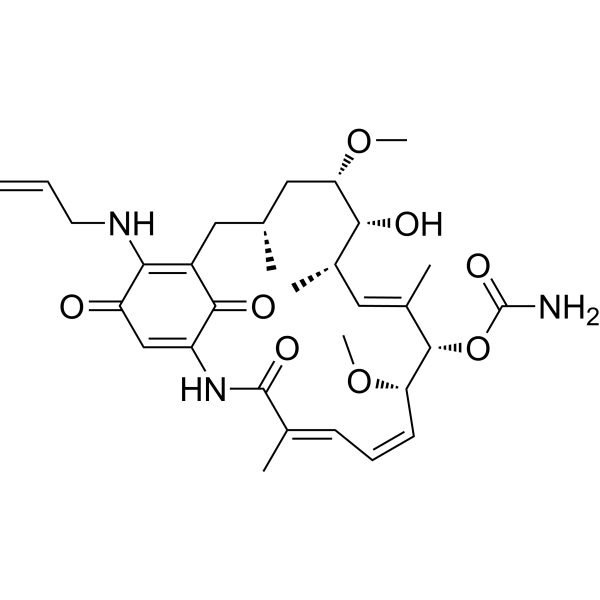
Tanespimycin (17-AAG) is a potent HSP90 inhibitor with an IC50 of 5 nM, having a 100-fold higher binding affinity for tumour cell derived HSP90 than normal cell derived HSP90 . Tanespimycin depletes cellular STK38/NDR1 and reduces STK38 kinase activity. Tanespimycin also downregulates the stk38 gene expression .
|
-
-
- HY-100202
-
|
TPEDA
|
MOFs
Reactive Oxygen Species (ROS)
Apoptosis
Autophagy
|
Cancer
|
|
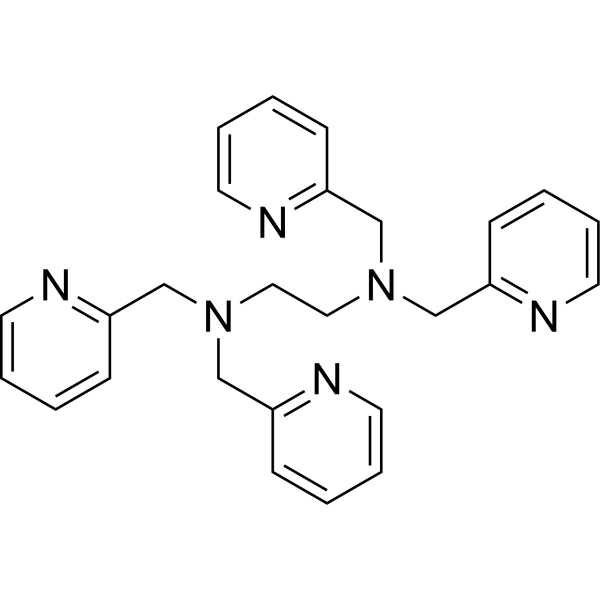
TPEN (TPEDA) is a specific cell-permeable heavy metal chelator. TPEN has a higher affinity for Zn 2+, but a lower affinity for Mg 2+ and Ca 2+. TPEN induces DNA damage and increases intracellular ROS production. TPEN also inhibits cell proliferation and induces apoptosis .
|
-
-
- HY-18719E
-
-
-
- HY-100689
-
|
PPT
|
Estrogen Receptor/ERR
|
Cancer
|
|
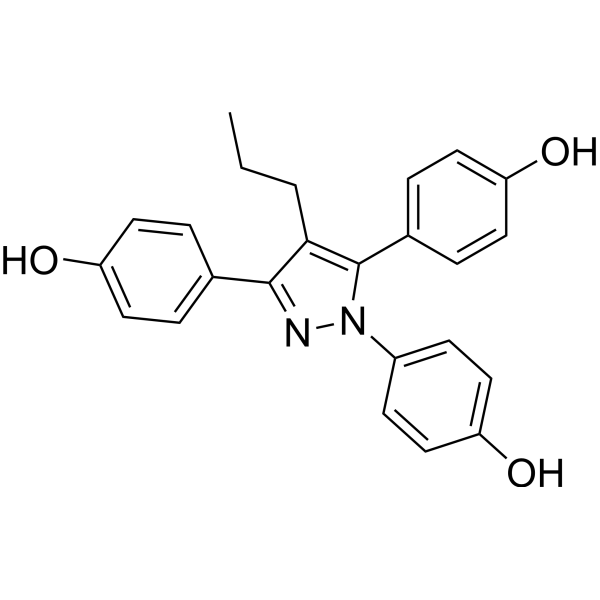
Propyl pyrazole triol (PPT) is a selective estrogen receptor alpha (ERα) agonist. The relative binding affinity of Propyl pyrazole triol for ERα (ERα: 49%) around 410 times higher compared with estrogen receptor beta (ERβ: 0.12%) .
|
-
-
- HY-14258
-
|
(S)-Citalopram; (S)-(+)-Citalopram
|
Serotonin Transporter
|
Neurological Disease
|
|
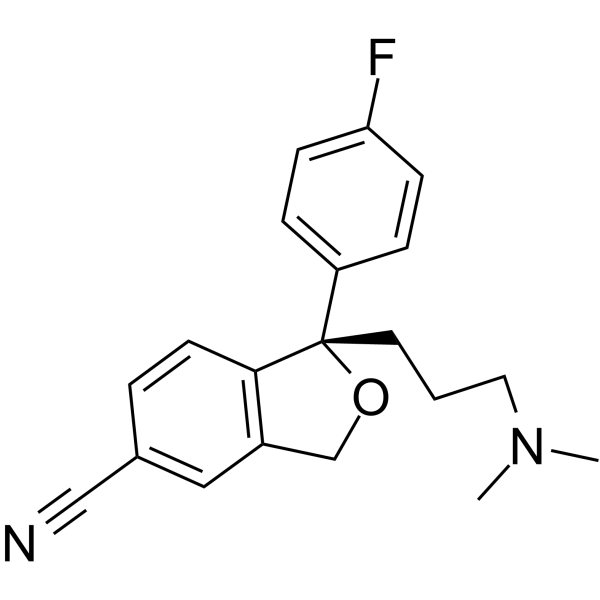
Escitalopram ((S)-Citalopram), the S-enantiomer of racemic Citalopram, is a selective serotonin reuptake inhibitor (SSRI) with a Ki of 0.89 nM. Escitalopram has ∼30 fold higher binding affinity than its R(-)-enantiomer and shows selectivity over both dopamine transporter (DAT) and norepinephrine transporter (NET). Escitalopram is an antidepressant for the research of major depression .
|
-
-
- HY-14258A
-
|
(S)-Citalopram oxalate; (S)-(+)-Citalopram oxalate
|
Serotonin Transporter
|
Neurological Disease
Cancer
|
|
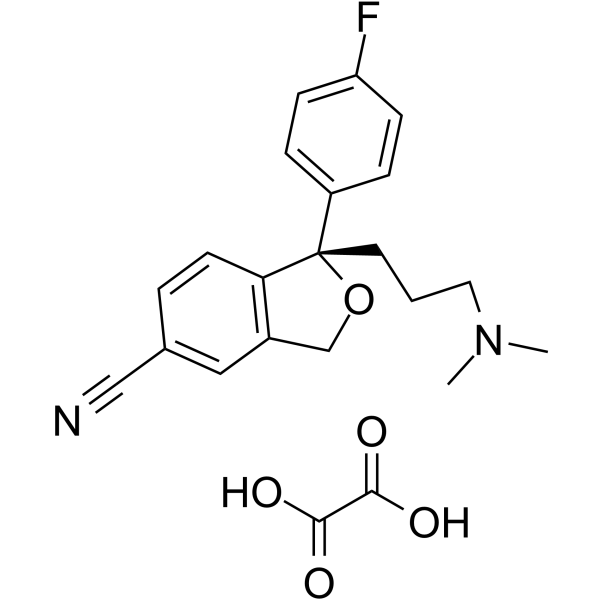
Escitalopram ((S)-Citalopram) oxalate, the S-enantiomer of racemic Citalopram, is a selective serotonin reuptake inhibitor (SSRI) with a Ki of 0.89 nM. Escitalopram oxalate has ∼30 fold higher binding affinity than its R(-)-enantiomer and shows selectivity over both dopamine transporter (DAT) and norepinephrine transporter (NET). Escitalopram oxalate is an antidepressant for the research of major depression .
|
-
-
- HY-W010841
-
|
(R)-Cetirizine dihydrochloride
|
Histamine Receptor
|
Inflammation/Immunology
Endocrinology
Cancer
|
|
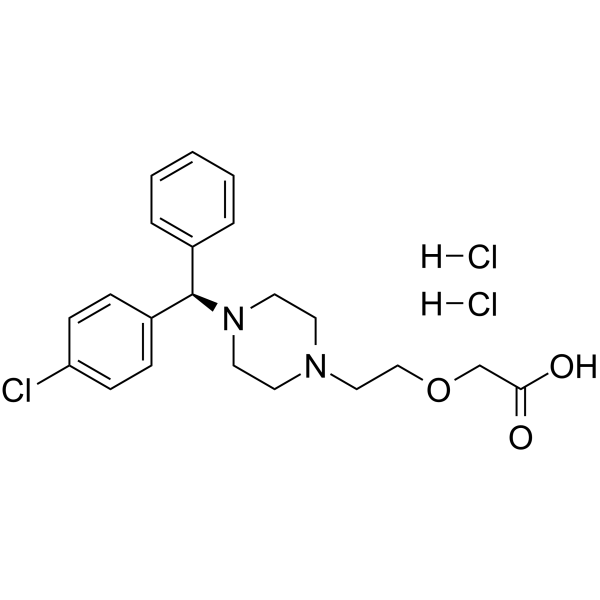
Levocetirizine dihydrochloride ((R)-Cetirizine dihydrochloride) is a third-generation peripheral H1-receptor antagonist. Levocetirizine dihydrochloride is an antihistaminic agent which is the R-enantiomer of Cetirizine. Levocetirizine dihydrochloride has a higher affinity for the histamine H1-receptor than (S)-Cetirizine and can effectively treat allergic rhinitis and chronic idiopathic urticaria .
|
-
-
- HY-148811
-
|
ICP-723
|
c-Met/HGFR
Trk Receptor
|
Cancer
|
|
Zurletrectinib is a brain-penetrant, orally active TRK inhibitor (TRKA IC50 = 0.81 nM; TRKB IC50 = 0.145 nM; TRKC IC50 = 0.184 nM). Zurletrectinib exhibits stronger activity as a consequence of its augmented binding affinity for TRK kinases. Zurletrectinib exhibits higher activity against most TRK inhibitor resistance mutations (13 out of 18 mutations). Zurletrectinib can be used for the study of glioma .
|
-
-
- HY-B0814
-
|
(R)-Cetirizine
|
Histamine Receptor
|
Inflammation/Immunology
Endocrinology
Cancer
|
|
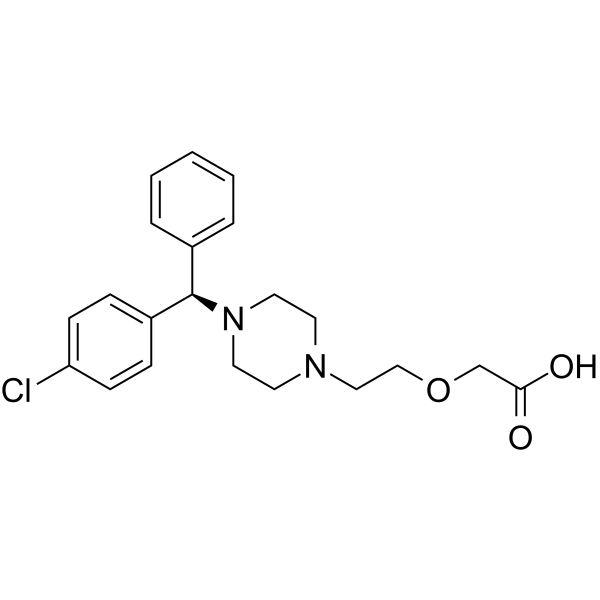
Levocetirizine ((R)-Cetirizine) is a third-generation peripheral H1-receptor antagonist. Levocetirizine is an antihistaminic agent which is the R-enantiomer of Cetirizine. Levocetirizine has a higher affinity for the histamine H1-receptor than (S)-Cetirizine and can effectively treat allergic rhinitis and chronic idiopathic urticaria .
|
-
-
- HY-W013935
-
|
|
Endogenous Metabolite
Estrogen Receptor/ERR
Reactive Oxygen Species (ROS)
|
Endocrinology
|
|
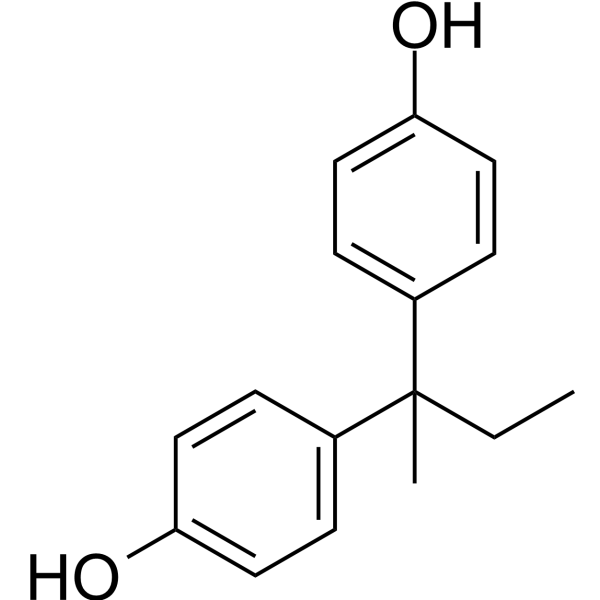
Bisphenol B is a close structural analog of Bisphenol A (BPA) (HY-18260). Bisphenol B is a potent, orally active endocrine disruptor (ED). Bisphenol B binds to G protein-coupled estrogen receptor (GPER) (IC50 = 3.3 μM) with higher affinity and agonistic activity than BPA. Bisphenol B promotes GPER mediated cell migration. Bisphenol B exerts estrogenic effects via GPER pathway at nanomolar concentration. Bisphenol B is used in the manufacture of polycarbonate resin with ED properties .
|
-
-
- HY-10684
-
|
ACR16; ASP2314; FR310826
|
Dopamine Receptor
|
Neurological Disease
|
|
Pridopidine, a dopamine (DA) stabilizer, acts as a low affinity dopamine D2 receptor (D2R) antagonist. Pridopidine exerts high affinity towards sigma 1 receptor (S1R) with Ki between 70 and 80 nM, which is ~100× higher than its affinity toward D2R.
|
-
-
- HY-12463
-
|
|
Adrenergic Receptor
|
Inflammation/Immunology
|
|
Carmoterol hydrochloride is a highly potent, selective and long-acting β2-adrenoceptor agonist with the pEC50 of 10.19. Carmoterol has 53 times higher affinity for the β2-adrenoceptors than for the β1-adrenoceptors. Carmoterol hydrochloride can be used for the research of asthma and chronic obstructive pulmonary disease (COPD) .
|
-
-
- HY-107436
-
LE135
4 Publications Verification
|
RAR/RXR
TRP Channel
|
Neurological Disease
Cancer
|
|
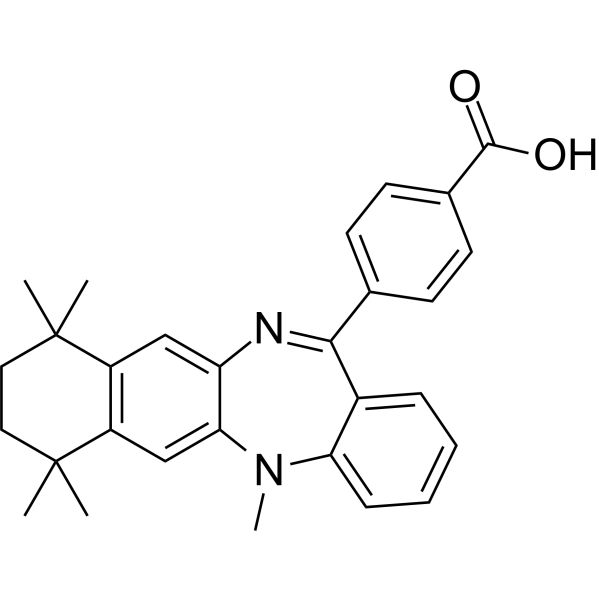
LE135 is a potent RAR antagonist that binds selectively to RARα (Ki of 1.4 μM) and RARβ (Ki of 220 nM), and has a higher affinity to RARβ. LE135 is highly selective over RARγ, RXRα, RXRβ and RXRγ. LE135 is also a potent TRPV1 and TRPA1 receptors activator with EC50s of 2.5 μM and 20 μM, respectively .
|
-
-
- HY-P3205
-
|
Lys-C
|
Biochemical Assay Reagents
|
Others
|
|
Lysyl endopeptidase, Achromobacter sp (Lys-C) catalyzes carboxyl oxygen exchange reaction. Lysyl endopeptidase has higher substrate binding affinities and higher catalytic rates at the acidic pHs than at the alkaline pHs .
|
-
-
- HY-W040198
-
|
|
Fluorescent Dye
|
Others
|
|
Phenosafranine is a phenazine dye. Phenosafranine exhibits higher binding affinity for triple-stranded RNA than for double-stranded RNA, and binds to both types of RNA via intercalation. Phenosafranine interacts with hemoglobin. Phenosafranine can be used for plant cell staining, as well as the detection of hemoglobin, dopamine, serotonin, etc.
|
-
-
- HY-10473
-
|
KB2115
|
Thyroid Hormone Receptor
|
Metabolic Disease
Endocrinology
|
|
Eprotirome (KB2115) is a liver-selective thyroid hormone receptor (TR) agonist. KB2115 has modestly higher affinity for TRβ than for TRα. Eprotirome reduces low-density lipoprotein (LDL) cholesterol concentrations. Eprotirome can be used for dyslipidemias and obesity research .
|
-
-
- HY-103445
-
|
|
Elastase
|
Cardiovascular Disease
|
|
SSR69071 is a potent, orally active and selective inhibitor of neutrophil elastase. SSR69071 reduces myocardial infarct size following ischemia-reperfusion injury . SSR69071 displays a higher affinity for human elastase (Ki=0.0168 nM) than for rat (Ki=3 nM), mouse (Ki=1.8 nM), and rabbit (Ki= 58 nM) elastases .
|
-
-
- HY-18719B
-
-
-
- HY-100943
-
|
SQ 10643
|
5-HT Receptor
Influenza Virus
|
Infection
Inflammation/Immunology
|
|
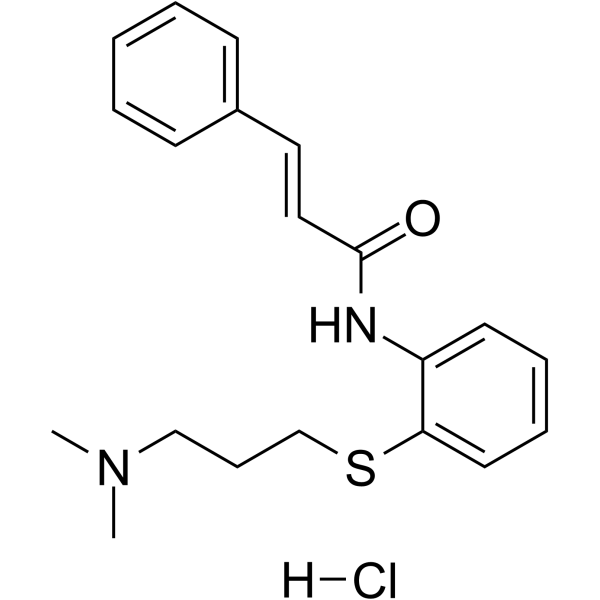
Cinanserin hydrochloride (SQ 10643) is a potent, selective and highly affinity 5-HT2 receptor antagonist with a Ki of 41 nM. Cinanserin hydrochloride has a much higher binding affinity for the 5-HT2 than for the 5-HT1 receptor (Ki of 3500 nM). Cinanserin is also an inhibitor of 3C-like proteinase of severe acute respiratory syndrome coronavirus and strongly reduces virus replication in vitro .
|
-
-
- HY-103138
-
|
|
5-HT Receptor
|
Neurological Disease
Metabolic Disease
|
|
(Rac)-WAY-161503 hydrochloride is a potent, selective, high affinity 5-HT2C receptor agonist with a Ki of 4 nM and an EC50 of 12 nM. (Rac)-WAY-161503 hydrochloride displays higher affinity for 5-HT2C than 5-HT2A and 5-HT2B receptors. (Rac)-WAY-161503 hydrochloride has anti-obesity and antidepressant effects .
|
-
-
- HY-P2244A
-
|
|
YAP
|
Cancer
|
|
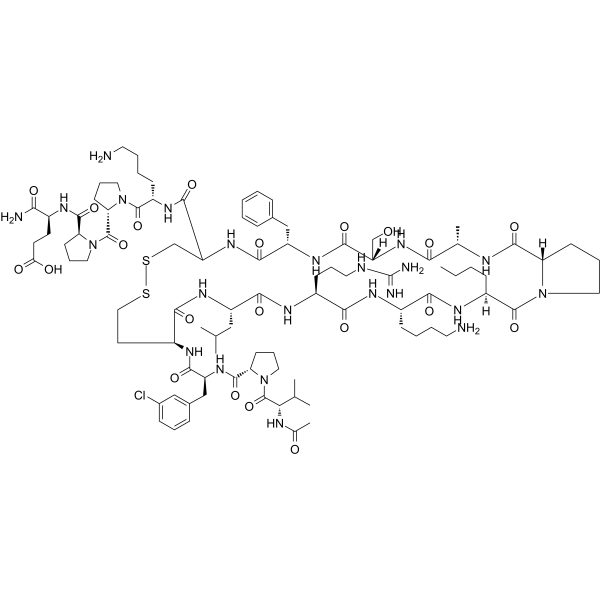
YAP-TEAD-IN-1 TFA is a potent and competitive peptide inhibitor of YAP-TEAD interaction (IC50=25 nM). YAP-TEAD-IN-1 TFA is a 17mer peptide and shows a higher the binding affinity to TEAD1 (Kd=15 nM) than YAP (50-171) (Kd= 40 nM) .
|
-
-
- HY-P2244
-
|
|
YAP
|
Cancer
|
|
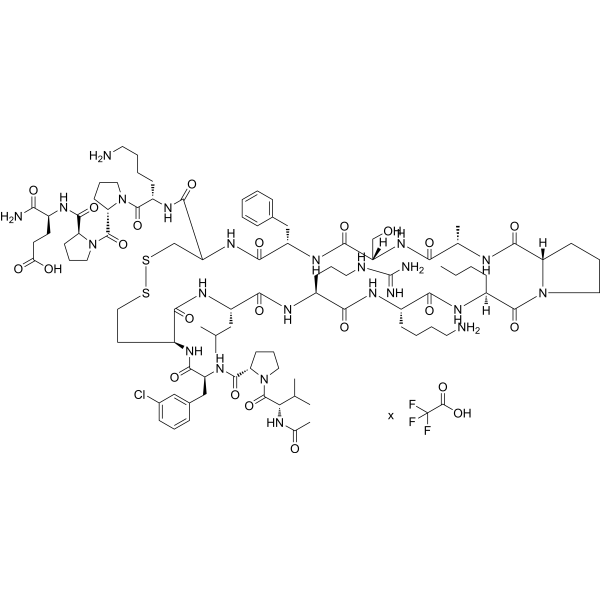
YAP-TEAD-IN-1 is a potent and competitive inhibitor of?YAP–TEAD interaction (IC50=25 nM). YAP-TEAD-IN-1 is a 17mer peptide and shows a higher the binding affinity to TEAD1 (Kd=15 nM) than YAP (50-171) (Kd=40 nM) .
|
-
-
- HY-119518
-
|
BMS-209641
|
RAR/RXR
|
Cancer
|
|
BMS641 (BMS-209641) is a selective RARβ agonist. BMS641 has a higher affinity for RARβ (Kd, 2.5 nM) that is 100 times higher than that for RARα (Kd, 225 nM) or RARγ (Kd, 223 nM) .
|
-
-
- HY-161168
-
|
|
CDK
|
Cancer
|
|
Cyclin K degrader 1 (compound 40) is an AT7519 (HY-50940) based Cyclin K degrader with DC50 of 21 nM. Cyclin K degrader 1 has an affinity for cyclin K that is ~500-fold higher than its affinity for CDK12 .
|
-
-
- HY-P1213
-
|
|
Melanocortin Receptor
|
Neurological Disease
|
|
JKC363, a selective melanocortin MC4 receptor antagonist, has a 90-fold higher affinity at the MC4 receptor (IC50=0.5 nM) than at the MC3 receptor (44.9 nM). JKC-363 blocks the stimulatory effect of α-MSH on TRH release. Anti-hyperalgesic effect .
|
-
-
- HY-103197
-
|
RX821002 hydrochloride
|
Adrenergic Receptor
|
Neurological Disease
|
|
2-Methoxyidazoxan monohydrochloride (RX821002 hydrochloride) is a highly selective alpha 2-adrenoceptor antagonist with little or no imidazoline antagonist effect. RX 821002 has markedly higher affinity for (guinea-pig) alpha 2D-adrenoceptors (pKd 9.7) than for (rabbit) alpha 2A-adrenoceptors (pKd 8.2) .
|
-
-
- HY-P1135
-
|
|
Neuropeptide Y Receptor
|
Neurological Disease
|
|
M1145, a chimeric peptide, is a selective galanin receptor type 2 (GAL2) agonist, with a Ki of 6.55 nM. M1145 shows more than 90-fold higher affinity for GAL2 over GAL1 (Ki=587 nM) and a 76-fold higher affinity over GalR3 (Ki=497 nM). M1145 has an additive effect on the signal transduction of galanin .
|
-
-
- HY-103138A
-
|
|
5-HT Receptor
|
Neurological Disease
Metabolic Disease
|
|
(Rac)-WAY-161503 is a potent, selective, highly affinity 5-HT2C receptor agonist with a Ki of 4 nM and an EC50 of 12 nM. (Rac)-WAY-161503 displays higher affinity for 5-HT2C than 5-HT2A and 5-HT2B receptors. (Rac)-WAY-161503 has anti-obesity and antidepressant effects .
|
-
-
- HY-122140
-
|
|
Cholinesterase (ChE)
|
Neurological Disease
|
|
ACG548B (compound 24) is a potent inhibitor of acetyl- and butyrylcholinesterase (AChE and BChE) with IC50s of 1.78 and 0.496 μM, respectively. ACG548B has higher AChE affinity and selectivity over BChE and ChoK (choline kinase). ACG548B can be uesd for the study of myasthenia gravis and neuromuscular blockade .
|
-
-
- HY-116247
-
|
|
PPAR
|
Metabolic Disease
Inflammation/Immunology
|
|
ST247 a potent PPARβ/δ inverse agonist. ST247 has a higher affinity to PPARβ/δ. ST247 modulates expression of the activation marker CCL2 in the opposite direction. ST247 efficiently induces the interaction with corepressors. ST247 inhibits the agonist-induced transcriptional activity of PPARβ/δ .
|
-
-
- HY-117380
-
|
|
Neurokinin Receptor
|
Neurological Disease
|
|
SB 235375 is a potent and selective antagonist of the human neurokinin-3 (hNK-3) receptor designed by optimizing the structure of 2-phenyl-4-quinolinecarboxylic acid amide. SB 235375 displays high affinity for the hNK-3 receptor, with significantly higher binding affinities than hNK-2 and hNK-1 receptors. In vitro studies demonstrated its ability to block NK-3 receptor-mediated contraction and calcium mobilization, while in vivo, SB 223412 demonstrated oral and intravenous activity against NK-3 receptor-driven responses in animal models .
|
-
-
- HY-14258AR
-
|
(S)-Citalopram oxalate (Standard); (S)-(+)-Citalopram oxalate (Standard)
|
Reference Standards
Serotonin Transporter
|
Neurological Disease
Cancer
|
|
Escitalopram (oxalate) (Standard) is the analytical standard of Escitalopram (oxalate). This product is intended for research and analytical applications. Escitalopram ((S)-Citalopram) oxalate, the S-enantiomer of racemic Citalopram, is a selective serotonin reuptake inhibitor (SSRI) with a Ki of 0.89 nM. Escitalopram oxalate has ∼30 fold higher binding affinity than its R(-)-enantiomer and shows selectivity over both dopamine transporter (DAT) and norepinephrine transporter (NET). Escitalopram oxalate is an antidepressant for the research of major depression .
|
-
-
- HY-P5421
-
|
|
Proton Pump
|
Others
|
|
Caloxin 1B1 is a biological active peptide. (Caloxin 1b1 is obtained by screening for binding to extracellular domain 1 of PMCA4, which inhibited PMCA extracellularly, selectively, and had a higher affinity for PMCA4 than PMCA1. Because caloxin 1b1 had been selected to bind to an extracellular domain of PMCA, it could be added directly to cells and tissues to examine its effects on smooth muscle and endothelium.)
|
-
-
- HY-124414
-
|
|
Estrogen Receptor/ERR
Drug Metabolite
|
Cancer
|
|
4'-Hydroxytamoxifen is a metabolite of Tamoxifen. 4'-Hydroxytamoxifen shows higher affinity for the ER than Tamoxifen. 4'-Hydroxytamoxifen induces a non-apoptotic cytotoxic effect in human endometrial adenocarcinoma cells .
|
-
-
- HY-18719ES
-
|
|
Cytochrome P450
Estrogen Receptor/ERR
Drug Metabolite
Parasite
|
Cancer
|
|
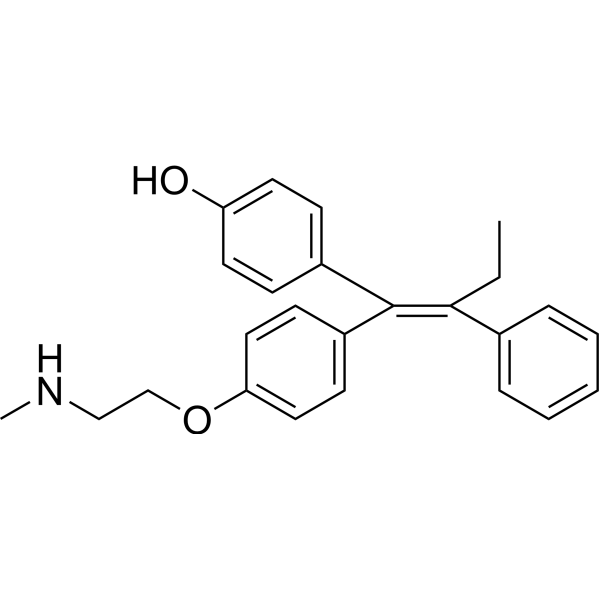
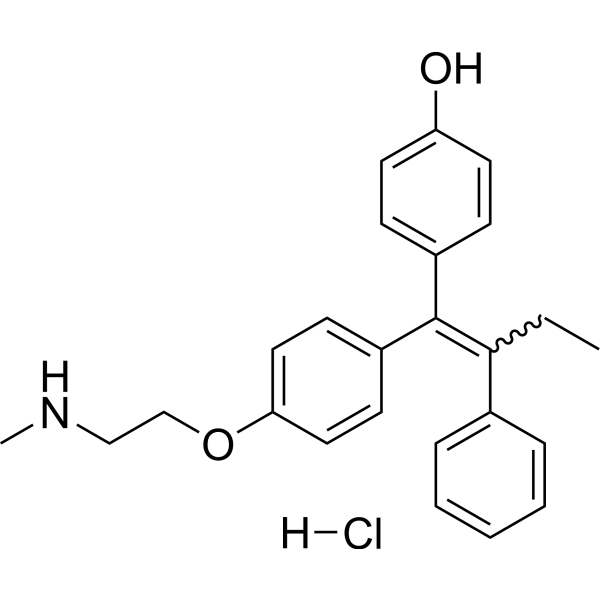
Endoxifen-d5 is the deuterium labeled Endoxifen. Endoxifen is a key active metabolite of tamoxifen (TAM) with higher affinity and specificity to estrogen receptor that also inhibits aromatase activity. Endoxifen has the potential for breast cancer study .
|
-
-
- HY-147908
-
|
|
Xanthine Oxidase
Adenosine Receptor
|
Inflammation/Immunology
|
|
Adenosine receptor inhibitor 2 (compound 14b) is a potent AR (adenosine receptor) inhibitor. Adenosine receptor inhibitor 2 shows dual affinity toward A1/A2A ARs with higher affinity for the A1- than the A2AAR. Adenosine receptor inhibitor 2 has Ki values of 52.2 nM for the A1AR and 167 nM for the A2AAR .
|
-
-
- HY-P2995A
-
|
|
Biochemical Assay Reagents
|
Others
|
|
Hemoglobin porcine is an oxygen-transporting protein present in the blood of domestic pigs, and also an oxygen carrier with higher oxygen affinity than human hemoglobin. Hemoglobin porcine exhibits cooperative oxygen-binding properties, with weaker heme-heme interactions than those of human hemoglobin .
|
-
-
- HY-116910
-
|
|
GABA Receptor
|
Neurological Disease
|
|
CPP-115 is a GABA transaminase inactivator with higher affinity and lower retinal toxicity than Vigabatrin (HY-15399). CPP-115 increases brain GABA levels by inhibiting GABA transaminase catabolism. CPP-115 can be used in the study of drug addiction and infantile spasms .
|
-
-
- HY-P2468
-
|
BADBH3 103-127 (human); BADBH3 (human)
|
Bcl-2 Family
|
Cancer
|
|
BAD (103-127) (human), the 25-mer Bad peptide, is derived from the BH3 domain of BAD, can antagonize the function of Bcl-xL. BAD (103-127) (human) is reported to have almost 800-fold higher affinity for Bcl-XL than the 16-mer peptide .
|
-
-
- HY-W010841R
-
|
(R)-Cetirizine dihydrochloride (Standard)
|
Reference Standards
Histamine Receptor
|
Inflammation/Immunology
Endocrinology
|
|
Levocetirizine (dihydrochloride) (Standard) is the analytical standard of Levocetirizine (dihydrochloride). This product is intended for research and analytical applications. Levocetirizine dihydrochloride ((R)-Cetirizine dihydrochloride) is a third-generation peripheral H1-receptor antagonist. Levocetirizine dihydrochloride is an antihistaminic agent which is the R-enantiomer of Cetirizine. Levocetirizine dihydrochloride has a higher affinity for the histamine H1-receptor than (S)-Cetirizine and can effectively treat allergic rhinitis and chronic idiopathic urticaria .
|
-
-
- HY-121166
-
|
(S)-Betaxolol
|
Adrenergic Receptor
|
Others
|
|
Levobetaxolol is a potent and high affinity β-adrenergic antagonist with IC50 values of 33.2, 2970, 709 nM for guinea pig atrial β1, tracheal β2 and rat colonic β3 receptors, respectively. Levobetaxolol reduces IOP (intraocular pressure). Levobetaxolol exhibits a micromolar affinity for L-type Ca21-channels. Levobetaxolol decreases the effects of ischaemia/reperfusion injury in rats. Levobetaxolol has the potential for the research of glaucoma .
|
-
-
- HY-124414A
-
|
|
Estrogen Receptor/ERR
Drug Metabolite
|
Cancer
|
|
4'-Hydroxytamoxifen TFA is a salt form of a metabolite of Tamoxifen. 4'-Hydroxytamoxifen TFA has a higher affinity for ER than Tamoxifen. 4'-Hydroxytamoxifen TFA induces non-apoptotic cytotoxicity in human endometrial adenocarcinoma cells .
|
-
-
- HY-137231B
-
|
|
nAChR
|
Neurological Disease
|
|
(S)-UFR2709 (hydrochloride) is a competitive nAChR antagonist?and displays higher affinity for α4β2 nAChRs than for α7 nAChRs. (S)-UFR2709 (hydrochloride) decreases anxiety and reduces ethanol consumption and ethanol preference in alcohol-preferring rats. (S)-UFR2709 (hydrochloride) acts as an anxiolytic agent and can be used for the study of nicotine addiction .
|
-
-
- HY-B0814R
-
|
(R)-Cetirizine (Standard)
|
Histamine Receptor
Reference Standards
|
Inflammation/Immunology
Endocrinology
Cancer
|
|
Levocetirizine (Standard) is the analytical standard of Levocetirizine. This product is intended for research and analytical applications. Levocetirizine ((R)-Cetirizine) is a third-generation peripheral H1-receptor antagonist. Levocetirizine is an antihistaminic agent which is the R-enantiomer of Cetirizine. Levocetirizine has a higher affinity for the histamine H1-receptor than (S)-Cetirizine and can effectively treat allergic rhinitis and chronic idiopathic urticaria .
|
-
-
- HY-14258AS
-
|
|
Serotonin Transporter
|
Neurological Disease
|
|
Escitalopram-d6 (oxalate) is the deuterium labeled Escitalopram oxalate. Escitalopram ((S)-Citalopram) oxalate, the S-enantiomer of racemic Citalopram, is a selective serotonin reuptake inhibitor (SSRI) with a Ki of 0.89 nM. Escitalopram oxalate has ~30 fold higher binding affinity than its R(-)-enantiomer and shows selectivity over both dopamine transporter (DAT) and norepinephrine transporter (NET). Escitalopram oxalate is an antidepressant for the research of major depression .
|
-
-
- HY-B0814S1
-
|
(R)-Cetirizine-d4
|
Isotope-Labeled Compounds
|
Inflammation/Immunology
|
|
Levocetirizine-d4 ((R)-Cetirizine-d4) is the deuterium-labeled Levocetirizine (HY-B0814) . Levocetirizine ((R)-Cetirizine) is a third-generation peripheral H1-receptor antagonist. Levocetirizine is an antihistaminic agent which is the R-enantiomer of Cetirizine. Levocetirizine has a higher affinity for the histamine H1-receptor than (S)-Cetirizine and can effectively treat allergic rhinitis and chronic idiopathic urticaria .
|
-
-
- HY-P11164
-
|
|
DNA Alkylator/Crosslinker
|
Endocrinology
|
|
PRKGGRRRRAWGRRRRRRRRRRRRRRAPRKRLTLA is a peptide. PRKGGRRRRAWGRRRRRRRRRRRRRRAPRKRLTLA has a higher affinity for CR3 and DNA binding domain than FOXO4 and DRI. PRKGGRRRRAWGRRRRRRRRRRRRRRAPRKRLTLA can be used in the research of aging .
|
-
-
- HY-W420344
-
|
|
Potassium Channel
|
Others
|
|
Dehydroindapamide is the indole form of Indapamide (HY-B0259). Dehydroindapamide standard can be used to quantitatively measure the Indapamide turnover rate by CYP3A4, which was approximately 10-fold higher than that of Indoline (HY-Y0788), and slightly enhanced affinity for CYP3A4 .
|
-
-
- HY-B1349
-
|
|
Biochemical Assay Reagents
|
Others
|
|
Mepiroxol can form various interactions with key residues of specific proteins. It establishes salt bridges with Arg-153 and Arg-74, and forms two hydrogen bonds with Asp-50 and Gly-96 through its terminal hydroxyl group, these interactions help enhance its binding affinity and lead to a higher docking score .
|
-
-
- HY-105506
-
|
|
Angiotensin Receptor
|
Cardiovascular Disease
|
|
EXP-7711 is a non peptide angiotensin II (Ang II) AT1 receptor antagonist. EXP-7711’s affinity for wild-type AT1 receptor (Ki =180 nM) is lower than peptide antagonists, but higher than losartan (Ki = 12 nM). EXP-7711 can be used for research on cardiovascular conditions .
|
-
- HY-P1213A
-
|
|
Melanocortin Receptor
|
Neurological Disease
|
|
JKC363 TFA, a selective melanocortin MC4 receptor antagonist, has a 90-fold higher affinity at the MC4 receptor (IC50=0.5 nM) than at the MC3 receptor (44.9 nM). JKC363 TFA blocks the stimulatory effect of α-MSH on TRH release. Anti-hyperalgesic effect .
|
-
- HY-14240
-
|
PG 530742; PGE 530742; PGE 7113313
|
MMP
|
Cardiovascular Disease
|
|
PG 116800 (PGE 530742; PGE 7113313) is an orally active, selective and high-affinity inhibitor of MMP. PG 116800 acts as an inhibitor of ventricular remodeling, reduces left ventricular volumes and infarct zone collagen content, and improves ejection fraction. PG 116800 is generally well tolerated, but is associated with higher rates of arthralgia, joint stiffness, and dyspepsia. PG 116800 can be used for the research of myocardial infarction .
|
-
- HY-14258AS1
-
|
(S)-Citalopram-d4 oxalate; (S)-(+)-Citalopram-d4 oxalate
|
Isotope-Labeled Compounds
Serotonin Transporter
|
Neurological Disease
|
|
Escitalopram-d4 (oxalate) is deuterium labeled Escitalopram (oxalate). Escitalopram ((S)-Citalopram) oxalate, the S-enantiomer of racemic Citalopram, is a selective serotonin reuptake inhibitor (SSRI) with a Ki of 0.89 nM. Escitalopram oxalate has ~30 fold higher binding affinity than its R(-)-enantiomer and shows selectivity over both dopamine transporter (DAT) and norepinephrine transporter (NET). Escitalopram oxalate is an antidepressant for the research of major depression .
|
-
- HY-101686
-
-
- HY-111210
-
|
ACR16 hydrochloride; ASP2314 hydrochloride; FR310826 hydrochloride
|
Dopamine Receptor
|
Neurological Disease
|
|
Pridopidine (ACR16) hydrochloride, a dopamine (DA) stabilizer, acts as a low affinity dopamine D2 receptor (D2R) antagonist. Pridopidine exerts high affinity towards sigma 1 receptor (S1R) with Ki between 70 and 80 nM, which is ~100-fold higher than its affinity toward D2R.
|
-
- HY-P1135A
-
|
|
Neuropeptide Y Receptor
|
Neurological Disease
|
|
M1145 TFA, a chimeric peptide, is a selective galanin receptor type 2 (GAL2) agonist, with a Ki of 6.55 nM. M1145 TFA shows more than 90-fold higher affinity for GAL2 over GAL1 (Ki=587 nM) and a 76-fold higher affinity over GalR3 (Ki=497 nM). M1145 TFA has an additive effect on the signal transduction of galanin .
|
-
- HY-122294
-
|
|
Endogenous Metabolite
|
Neurological Disease
|
|
Rociverine is an anticholinergic compound with smooth muscle relaxant activity. Rociverine showed different binding modes in five cloned muscarinic receptors. The cis stereoisomer of Rociverine showed a higher affinity change compared to the trans stereoisomer. The (1R,2R) configuration of Rociverine showed significantly higher affinity, even up to 240 times. The (1S,2S) configuration of Rociverine is very important for binding selectivity .
|
-
- HY-10684R
-
|
ACR16 (Standard); ASP2314 (Standard); FR310826 (Standard)
|
Dopamine Receptor
Reference Standards
|
Neurological Disease
|
|
Pridopidine (Standard) is the analytical standard of Pridopidine. This product is intended for research and analytical applications. Pridopidine, a dopamine (DA) stabilizer, acts as a low affinity dopamine D2 receptor (D2R) antagonist. Pridopidine exerts high affinity towards sigma 1 receptor (S1R) with Ki between 70 and 80 nM, which is ~100× higher than its affinity toward D2R.
|
-
- HY-156394
-
|
|
ERK
|
Cancer
|
|
Laxiflorin B-4 is modificative compound of Laxiflorin B (HY-156393), exhibited higher affinity for ERK1/2 and stronger tumor suppression .
|
-
- HY-105346
-
|
|
Neurokinin Receptor
|
Neurological Disease
|
|
WIN 51708 is a nonpeptide antagonist of neurokinin (NK)-1 receptor. WIN 51708 has a higher affinity for the rat NK-1 receptor compared to the human NK-1 receptor .
|
-
- HY-123567
-
|
|
5-HT Receptor
|
Neurological Disease
|
|
LY86057 is an ergoline derivative without N1 substituents. It has higher affinity for porcine, squirrel monkey and human 5-HT2 receptors than rats and is an antagonist of 5-HT2 receptors. When studying the differences in recognition of a series of ergolines between species, LY86057 was found to be more selective for 5-HT2 receptors. Compared with LY53857, LY108742 resulted in a higher affinity for rat 5-HT2 receptors even when the N1 substituent was only methyl.
|
-
- HY-15553B
-
|
Ro 40-5967 dihydrochloride hydrate
|
Calcium Channel
|
Cardiovascular Disease
Cancer
|
|
Mibefradil dihydrochloride hydrate (Ro 40-5967 dihydrochloride hydrate) is a effectively long-acting calcium channel antagonist, used as an antihypertensive agent. Mibefradil dihydrochloride hydrate acts via a higher affinity block for low-voltage-activated (T) than for high-voltage-activated (L) calcium channels .
|
-
- HY-18719BR
-
|
|
Cytochrome P450
Reference Standards
Estrogen Receptor/ERR
Drug Metabolite
Parasite
|
Cancer
|
|
Endoxifen (hydrochloride) (Standard) is the analytical standard of Endoxifen (hydrochloride). This product is intended for research and analytical applications. Endoxifen hydrochloride is a key active metabolite of Tamoxifen (TAM) with higher affinity and specificity to estrogen receptor that also inhibits aromatase activity. Endoxifen hydrochloride has the potential for breast cancer study[1][2].
|
-
- HY-103451
-
|
|
Estrogen Receptor/ERR
|
Metabolic Disease
|
|
(R,R)-THC is an ERα agonist and an ERβ antagonist, with Kis of 9.0 nM and 3.6 nM for ERα and ERβ, respectively. (R,R)-THC has higher relative binding affinity for ERβ than ERα with the values of 25 and 3.6 .
|
-
- HY-U00165
-
-
- HY-157287
-
|
|
PI3K
|
Inflammation/Immunology
|
|
(S)-Phe-A110/B319 is a selective binde that has 20-fold higher affinity towards the H1047R mutant of p110α in the p110α/p85α PI3K complex .
|
-
- HY-124414R
-
|
|
Reference Standards
Estrogen Receptor/ERR
Drug Metabolite
|
Cancer
|
|
4'-Hydroxytamoxifen (Standard) is the analytical standard of 4'-Hydroxytamoxifen. This product is intended for research and analytical applications. 4'-Hydroxytamoxifen is a metabolite of Tamoxifen. 4'-Hydroxytamoxifen shows higher affinity for the ER than Tamoxifen. 4'-Hydroxytamoxifen induces a non-apoptotic cytotoxic effect in human endometrial adenocarcinoma cells .
|
-
- HY-117239
-
|
|
Adrenergic Receptor
|
Cardiovascular Disease
|
|
SB-206606, a stereoisomer of BRL 37344, is a potentially specific, beta 3-adrenergic receptor (β3-AR) ligand. The affinity of [3H]SB 206606 is 76 times higher for the β3-AR than for the beta 1/beta 2-adrenergic receptors .
|
-
- HY-124414AR
-
|
|
Reference Standards
Estrogen Receptor/ERR
Drug Metabolite
|
Cancer
|
|
4'-Hydroxytamoxifen (TFA) (Standard) is the analytical standard of 4'-Hydroxytamoxifen (TFA). This product is intended for research and analytical applications. 4'-Hydroxytamoxifen TFA is a salt form of a metabolite of Tamoxifen. 4'-Hydroxytamoxifen TFA has a higher affinity for ER than Tamoxifen. 4'-Hydroxytamoxifen TFA induces non-apoptotic cytotoxicity in human endometrial adenocarcinoma cells[1].
|
-
- HY-B0814S
-
|
(R)-Cetirizine-d4 dihydrochloride
|
Isotope-Labeled Compounds
Histamine Receptor
|
Inflammation/Immunology
Endocrinology
|
|
Levocetirizine-d4 (dihydrochloride) is the deuterium labeled Levocetirizine. Levocetirizine ((R)-Cetirizine) is a third-generation peripheral H1-receptor antagonist. Levocetirizine is an antihistaminic agent which is the R-enantiomer of Cetirizine. Levocetirizine has a higher affinity for the histamine H1-receptor than (S)-Cetirizine and can effectively treat allergic rhinitis and chronic idiopathic urticaria[1].
|
-
- HY-W420344R
-
|
|
Potassium Channel
Reference Standards
|
Others
|
|
Dehydroindapamide (Standard) is the analytical standard of Dehydroindapamide. This product is intended for research and analytical applications. Dehydroindapamide is the indole form of Indapamide (HY-B0259). Dehydroindapamide standard can be used to quantitatively measure the Indapamide turnover rate by CYP3A4, which was approximately 10-fold higher than that of Indoline (HY-Y0788), and slightly enhanced affinity for CYP3A4 .
|
-
- HY-137231A
-
|
|
nAChR
|
Neurological Disease
|
|
(S)-UFR2709 is a competitive nAChR antagonist and displays higher affinity for α4β2 nAChRs than for α7 nAChRs. (S)-UFR2709 decreases anxiety and reduces ethanol consumption and ethanol preference in alcohol-preferring rats. (S)-UFR2709 acts as an anxiolytic agent and can be used for the study of nicotine addiction .
|
-
- HY-103451A
-
|
|
Estrogen Receptor/ERR
|
Metabolic Disease
|
|
rel-(R,R)-THC is the relative configuration of (R,R)-THC (HY-103451). (R,R)-THC is an ERα agonist and an ERβ antagonist, with Kis of 9.0 nM and 3.6 nM for ERα and ERβ, respectively. (R,R)-THC has higher relative binding affinity for ERβ than ERα with the values of 25 and 3.6 .
|
-
- HY-144470S
-
|
|
Isotope-Labeled Compounds
Potassium Channel
|
Others
|
|
Dehydroindapamide-d3 is the deuterium labeled Dehydroindapamide (HY-W420344). Dehydroindapamide is the indole form of Indapamide (HY-B0259). Dehydroindapamide standard can be used to quantitatively measure the Indapamide turnover rate by CYP3A4, which was approximately 10-fold higher than that of Indoline (HY-Y0788), and slightly enhanced affinity for CYP3A4 .
|
-
- HY-14258R
-
|
(S)-Citalopram (Standard); (S)-(+)-Citalopram (Standard)
|
Serotonin Transporter
Reference Standards
|
Neurological Disease
Cancer
|
|
Escitalopram (Standard) is the analytical standard of Escitalopram. This product is intended for research and analytical applications. Escitalopram ((S)-Citalopram), the S-enantiomer of racemic Citalopram, is a selective serotonin reuptake inhibitor (SSRI) with a Ki of 0.89 nM. Escitalopram has ~30 fold higher binding affinity than its R(-)-enantiomer and shows selectivity over both dopamine transporter (DAT) and norepinephrine transporter (NET). Escitalopram is an antidepressant for the research of major depression .
|
-
- HY-163980
-
|
|
Cholinesterase (ChE)
nAChR
|
Others
|
|
AChE-IN-73 (compound 6) is an insecticide with higher toxicity than HY-B0815. The LC50 for C. pipiens is 78.0 mg/L. AChE-IN-73 has high affinity for acetylcholinesterase (AChE) and nicotinic acetylcholine receptors (nAChR), with binding energies of -8.11 kcal/mol and -6.27 kcal/mol, respectively. AChE-IN-73 is a potentially potent mosquito inhibitor .
|
-
- HY-100689R
-
|
PPT (Standard)
|
Reference Standards
Estrogen Receptor/ERR
|
Cancer
|
|
Propyl pyrazole triol (Standard) is the analytical standard of Propyl pyrazole triol. This product is intended for research and analytical applications. Propyl pyrazole triol (PPT) is a selective estrogen receptor alpha (ERα) agonist. The relative binding affinity of Propyl pyrazole triol for ERα (ERα: 49%) around 410 times higher compared with estrogen receptor beta (ERβ: 0.12%) .
|
-
- HY-109743
-
|
|
Dopamine Receptor
|
Neurological Disease
|
|
BP14979 is a dopamine D3 receptor agonist with activity in the study of neurological diseases. BP14979 can be used to develop ligands with higher selectivity and affinity for D3 receptors. The structural characteristics of BP14979 make it potential in modulating the efficacy of D3 receptors. The design of BP14979 is based on the difference in efficacy with D3R selective antagonists, providing opportunities for optimizing new drug development .
|
-
- HY-W076756
-
|
|
mAChR
|
Inflammation/Immunology
|
|
4-Piperidyl N-(2-biphenyl)carbamate (compound MA) is a competitive muscarinic acetylcholine receptor (mAChR) antagonist. 4-Piperidyl N-(2-biphenyl)carbamate exhibits higher affinity for M2 and M3 mAChR than β2AR (M2 pKi = 7.33; M3 pKi = 7.51; β2AR pKi = 4.94) .
|
-
- HY-107650
-
|
CI 979 hydrochloride; RU 35926 hydrochloride
|
mAChR
|
Neurological Disease
|
|
Milameline (CI 979; RU35926) hydrochloride is a nonselective, partical and orally active muscarinic receptor agonist that improves cognition. Milameline hydrochloride has equal affinity for different subtypes of human muscarinic receptors with IC50 of 1.3 µM for M1-, 1.1 µM for M2-, 1.5 µM for M3-, and 1.9 µM for M4-muscarinic receptors. Milameline hydrochloride has a higher affinity for sites [ 3H]CMD (IC50 = 20 nM), than [ 3H]QNB, (IC50 = 3059 nM). Milameline hydrochloride produces both central and peripheral cholinergic effects and reverses the cognitive deficits induced by Scopolamine (HY-N0296). Milameline hydrochloride can be used for the study of Alzheimer’s Disease .
|
-
- HY-135460
-
|
CI-979; RU35926
|
mAChR
|
Neurological Disease
|
|
Milameline (CI-979; RU35926) is a nonselective, partical and orally active muscarinic receptor agonist that improves cognition. Milameline has equal affinity for different subtypes of human muscarinic receptors with IC50 of 1.3 µM for M1-, 1.1 µM for M2-, 1.5 µM for M3-, and 1.9 µM for M4-muscarinic receptors. Milameline has a higher affinity for sites [ 3H]CMD (IC50 = 20 nM), than [ 3H]QNB, (IC50 = 3059 nM). Milameline produces both central and peripheral cholinergic effects and reverses the cognitive deficits induced by Scopolamine (HY-N0296). Milameline can be used for the study of Alzheimer’s Disease .
|
-
- HY-115390
-
|
|
Leukotriene Receptor
|
Cardiovascular Disease
Inflammation/Immunology
|
|
14,15-Dehydro Leukotriene B4 (Compound 4) is a LTB4 receptor antagonist. 14,15-Dehydro Leukotriene B4 also has a higher binding affinity for BLT1 with a Ki value of 27 nM and BLT2 with a Ki value of 473 nM. 14,15-Dehydro Leukotriene B4 inhibits LTB4-induced release of lysozymes from rat polymorphonuclear leukoctyes with an IC50 value of 1 µM .
|
-
- HY-16381C
-
|
(2R)-SOM230 (diaspartate)
|
Endogenous Metabolite
|
Others
|
|
(2R)-Pasireotide ((2R)-SOM230) diaspartate exhibits a 40-fold higher affinity for somatostatin receptor 5 than other somatostatin analogs.
|
-
- HY-119771
-
|
|
Ferroportin
Bacterial
|
Infection
|
|
Schizokinen is an iron-transport agent. Schizokinen can be obtained from Bacillus megaterium. Schizokinen possesses a higher affinity for iron(III) than Desferrioxamine B. Schizokinen reduces the division lag of bacteria .
|
-
- HY-100202R
-
|
TPEDA (Standard)
|
Reactive Oxygen Species (ROS)
Reference Standards
Apoptosis
Autophagy
|
Cancer
|
|
TPEN (Standard) is the analytical standard of TPEN (HY-100202). This product is intended for research and analytical applications. TPEN (TPEDA) is a specific cell-permeable heavy metal chelator. TPEN has a higher affinity for Zn2+, but a lower affinity for Mg2+ and Ca2+. TPEN induces DNA damage and increases intracellular ROS production. TPEN also inhibits cell proliferation and induces apoptosis .
|
-
- HY-111142
-
|
|
Others
|
Others
|
|
COR 32-24 is a compound that enters the brain through the purine transport system and has the activity of being transported by this system. The brain uptake index of COR 32-24 in rats decreases with the increase of the concentration of unlabeled compound, and its affinity for purine transporters is higher than that for adenine.
|
-
- HY-P1994A
-
|
|
Cholecystokinin Receptor
|
Neurological Disease
|
|
JMV 170, a CCK derivative, is a selective CCK-B agonist. JMV 170 binds to the CCK-B receptor with a 10-fold higher affinity than to the CCK-A receptor. JMV 170 shows contractile effects on pig smooth muscle cells with an EC50 of 9 pmol/L .
|
-
- HY-129296
-
|
|
Endogenous Metabolite
|
Neurological Disease
|
|
YM-44781 free acid is a non-peptide neuropeptide receptor antagonist with efficient NK(2) and NK(1) receptor antagonist activity. YM-44781 exhibits significant binding affinity on the NK(2) receptor (pKi = 9.94) and also on the NK(1) receptor Higher binding affinity (pKi = 9.09). In addition, YM-44781 also showed significant inhibitory effects on bladder contraction induced by selective NK(1) receptor agonists .
|
-
- HY-D2282
-
|
|
Fluorescent Dye
|
Others
|
|
DFHBI-BI is a mimic of the green fluorescence protein chromophore. DFHBI-BI can be bound and activated by Broccoli ( a fluorogenic RNA aptamer) with higher affinity. DFHBI-BI prevents thermal unfolding of Broccoli at 37°C in mammalian cells, subsequently forming more fluorescent Broccoli-BI complexes. The fluorescence wavelength is 559/635 nm .
|
-
- HY-111156
-
|
|
Monoamine Oxidase
|
Neurological Disease
|
|
NW-1172 (free base) (compound 22b) is a 5-HT3 receptor antagonist with performance-enhancing activity in a delayed matching task in monkeys, with the (R) isomer producing more systematic improvements than the (S) isomer, a difference paralleled by the higher affinity of the (R) enantiomer for the 5-HT3 receptor.
|
-
- HY-100943R
-
|
SQ 10643 (Standard)
|
5-HT Receptor
Reference Standards
Influenza Virus
|
Infection
Inflammation/Immunology
|
|
Cinanserin (hydrochloride) (Standard) is the analytical standard of Cinanserin (hydrochloride) (HY-100943). This product is intended for research and analytical applications. Cinanserin hydrochloride (SQ 10643) is a potent, selective and highly affinity 5-HT2 receptor antagonist with a Ki of 41 nM. Cinanserin hydrochloride has a much higher binding affinity for the 5-HT2 than for the 5-HT1 receptor (Ki of 3500 nM). Cinanserin is also an inhibitor of 3C-like proteinase of severe acute respiratory syndrome coronavirus and strongly reduces virus replication in vitro .
|
-
- HY-111241
-
|
|
Dopamine Receptor
|
Neurological Disease
|
|
SV 293 is a selective antagonist with neutral antagonist activity. SV 293 binds to human D2 receptors with 100-fold higher affinity and has lower affinity for human D3 and D4 dopamine receptor subtypes. SV 293 was found to block the effects of the full agonist quinpirole in forskolin-dependent adenylate acylase inhibition assays and electrophysiological assays. SV 293 can be used as a useful pharmacological tool to study the role of dopamine D2-like receptor subtypes in dopamine pathways associated with neurological, neuropsychiatric and movement disorders .
|
-
- HY-183248
-
|
|
Epigenetic Reader Domain
|
Cancer
|
|
BRDT-IN-2 is a BRDT-BD1-preferring inhibitor (Ki=10 μM) with higher affinity for BRDT-BD1 than BRD4-BD1. BRDT-IN-2 preferentially binds BRDT-BD1 without direct interaction with BRDT-BD1’s Arg54 residue. BRDT-IN-2 binds BRD4-BD1 with lower affinity via structured water molecule displacement in its binding pocket. BRDT-IN-2 can be used for the research of multiple myeloma .
|
-
- HY-P11680
-
|
|
DNA/RNA Synthesis
|
Others
|
|
BOC-PNA-thioU(PMB)-OH is a peptide nucleic acid (PNA) monomer characterized by a PMB protecting group on its thiouracil, which enhances its binding affinity to adenine. BOC-PNA-thioU(PMB)-OH exhibits excellent resistance to enzymatic degradation and strong hybridization properties, making it valuable for applications in gene diagnosis, antisense therapy, and other molecular biology fields requiring higher binding strength and greater functionalization.
|
-
- HY-10473R
-
|
KB2115 (Standard)
|
Reference Standards
Thyroid Hormone Receptor
|
Metabolic Disease
Endocrinology
|
|
Eprotirome (Standard) is the analytical standard of Eprotirome (HY-10473). This product is intended for research and analytical applications. Eprotirome (KB2115) is a liver-selective thyroid hormone receptor (TR) agonist. KB2115 has modestly higher affinity for TRβ than for TRα. Eprotirome reduces low-density lipoprotein (LDL) cholesterol concentrations. Eprotirome can be used for dyslipidemias and obesity research .
|
-
- HY-107650A
-
|
CI 979 hydroiodide; RU 35926 hydroiodide
|
mAChR
|
Neurological Disease
|
|
Milameline (CI 979; RU35926) hydroiodide is a nonselective, partical and orally active muscarinic receptor agonist that improves cognition. Milameline hydroiodide has equal affinity for different subtypes of human muscarinic receptors with IC50 of 1.3 µM for M1-, 1.1 µM for M2-, 1.5 µM for M3-, and 1.9 µM for M4-muscarinic receptors. Milameline hydroiodide has a higher affinity for sites [ 3H]CMD (IC50 = 20 nM), than [ 3H]QNB, (IC50 = 3059 nM). Milameline hydroiodide produces both central and peripheral cholinergic effects and reverses the cognitive deficits induced by Scopolamine (HY-N0296). Milameline hydroiodide can be used for the study of Alzheimer’s Disease .
|
-
- HY-182094C
-
|
|
Liposome
|
Metabolic Disease
|
|
DSPE-PEG5000-KTP is a PEG compound which composed of DSPE and a Kidney-targeting peptide KTP (HY-P11069). KTP can interact with specific proteins on the surface of renal tubular epithelial cells or exhibit higher affinity in the specific renal microenvironment, tending to aggregate or be internalized within the renal tubular epithelium. DSPE-PEG5000-KTP can actively guide carriers such as nanomedicines, liposomes, and microspheres to the kidney .
|
-
- HY-182094
-
|
|
Liposome
|
Metabolic Disease
|
|
DSPE-PEG1000-KTP is a PEG compound which composed of DSPE and a Kidney-targeting peptide KTP (HY-P11069). KTP can interact with specific proteins on the surface of renal tubular epithelial cells or exhibit higher affinity in the specific renal microenvironment, tending to aggregate or be internalized within the renal tubular epithelium. DSPE-PEG1000-KTP can actively guide carriers such as nanomedicines, liposomes, and microspheres to the kidney .
|
-
- HY-182094A
-
|
|
Liposome
|
Metabolic Disease
|
|
DSPE-PEG2000-KTP is a PEG compound which composed of DSPE and a Kidney-targeting peptide KTP (HY-P11069). KTP can interact with specific proteins on the surface of renal tubular epithelial cells or exhibit higher affinity in the specific renal microenvironment, tending to aggregate or be internalized within the renal tubular epithelium. DSPE-PEG2000-KTP can actively guide carriers such as nanomedicines, liposomes, and microspheres to the kidney .
|
-
- HY-182094B
-
|
|
Liposome
|
Metabolic Disease
|
|
DSPE-PEG3400-KTP is a PEG compound which composed of DSPE and a Kidney-targeting peptide KTP (HY-P11069). KTP can interact with specific proteins on the surface of renal tubular epithelial cells or exhibit higher affinity in the specific renal microenvironment, tending to aggregate or be internalized within the renal tubular epithelium. DSPE-PEG3400-KTP can actively guide carriers such as nanomedicines, liposomes, and microspheres to the kidney .
|
-
- HY-103197R
-
|
RX821002 hydrochloride (Standard)
|
Reference Standards
Adrenergic Receptor
|
Neurological Disease
|
|
2-Methoxyidazoxan (monohydrochloride) (Standard) is the analytical standard of 2-Methoxyidazoxan (monohydrochloride). This product is intended for research and analytical applications. 2-Methoxyidazoxan monohydrochloride (RX821002 hydrochloride) is a highly selective alpha 2-adrenoceptor antagonist with little or no imidazoline antagonist effect. RX 821002 has markedly higher affinity for (guinea-pig) alpha 2D-adrenoceptors (pKd 9.7) than for (rabbit) alpha 2A-adrenoceptors (pKd 8.2) .
|
-
- HY-B2021
-
|
|
Insecticide
|
Neurological Disease
|
|
τ-Fluvalinate is an insecticide and in-hive miticide, with its mechanism involving interfering with nervous systems. τ-Fluvalinate binds to the open state of Varroa destructor (VdNaV1) and Apis mellifera (AmNaV1) voltage-dependent sodium channels, with EC50 values of 160 nM and 60 nM respectively. τ-Fluvalinate has higher affinity for AmNaV1, which causes sublethal toxicity to honeybees. τ-Fluvalinate can be applied for research on Varroa destructor infestation in honeybee colonies .
|
-
- HY-10211R
-
|
17-AAG (Standard); NSC 330507 (Standard); CP 127374 (Standard)
|
Reference Standards
HSP
Autophagy
Mitophagy
Bacterial
Apoptosis
Antibiotic
|
Infection
Cancer
|
|
Tanespimycin (Standard) is the analytical standard of Tanespimycin. This product is intended for research and analytical applications. Tanespimycin (17-AAG) is a potent HSP90 inhibitor with an IC50 of 5 nM, having a 100-fold higher binding affinity for tumour cell derived HSP90 than normal cell derived HSP90 . Tanespimycin depletes cellular STK38/NDR1 and reduces STK38 kinase activity. Tanespimycin also downregulates the stk38 gene expression .
|
-
- HY-130179
-
|
|
Apoptosis
|
Neurological Disease
|
|
RC-33 hydrochloride is a selective and metabolically stable σ receptor agonist with activity in enhancing nerve growth factor (NGF)-induced neurite outgrowth. Both enantiomers of RC-33 hydrochloride bind to the σ receptor with similar affinity and show almost equal effectiveness as σ receptor agonists. The R-configured enantiomer of RC-33 hydrochloride shows higher liver metabolic stability in the presence of NADPH. RC-33 hydrochloride was selected as the best candidate for further in vivo studies in animal models of amyotrophic lateral sclerosis .
|
-
- HY-124984
-
|
|
mGluR
|
Neurological Disease
|
|
ML353 is a selective ligand of mGlu5 silent allosteric modulator (SAM) with an Ki value of 18.2 nM. ML353 improves the affinity of common allosteric sites, 20-fold higher than the previous mGlu5 SAM tool compound 5mpep. ML353 has potential applications in solving the intrinsic activity of SAM in vivo or as a agent blocker . ML353 is a click chemistry reagent, it contains an Alkyne group and can undergo copper-catalyzed azide-alkyne cycloaddition (CuAAc) with molecules containing Azide groups.
|
-
- HY-W714853
-
|
|
Akt
Src
STAT
EGFR
Drug Isomer
|
Neurological Disease
Inflammation/Immunology
|
|
(+)-Theta-cypermethrin is a stereoisomer of Cypermethrin (HY-B0829) that possesses blood-brain barrier penetration ability and binds to AKT1, SRC, STAT3 and EGFR with high affinity. (+)-Theta-cypermethrin reduces the amplitude of delayed rectifier potassium channel currents, shifts the steady-state activation curve to negative potentials, and shifts the steady-state inactivation curve to negative potentials at higher concentrations. (+)-Theta-cypermethrin induces abnormal electrical activity in rat hippocampal neurons. (+)-Theta-cypermethrin causes chronic respiratory system damage and exhibits neurotoxicity .
|
-
- HY-P10365
-
|
|
Adhesion G Protein-coupled Receptors (AGPCRs)
|
Others
|
|
Vmm-p15 is a peptide agonist optimized for the adhesion G protein-coupled receptor GPR64 (also known as ADGRG2 or HE6). The affinity of VPM-p15 with GPR64 is significantly higher than that of the original p15 peptide. The cAMP level induced by VMM-P15 increased significantly, activated GPR64, and triggered downstream Gs, Gq, and G12/13 signaling. VPM-p15 can be used to study the activation mechanism of adherent GPCR family members .
|
-
- HY-137465
-
|
|
PROTACs
Trk Receptor
|
Cancer
|
|
CG428 is a potent and selective CRBN-dependent tropomyosin receptor kinase (TRK) PROTAC degrader that has anti-tumor activity. CG428 reduces levels of the tropomyosin 3 TPM3-TRKA fusion protein in KM12 colorectal carcinoma cells (DC50 = 0.36 nM) and inhibits downstream PLCγ1 phosphorylation (IC50 = 0.33 nM). CG428 has a higher binding affinity for TRKA than TRKB and TRKC (Kd = 1 nM, 28 nM and 4.2 nM, respectively). CG428 can be used for the research of colorectal carcinoma .
|
-
- HY-N6785
-
|
|
Phosphatase
Apoptosis
|
Neurological Disease
Cancer
|
|
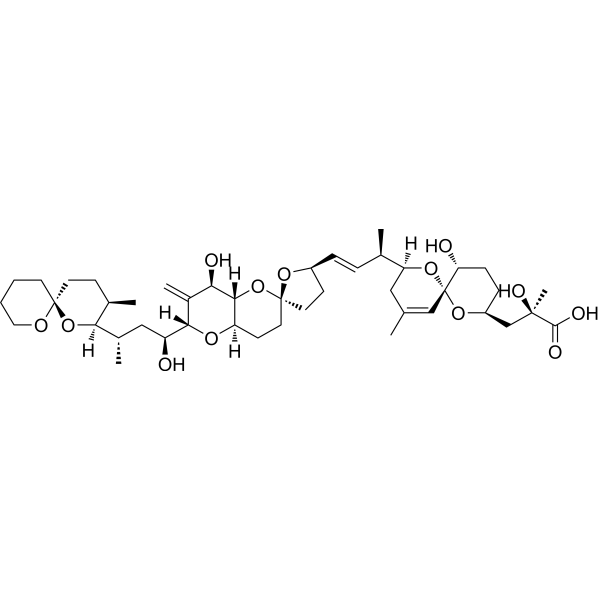
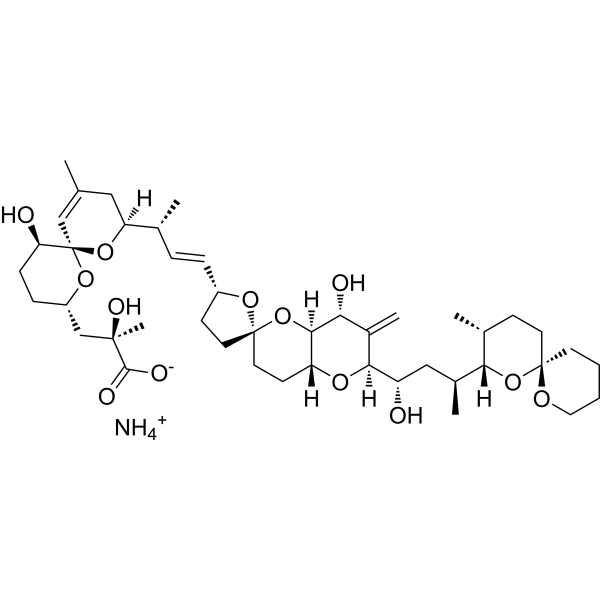
Okadaic acid, a marine toxin, is an inhibitor of protein phosphatases (PP). Okadaic acid has a significantly higher affinity for PP2A (IC50=0.1-0.3 nM), and inhibits PP1 (IC50=15-50 nM), PP3 (IC50=3.7-4 nM), PP4 (IC50=0.1 nM), PP5 (IC50=3.5 nM), but does not inhibit PP2C. Okadaic acid increases of phosphorylation of a number of proteins by inhibiting PP, and acts a tumor promoter. Okadaic acid induces tau phosphorylation .
|
-
- HY-W013935R
-
|
|
Reference Standards
Endogenous Metabolite
Estrogen Receptor/ERR
Reactive Oxygen Species (ROS)
|
Endocrinology
|
|
Bisphenol B (Standard) is the analytical standard of Bisphenol B. This product is intended for research and analytical applications. Bisphenol B is a close structural analog of Bisphenol A (BPA) (HY-18260). Bisphenol B is a potent, orally active endocrine disruptor (ED). Bisphenol B binds to G protein-coupled estrogen receptor (GPER) (IC50 = 3.3 μM) with higher affinity and agonistic activity than BPA. Bisphenol B promotes GPER mediated cell migration. Bisphenol B exerts estrogenic effects via GPER pathway at nanomolar concentration. Bisphenol B is used in the manufacture of polycarbonate resin with ED properties .
|
-
- HY-N6785A
-
|
|
Phosphatase
Apoptosis
|
Neurological Disease
Cancer
|
|
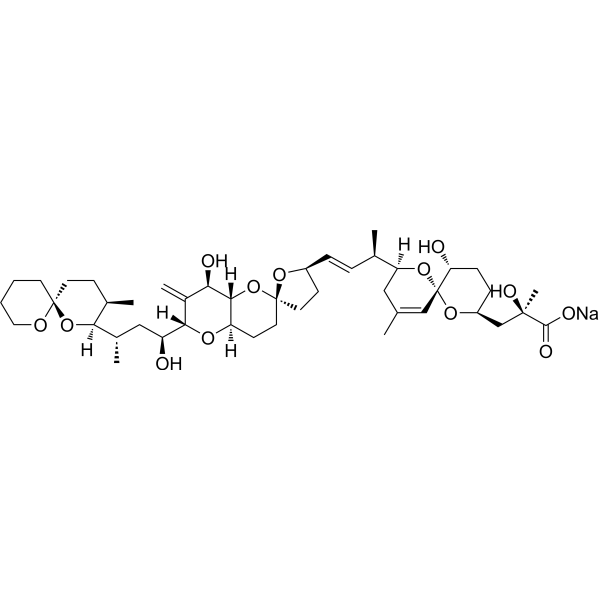
Okadaic acid sodium, a marine toxin, is an inhibitor of protein phosphatases (PP). Okadaic acid (sodium) has a significantly higher affinity for PP2A (IC50=0.1-0.3 nM), and inhibits PP1 (IC50=15-50 nM), PP3 (IC50=3.7-4 nM), PP4 (IC50=0.1 nM), PP5 (IC50=3.5 nM), but does not inhibit PP2C. Okadaic acid sodium increases of phosphorylation of a number of proteins by inhibiting PP, and acts a tumor promoter. Okadaic acid sodium induces tau phosphorylation .
|
-
- HY-100552
-
|
|
5-HT Receptor
|
Neurological Disease
|
|
VUF10166 is a potent and high-affinity 5-HT3 receptor antagonist, with Ki values of 0.04 nM (5-HT3A) and 22 nM (5-HT3AB). VUF10166 inhibits 5-HT-induced responses at 5-HT3A and 5-HT3AB receptors at nanomolar concentrations. At 5-HT3 receptor, VUF10166 at higher concentrations also acts as a partial agonist, with an EC50 of 5.2 μM .
|
-
- HY-12463A
-
|
|
Adrenergic Receptor
|
Inflammation/Immunology
|
|
Carmoterol is a highly potent and selective long-acting β2-adrenergic receptor agonist with a pEC50 of 10.19. Carmoterol shows 53-fold higher affinity for β2-adrenergic receptors than for β1-adrenergic receptors. Carmoterol stimulates cyclic adenosine monophosphate accumulation, induces airway smooth muscle relaxation, inhibits bronchoconstriction, reduces thromboxane B2 release, and prolongs survival time. Carmoterol can be used in research related to asthma and chronic obstructive pulmonary disease (COPD) .
|
-
- HY-115760
-
|
|
Phosphatase
|
Neurological Disease
Cancer
|
|
Okadaic acid ammonium salt, a marine toxin, is an inhibitor of protein phosphatases (PP). Okadaic acid ammonium salt has a significantly higher affinity for PP2A (IC50=0.1-0.3 nM), and inhibits PP1 (IC50=15-50 nM), PP3 (IC50=3.7-4 nM), PP4 (IC50=0.1 nM), PP5 (IC50=3.5 nM), but does not inhibit PP2C. Okadaic acid ammonium salt increases of phosphorylation of a number of proteins by inhibiting PP, and acts as a tumor promoter. Okadaic acid ammonium salt induces tau phosphorylation .
|
-
- HY-135167
-
|
|
CaMK
|
Neurological Disease
|
|
HOCPCA is a compound with neuroprotective activity that improves sensorimotor function in mice after experimental stroke. HOCPCA selectively binds to the CaMKIIα hub domain, modulates signaling of different CaMKII pools, and alleviates abnormal CaMKII signaling after cerebral ischemia. HOCPCA promotes hippocampal neuronal activity and enhances working memory. HOCPCA also normalizes Thr286 autophosphorylation in the cytoplasm after ischemia and downregulates ischemia-specific expression of active CaMKII enzymatic cleavage fragments. HOCPCA binds to the GHB binding site with 27-fold higher affinity than GHB and has good blood-brain barrier penetration ability .
|
-
- HY-157288
-
|
|
Biochemical Assay Reagents
|
Metabolic Disease
|
|
(R)-Phe-A110/B319, a hapten, is a selective binder to tumor-associated antigens. (R)-Phe-A110/B319 has a 20-fold higher affinity towards the H1047R mutant of p110α in the p110α/p85α PI3K complex. (R)-Phe-A110/B319 can be used for the research of conditional chimeric antigen receptor T (CAR-T) cell activation and tumor targeting .
|
-
- HY-181472
-
|
|
Aryl Hydrocarbon Receptor
Interleukin Related
|
Inflammation/Immunology
|
|
10 (11)-Cl-BBQ is a high-affinity aryl hydrocarbon receptor (AhR) agonist. 10 (11)-Cl-BBQ is a mixture of 10-Cl-BBQ and 11-Cl-BBQ, among which 11-Cl-BBQ exhibits higher AhR activation potency than 10-Cl-BBQ. Low-dose/short-term AhR activation by 10 (11)-Cl-BBQ promotes IL-17 production, while high-dose/sustained activation induces regulatory T cells and suppresses immune responses. 10 (11)-Cl-BBQ can be used in immunomodulation research .
|
-
- HY-100554
-
|
|
Adrenergic Receptor
5-HT Receptor
|
Cardiovascular Disease
|
|
BMY 7378 is a selective antagonist of α1D-adrenoceptor (α1D-AR). BMY 7378 binds to membranes expressing the cloned rat α1D-AR with a >100-fold higher affinity (Ki=2 nM) than binding to either the cloned rat α1A-AR (Ki=800 nM) or the hamster α1B-AR (Ki=600 nM). BMY 7378 is a 5-HT1A receptor partial agonist .
|
-
- HY-P99129
-
|
|
Transmembrane Glycoprotein
|
Inflammation/Immunology
|
|
Anti-Mouse CD8a Antibody (53-6.7) is an anti-mouse CD8a IgG2a antibody inhibitor derived from host Rat. Anti-Mouse CD8a Antibody (53-6.7) binds to CD8αβ stabilizes a conformation with a higher affinity for interaction with MHC class I. Anti-Mouse CD8a Antibody (53-6.7) induces the phosphorylation and activation of TCR proximal signaling pathway components Lck and ZAP70 in polyclonal memory T cells. Anti-Mouse CD8a Antibody (53-6.7) depletes CD8+ T cells and neutralizes cytokine in mice .
|
-
- HY-10211S
-
|
17-AAG-d5; NSC 330507-d5; CP 127374-d5
|
Isotope-Labeled Compounds
Apoptosis
Bacterial
Autophagy
HSP
Mitophagy
Antibiotic
|
Cancer
|
|
Tanespimycin-d5 (17-AAG-d5; NSC 330507-d5; CP 127374-d5) is the deuterium labeled Tanespimycin (HY-10211). Tanespimycin (17-AAG) is a potent HSP90 inhibitor with an IC50 of 5 nM, having a 100-fold higher binding affinity for tumour cell derived HSP90 than normal cell derived HSP90 . Tanespimycin depletes cellular STK38/NDR1 and reduces STK38 kinase activity. Tanespimycin also downregulates the stk38 gene expression .
|
-
- HY-P11011
-
|
Pep R54; CXCR4 antagonist peptide 19
|
CXCR
|
Cancer
|
|
Peptide R54 (Pep R54; CXCR4 antagonist peptide 19) is an antagonistic peptide targeting CXCR4 with significant anticancer activity. Peptide R54 inhibits CXCR4-dependent cell migration, epithelial-mesenchymal transition, and lung metastasis development, with better serum stability and higher CXCR4 affinity than the lead compound (IC50=20 nM). Peptide R54 synergizes with anti-PD-1 therapy to exert anti-tumor activity in vivo, enhances granzyme activity, and reduces infiltration of Foxp3 cells. Peptide R54 can be used in the study of colon cancer, ovarian cancer, and melanoma .
|
-
- HY-116982
-
|
|
Adrenergic Receptor
5-HT Receptor
|
|
|
BMY 7378 (free base) is a selective antagonist of α1D-adrenoceptor (α1D-AR). BMY 7378 (free base) binds to membranes expressing the cloned rat α1D-AR with a >100-fold higher affinity (Ki=2 nM) than binding to either the cloned rat α1A-AR (Ki=800 nM) or the hamster α1B-AR (Ki=600 nM). BMY 7378 (free base) is a 5-HT1A receptor partial agonist .
|
-
- HY-117747
-
|
JCR 424; XM 323
|
HIV Protease
|
Infection
|
|
DMP 323 is a potent, nonpeptide cyclic urea inhibitor of HIV protease, effective against both HIV type 1 and type 2. Designed using structural information and database searching, it competitively inhibits the cleavage of both peptide and HIV-1 gag polyprotein substrates. DMP 323 shows comparable potency to other highly effective HIV protease inhibitors like A-80987 and Ro-31-8959. Importantly, its efficacy against HIV protease remains unaffected by human plasma or serum, suggesting low affinity for plasma proteins. Furthermore, DMP 323 demonstrates minimal inhibition of various mammalian proteases at concentrations much higher than those needed for HIV protease inhibition, highlighting its specificity for viral targets .
|
-
- HY-100554R
-
|
|
Adrenergic Receptor
Reference Standards
5-HT Receptor
|
Cardiovascular Disease
|
|
BMY 7378 (Standard) is the analytical standard of BMY 7378 (HY-100554). This product is intended for research and analytical applications. BMY 7378 is a selective antagonist of α1D-adrenoceptor (α1D-AR). BMY 7378 binds to membranes expressing the cloned rat α1D-AR with a >100-fold higher affinity (Ki=2 nM) than binding to either the cloned rat α1A-AR (Ki=800 nM) or the hamster α1B-AR (Ki=600 nM). BMY 7378 is a 5-HT1A receptor partial agonist .
|
-
- HY-P3335
-
|
DOTA-RGDfK dimer
|
Integrin
Radionuclide-Drug Conjugates (RDCs)
|
Cardiovascular Disease
Cancer
|
|
SU015 (DOTA-RGDfK dimer) is a Integrin αvβ5 and αvβ3 antagonist. SU015 exhibits comparable affinity for αvβ5 and αvβ3, with relatively higher potency and specificity compared to other integrins. SU015 inhibits αvβ3-mediated cell adhesion to fibrinogen, αvβ3-mediated adhesion of activated platelets to osteopontin, and αvβ5-mediated cell adhesion to vitronectin. SU015 shows potent inhibitory effects on FGF2-induced angiogenesis in the CAM model. SU015 carries a linker arm available for radioisotope conjugation, and acts as a target-specific radioreagent when labeled with 90Y (i.e., RP697) or 177Lu (i.e., RP688). SU015 can be used in studies related to tumor metastasis and tumors .
|
-
- HY-169798
-
|
|
Fluorescent Dye
VSV
|
Infection
|
1,9-Dimethylmethylene blue is a photosensitizer, virus inactivator and hemoglobin oxidant derived from methylene blue. When activated, 1,9-Dimethylmethylene blue generates reactive oxygen species including singlet oxygen, and acts as a metachromatic dye. When activated in monomeric or dimeric form, 1,9-Dimethylmethylene blue induces photoinactivation of R17 phage and vesicular stomatitis virus and oxidizes hemoglobin via non-singlet oxygen reactive oxygen species or singlet oxygen-mediated pathways, respectively. The monomeric form, with higher nucleic acid affinity, achieves virus inactivation under specific conditions without forming methemoglobin. 1,9-Dimethylmethylene blue binds to substances such as glycosaminoglycans to produce color changes. Although it is susceptible to interference from non-glycosaminoglycan components in urine, it is still applicable to spectrophotometric analysis for glycosaminoglycan quantification. With these unique photochemical and binding properties, 1,9-Dimethylmethylene blue is widely used in studies of viral infections and related biochemical analyses .
|
-
| Cat. No. |
Product Name |
Type |
-
- HY-W040198
-
|
|
Fluorescent Dyes
|
|
Phenosafranine is a phenazine dye. Phenosafranine exhibits higher binding affinity for triple-stranded RNA than for double-stranded RNA, and binds to both types of RNA via intercalation. Phenosafranine interacts with hemoglobin. Phenosafranine can be used for plant cell staining, as well as the detection of hemoglobin, dopamine, serotonin, etc.
|
-
- HY-D2282
-
|
|
Fluorescent Dyes
|
|
DFHBI-BI is a mimic of the green fluorescence protein chromophore. DFHBI-BI can be bound and activated by Broccoli ( a fluorogenic RNA aptamer) with higher affinity. DFHBI-BI prevents thermal unfolding of Broccoli at 37°C in mammalian cells, subsequently forming more fluorescent Broccoli-BI complexes. The fluorescence wavelength is 559/635 nm .
|
| Cat. No. |
Product Name |
Type |
-
- HY-P2995A
-
|
|
Biochemical Assay Reagents
|
|
Hemoglobin porcine is an oxygen-transporting protein present in the blood of domestic pigs, and also an oxygen carrier with higher oxygen affinity than human hemoglobin. Hemoglobin porcine exhibits cooperative oxygen-binding properties, with weaker heme-heme interactions than those of human hemoglobin .
|
-
- HY-182094C
-
|
|
Biochemical Assay Reagents
|
|
DSPE-PEG5000-KTP is a PEG compound which composed of DSPE and a Kidney-targeting peptide KTP (HY-P11069). KTP can interact with specific proteins on the surface of renal tubular epithelial cells or exhibit higher affinity in the specific renal microenvironment, tending to aggregate or be internalized within the renal tubular epithelium. DSPE-PEG5000-KTP can actively guide carriers such as nanomedicines, liposomes, and microspheres to the kidney .
|
-
- HY-182094
-
|
|
Biochemical Assay Reagents
|
|
DSPE-PEG1000-KTP is a PEG compound which composed of DSPE and a Kidney-targeting peptide KTP (HY-P11069). KTP can interact with specific proteins on the surface of renal tubular epithelial cells or exhibit higher affinity in the specific renal microenvironment, tending to aggregate or be internalized within the renal tubular epithelium. DSPE-PEG1000-KTP can actively guide carriers such as nanomedicines, liposomes, and microspheres to the kidney .
|
-
- HY-182094A
-
|
|
Biochemical Assay Reagents
|
|
DSPE-PEG2000-KTP is a PEG compound which composed of DSPE and a Kidney-targeting peptide KTP (HY-P11069). KTP can interact with specific proteins on the surface of renal tubular epithelial cells or exhibit higher affinity in the specific renal microenvironment, tending to aggregate or be internalized within the renal tubular epithelium. DSPE-PEG2000-KTP can actively guide carriers such as nanomedicines, liposomes, and microspheres to the kidney .
|
-
- HY-182094B
-
|
|
Biochemical Assay Reagents
|
|
DSPE-PEG3400-KTP is a PEG compound which composed of DSPE and a Kidney-targeting peptide KTP (HY-P11069). KTP can interact with specific proteins on the surface of renal tubular epithelial cells or exhibit higher affinity in the specific renal microenvironment, tending to aggregate or be internalized within the renal tubular epithelium. DSPE-PEG3400-KTP can actively guide carriers such as nanomedicines, liposomes, and microspheres to the kidney .
|
| Cat. No. |
Product Name |
Target |
Research Area |
-
- HY-P2244A
-
|
|
YAP
|
Cancer
|
|
YAP-TEAD-IN-1 TFA is a potent and competitive peptide inhibitor of YAP-TEAD interaction (IC50=25 nM). YAP-TEAD-IN-1 TFA is a 17mer peptide and shows a higher the binding affinity to TEAD1 (Kd=15 nM) than YAP (50-171) (Kd= 40 nM) .
|
-
- HY-P2244
-
|
|
YAP
|
Cancer
|
|
YAP-TEAD-IN-1 is a potent and competitive inhibitor of?YAP–TEAD interaction (IC50=25 nM). YAP-TEAD-IN-1 is a 17mer peptide and shows a higher the binding affinity to TEAD1 (Kd=15 nM) than YAP (50-171) (Kd=40 nM) .
|
-
- HY-P1213
-
|
|
Melanocortin Receptor
|
Neurological Disease
|
|
JKC363, a selective melanocortin MC4 receptor antagonist, has a 90-fold higher affinity at the MC4 receptor (IC50=0.5 nM) than at the MC3 receptor (44.9 nM). JKC-363 blocks the stimulatory effect of α-MSH on TRH release. Anti-hyperalgesic effect .
|
-
- HY-P5421
-
|
|
Proton Pump
|
Others
|
|
Caloxin 1B1 is a biological active peptide. (Caloxin 1b1 is obtained by screening for binding to extracellular domain 1 of PMCA4, which inhibited PMCA extracellularly, selectively, and had a higher affinity for PMCA4 than PMCA1. Because caloxin 1b1 had been selected to bind to an extracellular domain of PMCA, it could be added directly to cells and tissues to examine its effects on smooth muscle and endothelium.)
|
-
- HY-P2468
-
|
BADBH3 103-127 (human); BADBH3 (human)
|
Bcl-2 Family
|
Cancer
|
|
BAD (103-127) (human), the 25-mer Bad peptide, is derived from the BH3 domain of BAD, can antagonize the function of Bcl-xL. BAD (103-127) (human) is reported to have almost 800-fold higher affinity for Bcl-XL than the 16-mer peptide .
|
-
- HY-P10365
-
|
|
Adhesion G Protein-coupled Receptors (AGPCRs)
|
Others
|
|
Vmm-p15 is a peptide agonist optimized for the adhesion G protein-coupled receptor GPR64 (also known as ADGRG2 or HE6). The affinity of VPM-p15 with GPR64 is significantly higher than that of the original p15 peptide. The cAMP level induced by VMM-P15 increased significantly, activated GPR64, and triggered downstream Gs, Gq, and G12/13 signaling. VPM-p15 can be used to study the activation mechanism of adherent GPCR family members .
|
-
- HY-P11164
-
|
|
DNA Alkylator/Crosslinker
|
Endocrinology
|
|
PRKGGRRRRAWGRRRRRRRRRRRRRRAPRKRLTLA is a peptide. PRKGGRRRRAWGRRRRRRRRRRRRRRAPRKRLTLA has a higher affinity for CR3 and DNA binding domain than FOXO4 and DRI. PRKGGRRRRAWGRRRRRRRRRRRRRRAPRKRLTLA can be used in the research of aging .
|
-
- HY-P1213A
-
|
|
Melanocortin Receptor
|
Neurological Disease
|
|
JKC363 TFA, a selective melanocortin MC4 receptor antagonist, has a 90-fold higher affinity at the MC4 receptor (IC50=0.5 nM) than at the MC3 receptor (44.9 nM). JKC363 TFA blocks the stimulatory effect of α-MSH on TRH release. Anti-hyperalgesic effect .
|
-
- HY-P11011
-
|
Pep R54; CXCR4 antagonist peptide 19
|
CXCR
|
Cancer
|
|
Peptide R54 (Pep R54; CXCR4 antagonist peptide 19) is an antagonistic peptide targeting CXCR4 with significant anticancer activity. Peptide R54 inhibits CXCR4-dependent cell migration, epithelial-mesenchymal transition, and lung metastasis development, with better serum stability and higher CXCR4 affinity than the lead compound (IC50=20 nM). Peptide R54 synergizes with anti-PD-1 therapy to exert anti-tumor activity in vivo, enhances granzyme activity, and reduces infiltration of Foxp3 cells. Peptide R54 can be used in the study of colon cancer, ovarian cancer, and melanoma .
|
-
- HY-P1135A
-
|
|
Neuropeptide Y Receptor
|
Neurological Disease
|
|
M1145 TFA, a chimeric peptide, is a selective galanin receptor type 2 (GAL2) agonist, with a Ki of 6.55 nM. M1145 TFA shows more than 90-fold higher affinity for GAL2 over GAL1 (Ki=587 nM) and a 76-fold higher affinity over GalR3 (Ki=497 nM). M1145 TFA has an additive effect on the signal transduction of galanin .
|
-
- HY-P1994A
-
|
|
Cholecystokinin Receptor
|
Neurological Disease
|
|
JMV 170, a CCK derivative, is a selective CCK-B agonist. JMV 170 binds to the CCK-B receptor with a 10-fold higher affinity than to the CCK-A receptor. JMV 170 shows contractile effects on pig smooth muscle cells with an EC50 of 9 pmol/L .
|
-
- HY-P11680
-
|
|
DNA/RNA Synthesis
|
Others
|
|
BOC-PNA-thioU(PMB)-OH is a peptide nucleic acid (PNA) monomer characterized by a PMB protecting group on its thiouracil, which enhances its binding affinity to adenine. BOC-PNA-thioU(PMB)-OH exhibits excellent resistance to enzymatic degradation and strong hybridization properties, making it valuable for applications in gene diagnosis, antisense therapy, and other molecular biology fields requiring higher binding strength and greater functionalization.
|
-
- HY-P3335
-
|
DOTA-RGDfK dimer
|
Integrin
Radionuclide-Drug Conjugates (RDCs)
|
Cardiovascular Disease
Cancer
|
|
SU015 (DOTA-RGDfK dimer) is a Integrin αvβ5 and αvβ3 antagonist. SU015 exhibits comparable affinity for αvβ5 and αvβ3, with relatively higher potency and specificity compared to other integrins. SU015 inhibits αvβ3-mediated cell adhesion to fibrinogen, αvβ3-mediated adhesion of activated platelets to osteopontin, and αvβ5-mediated cell adhesion to vitronectin. SU015 shows potent inhibitory effects on FGF2-induced angiogenesis in the CAM model. SU015 carries a linker arm available for radioisotope conjugation, and acts as a target-specific radioreagent when labeled with 90Y (i.e., RP697) or 177Lu (i.e., RP688). SU015 can be used in studies related to tumor metastasis and tumors .
|
| Cat. No. |
Product Name |
Target |
Research Area |
Image |
-
- HY-P99129
-
|
|
Transmembrane Glycoprotein
|
Inflammation/Immunology
|
|
Anti-Mouse CD8a Antibody (53-6.7) is an anti-mouse CD8a IgG2a antibody inhibitor derived from host Rat. Anti-Mouse CD8a Antibody (53-6.7) binds to CD8αβ stabilizes a conformation with a higher affinity for interaction with MHC class I. Anti-Mouse CD8a Antibody (53-6.7) induces the phosphorylation and activation of TCR proximal signaling pathway components Lck and ZAP70 in polyclonal memory T cells. Anti-Mouse CD8a Antibody (53-6.7) depletes CD8+ T cells and neutralizes cytokine in mice .
|
-
(5)
| Cat. No. |
Product Name |
Category |
Target |
Chemical Structure |
-
- HY-N6785
-
|
|
Structural Classification
Animals
Ketones, Aldehydes, Acids
Marine natural products
Other marine organisms
Source Classification
|
Phosphatase
Apoptosis
|
|
Okadaic acid, a marine toxin, is an inhibitor of protein phosphatases (PP). Okadaic acid has a significantly higher affinity for PP2A (IC50=0.1-0.3 nM), and inhibits PP1 (IC50=15-50 nM), PP3 (IC50=3.7-4 nM), PP4 (IC50=0.1 nM), PP5 (IC50=3.5 nM), but does not inhibit PP2C. Okadaic acid increases of phosphorylation of a number of proteins by inhibiting PP, and acts a tumor promoter. Okadaic acid induces tau phosphorylation .
|
-
-
- HY-14258
-
|
(S)-Citalopram; (S)-(+)-Citalopram
|
Natural Products
Endogenous metabolite
Source Classification
|
Serotonin Transporter
|
|
Escitalopram ((S)-Citalopram), the S-enantiomer of racemic Citalopram, is a selective serotonin reuptake inhibitor (SSRI) with a Ki of 0.89 nM. Escitalopram has ∼30 fold higher binding affinity than its R(-)-enantiomer and shows selectivity over both dopamine transporter (DAT) and norepinephrine transporter (NET). Escitalopram is an antidepressant for the research of major depression .
|
-
-
- HY-W013935
-
-
-
- HY-14258R
-
|
(S)-Citalopram (Standard); (S)-(+)-Citalopram (Standard)
|
Structural Classification
Natural Products
Endogenous metabolite
Source Classification
|
Serotonin Transporter
Reference Standards
|
|
Escitalopram (Standard) is the analytical standard of Escitalopram. This product is intended for research and analytical applications. Escitalopram ((S)-Citalopram), the S-enantiomer of racemic Citalopram, is a selective serotonin reuptake inhibitor (SSRI) with a Ki of 0.89 nM. Escitalopram has ~30 fold higher binding affinity than its R(-)-enantiomer and shows selectivity over both dopamine transporter (DAT) and norepinephrine transporter (NET). Escitalopram is an antidepressant for the research of major depression .
|
-
-
- HY-W013935R
-
|
|
Phenols
Polyphenols
Endogenous metabolite
Source Classification
|
Reference Standards
Endogenous Metabolite
Estrogen Receptor/ERR
Reactive Oxygen Species (ROS)
|
|
Bisphenol B (Standard) is the analytical standard of Bisphenol B. This product is intended for research and analytical applications. Bisphenol B is a close structural analog of Bisphenol A (BPA) (HY-18260). Bisphenol B is a potent, orally active endocrine disruptor (ED). Bisphenol B binds to G protein-coupled estrogen receptor (GPER) (IC50 = 3.3 μM) with higher affinity and agonistic activity than BPA. Bisphenol B promotes GPER mediated cell migration. Bisphenol B exerts estrogenic effects via GPER pathway at nanomolar concentration. Bisphenol B is used in the manufacture of polycarbonate resin with ED properties .
|
-
| Cat. No. |
Product Name |
Chemical Structure |
-
- HY-18719ES
-
|
|
|
Endoxifen-d5 is the deuterium labeled Endoxifen. Endoxifen is a key active metabolite of tamoxifen (TAM) with higher affinity and specificity to estrogen receptor that also inhibits aromatase activity. Endoxifen has the potential for breast cancer study .
|
-
-
- HY-14258AS
-
|
|
|
Escitalopram-d6 (oxalate) is the deuterium labeled Escitalopram oxalate. Escitalopram ((S)-Citalopram) oxalate, the S-enantiomer of racemic Citalopram, is a selective serotonin reuptake inhibitor (SSRI) with a Ki of 0.89 nM. Escitalopram oxalate has ~30 fold higher binding affinity than its R(-)-enantiomer and shows selectivity over both dopamine transporter (DAT) and norepinephrine transporter (NET). Escitalopram oxalate is an antidepressant for the research of major depression .
|
-
-
- HY-B0814S1
-
|
|
|
Levocetirizine-d4 ((R)-Cetirizine-d4) is the deuterium-labeled Levocetirizine (HY-B0814) . Levocetirizine ((R)-Cetirizine) is a third-generation peripheral H1-receptor antagonist. Levocetirizine is an antihistaminic agent which is the R-enantiomer of Cetirizine. Levocetirizine has a higher affinity for the histamine H1-receptor than (S)-Cetirizine and can effectively treat allergic rhinitis and chronic idiopathic urticaria .
|
-
-
- HY-14258AS1
-
|
|
|
Escitalopram-d4 (oxalate) is deuterium labeled Escitalopram (oxalate). Escitalopram ((S)-Citalopram) oxalate, the S-enantiomer of racemic Citalopram, is a selective serotonin reuptake inhibitor (SSRI) with a Ki of 0.89 nM. Escitalopram oxalate has ~30 fold higher binding affinity than its R(-)-enantiomer and shows selectivity over both dopamine transporter (DAT) and norepinephrine transporter (NET). Escitalopram oxalate is an antidepressant for the research of major depression .
|
-
-
- HY-10211S
-
|
|
|
Tanespimycin-d5 (17-AAG-d5; NSC 330507-d5; CP 127374-d5) is the deuterium labeled Tanespimycin (HY-10211). Tanespimycin (17-AAG) is a potent HSP90 inhibitor with an IC50 of 5 nM, having a 100-fold higher binding affinity for tumour cell derived HSP90 than normal cell derived HSP90 . Tanespimycin depletes cellular STK38/NDR1 and reduces STK38 kinase activity. Tanespimycin also downregulates the stk38 gene expression .
|
-
-
- HY-B0814S
-
|
|
|
Levocetirizine-d4 (dihydrochloride) is the deuterium labeled Levocetirizine. Levocetirizine ((R)-Cetirizine) is a third-generation peripheral H1-receptor antagonist. Levocetirizine is an antihistaminic agent which is the R-enantiomer of Cetirizine. Levocetirizine has a higher affinity for the histamine H1-receptor than (S)-Cetirizine and can effectively treat allergic rhinitis and chronic idiopathic urticaria[1].
|
-
-
- HY-144470S
-
|
|
|
Dehydroindapamide-d3 is the deuterium labeled Dehydroindapamide (HY-W420344). Dehydroindapamide is the indole form of Indapamide (HY-B0259). Dehydroindapamide standard can be used to quantitatively measure the Indapamide turnover rate by CYP3A4, which was approximately 10-fold higher than that of Indoline (HY-Y0788), and slightly enhanced affinity for CYP3A4 .
|
-
| Cat. No. |
Product Name |
|
Classification |
-
- HY-105346
-
|
|
|
Alkynes
|
|
WIN 51708 is a nonpeptide antagonist of neurokinin (NK)-1 receptor. WIN 51708 has a higher affinity for the rat NK-1 receptor compared to the human NK-1 receptor .
|
Your information is safe with us. * Required Fields.
Inquiry Information
- Product Name:
- Cat. No.:
- Quantity:
- MCE Japan Authorized Agent:

