1. Search Result
Search Result
Results for "

homodimerization

" in MedChemExpress (MCE) Product Catalog:

20

Inhibitors & Agonists

1

Biochemical Assay Reagents

8

Peptides

1

Inhibitory Antibodies

2

Natural
Products

Cat. No. Product Name Target Research Areas Chemical Structure
  • HY-13992
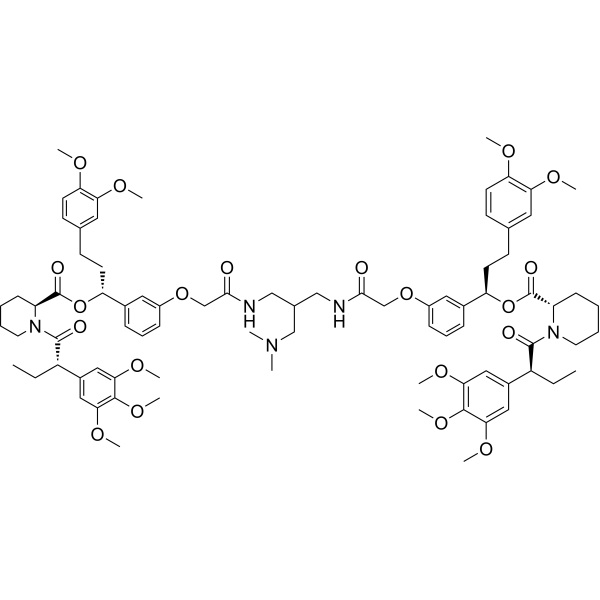
    AP20187
    Maximum Cited Publications
    48 Publications Verification

    B/B Homodimerizer

    FKBP Metabolic Disease
    AP20187 (B/B Homodimerizer) is a cell-permeable ligand used to dimerize FK506-binding protein (FKBP) fusion proteins and initiate biological signaling cascades and gene expression or disrupt protein-protein interactions.
    AP20187
  • HY-D0844
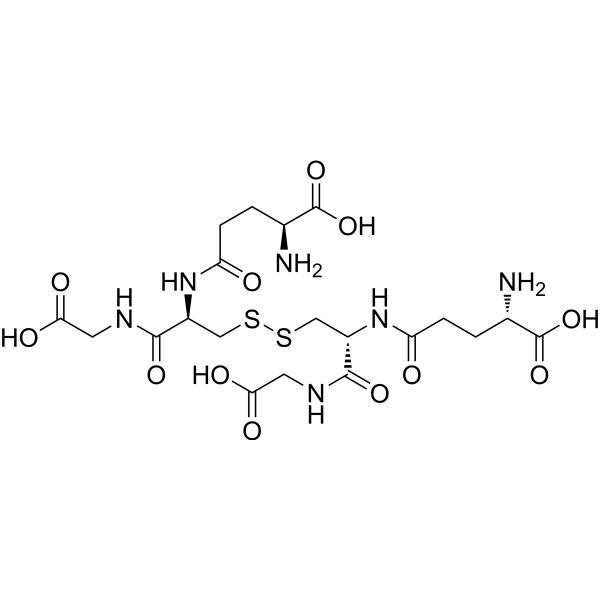
    Glutathione oxidized
    5+ Cited Publications

    L-Glutathione oxidized; GSSG; Oxiglutatione

    Endogenous Metabolite Reactive Oxygen Species (ROS) Metabolic Disease
    Glutathione oxidized (L-Glutathione oxidized) is produced by the oxidation of glutathione. Detoxification of reactive oxygen species is accompanied by production of glutathione oxidized. Glutathione oxidized can be used for the research of sickle cells and erythrocytes .
    Glutathione oxidized
  • HY-112288
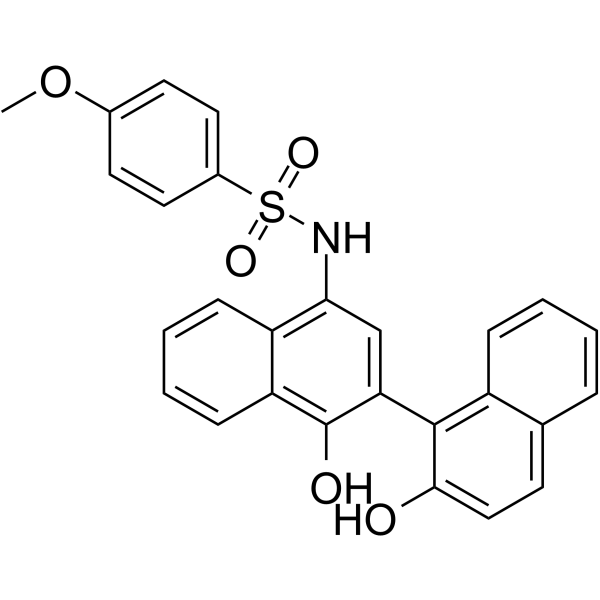
    C188-9
    30+ Cited Publications

    TTI-101

    STAT Apoptosis DNA Methyltransferase Metabolic Disease Inflammation/Immunology Cancer
    C188-9 (TTI-101) is a STAT3 inhibitor with a Kd value of 4.7 nM. C188-9 targets the SH2 domain of STAT3, blocks the processes of STAT3 ligand binding, receptor recruitment, homodimerization and phosphorylation, and regulates STAT3-mediated genes associated with tumorigenesis and radioresistance. C188-9 regulates STAT1-mediated genes related to radioresistance and reduces the activation level of STAT1. C188-9 downregulates the expression of DNMT1, enhances DAC-induced demethylation and re-expression of RASSF1A, and simultaneously potentiates the anti-tumor effect of DAC on pancreatic cancer cells. C188-9 inhibits both anchorage-dependent and anchorage-independent growth of cancer cells, induces Apoptosis, blocks the growth of tumor xenografts, and suppresses muscle atrophy. C188-9 maintains muscle mass, increases body weight and improves grip strength in tumor-bearing mice. C188-9 can be used in research related to head and neck squamous cell carcinoma, pancreatic cancer, sepsis-related skeletal muscle wasting, non-small cell lung cancer, acute myeloid leukemia and cancer cachexia .
    C188-9
  • HY-139397
    TJ-M2010-5
    30+ Cited Publications

    MyD88 Cardiovascular Disease
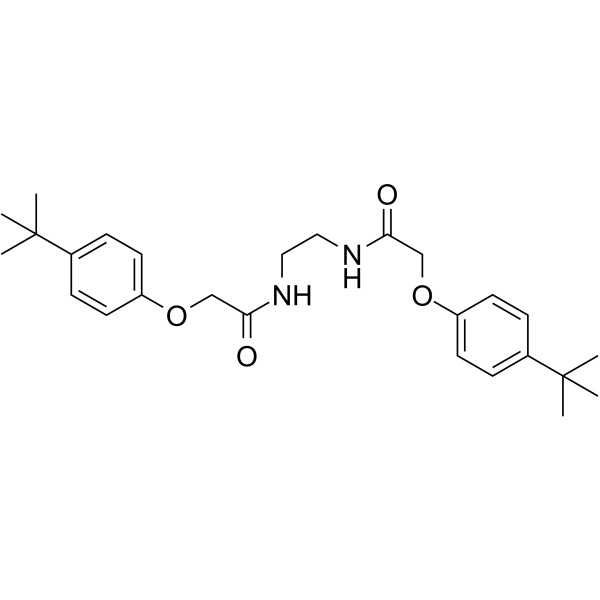
    TJ-M2010-5 is a MyD88 inhibitor that binds to the TIR domain of MyD88 to interfere with its homodimerization, and the TLR/MyD88 signal pathway . TJ-M2010-5 can be used for the research of myocardial ischemia/reperfusion injury (MIRI) .
    TJ-M2010-5
  • HY-P1925A
    GO-203 TFA
    2 Publications Verification

    PI3K Reactive Oxygen Species (ROS) Apoptosis Cancer
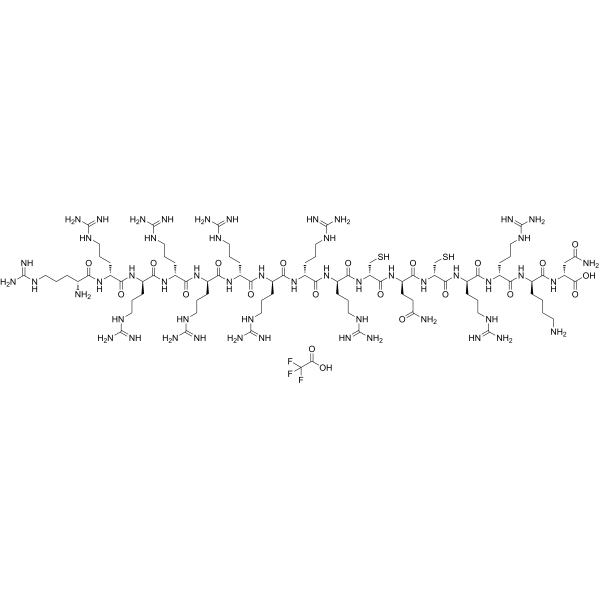
    GO-203 TFA is a potent MUC1-C oncoprotein inhibitor. GO-203 TFA is an all D-amino acid peptide that consists of a poly-R transduction domain linked to a CQCRRKN motif that binds to the MUC1-C cytoplasmic tail and blocks MUC1-C homodimerization. GO-203 TFA downregulates TIGAR (TP53-induced glycolysis and apoptosis regulator) protein synthesis by inhibiting the PI3K-AKT-S6K1 pathway. GO-203 TFA induces the production of ROS and loss of mitochondrial transmembrane potential. GO-203 TFA inhibits the growth of colon cancer cells in vitro and as xenografts in nude mice .
    GO-203 TFA
  • HY-P991155

    JNJ-79635322; JNJ-5322

    CD3 TNF Receptor Cancer
    Ramantamig (JNJ-79635322) is a humanized monoclonal antibody targeting human CD3ε, GPRC5D, and TNFRSF17 (BCMA). Ramantamig binds to BCMA and GPRC5D on multiple myeloma cells, binds to CD3ε on T cells, forms immunological synapses, and enables T-cell-mediated cytotoxicity. Ramantamig activates T cells concomitantly with inducing myeloma cell cytotoxicity, with no nonspecific T-cell activation in the absence of target myeloma cells. Ramantamig carries mutations to reduce interaction with Fc receptors and disrupt protein A binding of monomeric and homodimerized chains. Ramantamig can be used for the research of multiple myeloma .
    Ramantamig
  • HY-P11072

    Toll-like Receptor (TLR) Interleukin Related TNF Receptor Inflammation/Immunology
    IRF5-CPP5 is a cytosolic peptide that selectively targeting human IRF5 wirh a Kd of 0.53 μM. IRF5-CPP5 disrupts IRF5 homodimerization and inhibits its nuclear translocation without altering IRF5 phosphorylation levels. IRF5-CPP5 inhibits proinflammatory cytokine (IL-6, IL-1β, TNF-α) production. IRF5-CPP5 can be used for the research of systemic lupus erythematosus .
    IRF5-CPP5
  • HY-128577
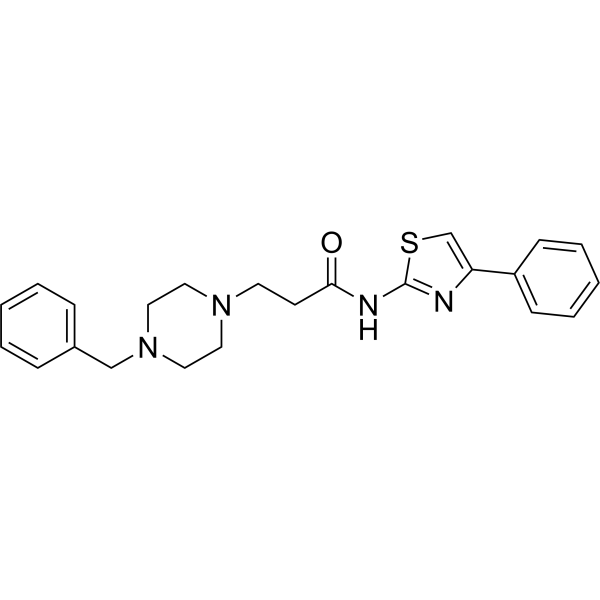
    NIC3
    1 Publications Verification

    BTB/POZ Family Cancer
    NIC3 is a selective nucleus accumbens-associated protein-1 (NAC1) inhibitor, binds to the conserved Leu-90 of NAC1, prevents its homodimerization, and leads to proteasomal NAC1 degradation. Anti-cancer activity .
    NIC3
  • HY-160406

    STING IFNAR Interleukin Related Inflammation/Immunology Cancer
    SNX281 is a selective STING agonist, with IC50 values of 4.1, 4.5, 10.7, and 3.7 μM against human, mouse, rat, and monkey STING, respectively. SNX281 undergoes homodimerization at the STING binding site, triggering a conformational shift of STING from an inactive open state to an active closed state, thereby driving downstream STING-dependent signaling pathways. SNX281 induces type I interferons, IFN-β, TNF-α, IL-6, cytokine release, T cell responses, and long-lasting immune memory. SNX281 exhibits anti-tumor activity and is applicable to research related to colorectal cancer, melanoma, advanced solid tumors, lymphoma, and ovarian cancer .
    SNX281
  • HY-N14323

    Interleukin Related STAT Metabolic Disease
    Madindoline A is an orally active gp130 antagonist with a KD of 288 μM. Madindoline A inhibits IL-6- and IL-11-induced osteoclastogenesis, suppresses IL-6-stimulated serum amyloid A protein production, inhibits bone resorption and bone loss, and also inhibits IL-6- and IL-11-dependent cell line growth, as well as IL-6-dependent Stat3 tyrosine phosphorylation. Madindoline A is applicable for the research of hormone-dependent postmenopausal osteoporosis .
    Madindoline A
  • HY-179226

    Molecular Glues Adrenergic Receptor Inflammation/Immunology
    AP-7-168, molecular glues, is a β-arrestin-biased negative allosteric modulator of the β2-adrenergic receptor (β2AR). AP-7-168 can promote β2AR homodimerization and inhibit GRK5-mediated β2AR phosphorylation. AP-7-168 can sustain bronchorelaxation in cell and tissue. AP-7-168 can be used for the researches of inflammation and immunology, such as asthma .
    AP-7-168
  • HY-W012248

    Aryl Hydrocarbon Receptor Others
    KG-655 is a small molecule compound that binds to the β-folded surface and internal cavity of ARNT PAS-B and interferes with its binding to the transcriptional coactivator TACC3. KG-655 can promote the homodimerization of ARNT PAS-B and has the potential to regulate multiple ARNT-mediated signaling pathways .
    KG-655
  • HY-P11346

    Cadherin Inflammation/Immunology
    N-Cadherin mimic peptide is a N-cadherin agonist. N-Cadherin mimic peptide promotes N-cadherin homodimerization via enhancing β-catenin signaling, inducing early chondrogenesis and cartilage matrix production in mesenchymal stem cells (MSCs). N-Cadherin mimic peptide is promising for research of MSC-based cartilage regeneration .
    N-Cadherin mimic peptide
  • HY-P3223A

    Opioid Receptor Neurological Disease
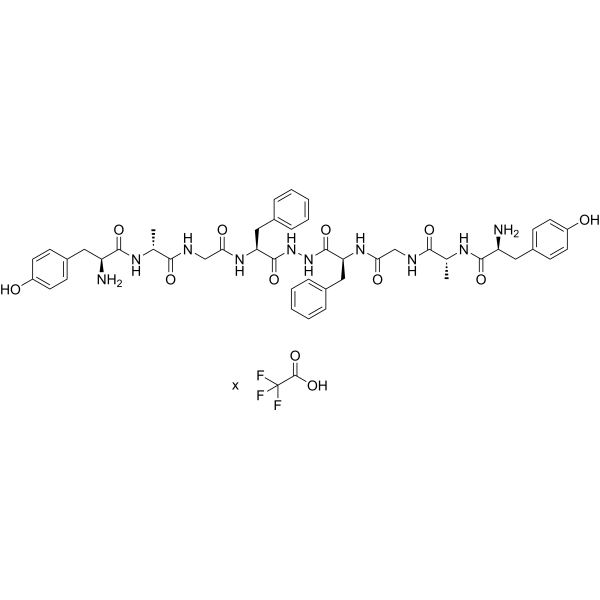
    Biphalin acetate, a BBB-penetrable opioid peptide analog, contains two active enkephalin pharmacophores.Biphalin acetate has high affinity for opioid receptors. Biphalin acetate shows analgesic effect in acute, neuropathic, and chronic animal pain models. Biphalin acetate is also an antiviral, antiproliferative, anti-inflammatory, and neuroprotective agent .
    Biphalin acetate
  • HY-179474

    Toll-like Receptor (TLR) MyD88 Inflammation/Immunology
    TSI-13-57 is a pan-TLR inhibitor (IC50: 2.7 μM, 6.03 μM, 7.37 μM, 6.38 μM for TLR9, TLR7, TLR2, TLR4, respectively). TSI-13-57 inhibits homodimerization of the TIR domains of MyD88. TSI-13-57 reduces systemic inflammatory responses in LPS-induced mice .
    TSI-13-57
  • HY-174391

    Androgen Receptor Apoptosis Cancer
    AR antagonist 15 is an orally active androgen receptor (AR) antagonist with the IC50 of 97 nM for ART787A. AR antagonist 15 disrupts AR nuclear translocation, hinders AR homodimerization, and suppresses transcription of AR-regulated genes by competitive binding to the ligand binding pocket. AR antagonist 15 can significantly lower the prostate-specific antigen (PSA) level. AR antagonist 15 induces apoptosis by reducing the expression of apoptosis pathway related proteins. AR antagonist 15 can be used for the research of prostate cancer.
    AR antagonist 15
  • HY-P10718

    Toll-like Receptor (TLR) Inflammation/Immunology
    IMG-2005 is a TLR signaling pathway inhibitor. IMG-2005 mimics the Toll/interleukin-1 receptor (TIR) domain of MyD88, thereby preventing its homodimerization, which causes damage to tracheal epithelial cells and triggers pulmonary immune diseases .
    IMG-2005
  • HY-P3223

    Opioid Receptor Neurological Disease
    Biphalin TFA, a BBB-penetrable opioid peptide analog, contains two active enkephalin pharmacophores. Biphalin TFA has high affinity for opioid receptors. Biphalin TFA shows analgesic effect in acute, neuropathic, and chronic animal pain models. Biphalin TFA is also an antiviral, antiproliferative, anti-inflammatory, and neuroprotective agent .
    Biphalin TFA
  • HY-122585

    MMP Src FAK Cancer
    proMMP-9 inhibitor-3c (compound 3c) is a potent proMMP-9 inhibitor. proMMP-9 inhibitor-3c is specific for binding to the proMMP-9 hemopexin-like domain (Kd=320 nM). proMMP-9 inhibitor-3c disruption of MMP-9 homodimerization prevents association of proMMP-9 with both α4β1 integrin and CD44 and results in the dissociation of EGFR. This disruption results in decreased phosphorylation of Src and its downstream target proteins focal adhesion kinase (FAK) and paxillin (PAX) .
    proMMP-9 inhibitor-3c
  • HY-181526

    IFNAR STING Inflammation/Immunology
    Sim-9 is a covalent allosteric inhibitor of interferon regulatory factor 3 (IRF3). Sim-9 binds covalently to the Cys222 residue of IRF3, induces its conformational change, blocks its interactions with TRIF, MAVS and STING, and inhibits IRF3 homodimerization and type I interferon response. Sim-9 exhibits significant anti-inflammatory, organ-protective and survival benefits in mouse models of sepsis and acute pancreatitis. Sim-9 can be used for research related to inflammatory diseases .
    Sim-9

Inquiry Online

Your information is safe with us. * Required Fields.

Salutation


Country or Region *

Applicant Name *


Organization Name *

Department *


Email Address *


Product Name *

Cat. No.


Requested quantity *

Phone Number *


Remarks

Inquiry Online

Inquiry Information

Product Name:
Cat. No.:
Quantity:
MCE Japan Authorized Agent:

