1. Search Result
Search Result
Results for "

immunomodulators

" in MedChemExpress (MCE) Product Catalog:

121

Inhibitors & Agonists

1

Biochemical Assay Reagents

6

Peptides

16

Inhibitory Antibodies

15

Natural
Products

6

Isotope-Labeled Compounds

1

Click Chemistry

4

Oligonucleotides

Cat. No. Product Name Target Research Areas Chemical Structure
  • HY-A0003
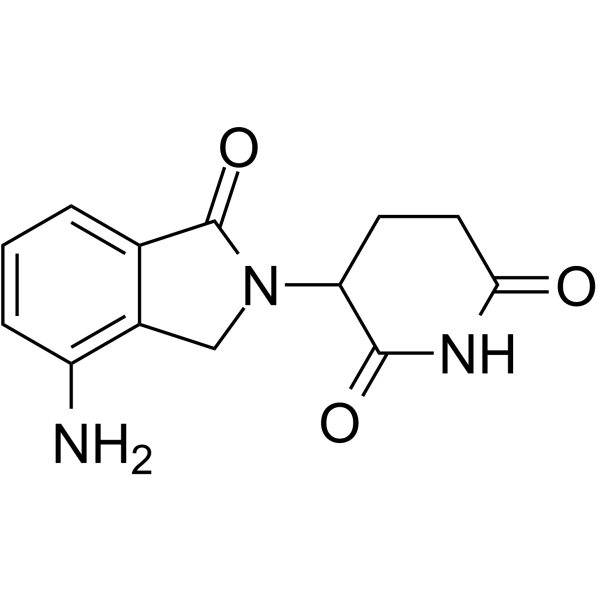
    Lenalidomide
    Maximum Cited Publications
    59 Publications Verification

    CC-5013

    Ligands for E3 Ligase Molecular Glues Apoptosis Inflammation/Immunology Cancer
    Lenalidomide (CC-5013), a derivative of Thalidomide, acts as molecular glue. Lenalidomide is an orally active immunomodulator. Lenalidomide (CC-5013) is a ligand of ubiquitin E3 ligase cereblon (CRBN), and it causes selective ubiquitination and degradation of two lymphoid transcription factors, IKZF1 and IKZF3, by the CRBN-CRL4 ubiquitin ligase. Lenalidomide (CC-5013) specifically inhibits growth of mature B-cell lymphomas, including multiple myeloma, and induces IL-2 release from T cells .
    Lenalidomide
  • HY-13666
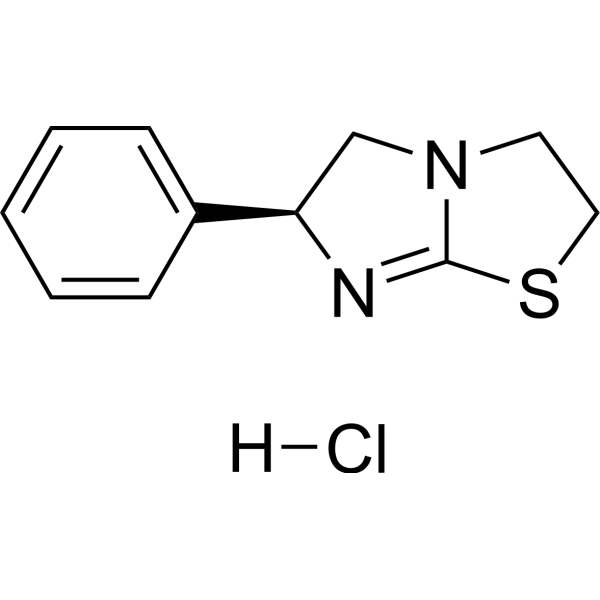
    Levamisole hydrochloride
    10+ Cited Publications

    (-)-Tetramisole hydrochloride

    Parasite HSV Infection Neurological Disease Cancer
    Levamisole ((-)-Tetramisole) hydrochloride is an anthelmintic and immunomodulator belonging to a class of synthetic imidazothiazole derivatives. Levamisole hydrochloride has antiviral effects against HSV.
    Levamisole hydrochloride
  • HY-13682
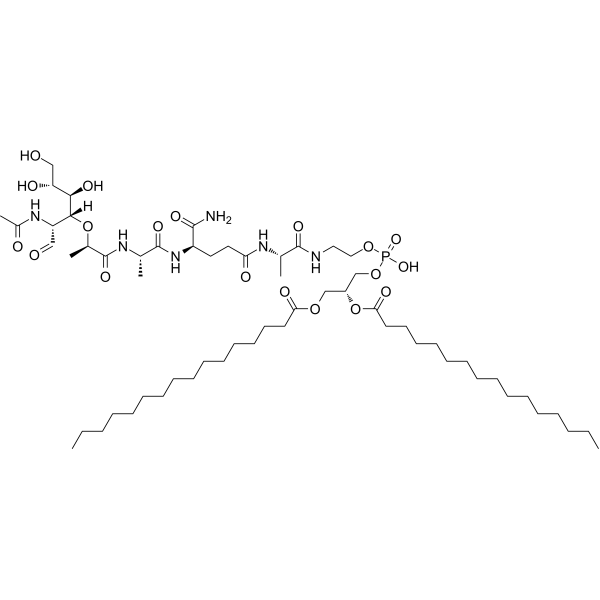
    Mifamurtide
    5 Publications Verification

    MTP-PE; L-MTP-PE; CGP 19835

    NOD-like Receptor (NLR) Inflammation/Immunology Cancer
    Mifamurtide (MTP-PE), an analog of the muramyl dipeptide (MDP), is a nonspecific immunomodulator by stimulating the immune response activating macrophages and monocytes. Mifamurtide is a specific ligand for NOD2 and acts as an insulin sensitizer. Mifamurtide has potential for use in rare disease and osteosarcoma research .
    Mifamurtide
  • HY-109137
    Selgantolimod
    1 Publications Verification

    GS-9688

    Toll-like Receptor (TLR) HBV Infection
    Selgantolimod (GS-9688) is an orally active, potent and selective toll-like receptor 8 (TLR8) agonist for the treatment of hepatitis B virus (HBV) and human immunodeficiency virus (HIV) infection .
    Selgantolimod
  • HY-N10528
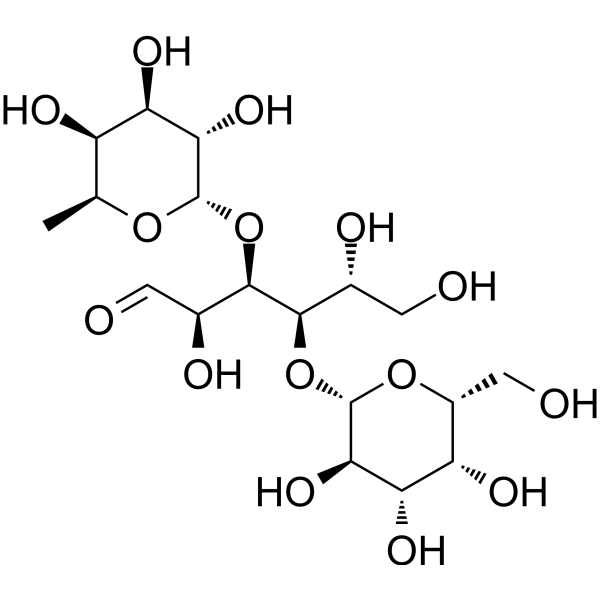
    3-Fucosyllactose
    1 Publications Verification

    3-Fucosyl-D-lactose

    Bacterial Enterovirus Infection Neurological Disease Inflammation/Immunology
    3-Fucosyllactose (3-Fucosyl-D-lactose) is one of the major fucosylated oligosaccharides found in human breast milk. 3-Fucosyllactose shows prebiotic, immunomodulator, neonatal brain development, and antimicrobial function .
    3-Fucosyllactose
  • HY-13010
    Laquinimod
    2 Publications Verification

    ABR-215062

    NF-κB Apoptosis Inflammation/Immunology
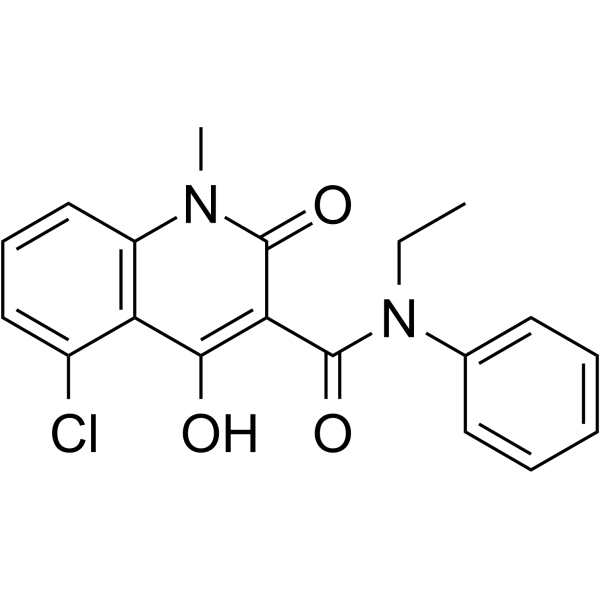
    Laquinimod (ABR-215062), an orally available carboxamide derivative, is a potent immunomodulator which prevents neurodegeneration and inflammation in the central nervous system. Laquinimod reduces astrocytic NF-κB activation to protect from Cuprizone-induced demyelination. Laquinimod has the potential for relapsing remitting (RR) and chronic progressive (CP) forms of multiple sclerosis (MS; RRMS or CPMS) as well as neurodegenerative diseases research .
    Laquinimod
  • HY-137978A
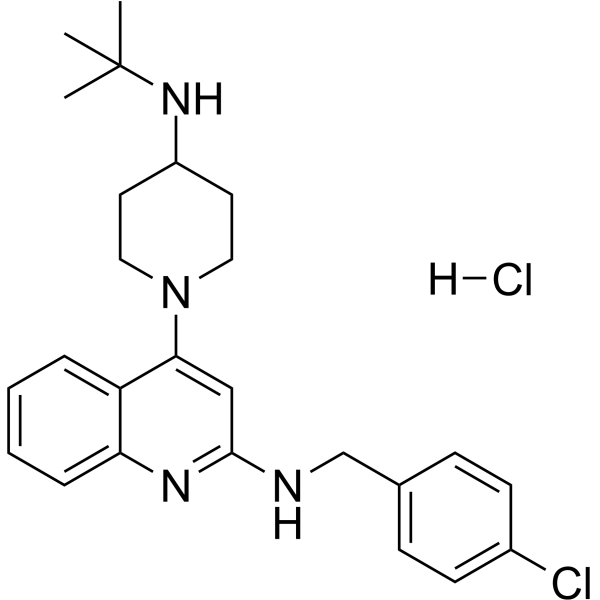
    Ezurpimtrostat hydrochloride
    3 Publications Verification

    GNS561 hydrochloride

    SARS-CoV IFNAR Autophagy Apoptosis Metabolic Disease Inflammation/Immunology Cancer
    Ezurpimtrostat hydrochloride (GNS561 hydrochloride) is an orally active PPT1 inhibitor, autophagy inhibitor, immunomodulator, anti-inflammatory agent, and anticancer agent. Ezurpimtrostat hydrochloride inhibits PPT1, dysregulates lysosomal function, redistributes mTOR, and induces apoptosis. Ezurpimtrostat hydrochloride reduces IFN‑α, CRP, immune complex deposition, and SARS‑CoV‑2 viral load. Ezurpimtrostat hydrochloride can be used for the study of systemic lupus erythematosus, SARS‑CoV‑2, hepatocellular carcinoma, fibrosis, and related disorders .
    Ezurpimtrostat hydrochloride
  • HY-15898
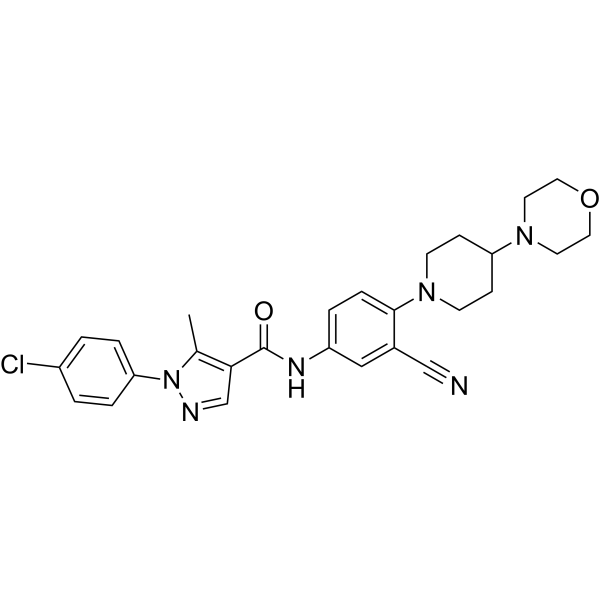
    Y-320
    5 Publications Verification

    Interleukin Related Apoptosis Inflammation/Immunology Cancer
    Y-320 is a potent, orally active phenylpyrazoleanilide immunomodulator. Y-320 inhibits IL-17 production by CD4 T cells stimulated with IL-15 with IC50 values of 20 to 60 nM. Y-320 enhances TP53, DMD, and COL17A1 PTC readthrough by G418 and increases cellular protein levels and protein synthesis. Y-320 concomitants use of with a low dose of Paclitaxel (HY-B0015) significantly sensitized multidrug resistance (MDR) tumors by inducing G2/M phase arrest and apoptosis. Y-320 can be used for research of rheumatoid arthritis (RA) and cancer .
    Y-320
  • HY-114495
    Caerulomycin A
    3 Publications Verification

    Cerulomycin; Caerulomycin

    Fungal Antibiotic Infection Inflammation/Immunology
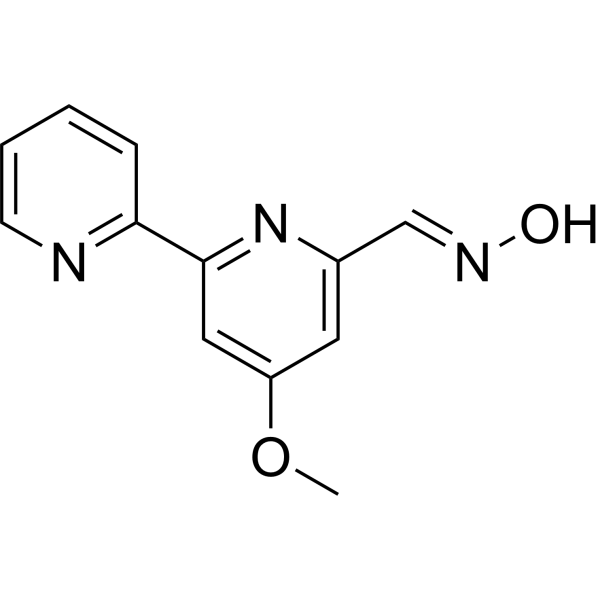
    Caerulomycin A is an orally active immunomodulator and antimicrobial agent. Caerulomycin A targets Smad3, STAT1 and GATA-3. Caerulomycin A downregulates GATA-3 expression, inhibits Th2 cell differentiation and Th2 cytokine production, reduces IgE levels, and alleviates pulmonary inflammatory responses and eosinophil infiltration. Caerulomycin A ameliorates collagen-induced arthritis symptoms, reduces joint inflammation and synovitis, and decreases the levels of proinflammatory cytokines in joints. Caerulomycin A inhibits the growth of some filamentous fungi, yeasts and specific bacteria. Caerulomycin A can be used in research related to arthritis and asthma .
    Caerulomycin A
  • HY-W011890
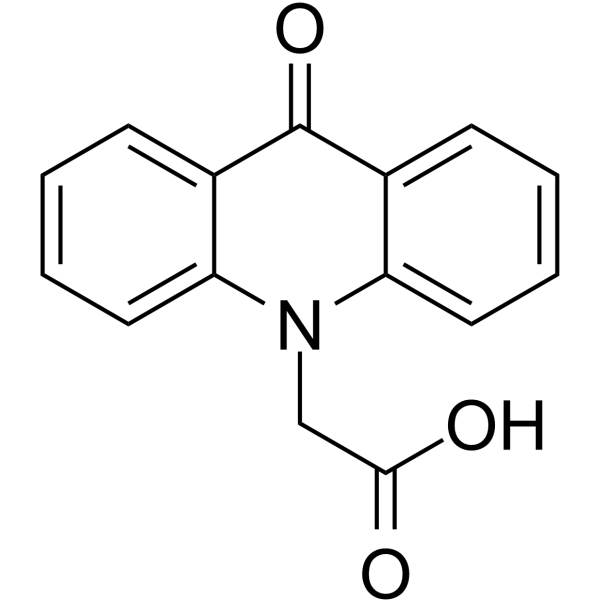
    Cridanimod
    1 Publications Verification

    Progesterone Receptor IFNAR Inflammation/Immunology Cancer
    Cridanimod is a potent progesterone receptor (PR) activator mediated through induction of IFNα and IFNβ expression. Cridanimod is a small-molecule immunomodulator and interferon inducer .
    Cridanimod
  • HY-13718

    H-Glu-Trp-OH; L-Glutamyl-L-tryptophan

    VEGFR HCV Endogenous Metabolite Infection Cardiovascular Disease Inflammation/Immunology Cancer
    Oglufanide (H-Glu-Trp-OH) is a dipeptide immunomodulator isolated from calf thymus. Oglufanide inhibits vascular endothelial growth factor (VEGF). Oglufanide can stimulate the immune response to hepatitic C virus (HCV) and intracellular bacterial infections. Oglufanide shows antitumor and anti-angiogenesis activities .
    Oglufanide
  • HY-107801
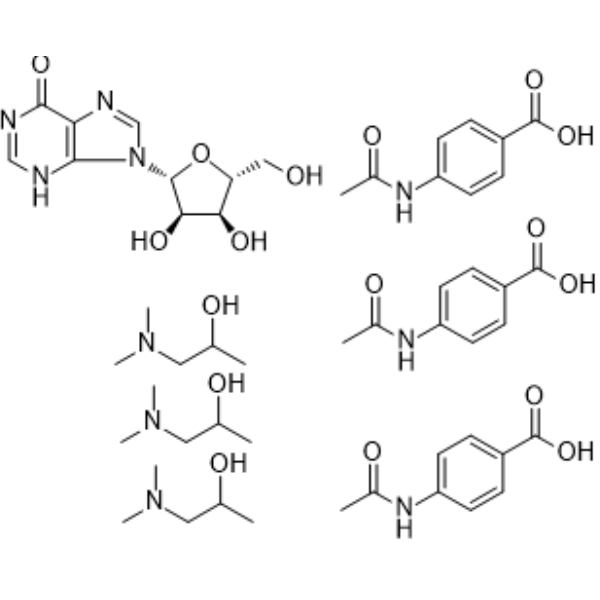
    Inosine pranobex
    1 Publications Verification

    Imunovir; Delimmun; Groprinosin

    Interleukin Related HSV HIV HPV Infection Inflammation/Immunology
    Inosine pranobex is an orally active immunomodulator. Inosine pranobex has broad-spectrum antiviral activity. Inosine pranobex inhibits human immunodeficiency virus (HIV), herpes simplex virus (HSV), vaccinia virus (VACV), human tumor virus (HPV), Cytomegalovirus, influenza virus (INFV), parainfluenza virus (PIV), and Epstein-Barr virus .
    Inosine pranobex
  • HY-108842

    PegIFN a-2b; Sch 54031; Sylatron; ViraferonPeg

    HIV HCV Infection Cancer
    Peginterferon alfa-2b (PegIFN a-2b; Sch 54031; Sylatron; ViraferonPeg) is an immunomodulator. Peginterferon alfa-2b is a recombinant alfa-2b interferon covalently linked PEG with antiviral activity against HCV. Peginterferon alfa-2b decreases viral DNA in HIV. Peginterferon alfa-2b can be used in research of melanoma and hepatitis C .
    Peginterferon alfa-2b
  • HY-109854A

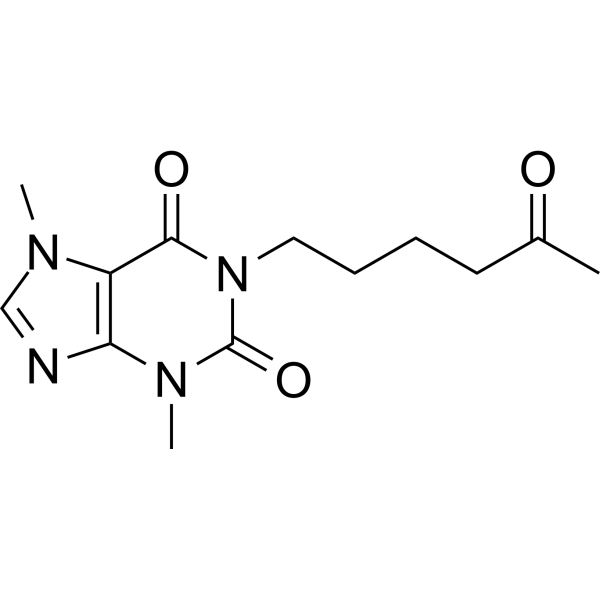
    (R)-Lisophylline

    STAT Metabolic Disease Inflammation/Immunology
    (R)-Lisofylline ((R)-Lisophylline) is a (R)-enantiomer of the metabolite of Pentoxifylline with anti-inflammatory properties. (R)-Lisofylline is a lysophosphatidic acid acyltransferase inhibitor with an IC50 of 0.6 μM and interrupts IL-12 signaling-mediated STAT4 activation. (R)-Lisofylline has the potential for type 1 diabetes, autoimmune disorders research .
    (R)-Lisofylline
  • HY-P99295

    RG 7160; RO 5083945; Anti-EGFR Recombinant Antibody

    EGFR Cancer
    Imgatuzumab (RG 7160) is a humanized monoclonal antibody against the EGFR. Imgatuzumab acts as an immunomodulator. Imgatuzumab can be used in research of cancer .
    Imgatuzumab
  • HY-13666S

    (-)-Tetramisole-d5 hydrochloride

    Isotope-Labeled Compounds Parasite HSV Infection Neurological Disease
    Levamisole-d5 (hydrochloride) is the deuterium labeled Levamisole hydrochloride. Levamisole ((-)-Tetramisole) hydrochloride is an anthelmintic and immunomodulator belonging to a class of synthetic imidazothiazole derivatives. Levamisole hydrochloride has antiviral effects against HSV .
    Levamisole-d5 hydrochloride
  • HY-125390

    CL-087

    Toll-like Receptor (TLR) Inflammation/Immunology Cancer
    SM-360320 (CL-087) is a potent, orally active TLR7 agonist. SM-360320 is a immuno-modulator and exerts an antitumor effect. SM-360320 can act in synergy with DNA vaccines leading to an enhanced Th1 antibody response . SM-360320 can inhibit HCV replication in hepatocytes via a type I IFN-independent mechanism in addition to its IFN-mediated activity .
    SM-360320
  • HY-137978
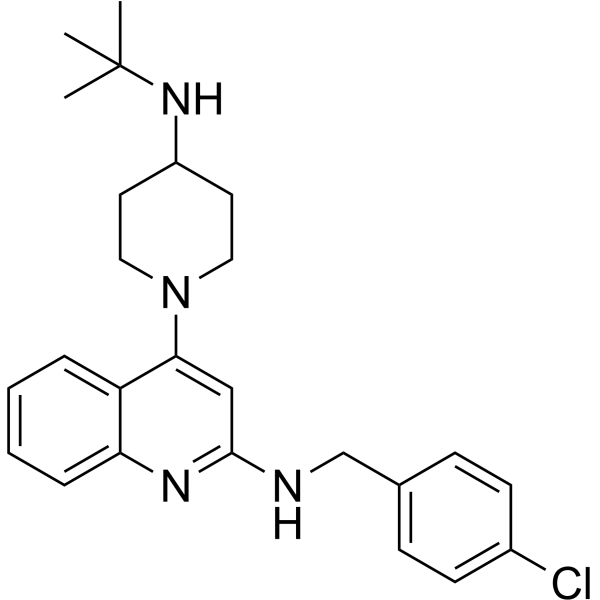
    Ezurpimtrostat
    3 Publications Verification

    GNS561

    SARS-CoV IFNAR Autophagy Apoptosis Infection Metabolic Disease Inflammation/Immunology Cancer
    Ezurpimtrostat (GNS561) is an orally active PPT1 inhibitor, autophagy inhibitor, immunomodulator, anti-inflammatory agent, and anticancer agent. Ezurpimtrostat inhibits PPT1, dysregulates lysosomal function, redistributes mTOR, and induces apoptosis. Ezurpimtrostat reduces IFN‑α, CRP, immune complex deposition, and SARS‑CoV‑2 viral load. Ezurpimtrostat can be used for the study of systemic lupus erythematosus, SARS‑CoV‑2, hepatocellular carcinoma, fibrosis, and related disorders .
    Ezurpimtrostat
  • HY-A0003B
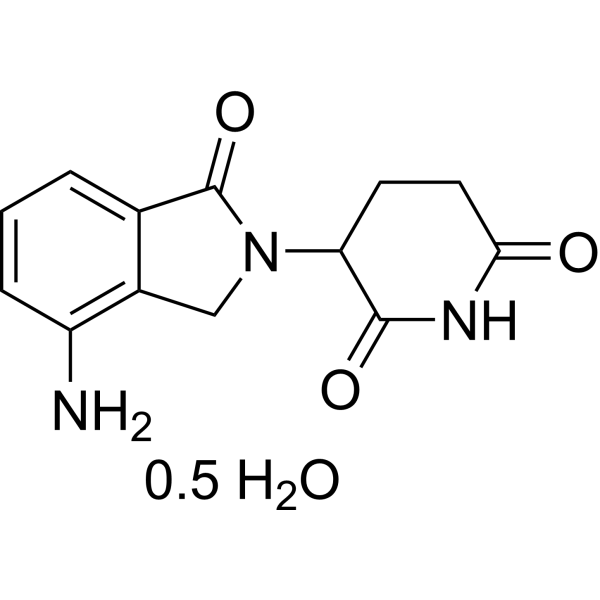
    Lenalidomide hemihydrate
    Maximum Cited Publications
    59 Publications Verification

    CC-5013 hemihydrate

    Ligands for E3 Ligase Molecular Glues Apoptosis Cancer
    Lenalidomide hemihydrate (CC-5013 hemihydrate), a derivative of Thalidomide, acts as molecular glue. Lenalidomide hemihydrate is an orally active immunomodulator. Lenalidomide hemihydrate (CC-5013 hemihydrate) is a ligand of ubiquitin E3 ligase cereblon (CRBN), and it causes selective ubiquitination and degradation of two lymphoid transcription factors, IKZF1 and IKZF3, by the CRBN-CRL4 ubiquitin ligase. Lenalidomide hemihydrate (CC-5013 hemihydrate) specifically inhibits growth of mature B-cell lymphomas, including multiple myeloma, and induces IL-2 release from T cells .
    Lenalidomide hemihydrate
  • HY-106901A

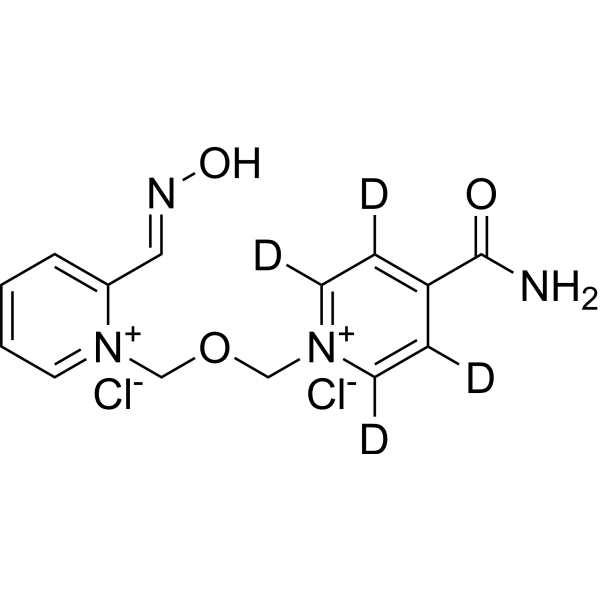
    HI-6

    Cholinesterase (ChE) nAChR Neurological Disease
    Asoxime dichloride (HI-6) is an orally active thiosemicarbazone-based antidote. Asoxime dichloride is a reversible inhibitor of AChE, and its core mechanism of action is to re-activate AChE inhibited by nerve toxins, thereby restoring the cholinergic nerve function. Asoxime dichloride significantly restores the function of poisoned muscles without reactivating AChE. Asoxime dichloride is an antagonist of acetylcholine receptors (AChRs), including nicotinic receptor and α7 nAChR. Asoxime dichloride can serve as an effective immunomodulator, improving the immune effect of the nervous system .
    Asoxime dichloride
  • HY-P10056

    Human ezrin peptide (324-337)

    HIV HCV HPV Influenza Virus Interleukin Related Infection Inflammation/Immunology
    HEP-1 (Human ezrin peptide (324 - 337)) is an orally active peptide with antiviral, anti-inflammatory, and immunomodulatory activities. HEP-1 is effective against infections by various viruses such as HIV, HCV, herpes viruses, HPV, and influenza viruses. As an immunomodulator, HEP-1 can enhance the adaptive immunity mediated by B cells and T cells. HEP-1 can also increase the antibody titers after hepatitis B vaccination. HEP-1 can be used in the research of viral infections and inflammation-related diseases .
    HEP-1
  • HY-P99611

    64G12

    IFNAR Inflammation/Immunology
    Faralimomab (64G12) is an immunomodulator, and a murine anti-IFNA1 IgG1 mAb .
    Faralimomab
  • HY-P99215

    Anti-EGFL7; RG 7414

    VEGFR Cancer
    Parsatuzumab (Anti-EGFL7; RG 7414) is a humanized monoclonal antibody, acts as an immunomodulator and binds to EGFL7. Parsatuzumab selectively blocks the interaction between EGFL7 and endothelial cells, potentially inhibiting vascular regrowth and reducing vascular endothelial growth factor (VEGF) inhibition .
    Parsatuzumab
  • HY-101813

    HR325

    Dihydroorotate Dehydrogenase DNA/RNA Synthesis Prostaglandin Receptor Inflammation/Immunology
    Laflunimus (HR325) is an immunosuppressive agent and an analogue of the Leflunomide-active metabolite A77 1726. Laflunimus is an orally active inhibitor of dihydroorotate dehydrogenase (DHODH). Laflunimus suppresses immunoglobulin (Ig) secretion, with IC50 values of 2.5 and 2 µM for IgM and IgG, respectively. Laflunimus also is a prostaglandin endoperoxide H synthase (PGHS) -1 and -2 inhibitor .
    Laflunimus
  • HY-124411

    Reactive Oxygen Species (ROS) Inflammation/Immunology
    Lobenzarit, an immunomodulator, possesses anti-oxidative .
    Lobenzarit
  • HY-150734A

    Toll-like Receptor (TLR) Infection
    ODN 2007 sodium, a class B CpG ODN (oligodeoxynucleotide), is a Toll-like receptor (TLR) ligand. ODN 2007 sodium can be used as an immunomodulator, vaccine adjuvant, and enhance immune responses in mammals, fish, and humans. ODN 2007 sequence: 5'-TCGTCGTTGTCGTTTTGTCGTT-3' .
    ODN 2007 sodium
  • HY-13666R

    (-)-Tetramisole hydrochloride (Standard)

    Reference Standards Parasite HSV Infection Neurological Disease
    Levamisole (hydrochloride) (Standard) is the analytical standard of Levamisole (hydrochloride). This product is intended for research and analytical applications. Levamisole ((-)-Tetramisole) hydrochloride is an anthelmintic and immunomodulator belonging to a class of synthetic imidazothiazole derivatives. Levamisole hydrochloride has antiviral effects against HSV.
    Levamisole hydrochloride (Standard)
  • HY-13682B
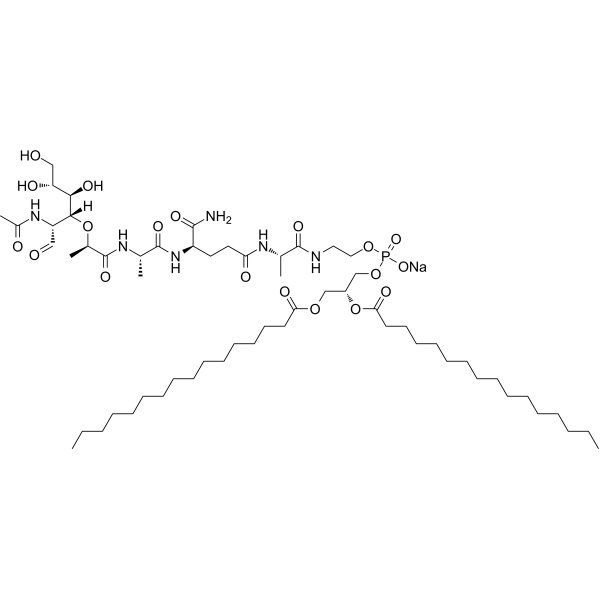
    Mifamurtide sodium
    5 Publications Verification

    MTP-PE sodium; L-MTP-PE sodium; CGP 19835 sodium

    NOD-like Receptor (NLR) Inflammation/Immunology Cancer
    Mifamurtide sodium (MTP-PE sodium), an analog of the muramyl dipeptide (MDP), is a nonspecific immunomodulator by stimulating the immune response activating macrophages and monocytes. Mifamurtide sodium is a specific ligand for NOD2 and acts as an insulin sensitizer. Mifamurtide sodium has potential for use in rare disease and osteosarcoma research .
    Mifamurtide sodium
  • HY-13682C
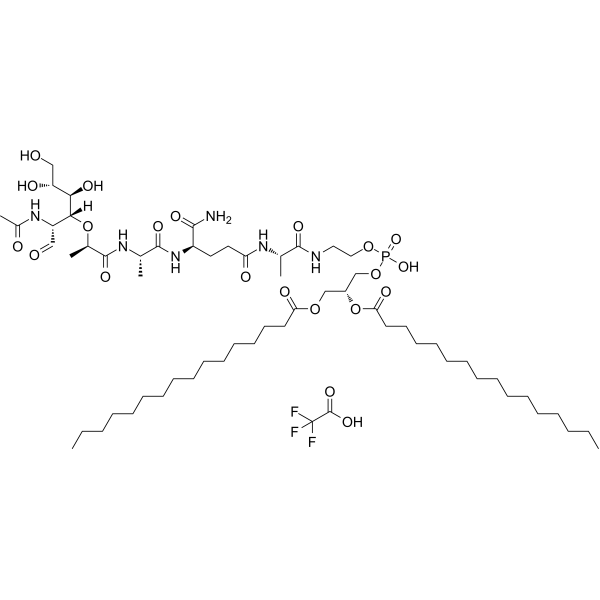
    Mifamurtide TFA
    5 Publications Verification

    MTP-PE TFA; L-MTP-PE TFA; CGP 19835 TFA

    NOD-like Receptor (NLR) Inflammation/Immunology Cancer
    Mifamurtide TFA (MTP-PE TFA), an analog of the muramyl dipeptide (MDP), is a nonspecific immunomodulator by stimulating the immune response activating macrophages and monocytes. Mifamurtide TFA is a specific ligand for NOD2 and acts as an insulin sensitizer. Mifamurtide TFA has potential for use in rare disease and osteosarcoma research .
    Mifamurtide TFA
  • HY-A0003R

    CC-5013 (Standard)

    Reference Standards Ligands for E3 Ligase Molecular Glues Apoptosis Inflammation/Immunology Cancer
    Lenalidomide (Standard) is the analytical standard of Lenalidomide. This product is intended for research and analytical applications. Lenalidomide (CC-5013), a derivative of Thalidomide, acts as molecular glue. Lenalidomide is an orally active immunomodulator. Lenalidomide (CC-5013) is a ligand of ubiquitin E3 ligase cereblon (CRBN), and it causes selective ubiquitination and degradation of two lymphoid transcription factors, IKZF1 and IKZF3, by the CRBN-CRL4 ubiquitin ligase. Lenalidomide (CC-5013) specifically inhibits growth of mature B-cell lymphomas, including multiple myeloma, and induces IL-2 release from T cells .
    Lenalidomide (Standard)
  • HY-148801

    VTX002

    LPL Receptor Inflammation/Immunology
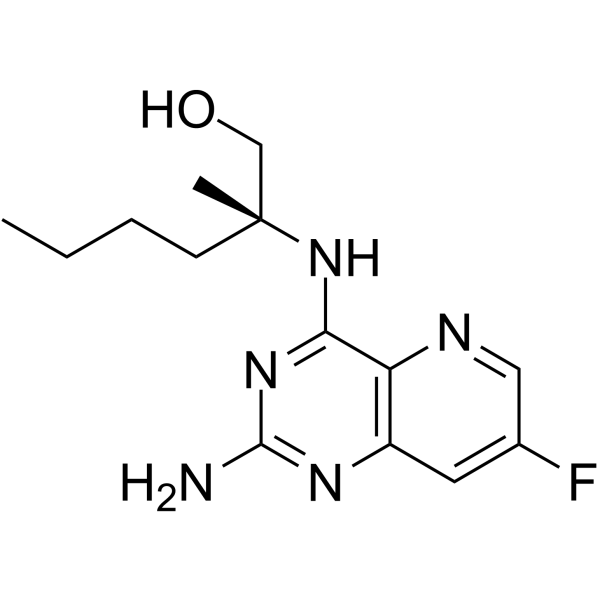
    Tamuzimod is a potent immunomodulator. Tamuzimod has S1P Receptor modulatory activity with an EC50 of <1 μM .
    Tamuzimod
  • HY-N15156

    Endogenous Metabolite Inflammation/Immunology
    Thiotaurine is the metabolite of Cystine. Thiotaurine is a sulfur donor, which may probably modulates the activity of GAPDH, followed by the pparticipation in neutrophil activation and leukocytes energy metabolism. Thiotaurine is a potential anti-inflammatory agent and immunomodulator .
    Thiotaurine
  • HY-124863A

    SphK Inflammation/Immunology
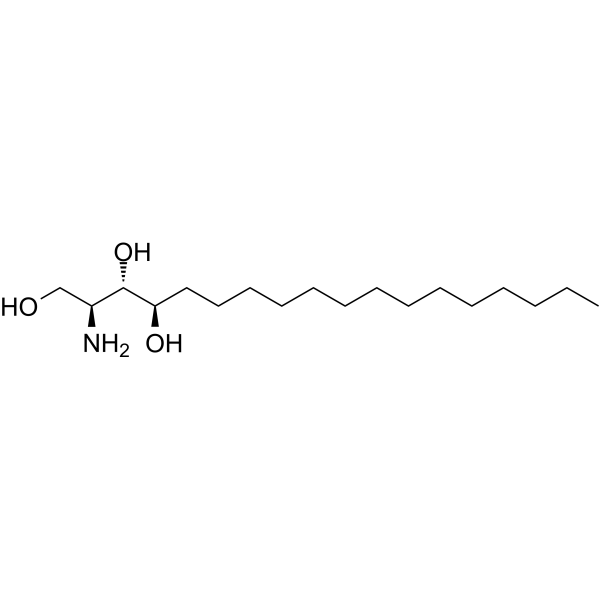
    (R)-AAL is an immunomodulator. (R)-AAL decreases circulating T lymphocytes in rats, with an ID50 value of 0.009 mg/kg. (R)-AAL is a substrate of sphingosine kinase (SphK), which catalyzes the phosphorylation of (R)-AAL .
    (R)-AAL
  • HY-10984A

    (S)-CC-4047

    Endogenous Metabolite Cancer
    (S)-Pomalidomide ((S)-CC-4047) is an angiogenesis-inhibiting drug with growth-inhibitory activity against B-cell tumors. (S)-Pomalidomide can induce complete tumor regression in BurKitt lymphoma cells. (S)-Pomalidomide serves as an immunomodulator with potential applications in inhibiting hematological malignancies .
    (S)-Pomalidomide
  • HY-106055

    HIV Inflammation/Immunology
    Murabutide is a safe synthetic immunomodulator. Murabutide can reduce CD4 and CCR5 receptor expression and secrete high levels of beta-chemokines. Murabutide enhances nonspecific resistance against viral infections. Murabutide did not affect virus entry, reverse transcriptase activity or early proviral DNA formation in the cytoplasm of infected cells .
    Murabutide
  • HY-N7372

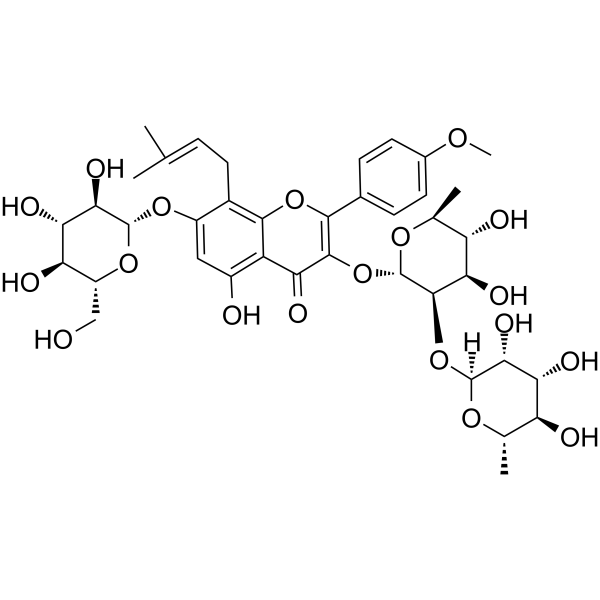
    Apoptosis Infection Inflammation/Immunology
    Licoisoflavanone is an orally active isoflavane-based immunomodulator with multiple activities including antiviral, anti-inflammatory, cytoprotective and cancer cell apoptosis-inducing effects. Licoisoflavanone can be isolated from the roots and rhizomes of Glycyrrhiza uralensis Fisch. Licoisoflavanone not only enhances the body's immunity, but also effectively prevents acute respiratory distress syndrome and multiple organ damage by alleviating cytokine storm, thereby reducing the degree of inflammation. In rats, Licoisoflavanone undergoes multiple metabolic transformation processes such as glucuronidation, hydroxylation, sulfation, methylation and dehydrogenation. Licoisoflavanone has become an important candidate molecule for research on COVID-19 and related inflammatory diseases .
    Licoisoflavanone
  • HY-P99606

    ZTS-00521426

    TGF-beta/Smad Inflammation/Immunology
    Cirevetmab (ZTS-00521426) is an immunoglobulin G2-kappa, Canis lupus familiaris TGFB1 caninized monoclonal antibody. Cirevetmab is an immunomodulator .
    Cirevetmab
  • HY-150734

    Toll-like Receptor (TLR) Infection Inflammation/Immunology
    ODN 2007, a class B CpG ODN (oligodeoxynucleotide), is a Toll-like receptor (TLR) ligand. ODN 2007 can be used as an immunomodulator, vaccine adjuvant, and enhance immune responses in mammals, fish, and humans. ODN 2007 sequence: 5'-TCGTCGTTGTCGTTTTGTCGTT-3' .
    ODN 2007
  • HY-101098

    PD-1/PD-L1 Inflammation/Immunology
    PD-1-IN-18 is a PD1 signaling pathway inhibitor, which acts as an immunomodulator.
    PD-1-IN-18
  • HY-156645

    Drug Metabolite Inflammation/Immunology
    Tegomil fumarate is a derivative of Monomethyl fumarate (HY-103252) and an immunomodulator. Tegomil fumarate can be used for the study of relapsing remitting multiple sclerosis .
    Tegomil fumarate
  • HY-164386

    OM 174

    Toll-like Receptor (TLR) Inflammation/Immunology Cancer
    Defoslimod (OM 174) is an agonist for TLR4 receptor and acts as an immunomodulator. Defoslimod activates macrophages and dendritic cells, induces cytokines secretion, and exhibits antitumor efficacy in rats .
    Defoslimod
  • HY-P991678

    XENP-27564; XMAB-27564

    Interleukin Related Inflammation/Immunology
    Efpixileukin alfa is a fusion protein that combines human IL-2 variant fused at the C-terminus to human immunoglobulin G1 (IgG1) Fc fragment. Efpixileukin alfa is an immunomodulator .
    Efpixileukin alfa
  • HY-P99295A

    RG 7160 (FUT8-KO); RO 5083945 (FUT8-KO); Anti-EGFR Recombinant Antibody (FUT8-KO)

    EGFR Cancer
    Imgatuzumab (FUT8-KO) is a humanized monoclonal antibody against EGFR expressed in CHO cells with the fucosyltransferase 8 gene (FUT8) knocked out. Imgatuzumab is an immunomodulator. Imgatuzumab may be used in cancer research.
    Imgatuzumab (FUT8-KO)
  • HY-A0003S

    CC-5013-d5

    Isotope-Labeled Compounds Ligands for E3 Ligase Molecular Glues Apoptosis Inflammation/Immunology Cancer
    Lenalidomide-d5 is deuterium labeled Lenalidomide. Lenalidomide (CC-5013), a derivative of Thalidomide, acts as molecular glue. Lenalidomide is an orally active immunomodulator. Lenalidomide (CC-5013) is a ligand of ubiquitin E3 ligase cereblon (CRBN), and it causes selective ubiquitination and degradation of two lymphoid transcription factors, IKZF1 and IKZF3, by the CRBN-CRL4 ubiquitin ligase. Lenalidomide (CC-5013) specifically inhibits growth of mature B-cell lymphomas, including multiple myeloma, and induces IL-2 release from T cells .
    Lenalidomide-d5
  • HY-106901AS
    Asoxime-d4 dichloride
    1 Publications Verification

    HI-6-d4

    Isotope-Labeled Compounds Cholinesterase (ChE) nAChR Neurological Disease
    Asoxime-d4 dichloride (HI-6-d4) is the deuterium labeled Asoxime dichloride. Asoxime dichloride is an orally active thiosemicarbazone-based antidote. Asoxime dichloride is a reversible inhibitor of AChE, and its core mechanism of action is to re-activate AChE inhibited by nerve toxins, thereby restoring the cholinergic nerve function. Asoxime dichloride significantly restores the function of poisoned muscles without reactivating AChE. Asoxime dichloride is an antagonist of acetylcholine receptors (AChRs), including nicotinic receptor and α7 nAChR. Asoxime dichloride can serve as an effective immunomodulator, improving the immune effect of the nervous system.
    Asoxime-d4 dichloride
  • HY-145609

    ADC Payload Inflammation/Immunology Cancer
    Debotansine is a immunomodulator and antineoplastic .
    Debotansine
  • HY-147247

    TNF Receptor Inflammation/Immunology
    Fosimdesonide, a small molecule of adalimumab fosimdesonide, is a potent immunomodulator. Fosimdesonide shows anti-inflammatory activity .
    Fosimdesonide
  • HY-126836

    Drug Derivative Inflammation/Immunology
    L-685487 is a 13-desmethyl derivative of FK506 (HY-13756). L-685487 is promising for research of immunomodulators .
    L-685487
  • HY-161131

    E3 Ligase Ligand-Linker Conjugates Inflammation/Immunology
    Lenalidomide 4'-alkyl-C3-azide (compound 4a) is a click chemical modified Lenalidomide (HY-A0003) that can be used to synthesize PROTACs. Lenalidomide is an orally active immunomodulator and a ligand for the ubiquitin E3 ligase cereblon (CRBN). Lenalidomide 4'-alkyl-C3-azide contains an Azide group and can undergo copper-catalyzed azide-alkyne cycloaddition reaction (CuAAc) with molecules containing Alkyne groups. Strain-promoted alkyne-azide cycloaddition reactions (SPAAC) can also occur with molecules containing DBCO or BCN groups .
    Lenalidomide 4'-alkyl-C3-azide
  • HY-148805

    Others Inflammation/Immunology
    Vonifimod is an immunomodulator .
    Vonifimod

Inquiry Online

Your information is safe with us. * Required Fields.

Salutation


Country or Region *

Applicant Name *


Organization Name *

Department *


Email Address *


Product Name *

Cat. No.


Requested quantity *

Phone Number *


Remarks

Inquiry Online

Inquiry Information

Product Name:
Cat. No.:
Quantity:
MCE Japan Authorized Agent:

