

1. Search Result
Search Result
Results for "

intolerance

" in MedChemExpress (MCE) Product Catalog:

27

Inhibitors & Agonists

1

Biochemical Assay Reagents

2

Peptides

10

Natural
Products

1

Isotope-Labeled Compounds

Cat. No. Product Name Target Research Areas Chemical Structure
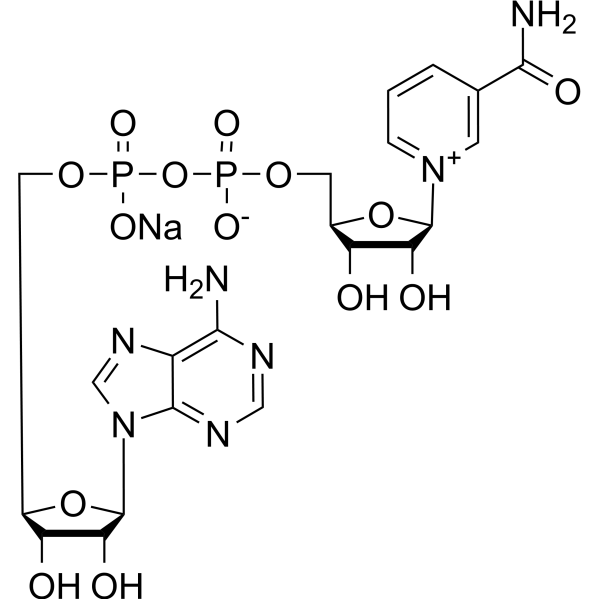
  • HY-B0445A
    NAD sodium
    40+ Cited Publications

    β-DPN sodium; β-NAD sodium; β-Nicotinamide Adenine Dinucleotide sodium

    Endogenous Metabolite Metabolic Disease
    NAD sodium is an orally effective cofactor and homeostatic regulator. NAD sodium can be reduced to β-nicotinamide adenine dinucleotide (NADH) during coupling with reactions that oxidize organic substrates. NAD sodium can be converted to β-nicotinamide adenine dinucleotide (NADH) and passes to the inside of mitochondria, which indirectly generates ATP. NAD sodium can be used for the research of non-alcoholic fatty liver disease, obesity, and glucose intolerance .
    NAD sodium
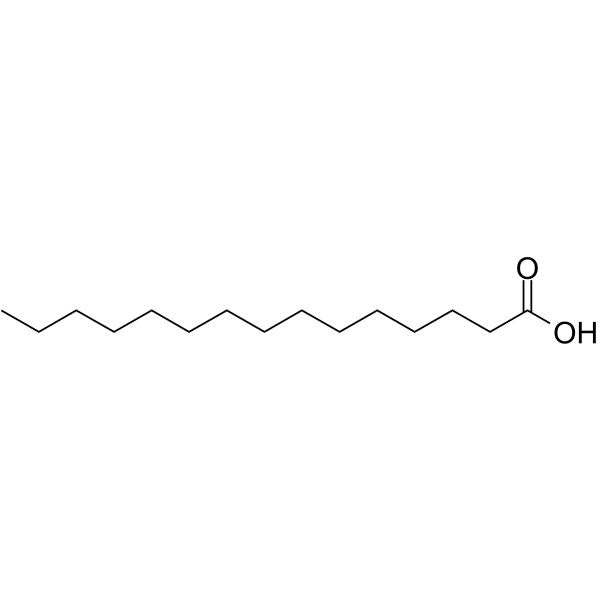
  • HY-W004283
    Pentadecanoic acid
    1 Publications Verification

    Endogenous Metabolite JAK STAT PPAR p38 MAPK JNK ERK Caspase Apoptosis Metabolic Disease Cancer
    Pentadecylic acid is a saturated fatty acid with a 15-carbon backbone.
    Pentadecanoic acid
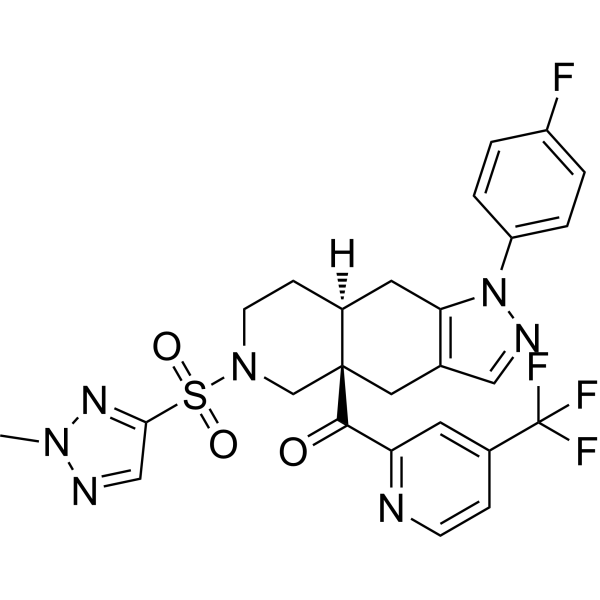
  • HY-117880
    Exicorilant
    2 Publications Verification

    CORT 125281

    Glucocorticoid Receptor Metabolic Disease Endocrinology
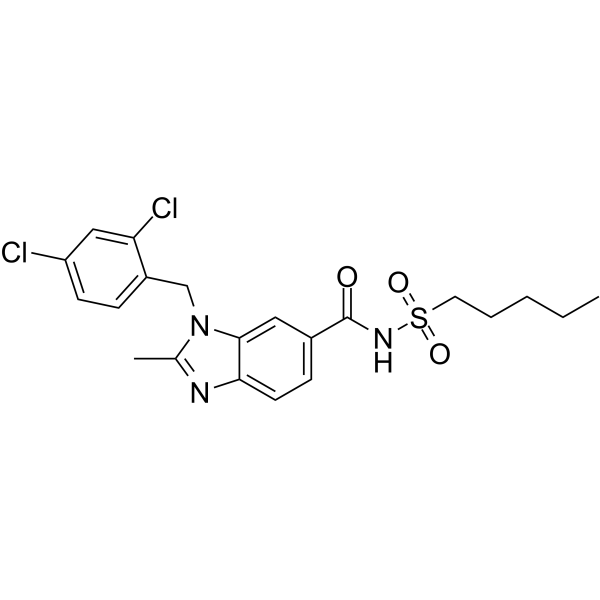
    Exicorilant (CORT 125281) is a selective and oral active glucocorticoid receptor (GR) antagonist, with a Ki value of 7 nM . Exicorilant (CORT 125281) has potential to overcome adiposity, glucose intolerance and dyslipidaemia .
    Exicorilant
  • HY-W015954

    Endogenous Metabolite Calcium Channel Bacterial Infection Metabolic Disease
    (2R,3R)-Butane-2,3-diol is a non-covalent, reversible agonist targeting lanthanum (La 3+)-sensitive calcium channels in bacteria (e.g., Escherichia coli) with an EC50 of approximately 25 mM. (2R,3R)-Butane-2,3-diol binds to calcium channel proteins or related complexes, induces channel opening, promotes extracellular calcium influx, and triggers intracellular calcium transients, which may regulate bacterial physiological activities such as growth, metabolism, and signal transduction. (2R,3R)-Butane-2,3-diol mediates bacterial-host cell signaling interactions and affects the metabolic balance of intestinal microorganisms, and can be used to study lactose intolerance and other related diseases .
    (2R,3R)-Butane-2,3-diol
  • HY-W009417

    Environmental Pollutants Glycosidase Metabolic Disease
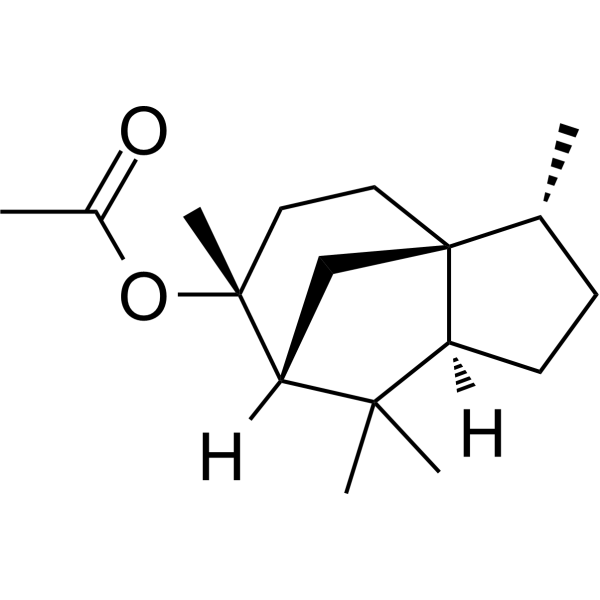
    Cedryl acetate is an orally active α-glucosidase inhibitor with an IC50 of 94 μM against yeast α-glucosidase. Cedryl acetate reduces high-fat diet-induced body weight gain, visceral fat pad weight, adipocyte hypertrophy, hepatic lipid accumulation, glucose intolerance, insulin resistance and gluconeogenesis. Cedryl acetate can be used in the research of obesity and obesity-related metabolic syndrome .
    Cedryl acetate
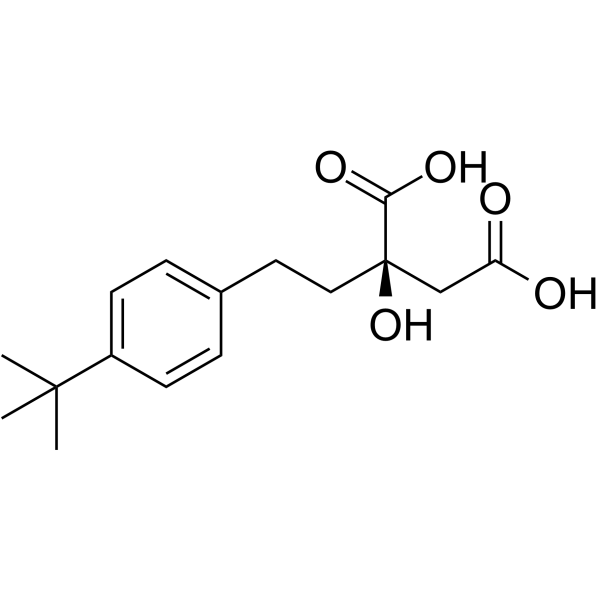
  • HY-120103
    PF-06649298
    1 Publications Verification

    Sodium Channel Metabolic Disease
    PF-06649298 is a sodium-coupled citrate transporter (NaCT or SLC13A5) inhibitor. PF-06649298 specifically interacts with NaCT with an IC50 value of 16.2 μM to inhibits the transport of citrate in human hepatocytes. PF-06649298 can be used for the research of regulating glucose metabolism and lipid metabolism .
    PF-06649298
  • HY-N7912

    (2S)-Pterosin A

    AMPK PEPCK GSK-3 GLUT Akt p38 MAPK Reactive Oxygen Species (ROS) Metabolic Disease
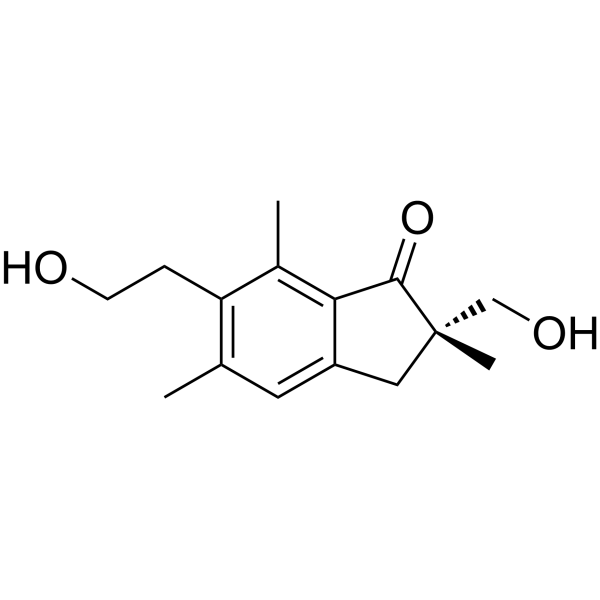
    Pterosin A ((2S)-Pterosin A) is a sesquiterpene compound. Pterosin A is an orally active AMPK activator with anti-diabetic effect. Pterosin A can promote glucose uptake, increase serum insulin, and improve hyperglycemia and glucose intolerance. Pterosin A can prevent insulin-secreting cells death and reduce ROS production. Pterosin A can be used for the research of metabolic disease, such as diabetes .
    Pterosin A
  • HY-P2758

    DAO

    Biochemical Assay Reagents Metabolic Disease Inflammation/Immunology Cancer
    Diamine oxidase (DAO) is an orally active enzyme. Diamine oxidase catalyzes oxidative deamination of various polyamines. Diamine oxidase degrades histamine and polyamines to maintain the metabolic balance of amines in the body. Diamine oxidase is a key regulatory enzyme in rapidly proliferating tissues such as bone marrow and intestinal mucosa. Diamine oxidase can be used in research related to intestinal diseases, small bowel transplant rejection, histamine intolerance, and other conditions .
    Diamine oxidase
  • HY-N2421
    Sequoyitol
    1 Publications Verification

    5-O-Methyl-myo-inositol

    Others Metabolic Disease
    Sequoyitol (5-O-Methyl-myo-inositol) is isolated from plants. Sequoyitol (5-O-Methyl-myo-inositol) decreases blood glucose, improves glucose intolerance, and is used to treat diabetes .
    Sequoyitol
  • HY-W004283R

    Reference Standards Endogenous Metabolite JAK STAT PPAR p38 MAPK JNK ERK Caspase Apoptosis Metabolic Disease Cancer
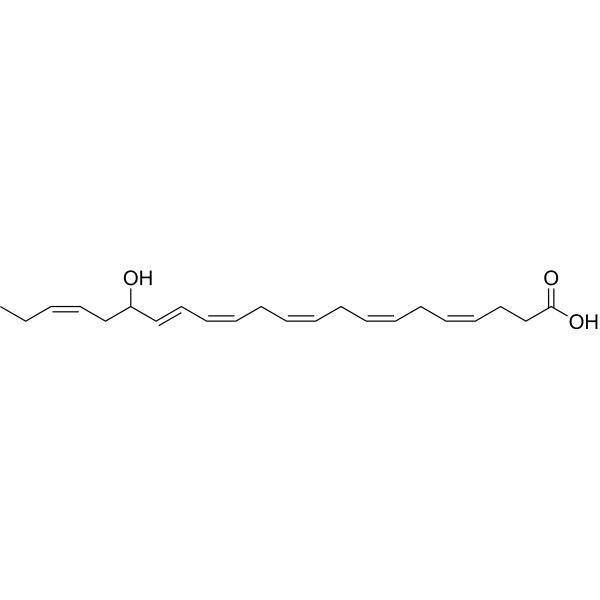
    α-Linolenic acid (Standard) is the analytical standard of α-Linolenic acid. This product is intended for research and analytical applications. α-Linolenic acid, isolated from Perilla frutescens, is an essential fatty acid that cannot be synthesized by humans. α-Linolenic acid can affect the process of thrombotic through the modulation of PI3K/Akt signaling. α-Linolenic acid possess the anti-arrhythmic properties and is related to cardiovascular disease and cancer .
    Pentadecanoic acid (Standard)
  • HY-W018004S

    Isotope-Labeled Compounds Endogenous Metabolite Metabolic Disease
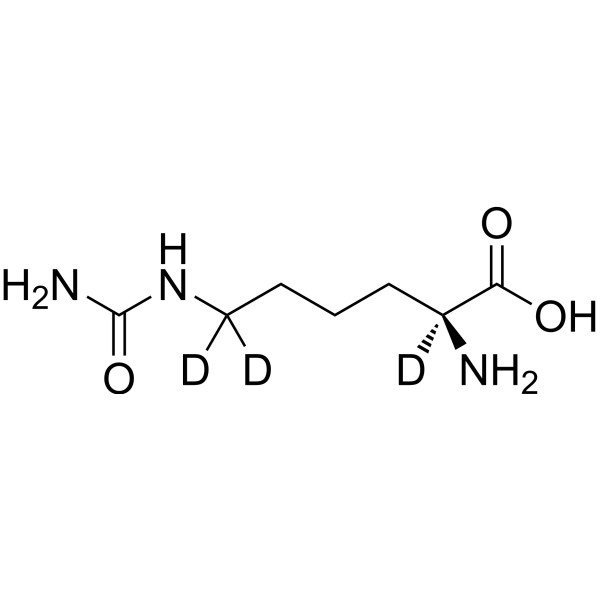
    L-Homocitrulline-d3 is the deuterium labeled L-Homocitrulline. L-Homocitrulline is metabolized to homoarginine through homoargininosuccinate via the urea cycle pathway and its metabolic abnormality could lead to Lysinuric Protein Intolerance (LPI).
    L-Homocitrulline-d3
  • HY-134191

    Cryptochrome Metabolic Disease
    Cryptochrome modulator 1 (Compound 50) is a cryptochrome modulator. Cryptochrome modulator 1 reduces glucose intolerance in diabetic mice .
    Cryptochrome modulator 1
  • HY-111469
    CPT-157633
    1 Publications Verification

    Phosphatase Metabolic Disease
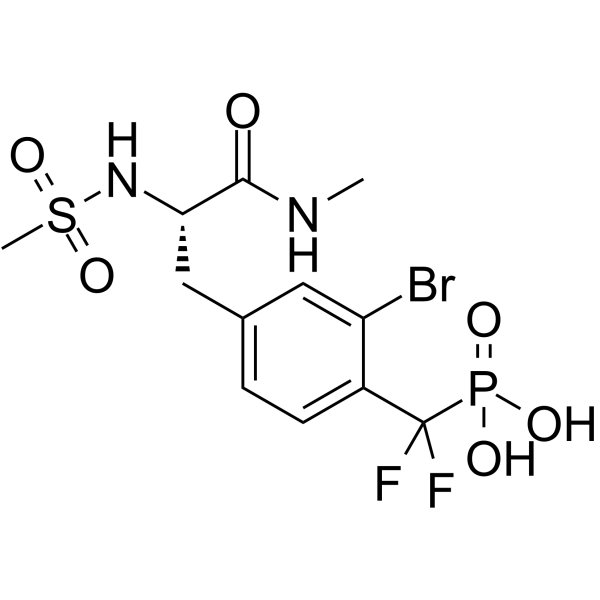
    CPT-157633, a difluoro-phosphonomethyl phenylalanine derivative, and is a PTP1B inhibitor. CPT-157633 prevents binge drinking-induced glucose intolerance .
    CPT-157633
  • HY-101292

    PPAR Metabolic Disease
    FK614 is an orally active, non-thiazolidinedione (TZD) type, and selective PPARγ modulator (SPPARM). FK614 functions as a PPARγ agonist with potent anti-diabetic activity in vivo. FK614 has different effects on the activation of PPARγ at each stage of adipocyte differentiation. FK614 can be used for the research of hyperglycemia, hypertriglyceridemia, glucose intolerance and type 2 diabetes .
    FK614
  • HY-W018004R

    Reference Standards Endogenous Metabolite Metabolic Disease
    L-Homocitrulline is metabolized to homoarginine through homoargininosuccinate via the urea cycle pathway and its metabolic abnormality could lead to Lysinuric Protein Intolerance (LPI).
    L-Homocitrulline (Standard)
  • HY-P3866

    Oxytocin Receptor Metabolic Disease
    [Asu1,6]-Oxytocin is an analog of oxytocin. [Asu1,6]-Oxytocin reverses insulin resistance and glucose intolerance prior to reduction of obesity. [Asu1,6]-Oxytocin has the potential for the research of obesity and diabetes .
    [Asu1,6]-Oxytocin
  • HY-W015954R

    Reference Standards Endogenous Metabolite Calcium Channel Bacterial Infection Metabolic Disease
    (2R,3R)-Butane-2,3-diol (Standard) is the analytical standard of (2R,3R)-Butane-2,3-diol (HY-W015954). This product is intended for research and analytical applications. (2R,3R)-Butane-2,3-diol is a non-covalent, reversible agonist targeting lanthanum (La 3+)-sensitive calcium channels in bacteria (e.g., Escherichia coli) with an EC50 of approximately 25 mM. (2R,3R)-Butane-2,3-diol binds to calcium channel proteins or related complexes, induces channel opening, promotes extracellular calcium influx, and triggers intracellular calcium transients, which may regulate bacterial physiological activities such as growth, metabolism, and signal transduction. (2R,3R)-Butane-2,3-diol mediates bacterial-host cell signaling interactions and affects the metabolic balance of intestinal microorganisms, and can be used to study lactose intolerance and other related diseases .
    (2R,3R)-Butane-2,3-diol (Standard)
  • HY-19297

    5-HT Receptor Cardiovascular Disease
    SB-247853 is a highly specific 5-HT2c receptor antagonist. SB-247853 induces orthostatic intolerance during head-up tilting. SB-247853 can be used in the research of cardiovascular diseases .
    SB-247853
  • HY-W009417R

    Reference Standards Glycosidase Environmental Pollutants Metabolic Disease
    Cedryl acetate (Standard) is the analytical standard of Cedryl acetate. This product is intended for research and analytical applications. Cedryl acetate is an orally active α-glucosidase inhibitor with an IC50 of 94 μM against yeast α-glucosidase. Cedryl acetate reduces high-fat diet-induced body weight gain, visceral fat pad weight, adipocyte hypertrophy, hepatic lipid accumulation, glucose intolerance, insulin resistance and gluconeogenesis. Cedryl acetate can be used in the research of obesity and obesity-related metabolic syndrome .
    Cedryl acetate (Standard)
  • HY-123765

    Acyltransferase Metabolic Disease
    JTT-553 is a DGAT1 inhibitor (IC50: 2.38 nM). JTT-553 reduces plasma concentrations of glucose, insulin, non-esterified fatty acids (NEFA), total cholesterol (TC), and hepatic triglycerides (TG). JTT-553 improves insulin-dependent glucose uptake and glucose intolerance in adipose tissue of DIO mice. JTT-553 reduces TNF-α mRNA levels and increases GLUT4 mRNA levels in adipose tissue of KK-Ay mice. JTT-553 improves adipose tissue insulin resistance and systemic glucose metabolism by reducing body weight. JTT-553 can be used in the study of obesity and type 2 diabetes mellitus (T2DM) .
    JTT-553
  • HY-101292R

    PPAR Reference Standards Metabolic Disease
    FK614 (Standard) is the analytical standard of FK614 (HY-101292). This product is intended for research and analytical applications. FK614 is an orally active, non-thiazolidinedione (TZD) type, and selective PPARγ modulator (SPPARM). FK614 functions as a PPARγ agonist with potent anti-diabetic activity in vivo. FK614 has different effects on the activation of PPARγ at each stage of adipocyte differentiation. FK614 can be used for the research of hyperglycemia, hypertriglyceridemia, glucose intolerance and type 2 diabetes .
    FK614 (Standard)
  • HY-183489

    Trace Amine-associated Receptor (TAAR) Neurological Disease Metabolic Disease
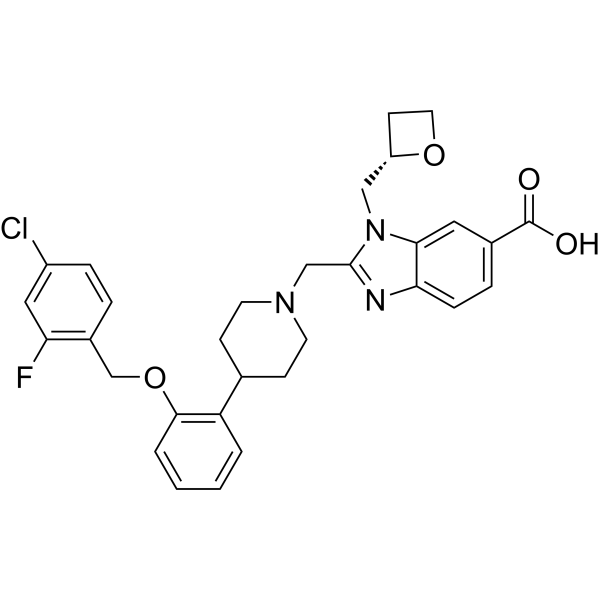
    TAAR1-agonist-4 is a TAAR1 agonist and oral hypoglycemic agent with an EC50 of 0.0046 μM for TAAR1. TAAR1-agonist-4 alleviates antipsychotic-related metabolic side effects, improves negative and cognitive symptoms, and reduces drug abuse behaviors. TAAR1-agonist-4 is applicable to research on schizophrenia, acute manic episodes associated with bipolar disorder, and glucose intolerance .
    TAAR1-agonist-4
  • HY-182280

    Insulin Receptor Metabolic Disease
    BDM71230 is an orally active inducer of insulin-degrading enzyme (IDE), with an EC50 of 1.9 μM against human IDE. BDM71230 binds to the interface of IDE dimers and enhances the catalytic activity of IDE via steric effects. BDM71230 can potentiate the hydrolytic effect of IDE on insulin and slightly attenuate the hypoglycemic effect of insulin. BDM71230 serves as a pharmacological tool for investigating IDE function and is applicable to studies related to glucose intolerance .
    BDM71230
  • HY-N8250

    Topoisomerase PEPCK Metabolic Disease
    cis-THSG is a selective and orally active DNA topoisomerase II inhibitor with no activity against DNA topoisomerase I. cis-THSG suppresses transcription of PEPCK. cis-THSG reduces blood glucose levels, ameliorates glucose intolerance, and alleviates insulin resistance in high fat diet-induced diabetic male CF-1 mice. cis-THSG can be used for the research of type 2 diabetes mellitus .
    cis-THSG
  • HY-B2185

    Dopamine Receptor Potassium Channel AMPK Neurological Disease Metabolic Disease Inflammation/Immunology
    Tipepidine citrate is a non-narcotic antitussive agent. Tipepidine citrate reversibly inhibits dopamine D2 receptor-mediated GIRK current (IDA(GIRK)), thereby activating VTA dopamine neurons, with an IC50 of 7.0 μM for IDA(GIRK). Tipepidine activates AMPK. Tipepidine citrate has antidepressant-like effects. Tipepidine citrate enhances the analgesic effect of Carbamazepine (HY-B0246). Tipepidine citrate improves adipose tissue fibrosis and glucose intolerance in high-fat diet-induced obese mice .
    Tipepidine citrate
  • HY-181709

    TG062

    GLP Receptor GCGR Metabolic Disease Inflammation/Immunology
    TPM003 (TG062) is a triple agonist of GLP-1R, GIPR and GCGR, with EC50 values of 33.9, 12.5 and 92.9 pM, respectively. TPM003 suppresses appetite, regulates blood glucose, enhances insulin sensitivity, reduces gastrointestinal intolerance, promotes hepatic lipid mobilization and increases energy expenditure. TPM003 induces weight loss, improves metabolic parameters, reverses hepatic steatosis and optimizes liver function markers. TPM003 is applicable for research on obesity and non-alcoholic steatohepatitis .
    TPM003
  • HY-124470

    Others Cardiovascular Disease
    Amisometradine is an orally active aminouracil diuretic with a diuretic potency approximately 40% that of Mersalyl (HY-108868) (when administered intramuscularly). Amisometradine exerts its effects by promoting the excretion of sodium, chloride and a small amount of potassium, exhibits significant therapeutic effects in heart failure models, and has good tolerance with long-term administration. Compared with drugs of the same class, Amisometradine causes fewer gastrointestinal reactions; its minor side effects mainly include nausea, vomiting, diarrhea, tinnitus and deafness, and are usually not accompanied by proteinuria or abnormalities in blood and urine indicators. Amisometradine is an important tool for the study of heart failure and related diuretic mechanisms .
    Amisometradine

Inquiry Online

Your information is safe with us. * Required Fields.

Salutation


Country or Region *

Applicant Name *


Organization Name *

Department *


Email Address *


Product Name *

Cat. No.


Requested quantity *

Phone Number *


Remarks

Inquiry Online

Inquiry Information

Product Name:
Cat. No.:
Quantity:
MCE Japan Authorized Agent:

