1. Search Result
Search Result
Results for "

leukemia tumor

" in MedChemExpress (MCE) Product Catalog:

375

Inhibitors & Agonists

2

Screening Libraries

2

Fluorescent Dyes

4

Biochemical Assay Reagents

6

Peptides

32

Inhibitory Antibodies

47

Natural
Products

2

Recombinant Proteins

11

Isotope-Labeled Compounds

1

Antibodies

2

Click Chemistry

5

Oligonucleotides

Cat. No. Product Name Target Research Areas Chemical Structure
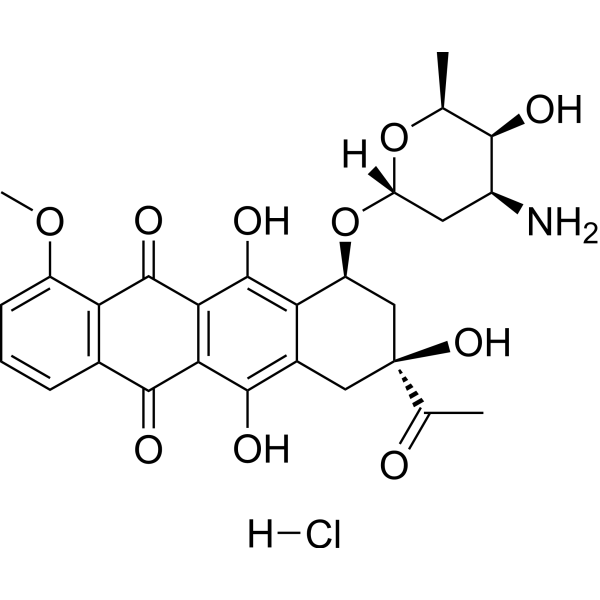
  • HY-13062
    Daunorubicin hydrochloride
    35+ Cited Publications

    Daunomycin hydrochloride; RP 13057 hydrochloride; Rubidomycin hydrochloride

    Topoisomerase DNA/RNA Synthesis ADC Payload Bacterial Autophagy Apoptosis Antibiotic Infection Neurological Disease Cancer
    Daunorubicin (Daunomycin) hydrochloride is a topoisomerase II inhibitor with potent anti-tumor activity. Daunorubicin hydrochloride inhibits DNA and RNA synthesis. Daunorubicin hydrochloride is a cytotoxin that inhibits cancer cell viability and induces apoptosis and necrosis. Daunorubicin hydrochloride is also an anthracycline antibiotic. Daunorubicin hydrochloride can be used in the research of infection and variety of cancers, including leukemia, non-Hodgkin lymphomas, Ewing's sarcoma, Wilms' tumor .
    Daunorubicin hydrochloride
  • HY-101266
    Milademetan
    5 Publications Verification

    DS-3032

    MDM-2/p53 E1/E2/E3 Enzyme Apoptosis Cancer
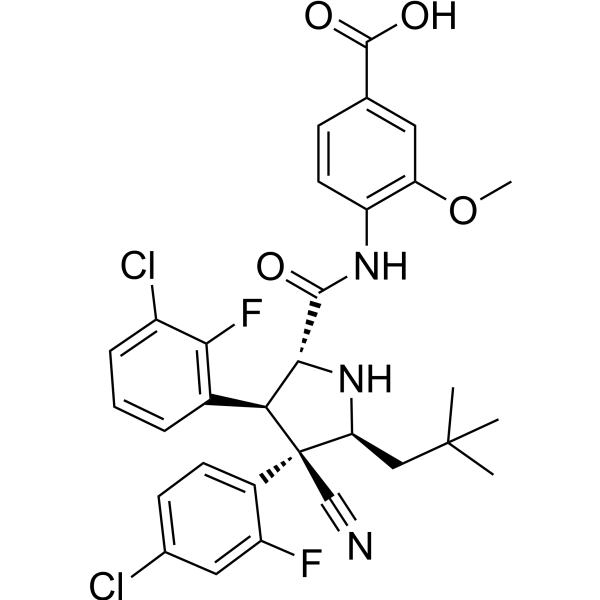
    Milademetan (DS-3032) is a specific and orally active MDM2 inhibitor for the research of acute myeloid leukemia (AML) or solid tumors. Milademetan (DS-3032) induces G1 cell cycle arrest, senescence and apoptosis .
    Milademetan
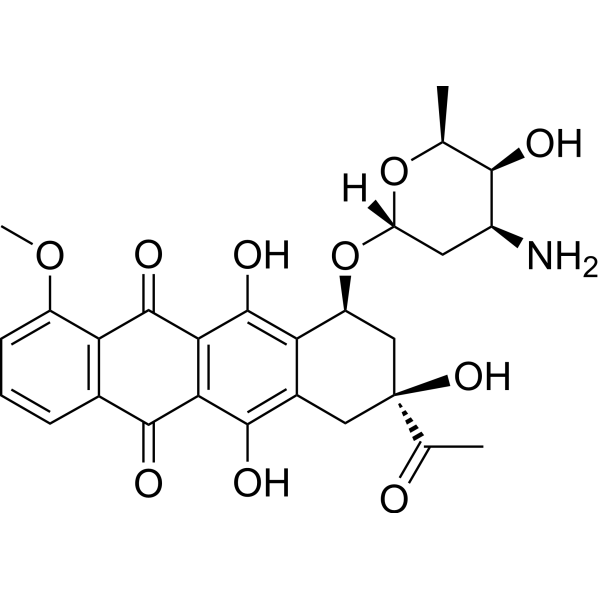
  • HY-13062A
    Daunorubicin
    35+ Cited Publications

    Daunomycin; RP 13057; Rubidomycin

    Topoisomerase DNA/RNA Synthesis ADC Payload Autophagy Bacterial Antibiotic Apoptosis Infection Neurological Disease Cancer
    Daunorubicin (Daunomycin) is a topoisomerase II inhibitor with potent anti-tumor activity. Daunorubicin inhibits DNA and RNA synthesis. Daunorubicin is a cytotoxin that inhibits cancer cell viability and induces apoptosis and necrosis. Daunorubicin is also an anthracycline antibiotic. Daunorubicin can be used in the research of infection and variety of cancers, including leukemia, non-Hodgkin lymphomas, Ewing's sarcoma, Wilms' tumor .
    Daunorubicin
  • HY-15255
    Zosuquidar
    15+ Cited Publications

    RS 33295-198; LY-335979

    P-glycoprotein Cancer
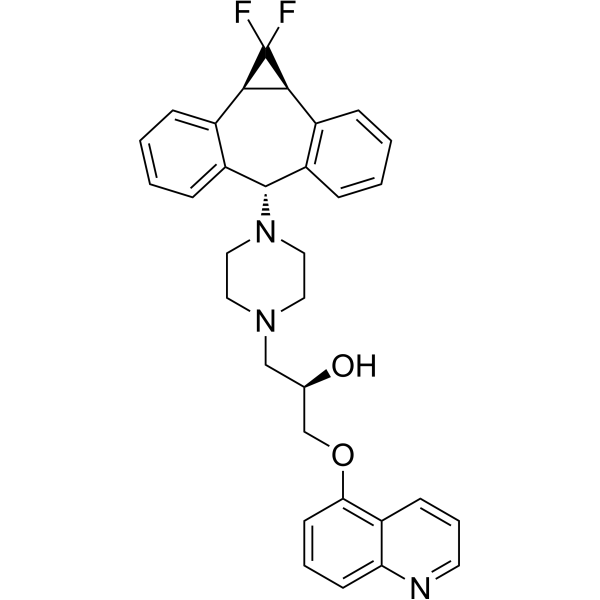
    Zosuquidar (LY335979) is a P-glycoprotein (P-gp) inhibitor (Ki=59 nM). Zosuquidar shows anti-tumor activities, and can be used in acute myelogenous leukemia (AML) research .
    Zosuquidar
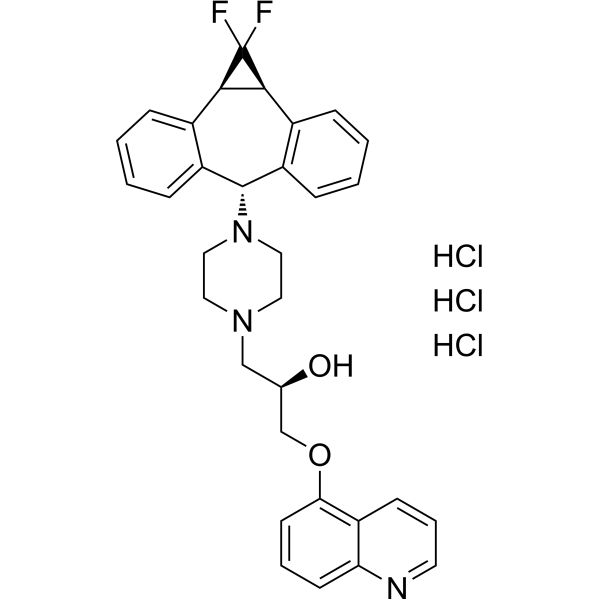
  • HY-50671
    Zosuquidar trihydrochloride
    15+ Cited Publications

    RS 33295-198 trihydrochloride; LY-335979 trihydrochloride

    P-glycoprotein Cancer
    Zosuquidar (LY335979) trihydrochloride is a P-glycoprotein (P-gp) inhibitor (Ki=59 nM). Zosuquidar trihydrochloride shows anti-tumor activities, and can be used in acute myelogenous leukemia (AML) research .
    Zosuquidar trihydrochloride
  • HY-148669
    Bleximenib
    1 Publications Verification

    JNJ-75276617; Menin-MLL inhibitor 24

    Apoptosis Histone Methyltransferase FLT3 Cancer
    Bleximenib (JNJ-75276617) is an orally active and selective menin-KMT2A inhibitor, with IC50 values of 0.1 nM, 0.045 nM, and ≤0.066 nM for humans, mice, and dogs, respectively. Bleximenib can inhibit the proliferation and induce apoptosis and differentiation of tumor cells. Bleximenib can be used in the research of tumors such as leukemia .
    Bleximenib
  • HY-148669A
    Bleximenib oxalate
    1 Publications Verification

    JNJ-75276617 oxalate; Menin-MLL inhibitor 24 oxalate

    Apoptosis Histone Methyltransferase FLT3 Cancer
    Bleximenib (JNJ-75276617) oxalate is an orally active and selective menin-KMT2A inhibitor, with IC50 values of 0.1 nM, 0.045 nM, and ≤0.066 nM for humans, mice, and dogs, respectively. Bleximenib oxalate can inhibit the proliferation and induce apoptosis and differentiation of tumor cells. Bleximenib oxalate can be used in the research of tumors such as leukemia .
    Bleximenib oxalate
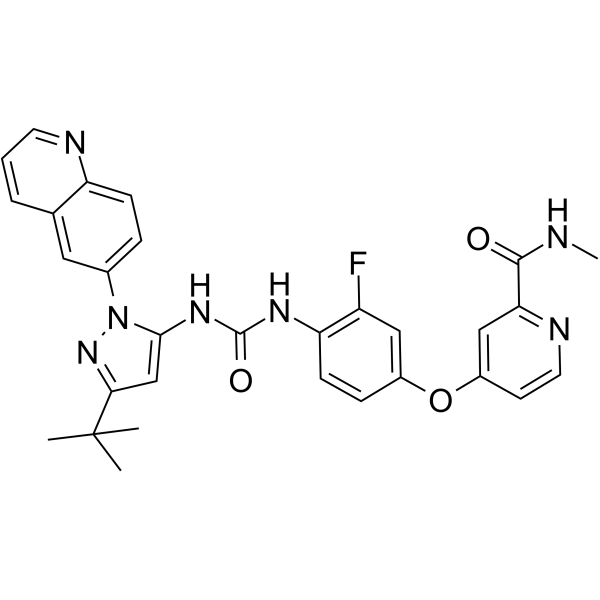
  • HY-15728
    Radotinib
    1 Publications Verification

    IY-5511

    Bcr-Abl Apoptosis STAT JAK Prion Protein Infection Neurological Disease Cancer
    Radotinib (IY-5511) is an orally active and BBB-permeable selective tyrosine kinase Bcr-Abl1 inhibitor with an IC50 of 34 nM. Radotinib has anti-prion and anti-tumor activities. Radotinib can inhibit the proliferation, induce cell cycle arrest and apoptosis of tumor cells . Radotinib can be used in the research of cancer such as chronic myeloid leukemia and multiple myeloma, as well as neurodegenerative diseases such as prion diseases .
    Radotinib
  • HY-106014

    DNA/RNA Synthesis Nucleoside Antimetabolite/Analog Apoptosis Cancer
    Tezacitabine is a cytostatic and cytotoxic antimetabolite and a nucleoside analogue. Tezacitabine irreversibly inhibits the ribonucleotide reductase and interferes with DNA replication and repair. Tezacitabine effectively induces cells apoptotic. Tezacitabine has the potential for leukemias and solid tumors (carcinomas) treatment .
    Tezacitabine
  • HY-156794

    DSP-5336

    Epigenetic Reader Domain FLT3 Cancer
    Enzomenib (DSP-5336) is an orally active Menin inhibitor (IC50=1.4 nM, Kd=6.0 nM). Enzomenib disrupts the interaction between Menin and KMT2A/MLL fusion proteins, specifically inhibits the expression of leukemia driver genes such as HOX/MEIS1, and upregulates ITGAM. Enzomenib effectively induces cell differentiation, inhibits tumor cell proliferation, and suppresses primitive cell colony formation. Enzomenib reduces disease burden and prolongs survival, but causes adverse reactions including differentiation syndrome and QTc interval prolongation. Enzomenib is used for research on relapsed/refractory acute myeloid leukemia, acute lymphoblastic leukemia, and other hematologic malignancies with mixed lineage leukemia (MLL) rearrangements or NPM1 mutations .
    Enzomenib
  • HY-G0017
    N-Desmethyl imatinib
    1 Publications Verification

    Norimatinib; Imatinib metabolite N-Desmethyl imatinib; CGP 74588

    Drug Metabolite P-glycoprotein Apoptosis Neurological Disease Cancer
    N‑Desmethyl imatinib (Norimatinib) is an active metabolite of Imatinib (HY-15463), a selective c‑Abl inhibitor, and a substrate of P‑glycoprotein. N-Desmethyl imatinib binds to the c-Abl catalytic domain to prevent substrate phosphorylation, inhibits c-Abl-mediated α-synuclein activation and downstream inflammatory signaling pathways. N-Desmethyl imatinib induces apoptosis in K562 human leukemia cells. N-Desmethyl imatinib shows significantly elevated plasma levels in gastrointestinal stromal tumor (GIST) models with mild SARS-CoV-2 infection. N-Desmethyl imatinib can be used for the research of Parkinson’s disease, gastrointestinal stromal tumor, and chronic myeloid leukemia .
    N-Desmethyl imatinib
  • HY-N6017

    HDAC TNF Receptor Interleukin Related TGF-β Receptor IFNAR PI3K PKC Akt GSK-3 Caspase Apoptosis Cancer
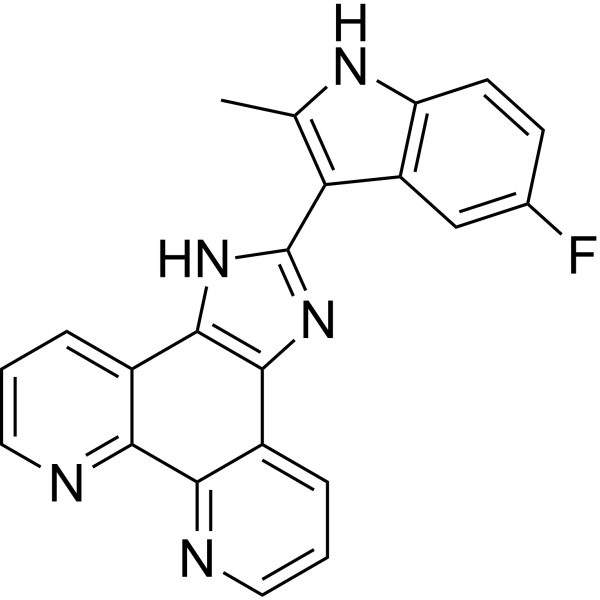
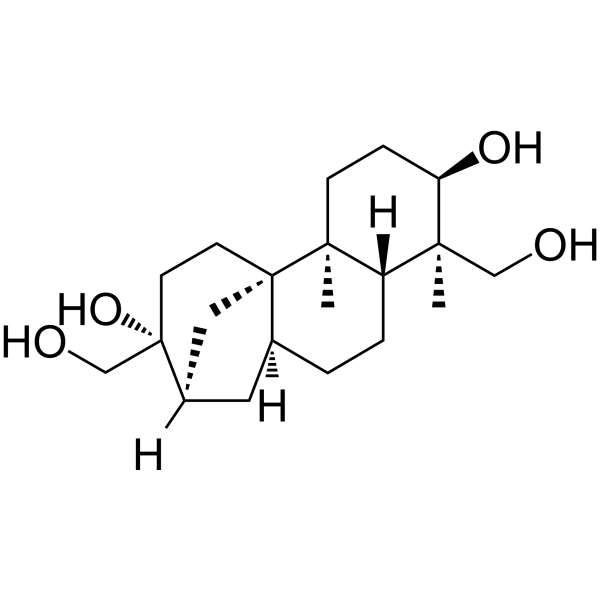
    Bakkenolide A is an anticancer agent. Bakkenolide A reduces the viability of leukemia cells, inhibits cell colony formation and invasion, and downregulates the expression of HDAC3 in cells. Bakkenolide A downregulates the expression of pro-inflammatory cytokines including TNF-α, interleukins such as IL-1β, TGF-β1 and IFN-γ, as well as the expression of PI3K, PDK and PKC in leukemia cells. Bakkenolide A downregulates activated Akt, GSK and Bad, while upregulates Cyto-c, cleaved Caspase3 and cleaved Caspase7, induces apoptosis (apoptosis) in leukemia cells and thereby inhibits inflammatory responses in leukemia cells. Bakkenolide A significantly slows the growth of subcutaneous leukemia tumors in nude mice. Bakkenolide A is applicable to leukemia-related research .
    Bakkenolide A
  • HY-P99258

    OMP 52M51; Anti-Human NOTCH1 Recombinant Antibody

    Notch Cancer
    Brontictuzumab (OMP 52M51) is a monoclonal antibody (MAb) that inhibits Notch1 signal. Brontictuzumab selectively binds the negative regulatory region of the Notch1. Brontictuzumab inhibits tumor cell proliferation. Brontictuzumab can be used in the research of leukemia and lymphoma .
    Brontictuzumab
  • HY-174979

    Fat Mass and Obesity-associated Protein (FTO) Apoptosis Inflammation/Immunology Cancer
    Dac590 is an orally active and selective obesity-associated protein (FTO) inhibitor with an IC50 of 6.06 nM. Dac590 shows highly selective over ALKBH5 and ALKBH3. Dac590 suppresses oncogenic FTO signaling, induces myeloid differentiation, G1-phase cell cycle arrest, and apoptosis in acute myeloid leukemia (AML) cells. Dac590 inhibits xenograft tumor growth and prolongs survival in acute myeloid leukemia mouse models with no observed toxicity. Dac590 can be used for the research of AML .
    Dac590
  • HY-P0132
    YIGSR
    1 Publications Verification

    Laminin Fragment 929-933

    NO Synthase Cancer
    YIGSR (Laminin Fragment 929-933) is a polypeptide that inhibits tumor growth and metastasis of leukemia cells. YIGSR specifically binds to the 67kDa laminin receptor and regulates the expression of eNOS in endothelial cells. YIGSR can be used in leukemia-related research .
    YIGSR
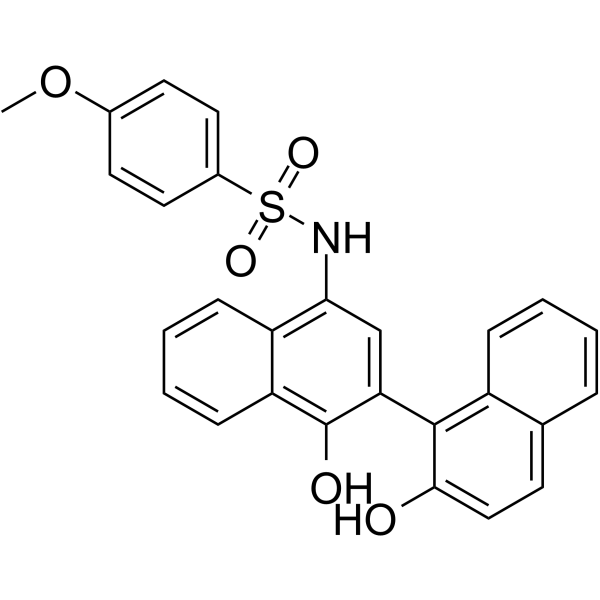
  • HY-112749

    Heme Oxygenase (HO) Reactive Oxygen Species (ROS) Mitochondrial Metabolism Microtubule/Tubulin Caspase Apoptosis Cancer
    ME-344 is an Isoflavone. ME-344 increases mitochondrial ROS generation. ME-344 inhibits tubulin polymerization. ME-344 inhibits HO-1 and impacts its mitochondrial translocation. ME-344 induces Apoptosis through Caspase 3 activation. ME-344 synergizes with Vinblastine in leukemia cells. ME-344 displays anti-tumor activity against leukemia and lung tumor. ME-344 can be used in the research of lung cancer, acute myeloid leukemia, and HER2-negative breast cancer .
    ME-344
  • HY-124676A
    DB2115 tertahydrochloride
    1 Publications Verification

    Apoptosis Cancer
    DB2115 tetrahydrochloride is a highly selective PU.1 inhibitor that suppresses the binding of PU.1 to DNA (IC50: 2.3 nM). DB2115 tetrahydrochloride can inhibit tumor cell proliferation and induce apoptosis. DB2115 tetrahydrochloride can be used in the research of tumors such as leukemia .
    DB2115 tertahydrochloride
  • HY-108894

    Ferroptosis Reactive Oxygen Species (ROS) Cardiovascular Disease Inflammation/Immunology Cancer
    Ferumoxytol is an FDA-approved ultrasmall superparamagnetic iron oxide preparation and iron replacement agent that exerts selective activity against leukemia cells with low ferroportin expression. Ferumoxytol increases intracellular iron levels, induces reactive oxygen species (ROS) production via the Fenton reaction, and triggers oxidative stress and cell death. Ferumoxytol reduces disease burden in mouse models and patient-derived leukemia models. As an MRI contrast agent, Ferumoxytol enables imaging of vascular lesions, tumors and lymph nodes. Ferumoxytol can be used in research related to acute myeloid leukemia and blast-phase chronic myeloid leukemia .
    Ferumoxytol
  • HY-B1336
    Furazolidone
    3 Publications Verification

    Environmental Pollutants Antibiotic Bacterial Apoptosis Parasite Infection Cancer
    Furazolidone is a monoamine oxidase (MAO) inhibitor with antiproliferative, apoptosis-inducing and differentiation-promoting activities. Furazolidone may inhibit leukemia fusion protein-mediated bone marrow transformation by upregulating the stability of the tumor suppressor protein p53. Furazolidone exhibits anti-leukemic activity in acute myeloid leukemia (AML) cell lines and can be used for anti-AML research [2].
    Furazolidone
  • HY-P99261

    OMP 21M18

    Notch Cancer
    Demcizumab (OMP 21M18) is an anti-DLL4 monoclonal antibody. Demcizumab is a potent inhibitor of the Notch pathway. Demcizumab alone or in combination with chemotherapy is effective in various cancer models .
    Demcizumab
  • HY-P99272
    Ulocuplumab
    1 Publications Verification

    BMS 936564; MDX 1338; Anti-Human CXCR4 Recombinant Antibody

    CXCR Cancer
    Ulocuplumab (Anti-Human CXCR4 Recombinant Antibody/BMS-936564/MDX1338) is a fully human IgG4 anti-CXCR4 antibody. Ulocuplumab induces apoptosis and inhibits CXCL12 mediated CXCR4 activation-migration of chronic lymphocytic leukemia (CLL). Ulocuplumab exhibits antitumor activity in established tumors including acute myeloid leukemia (AML), non-Hodgkin lymphoma (NHL), and multiple myeloma xenograft models .
    Ulocuplumab
  • HY-W016794

    Reactive Oxygen Species (ROS) Apoptosis Cancer
    NSC3852 exhibits anti-proliferative activity against cancer cell MCF-7. NSC3852 promotes the ROS generation, DNA damage, and apoptosis in MCF-7. NSC3852 exhibits anti-tumor against leukemia in mouse model
    NSC3852
  • HY-P991669

    AML-01

    Caspase Apoptosis Cancer
    IGN523 is an anti-CD98 antibody (hCD98, KD = 0.55 nM). IGN523 induces antibody-dependent cell-mediated cytotoxicity (ADCC) activity, lysosomal membrane permeabilization, and inhibition of essential amino acid transport, ultimately leading to caspase-3 and caspase-7-mediated apoptosis of tumor cells. IGN523 inhibits tumor growth in multiple tumor xenograft models. IGN523 is useful in the research of non-small cell lung cancer (NSCLC), acute myeloid leukemia (AML), and other cancers. .
    IGN523
  • HY-W019815

    ENU; N-Nitroso-N-ethylurea

    DNA/RNA Synthesis Neurological Disease Cancer
    N-Ethyl-N-nitrosourea (ENU) is a DNA alkylating agent. N-Ethyl-N-nitrosourea induces leukemia by alkylating nucleobases, disrupting DNA, and resulting in bone marrow suppression and the formation of leukemic cells. N-Ethyl-N-nitrosourea is teratogenic in vivo, inducing tumor formation and paw malformations in pregnant rats. N-Ethyl-N-nitrosourea cause central nervous system (CNS) tumors and genetic disorders .
    N-Ethyl-N-nitrosourea
  • HY-15163
    Zotiraciclib
    2 Publications Verification

    TG02; SB1317

    JAK CDK FLT3 Cancer
    Zotiraciclib (TG02; SB1317) is an orally active JAK2/FLT3/CDK2 inhibitor with IC50 values of 13 nM, 73 nM and 56 nM , respectively. Zotiraciclib inhibits cancer cell proliferation, tumor growth and the activity of CYP2D6. Zotiraciclib exhibits high plasma protein binding rate, Caco-2 permeability and tissue distribution capacity, as well as metabolic stability in human and canine liver microsomes. Zotiraciclib achieves tumor growth inhibition in nude mouse models of colon cancer and lymphoma xenografts. Zotiraciclib can be used for research related to colon cancer, B-cell lymphoma, advanced leukemia, acute leukemia and multiple myeloma .
    Zotiraciclib
  • HY-143889

    CDK Cancer
    Senexin C is a selective and orally active CDK8/19 inhibitor. Senexin C shows a strong tumor-enrichment pharmacokinetic (PK) profile and tumor-pharmacodynamic (PD) marker responses. Senexin C inhibits the growth of MV4-11 leukemia cells with good tolerability .
    Senexin C
  • HY-P99233

    HuMax-TAC

    ADC Antibody Transmembrane Glycoprotein Interleukin Related Cancer
    Camidanlumab (HuMax-TAC) is a humanized IgG1 monoclonal antibody against CD25. Camidanlumab can be used to synthesize the ADC molecule Camidanlumab tesirine (HY-141599). Camidanlumab can be used in the research of tumors such as lymphoma and leukemia. Recommend Isotype Controls: Human IgG1 kappa, Isotype Control (HY-P99001) .
    Camidanlumab
  • HY-P3443
    Peanut agglutinin
    1 Publications Verification

    PNA

    Biochemical Assay Reagents Cancer
    Peanut agglutinin (PNA) is a carbohydrate-recognition protein that binds competitively and irreversibly to cell-surface β-D-Gal (1-3)-GalNAc, and this binding can be inhibited by D-galactose and asialofetuin. Peanut agglutinin recognizes exposed glycoepitopes and reflects the glycosylation status of cells. Peanut agglutinin can label glycoconjugates at neuromuscular junctions to safely visualize synaptic structures. Peanut agglutinin can be used to synthesize dyes to distinguish between normal and tumor tissues. Peanut agglutinin provides support for research on leukemia, Burkitt's tumors, and cutaneous squamous lesions .
    Peanut agglutinin
  • HY-154984

    Histone Acetyltransferase PROTACs Cancer
    JET-209 is a potent CBP/p300 PROTAC degrader, with DC50 values of 0.05 nM and 0.2 nM for CBP and p300. JET-209 demonstrates remarkable anti-tumor activity against various acute leukemia cell lines and effectively inhibits tumor growth in xenograft tumor models. JET-209 can be used for the study of acute leukemia .
    JET-209
  • HY-13072
    Cenisertib
    1 Publications Verification

    AS-703569; R-763

    Aurora Kinase Bcr-Abl Akt STAT FLT3 Cancer
    Cenisertib (AS-703569) is an ATP-competitive multi-kinase inhibitor that blocks the activity of Aurora-kinase-A/B, ABL1, AKT, STAT5 and FLT3. Cenisertib induces major growth-inhibitory effects by blocking the activity of several different molecular targets in neoplastic mast cells (MC). Cenisertib inhibits tumor growth in xenograft models of pancreatic, breast, colon, ovarian, and lung tumors and leukemia .
    Cenisertib
  • HY-N7761

    Tetrahydro tanshinone I

    Endonuclease NADPH Oxidase Pyroptosis NF-κB Cancer
    Trijuganone B (Tetrahydro tanshinone I) can be extracted from from the roots of Salvia miltiorrhiza f. alba. Trijuganone B inhibits the proliferation of leukemia cells .
    Trijuganone B
  • HY-P2302

    Antibiotic Bacterial Fungal Infection Inflammation/Immunology Cancer
    Defensin HNP-3 human is an α-defensin stored in the azurophilic granules of human neutrophils. Defensin HNP-3 human exerts broad-spectrum bactericidal, antifungal and antiviral activities mainly by forming bacterial membrane pores, and acts as a chemoattractant for monocytes and T cells. Defensin HNP-3 human maintains epithelial integrity to support periodontal tissue homeostasis, and exerts concentration-dependent effects on epithelial cell proliferation, adhesion and bacterial adhesion. Defensin HNP-3 human targets solid tumors and leukemia by inducing single-strand DNA breaks and membrane permeabilization in tumor cells via electrostatic binding and pore formation. Defensin HNP-3 human is abundant in human tongue squamous cell carcinoma and neutrophils infiltrating oral squamous cell carcinoma. Defensin HNP-3 human can be applied to research related to periodontitis and human tongue squamous cell carcinoma .
    Defensin HNP-3 human
  • HY-153495

    BP1001

    Bcl-2 Family Apoptosis Reactive Oxygen Species (ROS) Cancer
    Prexigebersen (BP1001) is an antisense oligonucleotide targeting Bcl-2 and Grb2. Prexigebersen exhibits antileukemic activity in cell models. Prexigebersen induces apoptosis (apoptosis), cell cycle arrest and ROS production in leukemia cells. Prexigebersen inhibits Grb2 expression, thereby suppressing tumor growth and survival. Prexigebersen can be used in studies related to acute myeloid leukemia .
    Prexigebersen
  • HY-12419

    Notch Cancer
    BMS-983970 is an oral pan-Notch inhibitor for the treatment of multiplecancers .
    BMS-983970
  • HY-101266B
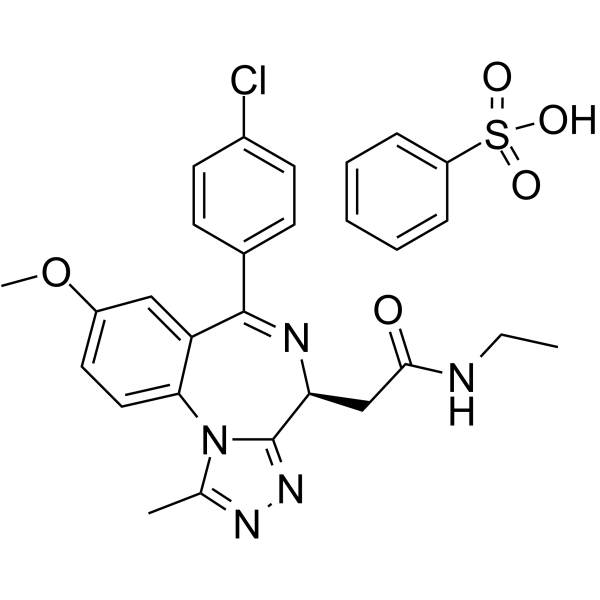
    Milademetan tosylate hydrate
    5 Publications Verification

    DS-3032b; DS-3032 tosylate hydrate

    MDM-2/p53 E1/E2/E3 Enzyme Apoptosis Cancer
    Milademetan (DS-3032) tosylate hydrate is a specific and orally active MDM2 inhibitor for the research of acute myeloid leukemia (AML) or solid tumors. Milademetan (DS-3032) tosylate hydrate induces G1 cell cycle arrest, senescence and apoptosis .
    Milademetan tosylate hydrate
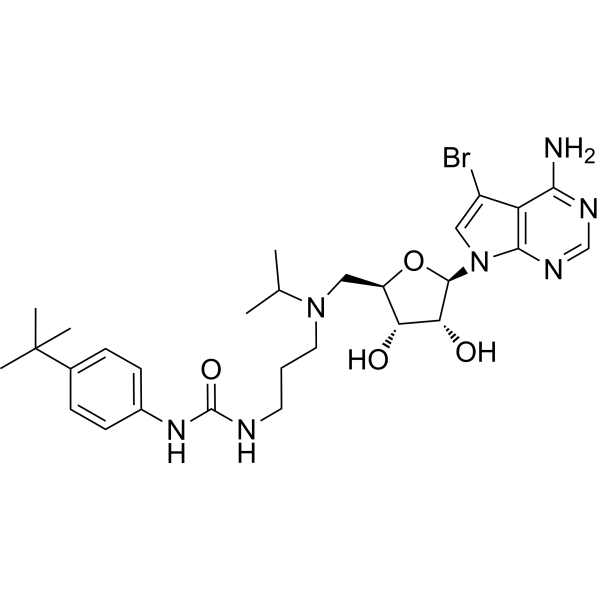
  • HY-159175

    PROTACs Deubiquitinase Apoptosis MDM-2/p53 Cancer
    XM-U-14 is a selective PROTAC USP7 Degrader (DC50: 0.74 nM in inducing USP7 degradation in RS4;11 cell line). XM-U-14 upregulates the levels of p53 and p21. XM-U-14 also significantly inhibits acute lymphoblastic leukemia (ALL) cell growth (IC50: 0.5 nM and 8.3 nM for RS4;11 cells and Reh cells respectively). XM-U-14 induces apoptosis and cycle arrest. XM-U-14 inhibits tumor growth. (Blue: VHL ligand (HY-159465), Black: linker (HY-W539783); Pink: USP7 inhibitor (HY-159464)) .
    XM-U-14
  • HY-101150

    DNA Alkylator/Crosslinker ADC Payload Cancer
    DGN462, a potent DNA-alkylating agent, shows anti-tumor activity, such as acute myeloid leukemia (AML). DGN462 can be used as a cytotoxic component of antibody-drug conjugates (ADCs) .
    DGN462
  • HY-161149

    HDAC Cancer
    CM-1758 is a histone deacetylase (HDAC) inhibitor. CM-1758 inhibits tumor growth in vivo. CM-1758 induces acetylation of non-histone proteins in acute myeloid leukemia cells .
    CM-1758
  • HY-111209

    S14161

    PI3K Cancer
    Pichromene (S14161) is an anticancer agent and weak PI3K inhibitor. Pichromene can effectively inhibit tumor growth in leukemia mouse models and can be used in cancer research .
    Pichromene
  • HY-169327

    PROTACs MDM-2/p53 Cancer
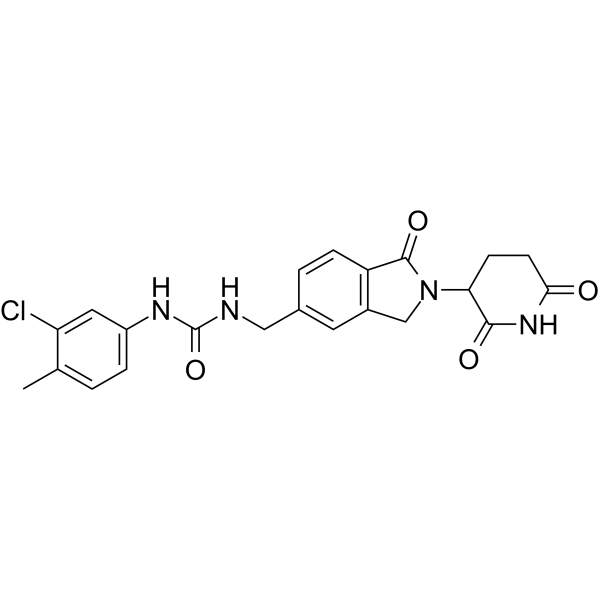
    MD-265 is a PROTAC degrader that can break down MDM2, leading to activation of p53 in cancer cells carrying wild-type p53. MD-265 achieves complete tumor regression and improves long-term survival of mice with leukemia. (Pink: MI-1063 (HY-133754); Black: linker; Blue: Lenalidomide (HY-A0003) .
    MD-265
  • HY-106218

    5-Fluorocyclocytidine; 5'-Fluorocyclocytidine

    Nucleoside Antimetabolite/Analog Cancer
    Flurocitabine (5-Fluorocyclocytidine) is a fluorinated anlydride analog of cytosine arabinoside, partially hydrolysecl in vivo into two active antitumor substances (arabinosyl-tluorocytosine (ara-FC) and arabinosyl-fluorouracil (ara-FU)). Flurocitabine (5-Fluorocyclocytidine) has antitumor activity during phase I studies in acute leukemia and solid tumors .
    Flurocitabine
  • HY-148203

    Bcl-2 Family Cancer
    Mcl-1 inhibitor 9 (example 2) is a myeloid cell leukemia 1 (Mcl-1) inhibitor with IC50 value of 0.21889 nM. Mcl-1 inhibitor 9 shows anti-tumor activity .
    Mcl-1 inhibitor 9
  • HY-178007

    CDK Cancer
    CDK2 degrader 8 (Compound1) is a CDK2 degrader. CDK2 degrader 8 shows potential anti-tumor activity by targeting CDK2. CDK2 degrader 8 can be used for the study of solid tumors (breast cancer, triple negative breast cancer, ovarian serous cystadenocarcinoma) and liquid tumors (diffuse large B-cell lymphoma, acute myelogenous leukemia) associated with abnormal CDK2 function .
    CDK2 degrader 8
  • HY-175342

    LOXO-338

    Bcl-2 Family Cancer
    FCN-338 (LOXO-338) is an orally active and selective Bcl-2 inhibitor with an IC50 of 4.5 nM for Bcl-2/BAK interaction. FCN-338 potently inhibits tumor growth in follicular lymphoma (FL), acute myeloid leukemia (AML), and acute lymphoblastic leukemia (ALL) xenograft mice model without significant weight loss. FCN-338 has a broad-spectrum anti-cancer activity, such as FL, CLL/SLL, AML, and ALL .
    FCN-338
  • HY-148669B

    (S)-JNJ-75276617 oxalate; (S)-Menin-MLL inhibitor 24 oxalate

    Apoptosis Histone Methyltransferase FLT3 Cancer
    (S)-Bleximenib (oxalate) is a S-Enantiomer of Bleximenib oxalate (HY-148669A). Bleximenib (JNJ-75276617) oxalate is an orally active and selective menin-KMT2A inhibitor, with IC50 values of 0.1 nM, 0.045 nM, and ≤0.066 nM for humans, mice, and dogs, respectively. Bleximenib oxalate can inhibit the proliferation and induce apoptosis and differentiation of tumor cells. Bleximenib oxalate can be used in the research of tumors such as leukemia .
    (S)-Bleximenib oxalate
  • HY-N16420

    DNA/RNA Synthesis Apoptosis Cancer
    Illudin B is a DNA-targeting cytotoxin that forms interstrand DNA crosslinks via covalent binding, disrupting DNA replication and transcription. Illudin B induces cell cycle arrest and apoptosis, showing toxicity against multiple tumor cells (e.g., leukemia, breast, lung cancer) .
    Illudin B
  • HY-19095

    Antifolate Cancer
    TNP-351 is an antifolate. TNP-351, a dihydrofolate reductase (DHFR) inhibitor, has potent antitumor activity against not only leukemia cells but also solid tumor cells in vitro and in vivo .
    TNP-351
  • HY-P990905

    SAR-443579

    Interleukin Related Cancer
    Bexatamig (SAR-443579) is a trifunctional natural killer cell engager targeting IL-3R α/CD123, NKp46/NCR1/CD335 and Fc gamma RIIIA/CD16a. Bexatamig forms a cytolytic synapse between natural killer cells and CD123-positive tumor cells. By activating natural killer cells to induce tumor cell death, Bexatamig effectively reduces the burden of CD123-positive acute myeloid leukemia (AML) blasts. Bexatamig has been granted FDA Fast Track designation, and is primarily investigated for relapsed or refractory acute myeloid leukemia, B-cell acute lymphoblastic leukemia, and high-risk myelodysplastic syndromes .
    Bexatamig
  • HY-108876

    Daunomycincitrate; RP 13057citrate; Rubidomycincitrate

    Topoisomerase DNA/RNA Synthesis ADC Payload Autophagy Bacterial Antibiotic Apoptosis Infection Neurological Disease Cancer
    Daunorubicin (Daunomycin) citrate is a topoisomerase II inhibitor with potent anti-tumor activity. Daunorubicin citrate inhibits DNA and RNA synthesis. Daunorubicin citrate is a cytotoxin that inhibits cancer cell viability and induces apoptosis and necrosis. Daunorubicin citrate is also an anthracycline antibiotic. Daunorubicin citrate can be used in the research of infection and variety of cancers, including leukemia, non-Hodgkin lymphomas, Ewing's sarcoma, Wilms' tumor .
    Daunorubicin citrate
  • HY-13062R

    Daunomycin hydrochloride (Standard); RP 13057 hydrochloride (Standard); Rubidomycin hydrochloride (Standard)

    Reference Standards Topoisomerase DNA/RNA Synthesis ADC Payload Bacterial Autophagy Apoptosis Antibiotic Infection Neurological Disease Cancer
    Daunorubicin (hydrochloride) (Standard) is the analytical standard of Daunorubicin (hydrochloride). This product is intended for research and analytical applications. Daunorubicin (Daunomycin) hydrochloride is a topoisomerase II inhibitor with potent anti-tumor activity. Daunorubicin hydrochloride inhibits DNA and RNA synthesis. Daunorubicin hydrochloride is a cytotoxin that inhibits cancer cell viability and induces apoptosis and necrosis. Daunorubicin hydrochloride is also an anthracycline antibiotic. Daunorubicin hydrochloride can be used in the research of infection and variety of cancers, including leukemia, non-Hodgkin lymphomas, Ewing's sarcoma, Wilms' tumor .
    Daunorubicin hydrochloride (Standard)

Inquiry Online

Your information is safe with us. * Required Fields.

Salutation


Country or Region *

Applicant Name *


Organization Name *

Department *


Email Address *


Product Name *

Cat. No.


Requested quantity *

Phone Number *


Remarks

Inquiry Online

Inquiry Information

Product Name:
Cat. No.:
Quantity:
MCE Japan Authorized Agent:

