1. Search Result
Search Result
Results for "

maize

" in MedChemExpress (MCE) Product Catalog:

58

Inhibitors & Agonists

1

Biochemical Assay Reagents

1

MCE Kits

9

Natural
Products

7

Isotope-Labeled Compounds

1

Click Chemistry

1

Oligonucleotides

Cat. No. Product Name Target Research Areas Chemical Structure
  • HY-116425
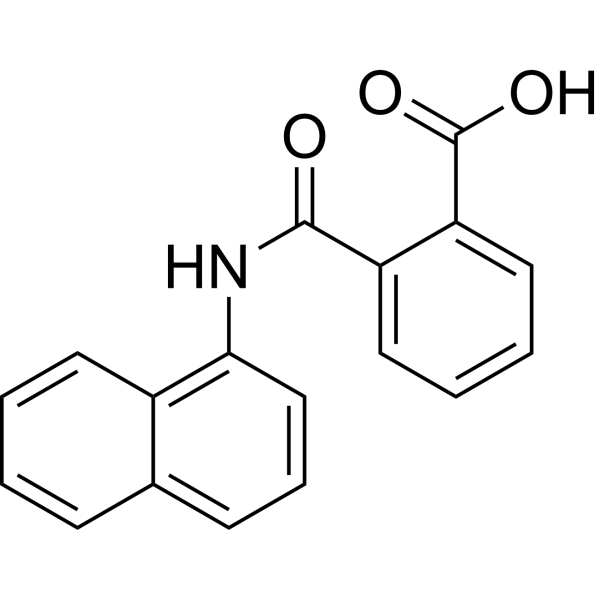
    N-1-Naphthylphthalamic acid
    2 Publications Verification

    Alanap 1

    Environmental Pollutants Herbicide Others
    N-1-Naphthylphthalamic acid (Alanap 1) is a modulator of polar auxin transport that competes with auxin (indole-3-acetic acid, IAA) for membrane binding sites. N-1-Naphthylphthalamic acid also disrupts maize leaf initiation, KNOX protein regulation, and leaf margin formation .
    N-1-Naphthylphthalamic acid
  • HY-W250795

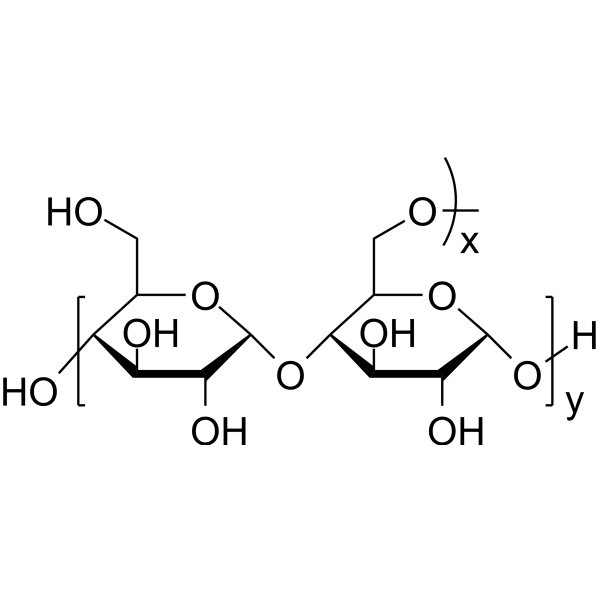
    Maltodextrin; Dextrin maize starch

    Environmental Pollutants Biochemical Assay Reagents Others
    Maltodextrin, dextrose equivalent 16.5-19.5 can be used as an excipient. Pharmaceutical excipients, or pharmaceutical auxiliaries, refer to other chemical substances used in the pharmaceutical process other than pharmaceutical ingredients. Pharmaceutical excipients generally refer to inactive ingredients in pharmaceutical preparations, which can improve the stability, solubility and processability of pharmaceutical preparations. Pharmaceutical excipients also affect the absorption, distribution, metabolism, and elimination (ADME) processes of co-administered drugs .
    Maltodextrin, dextrose equivalent 16.5-19.5
  • HY-W116336D

    Biochemical Assay Reagents Fungal Bacterial Infection Cancer
    Zinc oxide, <100 nm particle size is a nitrate reductase modulator and growth promoter with plant stress resistance activity and oral toxicity. Zinc oxide, <100 nm particle size acts as a nutrient source for maize plants. By enhancing nitrate reductase activity and reducing free proline levels, it significantly improves plant height, root length and dry matter weight of maize, and its growth-promoting effect is comparable to that of traditional zinc sulfate fertilizer. Zinc oxide, <100 nm particle size induces anemia-related and persistent tissue inflammatory damage, leading to obvious histopathological adverse reactions in the stomach, pancreas, eyes and prostate of rats. Zinc oxide, <100 nm particle size acts as a non-toxic antibacterial agent and selective cytotoxin against multiple bacteria, fungi and spores .
    Zinc oxide, <100 nm particle size
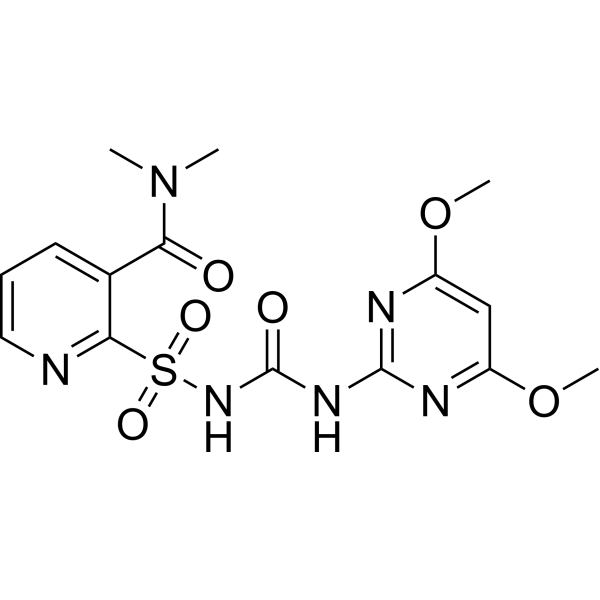
  • HY-B1876

    Environmental Pollutants Acetolactate Synthase (ALS) Others
    Nicosulfuron is efficient, harmless, antifungal and selective herbicide belonging to the sulfonylurea family. Nicosulfuron is also a photosynthetic system inhibitor and inhibits acetolactate synthase (ALS) enzyme activity. Nicosulfuron degradation by Plectosphaerella cucumerina AR1 is glucose concentration dependent in planktonic lifestyle. Nicosulfuron enhances the glycolysis pathway and tricarboxylic acid cycle to improve the adaptability of sweet maize. Nicosulfuron reduces the synthesis of branched-chain amino acids (BCAAs), which is proming for maize cultivation .
    Nicosulfuron
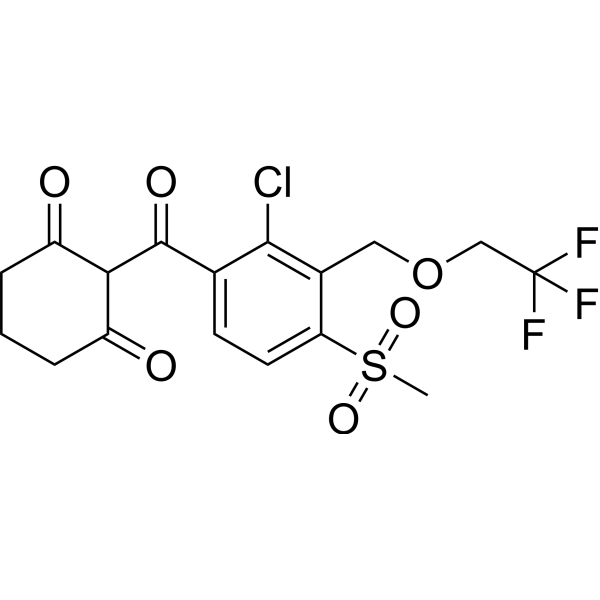
  • HY-12853
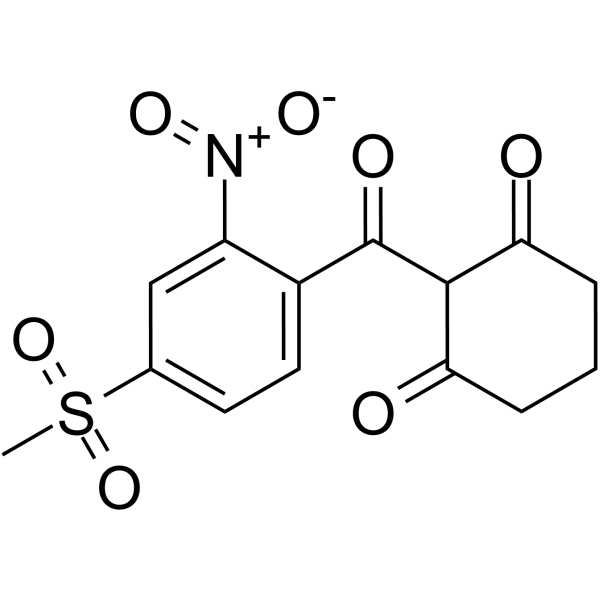
    Mesotrione
    2 Publications Verification

    Environmental Pollutants Reactive Oxygen Species (ROS) Others
    Mesotrione is a herbicide belongs to the benzoylcyclohexanedione family. Mesotrione is a potent and competitive and reversible inhibitor of HPPD enzyme. Mesotrione is selective to maize due to rapid metabolism and relative high tolerance by the susceptible crop plant .
    Mesotrione
  • HY-136633

    Environmental Pollutants Herbicide Others
    Pyroxasulfone is a broad-spectrum pyrazole Herbicide. Pyroxasulfone is effective against a variety of annual grass weeds and some broadleaf weeds. Pyroxasulfone causes reduced plant height, decreased above-ground dry weight and yield loss in pinto beans and red Mexican beans .
    Pyroxasulfone
  • HY-137910

    Environmental Pollutants HPPD Herbicide Infection
    Tembotrione is a herbicide belonging to the HPPD (dioxygenase) inhibitor class with crop selectivity. Tembotrione effectively controls a variety of weeds including broadleaf and gramineous species by disrupting carotenoid synthesis, which leads to chlorophyll degradation and leaf whitening. Mixing Tembotrione with isoxaflutole or adding surfactants optimizes its efficacy and reduces phytotoxicity, with no residual impact on subsequent cruciferous crops, thus helping to increase maize grain yield. The activity of Tembotrione decreases under drought conditions, and under specific conditions (such as double-dose treatment), it may cause reversible yellowing and even yield reduction in crops such as poppy .
    Tembotrione
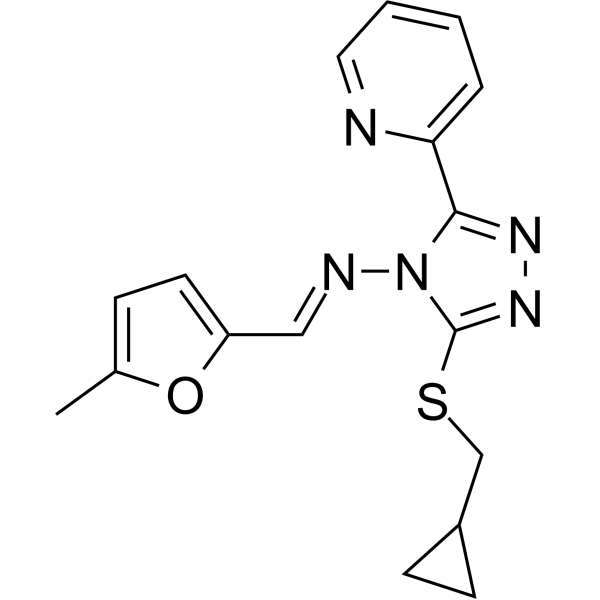
  • HY-139731

    Transketolase Herbicide Others
    Transketolase-IN-1 is a transketolase inhibitor and a herbicide. Transketolase-IN-1 inhibits weed growth and exhibits safety for maize and wheat at specified application rates. Transketolase-IN-1 can be used for the research of weed control in wheat and maize fields .
    Transketolase-IN-1
  • HY-B2221S4

    Endogenous Metabolite Isotope-Labeled Compounds Others
    U-sup>13C Cellulose high DP from maize (high purity) is the 13C labeled Cellulose .
    U-13C Cellulose high DP from maize (high purity)
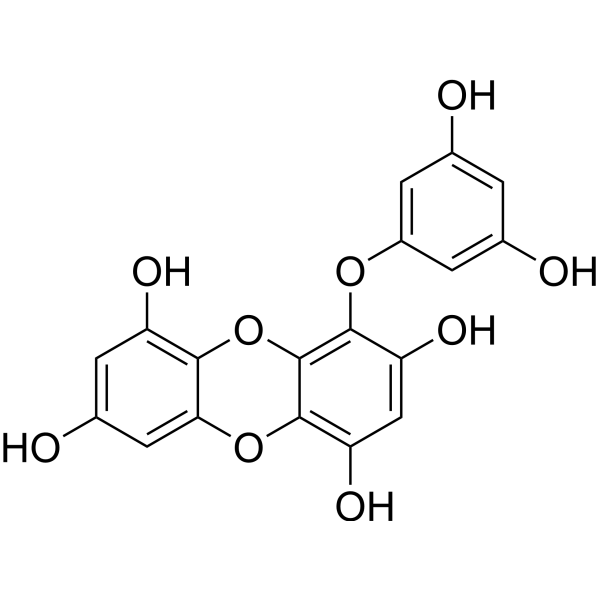
  • HY-114203

    BE003

    Monoamine Oxidase Influenza Virus Infection Neurological Disease Inflammation/Immunology
    Eckol is a potent hMAO-A (Mixed) and hMAO-B (non-competitive) inhibitor with IC50s of 7.20 and 83.44 μM, respectively. Eckol shows stimulatory effects in maize and can be used as a plant biostimulant. Eckol also shows antiallergic and antiviral effects .
    Eckol
  • HY-W115529

    Geranate; NSC 229335; GAGE

    Environmental Pollutants Fungal Tyrosinase Infection Cancer
    Geranic acid acts as a tyrosinase inhibitor and antifungal agent, with an IC50 value of 0.14-2.3 mM against mushroom tyrosinase. Geranic acid reduces the viability of human pancreatic cancer cells and B-lymphoma cells. Geranic acid inhibits mycelial growth of the maize pathogens Colletotrichum graminicola and Fusarium graminearum. Geranic acid is applicable to research related to fungal infections, pancreatic cancer and B-lymphoma .
    Geranic acid
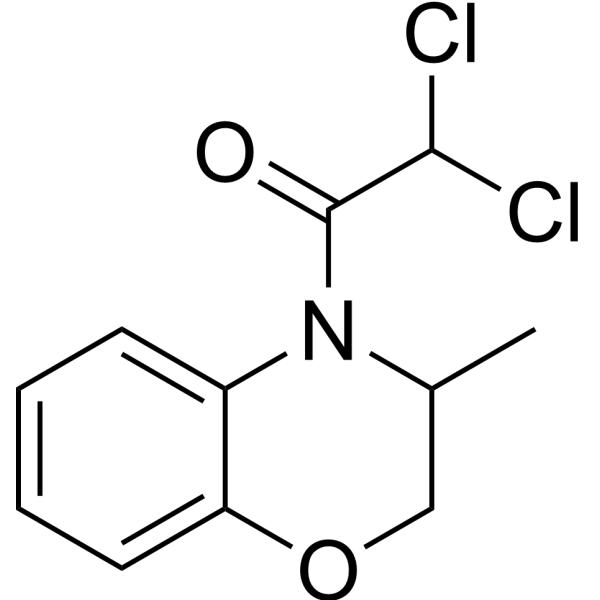
  • HY-W020788

    CGA 154281

    Environmental Pollutants Glutathione S-transferase Estrogen Receptor/ERR Pregnane X Receptor (PXR) FXR Metabolic Disease Cancer
    Benoxacor (CGA 154281) is a herbicide safener and xenobiotic metabolism regulator. Benoxacor protects maize from the toxicity of metolachlor mainly by inducing detoxifying enzymes such as Glutathione S-transferase. Benoxacor also activates FXR, PXR and ERRα, and inhibits aromatase (aromatase). However, Benoxacor exhibits potential subacute oral toxicity and a high risk of hepatotoxicity in animal models. Benoxacor induces reactive oxygen species accumulation, interferes with embryonic heart development, and causes increased liver and kidney weights as well as alterations in gut microbiota in mice. Benoxacor can be used in studies related to hepatic steatosis, infertility, breast cancer and developmental toxicity .
    Benoxacor
  • HY-163311

    Transketolase Herbicide Others
    Transketolase-IN-6 is a potent transketolase inhibitor and a herbicide. Transketolase-IN-6 inhibits root growth of Digitaria sanguinalis, Amaranthus retroflexus, and Setaria viridis. Transketolase-IN-6 shows low phytotoxicity to wheat, maize, soybean, and cotton. Transketolase-IN-6 can be used for the research of herbicidal agent development .
    Transketolase-IN-6
  • HY-175249

    Others
    TKL-IN-2 is a herbicide and SvTKL inhibitor with an IC50 of 0.11 mg/L. TKL-IN-2 binds to the SvTKL active site, interacts with key pocket residues, and inhibits enzyme activity. TKL-IN-2 can be used for the research of weed control in maize, wheat, soybean, and cotton fields .
    TKL-IN-2
  • HY-116425R

    Alanap 1 (Standard)

    Herbicide Reference Standards Others
    N-1-Naphthylphthalamic acid (Standard) is the analytical standard of N-1-Naphthylphthalamic acid. This product is intended for research and analytical applications. N-1-Naphthylphthalamic acid (Alanap 1) is a modulator of polar auxin transport that competes with auxin (indole-3-acetic acid, IAA) for membrane binding sites. N-1-Naphthylphthalamic acid also disrupts maize leaf initiation, KNOX protein regulation, and leaf margin formation .
    N-1-Naphthylphthalamic acid (Standard)
  • HY-B2007

    Environmental Pollutants Acetyl-CoA Carboxylase Herbicide Metabolic Disease Inflammation/Immunology
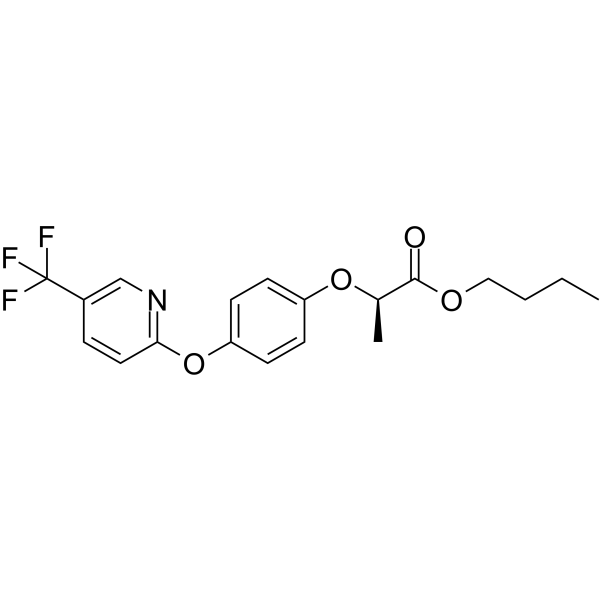
    Fluazifop-P-butyl is an orally active herbicide and ACCase inhibitor. Fluazifop-P-butyl blocks the formation of malonyl-CoA, disrupts lipid synthesis in sensitive plants, and exhibits concentration-dependent phytotoxicity to non-target maize seedlings. Fluazifop-P-butyl induces oxidative stress in male Wistar rats, impairs their liver and kidney functions, and disrupts testicular function .
    Fluazifop-P-butyl
  • HY-B1876S

    Acetolactate Synthase (ALS) Others
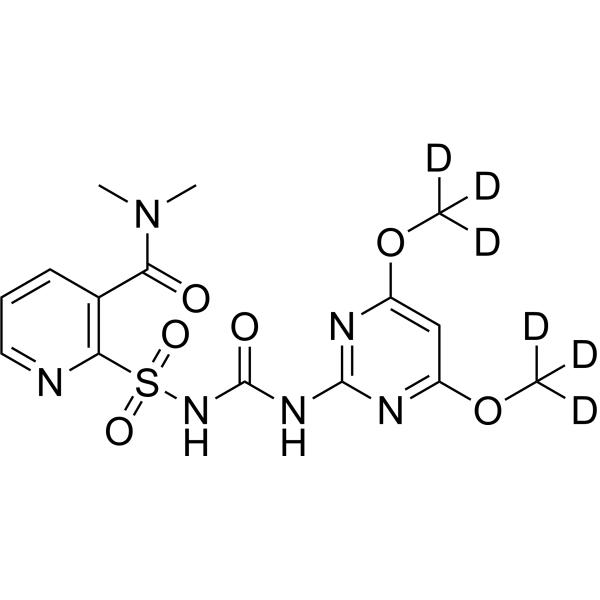
    Nicosulfuron-d6 is the deuterium labeled Nicosulfuron . Nicosulfuron is a selective herbicide belonging to the sulfonylurea family. Nicosulfuron is commonly used as a post-emergence herbicide to protect maize crops from weeds. Nicosulfuron inhibits acetolactate synthase (ALS) enzyme activity .
    Nicosulfuron-d6
  • HY-162883

    SHMT Others
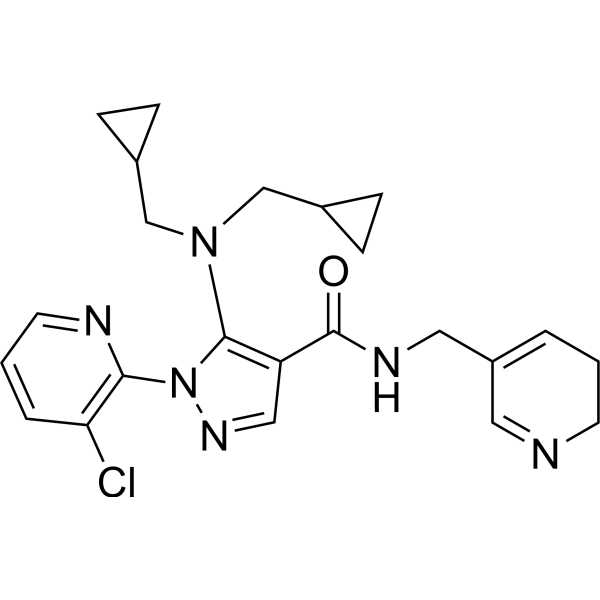
    SHMT-IN-4 (Compound 9ay) is a herbicide that targets and inhibits serine hydroxymethyltransferase (SHMT1) with an IC50 value of 193.8 g a.i./ha (active ingredient content per hectare). SHMT-IN-4 interferes with amino acid synthesis and metabolism in plants by binding to SHMT1, thereby inhibiting plant growth. Additionally, SHMT-IN-4 shows no significant toxicity to maize and honeybees .
    SHMT-IN-4
  • HY-W585959

    Insecticide Infection
    (E,E)-4,8,12-Trimethyl-1,3,7,11-tridecatetraene (TMTT), a sesquiterpene, is the major herbivore-induced plant volatile that help in defense directly by acting as repellants and indirectly by recruiting insects' natural enemies. (E,E)-4,8,12-Trimethyl-1,3,7,11-tridecatetraene attractes Asian corn borer (ACB, Ostrinia furnacalis) larvae. External supplementation with (E,E)-4,8,12-Trimethyl-1,3,7,11-tridecatetraene hampered the larvae's ability to locate pre-infested maize .
    (E,E)-4,8,12-Trimethyl-1,3,7,11-tridecatetraene
  • HY-N8279

    Endo-β-1,3-1,4-glucanase

    Glycosidase Metabolic Disease
    β-1,3-1,4-glucanase (Endo-β-1,3-1,4-glucanase) is a glycoside hydrolase family 16 enzyme (some members belong to subfamily 25). β-1,3-1,4-glucanase shows high substrate specificity toward mixed‑linked β‑glucans and cleaves β‑1,4 glycosidic bonds adjacent to β‑1,3 linkages in an endo‑type pattern. β-1,3-1,4-glucanase can be used in industrial enzyme applications and monogastric animal feed supplementation .
    β-1,3-1,4-Glucanase
  • HY-133085

    DPX-E9636

    Environmental Pollutants Herbicide Others
    Rimsulfuron (DPX-E9636) is a sulfonylurea herbicide for postemergence use in maize to control grasses and some broadleaf weeds .
    Rimsulfuron
  • HY-W422402

    Acetolactate Synthase (ALS) Herbicide Others
    Foramsulfuron is a postemergence herbicide used for selective control of grass and some broadleaved weeds in maize (Zea mays L.). Foramsulfuron is a sulfonylurea herbicide that exerts its herbicidal activity by inhibiting acetolactate synthase (ALS), a key enzyme in the biosynthesis of branched chain amino acids .
    Foramsulfuron
  • HY-B1876R

    Reference Standards Acetolactate Synthase (ALS) Others
    Nicosulfuron (Standard) is the analytical standard of Nicosulfuron. This product is intended for research and analytical applications. Nicosulfuron is a selective herbicide belonging to the sulfonylurea family. Nicosulfuron is commonly used as a post-emergence herbicide to protect maize crops from weeds. Nicosulfuron inhibits acetolactate synthase (ALS) enzyme activity .
    Nicosulfuron (Standard)
  • HY-B0828

    Parasite Cholinesterase (ChE) Others
    Triazophos, a non-systemic insecticide and acaricide that acts as an acetylcholinesterase (AChE) inhibitor, covalently and irreversibly binds to the acetylcholine binding site, thus blocking the hydrolysis of acetylcholine and leading to hyperexcitability; it is effective against a variety of soil insects and mites, including aphids, thrips, midges, beetles, Lepidoptera larvae, cutworms, and spider mites in crops such as ornamentals, cotton, rice, maize, soybeans, oil palms, olives, and coffee.
    Triazophos
  • HY-175736

    Herbicide Others
    Herbicidal agent 11 (Compound 8a) is a herbicidal agent. Herbicidal agent 11 has significant postemergence herbicidal activities against the monocotyledonous weed Echinochloa crusgalli with inhibition of potent root and stem growth and has a good crop selectivity against wheat, maize, and oilseed rape. Herbicidal agent 11 also has effective inhibitory effects on Digitaria sanguinalis, Eclipta prostrate and Eleusine indica. Herbicidal agent 11 can be used for the development of herbicides .
    Herbicidal agent 11
  • HY-W020788R

    CGA 154281 (Standard)

    Reference Standards Glutathione S-transferase Estrogen Receptor/ERR Pregnane X Receptor (PXR) FXR Others
    Benoxacor (Standard) is the analytical standard of Benoxacor. This product is intended for research and analytical applications. Benoxacor (CGA 154281) is a herbicide safener and xenobiotic metabolism regulator. Benoxacor protects maize from the toxicity of metolachlor mainly by inducing detoxifying enzymes such as Glutathione S-transferase. Benoxacor also activates FXR, PXR and ERRα, and inhibits aromatase (aromatase). However, Benoxacor exhibits potential subacute oral toxicity and a high risk of hepatotoxicity in animal models. Benoxacor induces reactive oxygen species accumulation, interferes with embryonic heart development, and causes increased liver and kidney weights as well as alterations in gut microbiota in mice. Benoxacor can be used in studies related to hepatic steatosis, infertility, breast cancer and developmental toxicity .
    Benoxacor (Standard)
  • HY-136370
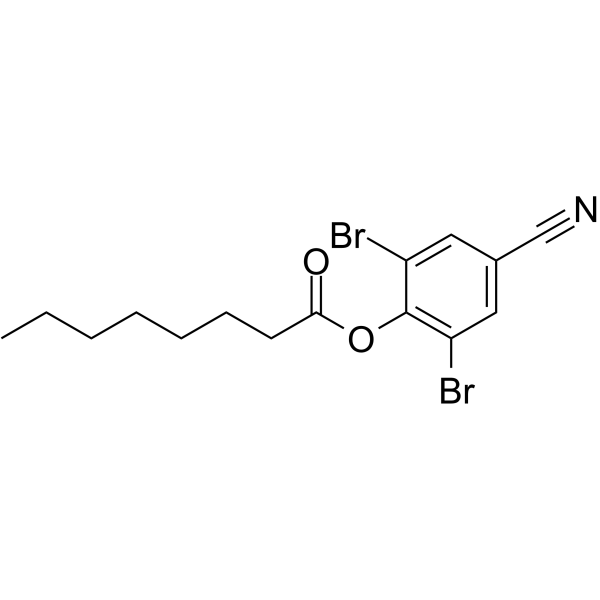
    Bromoxynil octanoate
    1 Publications Verification

    Environmental Pollutants Herbicide Others
    Bromoxynil octanoate is an herbicide widely applied to maize, is potentially toxic to both animals and humans .
    Bromoxynil octanoate
  • HY-136370R

    Herbicide Reference Standards Others
    Bromoxynil octanoate (Standard) is the analytical standard of Bromoxynil octanoate. This product is intended for research and analytical applications. Bromoxynil octanoate is an herbicide widely applied to maize, is potentially toxic to both animals and humans .
    Bromoxynil octanoate (Standard)
  • HY-B2221S3

    Isotope-Labeled Compounds Endogenous Metabolite Others
    U- 13C Cellulose high DP from maize is the 13C labeled Cellulose (HY-B2221). Cellulose (Pectin glycosidase) is a natural high molecular weight polysaccharide found in many plants and organisms. It is widely used in manufacturing industries, such as in paper making, textiles, food and medicine, etc. As a renewable resource, Cellulose is biodegradable and sustainable, and can also be used to manufacture chemicals such as Cellulose Esters, Cellulose Acetate and Cellulose Nitrate. In addition, Cellulose is often used as a food additive to increase the stability and quality of food .
    U-13C Cellulose high DP from maize
  • HY-12853R

    Reference Standards Reactive Oxygen Species (ROS) Others
    Mesotrione (Standard) is the analytical standard of Mesotrione. This product is intended for research and analytical applications. Mesotrione is a herbicide belongs to the benzoylcyclohexanedione family. Mesotrione is a potent and competitive and reversible inhibitor of HPPD enzyme. Mesotrione is selective to maize due to rapid metabolism and relative high tolerance by the susceptible crop plant .
    Mesotrione (Standard)
  • HY-122217

    CL 11344

    Herbicide Others
    Pyridate (CL 11344) is a herbicide, which is used in the agricultural management of cereals, maize and rape .
    Pyridate
  • HY-124022

    HDAC Others
    HDAC-IN-69 (Compound 2) is a derivative of an HDAC inhibitor with inhibitory activity targeting maize histone deacetylase HD2 .
    HDAC-IN-69
  • HY-122217R

    CL 11344 (Standard)

    Herbicide Reference Standards Others
    Pyridate (Standard) is the analytical standard of Pyridate. This product is intended for research and analytical applications. Pyridate (CL 11344) is a herbicide, which is used in the agricultural management of cereals, maize and rape .
    Pyridate (Standard)
  • HY-137593A

    ε-NADP+ trisodium

    Drug Derivative Metabolic Disease
    N6-Etheno-nicotinamide dinucleotide phosphate (ε-NADP+) trisodium, a structural analogue of the NADP(+), is a maize malic enzyme inhibitor with a Ki of 1.01 μM .
    N6-Etheno-nicotinamide dinucleotide phosphate trisodium
  • HY-70002BR

    MDV3100 carboxylic acid (Standard)

    Reference Standards Drug Metabolite Cancer
    Bromoxynil octanoate (Standard) is the analytical standard of Bromoxynil octanoate. This product is intended for research and analytical applications. Bromoxynil octanoate is an herbicide widely applied to maize, is potentially toxic to both animals and humans .
    Enzalutamide carboxylic acid (Standard)
  • HY-133085S

    DPX-E9636-d6

    Isotope-Labeled Compounds Others
    Rimsulfuron-d6 is deuterium labeled Rimsulfuron. Rimsulfuron (DPX-E9636) is a sulfonylurea herbicide for postemergence use in maize to control grasses and some broadleaf weeds .
    Rimsulfuron-d6
  • HY-133085R

    DPX-E9636 (Standard)

    Herbicide Reference Standards Others
    Rimsulfuron (Standard) is the analytical standard of Rimsulfuron. This product is intended for research and analytical applications. Rimsulfuron (DPX-E9636) is a sulfonylurea herbicide for postemergence use in maize to control grasses and some broadleaf weeds .
    Rimsulfuron (Standard)
  • HY-N6780

    Fungal Infection
    Ophiobolin B, a sesterterpene metabolite of Helminthosporium oryzae, inhibits proton extrusion from maize coleoptiles. Ophiobolin B inhibits fusicoccin (FC) promoted proton extrusion, potassium uptake and cell enlargement . The MIC values with the antifungal effect of Ophiobolins B on different zygomycetes is 25–50 μg/mL .
    Ophiobolin B
  • HY-W422402R

    Reference Standards Acetolactate Synthase (ALS) Others
    Foramsulfuron (Standard) is the analytical standard of Foramsulfuron. This product is intended for research and analytical applications. Foramsulfuron is a postemergence herbicide used for selective control of grass and some broadleaved weeds in maize (Zea mays L.). Foramsulfuron is a sulfonylurea herbicide that exerts its herbicidal activity by inhibiting acetolactate synthase (ALS), a key enzyme in the biosynthesis of branched chain amino acids .
    Foramsulfuron (Standard)
  • HY-W721637

    Isotope-Labeled Compounds Acetolactate Synthase (ALS) Others
    Foramsulfuron-d6-1 is the deuterium labeled Foramsulfuron (HY-W422402). Foramsulfuron is a postemergence herbicide used for selective control of grass and some broadleaved weeds in maize (Zea mays L.). Foramsulfuron is a sulfonylurea herbicide that exerts its herbicidal activity by inhibiting acetolactate synthase (ALS), a key enzyme in the biosynthesis of branched chain amino acids .
    Foramsulfuron-d6-1
  • HY-100196AR

    PQQ disodium salt (Standard); Methoxatin disodium salt (Standard)

    Reference Standards Endogenous Metabolite Inflammation/Immunology
    Triazophos (Standard) is the analytical standard of Triazophos. This product is intended for research and analytical applications. Triazophos, a non-systemic insecticide and acaricide that acts as an acetylcholinesterase (AChE) inhibitor, covalently and irreversibly binds to the acetylcholine binding site, thus blocking the hydrolysis of acetylcholine and leading to hyperexcitability; it is effective against a variety of soil insects and mites, including aphids, thrips, midges, beetles, Lepidoptera larvae, cutworms, and spider mites in crops such as ornamentals, cotton, rice, maize, soybeans, oil palms, olives, and coffee.
    Pyrroloquinoline quinone disodium salt (Standard)
  • HY-B0828R

    Parasite Reference Standards Others
    Triazophos (Standard) is the analytical standard of Triazophos. This product is intended for research and analytical applications. Triazophos, a non-systemic insecticide and acaricide that acts as an acetylcholinesterase (AChE) inhibitor, covalently and irreversibly binds to the acetylcholine binding site, thus blocking the hydrolysis of acetylcholine and leading to hyperexcitability; it is effective against a variety of soil insects and mites, including aphids, thrips, midges, beetles, Lepidoptera larvae, cutworms, and spider mites in crops such as ornamentals, cotton, rice, maize, soybeans, oil palms, olives, and coffee.
    Triazophos (Standard)
  • HY-123056A

    Autophagy Apoptosis Others
    EAD1 TFA is an aluminum-activated malate transporter with activity in regulating corn ear development. EAD1 TFA is preferentially expressed in the xylem of immature ears and localized across the plasma membrane. The EAD1 TFA transports malic acid in the apical part of developing inflorescences, and its deletion results in reduced malic acid content in this part. The overexpression of EAD1 TFA was significantly positively correlated with ear length and the number of kernels per row. EAD1 TFA serves as a potential genetic resource to help improve grain yield in maize .
    EAD1 TFA
  • HY-137910R

    Reference Standards Herbicide HPPD Others
    Tembotrione (Standard) is the analytical standard of Tembotrione. This product is intended for research and analytical applications. Tembotrione is a drug that may reduce the productivity of carrots. Tembotrione has the activity of reducing carrot stem mass. Tembotrione can be used to study the total productivity of carrot . Tembotrione is a herbicide belonging to the HPPD (dioxygenase) inhibitor class with crop selectivity. Tembotrione effectively controls a variety of weeds including broadleaf and gramineous species by disrupting carotenoid synthesis, which leads to chlorophyll degradation and leaf whitening. Mixing Tembotrione with isoxaflutole or adding surfactants optimizes its efficacy and reduces phytotoxicity, with no residual impact on subsequent cruciferous crops, thus helping to increase maize grain yield. The activity of Tembotrione decreases under drought conditions, and under specific conditions (such as double-dose treatment), it may cause reversible yellowing and even yield reduction in crops such as poppy .
    Tembotrione (Standard)
  • HY-W521246

    Herbicide Acetolactate Synthase (ALS) Others
    Tritosulfuron is a sulfonylurea herbicide. Tritosulfuron has inhibitory activity against acetolactate synthase. Tritosulfuron is a broad-spectrum post-emergent dicotyledonous herbicide used in cereals, maize, and turf cultivation .
    Tritosulfuron
  • HY-W727532

    HPPD Herbicide Others
    Fenpyrazone is a 4-hydroxyphenylpyruvate dioxygenase (HPPD) inhibitor as well as a post-emergence herbicide. By inhibiting the activity of HPPD, Fenpyrazone indirectly blocks carotenoid biosynthesis in plants, causing bleaching of new tissues in sensitive plants, followed by necrosis and eventual death. Fenpyrazone is used in studies on controlling annual monocotyledonous and dicotyledonous weeds in summer maize fields .
    Fenpyrazone
  • HY-W040279

    Herbicide Acetolactate Synthase (ALS) Others
    Prosulfuron is a fluorinated sulfonylurea herbicide with a reported acute oral LD50 of 546 mg/kg in female rats. Prosulfuron acts by inhibiting acetolactate synthase (ALS) to block the biosynthesis of branched-chain amino acids (valine, leucine and isoleucine) in plants, thereby suppressing weed growth. Prosulfuron may disrupt the soil microbial community balance in alkaline soils with minimal chemical degradation. Prosulfuron has low toxicity to humans and mammals, and can be used for the research of broadleaf weed control in maize and sweet corn .
    Prosulfuron
  • HY-W281071

    Fungal Infection
    Antifungal agent 150 is an antifungal agent with activity against phytopathogenic fungi and in planta lesion suppression. Antifungal agent 150 inhibits ergosterol biosynthesis via targeted enzyme interaction. Antifungal agent 150 can be used for the research of plant diseases caused by Rhizoctonia solani, including banded leaf and sheath blight of maize .
    Antifungal agent 150
  • HY-W724354

    Isotope-Labeled Compounds Herbicide Others
    Bromoxynil octanoate-d15 is the deuterium labeled Bromoxynil octanoate (HY-136370). Bromoxynil octanoate is an herbicide widely applied to maize, is potentially toxic to both animals and humans .
    Bromoxynil octanoate-d15
  • HY-W841955

    SSH-41

    Herbicide Others
    Monisouron (SSH-41) is a herbicide. Monisouron shows post-emergence control effects on various broad-leaved and grass weeds, and selectivity for barley, pea and maize. Monisouron is promising for research of weed control .
    Monisouron

Inquiry Online

Your information is safe with us. * Required Fields.

Salutation


Country or Region *

Applicant Name *


Organization Name *

Department *


Email Address *


Product Name *

Cat. No.


Requested quantity *

Phone Number *


Remarks

Inquiry Online

Inquiry Information

Product Name:
Cat. No.:
Quantity:
MCE Japan Authorized Agent:

