27 Results for "

microtubule function

" in MedChemExpress (MCE) Product Catalog:
Products (27)

27 Results for "microtubule function" in MCE Product Catalog:

7
7 Publications Verification
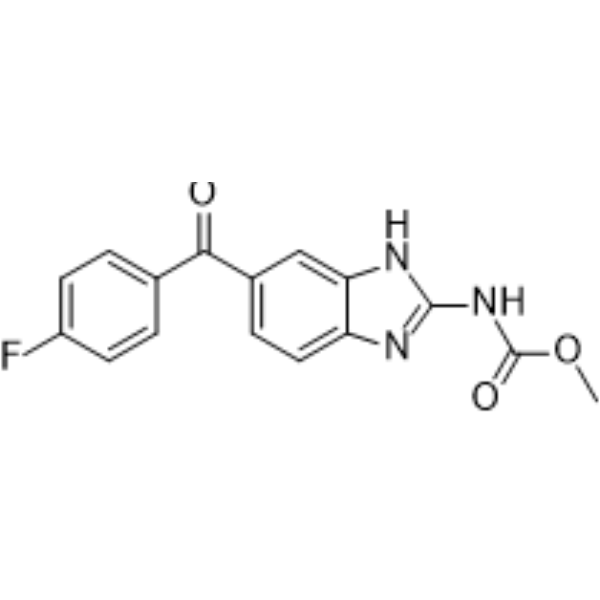
Cat. No.: HY-B0294
CAS No.: 31430-15-6
Flubendazole is an anthelmintic drug based on altering microtubule structure, inhibition of tubulin polymerization and disruption of microtubule function. Flubendazole induces apoptosis in human colorectal cancer (CRC) by blocking the STAT3 signaling axis and activation of autophagy. Flubendazole induces P53 expression and reduced Cyclin B1 and p-cdc2 expression. Flubendazole is an antitumor agent. Flubendazole can be used for worm and intestinal parasites .
loading...
    loading...
2
2 Cited Publications
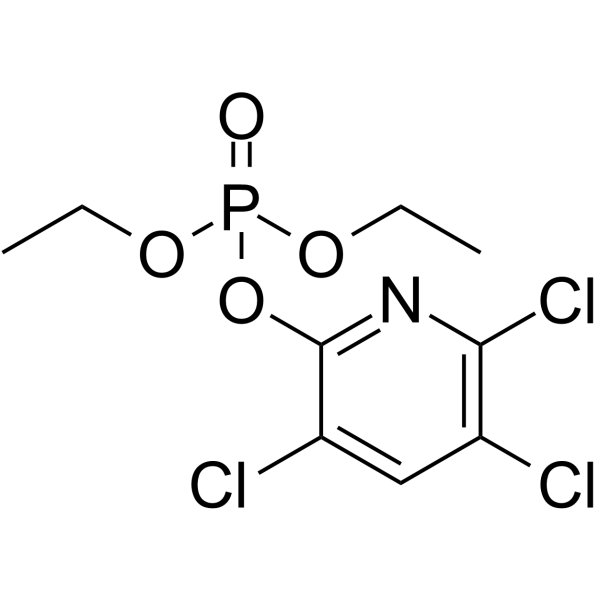
Cat. No.: HY-136610
CAS No.: 5598-15-2
Purity:  99.39%
Target:  

Cholinesterase (ChE)

Research Areas:  

Neurological Disease

Chlorpyrifos-oxon, an active metabolite of Chlorpyrifos, is a potent phosphorylating agent that potently inhibits AChE. Chlorpyrifos-oxon can induce cross-linking between subunits of tubulin and disrupt microtubule function .
loading...
    loading...
1
1 Cited Publications
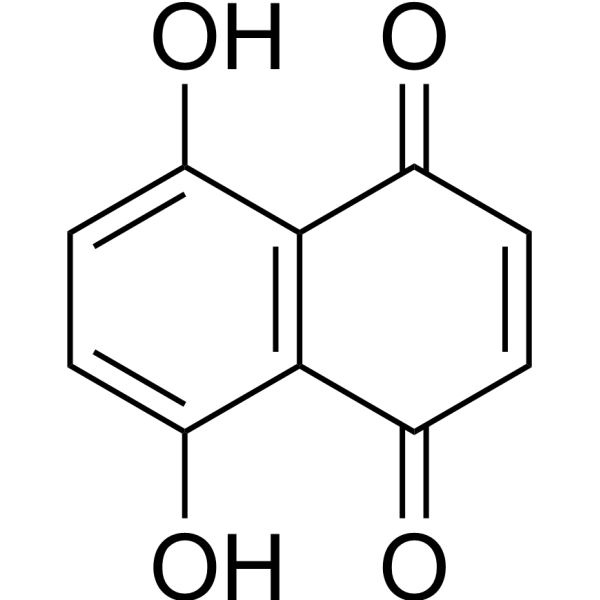
Cat. No.: HY-N7526
CAS No.: 475-38-7
Synonyms: DHNQ; 5,8-Dihydroxy-1,4-naphthoquinone
Naphthazarin (DHNQ) is a microtubule depolymerizing agent. Naphthazarin can improve motor function and reduce neuroinflammation in mouse models of Parkinson's disease. Naphthazarin can induce tumor cell apoptosis, autophagy, and cell cycle arrest. Naphthazarin can also induce erythrocyte apoptosis. Naphthazarin can be used in the research of tumors and neurodegenerative diseases .
loading...
    loading...
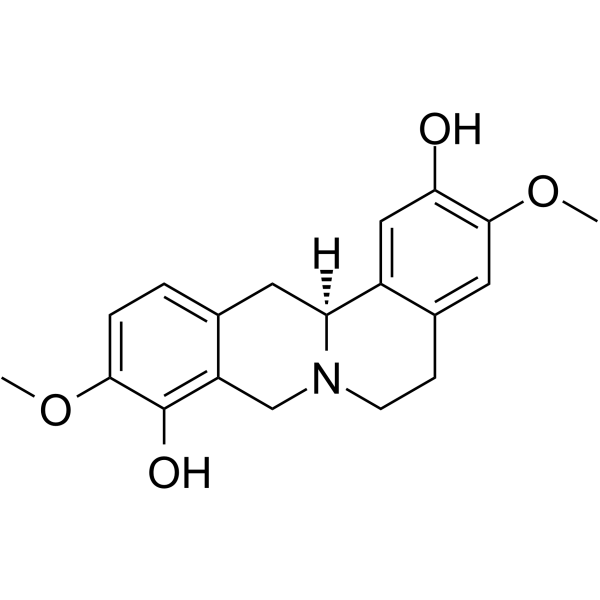
Cat. No.: HY-N1255
CAS No.: 6451-73-6
Synonyms: (-)-Scoulerine; Discretamine
Scoulerine ((-)-Scoulerine; Discretamine) hydrochloride is a multi-target inhibitor with anti-tumor and antioxidant activities. Scoulerine mainly targets the PI3K/Akt/mTOR signaling axis and α1D-adrenergic receptor, disrupts microtubule structure, and induces cell cycle arrest and apoptosis. Scoulerine effectively inhibits mitochondrial dehydrogenase activity, targets GABA receptors and BACE1, and suppresses the proliferation, migration, invasion, epithelial-mesenchymal transition and stem cell properties of cancer cells. Scoulerine also exhibits multiple pharmacological activities including anti-Plasmodium falciparum, antibacterial, antiemetic and antitussive effects, and regulates endoplasmic reticulum stress and mitochondrial function (modulates Bax, Bcl-2 and cytochrome c). Scoulerine is applicable to research related to leukemia, ovarian cancer, and colorectal cancer .
loading...
    loading...
Cat. No.: HY-W007330
CAS No.: 683-57-8
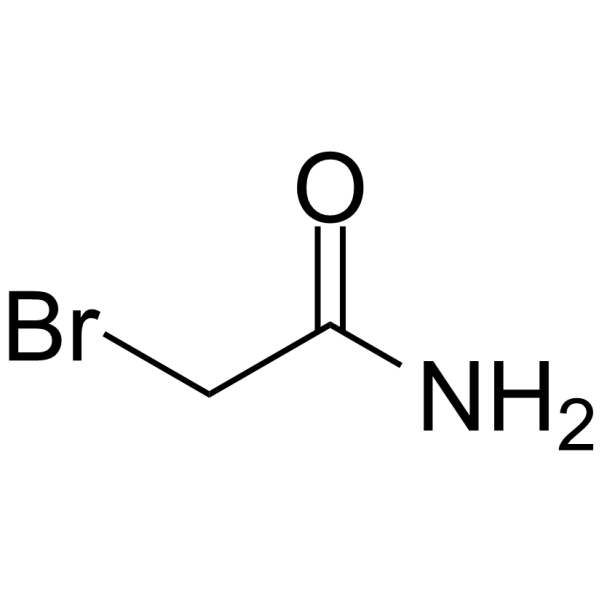
2-Bromoacetamide is a disinfection byproduct. 2-Bromoacetamide can inactivate liver alcohol dehydrogenase and interfere with microtubule and actin cytoskeletal function. 2-Bromoacetamide is a potent developmental toxicant in animals .
loading...
    loading...
Cat. No.: HY-B0294S
CAS No.: 1173021-08-3
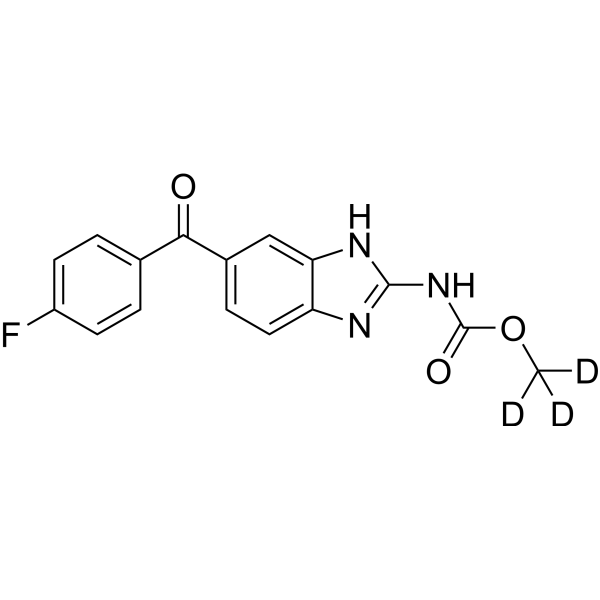
Flubendazole-d3 is the deuterium labeled Flubendazole. Flubendazole is a safe and efficacious anthelmintic agent, which is widely used for anthelmintic to human, rodents and ruminants. Flubendazole exerts anticancer activities by mechanisms including inhibition of microtubule function. Flubendazole induces p53-mediated apoptosis and arrests G2/M cell cycle .
loading...
    loading...
Cat. No.: HY-N3225
CAS No.: 33606-81-4
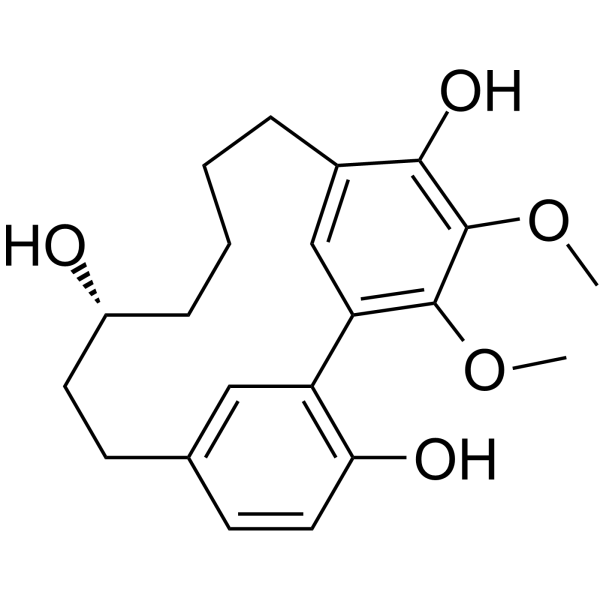
Myricanol is a diarylheptanoid and a Nampt activator. Myricanol exerts anti-inflammatory effects and alleviates glucocorticoid-induced muscle atrophy by increasing Sirtuin 1 (SIRT1) and PRDX5 activities while regulating inflammatory factors. Myricanol exhibits growth inhibition and induces apoptosis in human lung adenocarcinoma A549 cells. Myricanol promotes autophagy-mediated clearance of microtubule-associated protein tau to exert neuroprotective effects. Myricanol protects cardiovascular function by inhibiting PDGFRβ and NF-κB signaling pathways. Myricanol activates mitochondrial transcription factor A (TFAM) expression to exert anti-renal fibrosis effects. Myricanol improves insulin resistance through AMPK activation .
loading...
    loading...
Cat. No.: HY-N10093
CAS No.: 69618-96-8
Synonyms: Chamaejasmin
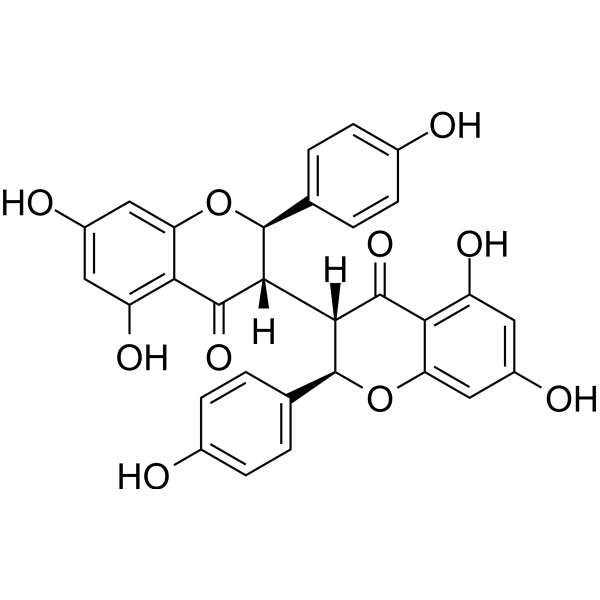
Chamaejasmine (Chamaejasmin) is a natural biflavonoid found in the roots of Stellera chamaejasme, exhibiting antitumor activity. Chamaejasmine inhibits Bcl-2, upregulates Bax, and induces cleavage of caspase-9/-3 and PARP. Chamaejasmine induces ROS production, Δψm loss, cytochrome c release, G2/M arrest, apoptosis, and autophagy. Chamaejasmine induces apoptosis and autophagy through activation of AMPK and inhibition of mTOR, and inhibits microtubule depolymerization by binding to β-tubulin. Chamaejasmine inhibits IL-4, IgE, β-hexosaminidase, and mast cell infiltration, and improves skin barrier function in AD models. Chamaejasmine exhibits cytotoxicity against various cancer cells. Chamaejasmine can be used in research related to various cancers such as lung adenocarcinoma and osteosarcoma, as well as atopic dermatitis .
loading...
    loading...
Cat. No.: HY-W008956
CAS No.: 267402-71-1
Myoseverin is a microtubule-binding molecule and angiogenesis inhibitor. Myoseverin can induce the reversible fission of multinucleated myotubes into mononucleated fragments. In addition, Myoseverin exerts anti-angiogenic effects by inhibiting endothelial cell function and endothelial progenitor cell differentiation .
loading...
    loading...
Cat. No.: HY-N7526R
CAS No.: 475-38-7
Synonyms: DHNQ (Standard); 5,8-Dihydroxy-1,4-naphthoquinone (Standard)
Naphthazarin (DHNQ) is a naturally occurring compound. Naphthazarin is effective by various cellular mechanisms including oxidative stress, activation of mitochondrial apoptosis-inducing factor (AIF), depolymerization of microtubules, interference with lysosomal function and p53-dependent p21 activation. Naphthazarin triggers apoptosis and has anti-tumor effects .
loading...
    loading...
Cat. No.: HY-B0294R
CAS No.: 31430-15-6
Flubendazole (Standard) is the analytical standard of Flubendazole. This product is intended for research and analytical applications. Flubendazole is an anthelmintic drug based on altering microtubule structure, inhibition of tubulin polymerization and disruption of microtubule function. Flubendazole induces apoptosis in human colorectal cancer (CRC) by blocking the STAT3 signaling axis and activation of autophagy. Flubendazole induces P53 expression and reduced Cyclin B1 and p-cdc2 expression. Flubendazole is an antitumor agent. Flubendazole can be used for worm and intestinal parasites .
loading...
    loading...
Cat. No.: HY-163737
CAS No.: 2419942-78-0
Target:  

Microtubule/Tubulin

Research Areas:  

Cancer

ST-401, a microtubule-targeting agent (MTA), is a brain-penetrant microtubule (MT) assembly inhibitor. ST-401 disrupts microtubule (MT) function through gentle and reverisible reduction in MT assembly that triggers mitotic delay and cell death in interphase. ST-401 shows a potent antitumor activity .
loading...
    loading...
Cat. No.: HY-119587
CAS No.: 139402-18-9
Target:  

Microtubule/Tubulin

Research Areas:  

Cancer

Alestramustine is an antineoplastic cytostatic agent that disrupts microtubule function by binding to microtubule-associated proteins and β-tubulin through its active metabolites, effectively inhibiting cell division.
loading...
    loading...
Cat. No.: HY-146692
CAS No.: 2376321-67-2
Target:  

Microtubule/Tubulin

Research Areas:  

Cancer

IQTub4P is a potent microtubule (MT) inhibitor. IQTub4P has the cytotoxicity in in HeLa cells, with EC50 of 170 nM. IQTub4P inhibits microtubule structure and function. IQTub4P is well-tolerated in vivo .
loading...
    loading...
Cat. No.: HY-147317
CAS No.: 201049-37-8
Target:  

Microtubule/Tubulin

Research Areas:  

Cancer

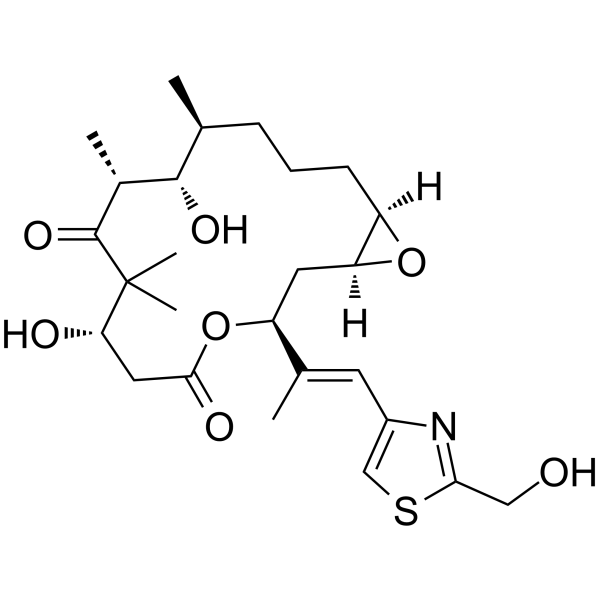
Epothilone E is a related compound of epothilone, which inhibits microtubule protein function and blocks cell division, and has anti-tumor activity .
loading...
    loading...
Cat. No.: HY-113722
CAS No.: 107401-70-7
Target:  

Microtubule/Tubulin

Research Areas:  

Cancer

DAT1 is a potent antimitotic agent with anticancer effects. In HeLa cells, DAT1 blocks the spindle function by disturbing spindle microtubule and chromosome organization .
loading...
    loading...
Cat. No.: HY-123266
CAS No.: 620931-39-7
Research Areas:  

Infection

D011-2120 functions as an antiviral agent by inhibiting microtubule polymerization, disrupting the Golgi complex, and preventing viral trafficking to the plasma membrane during the virus egress process.
loading...
    loading...
Cat. No.: HY-136610S
CAS No.: 1794779-85-3
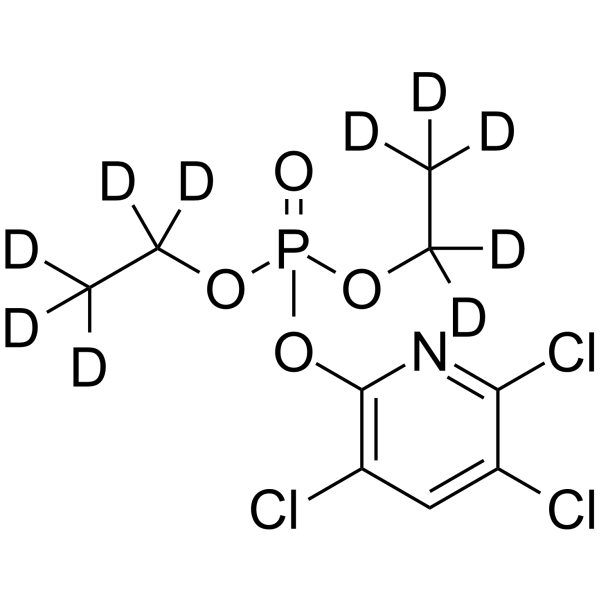
Chlorpyrifos-oxon-d10 is the deuterium labeled Chlorpyrifos-oxon. Chlorpyrifos-oxon, an active metabolite of Chlorpyrifos, is a potent phosphorylating agent that potently inhibits AChE. Chlorpyrifos-oxon can induce cross-linking between subunits of tubulin and disrupt microtubule function .
loading...
    loading...
Cat. No.: HY-136610R
CAS No.: 5598-15-2
Target:  

Cholinesterase (ChE)

Research Areas:  

Neurological Disease

Chlorpyrifos-oxon (Standard) is the analytical standard of Chlorpyrifos-oxon. This product is intended for research and analytical applications. Chlorpyrifos-oxon, an active metabolite of Chlorpyrifos, is a potent phosphorylating agent that potently inhibits AChE. Chlorpyrifos-oxon can induce cross-linking between subunits of tubulin and disrupt microtubule function .
loading...
    loading...
Cat. No.: HY-174148
Research Areas:  

Cancer

Anion transporter-4 (Compound 6) is a small-molecule anion transporter, which induces tubulin degradation and mitochondrial dysfunction. Anion transporter-4 can increase intracellular anion levels such as chloride ions by disrupting microtubule dynamics, promoting lipid peroxidation, and impairing mitochondrial function. Anion transporter-4 triggers ferroptosis to exert anticancer activity. Anion transporter-4 is promising for research of cancers .
loading...
    loading...

