1. Search Result
Search Result
Results for "

mitotic block

" in MedChemExpress (MCE) Product Catalog:

26

Inhibitors & Agonists

1

Biochemical Assay Reagents

1

Isotope-Labeled Compounds

Cat. No. Product Name Target Research Areas Chemical Structure
  • HY-135960
    BO-264
    1 Publications Verification

    FGFR Apoptosis Cancer
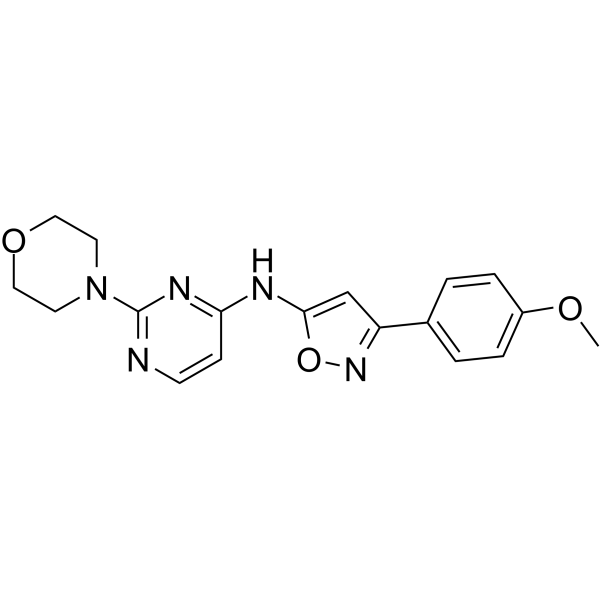
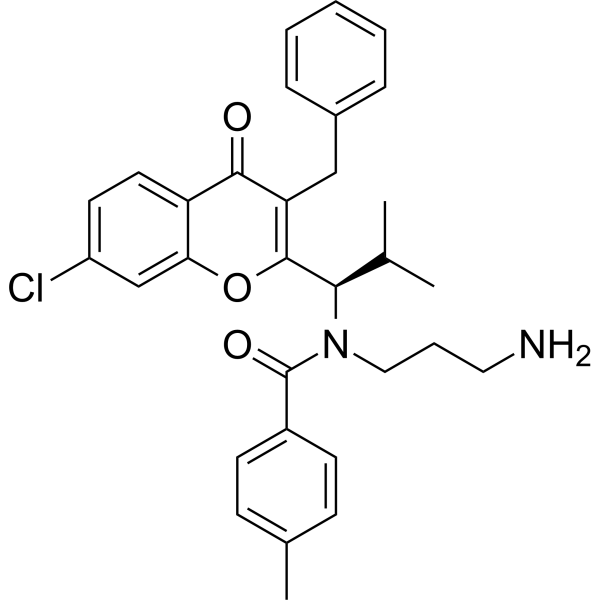
    BO-264 is a highly potent and orally active transforming acidic coiled-coil 3 (TACC3) inhibitor with an IC50 of 188 nM and a Kd of 1.5 nM. BO-264 specifically blocks the function of FGFR3-TACC3 fusion protein. BO-264 induces spindle assembly checkpoint (SAC)-dependent mitotic arrest, DNA damage and apoptosis. BO-264 has broad-spectrum antitumor activity .
    BO-264
  • HY-153066

    KIF18A-IN-7

    Kinesin Microtubule/Tubulin Apoptosis Cancer
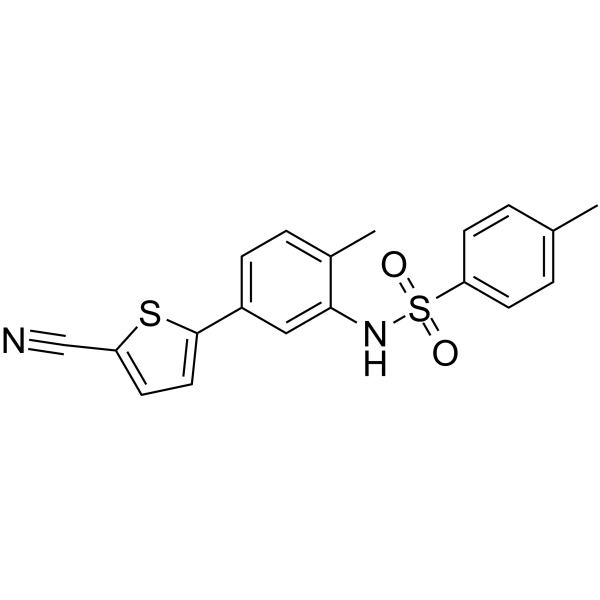
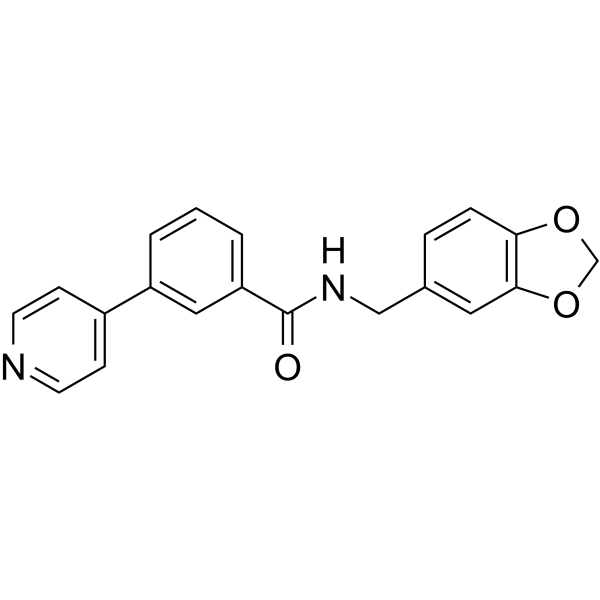
    VLS-1272 (Compound 22) is an orally active KIF18A inhibitor that binds to the KIF18A-microtubule complex in an ATP-noncompetitive manner (IC50 = 41 nM), blocking its ATPase activity and inhibiting microtubule translocation. This leads to abnormal accumulation of KIF18A at spindle poles, disrupting chromosome alignment and inducing mitotic arrest and apoptosis in CIN High tumor cells (e.g., ovarian cancer OVCAR-3, breast cancer JIMT-1). VLS-1272 is a promising candidate for anti-tumor research .
    VLS-1272
  • HY-170316

    Ras Cancer
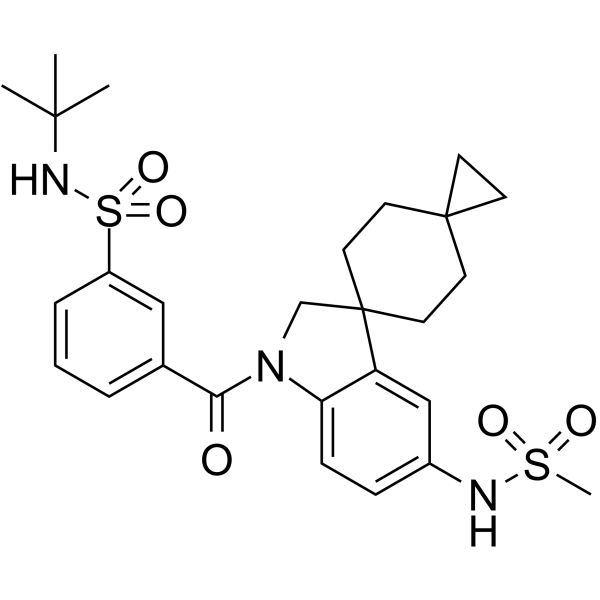
    Ibetazol is a Importin β1 (KPNB1) inhibitor and nucleocytoplasmic transport disruptor. Ibetazol binds covalently to Cys585 of Importin β1, blocks both Importin β1-mediated direct transport and Importin α-dependent nuclear import processes, without affecting transport mediated by other nucleocytoplasmic transport proteins. Ibetazol induces cytoplasmic accumulation of Importin α1, and inhibits nuclear import of substrates carrying nuclear localization signals (NLS), including the NLS-cMyc reporter gene, RelA/p65 and SREBP1. Ibetazol triggers spindle malformation and chromosome misalignment by disrupting the mitotic function of Importin β1. Ibetazol inhibits the proliferation of cells expressing wild-type Importin β1. Ibetazol has a high activity-cytotoxicity window, lacks intrinsic fluorescence, and acts rapidly on nucleocytoplasmic transport processes. Ibetazol serves as a tool compound for investigating nuclear import processes specifically mediated by Importin β1 .
    Ibetazol
  • HY-50672

    Kinesin Apoptosis Lipoxygenase Cancer
    MK-0731 is a selective, non-competitive and allosteric kinesin spindle protein (KSP) inhibitor with an IC50 of 2.2 nM and a pKa of 7.6. MK-0731 is >20,000 fold selectivity against other kinesins. MK-0731 induces mitotic arrest and induces apoptosis in tumors. MK-0731 provides significant antitumor efficacy .
    MK-0731
  • HY-102069

    Polo-like Kinase (PLK) CDK DAPK Others
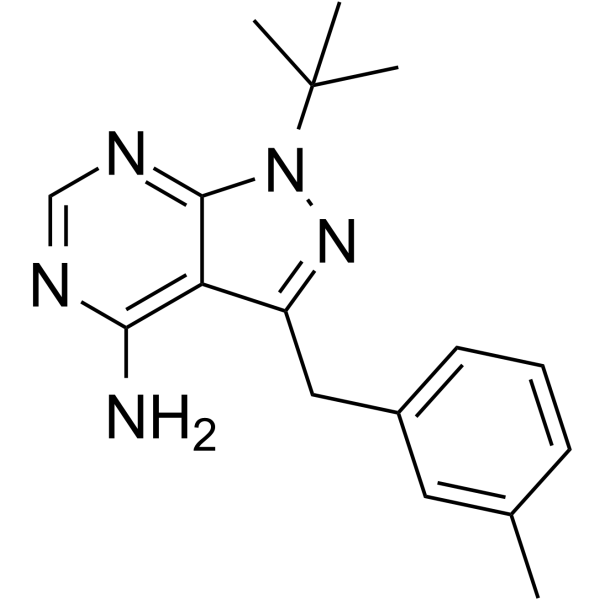
    3MB-PP1, a bulky purine analog, is a Polo-like kinase 1 (Plk1) inhibitor. 3MB-PP1 blocks mitotic progression and cell division arise through target Plk1 in in cells expressing analog-sensitive Plk1 alleles. 3MB-PP1 specifically inhibits the activity of analog-sensitive Ssn3 (Cdk8). 3MB-PP1 inhibits Leu93 Mutant Zipper-interacting protein kinase (Leu93-ZIPK; IC50=2 μM). 3MB-PP1 can be used for the research of hypha formation of Candida albicans and cell division .
    3MB-PP1
  • HY-130841

    APC Ligands for Target Protein for PROTAC Cancer
    Apcin-A is a small molecule inhibitor that selectively targets the cell division cycle protein Cdc20 and is a derivative of Apcin (HY-110287). Apcin-A competitively binds to the D-box binding pocket of Cdc20 and inhibits substrate ubiquitination mediated by the anaphase promoting complex APC/C-Cdc20. Apcin-A also blocks the binding of Cdc20 to substrates (such as securin and cyclin B1), inhibiting anaphase initiation and cell cycle exit. Apcin-A can promote or prolong mitotic slippage in coordination with p31 comet under conditions of high spindle assembly checkpoint (SAC) activity. Apcin-A can be used to develop anti-mitotic drugs and overcome tumor chemotherapy resistance. Apcin-A can be used to synthesize PROTAC CP5V (HY-130257)[1][2][3].
    Apcin-A
  • HY-119357

    Microtubule/Tubulin Apoptosis Autophagy Neurological Disease Cancer
    TN-16 is a Microtubule polymerization inhibitor. TN-16 induces G2/M cell cycle arrest, metaphase mitotic arrest and Apoptotic cell death in cells, and blocks late Autophagic flux by inhibiting autophagosome-lysosome fusion. TN-16 suppresses tumor growth in syngeneic mouse breast cancer models. TN-16 can be used in research related to neuroblastoma, cervical cancer, breast cancer and other tumors .
    TN-16
  • HY-W058849

    AMPK mTOR Apoptosis Cancer
    MT 63-78 is a specific and potent direct AMPK activator with an EC50 of 25 μM. MT 63–78 also induces cell mitotic arrest and apoptosis. MT 63-78 blocks prostate cancer growth by inhibiting the lipogenesis and mTORC1 pathways. MT 63-78 has antitumor effects .
    MT 63-78
  • HY-16191
    ELR510444
    1 Publications Verification

    Microtubule/Tubulin Apoptosis HIF/HIF Prolyl-Hydroxylase Mitosis Cancer
    ELR510444 is an orally active tubulin inhibitor with an IC50 of 10 μM. ELR510444 binds to the colchicine-binding site on β-tubulin, inhibits tubulin assembly, depolymerizes microtubules and blocks HIF activity. ELR510444 induces cellular microtubule loss, abnormal mitotic spindle, mitotic arrest, apoptosis, morphological changes in tumor endothelial cells, and inhibits cancer cell proliferation, angiogenesis and tumor growth. ELR510444 can be used in research related to various cancers such as renal cell carcinoma .
    ELR510444
  • HY-W009245

    HIV Infection Cancer
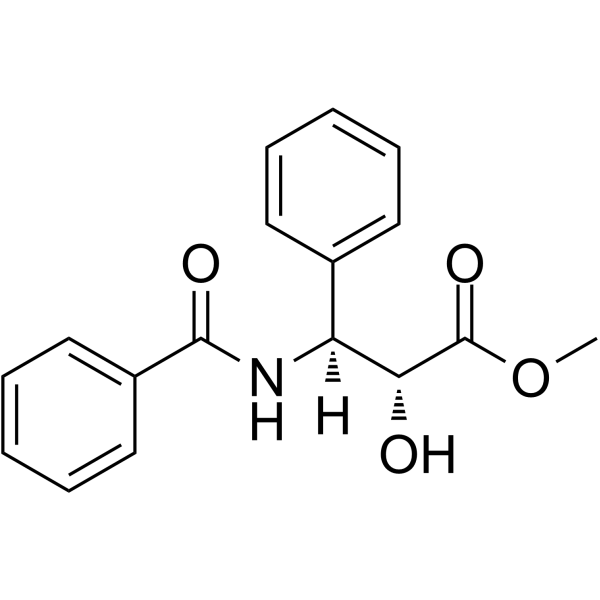
    Bz-RS-iSer(3-Ph)-OMe (compound 2), a Taxol derivative, inhibits HSV replication cycle at low cytotoxicity, blocks mitotic divisions of Vero cells, influences M-MSV induced tumor size and affects immune response by inhibiting PHA-induced T lymphocyte proliferation .
    Bz-RS-iSer(3-Ph)-OMe
  • HY-172807

    p38 MAPK MAPKAPK2 (MK2) CDK Wee1 Cancer
    p38α-IN-9 (Compound 2015) is a p38α inhibitor and blocks p38α’s enzymatic activity with an IC50 lower than 20 nM. p38α-IN-9 inhibits MK2 T334 phosphorylation. p38α-IN-9 activates Cdc25b and Cdc25c and simultaneously inactivates Wee1, leading to mitotic catastrophe, aneuploidy or polyploidy and DNA damage. p38α-IN-9 Inhibits colorectal cancer (CRC) metastasis .
    p38α-IN-9
  • HY-14661

    Kinesin Cancer
    SB-743921 free base is a potent selective inhibitor of the mitotic kinesin KSP (Eg5), with a Ki of 0.1 nM. SB-743921 free base can induce mitotic arrest, block cell cycle progression, induce apoptosis, and can be used in the research of myeloma, leukemia and other diseases .
    SB-743921 free base
  • HY-158038

    Aurora Kinase Mitosis Cancer
    AurkA allosteric-IN-1 (compound 6h) is an Aurora A (AurkA) inhibitor (IC50: 6.50 μM) that inhibits the catalytic activity and non-catalytic functions of Aurora A. Aurora A regulates the assembly of the bipolar mitotic spindle and the fidelity of chromosome segregation during mitosis and has non-catalytic functions. AurkA allosteric-IN-1 blocks the interaction of AurkA with the activator TPX2 by binding to the Y pocket of AurkA .
    AurkA allosteric-IN-1
  • HY-159580

    STAT Cancer
    STAT3-IN-31 (compound K2071) is a STATtic-derived STAT3 and mitotic inhibitor. STAT3-IN-31 blocks mitotic progression and affects the formation of mitotic spindles. STAT3-IN-31 also affects glioblastoma cell migration and inhibits cell proliferation in tumor spheroids. STAT3-IN-31 is also able to induce glioblastoma senescence, inhibit the growth of Temozolomide (HY-17364)-resistant cells and the secretion of the pro-inflammatory cytokine monocyte chemoattractant protein MCP-1 .
    STAT3-IN-31
  • HY-161287

    HDAC Cancer
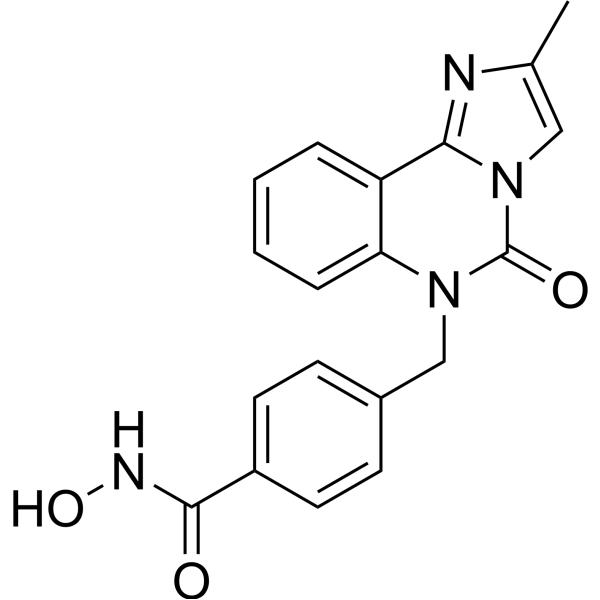
    HDAC6-IN-32 (compound 25202) is a selective and potent inhibitor of HDAC6. HDAC6-IN-32 blocks HDAC6 activity and interferes with microtubule dynamics, leading to SAC activation and prolonged mitotic arrest, ultimately leading to apoptosis in CRPC cells .
    HDAC6-IN-32
  • HY-149376

    Microtubule/Tubulin Cancer
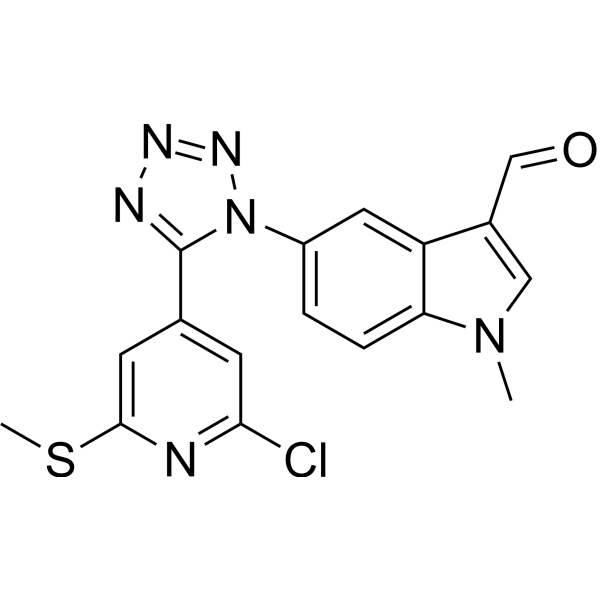
    Tubulin inhibitor 38 (compound 14) is a tetrazole-based Tubulin inhibitor with antiproliferative potencies. Tubulin inhibitor 38 (100 nM,24 h) mediates mitotic arrest,blocks cell cycle at G2/M phase and induces apoptosis. Tubulin inhibitor 38 exhibits high cytotoxicity with high selectivity index among HeLa,MCF7,and U87 MG cells .
    Tubulin inhibitor 38
  • HY-164455

    STAT JAK Aurora Kinase Mitosis Inflammation/Immunology
    AJI-214 is a dual-target inhibitor of Aurora kinase A and JAK2. AJI-214 directly blocks Aurora kinase A to inhibit T cell mitotic progression and cell polarity, and inhibits JAK2 activation to inhibit STAT3 phosphorylation, thereby reducing the differentiation of TH1 and TH17 cells. AJI-214 can be used in studies on regulating immune responses and preventing graft-versus-host disease (GVHD) .
    AJI-214
  • HY-W720629

    Isotope-Labeled Compounds Phytohormone Aldehyde Dehydrogenase (ALDH) Others
    Cyanamide- 15N2 is the 15N-labeled Cyanamide (HY-Y0070). Cyanamide is a cell division and plant growth inhibitor, as well as an allelochemical derived from Vicia villosa. Cyanamide inhibits root growth and biomass accumulation in a dose-dependent manner by disrupting the formation of mitotic spindles and phragmoplast complexes, reducing the number of mitotic cells and blocking the cell cycle. The effects of Cyanamide are partially reversible after removal from low-concentration environments. Cyanamide is also a specific inhibitor of aldehyde dehydrogenase (ALDH). Although Cyanamide has no direct effect on tumor growth, it can significantly enhance the anti-tumor efficacy of Cyclophosphamide (HY-17420) at non-toxic doses by inhibiting the inactivation of Cyclophosphamide. Cyanamide enables Cyclophosphamide to exert equivalent therapeutic effects at lower doses, effectively inhibiting the growth of primary and metastatic tumors and prolonging the lifespan of tumor-bearing mice. Cyanamide is commonly used in studies related to ha-1 hepatoma and rls lymphosarcoma .
    Cyanamide-15N2
  • HY-118447

    CDK Survivin Cancer
    RO0505124 is a selective CDK4 inhibitor with an IC50 of 20 nM. RO0505124 reversibly binds the ATP pocket of the kinase. RO0505124 induces G1 phase arrest in cancer cells via reduced retinoblastoma protein (Rb) phosphorylation, blocking S phase progression. RO0505124 exhibits anti-proliferative activity against various cancer cells. RO0505124 delays mitotic entry, induces aberrant mitosis with lagging chromosomes, driving mitotic slippage and formation of multinucleated or micronucleated cells. RO0505124 inhibits G2/M phase accumulation of survivin and borealin. RO0505124 can be used for the research of cancer .
    RO0505124
  • HY-W776974

    Myosin Others
    (R)-(+)-Blebbistatin O-Benzoate is a non-muscle myosin II selective inhibitor. (R)-(+)-Blebbistatin O-Benzoate is a derivative of Blebbistatin (HY-13813). (R)-(+)-Blebbistatin O-Benzoate blocks cell membrane bubbling and interferes with directed migration and cytokinesis in vertebrate cells. (R)-(+)-Blebbistatin O-Benzoate inhibits the contraction of mitotic grooves. (R)-(+)-Blebbistatin O-Benzoate can be used as a negative control for (S)-(-)-Blebblastatin .
    (R)-(+)-Blebbistatin O-Benzoate
  • HY-Y0070

    Phytohormone Aldehyde Dehydrogenase (ALDH) Cancer
    Cyanamide is a cell division and plant growth inhibitor, as well as an allelochemical derived from Vicia villosa. Cyanamide inhibits root growth and biomass accumulation in a dose-dependent manner by disrupting the formation of mitotic spindles and phragmoplast complexes, reducing the number of mitotic cells and blocking the cell cycle. The effects of Cyanamide are partially reversible after removal from low-concentration environments. Cyanamide is also a specific inhibitor of aldehyde dehydrogenase (ALDH). Although Cyanamide has no direct effect on tumor growth, it can significantly enhance the anti-tumor efficacy of Cyclophosphamide (HY-17420) at non-toxic doses by inhibiting the inactivation of Cyclophosphamide. Cyanamide enables Cyclophosphamide to exert equivalent therapeutic effects at lower doses, effectively inhibiting the growth of primary and metastatic tumors and prolonging the lifespan of tumor-bearing mice. Cyanamide is commonly used in studies related to ha-1 hepatoma and rls lymphosarcoma .
    Cyanamide
  • HY-181074

    Microtubule/Tubulin Apoptosis Bcl-2 Family Neurological Disease Cancer
    Tubulin polymerization-IN-88 is a tubulin inhibitor that blocks tubulin polymerization, leading to microtubule destabilization and disruption of the mitotic spindle. Tubulin polymerization-IN-88 induces G2/M phase arrest and apoptosis in cancer cells, and inhibits cancer cell migration and self-renewal of cancer stem cells. It exhibits in vitro anti-proliferative activity against cancer cells with selectivity over normal cells. Tubulin polymerization-IN-88 also demonstrates in vivo anti-cancer activity without significant toxicity. Tubulin polymerization-IN-88 is applicable for research on glioblastoma, lung cancer, endometrial cancer, ovarian cancer, and leukemia .
    Tubulin polymerization-IN-88
  • HY-183632

    Microtubule/Tubulin Apoptosis Neurological Disease Cancer
    QW-5-70 is a potent colchicine‑site tubulin inhibitor that blocks tubulin polymerization. QW-5-70 induces mitotic and G2/M cell cycle arrest, triggers mitochondrial apoptosis, and suppresses cancer cell colony formation and migration. QW-5-70 overcomes P‑glycoprotein‑mediated multidrug resistance and inhibits drug‑resistant tumor growth. QW-5-70 demonstrates strong in vitro and in vivo antitumor efficacy in neuroblastoma and prostate cancer models. QW-5-70 can be used for the research of high-risk neuroblastoma and castration-resistant prostate cancer .
    QW-5-70
  • HY-181838

    CDK Apoptosis Cancer
    CIRc-014 is an orally active Cyclin A/B inhibitor with a Cyclin A IC50 of 0.05 μM, Cyclin A Kd of 2.7 nM, Cyclin B IC50 of less than 0.02 μM and Cyclin B Kd of 1.0 nM. CIRc-014 activates the spindle assembly checkpoint and promotes the formation of a complex between Cyclin B and CDK2 by blocking the RxL interaction of Cyclin A/B. CIRc-014 can induce replication stress, DNA damage, mitotic arrest and apoptosis in tumor cells. CIRc-014 showed tumor growth inhibition and regression in NCI-H69 and NCI-H446 small cell lung cancer xenograft models. CIRc-014 can be used for the research of small-cell lung cancer .
    CIRc-014
  • HY-102069R

    Reference Standards Polo-like Kinase (PLK) CDK DAPK Others
    3MB-PP1 (Standard) is the analytical standard of 3MB-PP1 (HY-102069). This product is intended for research and analytical applications. 3MB-PP1, a bulky purine analog, is a Polo-like kinase 1 (Plk1) inhibitor. 3MB-PP1 blocks mitotic progression and cell division arise through target Plk1 in in cells expressing analog-sensitive Plk1 alleles. 3MB-PP1 specifically inhibits the activity of analog-sensitive Ssn3 (Cdk8). 3MB-PP1 inhibits Leu93 Mutant Zipper-interacting protein kinase (Leu93-ZIPK; IC50=2 μM). 3MB-PP1 can be used for the research of hypha formation of Candida albicans and cell division .
    3MB-PP1 (Standard)
  • HY-183118

    CDK Apoptosis Neurological Disease Cancer
    CID-078 is an orally active macrocyclic cyclin A and cyclin B inhibitor. CID-078 binds cyclin hydrophobic patches, disrupting interactions of cyclin A-Cdk2 with E2F1 and cyclin B-Cdk1 with Myt1, and selectively targets RxL binding motifs to block complex-substrate interactions. CID-078 induces DNA damage, G2/M cell cycle arrest, apoptosis, mitotic catastrophe, spindle assembly checkpoint activation, and neomorphic cyclin B-CDK2 complex formation, driving synthetic lethality in E2F-driven cancer cells. CID-078 can be used for the research of small cell lung cancer, non-small cell lung cancer, triple negative breast cancer, advanced solid tumors, luminal HR +/HER 2- breast cancer, RB1-altered solid tumors, and neuroblastoma .
    CID-078

Inquiry Online

Your information is safe with us. * Required Fields.

Salutation


Country or Region *

Applicant Name *


Organization Name *

Department *


Email Address *


Product Name *

Cat. No.


Requested quantity *

Phone Number *


Remarks

Inquiry Online

Inquiry Information

Product Name:
Cat. No.:
Quantity:
MCE Japan Authorized Agent:

