
1. Search Result
Search Result
Results for "

phospholipid bilayers

" in MedChemExpress (MCE) Product Catalog:

164

Inhibitors & Agonists

1

Screening Libraries

27

Fluorescent Dyes

39

Biochemical Assay Reagents

9

Peptides

9

Natural
Products

14

Isotope-Labeled Compounds

2

Click Chemistry

94

Oligonucleotides

Cat. No. Product Name Target Research Areas Chemical Structure
  • HY-130462
    1-Palmitoyl-2-oleoyl-sn-glycero-3-PC
    3 Publications Verification

    POPC

    Liposome Others
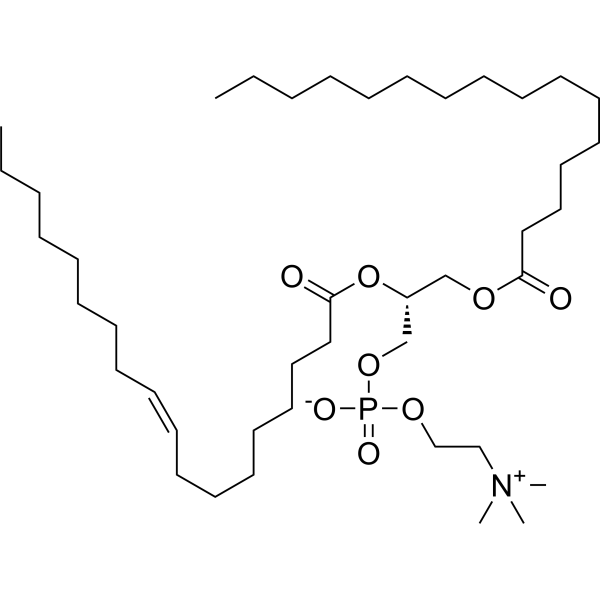
    1-Palmitoyl-2-oleoyl-sn-glycero-3-PC (POPC), a phospholipid, is a major component of biological membranes. 1-Palmitoyl-2-oleoyl-sn-glycero-3-PC is used for the preparation of liposomes and studying the properties of lipid bilayers .
    1-Palmitoyl-2-oleoyl-sn-glycero-3-PC
  • HY-109541
    Colfosceril miristate
    2 Publications Verification

    DMPC; 1,2-Dimyristoyl-sn-glycero-3-phosphocholine; Dimyristoyl phosphatidylcholine

    Liposome Cancer
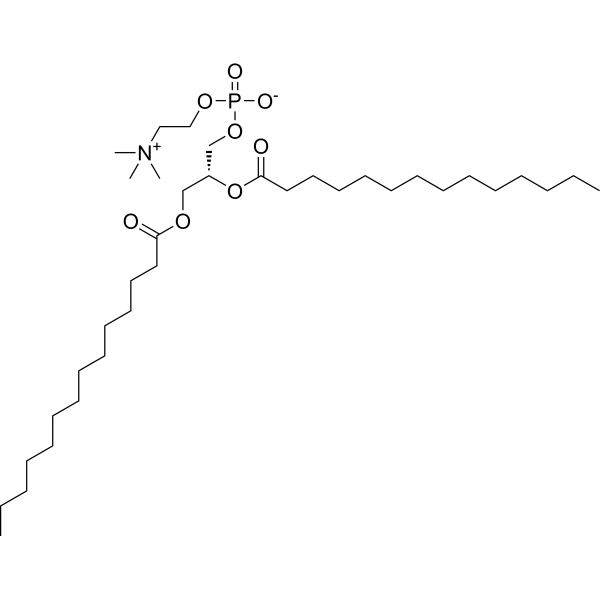
    Colfosceril miristate (DMPC) is a synthetic phospholipid. Colfosceril miristate has antiproliferative effects on various tumors. Colfosceril miristate is used to study lipid monolayers, bilayers and drug delivery .
    Colfosceril miristate
  • HY-140739

    Liposome Neurological Disease Cancer
    DSPE-PEG2000-Maleimide sodium (purity>95%) is a phospholipid-PEG conjugate. DSPE-PEG2000-Maleimide utilizes the amphiphilicity of DSPE to insert into the lipid bilayer of liposomes or nanoparticles. DSPE-PEG2000-Maleimide covalently couples to the sulfhydryl (-SH) of ligands (such as antibodies, peptides, or proteins) via thiol-maleimide click chemistry, giving the particles targeting capabilities. DSPE-PEG2000-Maleimide sodium (purity>95%) can be used in the researches of breast cancer, lymphoma, and inherited retinal degeneration .
    DSPE-PEG2000-Maleimide sodium (purity>95%)
  • HY-W441011

    Liposome Neurological Disease Inflammation/Immunology Cancer
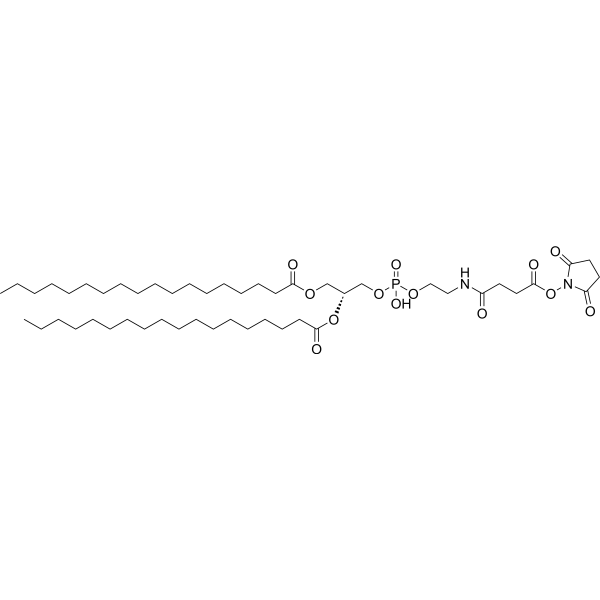
    DSPE-NHS is a bioconjugation phospholipid molecule with two hydrophobic lipid tails. DSPE-NHS is a self-assembling reagent which forms lipid bilayer in aqueous solution. The NHS-ester is reactive with N-terminal of protein/peptide or other amine molecule to form a stable amide linkage. DSPE-NHS labels antibodies. DSPE-NHS can be used to prepare liposomes as agent nanocarrier .
    DSPE-NHS
  • HY-D0986
    TMA-DPH
    10+ Cited Publications

    Fluorescent Dye Others
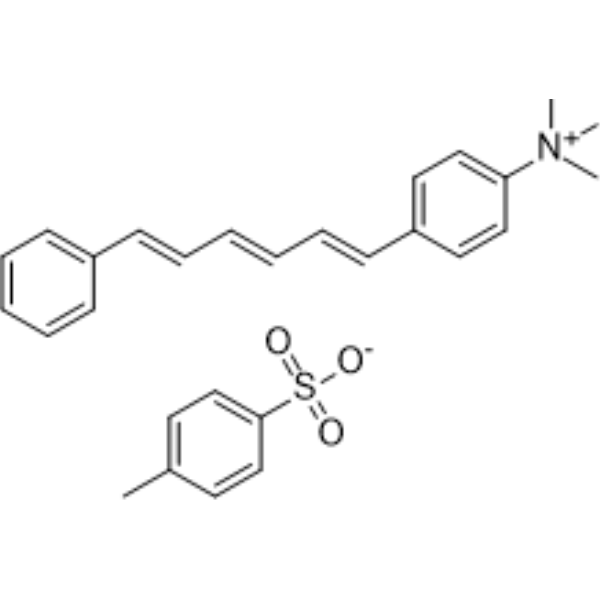
    TMA-DPH is a hydrophobic fluorescent membrane probe (Ex=355 nm; Em=430 nm). TMA-DPH is able to anchor on the cell surface and localize to different regions of the phospholipid bilayer. By analyzing the fluorescence polarization values of TMA-DPH in the plasma membrane and membrane substructures, the fluidity of the cell membrane can be determined .
    TMA-DPH
  • HY-141571
    DOPG sodium
    3 Publications Verification

    Dioleoylphosphatidylglycerol sodium

    Liposome Others
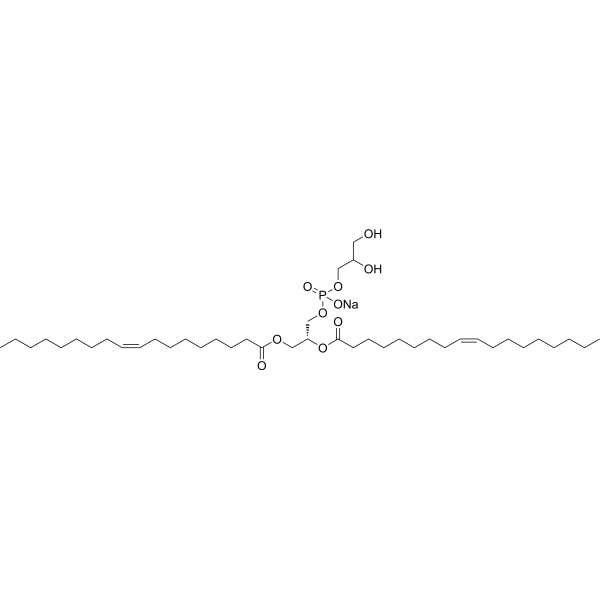
    DOPG sodium is a naturally occurring anionic phospholipid, containing oleic acid (18:1) inserted at the sn-1 and sn-2 positions. DOPG can form a lipid bilayer in an aqueous solution and is used in the generation of micelles, liposomes, and other artificial membranes. DOPG also exhibits anti-inflammatory properties .
    DOPG sodium
  • HY-W009756
    N-Phenylnaphthalen-1-amine
    3 Publications Verification

    Fluorescent Dye Others
    N-Phenyl-1-naphthylamine is a dye that fluoresces strongly when bound to the inner phospholipid bilayer of Gram-negative bacteria. N-Phenyl-1-naphthylamine can be used to measure outer membrane permeability. N-Phenylnaphthalen-1-amine is a fluorescence probe for odorant-binding proteins (OBP) with a dissociation constant of 1.67 μM. N-Phenylnaphthalen-1-amine exhibits an excitation wavelength of 337 nM and an emission wavelength of 407 nM .
    N-Phenylnaphthalen-1-amine
  • HY-W040268

    Endogenous Metabolite Others
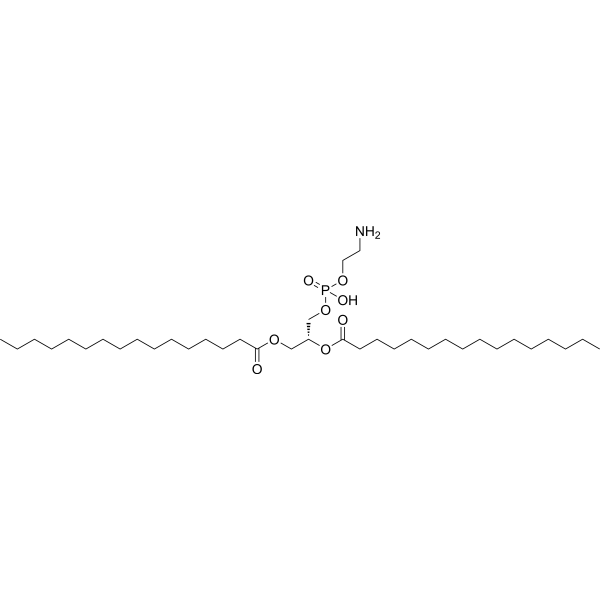
    1,2-Dipalmitoyl-sn-glycero-3-phosphoethanolamine is a phospholipid that is a major component of the lipid bilayer that surrounds cells and provides stability to the membrane .
    1,2-Dipalmitoyl-sn-glycero-3-phosphoethanolamine
  • HY-143202

    Liposome Biochemical Assay Reagents Others
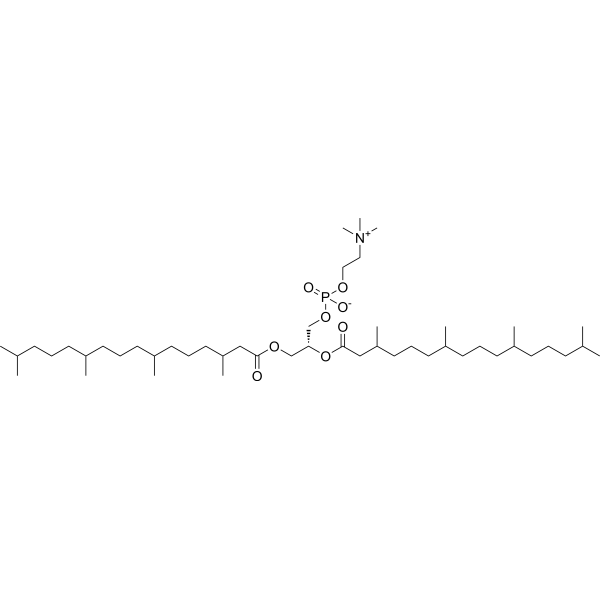
    DPhPC is a phospholipid compound characterized by high mechanical and chemical stability, broad temperature phase stability, and high electrical resistance. DPhPC readily forms unilamellar vesicles and solid-supported bilayers. DPhPC is commonly used as a component of nanoliposomal drug carriers or as a model membrane material for studies on membrane proteins/ion channels .
    DPhPC
  • HY-D1425

    9-(2,2-Dicyanovinyl)julolidine

    Fluorescent Dye Others
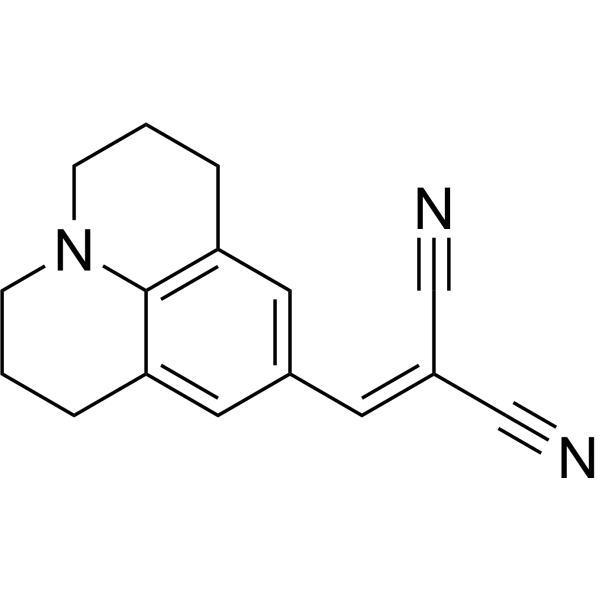
    DCVJ (9-(2,2-Dicyanovinyl)julolidine), a molecular rotor and unique fluorescent dye, binds to tubulin and actin, and increases its fluorescence intensity drastically upon polymerization. DCVJ also binds to phospholipid bilayers and increases its fluorescence intensity. DCVJ can detect the kinetic process of degranulation of mast cells (Absorption/emission=489/505 nm) .
    DCVJ
  • HY-DY1057

    Fluorescent Dye Others
    TMA-DPH (solution) is a hydrophobic fluorescent membrane probe (Ex=355 nm; Em=430 nm). TMA-DPH is able to anchor on the cell surface and localize to different regions of the phospholipid bilayer. By analyzing the fluorescence polarization values of TMA-DPH in the plasma membrane and membrane substructures, the fluidity of the cell membrane can be determined .
    Solvent and concentration: DMSO: 10 mM
    TMA-DPH (solution)
  • HY-154644

    Environmental Pollutants Biochemical Assay Reagents Cancer
    Soya Lecithin is a phospholipid mixture that can be used as a drug delivery vehicle and is a pharmaceutical excipient. Soya Lecithin can form a lipid bilayer structure through self-assembly, and its binding properties are amphiphilic (hydrophilic head and hydrophobic tail), encapsulating hydrophobic drugs. Soya Lecithin forms stable nanoliposomes or microemulsions, improves the solubility and cellular uptake efficiency of poorly soluble drugs (such as Curcumin (HY-N0005)), and exerts activities such as enhancing drug delivery and regulating cell proliferation .
    Soya Lecithin
  • HY-W441007

    Liposome Inflammation/Immunology Cancer
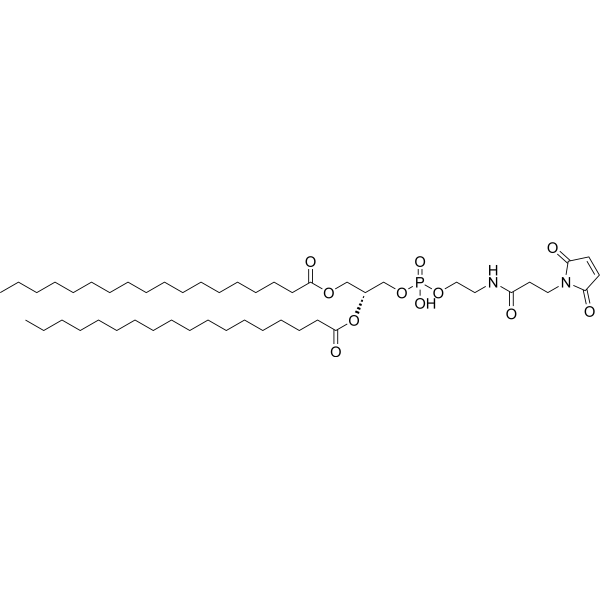
    DSPE-MAL is a phospholipid compound with a maleimide reactive group. DSPE-MAL contains two saturated fatty acids and can self-assemble in water to form a lipid bilayer. DSPE-MAL can be used to prepare liposomes as nanocarriers for active molecules .
    DSPE-Mal
  • HY-W035091
    Tetrachloroauric acid
    1 Publications Verification

    Biochemical Assay Reagents Cardiovascular Disease Neurological Disease
    Tetrachloroauric acid is an Au (III) compound and bilayer disruptor that can be used to damage red blood cells. Tetrachloroauric acid specifically disrupts the bilayer structure of representative phospholipids (dimyristoylphosphatidylcholine and dimyristoylphosphatidylethanolamine) in human red blood cell membranes, and induces morphological changes in intact human red blood cells. Tetrachloroauric acid causes downregulation of MT I-II and GFAP expression in the mouse brain following chronic treatment. Tetrachloroauric acid is being used in studies related to neurotoxicity and hematotoxicity, including analyses of human red blood cells and molecular models of red blood cell membranes, as well as immunohistochemical evaluation of the mouse brain .
    Tetrachloroauric acid
  • HY-145539

    Liposome Others
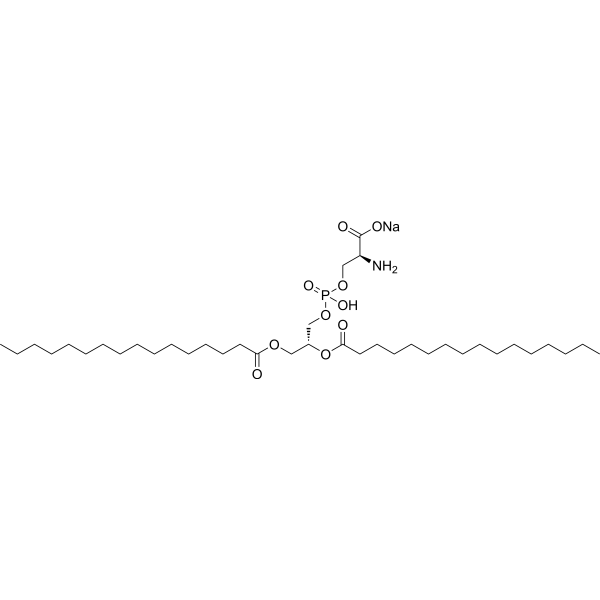
    1,2-Dipalmitoyl-sn-glycero-3-PS sodium is a phosphatidylserine phospholipid. 1,2-Dipalmitoyl-sn-glycero-3-PS sodium is used for the preparation of phospholipid bilayers .
    1,2-Dipalmitoyl-sn-glycero-3-PS sodium
  • HY-W441013

    Liposome Others
    DSPE-PEG1000-NHS is a PEG-modified phospholipid derivative that can be used to prepare liposomes. DSPE-PEG1000-NHS is commonly employed as a linker molecule for the surface modification of liposomes to confer targeting capabilities. DSPE-PEG1000-NHS can be used in the study of drug delivery .
    DSPE-PEG1000-NHS
  • HY-W440982

    PC(18:0/18:1); 2-Oleoyl-1-stearoyl-sn-glycero-3-phosphocholine

    Liposome Others
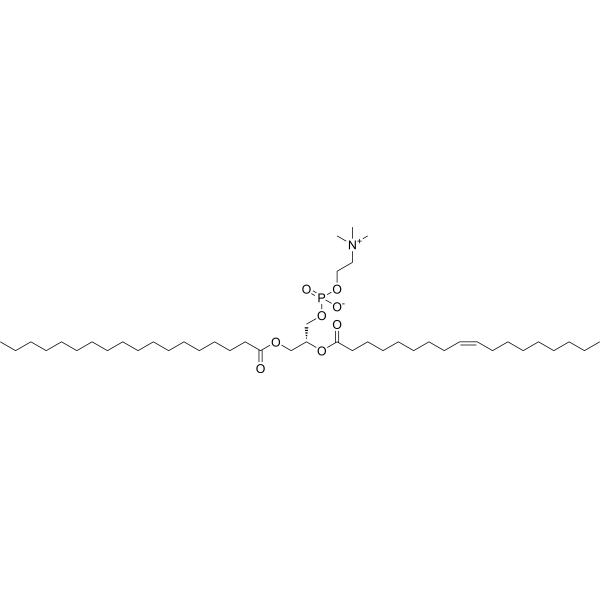
    SOPC (PC (18:0/18:1)) is a phosphatidylcholine lipid, which is an unsaturated phospholipid containing a cis double bond. When SOPC binds to Imatinib (HY-15463), Imatinib easily penetrates into its unsaturated liposome bilayer structure, and SOPC forms ordered, larger parallel stripe domains .
    SOPC
  • HY-131640

    1,2-Didecanoyl-sn-glycero-3-phosphocholine

    Liposome Others
    1,2-Didecanoyl PC (1,2-Didecanoyl-sn-glycero-3-phosphocholine) is a phosphocholine that can be introduced into single-chain mean field theory as a coarse-grained model of saturated phospholipids. The 1,2-Didecanoyl PC model can be used to estimate the free energy of compressive or tensile bilayers in stacks or multilayers and gives a reasonable estimate of the free energy .
    1,2-Didecanoyl PC
  • HY-126359

    SLPC; 18:0-18:2 PC

    Endogenous Metabolite Cardiovascular Disease Metabolic Disease
    1-Stearoyl-2-linoleoyl-sn-glycero-3-phosphocholine (SLPC; 18:0-18:2 PC) is an endogenous phospholipid marker molecule in the glycerophospholipid metabolic pathway. 1-Stearoyl-2-linoleoyl-sn-glycero-3-phosphocholine is a core component of the phospholipid bilayer of biological membranes and a key responsive lipid for radiation injury and cardiometabolic diseases. 1-Stearoyl-2-linoleoyl-sn-glycero-3-phosphocholine constitutes the phospholipid bilayers of cell membranes and high-density lipoprotein (HDL), and regulates the core activity of lipoprotein functional homeostasis. The content of 1-Stearoyl-2-linoleoyl-sn-glycero-3-phosphocholine in mouse serum shows a significant dose-dependent decrease with increasing ionizing radiation dose, and its level in human HDL also decreases significantly in metabolic syndrome. 1-Stearoyl-2-linoleoyl-sn-glycero-3-phosphocholine can serve as a biological dosimeter marker for ionizing radiation injury, and is used for rapid and accurate assessment of radiation absorbed dose in exposed individuals. 1-Stearoyl-2-linoleoyl-sn-glycero-3-phosphocholine can also act as a lipidomics research target for cardiometabolic diseases such as lipid metabolic syndrome and early-onset coronary heart disease .
    1-Stearoyl-2-linoleoyl-sn-glycero-3-phosphocholine
  • HY-N16025

    Liposome Biochemical Assay Reagents Others
    DOPE-PEG(2000) Amine ammonium is a polydisperse PEG covalently attached to a phospholipid. The polymer is an amphiphilic molecule with hydrophobic fatty acid chains and hydrophilic PEG head which enables lipid bilayer or micelle formation in water. The phospholipid PEG can be used to prepare liposome or nanoparticles for targeted agent delivery and is reactive with alkyne to form a triazole ring .
    DOPE-PEG(2000) Amine ammonium
  • HY-W127459

    D-DPPC, 95%

    Liposome Others
    2,3-Dipalmitoyl-sn-glycero-1-phosphocholine, 95% (D-DPPC, 95%) is a chiral phospholipid that serves as a membrane-forming lipid component for bicelle assembly. 2,3-Dipalmitoyl-sn-glycero-1-phosphocholine, 95% can form bicelle assemblies with DHPC, which induce an induced circular dichroism (ICD) signal in the chiral probe DPH, with a polarity opposite to that induced by chiral L-DPPC/DHPC bicelles .
    2,3-Dipalmitoyl-sn-glycero-1-phosphocholine, 95%
  • HY-142991

    POPG

    Liposome Others
    1-Palmitoyl-2-oleoyl-sn-glycero-3-phosphatidylglycerol (POPG) is an anionic phosphatidylglycerol that often serves as a key component to co-construct model phospholipid bilayers with phosphatidylcholine (e.g., at a 3:1 POPC:POPG ratio) for investigating the structure and dynamics of transmembrane proteins. 1-Palmitoyl-2-oleoyl-sn-glycero-3-phosphatidylglycerol acts as a fundamental material for mimicking the physicochemical properties of biological membranes and enables the elucidation of membrane protein interaction mechanisms .
    1-Palmitoyl-2-oleoyl-sn-glycero-3-phosphatidylglycerol
  • HY-W440833

    Liposome Others
    DSPE-PEG3400-azide is a polydisperse PEG covalently attached to a phospholipid. The polymer is an amphiphilic molecule with hydrophobic fatty acid chains and hydrophilic PEG head which enables lipid bilayer or micelles formation in water. The phospholipid PEG can be used to prepare liposome or nanoparticles for targeted drug delivery and is reactive with alkyne to form triazole bond.
    DSPE-PEG3400-azide
  • HY-157624

    18:0-22:6 PE

    Liposome Others
    1-Stearoyl-2-docosahexaenoyl-sn-glycero-3-phosphoethanolamine (18:0-22:6 PE) is a lipid compound that can be used for liposome preparation. Liposomes are the main component of vesicles with concentric phospholipid bilayer membranes, which can be used to construct drug delivery systems for anti-cancer and anti-infection fields. Highly polar water-soluble loads can be captured in the internal aqueous space of liposomes, while lipophilic loads can be distributed into the lipid bilayer and become part of the lipid bilayer. Especially for the delivery of antisense oligonucleotides, it can overcome the problems of inefficient cellular uptake and rapid loss in the body.
    1-Stearoyl-2-docosahexaenoyl-sn-glycero-3-phosphoethanolamine
  • HY-167545

    POPE

    Liposome Biochemical Assay Reagents Others
    1-Palmitoyl-2-oleoylphosphatidylethanolamine (POPE) is a PE-based synthetic phospholipid that can intercalate with other amphiphilic molecules to form stable bilayers at physiological pH. 1-Palmitoyl-2-oleoylphosphatidylethanolamine can be used in drug delivery research .
    1-Palmitoyl-2-oleoylphosphatidylethanolamine
  • HY-130462R

    POPC (Standard)

    Liposome Reference Standards Others
    1-Palmitoyl-2-oleoyl-sn-glycero-3-PC (Standard) is the analytical standard of 1-Palmitoyl-2-oleoyl-sn-glycero-3-PC. This product is intended for research and analytical applications. 1-Palmitoyl-2-oleoyl-sn-glycero-3-PC (POPC), a phospholipid, is a major component of biological membranes. 1-Palmitoyl-2-oleoyl-sn-glycero-3-PC is used for the preparation of liposomes and studying the properties of lipid bilayers .
    1-Palmitoyl-2-oleoyl-sn-glycero-3-PC (Standard)
  • HY-125385

    Endogenous Metabolite Metabolic Disease
    Sulforhodamine 101 DHPE is a fluorescent probe made from the conjugation of the phospholipid 1,2-dipalmitoyl-sn-glycero-3-PE to sulforhodamine 101, a red fluorescent dye that displays excitation/emission spectra of 586/605 nm, respectively. It integrates into phospholipid bilayers and has been used for imaging of solid supported lipid bilayers, detection of protein-ligand binding on bilayers, and to monitor colocalization of lipid probes in liposomes via resonance energy transfer (RET).
    Sulforhodamine 101 DHPE
  • HY-W440834

    Liposome Others
    DSPE-PEG5000-azide is a click chemistry reactive phospholipid polyPEG which forms lipid bilayer or micelles in an aqueous solution. The polymer can be used to prepare liposomes or nanoparticles used for delivering nutrients or therapeutic agents, for example mRNA or DNA vaccine.
    DSPE-PEG5000-azide
  • HY-W440910

    Liposome Others
    DSPE-PEG5000-Cy3 is a phospholipid PEG polymer with Cy3 dye used in labeling and fluorescence microscopy. The polymer can self-assemble in aqueous solution to form micelles/lipid bilayer and used to prepare liposomes or nanoparticles for nutrients delivery such as mRNA or DNA vaccine.
    DSPE-PEG5000-Cy3
  • HY-D2565

    Fluorescent Dye Others
    Cy5.5-PEG2000-DSPE is a PEG phospholipid with Cy5.5 (HY-D0924) dye used in protein/nucelic acid labeling and fluorescence microscopy. Cy5.5-PEG2000-DSPE can self-assemble in aqueous solution to form micelles/lipid bilayer and used to prepare liposomes or nanoparticles for nutrients delivery such as mRNA or DNA vaccine.
    Cy5.5-PEG2000-DSPE
  • HY-D2593

    Fluorescent Dye Others
    Cy7.5-PEG2000-DSPE is a PEG phospholipid with CY7.5 (HY-D0926) dye used in protein/nucelic acid labeling and fluorescence microscopy. Cy7.5-PEG2000-DSPE can self-assemble in aqueous solution to form micelles/lipid bilayer and used to prepare liposomes or nanoparticles for nutrients delivery such as mRNA or DNA vaccine (Ex/Em=770/820 nm).
    Cy7.5-PEG2000-DSPE
  • HY-W440912

    Liposome Others
    DSPE-PEG3400-Cy5 is a PEG phospholipid with Cy5 dye used in protein/nucelic acid labeling and fluorescence microscopy. The polymer can self-assemble in aqueous solution to form micelles/lipid bilayer and used to prepare liposomes or nanoparticles for nutrients delivery such as mRNA or DNA vaccine.
    DSPE-PEG3400-Cy5
  • HY-D2610

    Fluorescent Dye Others
    ICG PEG2000 DSPE is a PEG phospholipid with Indocyanine green (ICG) (HY-D0711) dye used in protein/nucelic acid labeling and fluorescence microscopy. ICG PEG2000 DSPE can self-assemble in aqueous solution to form micelles/lipid bilayer and used to prepare liposomes or nanoparticles for nutrients delivery such as mRNA or DNA vaccine (Ex/Em=785/813 nm).
    ICG PEG2000 DSPE
  • HY-W591449

    Liposome Cancer
    DOPE-PEG2000-Azide is a liposome to simulate biological phospholipid membrane. Liposomes are the main component of vesicles with concentric phospholipid bilayer membranes, which can be used to construct drug delivery systems for anti-cancer and anti-infection fields. Highly polar water-soluble payloads can be trapped in the internal aqueous space of liposomes, while lipophilic payloads can partition into and become part of the lipid bilayer. Especially for delivering antisense oligonucleotides, it can overcome problems such as inefficient cellular uptake and rapid loss in the body .
    DOPE-PEG2000-Azide
  • HY-W441017

    Liposome Others
    DSPE-SPDP is a phospholipid molecule. DSPE-SPDP can orient itself to form lipid bilayer in water. DSPE-SPDP can be used for the research of various biochemical .
    DSPE-SPDP
  • HY-40118

    Boc-L-proline methyl ester

    Liposome Others
    Boc-Pro-OMe (Boc-L-proline methyl ester) is a lipid compound that can be used for liposome preparation. Liposomes are the main component of vesicles with concentric phospholipid bilayer membranes, which can be used to construct drug delivery systems for anti-cancer and anti-infection fields. Highly polar water-soluble loads can be captured in the internal aqueous space of liposomes, while lipophilic loads can be distributed into the lipid bilayer and become part of the lipid bilayer. Especially for the delivery of antisense oligonucleotides, it can overcome the problems of inefficient cellular uptake and rapid loss in the body.
    Boc-Pro-OMe
  • HY-109541S1

    DMPC-d4; 1,2-Dimyristoyl-sn-glycero-3-phosphocholine-d4

    Isotope-Labeled Compounds Cancer
    Colfosceril miristate-d4 (DMPC-d4) is deuterium labeled Colfosceril miristate. Colfosceril miristate is a synthetic phospholipid used in liposomes. Colfosceril miristate is used to study lipid monolayers, bilayers and drug delivery .
    Colfosceril miristate-d4
  • HY-P10564

    Bacterial Infection
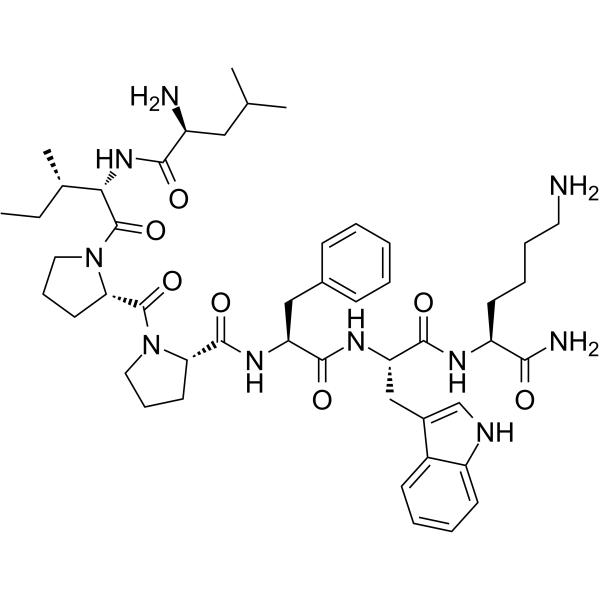
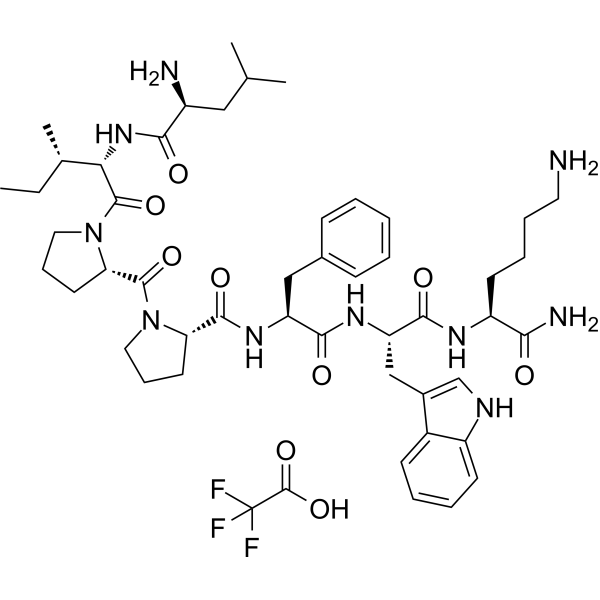
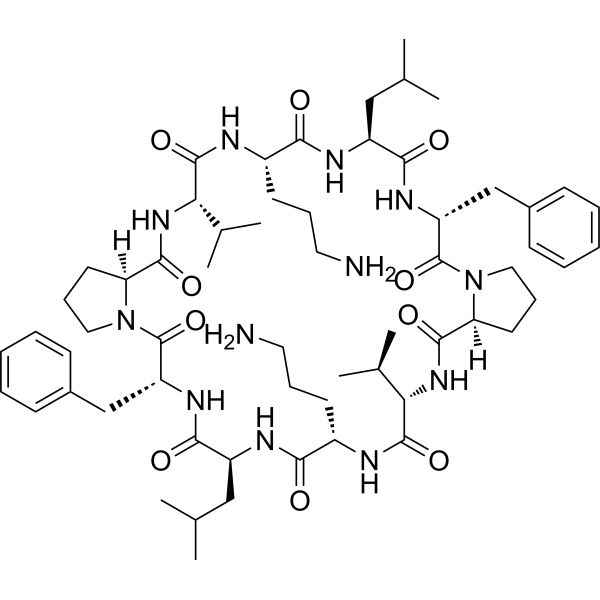
    Pardaxin P 4 is an antimicrobial peptide found in the secretions of Red Sea Moses sole. Pardaxin P 4 acts as a biomembrane perforator that can interact with phospholipid bilayers of different compositions and induce cytotoxicity and pore formation. Pardaxin P 4 can be used in the research of antimicrobial drugs .
    Pardaxin P 4
  • HY-165975

    (2S)-3-Keto-C6-dihydrosphingosine hydrochloride

    Liposome Others
    (2S)-3-Keto sphinganine (d6:0) ((2S)-3-Keto-C6-dihydrosphingosine) hydrochloride is a lipid compound that can be used for liposome preparation. Liposomes are the main component of vesicles with concentric phospholipid bilayer membranes, which can be used to construct drug delivery systems for anti-cancer and anti-infection fields. Highly polar water-soluble loads can be captured in the internal aqueous space of liposomes, while lipophilic loads can be distributed into the lipid bilayer and become part of the lipid bilayer. Especially for the delivery of antisense oligonucleotides, it can overcome the problems of inefficient cellular uptake and rapid loss in the body.
    (2S)-3-Keto sphinganine (d6:0) hydrochloride
  • HY-W440926

    Liposome Others
    Stearic acid-PEG1000-NHS is a cyclooctyne containing phospholipid PEG polymer. The polymer can self-assemble spontaneously in water to form micelles/lipid bilayer. It can be used to prepare nanoparticles or liposomes as drug carrier in targeted drug delivery system. The DBCO can react with azide molecule via copper free click chemistry to form a stable triazole bond.
    Stearic acid-PEG1000-NHS
  • HY-164160

    DPPS

    Biochemical Assay Reagents
    1,2-Dipalmitoyl-rac-glycero-3-phospho-L-serine (DPPS) is a phospholipid compound with good membrane-forming ability. 1,2-Dipalmitoyl-rac-glycero-3-phospho-L-serine can form stable and well-defined bilayers, which are suitable for the study of membrane dynamics. 1,2-Dipalmitoyl-rac-glycero-3-phospho-L-serine is often used to prepare liposomes for various applications in the biomedical field.
    1,2-Dipalmitoyl-rac-glycero-3-phospho-L-serine
  • HY-140739A

    Liposome Neurological Disease Cancer
    DSPE-PEG2000-Maleimide free acid is a phospholipid-PEG conjugate. DSPE-PEG2000-Maleimide free acid utilizes the amphiphilicity of DSPE to insert into the lipid bilayer of liposomes or nanoparticles. DSPE-PEG2000-Maleimide free acid covalently couples to the sulfhydryl (-SH) of ligands (such as antibodies, peptides, or proteins) via thiol-maleimide click chemistry, giving the particles targeting capabilities. DSPE-PEG2000-Maleimide free acid can be used in the researches of breast cancer, lymphoma, and inherited retinal degeneration .
    DSPE-PEG2000-Maleimide free acid
  • HY-W590535

    1,2-DNPC; 1,2-Dinonadecanoyl-sn-glycero-3-phosphocholine

    Liposome Cancer
    19:0 PC is a saturated phospholipid that has been used as a standard for the quantification of phosphatidylcholines in human synovial fluid. It has also been used to study dynamics of lipid bilayer phase transition.
    19:0 PC
  • HY-153725

    Liposome Cancer
    17:1 Lyso PC is a liposome to simulate biological phospholipid membrane. Liposomes are the main component of vesicles with concentric phospholipid bilayer membranes, which can be used to construct drug delivery systems for anti-cancer and anti-infection fields. Highly polar water-soluble payloads can be trapped in the internal aqueous space of liposomes, while lipophilic payloads can partition into and become part of the lipid bilayer. Especially for delivering antisense oligonucleotides, it can overcome problems such as inefficient cellular uptake and rapid loss in the body .
    17:1 Lyso PC
  • HY-W440991

    DOPE-PEG2000-NH2

    Liposome Cancer
    DOPE-PEG-Amine (MW 2000) is a polydisperse PEG covalently attached to a phospholipid. The polymer is an amphiphilic molecule with hydrophobic fatty acid chains and hydrophilic PEG head which enables lipid bilayer or micelle formation in water. The phospholipid PEG can be used to prepare liposome or nanoparticles for targeted drug delivery and is reactive with alkyne to form a triazole ring.
    DOPE-PEG2000-Amine
  • HY-159863

    Liposome Others
    Cholesterol‑undecanoate‑glucose conjugate is a glucose-based lipid conjugate used to prepare brain-targeted liposomes. Cholesterol‑undecanoate‑glucose conjugate can stably inserted into the phospholipid bilayers .
    Cholesterol‑undecanoate‑glucose conjugate
  • HY-109541S2

    DMPC-d9; 1,2-Dimyristoyl-sn-glycero-3-phosphocholine-d9

    Isotope-Labeled Compounds Cancer
    Colfosceril miristate-d9 (DMPC-d9) is deuterium labeled Colfosceril miristate. Colfosceril miristate a synthetic phospholipid used in liposomes. Colfosceril miristate is used to study lipid monolayers, bilayers and drug delivery .
    Colfosceril miristate-d9
  • HY-W440928

    Liposome Others
    Stearic acid-PEG3400-NHS is a phospholipid polyPEG which can self-assemble in water to form lipid bilayer. The polymer can be used to prepare liposomes as drug carrier to deliver nutrients/therpeutic agents, such as mRNA or DNA.
    Stearic acid-PEG3400-NHS
  • HY-109541S

    DMPC-d58; 1,2-Dimyristoyl-sn-glycero-3-phosphocholine-d58

    Isotope-Labeled Compounds Cancer
    Colfosceril miristate-d58 (DMPC-d58) is deuterium labeled Colfosceril miristate. Colfosceril miristate a synthetic phospholipid used in liposomes. Colfosceril miristate is used to study lipid monolayers, bilayers and drug delivery .
    Colfosceril miristate-d58
  • HY-109541S4

    DMPC-d63; 1,2-Dimyristoyl-sn-glycero-3-phosphocholine-d63

    Isotope-Labeled Compounds Cancer
    Colfosceril miristate-d63 (DMPC-d63) is deuterium labeled Colfosceril miristate. Colfosceril miristate a synthetic phospholipid used in liposomes. Colfosceril miristate is used to study lipid monolayers, bilayers and drug delivery .
    Colfosceril miristate-d63

Inquiry Online

Your information is safe with us. * Required Fields.

Salutation


Country or Region *

Applicant Name *


Organization Name *

Department *


Email Address *


Product Name *

Cat. No.


Requested quantity *

Phone Number *


Remarks

Inquiry Online

Inquiry Information

Product Name:
Cat. No.:
Quantity:
MCE Japan Authorized Agent:

