







Search Result
Results for "
phosphorus
" in MedChemExpress (MCE) Product Catalog:
7
Biochemical Assay Reagents
2
Isotope-Labeled Compounds
| Cat. No. |
Product Name |
Target |
Research Areas |
Chemical Structure |
-
- HY-107859
-
-
-
- HY-17613
-
|
KHK7580
|
CaSR
|
Metabolic Disease
|
|
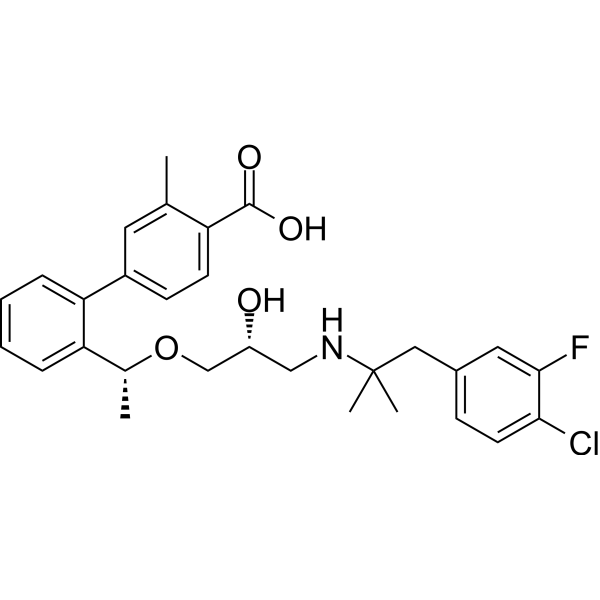
Evocalcet (KHK7580) is an orally active calcium sensing receptor (CaSR) agonist. Evocalcet inhibits the secretion of parathyroid hormone (PTH) from parathyroid gland cells. Evocalcet can be used for the research of hyperparathyroidism .
|
-
-
- HY-14401
-
|
CLTX-305; JTT-305; MK-5442
|
CaSR
Thyroid Hormone Receptor
|
Metabolic Disease
Inflammation/Immunology
|
|
Encaleret (CLTX-305) is an orally active antagonist of the calcium-sensing receptor (CaSR), with an IC50 of 12 nM. Encaleret exerts its effect by inhibiting the excessive activity of functional gain-of-function CaSR variants, and can restore blood calcium levels, promote the secretion of parathyroid hormone, improve magnesium and phosphorus metabolism, and increase urinary calcium excretion. Encaleret can be used in the research of diseases such as osteoporosis and autosomal dominant hypocalcemia type 1 .
|
-
-
- HY-13995A
-
|
|
FXR
|
Metabolic Disease
Endocrinology
|
|
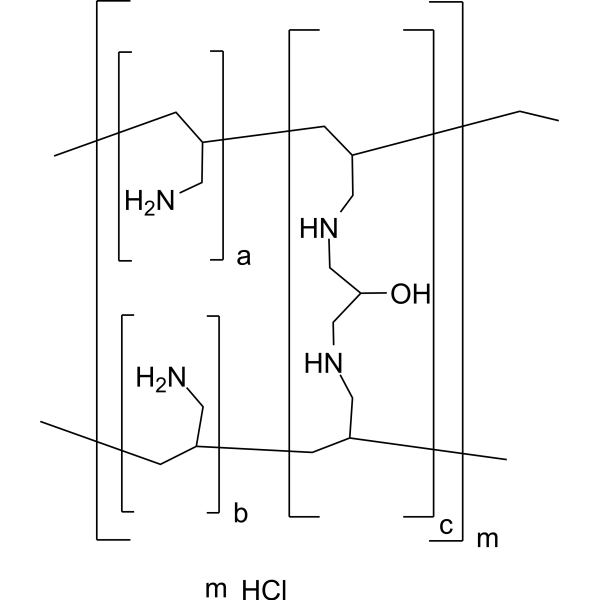
Sevelamer hydrochloride is an orally active polymeric phosphate binder and bile acid sequestrant. Sevelamer hydrochloride binds dietary phosphate in the gastrointestinal tract, reducing phosphate absorption and serum phosphorus levels, and reduces urinary phosphate excretion. Sevelamer hydrochloride binds polyanion bile acids, increases bile acid faecal excretion, and reduces total cholesterol and LDL cholesterol levels. Sevelamer hydrochloride can be used for the research of hyperphosphataemia, hyperparathyroidism, chronic renal failure, kidney disease, and type 2 diabetes .
|
-
-
- HY-N2582
-
|
Phytin
|
Endogenous Metabolite
|
Metabolic Disease
|
|
Calcium phytate (Phytin) is an insoluble phosphorus-containing compound widely present in plant-based foods such as cereals and legumes. Calcium phytate can be found in feces and can alleviate lead poisoning .
|
-
-
- HY-B1200
-
|
2-PAM chloride
|
Cholinesterase (ChE)
|
Neurological Disease
|
|
Pralidoxime chloride is a potent reactivator of acetylcholinesterase (AChE). Pralidoxime chloride reactivates nerve agent-inhibited AChE via direct nucleophilic attack by the oxime moiety on the phosphorus center of the bound nerve agent. Pralidoxime chloride is an antidote for organophosphate poisoning .
|
-
-
- HY-13995B
-
|
|
FXR
|
Metabolic Disease
Endocrinology
|
|
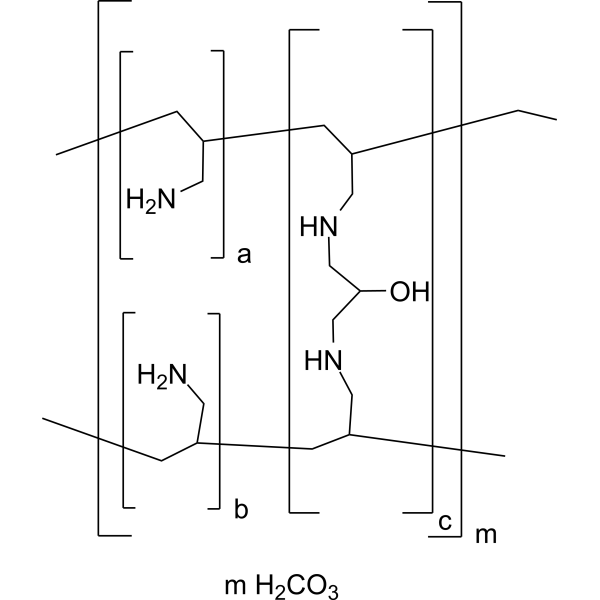
Sevelamer carbonate is an orally active polymeric phosphate binder and bile acid sequestrant. Sevelamer carbonate binds dietary phosphate in the gastrointestinal tract, reducing phosphate absorption and serum phosphorus levels, and reduces urinary phosphate excretion. Sevelamer carbonate binds polyanion bile acids, increases bile acid faecal excretion, and reduces total cholesterol and LDL cholesterol levels. Sevelamer carbonate can be used for the research of hyperphosphataemia, hyperparathyroidism, chronic renal failure, kidney disease, and type 2 diabetes .
|
-
-
- HY-107929
-
|
Poly(styrenesulfonic acid) calcium salt
|
Potassium Channel
|
Metabolic Disease
|
|
Calcium polystyrene sulfonate (Poly(styrenesulfonic acid) calcium salt) is an orally active potassium-lowering agent. Calcium polystyrene sulfonate binds potassium in the distal colon in exchange for Ca 2+. Calcium polystyrene sulfonate can be used for the research of hyperkalemia in chronic kidney disease .
|
-
-
- HY-118159
-
|
DPPP
|
Fluorescent Dye
|
Others
|
|
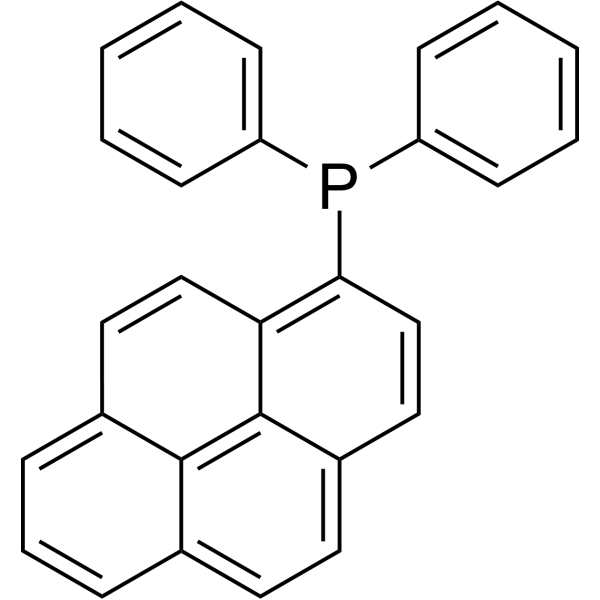
Diphenyl-1-pyrenylphosphine (DPPP) is a functional organic molecule with both fluorescent properties and metal coordination ability, which is commonly used in materials and coordination chemistry research. Upon exposure to ultraviolet light, Diphenyl-1-pyrenylphosphine undergoes photoinduced phosphorus atom oxidation to form O-DPPP, triggering a transition from aggregation-induced emission (AIE) to aggregation-caused quenching (ACQ). Diphenyl-1-pyrenylphosphine reacts stoichiometrically with lipid hydroperoxides to produce fluorescent diphenyl-1-pyrenylphosphine oxide. Diphenyl-1-pyrenylphosphine can insert into cell membranes to monitor lipid peroxidation processes in living cells .
|
-
-
- HY-B1738A
-
|
|
Cholinesterase (ChE)
|
Neurological Disease
|
|
Pralidoxime iodide is a potent reactivator of acetylcholinesterase (AChE). Pralidoxime iodide reactivates nerve agent-inhibited AChE via direct nucleophilic attack by the oxime moiety on the phosphorus center of the bound nerve agent. Pralidoxime iodide is an antidote for organophosphate poisoning .
|
-
-
- HY-W111692
-
|
|
Biochemical Assay Reagents
|
Others
|
|
Sodium polyphosphate, crystal,+200 mesh, 96% is an inorganic polyphosphate that also serves as a stabilizer, dispersant, chelating agent, and coacervate-forming agent. Sodium polyphosphate provides electrostatic stabilization for mineral and material suspensions, but its dispersing efficacy decreases under acidic pH, high temperature, high calcium concentration, or a combination of these conditions. Sodium polyphosphate can chelate alkaline earth metals, reduce solution pH, and alter the rate of pH decline at a divalent cation/phosphorus molar ratio of 0.18. Sodium polyphosphate forms coacervates with smaller divalent cations and precipitates with larger divalent cations, where the functional requirements of cations depend on polyphosphate concentration, average degree of polymerization, and cation type .
|
-
-
- HY-W088069
-
|
|
Biochemical Assay Reagents
|
Others
|
|
Dipotassium hydrogen phosphate trihydrate, which is commonly used as a buffer and source of phosphorus and potassium in various applications, such as fertilizers, food processing, and pharmaceuticals, in biochemistry and molecular biology, Dipotassium hydrogen phosphate trihydrate is used in the preparation of cell culture media And reagent buffer system, in addition, it has been used in analytical chemistry as a reagent for the determination of calcium and magnesium ions in water samples.
|
-
-
- HY-N0814A
-
|
Inositol hexaphosphate dodecasodium hydrate; SNF472 dodecasodium hydrate
|
Xanthine Oxidase
Endogenous Metabolite
|
Neurological Disease
Inflammation/Immunology
|
|
Phytic acid (Inositol hexaphosphate) dodecasodium hydrate is a phosphorus storage compound of seeds and cereal grains. Phytic acid dodecasodium hydrate is known as a food inhibitor, which has a strong ability to chelate multivalent metal ions, specially zinc, calcium, iron and as with protein residue. Phytic acid dodecasodium hydrate inhibits the enzymatic superoxide source xanthine oxidase (XO), and has antioxidative, neuroprotective, anti-inflammatory effects .
|
-
-
- HY-E70015
-
|
PEPC
|
Others
|
Others
|
|
Phosphoenolpyruvate carboxylase, Microorganism (PEPC) is a carbon dioxide fixing enzyme that in an irreversible manner and in the presence of Mg 2+, converts phosphoenolpyruvate and bicarbonate into oxaloacetate and inorganic phosphorus. Phosphoenolpyruvate carboxylase catalyses the primary assimilation of CO(2) in Crassulacean acid metabolism plants. Phosphoenolpyruvate carboxylase plays a major role in setting the day-night pattern of metabolism in plants .
|
-
-
- HY-B2203
-
|
|
Phosphatase
|
Metabolic Disease
|
|
Monocalcium glycerophosphate is an inhibitor of intestinal alkaline phosphatase F3, and it has anti-cavity properties. Monocalcium glycerophosphate is a source of calcium and phosphorus in total parenteral nutrition solutions, helps prevent the mineralization and development of bones from intravenous nutrition, and maintains the integrity of the intestinal epithelium .
|
-
-
- HY-Z0155
-
|
TPPO; Triphenyl phosphorus oxide; Triphenylphosphine monoxide
|
Biochemical Assay Reagents
|
Others
|
|
Triphenylphosphine oxide is a biochemical reagent that can be used as a biological material or organic compound for life science related research.
|
-
-
- HY-B0819
-
|
|
Insecticide
|
Others
|
|
Phoxim is an organic phosphorus pesticide and widely applies worldwide for agricultural purposes .
|
-
-
- HY-70026
-
|
|
Drug Intermediate
|
Others
|
|
Tri(2-methylphenyl)phosphine is an organic phosphorus ligand that can be used as a drug intermediate to form complexes with metal salts .
|
-
-
- HY-W111522
-
|
di-Sodium hydrogen phosphite, 98%
|
Biochemical Assay Reagents
|
Others
|
|
Sodium phosphite dibasic pentahydrate, 98% (di-Sodium hydrogen phosphite, 98%) is an inorganic phosphorus source and an alkali metal salt of phosphorous acid. Sodium phosphite dibasic pentahydrate, 98% acts as a catalyst for the butanetetracarboxylic acid-based crosslinking reaction of cotton cellulose .
|
-
-
- HY-17613R
-
|
KHK7580 (Standard)
|
Reference Standards
CaSR
|
Metabolic Disease
|
|
Evocalcet (Standard) is the analytical standard of Evocalcet. This product is intended for research and analytical applications. Evocalcet (KHK7580) is an orally active calcium sensing receptor (CaSR) agonist. Evocalcet inhibits the secretion of parathyroid hormone (PTH) from parathyroid gland cells. Evocalcet can be used for the research of hyperparathyroidism .
|
-
-
- HY-Z0155R
-
|
TPPO (Standard); Triphenyl phosphorus oxide (Standard); Triphenylphosphine monoxide (Standard)
|
Biochemical Assay Reagents
Reference Standards
|
Others
|
|
Triphenylphosphine oxide (Standard) is the analytical standard of Triphenylphosphine oxide (HY-Z0155). This product is intended for research and analytical applications. Triphenylphosphine oxide is a biochemical reagent that can be used as a biological material or organic compound for life science related research.
|
-
-
- HY-13995
-
|
|
FXR
|
Metabolic Disease
Endocrinology
|
|
Sevelamer is an orally active polymeric phosphate binder and bile acid sequestrant. Sevelamer binds dietary phosphate in the gastrointestinal tract, reducing phosphate absorption and serum phosphorus levels, and reduces urinary phosphate excretion. Sevelamer binds polyanion bile acids, increases bile acid faecal excretion, and reduces total cholesterol and LDL cholesterol levels. Sevelamer can be used for the research of hyperphosphataemia, hyperparathyroidism, chronic renal failure, kidney disease, and type 2 diabetes .
|
-
-
- HY-107859S
-
|
TCEP-d12
|
Isotope-Labeled Compounds
Reactive Oxygen Species (ROS)
Apoptosis
DNA/RNA Synthesis
Calcium Channel
FXR
Toll-like Receptor (TLR)
NF-κB
SOD
Interleukin Related
TNF Receptor
|
Others
|
|
Tris(2-chloroethyl)phosphate-d12 is the deuterium labeled Tris(β-chloroethyl) phosphate. Tris(2-chloroethyl) phosphate is a widely used organic phosphorus flame retardant, mainly used as a plasticizer. Tris(2-chloroethyl) phosphate has orally active hepatotoxicity, inducing an increase in reactive oxygen species (ROS) and calcium ions (Ca²⁺) influx, a decrease in mitochondrial membrane potential (△Ψm), and causing DNA damage and cell apoptosis. Tris(2-chloroethyl) phosphate directly binds to FXR, inducing obesity and the formation of fatty liver in mice. Chloroethyl) phosphate activates the TLR4/NF-κB pathway, triggering liver inflammation.
|
-
-
- HY-W170614
-
|
|
Endogenous Metabolite
|
Others
|
|
Citramalic acid is an organic acid and soil phosphorus-solubilizing agent. Citramalic acid can be secreted by beet roots, and low phosphorus conditions promote its secretion .
|
-
-
- HY-W017115
-
|
Thio-p-anisamide
|
Drug Metabolite
|
Others
|
|
4-Methoxybenzenecarbothioamide is a synthetic intermediate useful for pharmaceutical synthesis, which can be synthesized by 4-methoxy benzamide and phosphorus pentasulfide reactions .
|
-
-
- HY-119438
-
|
|
Insecticide
|
Others
|
|
Aspon is an organophosphorus insecticide. Aspon can be utilized as phosphorus sources by bacteria .
|
-
-
- HY-17653
-
|
|
Others
|
Others
|
|
Morpholino A phosphoramidite is a nucleoside group that can be used to synthesize amino phosphorus oligonucleotides .
|
-
-
- HY-Y0319C1
-
|
Calcium acetate (Pharmaceutical primary standard, USP)
|
Biochemical Assay Reagents
|
Metabolic Disease
|
|
Calcium acetate, United States Pharmacopeia (USP) Reference Standard (Calcium acetate (Pharmaceutical primary standard, USP)), a phosphate binder that can reduce phosphorus content, United States Pharmacopeia (USP) reference standard .
|
-
-
- HY-B1738
-
|
|
Cholinesterase (ChE)
|
Neurological Disease
|
|
Pralidoxime is a potent reactivator of acetylcholinesterase (AChE). Pralidoxime reactivates nerve agent-inhibited AChE via direct nucleophilic attack by the oxime moiety on the phosphorus center of the bound nerve agent. Pralidoxime is an antidote for organophosphate poisoning .
|
-
-
- HY-N0814B
-
|
Inositol hexaphosphate hexasodium; SNF472
|
Xanthine Oxidase
Endogenous Metabolite
|
Neurological Disease
Inflammation/Immunology
|
|
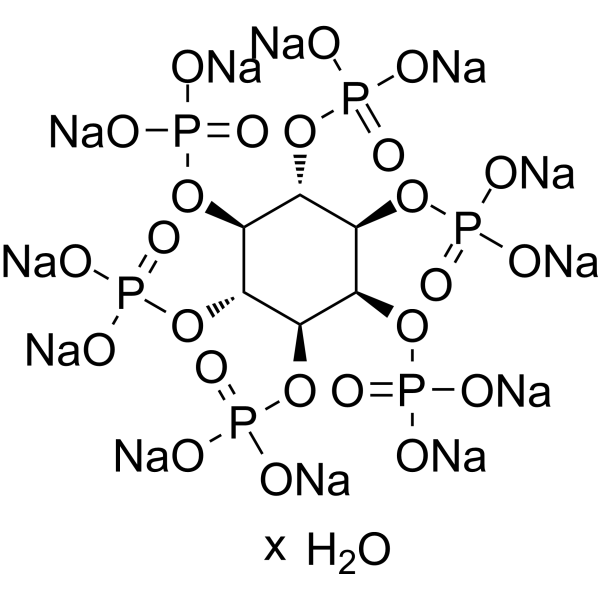
Phytic acid (Inositol hexaphosphate) hexasodium is a phosphorus storage compound of seeds and cereal grains. Phytic acid hexasodium has a strong ability to chelate multivalent metal ions, specially zinc, calcium, iron and as with protein residue. Phytic acid hexasodium inhibits the enzymatic superoxide source xanthine oxidase (XO), and has antioxidative, neuroprotective, anti-inflammatory effects.
|
-
-
- HY-179182A
-
-
-
- HY-157359
-
|
|
Biochemical Assay Reagents
|
Others
|
|
Bacterial Organophosphorus Medium can be used to determine the efficiency of phosphorus bacteria in decomposing organic phosphorus in phosphorus bacteria fertilizers. Bacterial Organophosphorus Medium ingredients include glucose, ammonium sulfate, yeast extract, sodium chloride, potassium chloride, magnesium sulfate, ferrous sulfate, manganese sulfate, lecithin, calcium carbonate, agar .
|
-
-
- HY-B1979
-
|
OMS 214; Dicapthon; ENT 17035
|
Insecticide
|
Others
|
Isochlorothion is an organic phosphorus pesticide .
|
-
-
- HY-P3183
-
|
Diisopropylfluorophosphatase
|
Biochemical Assay Reagents
|
Others
|
|
Organophosphorus acid anhydrolase (Diisopropylfluorophosphatase) is a hydrolase that target phosphoanhydride bonds of organophosphate compounds such as phosphorus-halide and phosphoruscyanide .
|
-
-
- HY-B0639C
-
|
WR2721 sodium
|
MDM-2/p53
HIF/HIF Prolyl-Hydroxylase
|
Neurological Disease
|
|
Amifostine sodium (WR2721 sodium) is a phosphorus sulfate with radioprotective activity. Amifostine sodium can cause splenic vasodilation and may block autonomic ganglia. Amifostine sodium is clinically used to prevent cisplatin-induced ototoxicity .
|
-
-
- HY-W758414
-
|
|
Isotope-Labeled Compounds
Insecticide
|
Others
|
|
Phoxim-d5 (phenyl-d5) (mixture of isomers) is the deuterium labeled Phoxim (HY-B0819). Phoxim is an organic phosphorus pesticide and widely applies worldwide for agricultural purposes .
|
-
-
- HY-B1200R
-
|
2-PAM chloride (Standard)
|
Reference Standards
Cholinesterase (ChE)
|
Neurological Disease
|
|
Pralidoxime (chloride) (Standard) is the analytical standard of Pralidoxime (chloride). This product is intended for research and analytical applications. Pralidoxime chloride is a potent reactivator of acetylcholinesterase (AChE). Pralidoxime chloride reactivates nerve agent-inhibited AChE via direct nucleophilic attack by the oxime moiety on the phosphorus center of the bound nerve agent. Pralidoxime chloride is an antidote for organophosphate poisoning .
|
-
-
- HY-W746269
-
|
|
Drug Derivative
|
Metabolic Disease
|
|
KCA 098 is an orally active benzofuroquinoline derivative. KCA 098 can inhibit bone resorption and stimulat bone formation of chick embryo. KCA 098 can increase calcium and phosphorus content as well as the amount of force required to break the femur from ovariectomized rats. KCA 098 can be used for the research of bone diseases .
|
-
-
- HY-W010902
-
|
Dicalcium 1,6-di-O-phosphonato-L-tagatose
|
Endogenous Metabolite
ATP Synthase
|
Metabolic Disease
|
|
Calcium fructose diphosphate (Dicalcium 1,6-di-O-phosphonato-L-tagatose) is a crucial intermediate in the glycolysis process and is closely related to ATP synthesis. Calcium fructose diphosphate can be used to regulate calcium and phosphorus balance, protect myocardial tissue from ischemia/reperfusion injury, counteract the effects of alcohol, and serve as a safer source of phosphate in parenteral nutrition .
|
-
-
- HY-179182B
-
-
-
- HY-N13756
-
|
|
Bacterial
Reactive Oxygen Species (ROS)
SOD
|
Infection
Neurological Disease
|
|
Deoxymikanolide is an orally active antibacterial agent that inhibits catalase (CAT), peroxidase (POD), and superoxide dismutase (SOD) activities. Deoxymikanolide increases glycan metabolism, phosphorus metabolism, electric conductivity, intrabacterial reactive oxygen species (ROS) levels, and malondialdehyde (MDA) levels, causes cell shrinkage, cytoplasmic damage, and cell disruption in Ralstonia solanacearum. Deoxymikanolide inhibits Acetic acid-induced writhing in mice. Deoxymikanolide can be used for the research of bacterial wilt .
|
-
-
- HY-E71033
-
|
|
Transglutaminase
|
Others
|
|
Biotinylated transglutaminase, Human (EC 2.3.2.13) belongs to the family of transferases, specifically those transferring phosphorus-containing groups (phosphotransferases) with a phosphate group as acceptor.
|
-
-
- HY-E71033A
-
|
|
Transglutaminase
|
Others
|
|
Biotinylated transglutaminase, Human, Proenzyme (EC 2.3.2.13) belongs to the family of transferases, specifically those transferring phosphorus-containing groups (phosphotransferases) with a phosphate group as acceptor.
|
-
-
- HY-D3219
-
|
|
Fluorescent Dye
|
Others
|
|
Ctrl-CPF1 is a control dye for Copper Phosphorus Fluor 1 (CPF1), which exhibits no metal-dependent fluorescence response and shows no reactivity toward Cu + .
|
-
-
- HY-P2865A
-
|
|
Guanylate Cyclase
|
Metabolic Disease
|
|
Guanylate Kinase, Porcine (EC 2.7.4.8), is an enzyme that transfers phosphorus-containing groups (phosphotransferases) using phosphate groups as acceptors. Guanylate Kinase is involved in purine metabolism. Its two substrates are ATP and GMP, and its two products are ADP and GDP.
|
-
-
- HY-B1738B
-
|
|
Cholinesterase (ChE)
|
Neurological Disease
|
|
Pralidoxime methanesulfonate is a potent reactivator of acetylcholinesterase (AChE). Pralidoxime methanesulfonate reactivates nerve agent-inhibited AChE via direct nucleophilic attack by the oxime moiety on the phosphorus center of the bound nerve agent. Pralidoxime methanesulfonate is an antidote for organophosphate poisoning .
|
-
-
- HY-148479
-
|
|
Biochemical Assay Reagents
|
Infection
|
|
Bixalomer is a phosphate binder. Bixalomer can improve hyperphosphatemia in chronic kidney disease (CKD) rat model. Bixalomer reduces plasma phosphorus level in CKD rat models through binding phosphate in small intestine and reduces phosphate absorption. Bixalomer can be studied in research on hyperphosphatemia .
|
-
-
- HY-E70912
-
|
|
Thymidylate Synthase
|
Metabolic Disease
|
|
Prokaryotic thymidylate kinase (EC 2.7.4.9) is an enzyme that transfers phosphorus-containing groups (phosphotransferases) using phosphate groups as acceptors. Prokaryotic thymidylate kinase participates in pyrimidine metabolism. Its two substrates are ATP and dTMP, and its two products are ADP and dTDP.
|
-
-
- HY-E71062
-
|
|
Biochemical Assay Reagents
|
Others
|
|
(2,3-Dihydroxybenzoyl)adenylate synthase (EC 2.7.7.58) belongs to the family of transferases, specifically those transferring phosphorus-containing nucleotide groups (nucleotidyltransferases) .(2,3-Dihydroxybenzoyl)adenylate synthase (EC 2.7.7.58) participates in biosynthesis of siderophore group nonribosomal.
|
-
-
- HY-B1738AR
-
|
|
Cholinesterase (ChE)
Reference Standards
|
Neurological Disease
|
|
Pralidoxime (iodide) (Standard) is the analytical standard of Pralidoxime (iodide). This product is intended for research and analytical applications. Pralidoxime iodide is a potent reactivator of acetylcholinesterase (AChE). Pralidoxime iodide reactivates nerve agent-inhibited AChE via direct nucleophilic attack by the oxime moiety on the phosphorus center of the bound nerve agent. Pralidoxime iodide is an antidote for organophosphate poisoning .
|
-
- HY-E71040
-
|
|
Biochemical Assay Reagents
|
Others
|
|
Cyclohexanone Monooxygenase, Acinetobacter sp. (EC 1.14.13.22) is a versatile oxygenation catalyst. Cyclohexanone Monooxygenase, Acinetobacter sp. (EC 1.14.13.22) uses the bound FAD-4a-OOH oxygenating intermediate to initiate transfer of oxygen to electrophilic substrate sites. Cyclohexanone Monooxygenase, Acinetobacter sp. (EC 1.14.13.22) is also capable of oxygenating at nitrogen, trivalent phosphorus, and boron sites in boronic acids.
|
-
- HY-14401B
-
|
CLTX-305 sodium; JTT-305 sodium; MK-5442 sodium
|
CaSR
Thyroid Hormone Receptor
|
Metabolic Disease
|
|
Encaleret (CLTX-305) sodium is an orally active antagonist of the calcium-sensing receptor (CaSR), with an IC50 of 12 nM. Encaleret sodium exerts its effect by inhibiting the excessive activity of functional gain-of-function CaSR variants, and can restore blood calcium levels, promote the secretion of parathyroid hormone, improve magnesium and phosphorus metabolism, and increase urinary calcium excretion. Encaleret sodium can be used in the research of diseases such as osteoporosis and autosomal dominant hypocalcemia type 1 .
|
-
- HY-W009690
-
|
Tetraacetylethylenediamine; TAED
|
|
Others
|
|
N,N,N',N'-Tetraacetylethylenediamine (Tetraacetylethylenediamine; TAED) is a disinfectant and bleach activator. N,N,N',N'-Tetraacetylethylenediamine is a common bleach activator in phosphorus-free laundry detergent formulations, which acts to activate sodium perborate and improve bleaching efficiency at low temperatures. N,N,N',N'-Tetraacetylethylenediamine reacts with sodium percarbonate in water to produce peracetic acid with strong oxidative bactericidal activity. This reaction is environmentally friendly, and the final degradation products are sodium carbonate, acetic acid, ammonia, carbon dioxide, oxygen and water .
|
-
| Cat. No. |
Product Name |
Type |
-
- HY-118159
-
|
DPPP
|
Fluorescent Dyes
|
|
Diphenyl-1-pyrenylphosphine (DPPP) is a functional organic molecule with both fluorescent properties and metal coordination ability, which is commonly used in materials and coordination chemistry research. Upon exposure to ultraviolet light, Diphenyl-1-pyrenylphosphine undergoes photoinduced phosphorus atom oxidation to form O-DPPP, triggering a transition from aggregation-induced emission (AIE) to aggregation-caused quenching (ACQ). Diphenyl-1-pyrenylphosphine reacts stoichiometrically with lipid hydroperoxides to produce fluorescent diphenyl-1-pyrenylphosphine oxide. Diphenyl-1-pyrenylphosphine can insert into cell membranes to monitor lipid peroxidation processes in living cells .
|
-
- HY-D3219
-
|
|
Fluorescent Dyes
|
|
Ctrl-CPF1 is a control dye for Copper Phosphorus Fluor 1 (CPF1), which exhibits no metal-dependent fluorescence response and shows no reactivity toward Cu + .
|
| Cat. No. |
Product Name |
Type |
-
- HY-W111692
-
|
|
Biochemical Assay Reagents
|
|
Sodium polyphosphate, crystal,+200 mesh, 96% is an inorganic polyphosphate that also serves as a stabilizer, dispersant, chelating agent, and coacervate-forming agent. Sodium polyphosphate provides electrostatic stabilization for mineral and material suspensions, but its dispersing efficacy decreases under acidic pH, high temperature, high calcium concentration, or a combination of these conditions. Sodium polyphosphate can chelate alkaline earth metals, reduce solution pH, and alter the rate of pH decline at a divalent cation/phosphorus molar ratio of 0.18. Sodium polyphosphate forms coacervates with smaller divalent cations and precipitates with larger divalent cations, where the functional requirements of cations depend on polyphosphate concentration, average degree of polymerization, and cation type .
|
-
- HY-70026
-
|
|
Biochemical Assay Reagents
|
|
Tri(2-methylphenyl)phosphine is an organic phosphorus ligand that can be used as a drug intermediate to form complexes with metal salts .
|
-
- HY-W111522
-
|
di-Sodium hydrogen phosphite, 98%
|
Biochemical Assay Reagents
|
|
Sodium phosphite dibasic pentahydrate, 98% (di-Sodium hydrogen phosphite, 98%) is an inorganic phosphorus source and an alkali metal salt of phosphorous acid. Sodium phosphite dibasic pentahydrate, 98% acts as a catalyst for the butanetetracarboxylic acid-based crosslinking reaction of cotton cellulose .
|
-
- HY-Y0319C1
-
|
Calcium acetate (Pharmaceutical primary standard, USP)
|
Biochemical Assay Reagents
|
|
Calcium acetate, United States Pharmacopeia (USP) Reference Standard (Calcium acetate (Pharmaceutical primary standard, USP)), a phosphate binder that can reduce phosphorus content, United States Pharmacopeia (USP) reference standard .
|
-
- HY-179182A
-
|
|
Biochemical Assay Reagents
|
|
Hoagland Nutrient Solution (Phosphorus-Free, Calcium nitrate-Free) is a nutrient solution for hydroponics of plants .
|
-
- HY-157359
-
|
|
Biochemical Assay Reagents
|
|
Bacterial Organophosphorus Medium can be used to determine the efficiency of phosphorus bacteria in decomposing organic phosphorus in phosphorus bacteria fertilizers. Bacterial Organophosphorus Medium ingredients include glucose, ammonium sulfate, yeast extract, sodium chloride, potassium chloride, magnesium sulfate, ferrous sulfate, manganese sulfate, lecithin, calcium carbonate, agar .
|
-
- HY-179182B
-
|
|
Biochemical Assay Reagents
|
|
Hoagland Nutrient Solution (Phosphorus deficiency, Calcium nitrate-Free) is a nutrient solution for hydroponics of plants .
|
| Cat. No. |
Product Name |
Category |
Target |
Chemical Structure |
-
- HY-N2582
-
-
-
- HY-N0814A
-
|
Inositol hexaphosphate dodecasodium hydrate; SNF472 dodecasodium hydrate
|
other families
Ketones, Aldehydes, Acids
Plants
Endogenous metabolite
Source Classification
|
Xanthine Oxidase
Endogenous Metabolite
|
|
Phytic acid (Inositol hexaphosphate) dodecasodium hydrate is a phosphorus storage compound of seeds and cereal grains. Phytic acid dodecasodium hydrate is known as a food inhibitor, which has a strong ability to chelate multivalent metal ions, specially zinc, calcium, iron and as with protein residue. Phytic acid dodecasodium hydrate inhibits the enzymatic superoxide source xanthine oxidase (XO), and has antioxidative, neuroprotective, anti-inflammatory effects .
|
-
-
- HY-W170614
-
-
-
- HY-N0814B
-
|
Inositol hexaphosphate hexasodium; SNF472
|
other families
Ketones, Aldehydes, Acids
Plants
Source Classification
|
Xanthine Oxidase
Endogenous Metabolite
|
|
Phytic acid (Inositol hexaphosphate) hexasodium is a phosphorus storage compound of seeds and cereal grains. Phytic acid hexasodium has a strong ability to chelate multivalent metal ions, specially zinc, calcium, iron and as with protein residue. Phytic acid hexasodium inhibits the enzymatic superoxide source xanthine oxidase (XO), and has antioxidative, neuroprotective, anti-inflammatory effects.
|
-
-
- HY-N13756
-
-
| Cat. No. |
Product Name |
Chemical Structure |
-
- HY-107859S
-
|
|
|
Tris(2-chloroethyl)phosphate-d12 is the deuterium labeled Tris(β-chloroethyl) phosphate. Tris(2-chloroethyl) phosphate is a widely used organic phosphorus flame retardant, mainly used as a plasticizer. Tris(2-chloroethyl) phosphate has orally active hepatotoxicity, inducing an increase in reactive oxygen species (ROS) and calcium ions (Ca²⁺) influx, a decrease in mitochondrial membrane potential (△Ψm), and causing DNA damage and cell apoptosis. Tris(2-chloroethyl) phosphate directly binds to FXR, inducing obesity and the formation of fatty liver in mice. Chloroethyl) phosphate activates the TLR4/NF-κB pathway, triggering liver inflammation.
|
-
-
- HY-W758414
-
|
|
|
Phoxim-d5 (phenyl-d5) (mixture of isomers) is the deuterium labeled Phoxim (HY-B0819). Phoxim is an organic phosphorus pesticide and widely applies worldwide for agricultural purposes .
|
-
| Cat. No. |
Product Name |
|
Classification |
-
- HY-W088069
-
|
|
|
pH Modifiers
|
|
Dipotassium hydrogen phosphate trihydrate, which is commonly used as a buffer and source of phosphorus and potassium in various applications, such as fertilizers, food processing, and pharmaceuticals, in biochemistry and molecular biology, Dipotassium hydrogen phosphate trihydrate is used in the preparation of cell culture media And reagent buffer system, in addition, it has been used in analytical chemistry as a reagent for the determination of calcium and magnesium ions in water samples.
|
Your information is safe with us. * Required Fields.
Inquiry Information
- Product Name:
- Cat. No.:
- Quantity:
- MCE Japan Authorized Agent:

