
1. Search Result
Search Result
Results for "

preference

" in MedChemExpress (MCE) Product Catalog:

80

Inhibitors & Agonists

1

Screening Libraries

6

Peptides

11

Natural
Products

7

Isotope-Labeled Compounds

1

Oligonucleotides

Cat. No. Product Name Target Research Areas Chemical Structure
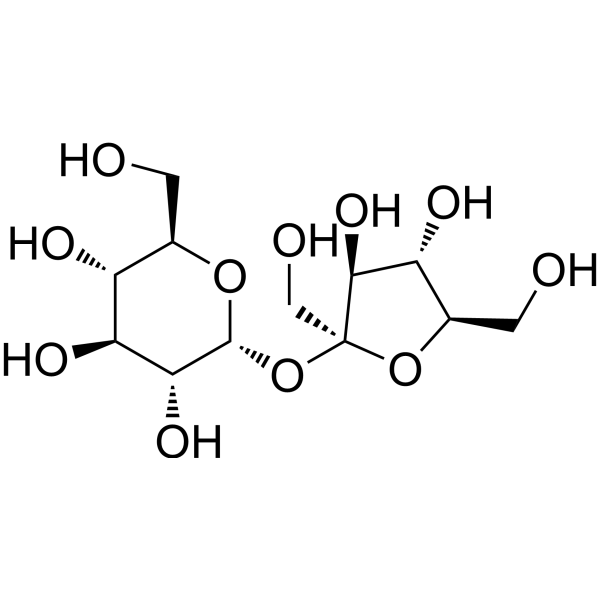
  • HY-B1779
    Sucrose
    5+ Cited Publications

    D-(+)-Saccharose

    Environmental Pollutants Endogenous Metabolite Metabolic Disease Cancer
    Sucrose (D-(+)-Saccharose) is a disaccharide which is composed of two monosaccharides, glucose and fructose. Sucrose can be applied in some animal models, including metabolic disease, obesity, diet on preference, and diabetes, et al .
    Sucrose
  • HY-108677
    L-368,899 hydrochloride
    5+ Cited Publications

    Oxytocin Receptor Endocrinology
    L-368,899 hydrochloride is a potent, selective, orally bioavailable, non-peptide oxytocin receptor antagonist, with IC50s of 8.9 nM and 26 nM for rat uterus and human uterus oxytocin receptor, respectively. L-368,899 hydrochloride used as a tocolytic agent .
    L-368,899 hydrochloride
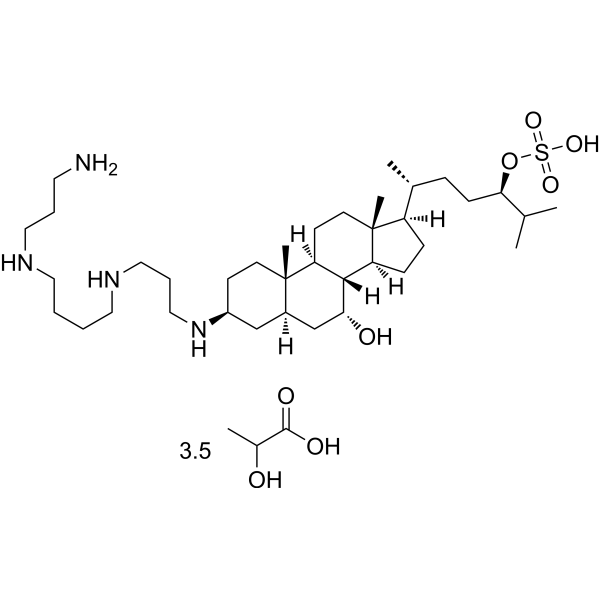
  • HY-12219A
    MSI-1436 lactate
    5+ Cited Publications

    Trodusquemine lactate; Aminosterol-1436 lactate

    Phosphatase Endocrinology
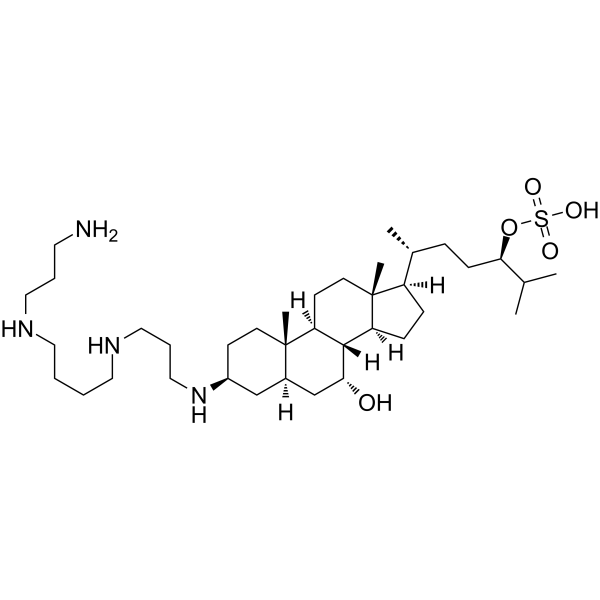
    MSI-1436 lactate is a selective, non-competitive inhibitor of the enzyme protein-tyrosine phosphatase 1B (PTP1B), with an IC50 of 1 μM, 200-fold preference over TCPTP (IC50 of 224 μM).
    MSI-1436 lactate
  • HY-141438
    SIM1
    1 Publications Verification

    PROTACs Epigenetic Reader Domain Cancer
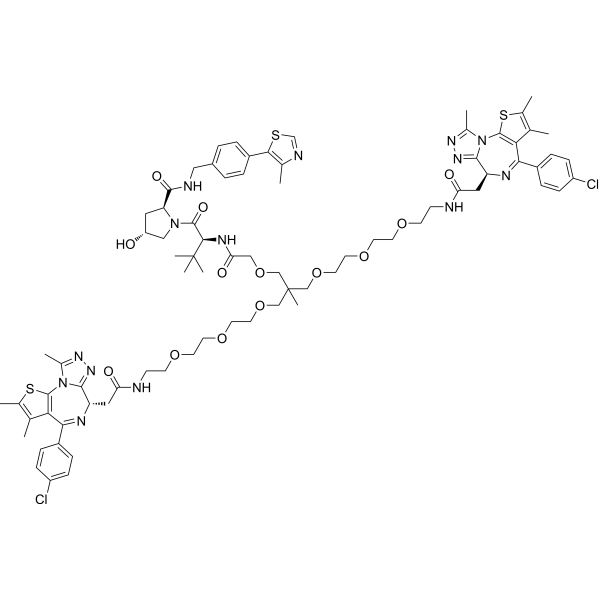
    SIM1 is a potent von Hippel-Lindau (VHL)-based trivalent PROTAC capable of degradation for all BET family members, with preference for BRD2 degradation (IC50=1.1 nM; Kd=186 nM). SIM1 shows sustained anti-cancer activity .
    SIM1
  • HY-W014901

    BPF; 4,4'-Dihydroxydiphenylmethane

    Reactive Oxygen Species (ROS) Akt GSK-3 Apoptosis Cardiovascular Disease Neurological Disease Metabolic Disease Endocrinology
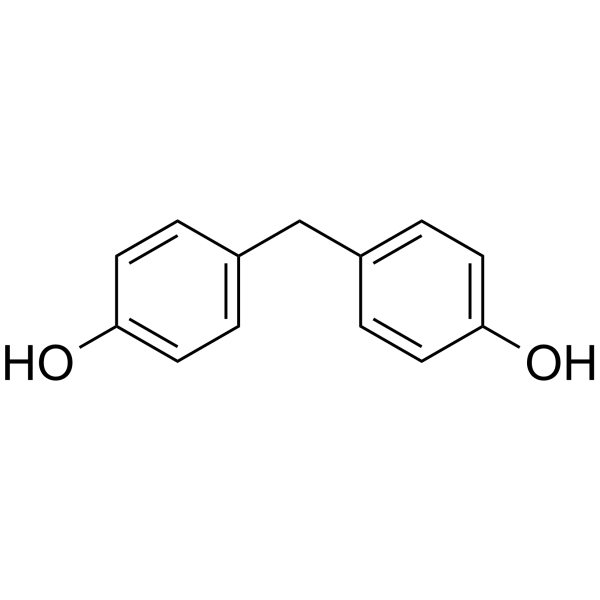
    Bisphenol F is an orally active endocrine disruptor. Bisphenol F promotes ROS generation, upregulates p-AKT/p-GSK3β, and induces Apoptosis. Bisphenol F interferes with glucose metabolism, affects neurodevelopment and reproductive function. Bisphenol F reduces social novelty preference in mouse offspring. Bisphenol F can be used in bone, blood, and fat-related studies. Bisphenol F is used as a substitute for Bisphenol A (HY-18260) .
    Bisphenol F
  • HY-101302
    Naltriben mesylate
    2 Publications Verification

    Opioid Receptor TRP Channel Inflammation/Immunology
    Naltriben mesylate is a potent δ2-opioid receptor antagonist and a TRPM7 activator. Naltriben mesylate shows Ki values of 0.013 nM, 19 nM and 152 nM for δ, μ and κ receptors, respectively. Naltriben mesylate enhances glioblastoma cell migration and invasion. Naltriben mesylate can be used in research into neurological diseases and cancer .
    Naltriben mesylate
  • HY-145322

    Casein Kinase Molecular Glues Cancer
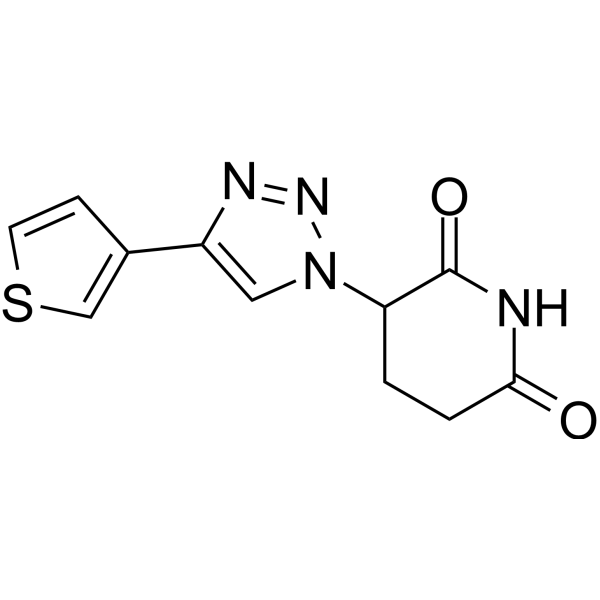
    TMX-4116 is a casein kinase 1α (CK1α) degrader. TMX-4116 shows the degradation preference for CK1α with DC50s less than 200 nM in MOLT4, Jurkat, and MM.1S cells. TMX-4116 can be used for the research of multiple myeloma .
    TMX-4116
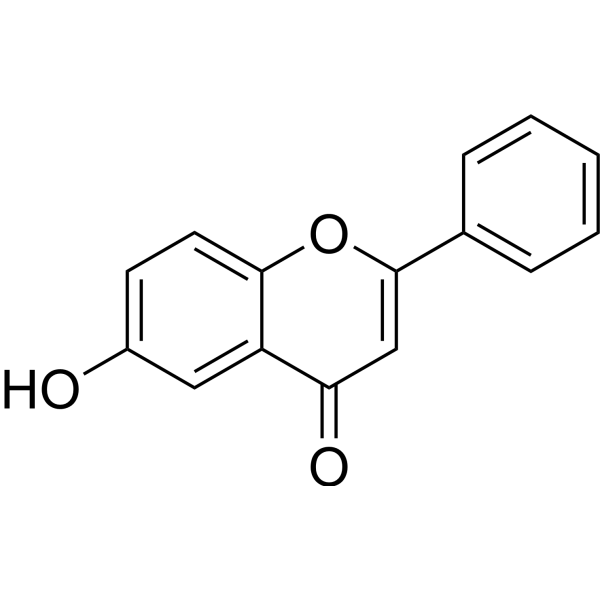
  • HY-N7110
    6-Hydroxyflavone
    2 Publications Verification

    Akt ERK JNK GABA Receptor Neurological Disease Metabolic Disease Inflammation/Immunology
    6-Hydroxyflavone is an orally effective flavonoid compound. 6-Hydroxyflavone can inhibit LPS (HY-D1056) -induced NO production and has anti-inflammatory effects. 6-Hydroxyflavone promotes osteoblast differentiation by activating AKT, ERK 1/2 and JNK signaling pathways. 6-Hydroxyflavone has an inhibitory effect on bovine hemoglobin (BHb) glycosylation. 6-Hydroxyflavone has a kidney protective effect. In addition, 6-Hydroxyflavone enhances GABA-induced current through the Benzodiazepine sites of γ-aminobutyric acid (GABAA) receptors. 6-Hydroxyflavone shows a clear preference for α2 - and α3 - subtypes, which play an anti-anxiety role .
    6-Hydroxyflavone
  • HY-B1779R

    D-(+)-Saccharose (Standard)

    Reference Standards Endogenous Metabolite Metabolic Disease Cancer
    Sucrose (Standard) is the analytical standard of Sucrose. This product is intended for research and analytical applications. Sucrose (D-(+)-Saccharose) is a disaccharide which is composed of two monosaccharides, glucose and fructose. Sucrose?can be applied in some animal models, including metabolic disease, obesity,?diet on preference,?and diabetes, et al .
    Sucrose (Standard)
  • HY-12219

    Trodusquemine; Aminosterol-1436

    Phosphatase Endocrinology
    MSI-1436 is a selective, non-competitive inhibitor of the enzyme protein-tyrosine phosphatase 1B (PTP1B), with an IC50 of appr 1 μM, 200-fold preference over TCPTP (IC50, 224 μM).
    MSI-1436
  • HY-12830

    Pim Cancer
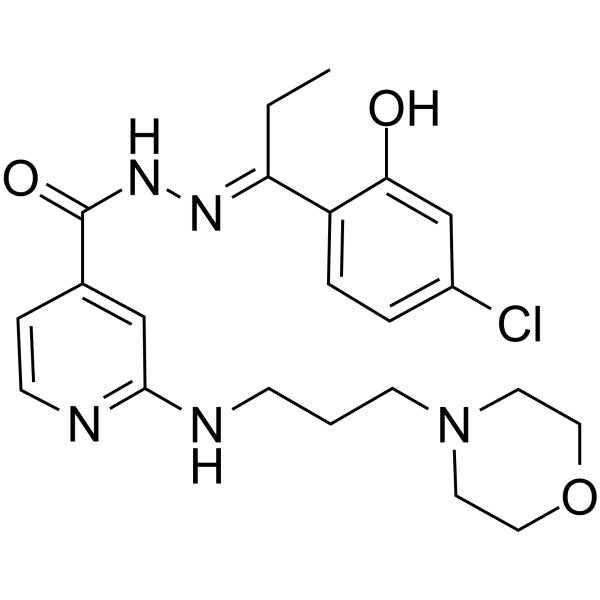
    M-110 is a highly selective, ATP-competitive inhibitor of PIM kinases with a preference for PIM-3 (IC50=47 nM). M-110 inhibits PIM-1 and PIM-2 with similar IC50s of 2.5 μM. M-110 inhibits the proliferation of prostate cancer cell lines with IC50s of 0.6 to 0.9 μM .
    M-110
  • HY-P2159

    Opioid Receptor Endogenous Metabolite Neurological Disease
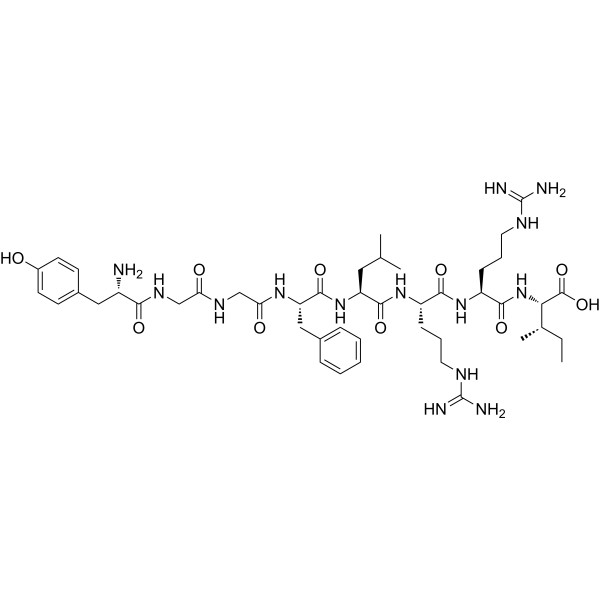
    Dynorphin A (1-8) is a ligand with preference for the κ-opioid receptor, and its IC50 value against human placental κ-opioid receptor is 330 nM. Dynorphin A (1-8) mediates neuroprotective effects by inhibiting oxidative stress, suppressing apoptosis, and competitively displacing the binding of κ partial agonists. Dynorphin A (1-8) is the dominant opioid peptide in human placental villi and tissue extracts; it undergoes rapid hydrolysis and can enter the central nervous system via intranasal administration. Dynorphin A (1-8) can be used in studies related to ischemic stroke .
    Dynorphin A (1-8)
  • HY-18707

    Ras Apoptosis Cancer
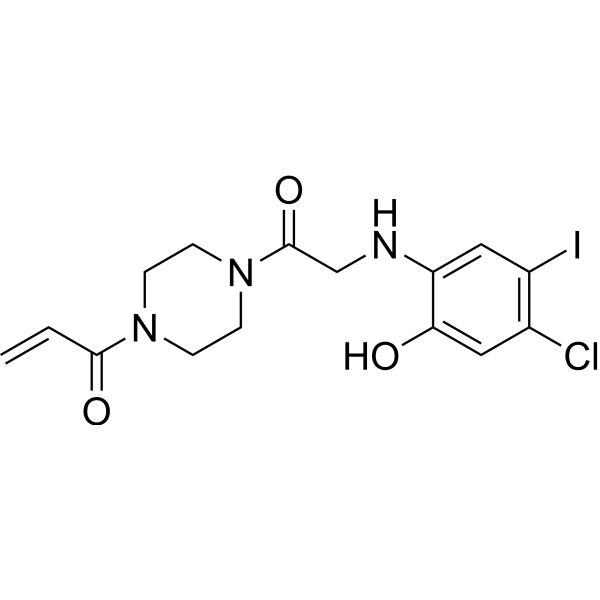
    K-Ras(G12C) inhibitor 12 is an irreversible inhibitor of K-Ras(G12C). K-Ras(G12C) inhibitor 12 can alter the nucleotide-binding preference of K-Ras and block its interaction with effector proteins. K-Ras(G12C) inhibitor 12 can reduce cell viability and induce apoptosis in lung cancer cell lines with G12C mutations. K-Ras(G12C) inhibitor 12 has anti-tumor activity .
    K-Ras(G12C) inhibitor 12
  • HY-172550

    HCN Channel Neurological Disease
    MS7710 is a hyperpolarization-activated cyclic nucleotide-gated (HCN) channel inhibitor with blood-brain barrier permeability and an excellent brain/plasma concentration ratio. MS7710 inhibits HCN channel-mediated Ih current, and reduces the firing frequency and burst activity of dopaminergic neurons in the ventral tegmental area. MS7710 ameliorates chronic social defeat stress-induced deficits in social interaction and impairments in reward-related cognitive flexibility in mice. MS7710 exerts only limited effects on ventral tegmental area dopaminergic neuron activity, social interaction, exploratory behavior, locomotor activity or sucrose preference in control mice. MS7710 is applicable to the research of major depressive disorder .
    MS7710
  • HY-145321

    Phosphodiesterase (PDE) Molecular Glues Cancer
    TMX-4100 is a selective phosphodiesterase 6D (PDE6D) degrader. TMX-4100 shows a high degradation preference for PDE6D with the DC50 values less than 200 nM in MOLT4, Jurkat, and MM.1S cells. TMX-4100 can be used for the research of multiple myeloma .
    TMX-4100
  • HY-P1284
    ZIP
    2 Publications Verification

    PKC Neurological Disease Cancer
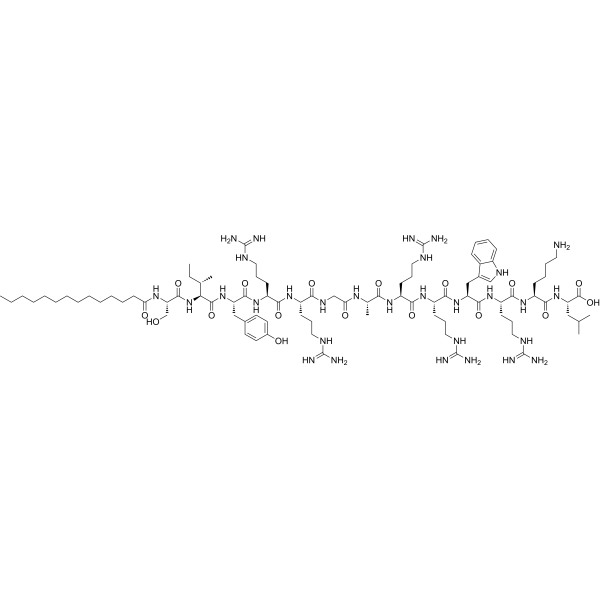
    ZIP is a selective peptide inhibitor of PKMζ. ZIP injections can block the impairment in morphine conditioned place preference induced .
    ZIP
  • HY-W768338

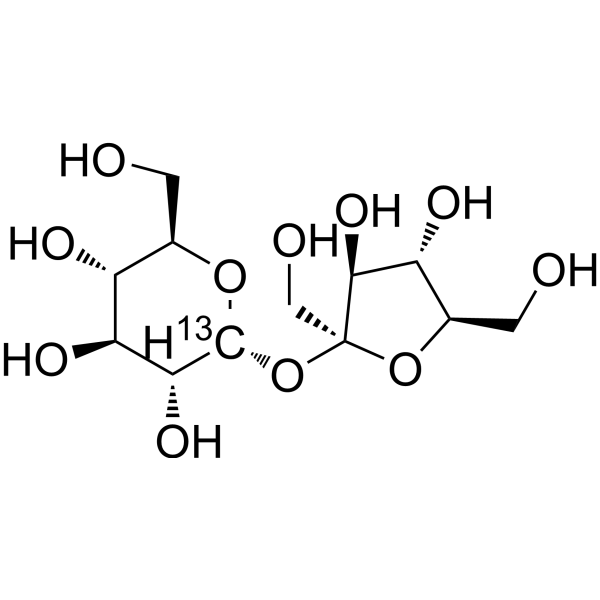
    D-(+)-Saccharose-13C

    Isotope-Labeled Compounds Metabolic Disease Cancer
    Sucrose- 13C is 13C labeled Sucrose. Sucrose (D-(+)-Saccharose) is a disaccharide which is composed of two monosaccharides, glucose and fructose. Sucrose can be applied in some animal models, including metabolic disease, obesity, diet on preference, and diabetes, et al .
    Sucrose-13C
  • HY-W768340

    D-(+)-Saccharose-13C6-1

    Isotope-Labeled Compounds Metabolic Disease Cancer
    Sucrose- 13C6-1 is 13C labeled Sucrose. Sucrose (D-(+)-Saccharose) is a disaccharide which is composed of two monosaccharides, glucose and fructose. Sucrose can be applied in some animal models, including metabolic disease, obesity, diet on preference, and diabetes, et al .
    Sucrose-13C6-1
  • HY-N8491A

    Others Others
    (+)-Dihydrocarvone elicits strong antennal responses of A. mellifera. (+)-Dihydrocarvone influences bee foraging preference for tomato .
    (+)-Dihydrocarvone
  • HY-P1480

    Neuropeptide Y (13-36), human

    Neuropeptide Y Receptor Neurological Disease Endocrinology
    Neuropeptide Y (13-36), amide, human is a selective neuropeptide Y2 receptor agonist .
    Neuropeptide Y (13-36), amide, human
  • HY-119017

    HDAC Cancer
    SB-429201 is a potent and selective HDAC1 (IC50~1.5 μM). SB-429201 displays at least a 20-fold preference for HDAC1 inhibition over HDAC3 and HDAC8 .
    SB-429201
  • HY-113316A

    Endogenous Metabolite Opioid Receptor Neurological Disease
    (±)-Salsolinol hydrochloride is the hydrochloride form of (±)-Salsolinol (HY-113316). (±)-Salsolinol hydrochloride is a Dopamine (HY-B0451)-derived endogenous metabolite. (±)-Salsolinol hydrochloride activates μ-opioid receptors (MORs), reduces GABAergic transmission, increases the excitability of dopamine (DA) neurons, and thus accelerates the sustained firing of neurons in the posterior ventral tegmental area (pVTA) .
    (±)-Salsolinol hydrochloride
  • HY-N0927

    Tetrahydrocolumbamine; (S)-Tetrahydrocolumbamine

    Dopamine Receptor Others Neurological Disease
    (-)-Isocorypalmine (Tetrahydrocolumbamine; (S)-Tetrahydrocolumbamine) is a dopamine receptor ligand and modulator capable of crossing the blood-brain barrier. (-)-Isocorypalmine exhibits receptor selectivity, acting as a partial agonist of dopamine D1 and D5 receptors (coupled via Gs proteins), as well as an antagonist of D2, D3 and D4 receptors (by blocking Gi protein-mediated signaling). (-)-Isocorypalmine shows no significant binding to various non-dopamine receptors, ion channels and transporters. (-)-Isocorypalmine is metabolically stable in vivo, effectively inhibits spontaneous and cocaine-induced hyperlocomotion, sensitization and conditioned place preference in mice, and does not induce addictive place preference when administered alone. (-)-Isocorypalmine can be used in addiction research .
    (-)-Isocorypalmine
  • HY-107600
    IQ-3
    2 Publications Verification

    JNK Inflammation/Immunology
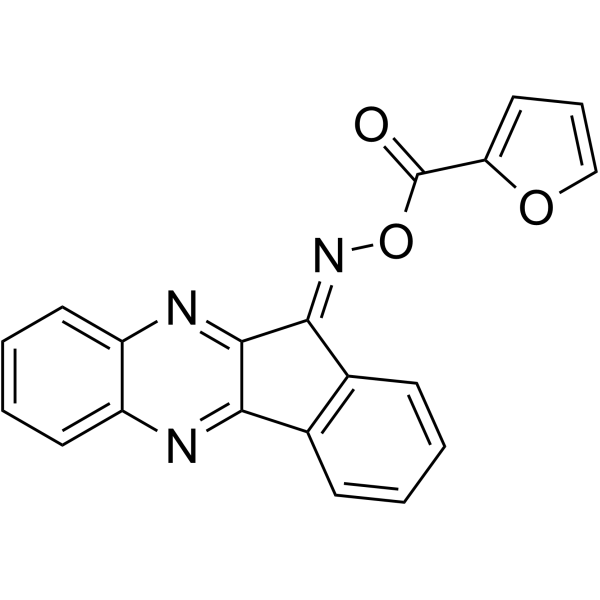
    IQ-3 is a specific inhibitor of the c-Jun N-terminal kinase (JNK) family, with preference for JNK3. IQ-3 exhibits Kd values of 0.24 μM, 0.29 μM and 0.066 μM for JNK1, JNK2 and JNK3, respectively .
    IQ-3
  • HY-116181

    Dopamine Receptor Neurological Disease
    YQA14 is a high affinity dopamine D3 receptor antagonist. YQA14 is anti-opioid addiction agent. YQA14 inhibits Morphine/Cocaine-induced conditioned place preference (CPP) in animals .
    YQA14
  • HY-B1779S5

    D-(+)-Saccharose-13C6

    Endogenous Metabolite Metabolic Disease
    Sucrose- 13C6 is the 13C labeled Sucrose . Sucrose (D-(+)-Saccharose) is a disaccharide which is composed of two monosaccharides, glucose and fructose. Sucrose can be applied in some animal models, including metabolic disease, obesity, diet on preference, and diabetes, et al .
    Sucrose-13C6
  • HY-N2086R

    Ethyl hexadecanoate (Standard)

    Reference Standards Others Others
    Ethyl palmitate (Standard) is the analytical standard of Ethyl palmitate. This product is intended for research and analytical applications. Ethyl palmitate, a fatty acid ethyl ester (FAEE), shows a marked preference for the synthesis of ethyl palmitate and ethyl oleate over other FAEEs in human subjects after ethanol consumption. Ethyl palmitate is used as a hair- and skin-conditioning agent .
    Ethyl palmitate (Standard)
  • HY-N14107

    Bacterial Endogenous Metabolite Infection
    Cinnabarin is a natural phenoxazinone red pigment derived from Pycnoporus sanguineus. Cinnabarin reduces rabies virus infection levels in neuroblastoma cells and causes cytopathic effects on neuroblastoma cell monolayers at high concentrations. Cinnabarin exhibits antibacterial activity against bacteria, with a preference for Gram-positive bacteria and human isolates. Cinnabarin can be used in studies related to rabies and drug-resistant Gram-positive bacteria .
    Cinnabarin
  • HY-137231B

    nAChR Neurological Disease
    (S)-UFR2709 (hydrochloride) is a competitive nAChR antagonist?and displays higher affinity for α4β2 nAChRs than for α7 nAChRs. (S)-UFR2709 (hydrochloride) decreases anxiety and reduces ethanol consumption and ethanol preference in alcohol-preferring rats. (S)-UFR2709 (hydrochloride) acts as an anxiolytic agent and can be used for the study of nicotine addiction .
    (S)-UFR2709 hydrochloride
  • HY-N2086S

    Ethyl hexadecanoate-d31

    Isotope-Labeled Compounds Others
    Ethyl palmitate-d31 is the deuterium labeled Ethyl palmitate. Ethyl palmitate, a fatty acid ethyl ester (FAEE), shows a marked preference for the synthesis of ethyl palmitate and ethyl oleate over other FAEEs in human subjects after ethanol consumption. Ethyl palmitate is used as a hair- and skin-conditioning agent .
    Ethyl palmitate-d31
  • HY-N7437

    Opioid Receptor DNA/RNA Synthesis Neurological Disease Inflammation/Immunology
    Akuammidine, isolated from the seeds of Picralima nitida, shows a preference for μ-opioid binding sites with Ki values of 0.6, 2.4 and 8.6 μM at μ-, σ- and κ-opioid binding sites, respectively. Akuammidine possesses anti-inflammatory and anti-asthmatic properties .
    Akuammidine
  • HY-W014901S

    BPF-13C6; 4,4'-Dihydroxydiphenylmethane-13C6

    Isotope-Labeled Compounds Reactive Oxygen Species (ROS) Akt GSK-3 Apoptosis Cardiovascular Disease Neurological Disease Metabolic Disease Endocrinology
    Bisphenol F- 13C6 is the 13C labeled Bisphenol F (HY-W014901). Bisphenol F is an orally active endocrine disruptor. Bisphenol F promotes ROS generation, upregulates p-AKT/p-GSK3β, and induces Apoptosis. Bisphenol F interferes with glucose metabolism, affects neurodevelopment and reproductive function. Bisphenol F reduces social novelty preference in mouse offspring. Bisphenol F can be used in bone, blood, and fat-related studies. Bisphenol F is used as a substitute for Bisphenol A (HY-18260) .
    Bisphenol F-13C6
  • HY-158051

    PKC Neurological Disease
    CIDD-0072424 selectively inhibits Protein Kinase C-epsilon (PKCε) (Ki=54 nM). CIDD-0072424 reduces ethanol consumption and preference in a dose-dependent manner .
    CIDD-0072424
  • HY-12645

    Histone Demethylase Cancer
    NCL1 is a phenylcyclopropylamine (PCPA)-based Lysine-specific demethylase 1 (LSD1) inhibitor. NCL1 selectively inhibits LSD1 in preference to LSD2, with IC50 values of 2.5 and 26 μM for LSD1 and LSD2, respectively .
    NCL1
  • HY-123889

    Dopamine Receptor Neurological Disease
    VK4-116 (Compound 19) is a selective Dopamine D3 receptor (D3R) antagonist with a Ki of 6.84 nM.VK4-116 significantly inhibits Oxycodone-induced hyperlocomotion and locomotor sensitization in mouse models. VK4-116 with pretreatment also inhibits the acquisition of Oxycodone-induced conditioned place preference (CPP) in rat models .
    VK4-116
  • HY-156532C

    5-HT Receptor Neurological Disease
    (-)-5-HT2C agonist-3 (compound (-)-19) is a 5-HT2C selective agonist with Gq signaling preference, with EC50 values for 5-HT2 receptors of 5-HT2C: 103 nM; 5-HT2B: 570 nM; 5-HT2A: 72 nM. (-)-5-HT2C agonist-3 can be used in antipsychotic research .
    (-)-5-HT2C agonist-3
  • HY-W014901S1

    BPF-13C12; 4,4'-Dihydroxydiphenylmethane-13C12

    Isotope-Labeled Compounds Reactive Oxygen Species (ROS) Akt GSK-3 Apoptosis Cardiovascular Disease Neurological Disease Metabolic Disease Endocrinology
    Bisphenol F- 13C12 is the 13C labeled Bisphenol F (HY-W014901). Bisphenol F is an orally active endocrine disruptor. Bisphenol F promotes ROS generation, upregulates p-AKT/p-GSK3β, and induces Apoptosis. Bisphenol F interferes with glucose metabolism, affects neurodevelopment and reproductive function. Bisphenol F reduces social novelty preference in mouse offspring. Bisphenol F can be used in bone, blood, and fat-related studies. Bisphenol F is used as a substitute for Bisphenol A (HY-18260) .
    Bisphenol F-13C12
  • HY-P1284A

    PKC Neurological Disease Cancer
    ZIP TFA is a selective peptide inhibitor of PKMζ. ZIP TFA injections can block the impairment in morphine conditioned place preference induced .
    ZIP TFA
  • HY-137231A

    nAChR Neurological Disease
    (S)-UFR2709 is a competitive nAChR antagonist and displays higher affinity for α4β2 nAChRs than for α7 nAChRs. (S)-UFR2709 decreases anxiety and reduces ethanol consumption and ethanol preference in alcohol-preferring rats. (S)-UFR2709 acts as an anxiolytic agent and can be used for the study of nicotine addiction .
    (S)-UFR2709
  • HY-134389

    N6-Phenyladenosine-3',5'-cyclic monophosphate

    PKA Cancer
    6-Phe-cAMP is a site-selective and highly membrane-permeant activator of protein kinase A (PKA), with a strong preference for site A of both isozymes. 6-Phe-cAMP can undergo phosphorothioate modification .
    6-Phe-cAMP
  • HY-W634602

    Trace Amine-associated Receptor (TAAR) Others
    (R)-RO5263397 is a TAAR 1 agonist that demonstrates efficacy in reducing cocaine-mediated behaviors, including cocaine-induced behavioral sensitization, cue- and cocaine prime-induced reinstatement of cocaine-seeking behavior, and the expression of conditioned place preference.
    (R)-RO5263397
  • HY-152632

    Cholinesterase (ChE) Neurological Disease
    BuChE-IN-7 is a highly selective inhibitor of hBuChe and eqBuChE with IC50 values of 40 nM, 80 nM respectively. BuChE-IN-7 can promote cognitive with blood-brain penetration and improves situational and phobic memory, showing preference for new things .
    BuChE-IN-7
  • HY-123807

    5-HT Receptor Neurological Disease
    JNJ-5234801 is an orally active anxiolytic that targets the 5-HT2 receptor. JNJ-5234801 increases water intake and reduces alcohol preference in rats. JNJ-5234801 could be used in studies on anxiety and alcoholism .
    JNJ-5234801
  • HY-W013353

    Endogenous Metabolite Opioid Receptor Neurological Disease
    (RS)-Salsolinol hydrobromide is the hydrobromide form of (±)-Salsolinol (HY-113316). (RS)-Salsolinol hydrobromide is a Dopamine (HY-B0451)-derived endogenous metabolite. (RS)-Salsolinol hydrobromide activates μ-opioid receptors (MORs), reduces GABAergic transmission, increases the excitability of dopamine (DA) neurons, and thus accelerates the sustained firing of neurons in the posterior ventral tegmental area (pVTA) .
    (RS)-Salsolinol hydrobromide
  • HY-118138

    DNA Alkylator/Crosslinker Cancer
    NC-182 is an anti-tumor agent and DNA intercalator with a preference for B-form DNA. NC-182 can also promote the unwinding of Z-form DNA to B-form. NC-182 has a potent inhibitory effect on multidrug-resistant and sensitive tumors.
    NC-182
  • HY-126910

    Opioid Receptor Metabolic Disease
    Mesyl Salvinorin B is a potent and selective kappa opioid receptor (KOP-r) agonist. Mesyl Salvinorin B prevents the ADE (Alcohol deprivation effect) in mice. Mesyl Salvinorin B dose-dependently reduces alcohol intake and preference in CED (chronic escalation drinking) mice .
    Mesyl Salvinorin B
  • HY-122666

    GlyT Metabolic Disease
    Org 25935 is a potent and selective glycine transporter 1 protein (GlyT1) inhibitor with an IC50 value of 100 nM. Org 25935 can decrease ethanol (EtOH) intake and EtOH preference in rats, whereas water intake is unaffected. Org 25935 can be used for researching alcohol dependence or abuse .
    Org 25935
  • HY-105058A

    14α/β-RU 24722

    Drug Derivative Neurological Disease
    14α/β-Vindeburnol (14α/β-RU 24722) a synthetic molecule derived from the eburnamine-vincamine alkaloid group, has many neuropsychopharmacological and antidepressant-like effects .
    14α/β-Vindeburnol
  • HY-170236

    NO Synthase Neurological Disease
    nNOS-IN-5 (Compound 9) is a potent human neuronal NOS (nNOS) inhibitor (Ki = 22 nM). nNOS-IN-5 exhibits excellent selectivity, with a 900-fold preference for human nNOS over human endothelial NOS (eNOS). nNOS-IN-5 can be used for neurodegenerative diseases study, such as Alzheimer's disease and Parkinson’s disease .
    nNOS-IN-5
  • HY-19917

    Histamine Receptor Neurological Disease
    JNJ-39220675 is a selective and brain-penetrating histamine H3 receptor antagonist with activity in regulating alcohol stimulation and reward. JNJ-39220675 is effective in reducing alcohol intake and preference in alcohol-preferring rats. JNJ-39220675 does not affect the ataxic effects of alcohol, the rate of alcohol elimination, or alcohol-induced nucleocapsid dopamine release .
    JNJ-39220675

Inquiry Online

Your information is safe with us. * Required Fields.

Salutation


Country or Region *

Applicant Name *


Organization Name *

Department *


Email Address *


Product Name *

Cat. No.


Requested quantity *

Phone Number *


Remarks

Inquiry Online

Inquiry Information

Product Name:
Cat. No.:
Quantity:
MCE Japan Authorized Agent:

