1. Search Result
Search Result
Results for "

presynaptic

" in MedChemExpress (MCE) Product Catalog:

97

Inhibitors & Agonists

1

Screening Libraries

1

Fluorescent Dye

11

Peptides

6

Natural
Products

17

Isotope-Labeled Compounds

Cat. No. Product Name Target Research Areas Chemical Structure
  • HY-B0495
    Lamotrigine
    5+ Cited Publications

    LTG; BW430C

    Sodium Channel Autophagy Neurological Disease Cancer
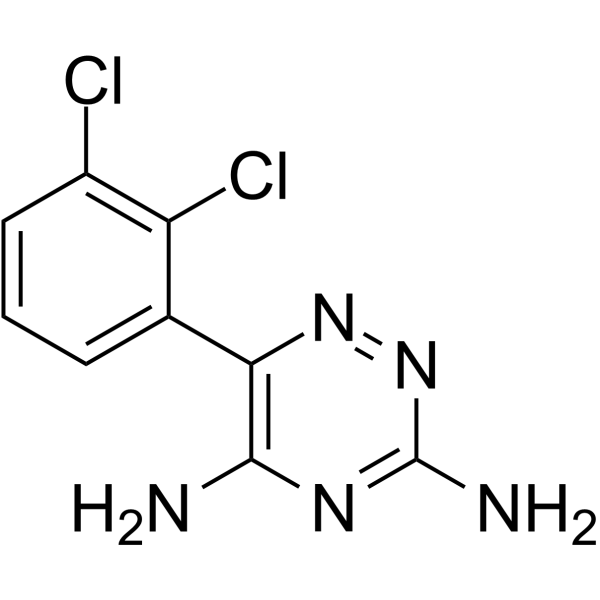
    Lamotrigine (BW430C) is a potent and orally active anticonvulsant or antiepileptic agent. Lamotrigine selectively blocks voltage-gated Na + channels, stabilizing presynaptic neuronal membranes and inhibiting glutamate release. Lamotrigine can be used for the research of epilepsy, focal seizure, et al .
    Lamotrigine
  • HY-B0007
    Baclofen
    Maximum Cited Publications
    12 Publications Verification

    GABA Receptor Neurological Disease
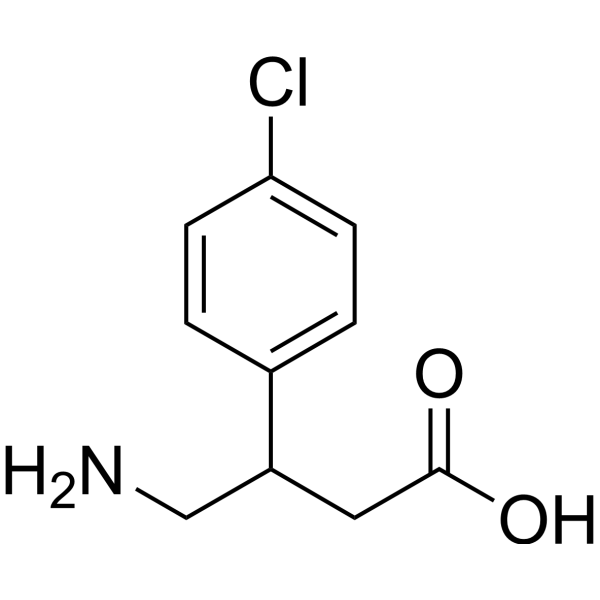
    Baclofen, a lipophilic derivative of γ-aminobutyric acid (GABA), is an orally active, selective metabotropic GABAB receptor (GABABR) agonist with blood-brain barrier permeability. Baclofen mimics the action of GABA and produces slow presynaptic inhibition through the GABAB receptor. Baclofen has high blood brain barrier penetrance. Baclofen has the potential for muscle spasticity research .
    Baclofen
  • HY-B1174

    Kanamycin B

    Antibiotic Bacterial Infection
    Bekanamycin (Kanamycin B) is an aminoglycoside antibiotic produced by Streptomyces kanamyceticus, against an array of Gram-positive and Gram-negative bacterial strain .
    Bekanamycin
  • HY-19793
    RS-1
    5+ Cited Publications

    RAD51 Cancer
    RS-1 is a RAD51 activator. RS-1 enhances the homologous recombination activity of human RAD51 by promoting the formation of active presynaptic filaments .
    RS-1
  • HY-17637

    ITI-007

    Dopamine Receptor 5-HT Receptor Neurological Disease Cancer
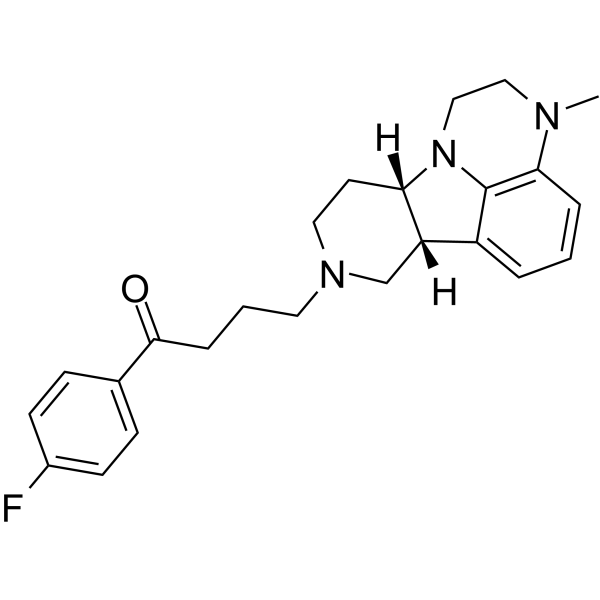
    Lumateperone (ITI-007) is an orally active 5-HT2A receptor antagonist (Ki = 0.54 nM), a partial agonist of presynaptic D2 receptors and an antagonist of postsynaptic D2 receptors (Ki = 32 nM), and a dopamine D1 receptor modulator. Lumateperone has anticancer activity and can also be used for the study of schizophrenia and bipolar depression .
    Lumateperone
  • HY-B0979
    Lobeline hydrochloride
    1 Publications Verification

    α-Lobeline hydrochloride; L-Lobeline hydrochloride

    nAChR Dopamine Transporter Neurological Disease
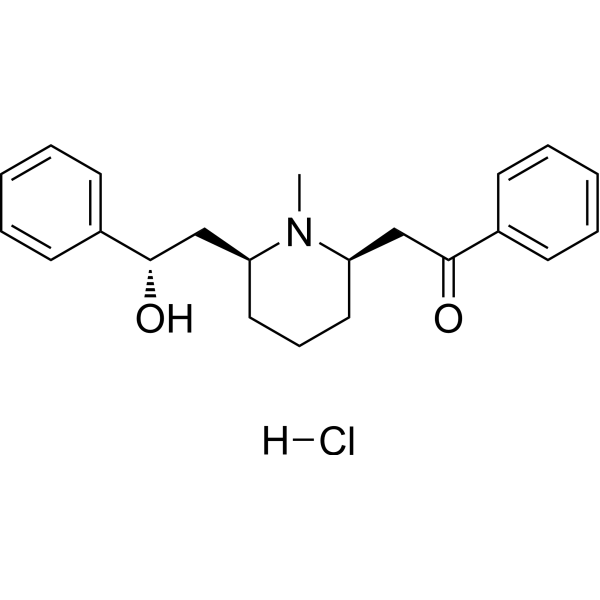
    Lobeline (α-Lobeline) hydrochloride is a brain-penetrant nicotinic receptor agonist. Lobeline hydrochloride increases dopamine (DA) release by inhibiting DA uptake into synaptic vesicles, and altering presynaptic DA storage. Lobeline hydrochloride is effective in smoking cessation .
    Lobeline hydrochloride
  • HY-19733

    ITI-007 tosylate

    5-HT Receptor Dopamine Receptor Neurological Disease Cancer
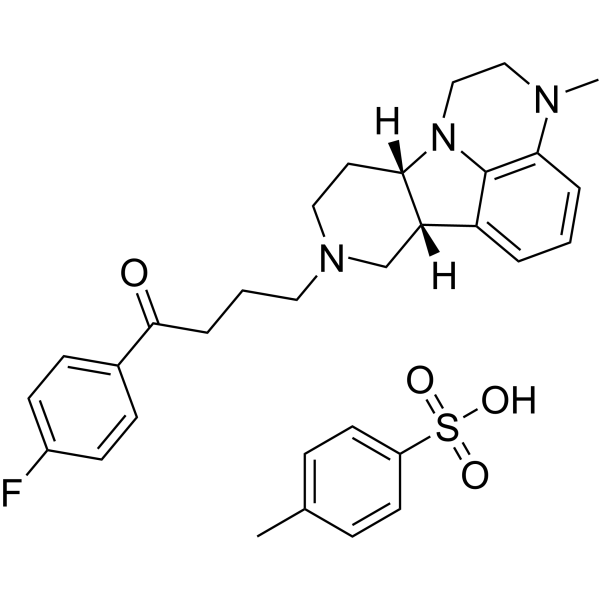
    Lumateperone (ITI-007) tosylate is a 5-HT2A receptor antagonist (Ki = 0.54 nM), a partial agonist of presynaptic D2 receptors and an antagonist of postsynaptic D2 receptors (Ki = 32 nM), and a dopamine D1 receptor modulator. Lumateperone tosylate has anticancer activity and can also be used in studies of psychiatric disorders such as schizophrenia .
    Lumateperone tosylate
  • HY-107794
    Clodronate disodium tetrahydrate
    4 Publications Verification

    Disodium clodronate tetrahydrate

    Apoptosis Neurological Disease Inflammation/Immunology Cancer
    Clodronate disodium tetrahydrate (Disodium clodronate tetrahydrate) is first-generation bisphosphonate, with anti-osteoporotic, anti-inflammatory and analgesic effects. Clodronate disodium tetrahydrate is a selective, potent, reversible and Cl - competitive vesicular nucleotide transporter (VNUT) inhibitor, with an IC50 of 15.6 nM. Clodronate disodium tetrahydrate inhibits vesicular ATP release from neurons and reduces chronic neuropathic and inflammatory pain .
    Clodronate disodium tetrahydrate
  • HY-B0194A

    Adrenergic Receptor Apoptosis Akt Wnt β-catenin Neurological Disease Endocrinology Cancer
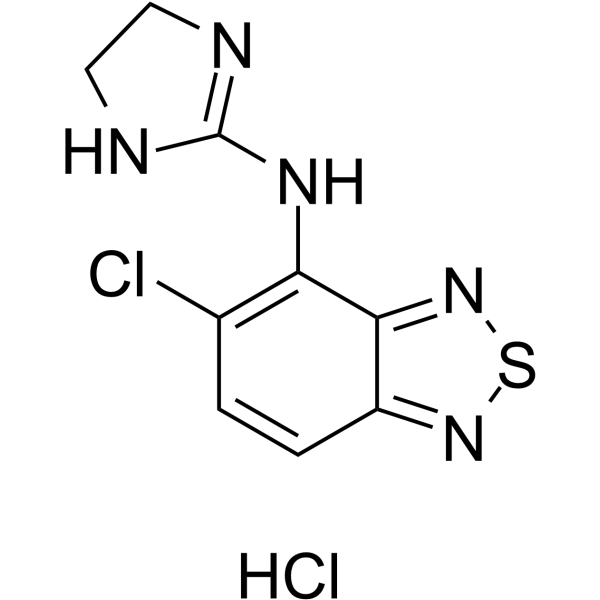
    Tizanidine hydrochloride, a skeletal muscle relaxant, is an orally effective central α2-adrenoceptor agonist (IC50 = 6.9 nmol). Tizanidine hydrochloride primarily exerts muscle relaxation effects by inhibiting the release of excitatory amino acids (glutamate and aspartate) from the presynaptic terminals of spinal cord interneurons. Tizanidine hydrochloride has anti-injury activity and can inhibit gastrointestinal (GI) transport. Tizanidine hydrochloride can inhibit the proliferation, migration, and invasion of lung cancer cells and induce cell apoptosis by upregulating Nischarin and inhibiting the AKT and Wnt3a/β-catenin signaling pathways. Tizanidine hydrochloride can be used to treat spasticity caused by diseases such as multiple sclerosis (MS), stroke, and spinal cord injury (SCI) .
    Tizanidine hydrochloride
  • HY-B0194

    Adrenergic Receptor Apoptosis Akt Wnt β-catenin Neurological Disease Endocrinology Cancer
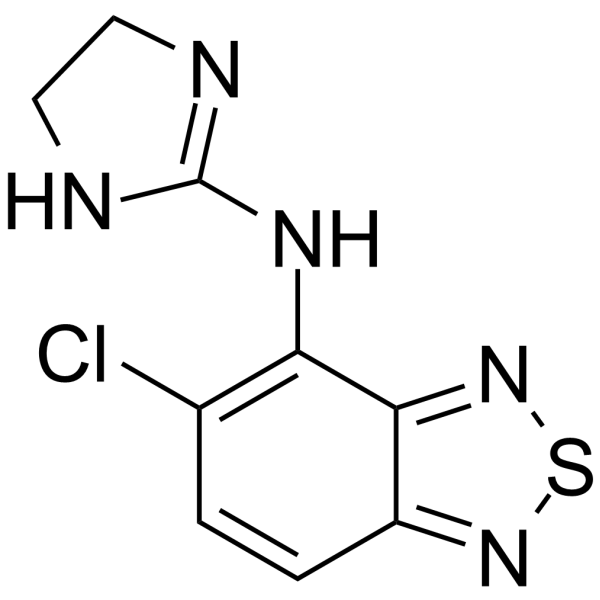
    Tizanidine, a skeletal muscle relaxant, is an orally effective central α2-adrenoceptor agonist (IC50 = 6.9 nmol). Tizanidine primarily exerts muscle relaxation effects by inhibiting the release of excitatory amino acids (glutamate and aspartate) from the presynaptic terminals of spinal cord interneurons. Tizanidine has anti-injury activity and can inhibit gastrointestinal (GI) transport. Tizanidine can inhibit the proliferation, migration, and invasion of lung cancer cells and induce cell apoptosis by upregulating Nischarin and inhibiting the AKT and Wnt3a/β-catenin signaling pathways. Tizanidine can be used to treat spasticity caused by diseases such as multiple sclerosis (MS), stroke, and spinal cord injury (SCI) .
    Tizanidine
  • HY-W052508
    Norquetiapine
    1 Publications Verification

    N-Desalkylquetiapine

    Drug Metabolite 5-HT Receptor HCN Channel Serotonin Transporter Neurological Disease
    Norquetiapine ( N-Desalkylauetiapine), a metabolite of Quetiapine (HY-14544), is a selective HCN1 channel inhibitor, with an IC50 of 13.9 μM. Norquetiapine selectively inhibits noradrenaline reuptake, is a partial 5-HT1A (Ki = 45 nM) receptor agonist, and acts as an antagonist at presynapticα2 (Ki = 237 nM), 5-HT2C(Ki = 107 nM), and 5-HT7 (Ki = 76 nM) receptors. Norquetiapine blocks the human cardiac sodium channel Nav1.5 in a state-dependent manner. Norquetiapine shows partial anti-inflammatory effects in LPS (HY-D1056) injected C57BL/6 mice. Norquetiapine can be used for the study of depression and inflammation .
    Norquetiapine
  • HY-108256

    5-HT Receptor Neurological Disease
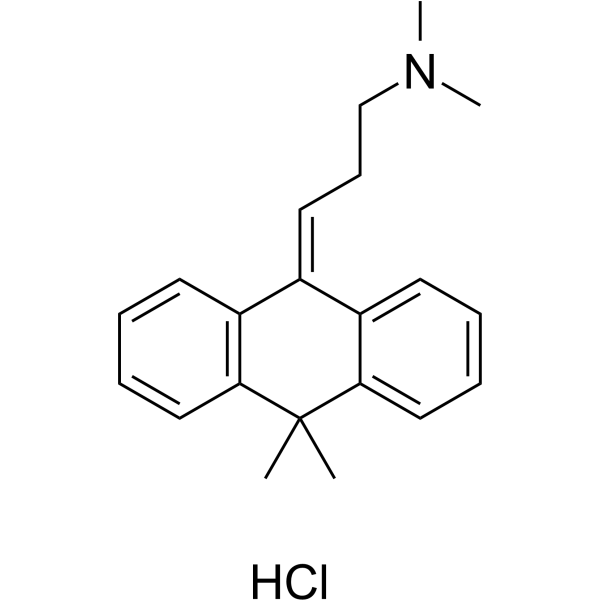
    Melitracen hydrochloride is an orally active biphasic antidepressant and antianxiety agent. Melitracen hydrochloride can inhibit the uptake of Norepinephrine and 5-HT (serotonin) through the presynaptic membrane inducing the increase of monoamine transmitters in synaptic space .
    Melitracen hydrochloride
  • HY-B0007C
    Baclofen hydrochloride
    Maximum Cited Publications
    12 Publications Verification

    GABA Receptor Neurological Disease
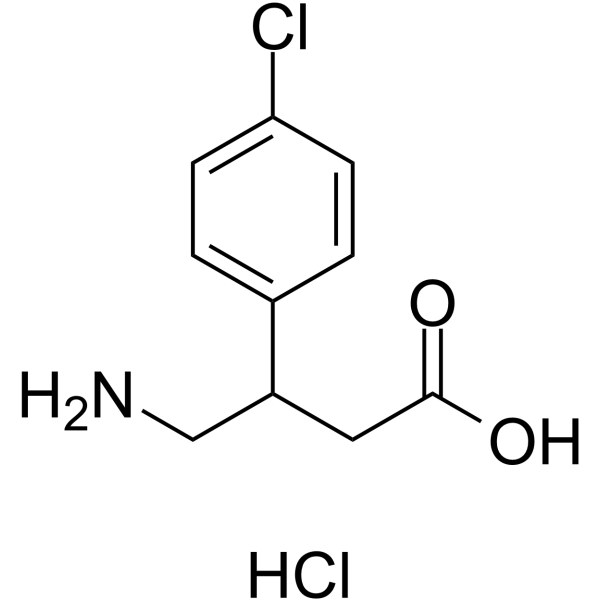
    Baclofen hydrochloride, a lipophilic derivative of γ-aminobutyric acid (GABA), is an orally active, selective metabotropic GABAB receptor (GABABR) agonist. Baclofen hydrochloride mimics the action of GABA and produces slow presynaptic inhibition through the GABAB receptor. Baclofen hydrochloride has high blood brain barrier penetrance. Baclofen hydrochloride has the potential for muscle spasticity research .
    Baclofen hydrochloride
  • HY-109009
    Padsevonil
    2 Publications Verification

    UCB-0942

    GABA Receptor Neurological Disease
    Padsevonil (UCB0942) is a potent antiepileptic agent that selectively acts on presynaptic and postsynaptic targets. Padsevonil binds to synaptic vesicular protein 2 (SV2) with high affinity. Padsevonil is also a positive allosteric modulator and partial agonist of GABAAR, with high potency against α1 and α5 receptors. Padsevonil has antiepileptic effects in a variety of rodent models .
    Padsevonil
  • HY-12498
    GV-58
    2 Publications Verification

    Calcium Channel Neurological Disease
    GV-58 is a novel N- and P/Q-type calcium (Ca 2+) channel agonist with EC50s of 7.21 and 8.81 μM, respectively. GV-58 slows the deactivation of channels, resulting in a large increase in presynaptic Ca 2+ entry during activity. GV-58 can be used in lambert-eaton myasthenic syndrome (LEMS) research .
    GV-58
  • HY-W247131
    DASPEI
    2 Publications Verification

    Fluorescent Dye Neurological Disease
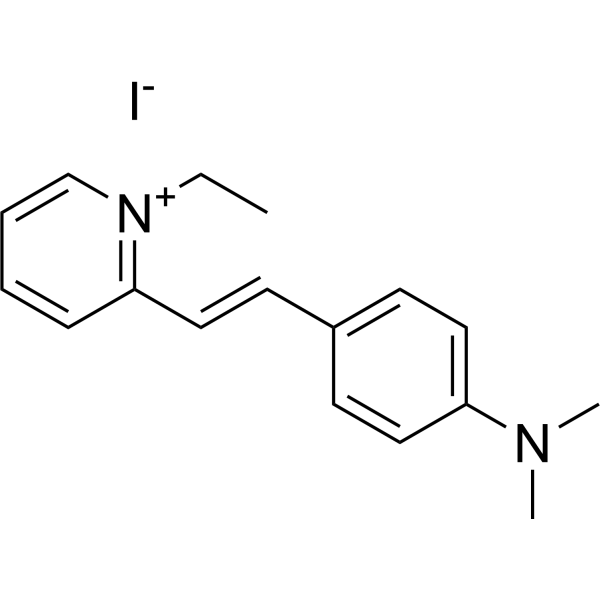
    DASPEI is a cationic styrenyl mitochondrial dye with large Stokes shift. DASPEI has excitation and emission wavelength at 550/573 nm, which has good light chromogenic property. DASPEI can stain mitochondria in living cells with good labeling property. And DASPEI can also be used to stain presynaptic nerve endings independently of neuronal activity .
    DASPEI
  • HY-14785

    NLX-112; F13640

    5-HT Receptor Neurological Disease
    Befiradol (NLX-112) is a highly selective 5-HT1A receptor agonist that acts on both presynaptic and postsynaptic sites. Befiradol attenuates fentanyl-induced respiratory depression in neonatal and adult rats. Befiradol reduces the duration of fentanyl-induced analgesia and sedation in adult rats. Befiradol can be used in studies related to opioid-induced respiratory depression .
    Befiradol
  • HY-101226

    mGluR Neurological Disease
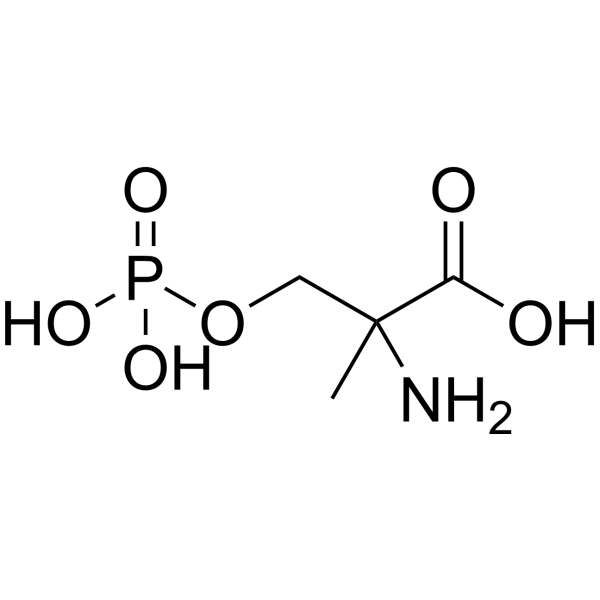
    MSOP is a selective group III metabotropic glutamate receptor antagonist with apparent KD of 51 μM for the L-AP4-sensitive presynaptic mGluR.
    MSOP
  • HY-12961A
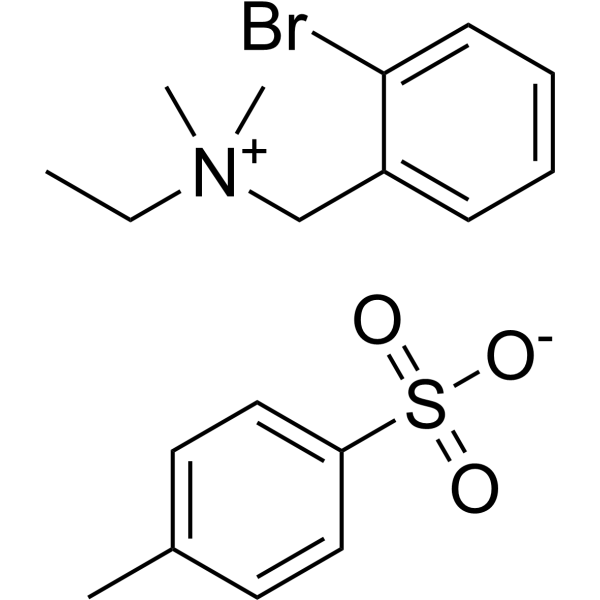
    Bretylium tosylate
    1 Publications Verification

    Adrenergic Receptor Neurological Disease
    Bretylium (tosylate) is an inhibitor of the presynaptic release of vasoconstrictor neurotransmitters.
    Bretylium tosylate
  • HY-10965

    KW-3902

    Adenosine Receptor Neurological Disease
    Rolofylline (KW-3902) is a potent, selective adenosine A1 receptor antagonist that is under development for the treatment of patients with acute congestive heart failure and renal impairment. Rolofylline is metabolized primarily to the pharmacologically active M1-trans and M1-cis metabolites by cytochrome P450 (CYP450) . Rolofylline is alleviating the presynaptic dysfunction and restores neuronal activity as well as dendritic spine levels in vitro, is an interesting candidate to combat the hypometabolism and neuronal dysfunction associated with Tau-induced neurodegenerative diseases .
    Rolofylline
  • HY-124501

    p-NH2-PE-TFMPP

    5-HT Receptor Neurological Disease
    LY 165163 is a potent 5-HT presynaptic receptor agonist. LY 165163 significantly decreases 5-HTP accumulation and increases DOPA accumulation in the cortex and striatum .
    LY 165163
  • HY-16934

    Cholinesterase (ChE) Neurological Disease
    ML352 is a noncompetitive inhibitor of the presynaptic choline transporter (CHT) with Ki values of 92 and 166 nM for HEK293 cells expressing human CHT and mouse forebrain synaptosomes, respectively .
    ML352
  • HY-110146

    mGluR Neurological Disease
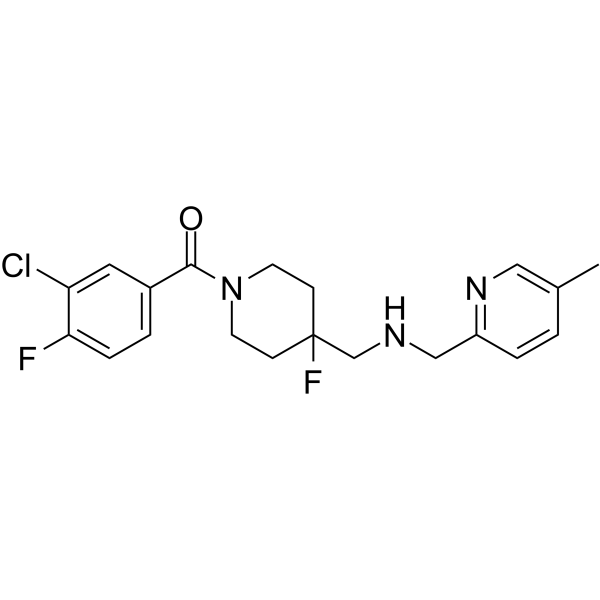
    XAP044 is a potent and selective antagonist of mGlu7. The metabotropic glutamate receptor subtype 7 (mGlu7) is an important presynaptic regulator of neurotransmission in the mammalian CNS. XAP044 demonstrates good brain exposure and wide spectrum anti-stress and antidepressant- and anxiolytic-like efficacy in rodent behavioral paradigms .
    XAP044
  • HY-B0495R
    Lamotrigine (Standard)
    5+ Cited Publications

    LTG (Standard); BW430C (Standard)

    Reference Standards Sodium Channel Neurological Disease
    Lamotrigine (Standard) is the analytical standard of Lamotrigine. This product is intended for research and analytical applications. Lamotrigine (BW430C) is a potent and orally active anticonvulsant or antiepileptic agent. Lamotrigine selectively blocks voltage-gated Na + channels, stabilizing presynaptic neuronal membranes and inhibiting glutamate release. Lamotrigine can be used for the research of epilepsy, focal seizure, et al .
    Lamotrigine (Standard)
  • HY-W795507

    Adrenergic Receptor 5-HT Receptor Neurological Disease
    Cyanopindolol is an β3-adrenoceptor antagonist. Cyanopindolol is a potent and selective antagonist at the presynaptic serotonin autoreceptor in the rat brain cortex. Cyanopindolol has binding affinity for 5-HT1A and 5-HT1B receptor (Ki: 2.1 and 3 nM respectively) .
    Cyanopindolol
  • HY-117575A

    5-HT Receptor Neurological Disease
    WAY-100135 dihydrochloride is a selective antagonist at presynaptic and postsynaptic 5-HT1A receptor, with an IC50 of 34 nM at the rat hippocampal 5-HT1A receptor. WAY-100135 dihydrochloride has potential antipsychotic properties .
    WAY-100135 dihydrochloride
  • HY-100454

    Dopamine Receptor Neurological Disease
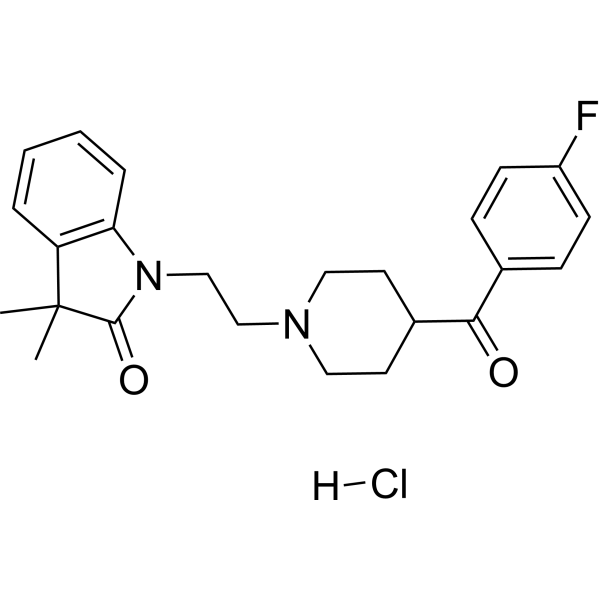
    CGP 25454A is a selective presynaptic dopamine autoreceptor antagonist which induces the increase of dopamine and acetyl choline. CGP 25454A can be used for major depression research .
    CGP 25454A
  • HY-P3089A

    Potassium Channel Others
    Dendrotoxin K TFA is a Kv1.1 channel blocker. Dendrotoxin K TFA determines glutamate release in CA3 neurons in a time-dependent manner through the control of the presynaptic spike waveform .
    Dendrotoxin K TFA
  • HY-119468

    Dopamine Transporter Neurological Disease
    Medifoxamine is an orally active monoamine reuptake inhibitor and antidepressant. Medifoxamine preferentially inhibits presynaptic dopamine reuptake. Medifoxamine acts as an intraocular pressure-lowering agent to reduce intraocular pressure, and also functions as a miotic agent to decrease pupil diameter. Medifoxamine exhibits characteristic properties of antidepressant compounds, including preventing hypothermia induced by Reserpine (HY-N0480) or Apomorphine (HY-12723), potentiating the toxic effects of Yohimbine (HY-N0127) in mice, and reducing immobility behavior in mice and rats in the "behavioral despair" model. Medifoxamine has no anticholinergic activity. Medifoxamine can be used in research related to depression .
    Medifoxamine
  • HY-P3095

    Endogenous Metabolite Neurological Disease
    α-Latrotoxin, a potent neurotoxin from black widow spider venom, triggers synaptic vesicle exocytosis from presynaptic nerve terminals .
    α-Latrotoxin
  • HY-B1423

    α-Lobeline; L-Lobeline

    nAChR Dopamine Transporter Neurological Disease
    Lobeline (α-Lobeline) is a brain-penetrant nicotinic receptor agonist. Lobeline increases dopamine (DA) release by inhibiting DA uptake into synaptic vesicles, and altering presynaptic DA storage. Lobeline is effective in smoking cessation .
    Lobeline
  • HY-P3140A

    α-synuclein Neurological Disease
    α-Synuclein (61-75) TFA is the 61-75 fragment of α-Synuclein. α-Synuclein is an abundant neuronal protein that is highly enriched in presynaptic nerve terminals. α-Synuclein is a potential biomarker for Parkinson's disease (PD) .
    α-Synuclein (61-75) TFA
  • HY-B0495S4

    LTG-13C3; BW430C-13C3

    Sodium Channel Autophagy Neurological Disease
    Lamotrigine- 13C3 is the 13C-labeled Lamotrigine. Lamotrigine (BW430C) is a potent and orally active anticonvulsant or antiepileptic agent. Lamotrigine selectively blocks voltage-gated Na+ channels, stabilizing presynaptic neuronal membranes and inhibiting glutamate release. Lamotrigine can be used for the research of epilepsy, focal seizure, et al .
    Lamotrigine-13C3
  • HY-B0194S

    Isotope-Labeled Compounds Adrenergic Receptor Apoptosis Akt Wnt β-catenin Neurological Disease Endocrinology Cancer
    Tizanidine-d4 is the deuterium labeled Tizanidine (HY-B0194). Tizanidine, a skeletal muscle relaxant, is an orally effective central α2-adrenoceptor agonist (IC50 = 6.9 nmol). Tizanidine primarily exerts muscle relaxation effects by inhibiting the release of excitatory amino acids (glutamate and aspartate) from the presynaptic terminals of spinal cord interneurons. Tizanidine has anti-injury activity and can inhibit gastrointestinal (GI) transport. Tizanidine can inhibit the proliferation, migration, and invasion of lung cancer cells and induce cell apoptosis by upregulating Nischarin and inhibiting the AKT and Wnt3a/β-catenin signaling pathways. Tizanidine can be used to treat spasticity caused by diseases such as multiple sclerosis (MS), stroke, and spinal cord injury (SCI).
    Tizanidine-d4
  • HY-W052508S

    N-Desalkylquetiapine-d8

    Isotope-Labeled Compounds Others Neurological Disease Inflammation/Immunology
    Norquetiapine-d8 (N-Desalkylquetiapine-d8) is the deuterium labeled Norquetiapine.Norquetiapine ( N-Desalkylauetiapine), a metabolite of Quetiapine (HY-14544), is a selective HCN1 channel inhibitor, with an IC50 of 13.9 μM. Norquetiapine selectively inhibits noradrenaline reuptake, is a partial 5-HT1A (Ki = 45 nM) receptor agonist, and acts as an antagonist at presynapticα2 (Ki = 237 nM), 5-HT2C(Ki = 107 nM), and 5-HT7 (Ki = 76 nM) receptors. Norquetiapine blocks the human cardiac sodium channel Nav1.5 in a state-dependent manner. Norquetiapine shows partial anti-inflammatory effects in LPS (HY-D1056) injected C57BL/6 mice. Norquetiapine can be used for the study of depression and inflammation .
    Norquetiapine-d8
  • HY-119615

    Adrenergic Receptor Neurological Disease Endocrinology
    Mezilamine is a potent antidopaminergic agent. Mezilamine induces a concentration dependent increase in the electrically stimulated overflow of 3H-noradrenaline from rat cortical slices, without affecting the basal overflow. Mezilamine acts as a presynaptic α-adrenoceptor antagonist and a postsynaptic α-adrenoceptor agonist .
    Mezilamine
  • HY-141554

    DHTBZ

    Monoamine Transporter Neurological Disease
    Dihydrotetrabenazine (DHTBZ) is the active metabolite of Tetrabenazine (HY-B0590). Dihydrotetrabenazine is the inhibitor for human vesicular monoamine transporter 2 (VMAT2), that reduces monoamine content in presynaptic neurons, and can be used in movement disorder research .
    Dihydrotetrabenazine
  • HY-P3140

    α-synuclein Neurological Disease
    α-Synuclein (61-75) is the 61-75 fragment of α-Synuclein. α-Synuclein is an abundant neuronal protein that is highly enriched in presynaptic nerve terminals. α-Synuclein is a potential biomarker for Parkinson's disease (PD) .
    α-Synuclein (61-75)
  • HY-B0495S5

    LTG-d3; BW430C-d3

    Autophagy Sodium Channel Neurological Disease
    Lamotrigine-d3 is the deuterium labeled Lamotrigine . Lamotrigine (BW430C) is a potent and orally active anticonvulsant or antiepileptic agent. Lamotrigine selectively blocks voltage-gated Na+ channels, stabilizing presynaptic neuronal membranes and inhibiting glutamate release. Lamotrigine can be used for the research of epilepsy, focal seizure, et al .
    Lamotrigine-d3
  • HY-116076

    5-HT Receptor Neurological Disease
    S-15535 is a highly selective 5-HT1A receptor ligand. S-15535 is an antagonist of postsynaptic 5-HT1A receptors and an agonist of presynaptic 5-HT1A receptors. S-15535 can be used in research on psychiatric disorders, such as anti-anxiety .
    S-15535
  • HY-B0495S3

    Autophagy Sodium Channel Neurological Disease
    Lamotrigine- 13C2, 15N is the 13C and 15N labeled Lamotrigine . Lamotrigine (BW430C) is a potent and orally active anticonvulsant or antiepileptic agent. Lamotrigine selectively blocks voltage-gated Na+ channels, stabilizing presynaptic neuronal membranes and inhibiting glutamate release. Lamotrigine can be used for the research of epilepsy, focal seizure, et al .
    Lamotrigine-13C2,15N
  • HY-109009A

    (S)-UCB-0942

    GABA Receptor Neurological Disease
    (S)-Padsevonil is the S-enantiomer of Padsevonil (HY-109009).Padsevonil (UCB0942) is a potent antiepileptic agent that selectively acts on presynaptic and postsynaptic targets. Padsevonil binds to synaptic vesicular protein 2 (SV2) with high affinity. Padsevonil is also a positive allosteric modulator and partial agonist of GABAAR, with high potency against α1 and α5 receptors. Padsevonil has antiepileptic effects in a variety of rodent models .
    (S)-Padsevonil
  • HY-W040555
    Norquetiapine dihydrochloride
    1 Publications Verification

    N-Desalkylquetiapine dihydrochloride

    Drug Metabolite 5-HT Receptor HCN Channel Serotonin Transporter Neurological Disease
    Norquetiapine ( N-Desalkylauetiapine) dihydrochloride, a metabolite of Quetiapine (HY-14544), is a selective HCN1 channel inhibitor, with an IC50 of 13.9 μM. Norquetiapine dihydrochloride selectively inhibits noradrenaline reuptake, is a partial 5-HT1A (Ki = 45 nM) receptor agonist, and acts as an antagonist at presynapticα2 (Ki = 237 nM), 5-HT2C(Ki = 107 nM), and 5-HT7 (Ki = 76 nM) receptors. Norquetiapine dihydrochloride blocks the human cardiac sodium channel Nav1.5 in a state-dependent manner. Norquetiapine dihydrochloride shows partial anti-inflammatory effects in LPS (HY-D1056) injected C57BL/6 mice. Norquetiapine dihydrochloride can be used for the study of depression and inflammation .
    Norquetiapine dihydrochloride
  • HY-17637R

    ITI-007 (Standard)

    Dopamine Receptor 5-HT Receptor Reference Standards Neurological Disease Cancer
    Lumateperone (Standard) is the analytical standard of Lumateperone. This product is intended for research and analytical applications. Lumateperone (ITI-007) is an orally active 5-HT2A receptor antagonist (Ki = 0.54 nM), a partial agonist of presynaptic D2 receptors and an antagonist of postsynaptic D2 receptors (Ki = 32 nM), and a dopamine D1 receptor modulator. Lumateperone has anticancer activity and can also be used for the study of schizophrenia and bipolar depression .
    Lumateperone (Standard)
  • HY-103518

    GABA Receptor Neurological Disease
    CGP36216 is a selective antagonist at GABA presynaptic receptor. CGP36216 binds to GABAB receptor with a Ki value of 0.3 μM. CGP36216 hydrochloride can be used for research of anxiety and trauma-related disorders .
    CGP36216
  • HY-128420

    α-Lobeline sulfate; L-Lobeline sulfate

    nAChR Dopamine Transporter Neurological Disease
    Lobeline (α-Lobeline) sulfate is a brain-penetrant nicotinic receptor agonist. Lobeline sulfate increases dopamine (DA) release by inhibiting DA uptake into synaptic vesicles, and altering presynaptic DA storage. Lobeline sulfate is effective in smoking cessation .
    Lobeline sulfate
  • HY-110032
    Lamotrigine isethionate
    5+ Cited Publications

    LTG isethionate; BW430C isethionate

    Sodium Channel Autophagy Neurological Disease Cancer
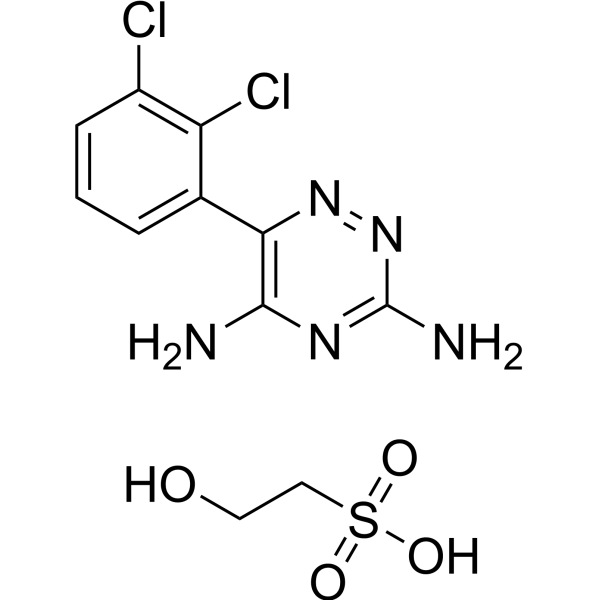
    Lamotrigine (BW430C) isethionate is a potent and orally active anticonvulsant or antiepileptic agent. Lamotrigine isethionate selectively blocks voltage-gated Na + channels, stabilizing presynaptic neuronal membranes and inhibiting glutamate release. Lamotrigine isethionate can be used for the research of epilepsy, focal seizure, et al .
    Lamotrigine isethionate
  • HY-B0979R

    α-Lobeline hydrochloride (Standard); L-Lobeline hydrochloride (Standard)

    Reference Standards nAChR Dopamine Transporter Neurological Disease
    Lobeline (hydrochloride) (Standard) is the analytical standard of Lobeline (hydrochloride). This product is intended for research and analytical applications. Lobeline (α-Lobeline) hydrochloride is a brain-penetrant nicotinic receptor agonist. Lobeline hydrochloride increases dopamine (DA) release by inhibiting DA uptake into synaptic vesicles, and altering presynaptic DA storage. Lobeline hydrochloride is effective in smoking cessation .
    Lobeline hydrochloride (Standard)
  • HY-14785A

    NLX-112 hydrochloride; F 13640 hydrochloride

    5-HT Receptor Neurological Disease Metabolic Disease
    Befiradol (NLX-112) hydrochloride is a highly selective 5-HT1A receptor agonist that acts on both presynaptic and postsynaptic sites. Befiradol hydrochloride attenuates fentanyl-induced respiratory depression in neonatal and adult rats. Befiradol reduces the duration of fentanyl-induced analgesia and sedation in adult rats. Befiradol hydrochloride can be used in studies related to opioid-induced respiratory depression .
    Befiradol hydrochloride
  • HY-164703

    Drug Metabolite Dopamine Receptor 5-HT Receptor Neurological Disease
    Lumateperone metabolite 1 (Formula T) is a metabolite of Lumateperone (HY-17637) . Lumateperone (ITI-007) is an orally active 5-HT2A receptor antagonist (Ki = 0.54 nM), a partial agonist of presynaptic D2 receptors and an antagonist of postsynaptic D2 receptors (Ki = 32 nM), and a dopamine D1 receptor modulator
    Lumateperone metabolite 1

Inquiry Online

Your information is safe with us. * Required Fields.

Salutation


Country or Region *

Applicant Name *


Organization Name *

Department *


Email Address *


Product Name *

Cat. No.


Requested quantity *

Phone Number *


Remarks

Inquiry Online

Inquiry Information

Product Name:
Cat. No.:
Quantity:
MCE Japan Authorized Agent:

