Search Result
Results for "
protectant
" in MedChemExpress (MCE) Product Catalog:
3
Biochemical Assay Reagents
4
Isotope-Labeled Compounds
| Cat. No. |
Product Name |
Target |
Research Areas |
Chemical Structure |
-
- HY-N1132
-
|
D-Trehalose; α,α-Trehalose
|
Endogenous Metabolite
|
Metabolic Disease
|
|
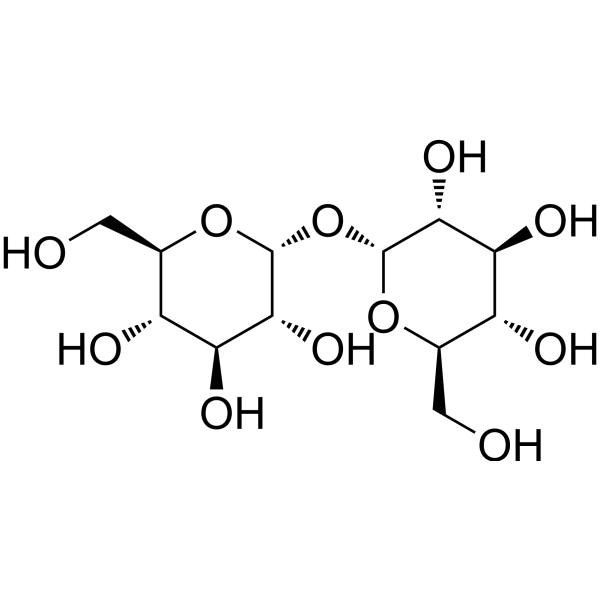
D-(+)-Trehalose (α,α-Trehalose) is an orally active disaccharide, showing anti-desiccant and cryopreservative activities. D-(+)-Trehalose acts as an osmolyte, and stress protectant and helps in the storage and transport of carbon. D-(+)-Trehalose can be used as a food ingredient and pharmaceutical excipient .
|
-
-
- HY-N0303
-
|
|
Mitochondrial Metabolism
Apoptosis
|
Neurological Disease
|
|
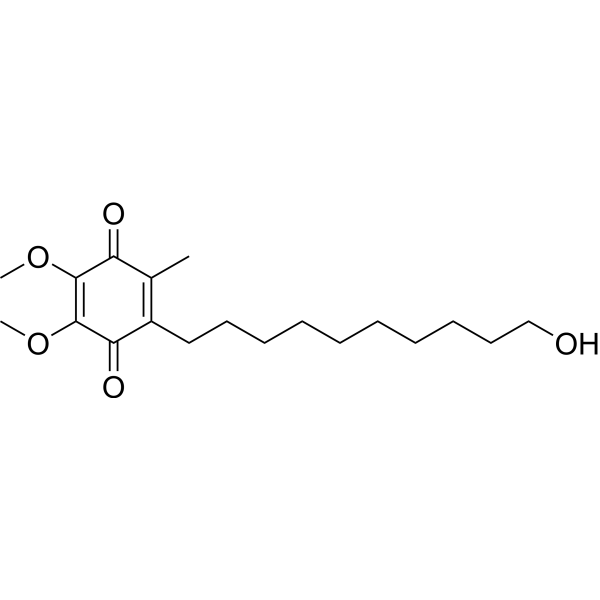
Idebenone, a well-appreciated mitochondrial protectant, exhibits protective efficacy against neurotoxicity and can be used for the research of Alzheimer's disease, Huntington's disease. Idebenone (oxidised form) has a dose-dependent inhibitory effect on the enzymatic metabolism of arachidonic acid in astroglial homogenates (IC50=16.65 μM) . Idebenone, a coenzyme Q10 analog and an antioxidant, induces apoptotic cell death in the human dopaminergic neuroblastoma SHSY-5Y cells . Idebenone quickly crosses the blood-brain barrier.
|
-
-
- HY-107784
-
|
|
Bacterial
|
Inflammation/Immunology
|
|
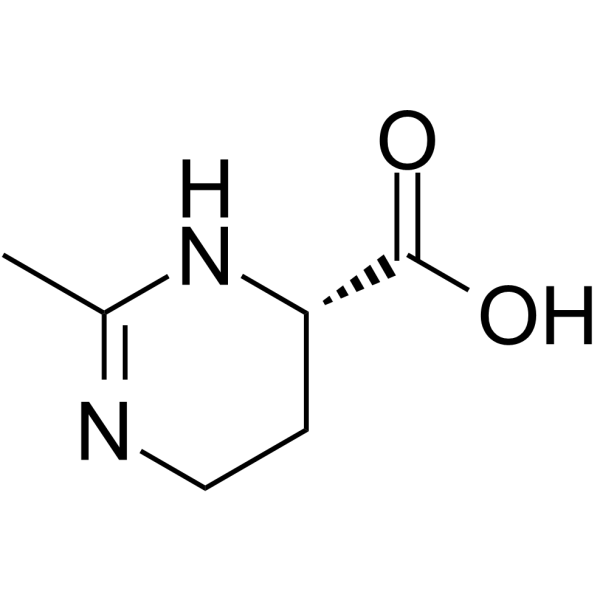
Ectoine is a natural cell protectant, an amino acid derivate produced by bacteria living under extremely harsh environmental conditions. Ectoine serves as an osmoregulatory compatible solute, increasing the hydration of the skin surface and stabilizing lipid layers, which is useful in skincare. Ectoine demonstrates a good safety profile for the treatment of allergic rhinitis .
|
-
-
- HY-112624A
-
|
Dextran 1; Dextran D1; Dextran T1(MW 800-1200)
|
Biochemical Assay Reagents
|
Others
|
|
Dextran T1 (Dextran 1; Dextran D1) (with a molecular weight of 1,000) is a dehydrated glucose polymer with an average molecular weight of 1,000. Dextran T1 (MW 1,000) has excellent biodegradability and biocompatibility, and can be used as a nanobody carrier scaffold and a freeze-drying protectant. Dextran T1 (MW 1,000) promotes the retention of circulating tumor cells in the capillary bed .
|
-
-
- HY-76201
-
|
ICRF-187 hydrochloride; ADR-529 hydrochloride; NSC-169780 hydrochloride
|
Apoptosis
Ferroptosis
|
Cardiovascular Disease
Neurological Disease
Inflammation/Immunology
Cancer
|
|
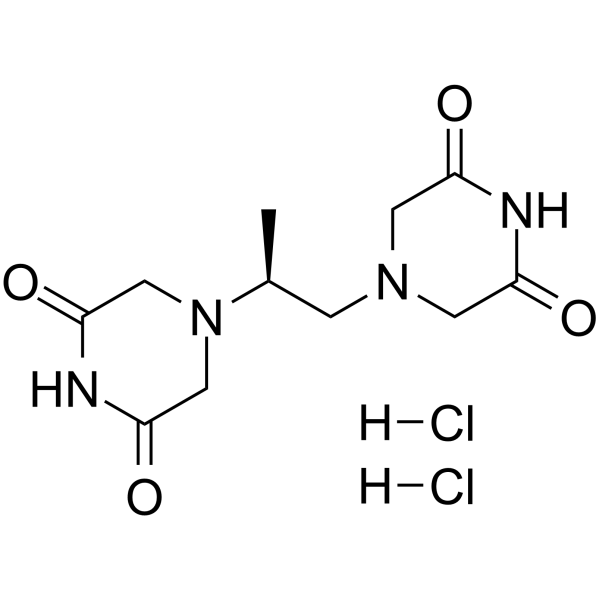
Dexrazoxane hydrochloride (ICRF-187 hydrochloride) is a heart protectant that can help preserve ovarian function and fertility. Dexrazoxane hydrochloride has antioxidant and anti-inflammatory properties, can cross the blood-brain barrier, improves motor function disorders, and offers neuroprotective effects, making it useful in the study of neurodegenerative diseases .
|
-
-
- HY-A0067
-
|
Benzophenone 3
|
Environmental Pollutants
Autophagy
RAR/RXR
Apoptosis
|
Neurological Disease
|
|
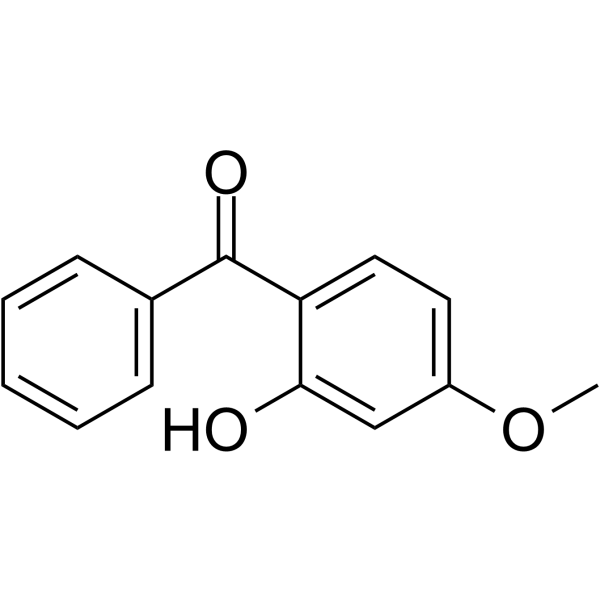
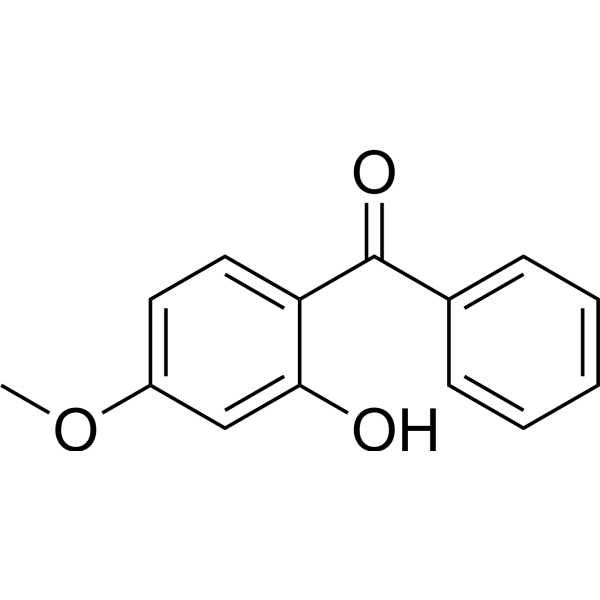
Oxybenzone (Benzophenone 3) is a commonly used UV filter in sun tans and skin protectants. Oxybenzone act as endocrine disrupting chemicals (EDCs) and can pass through the placental and blood-brain barriers. Benzophenone-3 impairs autophagy, alters epigenetic status, and disrupts retinoid X receptor signaling in apoptotic neuronal cells .
|
-
-
- HY-16772
-
|
α-Tocotrienol quinone; PTC-743; Vatiquinone; NCT04378075
|
Mitochondrial Metabolism
Ferroptosis
|
Neurological Disease
|
|
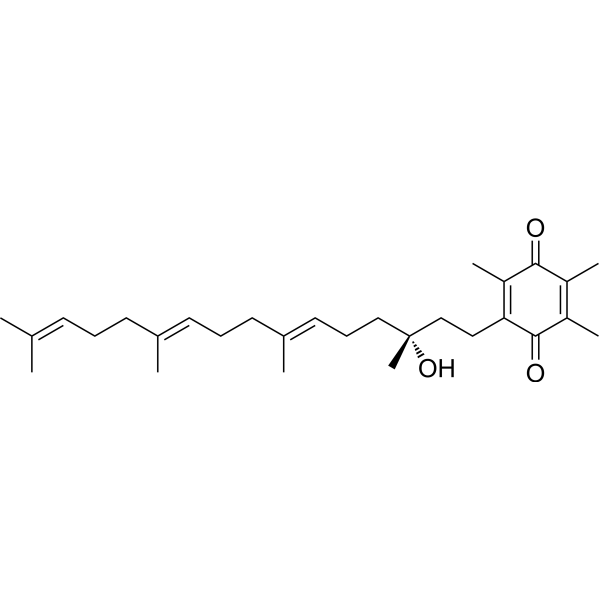
EPI-743 (Vatiquinone; α-Tocotrienol quinone; PTC-743; NCT04378075) is a potent cellular oxidative stress protectant, inhibits ferroptosis in cells, which could be used for the study for mitochondrial diseases. EPI-743 is a synthetic analog of vitamin E with oral activity, targets repletion of reduced intracellular glutathione .
|
-
-
- HY-B2064
-
-
-
- HY-N0913
-
|
|
Antifolate
Thymidylate Synthase
|
Cancer
|
|
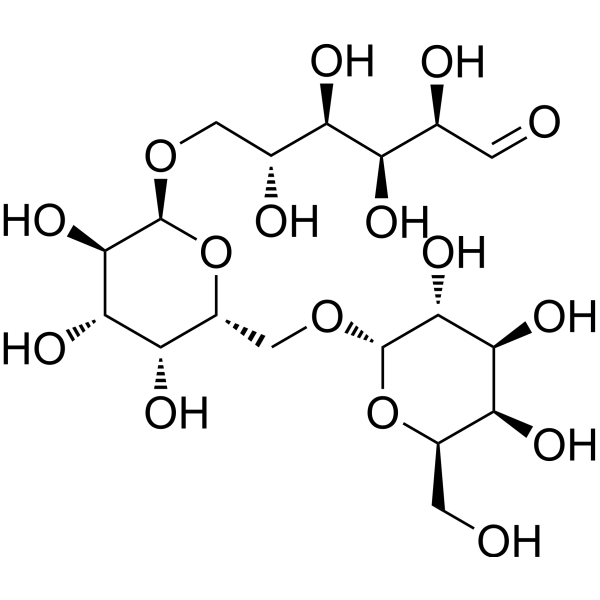
Manninotriose is a binder of dihydrofolate reductase and thymidylate synthase. Manninotriose binds to dihydrofolate reductase via hydrogen bond formation with Arg28. Manninotriose binds to thymidylate synthase via hydrogen bond formation with Arg50. Manninotriose acts as a membrane protectant and helps improve stress tolerance. Manninotriose can be used in research related to acute lymphoblastic leukemia .
|
-
-
- HY-W003165
-
|
|
Biochemical Assay Reagents
|
Others
|
|
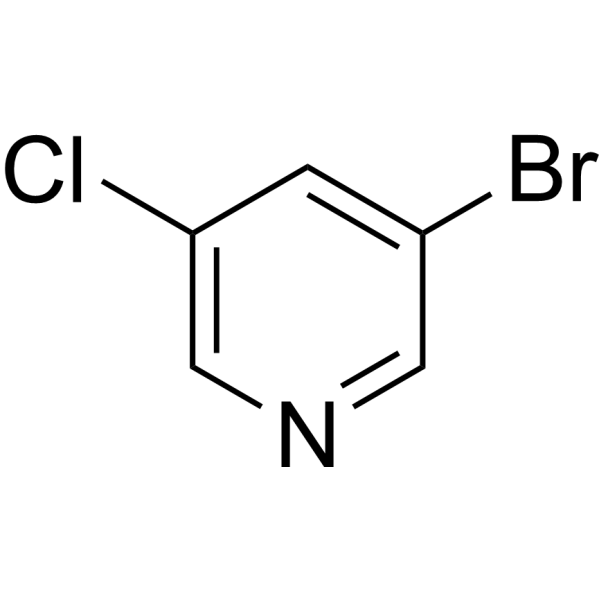
3-Bromo-5-chloropyridine is a widely used heterocyclic compound that can be used to synthesize compounds. 3-Bromo-5-chloropyridine can be used as an intermediate in the production of crop protectants in the agricultural chemicals industry. 3-Bromo-5-chloropyridine can participate in cross-coupling reactions .
|
-
-
- HY-158976
-
|
Lactated ringer's solution (LRS)
|
Biochemical Assay Reagents
Collagen
HSP
|
Inflammation/Immunology
|
|
Sodium lactate ringer's solution (Lactated ringer's solution (LRS)) is an isotonic crystal intravenous injection and arthroscopic irrigation solution containing racemic sodium lactate and electrolytes such as sodium, potassium, calcium and chloride (130 mEq sodium/L, 274 mOsm/L), which can be used as a cell integrity protectant. Sodium lactate ringer's solution maintains the integrity of human meniscus cells, ensures that they retain normal cell morphology, membrane regularity, size and density, and does not alter the mRNA expression levels of α1 (I) procollagen, α1 (II) procollagen, aggrecan or HSP70. Sodium lactate ringer's solution can be applied to studies related to extracellular fluid deficiency and meniscus tears .
|
-
-
- HY-122464A
-
|
(-)-Jasmonic acid
|
Drug Derivative
|
Others
|
|
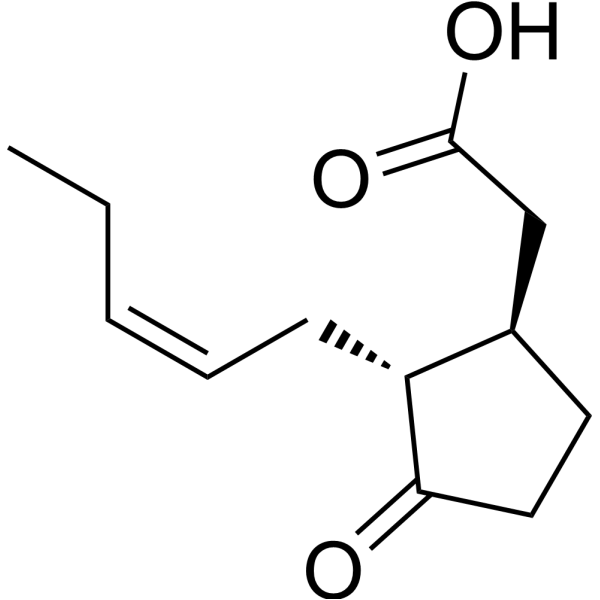
Jasmonic acid ((-)-Jasmonic acid) is a plant growth regulator and a derivative of Linolenic acid (HY-N0728). Jasmonic acid enhances plant resistance and is widely used as a stress protectant. Jasmonic acid is an endogenous plant hormone and a plant growth inhibitor .
|
-
-
- HY-111934
-
|
|
Parasite
Potassium Channel
|
Others
Cancer
|
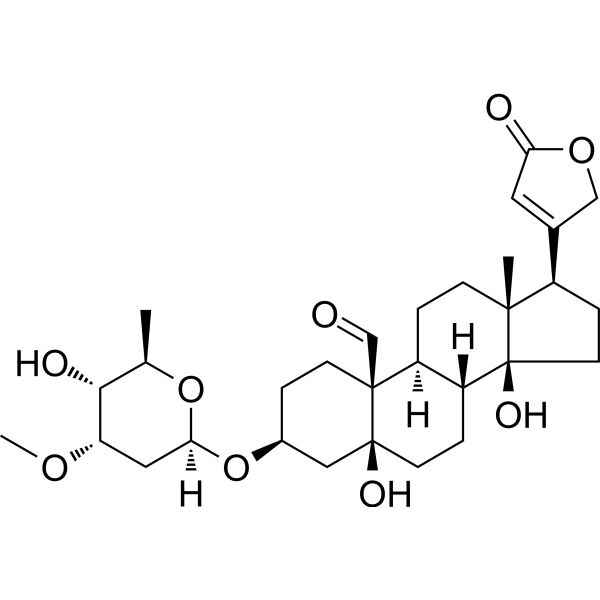
Cymarin, a cardiac glycoside, potently inhibits the Palytoxin (PTX)-induced K + release (IC50=0.42 μM). Cymarin reveals an antitumor activity against breast cancer and pancreatic cancer. Cymarin exhibits antifeedant and growth inhibitory effects as crop protectant .
|
-
-
- HY-W353469
-
|
Glucosylglycerol
|
Biochemical Assay Reagents
|
Others
|
|
2-O-(α-D-Glucopyranosyl) glycerol (55% in water) (Glucosylglycerol) is a glycerol glycoside and compatible solute. 2-O-(α-D-Glucopyranosyl) glycerol is isolable from the marine cyanobacterium Oscillatoria sp. 2-O-(α-D-Glucopyranosyl) glycerol (55% in water) acts as a salt stress protectant in Synechocystis sp. PCC 6803 ΔggpS cells. It enhances salt tolerance of Synechocystis sp. PCC 6803 ΔggpS cells and maintains cell division under salt stress .
|
-
-
- HY-107784R
-
|
|
Reference Standards
Bacterial
|
Inflammation/Immunology
|
|
Ectoine (Standard) is the analytical standard of Ectoine. This product is intended for research and analytical applications. Ectoine is a natural cell protectant, an amino acid derivate produced by bacteria living under extremely harsh environmental conditions. Ectoine serves as an osmoregulatory compatible solute, increasing the hydration of the skin surface and stabilizing lipid layers, which is useful in skincare. Ectoine demonstrates a good safety profile for the treatment of allergic rhinitis .
|
-
-
- HY-122762
-
|
DV-1006
|
Ser/Thr Protease
|
Inflammation/Immunology
|
|
Cetraxate hydrochloride (DV-1006), an orally active anti-ulcer agent with mucosal protective effects, can be used for gastric ulcers research . Cetraxate hydrochloride is a potent acrosomal proteinase acrosin inhibitor with a Ki and an IC50 of 0.94 μM and 3.3 μM, respectively .
|
-
-
- HY-118622
-
|
|
Others
|
Others
|
Isogentisin is a cell protector. Isogentisin can shield human umbilical vein endothelial cells (HUVEC) from cell death caused by H202 and UV exposure. Isogentisin can also prevent endothelial damage triggered by smoking by activating cell repair functions to promote cell survival .
|
-
-
- HY-A0067S
-
|
|
RAR/RXR
Apoptosis
Autophagy
|
Neurological Disease
|
|
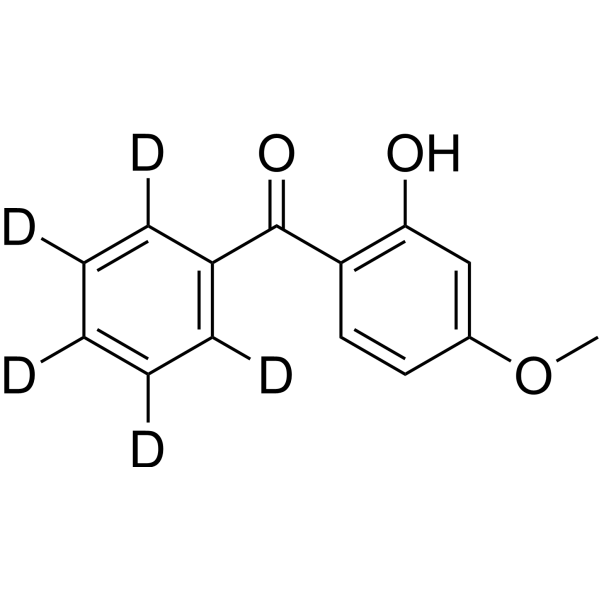
Oxybenzone-d5 is the deuterium labeled Oxybenzone . Oxybenzone (Benzophenone 3) is a commonly used UV filter in sun tans and skin protectants. Oxybenzone act as endocrine disrupting chemicals (EDCs) and can pass through the placental and blood-brain barriers. Benzophenone-3 impairs autophagy, alters epigenetic status, and disrupts retinoid X receptor signaling in apoptotic neuronal cells .
|
-
-
- HY-W777283
-
|
|
Isotope-Labeled Compounds
Apoptosis
Mitochondrial Metabolism
|
Neurological Disease
|
|
Idebenone- 13C,d3 is the deuterium labeled and 13C-labeled Idebenone (HY-N0303). Idebenone, a well-appreciated mitochondrial protectant, exhibits protective efficacy against neurotoxicity and can be used for the research of Alzheimer's disease, Huntington's disease. Idebenone (oxidised form) has a dose-dependent inhibitory effect on the enzymatic metabolism of arachidonic acid in astroglial homogenates (IC50=16.65 μM) . Idebenone, a coenzyme Q10 analog and an antioxidant, induces apoptotic cell death in the human dopaminergic neuroblastoma SHSY-5Y cells . Idebenone quickly crosses the blood-brain barrier.
|
-
-
- HY-119381
-
|
Jodfenphos
|
Insecticide
|
Others
|
|
Iodofenphos (Jodfenphos) is an insecticide, that can be used as a protectant for stored grains. Iodofenphos is effective against grain pests, such as Sitophilus oryzae, Tribolium castaneum, and larvae of Trogoderma granarium, and has a significant residual toxicity, which could provide good insect control for several months .
|
-
-
- HY-A0067R
-
|
Benzophenone 3 (Standard)
|
Reference Standards
RAR/RXR
Autophagy
Apoptosis
|
Neurological Disease
|
|
Oxybenzone (Standard) is the analytical standard of Oxybenzone. This product is intended for research and analytical applications. Oxybenzone (Benzophenone 3) is a commonly used UV filter in sun tans and skin protectants. Oxybenzone act as endocrine disrupting chemicals (EDCs) and can pass through the placental and blood-brain barriers. Benzophenone-3 impairs autophagy, alters epigenetic status, and disrupts retinoid X receptor signaling in apoptotic neuronal cells .
|
-
-
- HY-N0303R
-
|
|
Reference Standards
Mitochondrial Metabolism
Apoptosis
|
Neurological Disease
|
|
Idebenone (Standard) is the analytical standard of Idebenone. This product is intended for research and analytical applications. Idebenone, a well-appreciated mitochondrial protectant, exhibits protective efficacy against neurotoxicity and can be used for the research of Alzheimer's disease, Huntington's disease. Idebenone (oxidised form) has a dose-dependent inhibitory effect on the enzymatic metabolism of arachidonic acid in astroglial homogenates (IC50=16.65 μM) . Idebenone, a coenzyme Q10 analog and an antioxidant, induces apoptotic cell death in the human dopaminergic neuroblastoma SHSY-5Y cells . Idebenone quickly crosses the blood-brain barrier.
|
-
-
- HY-B2064R
-
|
Carboxine (Standard); Fenoxan (Standard)
|
Reference Standards
Fungal
Antibiotic
|
Infection
|
|
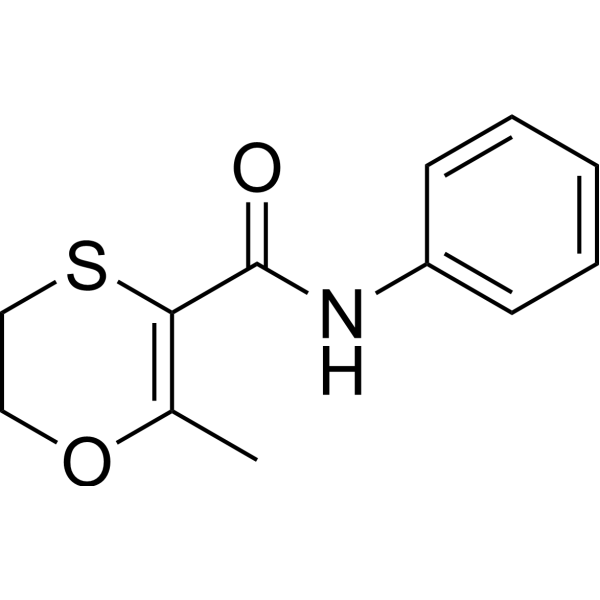
Carboxin (Standard) is the analytical standard of Carboxin. This product is intended for research and analytical applications. Carboxin (Carboxine) is a systemic agricultural fungicide and seed protectant.
|
-
-
- HY-113271
-
|
|
Endogenous Metabolite
Interleukin Related
IFNAR
|
Inflammation/Immunology
|
|
5-Androstenetriol is a systemic radiation protector that can boost the host's immunity, leading to increased resistance to infections. 5-Androstenetriol can raise levels of IL-2, IL-3, and IFN, while countering the immunosuppressive effects of Hydrocortisone (HY-N0583) .
|
-
-
- HY-131504A
-
|
|
Glycosidase
|
Metabolic Disease
|
|
Valienamine is the alpha-glucosidase inhibitor. Valienamine is the key functional component of many natural glycosidase inhibitors including the crop protectant validamycin A and the antidiabetic agent acarbose .
|
-
-
- HY-119381R
-
|
Jodfenphos (Standard)
|
Reference Standards
Insecticide
|
Infection
|
|
Iodofenphos (Standard) is the analytical standard of Iodofenphos. This product is intended for research and analytical applications. Iodofenphos (Jodfenphos) is an insecticide, that can be used as a protectant for stored grains. Iodofenphos is effective against grain pests, such as Sitophilus oryzae, Tribolium castaneum, and larvae of Trogoderma granarium, and has a significant residual toxicity, which could provide good insect control for several months .
|
-
-
- HY-A0067S1
-
|
Benzophenone 3-13C6
|
Isotope-Labeled Compounds
RAR/RXR
Autophagy
Apoptosis
|
Neurological Disease
|
|
Oxybenzone- 13C6 (Benzophenone 3- 13C6) is the 13C-labeled Oxybenzone (HY-A0067). Oxybenzone (Benzophenone 3) is a commonly used UV filter in sun tans and skin protectants. Oxybenzone act as endocrine disrupting chemicals (EDCs) and can pass through the placental and blood-brain barriers. Benzophenone-3 impairs autophagy, alters epigenetic status, and disrupts retinoid X receptor signaling in apoptotic neuronal cells .
|
-
-
- HY-W653958
-
|
Benzophenone 3-d3
|
Isotope-Labeled Compounds
RAR/RXR
Autophagy
Apoptosis
|
Neurological Disease
|
|
Oxybenzone-d3 (Benzophenone 3-d3) is a deuterium labeled Oxybenzone (HY-A0067). Oxybenzone (Benzophenone 3) is a commonly used UV filter in sun tans and skin protectants. Oxybenzone act as endocrine disrupting chemicals (EDCs) and can pass through the placental and blood-brain barriers. Benzophenone-3 impairs autophagy, alters epigenetic status, and disrupts retinoid X receptor signaling in apoptotic neuronal cells .
|
-
-
- HY-W1040921
-
|
|
Drug Derivative
|
Inflammation/Immunology
|
|
AY-31574 is a 3, 5-difluoro derivative and selective mucosal protectant. AY-31574 is equipotent with Ranitidine (HY-B0693) against gastric injury caused by stress .
|
-
-
- HY-181077
-
|
|
AMPK
|
Endocrinology
|
|
AMPKα1 activator 1 is a selective and orally active AMPKα1 activator with an EC50 of 35.1 nM. AMPKα1 activator 1 shows 176-fold selectivity over AMPKα2. AMPKα1 activator 1 can be used as a cell protectant and a kidney protectant. AMPKα1 activator 1 attenuates elevation of serum creatinine and blood urea nitrogen levels, alleviates kidney damage, and reduces cellular infiltration in renal ischemia-reperfusion injury contexts. AMPKα1 activator 1 can be associated with renal ischemia-reperfusion injury research .
|
-
-
- HY-W072994
-
|
|
Fungal
Insecticide
|
Infection
|
|
Copper naphthenate is an organocopper compound with the properties of a fungicide, preservative, oil-borne protectant, and toxicant. Copper naphthenate increases serum and urine copper levels in exposed populations, causes skin irritation, and induces intraperitoneal toxicity in rats. Copper naphthenate inhibits the growth of decay fungi and molds on moso bamboo, kills the free-living stages of Ichthyophthirius multifiliis, and controls wood-boring insects and termites .
|
-
-
- HY-N9868
-
|
|
Others
|
Others
|
|
(-)-Phaselic acid is a protein protectant that can be isolated from red clover (Trifolium pratense) leaves. (-)-Phaselic acid is synthesized through an acyl transfer reaction between caffeoyl-CoA and malic acid catalyzed by the HCT2 enzyme. As a substrate for endogenous polyphenol oxidase (PPO), its oxidation to o-quinone can inhibit protein degradation during forage storage. (-)-Phaselic acid can be used to improve the protein preservation performance of forage crops such as alfalfa, reducing nutritional losses during storage and environmental nitrogen pollution .
|
-
-
- HY-106074
-
|
MDL 646
|
Drug Derivative
|
Inflammation/Immunology
|
|
Mexiprostil (MDL 646) is an orally active gastric protectant, being a synthetic analogue of Prostaglandin E1 (HY-B0131). Mexiprostil exhibits significant inhibition of gastric acid secretion caused by Histamine (HY-B1204) and Bethanechol (HY-B0406) in rats, dogs, and cats. Mexiprostil can also inhibit the increase in gastric acid secretion caused by Pentagastrin (HY-A0261) in cats, while it does not have this effect in dogs and rats. Mexiprostil does not cause pregnancy termination. Mexiprostil can be used for research on gastric ulcers .
|
-
| Cat. No. |
Product Name |
Type |
-
- HY-112624A
-
|
Dextran 1; Dextran D1; Dextran T1(MW 800-1200)
|
Biochemical Assay Reagents
|
|
Dextran T1 (Dextran 1; Dextran D1) (with a molecular weight of 1,000) is a dehydrated glucose polymer with an average molecular weight of 1,000. Dextran T1 (MW 1,000) has excellent biodegradability and biocompatibility, and can be used as a nanobody carrier scaffold and a freeze-drying protectant. Dextran T1 (MW 1,000) promotes the retention of circulating tumor cells in the capillary bed .
|
-
- HY-W003165
-
|
|
Biochemical Assay Reagents
|
|
3-Bromo-5-chloropyridine is a widely used heterocyclic compound that can be used to synthesize compounds. 3-Bromo-5-chloropyridine can be used as an intermediate in the production of crop protectants in the agricultural chemicals industry. 3-Bromo-5-chloropyridine can participate in cross-coupling reactions .
|
-
- HY-158976
-
|
Lactated ringer's solution (LRS)
|
Biochemical Assay Reagents
|
|
Sodium lactate ringer's solution (Lactated ringer's solution (LRS)) is an isotonic crystal intravenous injection and arthroscopic irrigation solution containing racemic sodium lactate and electrolytes such as sodium, potassium, calcium and chloride (130 mEq sodium/L, 274 mOsm/L), which can be used as a cell integrity protectant. Sodium lactate ringer's solution maintains the integrity of human meniscus cells, ensures that they retain normal cell morphology, membrane regularity, size and density, and does not alter the mRNA expression levels of α1 (I) procollagen, α1 (II) procollagen, aggrecan or HSP70. Sodium lactate ringer's solution can be applied to studies related to extracellular fluid deficiency and meniscus tears .
|
| Cat. No. |
Product Name |
Category |
Target |
Chemical Structure |
| Cat. No. |
Product Name |
Chemical Structure |
-
- HY-A0067S
-
|
|
|
Oxybenzone-d5 is the deuterium labeled Oxybenzone . Oxybenzone (Benzophenone 3) is a commonly used UV filter in sun tans and skin protectants. Oxybenzone act as endocrine disrupting chemicals (EDCs) and can pass through the placental and blood-brain barriers. Benzophenone-3 impairs autophagy, alters epigenetic status, and disrupts retinoid X receptor signaling in apoptotic neuronal cells .
|
-
-
- HY-W777283
-
|
|
|
Idebenone- 13C,d3 is the deuterium labeled and 13C-labeled Idebenone (HY-N0303). Idebenone, a well-appreciated mitochondrial protectant, exhibits protective efficacy against neurotoxicity and can be used for the research of Alzheimer's disease, Huntington's disease. Idebenone (oxidised form) has a dose-dependent inhibitory effect on the enzymatic metabolism of arachidonic acid in astroglial homogenates (IC50=16.65 μM) . Idebenone, a coenzyme Q10 analog and an antioxidant, induces apoptotic cell death in the human dopaminergic neuroblastoma SHSY-5Y cells . Idebenone quickly crosses the blood-brain barrier.
|
-
-
- HY-A0067S1
-
|
|
|
Oxybenzone- 13C6 (Benzophenone 3- 13C6) is the 13C-labeled Oxybenzone (HY-A0067). Oxybenzone (Benzophenone 3) is a commonly used UV filter in sun tans and skin protectants. Oxybenzone act as endocrine disrupting chemicals (EDCs) and can pass through the placental and blood-brain barriers. Benzophenone-3 impairs autophagy, alters epigenetic status, and disrupts retinoid X receptor signaling in apoptotic neuronal cells .
|
-
-
- HY-W653958
-
|
|
|
Oxybenzone-d3 (Benzophenone 3-d3) is a deuterium labeled Oxybenzone (HY-A0067). Oxybenzone (Benzophenone 3) is a commonly used UV filter in sun tans and skin protectants. Oxybenzone act as endocrine disrupting chemicals (EDCs) and can pass through the placental and blood-brain barriers. Benzophenone-3 impairs autophagy, alters epigenetic status, and disrupts retinoid X receptor signaling in apoptotic neuronal cells .
|
-
| Cat. No. |
Product Name |
|
Classification |
-
- HY-N1132
-
|
D-Trehalose; α,α-Trehalose
|
|
Sweetening Agents
Thickeners
Flavoring Agents
Freeze-drying Protective Agents
|
|
D-(+)-Trehalose (α,α-Trehalose) is an orally active disaccharide, showing anti-desiccant and cryopreservative activities. D-(+)-Trehalose acts as an osmolyte, and stress protectant and helps in the storage and transport of carbon. D-(+)-Trehalose can be used as a food ingredient and pharmaceutical excipient .
|
Your information is safe with us. * Required Fields.
Inquiry Information
- Product Name:
- Cat. No.:
- Quantity:
- MCE Japan Authorized Agent:

