Search Result
Results for "
skeleton
" in MedChemExpress (MCE) Product Catalog:
7
Biochemical Assay Reagents
8
Isotope-Labeled Compounds
| Cat. No. |
Product Name |
Target |
Research Areas |
Chemical Structure |
-
- HY-W013636
-
|
Alpha-Ketoglutaric acid; 2-Oxoglutaric acid
|
Tyrosinase
Endogenous Metabolite
|
Neurological Disease
Metabolic Disease
|
|
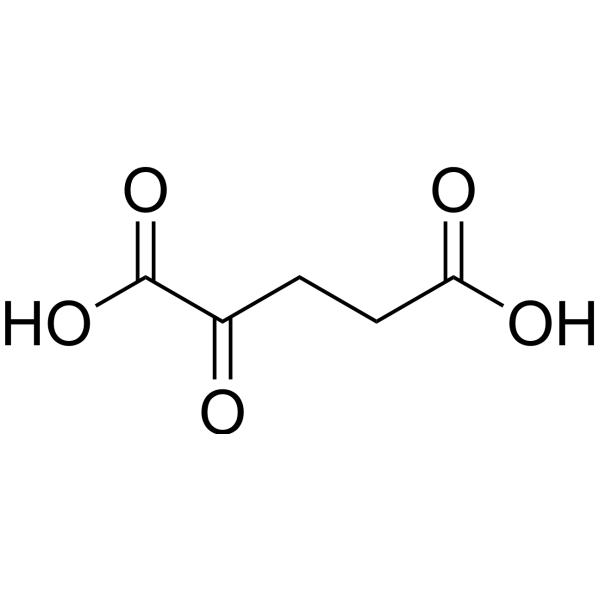
2-Ketoglutaric acid (Alpha-Ketoglutaric acid) is an intermediate in the production of ATP or GTP in the Krebs cycle. 2-Ketoglutaric acid also acts as the major carbon skeleton for nitrogen-assimilatory reactions. 2-Ketoglutaric acid is a reversible inhibitor of tyrosinase (IC50=15 mM) .
|
-
-
- HY-W013636S
-
|
Alpha-Ketoglutaric acid-13C5
|
Isotope-Labeled Compounds
Tyrosinase
Endogenous Metabolite
|
Neurological Disease
Metabolic Disease
|
|
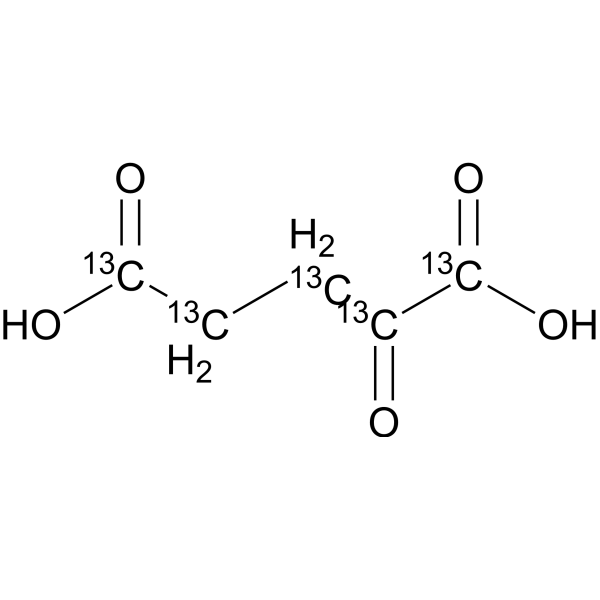
2-Ketoglutaric acid- 13C5 (Alpha-Ketoglutaric acid- 13C5) is a 13C labeled 2-Ketoglutaric acid (HY-W013636) . 2-Ketoglutaric acid (Alpha-Ketoglutaric acid) is an intermediate in the production of ATP or GTP in the Krebs cycle. 2-Ketoglutaric acid also acts as the major carbon skeleton for nitrogen-assimilatory reactions. 2-Ketoglutaric acid is a reversible inhibitor of tyrosinase (IC50=15 mM) .
|
-
-
- HY-125598
-
|
|
Drug Intermediate
|
Others
|
|
Secologanin is an iridoid monoterpenoid glucoside found in the leaves of Lonicera tatarica and a key precursor for thousands of natural monoterpenoid alkaloids .
|
-
-
- HY-W013636A
-
|
Alpha-Ketoglutaric acid Sodium
|
Tyrosinase
Endogenous Metabolite
|
Neurological Disease
Metabolic Disease
|
|
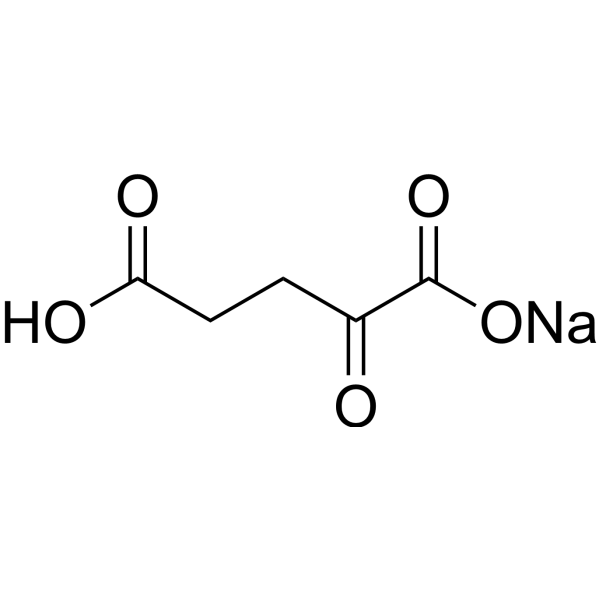
2-Ketoglutaric acid Sodium (Alpha-Ketoglutaric acid Sodium) is an intermediate in the production of ATP or GTP in the Krebs cycle. 2-Ketoglutaric acid Sodium also acts as the major carbon skeleton for nitrogen-assimilatory reactions. 2-Ketoglutaric acid Sodium is a reversible inhibitor of tyrosinase (IC50=15 mM) .
|
-
-
- HY-W013040
-
|
1,4-Diazine
|
MOFs
Drug Intermediate
|
Cardiovascular Disease
Infection
Inflammation/Immunology
Cancer
|
|
Pyrazine is an aromatic nitrogen-containing heterocyclic compound with two nitrogen atoms, and is well known for its electron-deficient property. Pyrazine serves as a key pharmacophore in a variety of drugs, and also acts as the core skeleton of derivatives with anticancer, antimycobacterial, antithrombotic and anti-inflammatory activities .
|
-
-
- HY-121388
-
|
(+)-Ledol
|
Fungal
|
Infection
|
|
Ledol ((+)-Ledol) is an antifungal agent isolated from the volatile oil components of Rhododendron tomentosum. Ledol also acts as an expectorant and antitussive, while it can cause adverse reactions such as dizziness, nausea and vomiting .
|
-
-
- HY-W016349
-
|
|
Amino Acid Decarboxylase
|
Others
|
|
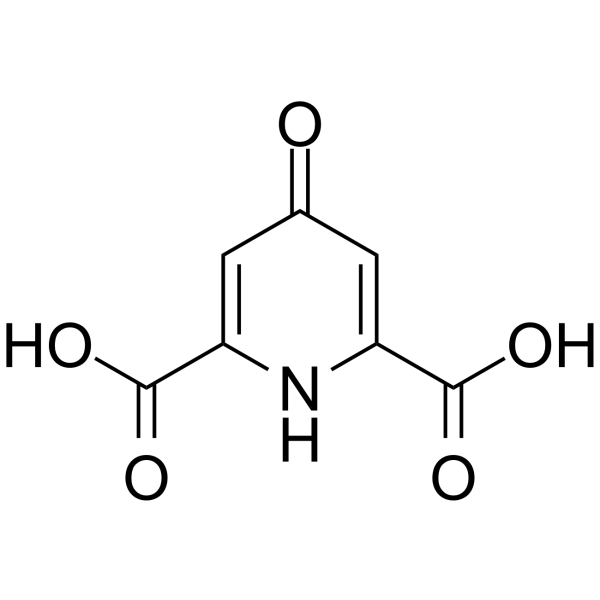
Chelidamic acid is a heterocyclic organic acid with a pyran skeleton. Chelidamic acid has good coordination ability with noble metal ions. Chelidamic acid is also one of the most potent inhibitors of glutamate decarboxylase, with a Ki of 33 μM.
|
-
-
- HY-Y0135
-
|
|
Drug Intermediate
|
Cancer
|
|
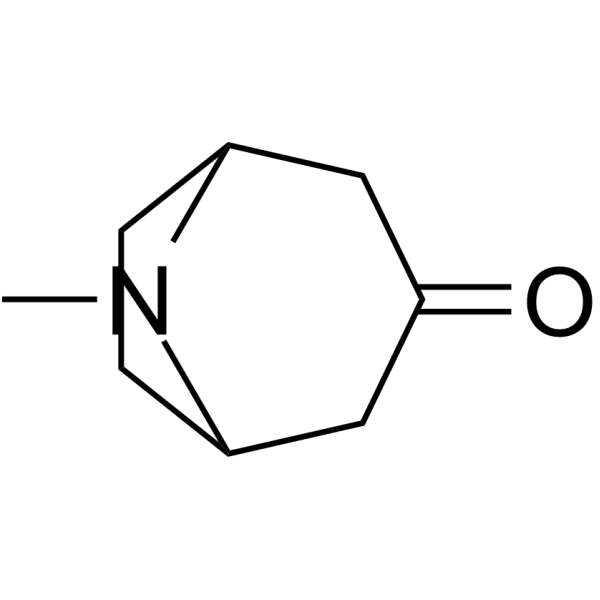
Tropinone is an organic synthesis intermediate and a skeleton for constructing derivatives containing thiazole rings and other structures. Tropinone derivatives have anticancer activities such as inducing tumor cell apoptosis and inhibiting tyrosinase activity, and can be used in research such as anticancer drug development and tyrosinase inhibitor design .
|
-
-
- HY-N0656
-
|
|
Bacterial
DNA/RNA Synthesis
Nuclear Factor of activated T Cells (NFAT)
Apoptosis
|
Infection
Inflammation/Immunology
Cancer
|
|
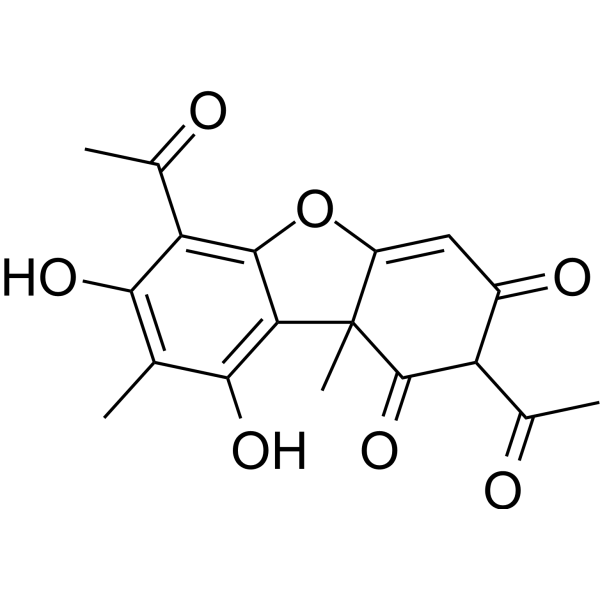
Usnic acid is a secondary metabolite of lichens with a unique dibenzofuran skeleton. Usnic acid inhibits DNA/RNA synthesis and has antibacterial activity. Usnic acid induces cell cycle arrest and apoptosis and has anticancer activity. Usnic acid inhibits RANKL-mediated osteoclast formation and function by reducing the transcriptional and translational expression of NFATc1. Usnic acid has antioxidant and anti-inflammatory activities by inhibiting lipid peroxidation and myeloperoxidase .
|
-
-
- HY-P2733
-
|
GPO
|
Endogenous Metabolite
Bacterial
|
Infection
Metabolic Disease
|
|
Glycerol-3-phosphate oxidase, E. coli (GPO) is a key intermediate in glycerol metabolism. Glycerol-3-phosphate oxidase, E. coli is the skeleton of phospholipids in membrane lipids, and also a substrate in the respiratory chain. Glycerol-3-phosphate oxidase, E. coli produces electrons through oxidation. Glycerol-3-phosphate oxidase, E. coli is an enzyme with important functions in the field of biochemistry, and is widely used in medical testing and scientific research .
|
-
-
- HY-W013636B
-
|
|
Tyrosinase
Endogenous Metabolite
|
Metabolic Disease
|
|
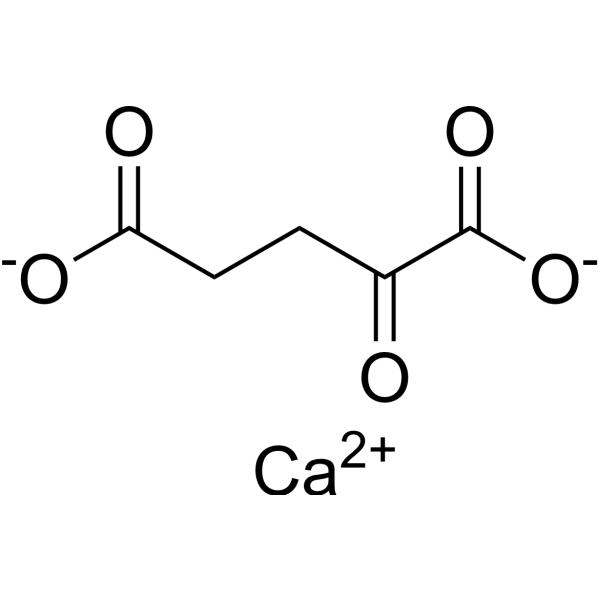
Calcium 2-oxoglutarate is an intermediate in the production of ATP or GTP in the Krebs cycle. Calcium 2-oxoglutarate also acts as the major carbon skeleton for nitrogen-assimilatory reactions. Calcium 2-oxoglutarate is a reversible inhibitor of tyrosinase (IC50=15 mM) .
|
-
-
- HY-W013636C
-
|
Alpha-Ketoglutaric acid potassium
|
Tyrosinase
Endogenous Metabolite
TNF Receptor
|
Neurological Disease
Metabolic Disease
|
|
2-Ketoglutaric acid (Alpha-Ketoglutaric acid) (potassium) is an intermediate in the production of ATP or GTP in the Krebs cycle. 2-Ketoglutaric acid potassium is a reversible and orally active inhibitor of tyrosinase with an IC50 value of 15 mM. 2-Ketoglutaric acid potassium also acts as the major carbon skeleton for nitrogen-assimilatory reactions. 2-Ketoglutaric acid potassium significantly suppresses abnormal intestinal permeability, delocalization of tight junction proteins from the intestinal cells, expression of TNFα in vitro and in vivo. 2-Ketoglutaric acid potassium directly binds to TAK1, and inhibits the TRAF6-TAK1 interaction. 2-Ketoglutaric acid potassium also alleviates inflammatory bowel disease (IBD) symptoms and gut microbiota dysbiosis, evident by the improvements in the intestine length .
|
-
-
- HY-U00190
-
|
RD20000
|
Bacterial
|
Inflammation/Immunology
|
|
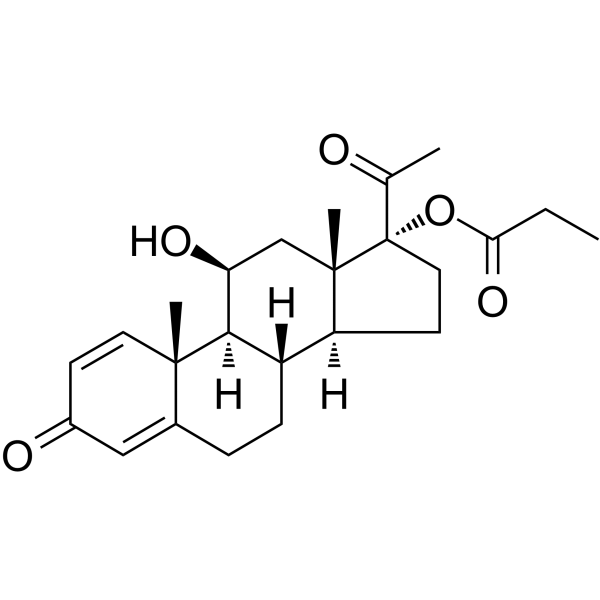
Deprodone propionate (RD20000) is a corticosteroid which is obtained by esterifying with propionic acid the 17-position of the prednisolone skeleton and deoxidating its 21-position.
|
-
-
- HY-N0829
-
|
|
Others
|
Inflammation/Immunology
|
|
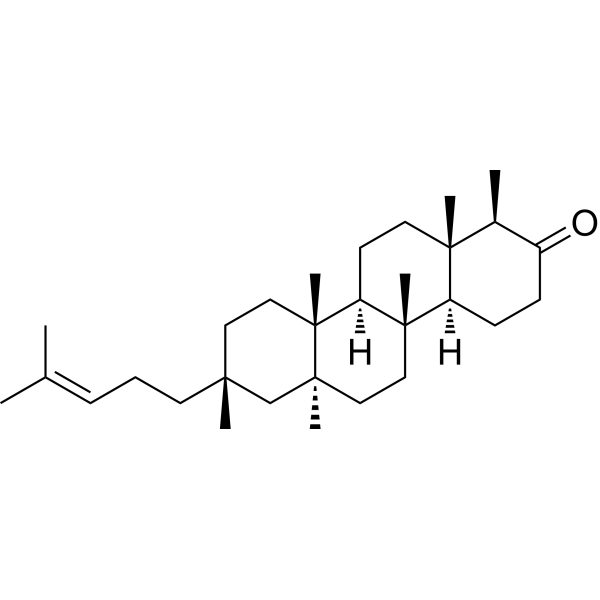
Shionone is the major triterpenoid isolated from Aster tataricus, has anti-tussive, anti-inflammatory activities . Shionone possesses a unique six-membered tetracyclic skeleton and 3-oxo-4-monomethyl structure .
|
-
-
- HY-N2920
-
|
11-Oxo-β-amyrin
|
Cytochrome P450
|
Inflammation/Immunology
Cancer
|
|
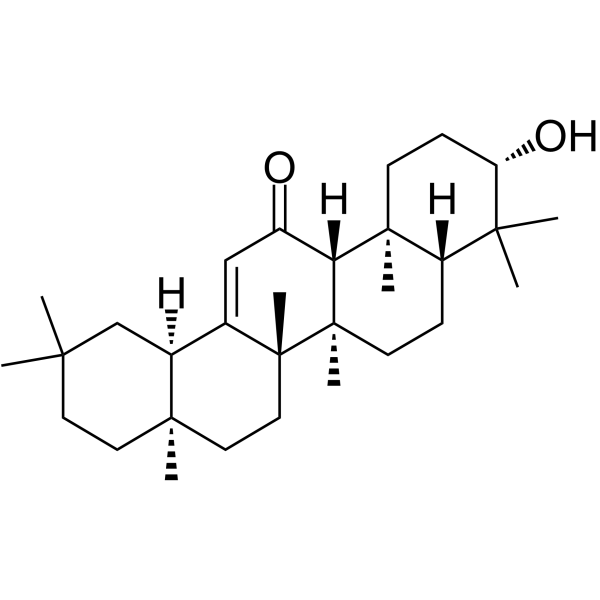
β-Amyrenonol (11-Oxo-β-amyrin), an oleanolic-type triterpenoid in licorice roots, is a precursor of Glycyrrhetinic acid. β-Amyrenonol has anti-proliferative and anti-inflammatory activities, and β-Amyrenonol could function as the skeleton for the synthesis of many triterpenoids .
|
-
-
- HY-W013636S1
-
|
Alpha-Ketoglutaric acid-d4
|
Isotope-Labeled Compounds
Tyrosinase
Endogenous Metabolite
|
Neurological Disease
Metabolic Disease
|
|
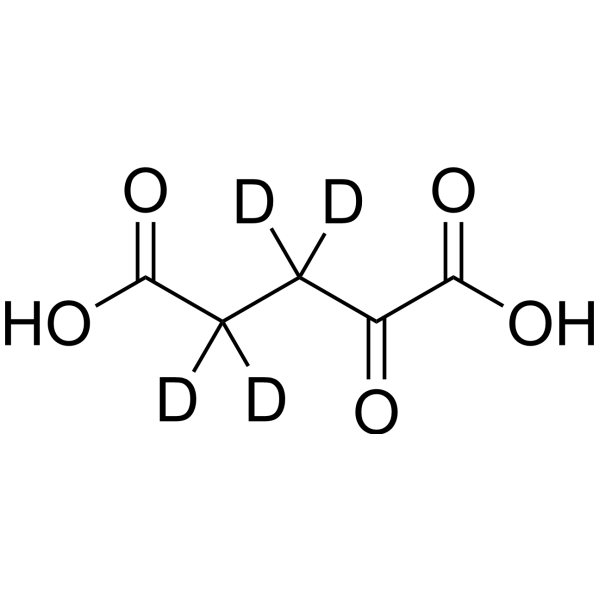
2-Ketoglutaric acid-d4 (Alpha-Ketoglutaric acid-d4) is the deuterium labeled 2-Ketoglutaric acid (HY-W013636) . 2-Ketoglutaric acid Sodium is an intermediate in the production of ATP or GTP in the Krebs cycle. 2-Ketoglutaric acid Sodium also acts as the major carbon skeleton for nitrogen-assimilatory reactions. 2-Ketoglutaric acid Sodium is a reversible inhibitor of tyrosinase (IC50=15 mM) .
|
-
-
- HY-W007771
-
|
|
Bacterial
BCRP
|
Infection
Cancer
|
|
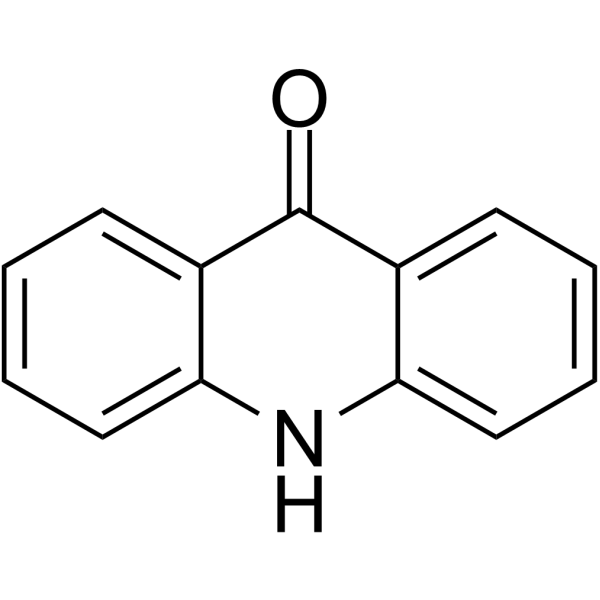
Acridone is an organic compound based on the acridine skeleton. Acridone has antibacterial, antimalarial, antiviral and anti neoplastic activities .
|
-
-
- HY-133970
-
-
-
- HY-W013636R
-
|
Alpha-Ketoglutaric acid (Standard); 2-Oxoglutaric acid (Standard)
|
Reference Standards
Tyrosinase
Endogenous Metabolite
|
Neurological Disease
Metabolic Disease
|
|
2-Ketoglutaric acid (Standard) (Alpha-Ketoglutaric acid (Standard)) is the analytical standard of 2-Ketoglutaric acid (HY-W013636). This product is intended for research and analytical applications. 2-Ketoglutaric acid (Alpha-Ketoglutaric acid) is an intermediate in the production of ATP or GTP in the Krebs cycle. 2-Ketoglutaric acid also acts as the major carbon skeleton for nitrogen-assimilatory reactions. 2-Ketoglutaric acid is a reversible inhibitor of tyrosinase (IC50=15 mM) .
|
-
-
- HY-W013636S3
-
|
Alpha-Ketoglutaric acid-13C
|
Isotope-Labeled Compounds
Endogenous Metabolite
Tyrosinase
|
Neurological Disease
Metabolic Disease
|
|
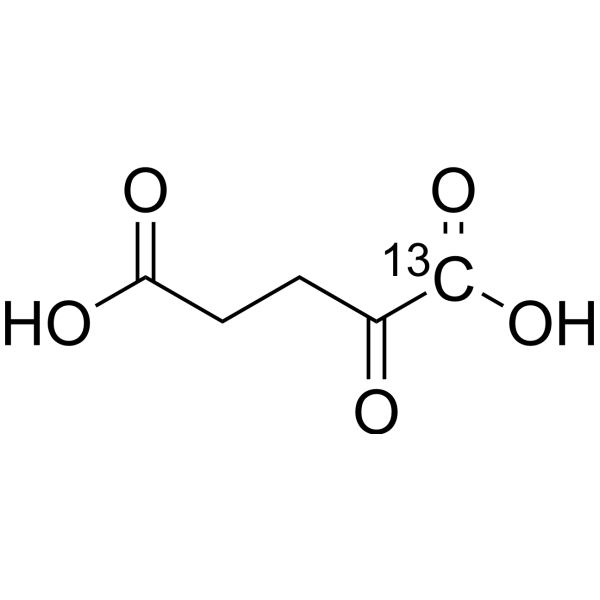
2-Ketoglutaric acid- 13C (Alpha-Ketoglutaric acid- 13C) is a 13C labeled 2-Ketoglutaric acid (HY-W013636) . 2-Ketoglutaric acid (Alpha-Ketoglutaric acid) is an intermediate in the production of ATP or GTP in the Krebs cycle. 2-Ketoglutaric acid also acts as the major carbon skeleton for nitrogen-assimilatory reactions. 2-Ketoglutaric acid is a reversible inhibitor of tyrosinase (IC50=15 mM) .
|
-
-
- HY-W115609
-
-
-
- HY-121162
-
|
(+)-Mesembrine
|
5-HT Receptor
Phosphodiesterase (PDE)
|
Neurological Disease
|
|
Mesembrine ((+)-Mesembrine) a main alkaloid that features an aryloctahydroindole skeleton. Mesembrine is a 5-HT transporter inhibitor with a Ki of 1.4 nM. Mesembrine also inhibits phosphodiesterase 4B (PDE4B) with an IC50 of 7.8 μM .
|
-
-
- HY-W006187
-
|
(Rac)-H-Phg(4-Me)-OH
|
Glutaminase
|
Cancer
|
|
2-Amino-2-(p-tolyl)acetic acid is used for optimizing azide skeleton, and is the intermediate in the synthesis of 1,3, 4-thiadiazole compounds. 1,3,4-thiadiazole compounds exhibit potential anti-cancer activity, and inhibit glutaminase (GLSI) .
|
-
-
- HY-W013636S2
-
|
Alpha-Ketoglutaric acid-d6
|
Tyrosinase
Endogenous Metabolite
Isotope-Labeled Compounds
|
Neurological Disease
Metabolic Disease
|
|
2-Ketoglutaric acid-d6 (Alpha-Ketoglutaric acid-d6) is the deuterium labeled 2-Ketoglutaric acid (HY-W013636) . 2-Ketoglutaric acid is an intermediate in the production of ATP or GTP in the Krebs cycle. 2-Ketoglutaric acid also acts as the major carbon skeleton for nitrogen-assimilatory reactions. 2-Ketoglutaric acid is a reversible inhibitor of tyrosinase (IC50=15 mM) .
|
-
-
- HY-N7293
-
|
|
Histamine Receptor
|
Inflammation/Immunology
|
|
Bakkenolide D is a sesquiterpene lactone. Bakkenolide D is the major component of Bakkenolides in Petasites tricholobus. Bakkenolide D exhibits anti-allergic and antihistamine activities, and can be used in studies related to allergic rhinitis .
|
-
-
- HY-W013973
-
|
|
Drug Intermediate
|
Inflammation/Immunology
Cancer
|
|
p-Terphenyl is a skeleton. p-Terphenyl derivatives have anticancer activity against liver cancer and pancreatic cancer. p-Terphenyl derivatives also have anti-inflammatory effects .
|
-
-
- HY-N6894A
-
|
Isocoptisine chloride
|
Cholinesterase (ChE)
|
Inflammation/Immunology
|
|
Pseudocoptisine (Isocoptisine) chloride is a quaternary alkaloid with benzylisoquinoline skeleton, was isolated from Corydalis Tuber. Pseudocoptisine chloride inhibits acetylcholinesterase (AChE) activity with an IC50 of 12.8 μM. Anti-inflammatory and anti-amnestic effects .
|
-
-
- HY-W008388
-
|
N6-Benzoyladenosine
|
Nucleoside Antimetabolite/Analog
|
Others
|
|
Bz-rA (N6-Benzoyladenosine) is a nucleoside derivative with an N6 protecting group. Bz-rA is mainly used as a synthetic intermediate to participate in photocatalytic oxidative cyclization reactions and synthesize oligoribonucleotides. Bz-rA can be used to efficiently construct heterocyclic skeletons in photochemical conversions and protect the ribose moiety to regulate the cyclization pathway .
|
-
-
- HY-133209
-
|
|
Others
|
Cancer
|
|
Fischeria A is a norditerpene lactone of a new carbon skeleton, can be isolated from Euphorbia fischeriana .
|
-
-
- HY-P2733B
-
|
GPO, Aerococcus viridans
|
Endogenous Metabolite
|
Metabolic Disease
|
|
Glycerol-3-phosphate oxidase, Aerococcus viridans (GPO, Aerococcus viridans) is a key intermediate in glycerol metabolism. Glycerol-3-phosphate oxidase is the skeleton of phospholipids in membrane lipids, and also a substrate of respiratory chain. Glycerol-3-phosphate oxidase produces electrons through oxidation .
|
-
-
- HY-P2733A
-
|
GPO, Pedio coccus sp.
|
Endogenous Metabolite
|
Metabolic Disease
|
|
Glycerol-3-phosphate oxidase, Pedio coccus sp. (GPO, Pedio coccus sp.) is a key intermediate in glycerol metabolism. Glycerol-3-phosphate oxidase is the skeleton of phospholipids in membrane lipids, and also a substrate in the respiratory chain. Glycerol-3-phosphate oxidase produces electrons through oxidation .
|
-
-
- HY-N0656R
-
-
-
- HY-155705
-
|
|
TGF-β Receptor
GSK-3
β-catenin
|
Others
|
|
BMP agonist 1 (compound 2 b) is a small-molecule agonist of bone morphogenic protein (BMP). BMP induces C2C12 cell differentiation with BMP and highly depends on active BMP signaling. BMP agonist 1 inhibits GSK3β, increases β-catenin signaling and synergistically regulates Id2and Id3 expression. BMP agonist 1 is used in diseases and defects of the skeleton research .
|
-
-
- HY-W013636S4
-
|
Alpha-Ketoglutaric acid-13C2
|
Isotope-Labeled Compounds
Tyrosinase
Endogenous Metabolite
|
Neurological Disease
Metabolic Disease
|
|
2-Ketoglutaric acid- 13C2 (Alpha-Ketoglutaric acid- 13C2) is a 13C labeled 2-Ketoglutaric acid (HY-W013636) . 2-Ketoglutaric acid (Alpha-Ketoglutaric acid) is an intermediate in the production of ATP or GTP in the Krebs cycle. 2-Ketoglutaric acid also acts as the major carbon skeleton for nitrogen-assimilatory reactions. 2-Ketoglutaric acid is a reversible inhibitor of tyrosinase (IC50=15 mM) .
|
-
-
- HY-136473
-
-
-
- HY-135324
-
-
-
- HY-W006474
-
|
5H-Pyrido[4,3-b]indole
|
Flavivirus
Drug Intermediate
|
Infection
Cancer
|
|
γ-Carboline is a skeleton and antiviral agent. γ-Carboline shows anti-BVDV activity, with an EC50 of 2.0 μM. γ-Carboline derivatives show anti-BVDV, antibacterial, antifungal, antitumor activity .
|
-
-
- HY-N10697
-
|
Celangulatin E
|
Parasite
|
Infection
|
|
Angulatin G (Celangulatin E) is an insecticidal sesquiterpene polyol ester with a β-dihydroagarofuran sesquiterpene skeleton, which can be isolated from the root bark of Celastrus angulatus. Angulatin G shows LD50 against Mythimna separata of 1656.4 μg/mL .
|
-
-
- HY-151109
-
|
|
Fluorescent Dye
|
Others
|
|
IR-990 is an activatable NIR-II fluorescent probe with an acceptor-π-acceptor (A-π-A) skeleton for real-time detection of H2O2 in vivo. IR-990 is a powerful diagnosis of agent-induced liver injury (DILI) .
|
-
-
- HY-163634
-
|
|
Fungal
|
Infection
|
|
YZK-C22, containing a 1,2,3-thiadiazol-[1,2,4]triazolo[3,4-b][1,3,4]thiadiazole skeleton, is a fungicide lead compound with broad-spectrum fungicidal activity .
|
-
-
- HY-167629
-
|
|
Phytohormone
Drug Intermediate
|
Others
|
|
Gibberellenic acid is an intermediate gibberellin compound with a tetracyclic diterpenoid skeleton, and can be generated by thermal decomposition of Gibberellic acid (GA3, HY-N1964) in aqueous solution. Gibberellenic acid is thermally unstable in water and can further convert into allogibberic acid (approximately 80%) and 9-epiallogibberic acid (approximately 10%). It plays an important role in the degradation pathway and structural elucidation of Gibberellins .
|
-
-
- HY-N3411
-
|
13E-Labdene-8α,15-diol; Copal-8α,15-diol
|
Others
|
Others
|
|
Labd-13(E)-ene-8α,15-diol is a diterpene with the labdane skeleton which can be extracted from Cistus symphytijbfolius .
|
-
-
- HY-W013636AR
-
|
Alpha-Ketoglutaric acid Sodium (Standard)
|
Reference Standards
Tyrosinase
Endogenous Metabolite
|
Neurological Disease
Metabolic Disease
|
|
2-Ketoglutaric acid (Sodium) (Standard) is the analytical standard of 2-Ketoglutaric acid Sodium (HY-W013636A). This product is intended for research and analytical applications. 2-Ketoglutaric acid (Alpha-Ketoglutaric acid) Sodium (Standard) is an intermediate in the production of ATP or GTP in the Krebs cycle. 2-Ketoglutaric acid Sodium also acts as the major carbon skeleton for nitrogen-assimilatory reactions. 2-Ketoglutaric acid Sodium is a reversible inhibitor of tyrosinase (IC50=15 mM) .
|
-
-
- HY-W013636AG
-
|
Alpha-Ketoglutaric acid Sodium
|
Tyrosinase
Endogenous Metabolite
|
Neurological Disease
Metabolic Disease
|
|
2-Ketoglutaric acid (Alpha-Ketoglutaric acid) Sodium (GMP) is 2-Ketoglutaric acid Sodium (HY-W013636A) produced by using GMP guidelines. GMP small molecules work appropriately as an auxiliary reagent for cell therapy manufacture. 2-Ketoglutaric acid Sodium is an intermediate in the production of ATP or GTP in the Krebs cycle. 2-Ketoglutaric acid Sodium also acts as the major carbon skeleton for nitrogen-assimilatory reactions. 2-Ketoglutaric acid Sodium is a reversible inhibitor of tyrosinase (IC50=15 mM) .
|
-
-
- HY-N2528
-
|
|
Bacterial
|
Infection
Cancer
|
|
Usnic acid sodium, a lichen-derived secondary metabolite, has a unique dibenzofuran skeleton. Usnic acid sodium has excellent anticancer and antimicrobial properties. Usnic acid sodium significantly inhibits RANKL-mediated osteoclast formation and function by reducing the transcriptional and translational expression of NFATc1 .
|
-
-
- HY-N11896
-
-
-
- HY-N14937
-
-
-
- HY-N13874
-
|
|
Farnesyl Transferase
|
Cancer
|
|
Andrastin C is a protein farnesyltransferase inhibitor. Andrastin C has a common androstane skeleton .
|
-
-
- HY-N9604
-
|
|
Farnesyl Transferase
|
Cancer
|
|
Andrastin B is a protein farnesyltransferase inhibitor. Andrastin B has a common androstane skeleton .
|
-
-
- HY-N1303
-
|
Shoric acid
|
Others
|
Others
|
|
Shoreic acid (compound 8a) is a dammarane skeleton compound isolated from Cabralea eichleriana DC .
|
-
- HY-N13876
-
|
|
Farnesyl Transferase
|
Cancer
|
|
Andrastin D is a protein farnesyltransferase inhibitor. Andrastin D has a common androstane skeleton .
|
-
- HY-126613
-
|
|
Others
|
Others
|
|
Laurycolactone A is a quassinoid with a C18 basic skeleton. Laurycolactone A can be isolated from Eurycoma longifolia .
|
-
- HY-N11663
-
|
|
Others
|
Others
|
|
Dugesin C is a diterpenoid isolated from the plant Salvia dugesii with a spiro carbocyclic ring system derived from the normal neocrotane skeleton .
|
-
- HY-157779
-
-
- HY-N12478
-
|
|
NO Synthase
|
Inflammation/Immunology
|
|
Ainsliadimer A is a sesquiterpene lactone dimer with an unusual carbon skeleton. Ainsliadimer A can be obtained from from Ainsliaea macrocephala. Ainsliadimer A inhibits the production of nitric oxide in cells stimulated by LPS .
|
-
- HY-N6849
-
|
|
HIV
|
Infection
Metabolic Disease
|
|
Interiotherin A is a lignan with a dibenzocyclooctadiene skeleton isolated from Kadsura interior. Interiotherin A inhibits HIV replication to exhibit anti-HIV activity, it has a role as a metabolite and an anti-HIV agent .
|
-
- HY-W007771R
-
|
|
Reference Standards
Bacterial
BCRP
|
Infection
Cancer
|
|
Acridone (Standard) is the analytical standard of Acridone. This product is intended for research and analytical applications. Acridone is an organic compound based on the acridine skeleton. Acridone has antibacterial, antimalarial, antiviral and anti neoplastic activities .
|
-
- HY-N9345
-
|
|
Others
|
Others
|
|
(2α,3β)-Olean-12-ene-2,3-diol (Compound 3) is a triterpenoid with lupane, oleanane, and ursane skeleton .
|
-
- HY-138913
-
|
|
Liposome
|
Cancer
|
|
2H-Cho-Arg (TFA) is a steroid-based cationic lipid that contains a 2H-cholesterol skeleton coupled to an L-arginine head group and can be used to facilitate gene transfection.
|
-
- HY-N6894
-
|
Isocoptisine acetate
|
Cholinesterase (ChE)
|
Inflammation/Immunology
|
|
Pseudocoptisine (Isocoptisine) acetate is a quaternary alkaloid with benzylisoquinoline skeleton, was isolated from Corydalis Tuber. Pseudocoptisine acetate inhibits acetylcholinesterase (AChE) activity with an IC50 of 12.8 μM. Anti-inflammatory and anti-amnestic effects .
|
-
- HY-N11977
-
|
|
Others
|
Others
|
|
Stenophyllol B (compound 4) is a trimeric stilbene with bicyclic and bridged tricyclic skeletons. Stenophyllol B was first discovered in the dipterocarps plant and has been found in many species of Hopea, Neobalanocarpus, Shorea, Stemonoporus and Vateri .
|
-
- HY-N11015
-
|
|
Others
|
Infection
Inflammation/Immunology
Cancer
|
|
Withaphysalin R (compound 5) is a Withanolide that can be isolated from the Solanaceae. Withanolide is a steroid ester with an ergosterol skeleton, and some of these compounds have some significant activities, including cytotoxic and immunosuppressive, antitumor, anti-inflammatory, anticonvulsive, and antioxidant .
|
-
- HY-N2936
-
|
|
Others
|
Others
|
|
Bi-linderone is isolated as racemate from the traditional Chinese medicinal plant Lindera aggregata. Bi-linderone has activity against glucosamine-induced insulin resistance in HepG2 cells at a concentration of 1 μg/mL .
|
-
- HY-N11646
-
|
|
Bacterial
|
Infection
|
|
Ganorbiformin B is a lanostane triterpenoid. Ganorbiformin B shares the same lanostane skeleton with known ganoderic acids. The C-3 epimer of ganoderic acid T exhibits potent antimycobacterial activity against Mycobacterium tuberculosis H37Ra .
|
-
- HY-138912
-
|
|
Liposome
|
Others
|
|
Cho-Arg TFA is a steroid-based cationic lipid with an L-Arginine headgroup. Cho-Arg TFA shows a remarkably high optimized plasmid DNA transfection efficacy .
|
-
- HY-W013973R
-
|
|
Reference Standards
Drug Intermediate
|
Inflammation/Immunology
Cancer
|
|
p-Terphenyl (Standard) is the analytical standard of p-Terphenyl. This product is intended for research and analytical applications. p-Terphenyl is a skeleton. p-Terphenyl derivatives have anticancer activity against liver cancer and pancreatic cancer. p-Terphenyl derivatives also have anti-inflammatory effects .
|
-
- HY-133970S
-
-
- HY-133970S1
-
-
- HY-N0829R
-
|
|
Reference Standards
Others
|
Inflammation/Immunology
|
|
Shionone (Standard) is the analytical standard of Shionone. This product is intended for research and analytical applications. Shionone is the major triterpenoid isolated from Aster tataricus, has anti-tussive, anti-inflammatory activities . Shionone possesses a unique six-membered tetracyclic skeleton and 3-oxo-4-monomethyl structure .
|
-
- HY-118242
-
|
|
Estrogen Receptor/ERR
Calmodulin
|
Others
|
|
RU 45144 is an anti-estrogen compound that has the activity of antagonizing the binding of estrogen receptors to calmodulin. RU 45144 can inhibit the binding of estrogen receptors to calmodulin, and its effect is similar to that of tamoxifen. Its anti-estrogen effect may be related to specific side chains in the molecular structure, and the steroid skeleton may be involved in its anti-proliferative activity.
|
-
- HY-133970R
-
-
- HY-177790
-
|
|
Orexin Receptor (OX Receptor)
|
Neurological Disease
|
|
Orexin receptor antagonist 7 (Compound 34) is an antagonist of the orexin receptor (OX1R), with a Ki value of 4.05 nM. Orexin receptor antagonist 7 shows no detectable activity towards OX2R and has very low affinities for the three opioid receptors (μ, δ, κ) (Ki > 1,000 nM). Orexin receptor antagonist 7 can be used for research on opioid addiction .
|
-
- HY-161338
-
|
|
Microtubule/Tubulin
Apoptosis
|
Cancer
|
|
Tubulin polymerization-IN-61 (Compound 9a) is a tubulin polymerization inhibitor. Tubulin polymerization-IN-61 destroys the microtubule skeleton, blocks the cell cycle in G2/M phase, induces Apoptosis, and inhibits cancer cell migration and colony formation. Tubulin polymerization-IN-61 shows antitumor activity in vivo against 4T1 xenograft model .
|
-
- HY-161259
-
|
|
JAK
|
Inflammation/Immunology
|
|
JAK-IN-36 (Compound 12e) is a potent and selective inhibitor of Janus Kinase 1 (JAK1) with a IC50 value of 2.2 nM. JAK-IN-36 can be used in the study of autoimmune diseases .
|
-
- HY-177324
-
|
|
Bacterial
|
Infection
Neurological Disease
Cancer
|
|
Antibacterial agent 290 (Compound YY), a sulfonamide derivative, is an antibacterial agent. Antibacterial agent 290 has antiproliferative activity against a variety of tumor cells. Antibacterial agent 290 significantly activates the E3 Ligase Parkin auto-ubiquitinvlation with an EC50 of 0.4 μM. Antibacterial agent 290 can used for synthesis of building blocks for various supramolecular structures such as metal-organic skeletons and coordination polymers. Antibacterial agent 290 can be used for cancers, neurology disorders and infections research .
|
-
- HY-145858
-
|
|
Ferroptosis
|
Cancer
|
|
Chalcones A-N-5 is a trihydroxy chalcone derivative compound. Chalcones A-N-5 doesn’t show cytotoxicity at the concentration lower than 100 µM (with IC50 > 1 mM), but has a significant effect on promoting cell proliferation. Chalcones A-N-5 potentially promotes neuronal cell growth in the damaged brain tissue. Chalcones A-N-5 also inhibits ferroptosis induced by RSL or erastin and reduces the lipid peroxidation levels induced by Aβ1-42 protein aggregation. Chalcones A-N-5 is a promising molecular skeleton candidate for further development of lead compound for in vivo test to research AD .
|
-
- HY-N19310
-
|
|
Drug Intermediate
|
Others
|
|
Stemmadenine is a strychnos-type monoterpenoid indole alkaloid that serves as a biosynthetic precursor of the monoterpenoid indole alkaloid skeleton .
|
-
- HY-W013636BR
-
|
|
Tyrosinase
Reference Standards
Endogenous Metabolite
|
Metabolic Disease
|
|
Calcium 2-oxoglutarate (Standard) is the analytical standard of Calcium 2-oxoglutarate (HY-W013636B). This product is intended for research and analytical applications. Calcium 2-oxoglutarate is an intermediate in the production of ATP or GTP in the Krebs cycle. Calcium 2-oxoglutarate also acts as the major carbon skeleton for nitrogen-assimilatory reactions. Calcium 2-oxoglutarate is a reversible inhibitor of tyrosinase (IC50=15 mM) .
|
-
- HY-N17885
-
|
|
Others
|
Others
|
|
16a,17-Dihydroxy lepenine (compound 1) is a C20 diterpenoid alkaloid with an atisine-denudatine skeleton. 16a,17-Dihydroxy lepenine can be isolated from the lateral roots of Aconitum carmichaelii .
|
-
- HY-N17448
-
|
|
Drug Derivative
|
Others
|
|
Fraxinuacidoside functions as a norditerpene glucopyranoside with a unique carbon skeleton. Fraxinuacidoside can be found in the stem bark of Fraxinus sieboldiana .
|
-
- HY-N17570
-
|
|
Drug Derivative
|
Others
|
|
23α-Hydroxy-olean-12-en-3-one (Compound 15) is a pentacyclic triterpenoid, which is a natural derivative of the oleanane skeleton .
|
-
- HY-W142374
-
|
|
Biochemical Assay Reagents
|
Others
|
|
5-Bromogramine is an indole skeleton substituted with Br and CH3 at certain positions. 5-Bromogramine shows antifouling activity, with IC99 of 0.25 ppm .
|
-
- HY-P4948
-
|
|
Biochemical Assay Reagents
|
Others
|
|
Coumarin-phalloidin is a kind of phalloidin labeled with Coumarin (HY-N0709). Coumarin-phalloidin is a new type of actin probe that can be used for triple immunofluorescence microscopic observation of the cell skeleton .
|
-
- HY-W013973S
-
-
- HY-W710440
-
|
1,2-Stearin-3-palmitin; TG(18:0/18:0/16:0)
|
Endogenous Metabolite
|
Others
|
|
1,2-Distearoyl-3-palmitoyl-rac-glycerol is a triglyceride found in cocoa butter, lard, and cod liver oil. 1,2-Distearoyl-3-palmitoyl-rac-glycerol is formed by combining the glycerol skeleton with Stearic acid (HY-B2219) (sn-1 and sn-2 positions) and Palmitic acid (sn-3 positions) (HY-N0830) .
|
-
- HY-D3250
-
|
|
Fluorescent Dye
NO Synthase
|
Cardiovascular Disease
|
|
PYSNO is a lysosome-targeted fluorescent probe based on a pyridazinone skeleton (λem=515-565 nm, λex=405 nm) that can be used to track nitric oxide (NO) production in vivo. PYSNO exhibits a rapid, highly sensitive and highly selective "turn-on" response to endogenous and exogenous NO by blocking photoinduced electron transfer and regulating radiative decay rates. PYSNO enables precise in vivo monitoring in a mouse model of myocardial fibrosis and can be applied to the research of related diseases .
|
-
- HY-D3224
-
|
|
Fluorescent Dye
|
Neurological Disease
|
|
HCP is a two-photon fluorescent probe capable of crossing the blood-brain barrier, which is specifically designed for real-time detection of hypochlorous acid (HClO/ClO -) produced by myeloperoxidase (MPO). Chlorination of the quinoline skeleton of HCP generates HCP-Cl, which eliminates intramolecular charge transfer (ICT) quenching and thereby produces fluorescence. HCP is suitable for in vivo dynamic imaging of HClO in the brains of epileptic mice and high-throughput screening of antiepileptic drugs (HCP-Cl: Ex/Em = 800 nm/495 nm) .
|
-
- HY-113658
-
|
|
Endogenous Metabolite
|
Others
|
|
ts-SA is a carbonic anhydrase (CA) inhibitor with activity against seven human CA homologues. ts-SA can bind to the Zn(II) ion in the enzyme active site in a deprotonated form. The organic skeleton of ts-SA extends in the enzyme cavity and participates in multiple interactions with amino acid residues and water molecules. Due to its structural differences, the inhibitory performance of ts-SA is significantly better than that of another pyridine derivative. ts-SA exhibits low nanomolar inhibitory activity and is a multi-target CA inhibitor .
|
-
- HY-W1129940
-
|
|
Radionuclide-Drug Conjugates (RDCs)
|
Cancer
|
|
p-SCN-Macropa is a bifunctional macrocyclic chelator featuring macrocyclic polyamine skeletons and thiocyanate (-SCN) reactive moieties. p-SCN-Macropa can conjugate with monoclonal antibodies including Nimotuzumab (HY-P9968), Rituximab (HY-P9913) and Trastuzumab (HY-P9907)-PEG6-DM1 for 225Ac radiolabeling to construct radioimmunoconjugates. p-SCN-Macropa is applicable for the research of colorectal cancer, HER2-positive breast cancer, TROP-2-positive cancers, and PSMA-positive cancers .
|
-
| Cat. No. |
Product Name |
Type |
-
- HY-W013636AG
-
|
Alpha-Ketoglutaric acid Sodium
|
Fluorescent Dye
|
|
2-Ketoglutaric acid (Alpha-Ketoglutaric acid) Sodium (GMP) is 2-Ketoglutaric acid Sodium (HY-W013636A) produced by using GMP guidelines. GMP small molecules work appropriately as an auxiliary reagent for cell therapy manufacture. 2-Ketoglutaric acid Sodium is an intermediate in the production of ATP or GTP in the Krebs cycle. 2-Ketoglutaric acid Sodium also acts as the major carbon skeleton for nitrogen-assimilatory reactions. 2-Ketoglutaric acid Sodium is a reversible inhibitor of tyrosinase (IC50=15 mM) .
|
-
- HY-D3250
-
|
|
Fluorescent Dye
|
|
PYSNO is a lysosome-targeted fluorescent probe based on a pyridazinone skeleton (λem=515-565 nm, λex=405 nm) that can be used to track nitric oxide (NO) production in vivo. PYSNO exhibits a rapid, highly sensitive and highly selective "turn-on" response to endogenous and exogenous NO by blocking photoinduced electron transfer and regulating radiative decay rates. PYSNO enables precise in vivo monitoring in a mouse model of myocardial fibrosis and can be applied to the research of related diseases .
|
-
- HY-D3224
-
|
|
Fluorescent Dye
|
|
HCP is a two-photon fluorescent probe capable of crossing the blood-brain barrier, which is specifically designed for real-time detection of hypochlorous acid (HClO/ClO -) produced by myeloperoxidase (MPO). Chlorination of the quinoline skeleton of HCP generates HCP-Cl, which eliminates intramolecular charge transfer (ICT) quenching and thereby produces fluorescence. HCP is suitable for in vivo dynamic imaging of HClO in the brains of epileptic mice and high-throughput screening of antiepileptic drugs (HCP-Cl: Ex/Em = 800 nm/495 nm) .
|
| Cat. No. |
Product Name |
Type |
-
- HY-W013636C
-
|
Alpha-Ketoglutaric acid potassium
|
Biochemical Assay Reagents
|
|
2-Ketoglutaric acid (Alpha-Ketoglutaric acid) (potassium) is an intermediate in the production of ATP or GTP in the Krebs cycle. 2-Ketoglutaric acid potassium is a reversible and orally active inhibitor of tyrosinase with an IC50 value of 15 mM. 2-Ketoglutaric acid potassium also acts as the major carbon skeleton for nitrogen-assimilatory reactions. 2-Ketoglutaric acid potassium significantly suppresses abnormal intestinal permeability, delocalization of tight junction proteins from the intestinal cells, expression of TNFα in vitro and in vivo. 2-Ketoglutaric acid potassium directly binds to TAK1, and inhibits the TRAF6-TAK1 interaction. 2-Ketoglutaric acid potassium also alleviates inflammatory bowel disease (IBD) symptoms and gut microbiota dysbiosis, evident by the improvements in the intestine length .
|
-
- HY-133970
-
|
|
Biochemical Assay Reagents
|
|
5α-Cholestane is a skeleton. 5α-Cholestane can be used in the synthesis of Brassinosteroids. 5α-Cholestane can be used in skeletal muscle research .
|
-
- HY-W115609
-
|
N-Benzoylaniline
|
Biochemical Assay Reagents
|
|
N-Phenylbenzamide (N-Benzoylaniline) is a compound skeleton. N-Phenylbenzamide can be used for the researches of cancer and infection, such as enterovirus and cervical cancer .
|
-
- HY-W013973
-
|
|
Biochemical Assay Reagents
|
|
p-Terphenyl is a skeleton. p-Terphenyl derivatives have anticancer activity against liver cancer and pancreatic cancer. p-Terphenyl derivatives also have anti-inflammatory effects .
|
-
- HY-W013636AG
-
|
Alpha-Ketoglutaric acid Sodium
|
Biochemical Assay Reagents
|
|
2-Ketoglutaric acid (Alpha-Ketoglutaric acid) Sodium (GMP) is 2-Ketoglutaric acid Sodium (HY-W013636A) produced by using GMP guidelines. GMP small molecules work appropriately as an auxiliary reagent for cell therapy manufacture. 2-Ketoglutaric acid Sodium is an intermediate in the production of ATP or GTP in the Krebs cycle. 2-Ketoglutaric acid Sodium also acts as the major carbon skeleton for nitrogen-assimilatory reactions. 2-Ketoglutaric acid Sodium is a reversible inhibitor of tyrosinase (IC50=15 mM) .
|
-
- HY-W013973R
-
|
|
Biochemical Assay Reagents
|
|
p-Terphenyl (Standard) is the analytical standard of p-Terphenyl. This product is intended for research and analytical applications. p-Terphenyl is a skeleton. p-Terphenyl derivatives have anticancer activity against liver cancer and pancreatic cancer. p-Terphenyl derivatives also have anti-inflammatory effects .
|
-
- HY-133970R
-
|
|
Biochemical Assay Reagents
|
|
5α-Cholestane (Standard) is the analytical standard of 5α-Cholestane (HY-133970). This product is intended for research and analytical applications. 5α-Cholestane is a skeleton. 5α-Cholestane can be used in the synthesis of Brassinosteroids. 5α-Cholestane can be used in skeletal muscle research .
|
| Cat. No. |
Product Name |
Target |
Research Area |
-
- HY-W006187
-
|
(Rac)-H-Phg(4-Me)-OH
|
Glutaminase
|
Cancer
|
|
2-Amino-2-(p-tolyl)acetic acid is used for optimizing azide skeleton, and is the intermediate in the synthesis of 1,3, 4-thiadiazole compounds. 1,3,4-thiadiazole compounds exhibit potential anti-cancer activity, and inhibit glutaminase (GLSI) .
|
-
- HY-P4948
-
|
|
Biochemical Assay Reagents
|
Others
|
|
Coumarin-phalloidin is a kind of phalloidin labeled with Coumarin (HY-N0709). Coumarin-phalloidin is a new type of actin probe that can be used for triple immunofluorescence microscopic observation of the cell skeleton .
|
| Cat. No. |
Product Name |
Category |
Target |
Chemical Structure |
| Cat. No. |
Product Name |
Chemical Structure |
-
- HY-W013636S
-
|
|
|
2-Ketoglutaric acid- 13C5 (Alpha-Ketoglutaric acid- 13C5) is a 13C labeled 2-Ketoglutaric acid (HY-W013636) . 2-Ketoglutaric acid (Alpha-Ketoglutaric acid) is an intermediate in the production of ATP or GTP in the Krebs cycle. 2-Ketoglutaric acid also acts as the major carbon skeleton for nitrogen-assimilatory reactions. 2-Ketoglutaric acid is a reversible inhibitor of tyrosinase (IC50=15 mM) .
|
-
-
- HY-W013636S1
-
|
|
|
2-Ketoglutaric acid-d4 (Alpha-Ketoglutaric acid-d4) is the deuterium labeled 2-Ketoglutaric acid (HY-W013636) . 2-Ketoglutaric acid Sodium is an intermediate in the production of ATP or GTP in the Krebs cycle. 2-Ketoglutaric acid Sodium also acts as the major carbon skeleton for nitrogen-assimilatory reactions. 2-Ketoglutaric acid Sodium is a reversible inhibitor of tyrosinase (IC50=15 mM) .
|
-
-
- HY-W013636S3
-
|
|
|
2-Ketoglutaric acid- 13C (Alpha-Ketoglutaric acid- 13C) is a 13C labeled 2-Ketoglutaric acid (HY-W013636) . 2-Ketoglutaric acid (Alpha-Ketoglutaric acid) is an intermediate in the production of ATP or GTP in the Krebs cycle. 2-Ketoglutaric acid also acts as the major carbon skeleton for nitrogen-assimilatory reactions. 2-Ketoglutaric acid is a reversible inhibitor of tyrosinase (IC50=15 mM) .
|
-
-
- HY-W013636S2
-
|
|
|
2-Ketoglutaric acid-d6 (Alpha-Ketoglutaric acid-d6) is the deuterium labeled 2-Ketoglutaric acid (HY-W013636) . 2-Ketoglutaric acid is an intermediate in the production of ATP or GTP in the Krebs cycle. 2-Ketoglutaric acid also acts as the major carbon skeleton for nitrogen-assimilatory reactions. 2-Ketoglutaric acid is a reversible inhibitor of tyrosinase (IC50=15 mM) .
|
-
-
- HY-W013636S4
-
|
|
|
2-Ketoglutaric acid- 13C2 (Alpha-Ketoglutaric acid- 13C2) is a 13C labeled 2-Ketoglutaric acid (HY-W013636) . 2-Ketoglutaric acid (Alpha-Ketoglutaric acid) is an intermediate in the production of ATP or GTP in the Krebs cycle. 2-Ketoglutaric acid also acts as the major carbon skeleton for nitrogen-assimilatory reactions. 2-Ketoglutaric acid is a reversible inhibitor of tyrosinase (IC50=15 mM) .
|
-
-
- HY-133970S
-
|
|
|
5α-Cholestane-d6 is the deuterium labeled 5α-Cholestane (HY-133970). 5α-Cholestane is a skeleton. 5α-Cholestane can be used in the synthesis of Brassinosteroids. 5α-Cholestane can be used in skeletal muscle research .
|
-
-
- HY-133970S1
-
|
|
|
5α-Cholestane-d2 is the deuterium labeled 5α-Cholestane (HY-133970). 5α-Cholestane is a skeleton. 5α-Cholestane can be used in the synthesis of Brassinosteroids. 5α-Cholestane can be used in skeletal muscle research .
|
-
-
- HY-W013973S
-
|
|
|
p-Terphenyl-d14 is the deuterium labeled p-Terphenyl (HY-W013973). p-Terphenyl is a skeleton. p-Terphenyl derivatives have anticancer activity against liver cancer and pancreatic cancer. p-Terphenyl derivatives also have anti-inflammatory effects .
|
-
| Cat. No. |
Product Name |
|
Classification |
-
- HY-153734
-
|
|
|
Antisense Oligonucleotides
|
|
Inactive ASO (in vivo) sodium is an inactive Antisense Oligonucleotide. ASO is a class of oligonucleotide molecules, usually composed of 20-30 bases, used to interfere with or regulate gene expression. Inactive ASO (in vivo) sodium is not targeted in the rodent genome and can be used as a negative control for Tofersen. Inactive ASO (in vivo) sodium contains thiophosphate skeleton modification and MOE modification. Cytosine in Inactive ASO (in vivo) is 5' methylcytosine. See References for the location of chemical modifications
|
-
- HY-138913
-
|
|
|
Cholesterol
|
|
2H-Cho-Arg (TFA) is a steroid-based cationic lipid that contains a 2H-cholesterol skeleton coupled to an L-arginine head group and can be used to facilitate gene transfection.
|
-
- HY-138912
-
|
|
|
Cholesterol
|
|
Cho-Arg TFA is a steroid-based cationic lipid with an L-Arginine headgroup. Cho-Arg TFA shows a remarkably high optimized plasmid DNA transfection efficacy .
|
| Cat. No. |
Product Name |
Target |
Research Areas |
Chemical Structure |
-
- HY-W013636AG
-
|
Alpha-Ketoglutaric acid Sodium
|
Tyrosinase
Endogenous Metabolite
|
Neurological Disease
Metabolic Disease
|
|
2-Ketoglutaric acid (Alpha-Ketoglutaric acid) Sodium (GMP) is 2-Ketoglutaric acid Sodium (HY-W013636A) produced by using GMP guidelines. GMP small molecules work appropriately as an auxiliary reagent for cell therapy manufacture. 2-Ketoglutaric acid Sodium is an intermediate in the production of ATP or GTP in the Krebs cycle. 2-Ketoglutaric acid Sodium also acts as the major carbon skeleton for nitrogen-assimilatory reactions. 2-Ketoglutaric acid Sodium is a reversible inhibitor of tyrosinase (IC50=15 mM) .
|
-
Your information is safe with us. * Required Fields.
Inquiry Information
- Product Name:
- Cat. No.:
- Quantity:
- MCE Japan Authorized Agent:

