Search Result
Results for "
soy
" in MedChemExpress (MCE) Product Catalog:
8
Biochemical Assay Reagents
6
Isotope-Labeled Compounds
| Cat. No. |
Product Name |
Target |
Research Areas |
Chemical Structure |
-
- HY-14596
-
Genistein
Maximum Cited Publications
88 Publications Verification
NPI 031L
|
EGFR
Autophagy
Apoptosis
Endogenous Metabolite
|
Cancer
|
|
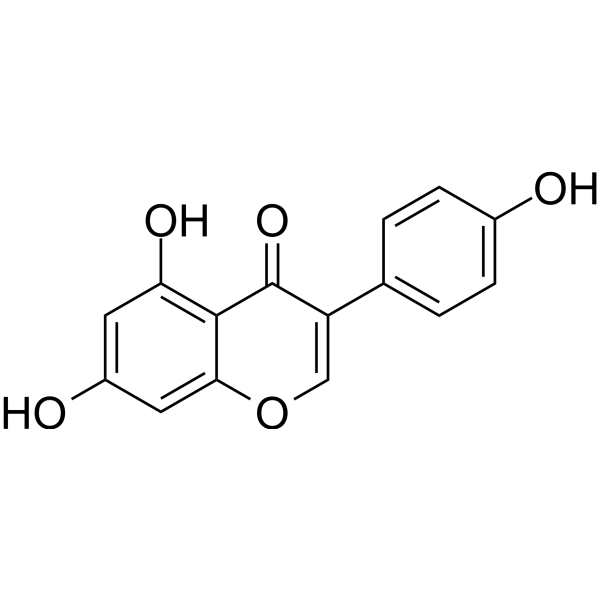
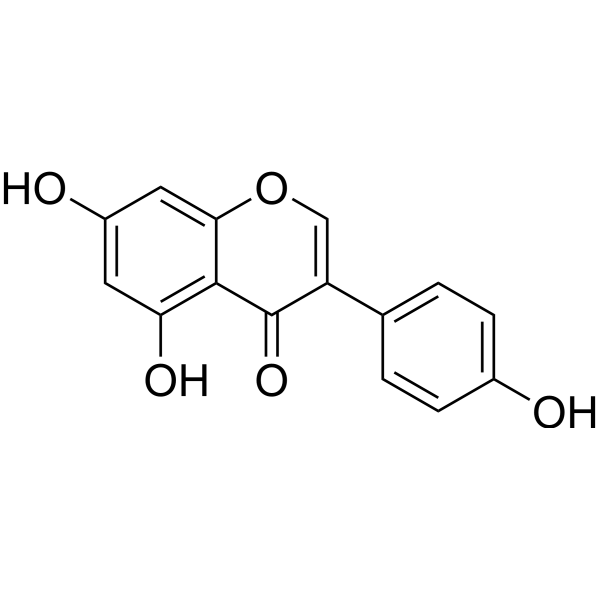
Genistein, a soy isoflavone, is a multiple tyrosine kinases (e.g., EGFR) inhibitor which acts as a chemotherapeutic agent against different types of cancer, mainly by altering apoptosis, the cell cycle, and angiogenesis and inhibiting metastasis.
|
-
-
- HY-N0019
-
-
-
- HY-N0264
-
|
Chuanxiongzine; Tetramethylpyrazine
|
Apoptosis
|
Cardiovascular Disease
Neurological Disease
Metabolic Disease
Inflammation/Immunology
Cancer
|
|
Ligustrazine (Chuanxiongzine), an alkylpyrazine isolated from Ligusticum chuanxiong Hort. (Chuan Xiong) , is present in french fries, bread, cooked meats, tea, cocoa, coffee, beer, spirits, peanuts, filberts, dairy products and soy products as fragrance and flavouring ingredienexhibits. Ligustrazine also has potential nootropic and anti-inflammatory activities in rats .
|
-
-
- HY-N0016
-
-
-
- HY-100583A
-
-
-
- HY-B2228
-
|
|
Biochemical Assay Reagents
|
Cancer
|
|
Proteinase, Aspergillus oryzae is a serine protease that hydrolyzes peptide bonds in protein substrates, preferring alkaline conditions (optimal pH 10.5). It efficiently degrades casein, poly-L-glutamic acid, and poly-L-lysine, with activity irreversibly inhibited by diisopropylfluorophosphate (DFP) and potato inhibitor. This enzyme catalyzes proteolysis via serine residues in its active site, finding applications in food processing (e.g., soy sauce fermentation), detergents, and leather industries due to its high yield in solid-state fermentation and cost-effective production.
|
-
-
- HY-W006405
-
|
|
Estrogen Receptor/ERR
|
Cardiovascular Disease
Cancer
|
|
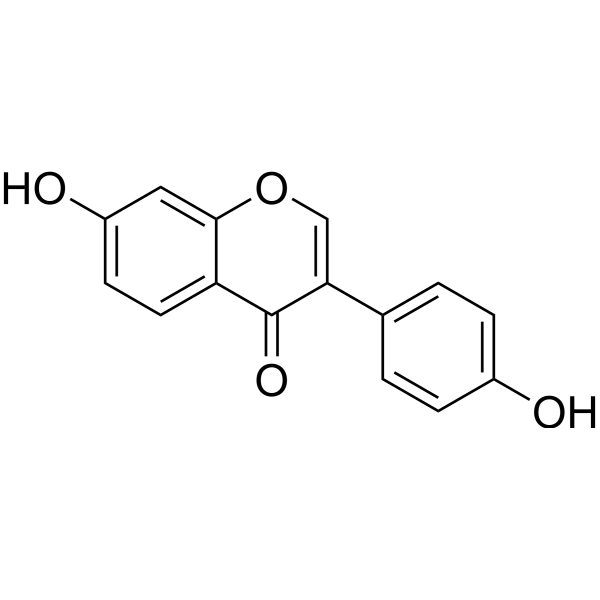
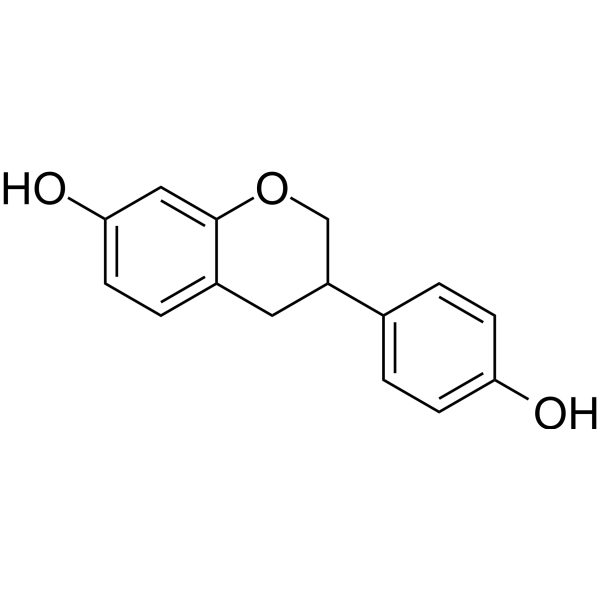
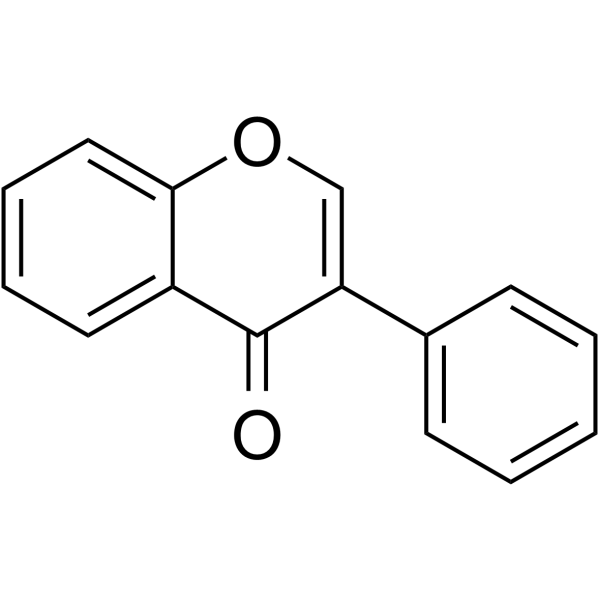
Isoflavone is an orally available bioactive component of soy phytoestrogen with lipid-lowering and antioxidant activities. Isoflavone prevents a variety of chronic diseases by regulating fatty acid oxidation in the liver and gene expression in adipose tissue. In addition, isoflavone has important value in the research of cancer and cardiovascular diseases .
|
-
-
- HY-101399
-
|
H-γ-Glu-Phe-OH; γ-Glutamylphenylalanine
|
Endogenous Metabolite
|
Others
|
|
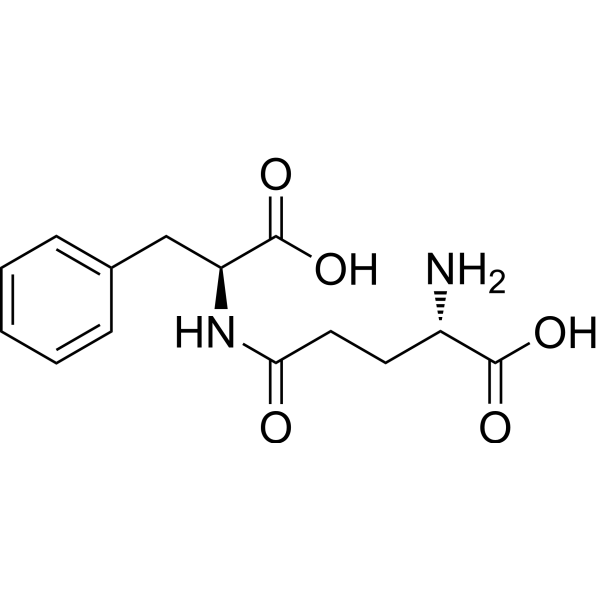
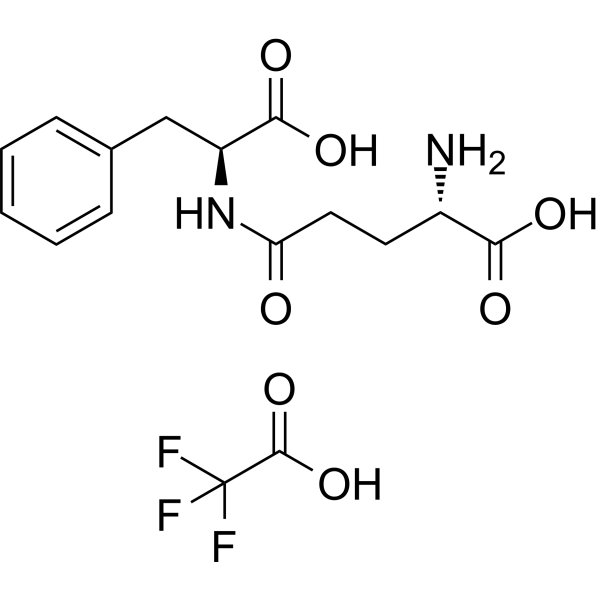
γ-Glu-Phe is synthesized by Bacillus amyloliquefaciens (GBA) and Aspergillus oryzae (GAO). γ-Glu-Phe or the post-enzymatic reaction mixture enhances the umami intensity of commercial soy sauce and model chicken broth .
|
-
-
- HY-14596S
-
|
NPI 031L-d4
|
EGFR
Autophagy
Apoptosis
Endogenous Metabolite
|
Cancer
|
|
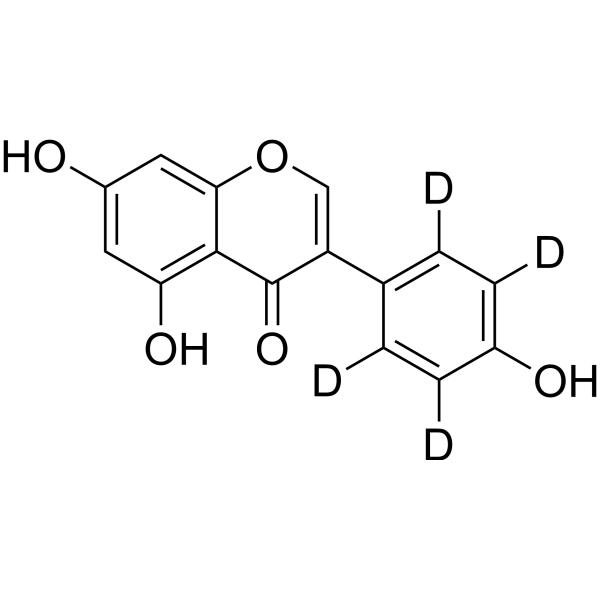
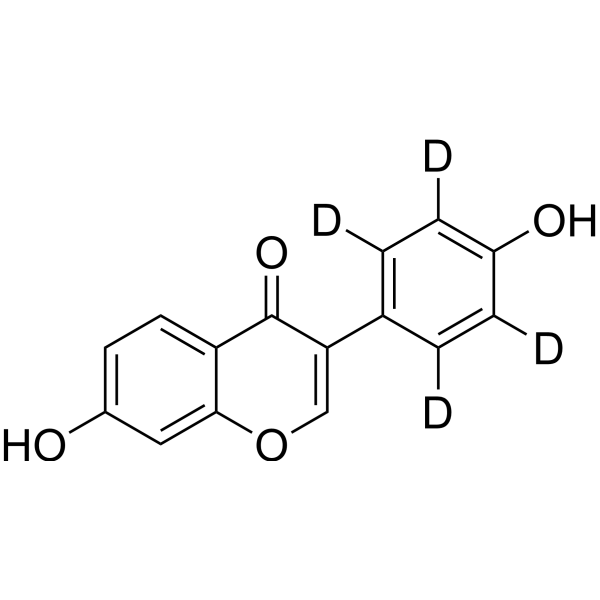
Genistein-d4 is the deuterium labeled Genistein. Genistein, a soy isoflavone, is a multiple tyrosine kinases (e.g., EGFR) inhibitor which acts as a chemotherapeutic agent against different types of cancer, mainly by altering apoptosis, the cell cycle, and angiogenesis and inhibiting metastasis .
|
-
-
- HY-W020035
-
|
|
GPR55
|
Neurological Disease
|
|
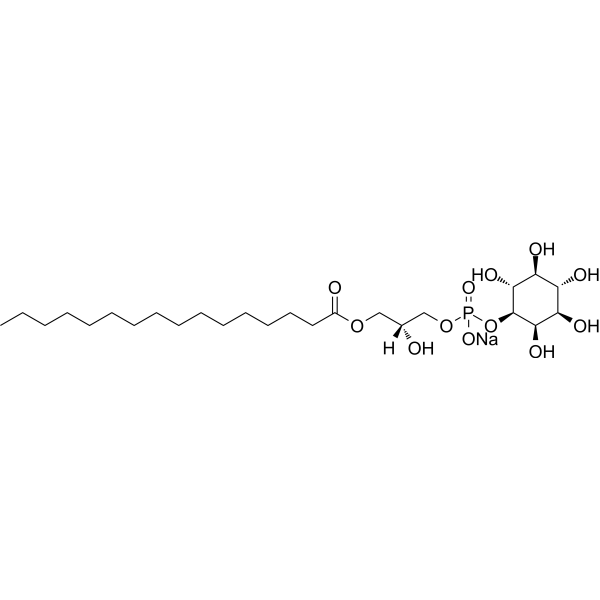
L-α-lysophosphatidylinositol Soy sodium is an endogenous ligand of GPR55. L-α-lysophosphatidylinositol Soy sodium is an endogenous lysophospholipid and endocannabinoid neurotransmitter that belongs to the class of lysophospholipids .
|
-
-
- HY-112747
-
|
LPI; PE (soy)
|
Phospholipase
|
Infection
|
|
Soy PE (LPI) is the most abundant phospholipid in prokaryotes and the second most abundant found in the membrane of mammalian, plant, and yeast cells, comprising approximately 25% of total mammalian phospholipids. In the brain, phosphatidylethanolamine comprises almost half of the total phospholipids. It is synthesized mainly through the cytidine diphosphate-ethanolamine and phosphatidylserine decarboxylation pathways, which occur in the endoplasmic reticulum (ER) and mitochondrial membranes, respectively. It is a precursor in the synthesis of phosphatidylcholine and arachidonoyl ethanolamide and is a source of ethanolamine used in various cellular functions. In E.coli, phosphatidylethanolamine deficiency prevents proper assembly of lactose permease, suggesting a role as a lipid chaperone. It is a cofactor in the propagation of prions in vitro and can convert recombinant mammalian proteins into infectious molecules even in the absence of RNA. This product contains phosphatidylethanolamine molecular species with variable fatty acyl chain lengths at the sn-1 and sn-2 positions .
|
-
-
- HY-W133891
-
|
Peptones, soybean
|
Biochemical Assay Reagents
|
Others
|
|
Peptone from soy (peptones, soybean) is a peptone. Peptone from soy provides nitrogen and carbon sources, as well as other nutrients. Peptone from soy can stimulate/regulate the biosynthesis of cyclic eicosanoids. Peptone from soy induces dose-dependent contraction of guinea pig lung parenchyma. Peptone from soy can be used in microbial and cell culture .
|
-
-
- HY-14596R
-
|
NPI 031L (Standard)
|
Reference Standards
EGFR
Autophagy
Apoptosis
Endogenous Metabolite
|
Cancer
|
|
Genistein (Standard) is the analytical standard of Genistein. This product is intended for research and analytical applications. Genistein, a soy isoflavone, is a multiple tyrosine kinases (e.g., EGFR) inhibitor which acts as a chemotherapeutic agent against different types of cancer, mainly by altering apoptosis, the cell cycle, and angiogenesis and inhibiting metastasis.
|
-
-
- HY-N3127
-
|
|
Casein Kinase
PI3K
VEGFR
|
Metabolic Disease
|
|
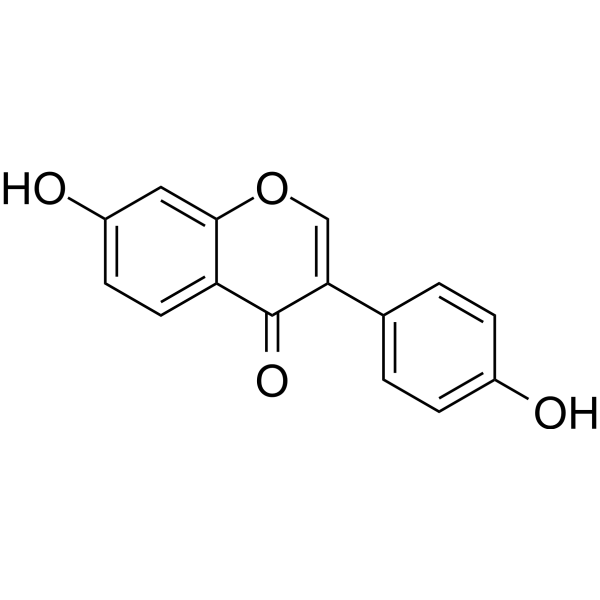
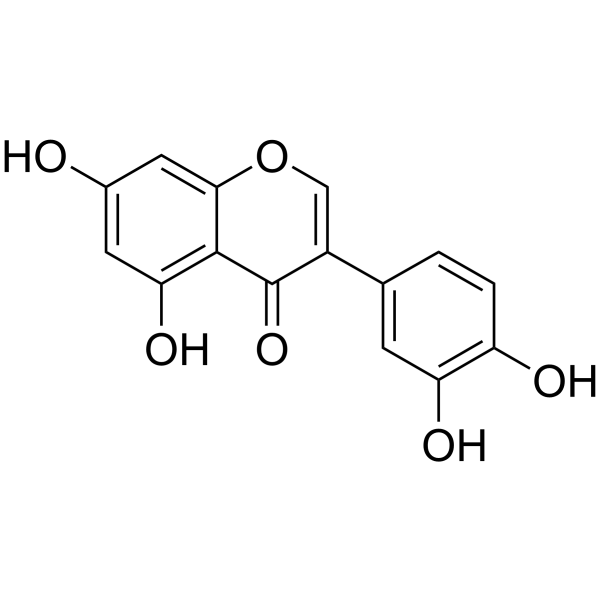
Orobol is one of the major soy isoflavones and has various pharmacological activities, including anti-skin-aging and anti-obesity effects. Orobol inhibits CK1ε, VEGFR2, MAP4K5, MNK1, MUSK, TOPK, and TNIK (IC50=1.24-4.45 μM). Orobol also inhibits PI3K isoforms (IC50=3.46-5.27 μM for PI3K α/β/γ/K/δ) .
|
-
-
- HY-N0019S
-
-
-
- HY-N0019R
-
-
-
- HY-N6074
-
|
|
Autophagy
Apoptosis
|
Inflammation/Immunology
Cancer
|
|
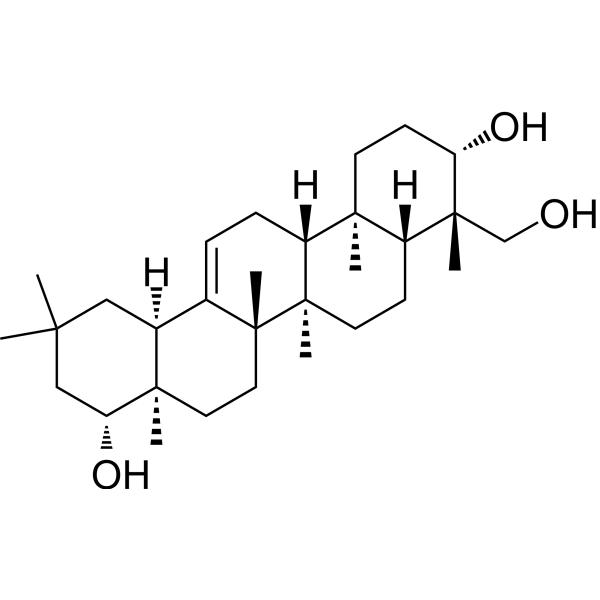
Soyasapogenol B is a component of soy that has oral activity. Soyasapogenol B promotes autophagy and apoptosis. Soyasapogenol B has anti-inflammatory, antioxidant and antitumor activities .
|
-
-
- HY-D2100B
-
|
|
Fluorescent Dye
|
Others
|
|
Cy5-DSPE chloride is a far-infrared fluorescent phospholipid (λex/λem = 600/665 nm). Cy5-DSPE chloride is used to label liposomes, membranes and lipid nanoparticles, and can be applied to tracking and imaging studies of liposomes .
|
-
-
- HY-P4371
-
|
|
Biochemical Assay Reagents
|
Inflammation/Immunology
|
|
Hel 13-5 is a monomeric, lipophilic, basic amphipathic α-helical synthetic peptide composed of 18 amino acid residues. Hel 13-5 is designed as a substitute for proteins in artificial pulmonary surfactants, and it mimics the interaction between the N-terminal fragment of human pulmonary surfactant protein B and lipids. Hel 13-5 can bind to phospholipids for the development of pulmonary surfactant model systems. Hel 13-5 can be used in studies related to respiratory distress syndrome .
|
-
-
- HY-N4075
-
-
-
- HY-157362
-
|
TSB
|
Biochemical Assay Reagents
|
Others
|
|
Tryptone Soya Broth can be used for MPN determination of Staphylococcus aureus. Tryptone Soya Broth ingredients include tryptone, soy peptone, sodium chloride, dipotassium hydrogen phosphate, and glucose .
|
-
-
- HY-D2100
-
|
|
Fluorescent Dye
|
Others
|
|
Cy5-DSPE is a far-infrared fluorescent phospholipid (λex/λem = 600/665 nm). Cy5-DSPE is used to label liposomes, membranes and lipid nanoparticles, and can be applied to tracking and imaging studies of liposomes .
|
-
-
- HY-165084
-
|
soy PS sodium
|
Liposome
|
Inflammation/Immunology
|
|
L-a-Phosphatidylserine sodium is an antigen targeting phosphatidylserine (PS) and can induce the production of polyclonal antibodies. L-a-Phosphatidylserine can trigger complement-dependent immune damage by binding to PS on the cell membrane surface. After L-a-Phosphatidylserine is recognized by antibodies, it activates the complement system, causing liposome membrane damage and content release, and then participates in the regulation of immune response and cell apoptosis signaling. L-a-Phosphatidylserine can be used in immunological research, such as antibody specificity analysis and complement activation mechanism research .
|
-
-
- HY-N0019S1
-
-
-
- HY-N0264R
-
|
Chuanxiongzine (Standard); Tetramethylpyrazine (Standard)
|
Reference Standards
Apoptosis
|
Cardiovascular Disease
Neurological Disease
Metabolic Disease
Inflammation/Immunology
Cancer
|
|
Ligustrazine (Standard) is the analytical standard of Ligustrazine. This product is intended for research and analytical applications. Ligustrazine (Chuanxiongzine), an alkylpyrazine isolated from Ligusticum chuanxiong Hort. (Chuan Xiong) , is present in french fries, bread, cooked meats, tea, cocoa, coffee, beer, spirits, peanuts, filberts, dairy products and soy products as fragrance and flavouring ingredienexhibits. Ligustrazine also has potential nootropic and anti-inflammatory activities in rats .
|
-
-
- HY-154644A
-
-
-
- HY-154644B
-
-
-
- HY-101399SA
-
|
H-γ-Glu-Phe-OH-13C9,15N TFA; γ-Glutamylphenylalanine-13C9,15N TFA
|
Isotope-Labeled Compounds
Endogenous Metabolite
|
Others
|
|
γ-Glu-(Phe-13C9,15N) (γ-Glutamylphenylalanine-13C9,15N) TFA is the 13C- and 15N-labeled γ-Glu-Phe TFA (HY-101399A). γ-Glu-Phe TFA is synthesized by Bacillus amyloliquefaciens (GBA) and Aspergillus oryzae (GAO). γ-Glu-Phe TFA or the post-enzymatic reaction mixture enhances the umami intensity of commercial soy sauce and model chicken broth .
|
-
-
- HY-136240
-
|
|
Parasite
|
Infection
|
|
Tioxazafen is a disubstituted oxadiazole and a broad-spectrum seed treatment nematicide. Tioxazafen is designed to provide consistent broad-spectrum control of nematodes in corn, soy, and cotton .
|
-
-
- HY-N7273
-
|
|
Apoptosis
|
Cancer
|
|
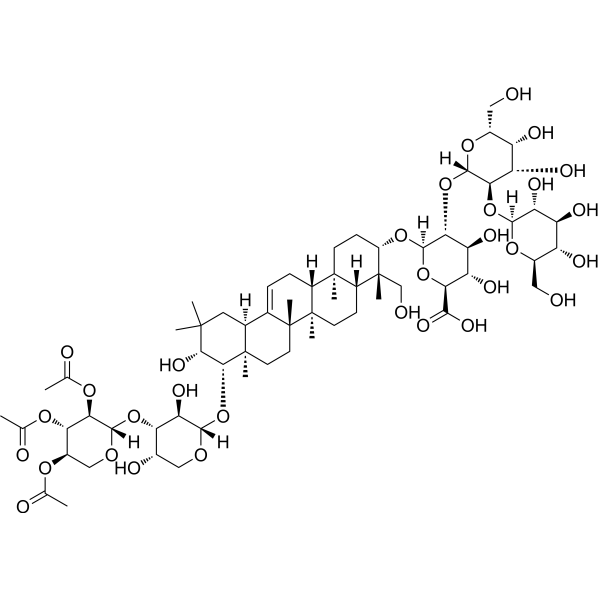
Soyasaponin III, a monodesmodic oleanane triterpenoid, is one of the main potentially bioactive saponins found in soy (Glycine max) and related products. Soyasaponin III can induce apoptosis in Hep-G2 cells .
|
-
-
- HY-N4204
-
-
-
- HY-159063
-
|
|
Biochemical Assay Reagents
|
Others
|
|
Soy Polysaccharides are biochemical reagents that can be added to beverages, sauces, and dairy products as thickeners, emulsifiers, and dietary fiber ingredients. Soy Polysaccharides are non-toxic, hydrophilic, and biodegradable, allowing for widespread application in various food sectors. Additionally, Soy Polysaccharides serve as effective stabilizers in oil/water emulsions. Even under acidic conditions, Soy Polysaccharides can stabilize β-conglycinin-based emulsions to prevent flocculation .
|
-
-
- HY-W753779
-
|
8-OHG
|
Reactive Oxygen Species (ROS)
NO Synthase
|
Others
|
|
8-Hydroxygenistein (8-OHG) is an antioxidant that can effectively scavenge nitric oxide (NO) and superoxide anion (O₂⁻). 8-Hydroxygenistein belongs to ortho-dihydroxy isoflavones (ODI) and is abundantly present in dark soy sauce and light soy sauce. Its antioxidant activity is stronger than that of its parent compound genistein (HY-14596). The content of 8-Hydroxygenistein is positively correlated with the antioxidant capacity of soy sauce (r = 0.959), and it remains highly stable even after being heated in boiling water for 60 minutes. During the brewing and storage of soy sauce, 8-Hydroxygenistein effectively prevents oxidative damage, making it promising for use in food antioxidant research.
|
-
-
- HY-149053A
-
-
-
- HY-157371
-
|
|
Biochemical Assay Reagents
|
Others
|
|
Blood Agar Base can be used to isolate pathogenic bacteria with high nutritional requirements. Blood Agar Base ingredients include tryptone, soy peptone, sodium chloride, and agar .
|
-
-
- HY-W740360
-
-
-
- HY-100583AR
-
-
-
- HY-101399A
-
|
H-γ-Glu-Phe-OH TFA; γ-Glutamylphenylalanine TFA
|
Endogenous Metabolite
|
Others
|
|
γ-Glu-Phe TFA (γ-Glutamylphenylalanine TFA) is synthesized by Bacillus amyloliquefaciens (GBA) and Aspergillus oryzae (GAO). γ-Glu-Phe TFA or the post-enzymatic reaction mixture enhances the umami intensity of commercial soy sauce and model chicken broth .
|
-
-
- HY-N6074R
-
|
|
Reference Standards
Autophagy
Apoptosis
|
Inflammation/Immunology
Cancer
|
|
Soyasapogenol B (Standard) is the analytical standard of Soyasapogenol B. This product is intended for research and analytical applications. Soyasapogenol B is a component of soy that has oral activity. Soyasapogenol B promotes autophagy and apoptosis. Soyasapogenol B has anti-inflammatory, antioxidant and antitumor activities .
|
-
-
- HY-101399S
-
|
H-γ-Glu-Phe-OH-13C9,15N; γ-Glutamylphenylalanine-13C9,15N
|
Isotope-Labeled Compounds
|
Others
|
|
γ-Glu-(Phe- 13C9, 15N) is the 13C and 15N labeled isotope of γ-Glu-Phe(HY-101399).γ-Glu-Phe or the postenzymatic reaction mixture enhanced the umami intensity of commercial soy sauce and model chicken soup.
|
-
-
- HY-B2171AR
-
|
Carminomycin hydrochloride (Standard); Carminomicin I hydrochloride (Standard)
|
Reference Standards
Apoptosis
|
Infection
Cancer
|
|
Isoflavone (Standard) is the analytical standard of Isoflavone. This product is intended for research and analytical applications. Isoflavone is an orally available bioactive component of soy phytoestrogen with lipid-lowering and antioxidant activities. Isoflavone prevents a variety of chronic diseases by regulating fatty acid oxidation in the liver and gene expression in adipose tissue. In addition, isoflavone has important value in the research of cancer and cardiovascular diseases .
|
-
-
- HY-D2100A
-
|
|
Fluorescent Dye
|
Others
|
|
Cy5-DSPE chloride ammonium is a far-infrared fluorescent phospholipid (λex/λem = 600/665 nm). Cy5-DSPE chloride ammonium is used to label liposomes, membranes and lipid nanoparticles, and can be applied to tracking and imaging studies of liposomes .
|
-
-
- HY-E70944
-
|
|
SOD
|
Metabolic Disease
|
|
Soy Superoxide Dismutase (EC 1.15.1.1) catalyzes the dismutation of superoxide radicals to hydrogen peroxide and molecular oxygen. Superoxide Dismutase plays a critical role in the defense of cells against the toxic effects of oxygen radicals. Superoxide Dismutase competes with nitric oxide (NO) for superoxide anion (which reacts with NO to form peroxynitrite), thereby Superoxide Dismutase promotes the activity of NO.
|
-
-
- HY-W250061
-
|
|
Others
|
Cancer
|
|
(-)-(1S,3S)-MTCA can be isolated from Japanese soy sauce. (-)-(1S,3S)-MTCA induces revertants of Salmonella typhimurium TA100, after treatment with nitrite .
|
-
-
- HY-W100994
-
|
|
Others
|
Others
|
|
3-Methoxy-2-methyl-4H-pyran-4-one is a pyranone. 3-Methoxy-2-methyl-4H-pyran-4-one can be isolated from soy sauce .
|
-
| Cat. No. |
Product Name |
Type |
-
- HY-D2100B
-
|
|
Fluorescent Dye
|
|
Cy5-DSPE chloride is a far-infrared fluorescent phospholipid (λex/λem = 600/665 nm). Cy5-DSPE chloride is used to label liposomes, membranes and lipid nanoparticles, and can be applied to tracking and imaging studies of liposomes .
|
-
- HY-D2100
-
|
|
Fluorescent Dye
|
|
Cy5-DSPE is a far-infrared fluorescent phospholipid (λex/λem = 600/665 nm). Cy5-DSPE is used to label liposomes, membranes and lipid nanoparticles, and can be applied to tracking and imaging studies of liposomes .
|
-
- HY-D2100A
-
|
|
Fluorescent Dye
|
|
Cy5-DSPE chloride ammonium is a far-infrared fluorescent phospholipid (λex/λem = 600/665 nm). Cy5-DSPE chloride ammonium is used to label liposomes, membranes and lipid nanoparticles, and can be applied to tracking and imaging studies of liposomes .
|
| Cat. No. |
Product Name |
Type |
-
- HY-B2228
-
|
|
Biochemical Assay Reagents
|
|
Proteinase, Aspergillus oryzae is a serine protease that hydrolyzes peptide bonds in protein substrates, preferring alkaline conditions (optimal pH 10.5). It efficiently degrades casein, poly-L-glutamic acid, and poly-L-lysine, with activity irreversibly inhibited by diisopropylfluorophosphate (DFP) and potato inhibitor. This enzyme catalyzes proteolysis via serine residues in its active site, finding applications in food processing (e.g., soy sauce fermentation), detergents, and leather industries due to its high yield in solid-state fermentation and cost-effective production.
|
-
- HY-W133891
-
|
Peptones, soybean
|
Biochemical Assay Reagents
|
|
Peptone from soy (peptones, soybean) is a peptone. Peptone from soy provides nitrogen and carbon sources, as well as other nutrients. Peptone from soy can stimulate/regulate the biosynthesis of cyclic eicosanoids. Peptone from soy induces dose-dependent contraction of guinea pig lung parenchyma. Peptone from soy can be used in microbial and cell culture .
|
-
- HY-157362
-
|
TSB
|
Biochemical Assay Reagents
|
|
Tryptone Soya Broth can be used for MPN determination of Staphylococcus aureus. Tryptone Soya Broth ingredients include tryptone, soy peptone, sodium chloride, dipotassium hydrogen phosphate, and glucose .
|
-
- HY-D2100
-
|
|
Biochemical Assay Reagents
|
|
Cy5-DSPE is a far-infrared fluorescent phospholipid (λex/λem = 600/665 nm). Cy5-DSPE is used to label liposomes, membranes and lipid nanoparticles, and can be applied to tracking and imaging studies of liposomes .
|
-
- HY-154644A
-
|
|
Biochemical Assay Reagents
|
|
Soy lecithin-90 is a mixture containing 90% phospholipids. Soy lecithin-90 can be used as an emulsifier .
|
-
- HY-154644B
-
|
|
Biochemical Assay Reagents
|
|
Soy lecithin-80 is a mixture containing 80% phospholipids. Soy lecithin-80 can be used as an emulsifier .
|
-
- HY-159063
-
|
|
Biochemical Assay Reagents
|
|
Soy Polysaccharides are biochemical reagents that can be added to beverages, sauces, and dairy products as thickeners, emulsifiers, and dietary fiber ingredients. Soy Polysaccharides are non-toxic, hydrophilic, and biodegradable, allowing for widespread application in various food sectors. Additionally, Soy Polysaccharides serve as effective stabilizers in oil/water emulsions. Even under acidic conditions, Soy Polysaccharides can stabilize β-conglycinin-based emulsions to prevent flocculation .
|
-
- HY-157371
-
|
|
Biochemical Assay Reagents
|
|
Blood Agar Base can be used to isolate pathogenic bacteria with high nutritional requirements. Blood Agar Base ingredients include tryptone, soy peptone, sodium chloride, and agar .
|
| Cat. No. |
Product Name |
Target |
Research Area |
-
- HY-101399
-
|
H-γ-Glu-Phe-OH; γ-Glutamylphenylalanine
|
Endogenous Metabolite
|
Others
|
|
γ-Glu-Phe is synthesized by Bacillus amyloliquefaciens (GBA) and Aspergillus oryzae (GAO). γ-Glu-Phe or the post-enzymatic reaction mixture enhances the umami intensity of commercial soy sauce and model chicken broth .
|
-
- HY-P4371
-
|
|
Biochemical Assay Reagents
|
Inflammation/Immunology
|
|
Hel 13-5 is a monomeric, lipophilic, basic amphipathic α-helical synthetic peptide composed of 18 amino acid residues. Hel 13-5 is designed as a substitute for proteins in artificial pulmonary surfactants, and it mimics the interaction between the N-terminal fragment of human pulmonary surfactant protein B and lipids. Hel 13-5 can bind to phospholipids for the development of pulmonary surfactant model systems. Hel 13-5 can be used in studies related to respiratory distress syndrome .
|
-
- HY-P10342
-
|
|
Peptides
|
Cardiovascular Disease
|
|
Soystatin is a peptide extracted from soy protein, whose main activity is to inhibit the absorption of cholesterol. Soystatin, as a peptide with significant cholic acid binding ability, can be used in the study of cardiovascular diseases .
|
-
- HY-101399A
-
|
H-γ-Glu-Phe-OH TFA; γ-Glutamylphenylalanine TFA
|
Endogenous Metabolite
|
Others
|
|
γ-Glu-Phe TFA (γ-Glutamylphenylalanine TFA) is synthesized by Bacillus amyloliquefaciens (GBA) and Aspergillus oryzae (GAO). γ-Glu-Phe TFA or the post-enzymatic reaction mixture enhances the umami intensity of commercial soy sauce and model chicken broth .
|
| Cat. No. |
Product Name |
Category |
Target |
Chemical Structure |
-
- HY-14596
-
-
-
- HY-N0019
-
-
-
- HY-N0264
-
|
Chuanxiongzine; Tetramethylpyrazine
|
Cardiovascular Disease
Natural Products
Neurological Disease
Classification of Application Fields
Metabolic Disease
Dicerothamnus rhinocerotis
Umbelliferae
Plants
Inflammation/Immunology
Disease Research Fields
Source Classification
|
Apoptosis
|
|
Ligustrazine (Chuanxiongzine), an alkylpyrazine isolated from Ligusticum chuanxiong Hort. (Chuan Xiong) , is present in french fries, bread, cooked meats, tea, cocoa, coffee, beer, spirits, peanuts, filberts, dairy products and soy products as fragrance and flavouring ingredienexhibits. Ligustrazine also has potential nootropic and anti-inflammatory activities in rats .
|
-
-
- HY-N0016
-
-
-
- HY-100583A
-
-
-
- HY-W006405
-
-
-
- HY-101399
-
-
-
- HY-14596R
-
-
-
- HY-N3127
-
-
-
- HY-N0019R
-
-
-
- HY-N6074
-
-
-
- HY-N4075
-
-
-
- HY-N0264R
-
|
Chuanxiongzine (Standard); Tetramethylpyrazine (Standard)
|
Structural Classification
Natural Products
Dicerothamnus rhinocerotis
Umbelliferae
Plants
Source Classification
|
Reference Standards
Apoptosis
|
|
Ligustrazine (Standard) is the analytical standard of Ligustrazine. This product is intended for research and analytical applications. Ligustrazine (Chuanxiongzine), an alkylpyrazine isolated from Ligusticum chuanxiong Hort. (Chuan Xiong) , is present in french fries, bread, cooked meats, tea, cocoa, coffee, beer, spirits, peanuts, filberts, dairy products and soy products as fragrance and flavouring ingredienexhibits. Ligustrazine also has potential nootropic and anti-inflammatory activities in rats .
|
-
-
- HY-N7273
-
-
-
- HY-W753779
-
|
8-OHG
|
Flavonoids
Flavones
Leguminosae
Glycine max (L.) merr
Plants
Source Classification
|
Reactive Oxygen Species (ROS)
NO Synthase
|
|
8-Hydroxygenistein (8-OHG) is an antioxidant that can effectively scavenge nitric oxide (NO) and superoxide anion (O₂⁻). 8-Hydroxygenistein belongs to ortho-dihydroxy isoflavones (ODI) and is abundantly present in dark soy sauce and light soy sauce. Its antioxidant activity is stronger than that of its parent compound genistein (HY-14596). The content of 8-Hydroxygenistein is positively correlated with the antioxidant capacity of soy sauce (r = 0.959), and it remains highly stable even after being heated in boiling water for 60 minutes. During the brewing and storage of soy sauce, 8-Hydroxygenistein effectively prevents oxidative damage, making it promising for use in food antioxidant research.
|
-
-
- HY-100583AR
-
-
-
- HY-101399A
-
-
-
- HY-N6074R
-
-
-
- HY-B2171AR
-
|
Carminomycin hydrochloride (Standard); Carminomicin I hydrochloride (Standard)
|
Quinones
Microorganisms
Anthraquinones
Phenols
Polyphenols
Source Classification
|
Reference Standards
Apoptosis
|
|
Isoflavone (Standard) is the analytical standard of Isoflavone. This product is intended for research and analytical applications. Isoflavone is an orally available bioactive component of soy phytoestrogen with lipid-lowering and antioxidant activities. Isoflavone prevents a variety of chronic diseases by regulating fatty acid oxidation in the liver and gene expression in adipose tissue. In addition, isoflavone has important value in the research of cancer and cardiovascular diseases .
|
-
-
- HY-W250061
-
-
| Cat. No. |
Product Name |
Chemical Structure |
-
- HY-14596S
-
|
|
|
Genistein-d4 is the deuterium labeled Genistein. Genistein, a soy isoflavone, is a multiple tyrosine kinases (e.g., EGFR) inhibitor which acts as a chemotherapeutic agent against different types of cancer, mainly by altering apoptosis, the cell cycle, and angiogenesis and inhibiting metastasis .
|
-
-
- HY-N0019S
-
|
|
|
Daidzein-d4 is the deuterium labeled Daidzein. Daidzein is a soy isoflavone, which acts as a PPAR activator.
|
-
-
- HY-N0019S1
-
|
|
|
Daidzein-d6 is a deuterium labeled Daidzein (HY-N0019). Daidzein is a soy isoflavone, which acts as a PPAR activator.
|
-
-
- HY-101399SA
-
|
|
|
γ-Glu-(Phe-13C9,15N) (γ-Glutamylphenylalanine-13C9,15N) TFA is the 13C- and 15N-labeled γ-Glu-Phe TFA (HY-101399A). γ-Glu-Phe TFA is synthesized by Bacillus amyloliquefaciens (GBA) and Aspergillus oryzae (GAO). γ-Glu-Phe TFA or the post-enzymatic reaction mixture enhances the umami intensity of commercial soy sauce and model chicken broth .
|
-
-
- HY-W740360
-
|
|
|
Daidzein-3',5',8-d3 is the deuterium labeled Daidzein (HY-N0019). Daidzein is a soy isoflavone, which acts as a PPAR activator.
|
-
-
- HY-101399S
-
|
|
|
γ-Glu-(Phe- 13C9, 15N) is the 13C and 15N labeled isotope of γ-Glu-Phe(HY-101399).γ-Glu-Phe or the postenzymatic reaction mixture enhanced the umami intensity of commercial soy sauce and model chicken soup.
|
-
| Cat. No. |
Product Name |
|
Classification |
-
- HY-D2100
-
|
|
|
Fluorescent Lipids
|
|
Cy5-DSPE is a far-infrared fluorescent phospholipid (λex/λem = 600/665 nm). Cy5-DSPE is used to label liposomes, membranes and lipid nanoparticles, and can be applied to tracking and imaging studies of liposomes .
|
Your information is safe with us. * Required Fields.
Inquiry Information
- Product Name:
- Cat. No.:
- Quantity:
- MCE Japan Authorized Agent:

