1379 Results for "

subcutaneous HCC xenografts

" in MedChemExpress (MCE) Product Catalog:
Products (1379)

1379 Results for "subcutaneous HCC xenografts" in MCE Product Catalog:

234
234 Publications Verification
Cat. No.: HY-10484
CAS No.: 1160295-21-5
Purity:  98.58%
Synonyms: MLN4924 hydrochloride
Research Areas:  

Cancer

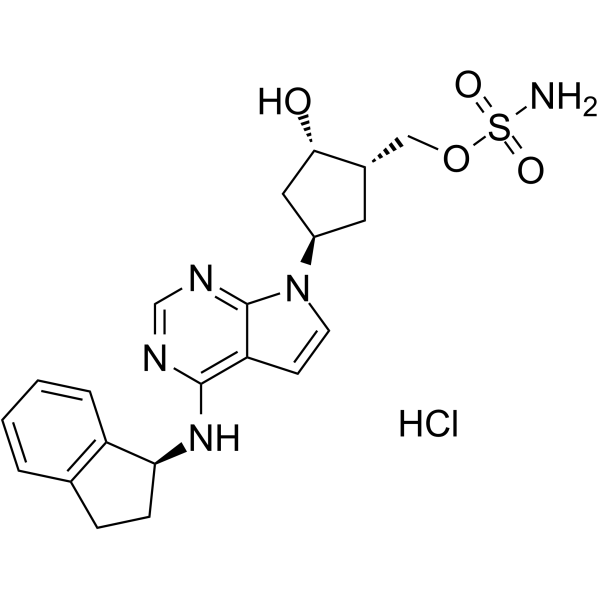
Pevonedistat (MLN4924) hydrochloride is a potent and selective NEDD8-activating enzyme (NAE) inhibitor, with an IC50 of 4.7 nM. Pevonedistat hydrochloride induces the deregulation of S-phase DNA synthesis, thereby disrupting protein turnover mediated by cullin-RING ligase, leading to apoptosis of human tumor cells. Pevonedistat hydrochloride suppresses the growth of human tumour xenografts in mice .
loading...
    loading...
234
234 Publications Verification
Cat. No.: HY-70062
CAS No.: 905579-51-3
Synonyms: MLN4924
Research Areas:  

Cancer

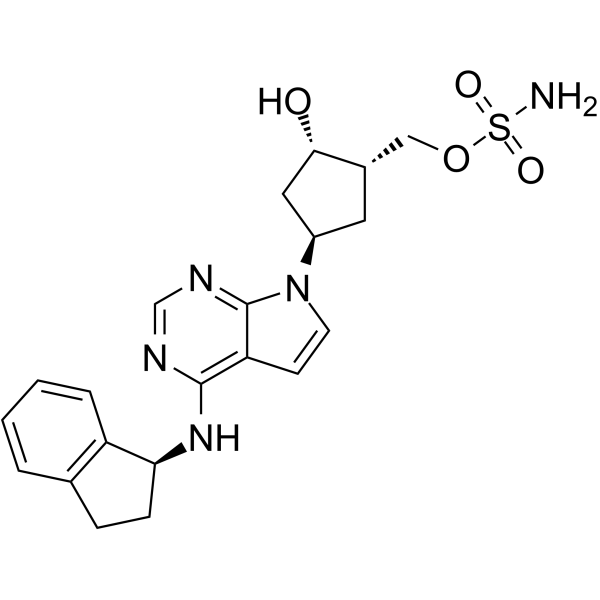
Pevonedistat (MLN4924) is a potent and selective NEDD8-activating enzyme (NAE) inhibitor with an IC50 of 4.7 nM. Pevonedistat induces the deregulation of S-phase DNA synthesis, thereby disrupting protein turnover mediated by cullin-RING ligase, leading to apoptosis of human tumor cells. Pevonedistat suppresses the growth of human tumour xenografts in mice .
loading...
    loading...
161
161 Cited Publications
Cat. No.: HY-10254
CAS No.: 391210-10-9
Purity:  99.95%
Synonyms: PD0325901; PD325901
Target:  

MEK Autophagy Apoptosis

Research Areas:  

Cancer

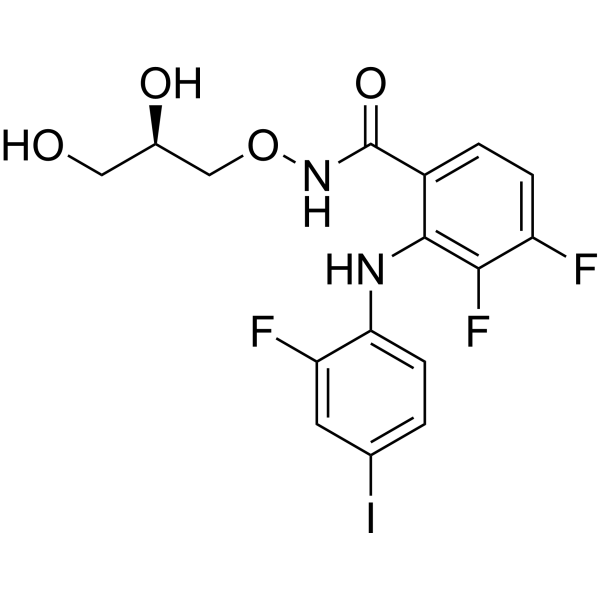
Mirdametinib (PD0325901) is an orally active, selective and non-ATP-competitive MEK inhibitor with an IC50 of 0.33 nM. Mirdametinib exhibits a Ki app of 1 nM against activated MEK1 and MEK2. Mirdametinib suppresses the expression of p-ERK1/2 and induces apoptosis. Mirdametinib has anti-cancer activity for a broad spectrum of human tumor xenografts .
loading...
    loading...
69
69 Cited Publications
Cat. No.: HY-15186
CAS No.: 1001264-89-6
Purity:  99.79%
Synonyms: GDC-0068; RG7440
Target:  

Organoid Akt Apoptosis

Research Areas:  

Cancer

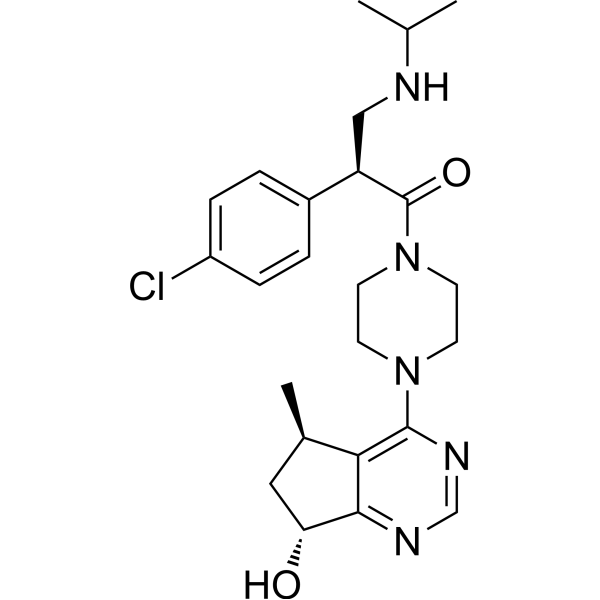
Ipatasertib (GDC-0068) is an orally active, highly selective and ATP-competitive pan-Akt inhibitor with IC50 values of 5, 18, 8 nM for Akt1/2/3, respectively. Ipatasertib synchronously activates FoxO3a and NF-κB through inhibition of Akt leading to p53-independent activation of PUMA. Ipatasertib also induces apoptosis in cancer cells and inhibits tumor growth in xenograft mouse models .
loading...
    loading...
65
65 Cited Publications
Cat. No.: HY-101120
CAS No.: 1433286-70-4
Purity:  99.74%
Research Areas:  

Cancer

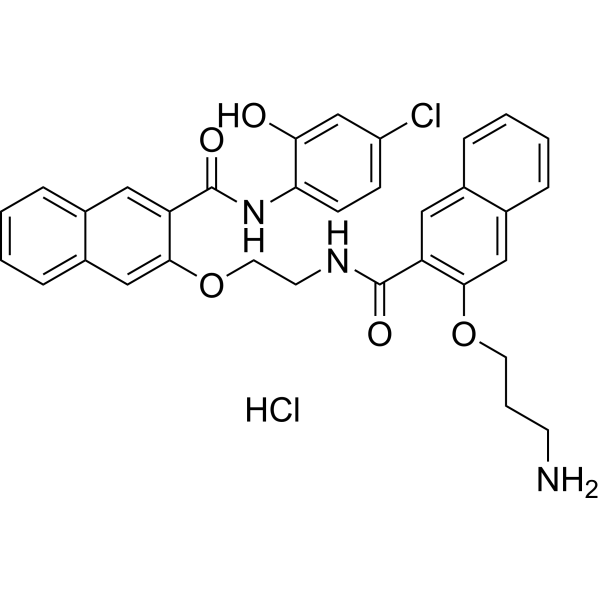
666-15 is a potent and selective CREB inhibitor with an IC50 of 81 nM. 666-15 suppresses tumor growth in a breast cancer xenograft model .
loading...
    loading...
37
37 Cited Publications
Cat. No.: HY-112288
CAS No.: 432001-19-9
Purity:  99.90%
Synonyms: TTI-101
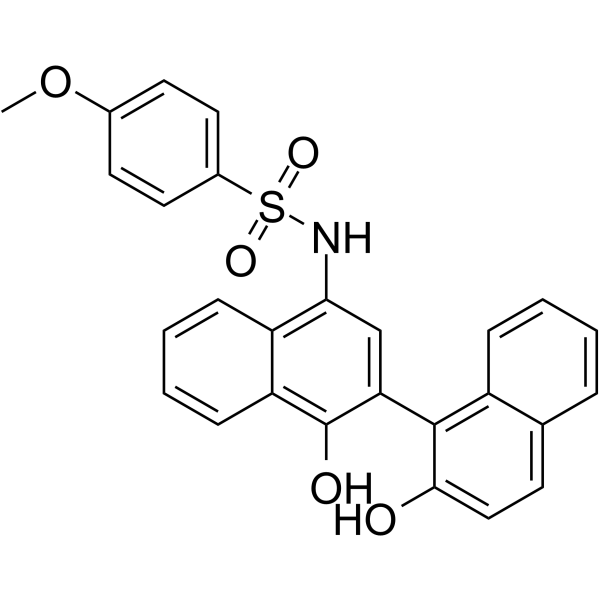
C188-9 (TTI-101) is a STAT3 inhibitor with a Kd value of 4.7 nM. C188-9 targets the SH2 domain of STAT3, blocks the processes of STAT3 ligand binding, receptor recruitment, homodimerization and phosphorylation, and regulates STAT3-mediated genes associated with tumorigenesis and radioresistance. C188-9 regulates STAT1-mediated genes related to radioresistance and reduces the activation level of STAT1. C188-9 downregulates the expression of DNMT1, enhances DAC-induced demethylation and re-expression of RASSF1A, and simultaneously potentiates the anti-tumor effect of DAC on pancreatic cancer cells. C188-9 inhibits both anchorage-dependent and anchorage-independent growth of cancer cells, induces Apoptosis, blocks the growth of tumor xenografts, and suppresses muscle atrophy. C188-9 maintains muscle mass, increases body weight and improves grip strength in tumor-bearing mice. C188-9 can be used in research related to head and neck squamous cell carcinoma, pancreatic cancer, sepsis-related skeletal muscle wasting, non-small cell lung cancer, acute myeloid leukemia and cancer cachexia .
loading...
    loading...
33
33 Cited Publications
Cat. No.: HY-16214
CAS No.: 213971-34-7
Synonyms: LDHA Inhibitor FX11
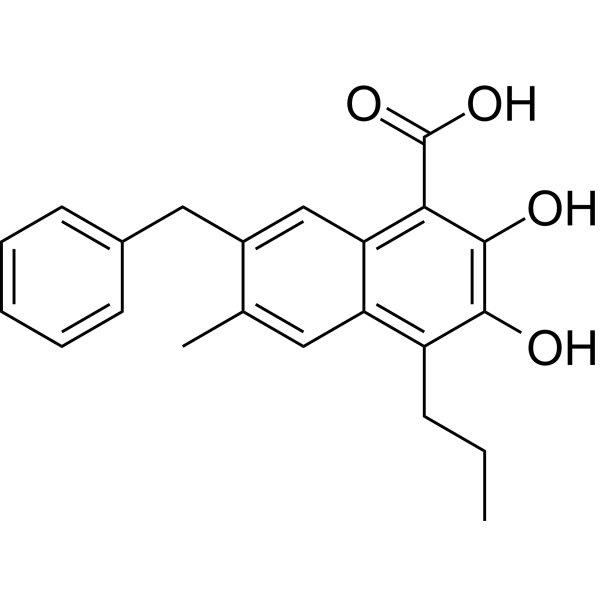
FX-11 is a potent, selective, reversible and competitive lactate dehydrogenase A (LDHA) inhibitor, with a Ki of 8 μM. FX-11 reduces ATP levels and induces oxidative stress, ROS production and cell death. FX-11 shows antitumor activity in lymphoma and pancreatic cancer xenografts .
loading...
    loading...
29
29 Cited Publications
Cat. No.: HY-100001
CAS No.: 130495-35-1
Purity:  ≥99.01%
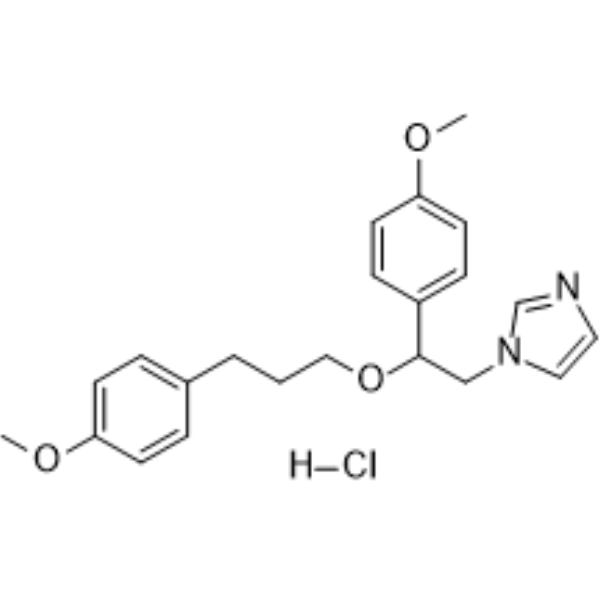
SKF-96365 hydrochloride is a TRPC channel antagonist and store-operated calcium entry (SOCE) inhibitor. SKF-96365 hydrochloride reduces calcium ion influx by inhibiting the activity and expression of TRPC6, STIM1 and Orai1. SKF-96365 hydrochloride inhibits voltage-gated sodium current (cardiac INa/NaV1.5) and slows myocardial conduction. SKF-96365 hydrochloride inhibits phosphorylation/activation of CaMKIIγ and suppresses the downstream AKT signaling pathway. SKF-96365 hydrochloride induces G2/M phase cell cycle arrest, apoptosis and cytoprotective autophagy in colorectal cancer cells. SKF-96365 hydrochloride alleviates allergic rhinitis symptoms by reducing inflammatory cytokine levels. SKF-96365 hydrochloride reduces intracellular calcium overload, inhibits Homer1 expression, prevents nuclear damage and suppresses apoptosis. SKF-96365 hydrochloride inhibits the growth of colorectal cancer xenografts in nude mice . SKF-96365 hydrochloride is applicable to research related to allergic rhinitis, colorectal cancer, Parkinson's disease, persistent spontaneous nociception and hyperalgesia .
loading...
    loading...
29
29 Cited Publications
Cat. No.: HY-125942
CAS No.: 162849-90-3
SKF-96365 is a TRPC channel antagonist and store-operated calcium entry (SOCE) inhibitor. SKF-96365 reduces calcium ion influx by inhibiting the activity and expression of TRPC6, STIM1 and Orai1. SKF-96365 inhibits voltage-gated sodium current (cardiac INa/NaV1.5) and slows myocardial conduction. SKF-96365 inhibits phosphorylation/activation of CaMKIIγ and suppresses the downstream AKT signaling pathway. SKF-96365 induces G2/M phase cell cycle arrest, apoptosis and cytoprotective autophagy in colorectal cancer cells. SKF-96365 alleviates allergic rhinitis symptoms by reducing inflammatory cytokine levels. SKF-96365 reduces intracellular calcium overload, inhibits Homer1 expression, prevents nuclear damage and suppresses apoptosis. SKF-96365 inhibits the growth of colorectal cancer xenografts in nude mice . SKF-96365 is applicable to research related to allergic rhinitis, colorectal cancer, Parkinson's disease, persistent spontaneous nociception and hyperalgesia .
loading...
    loading...
26
26 Cited Publications
Cat. No.: HY-15306
CAS No.: 496775-61-2
Purity:  99.94%
Synonyms: SB-497115
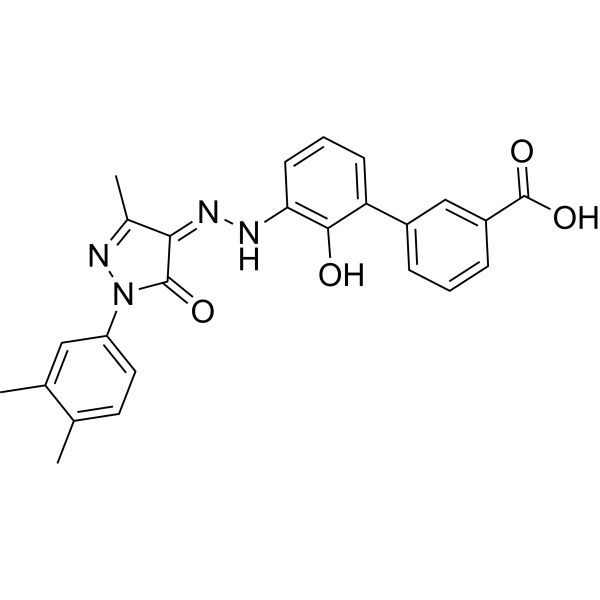
Eltrombopag (SB-497115) is an orally active thrombopoietin receptor nonpeptide agonist. Eltrombopag owns thrombopoietic activity, and has been used to research low blood platelet counts with chronic immune thrombocytopenia. Eltrombopag can be used for the research of cardiovascular. Eltrombopag also has highly inhibitory effects against multidrug resistant Staphylococcus aureus. Eltrombopag can induce apoptosis in hepatocellular carcinomab (HCC) as well .
loading...
    loading...
26
26 Cited Publications
Cat. No.: HY-15306A
CAS No.: 496775-62-3
Purity:  99.96%
Synonyms: Eltrombopag diethanolamine salt; SB-497115GR
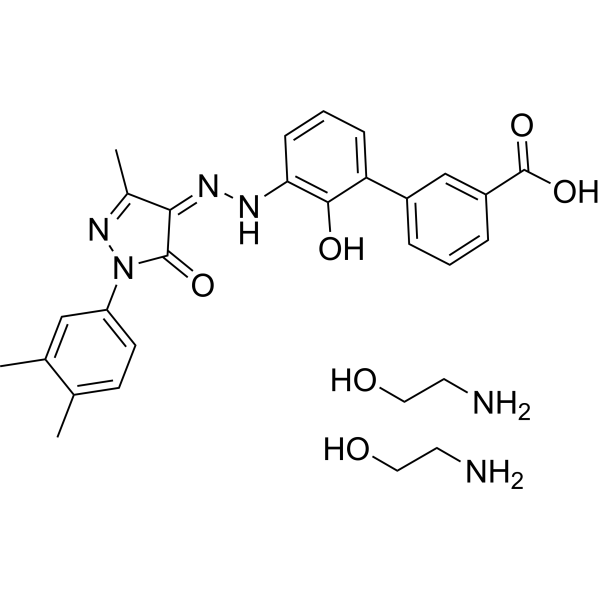
Eltrombopag Olamine (Eltrombopag diethanolamine salt) is an orally active thrombopoietin receptor nonpeptide agonist. Eltrombopag Olamine owns thrombopoietic activity, and has been used to research low blood platelet counts with chronic immune thrombocytopenia. Eltrombopag Olamine can be used for the research of cardiovascular. Eltrombopag Olamine also has highly inhibitory effects against multidrug resistant Staphylococcus aureus. Eltrombopag Olamine can induce apoptosis in hepatocellular carcinomab (HCC) as well .
loading...
    loading...
24
24 Cited Publications
Cat. No.: HY-N0751
CAS No.: 27740-01-8
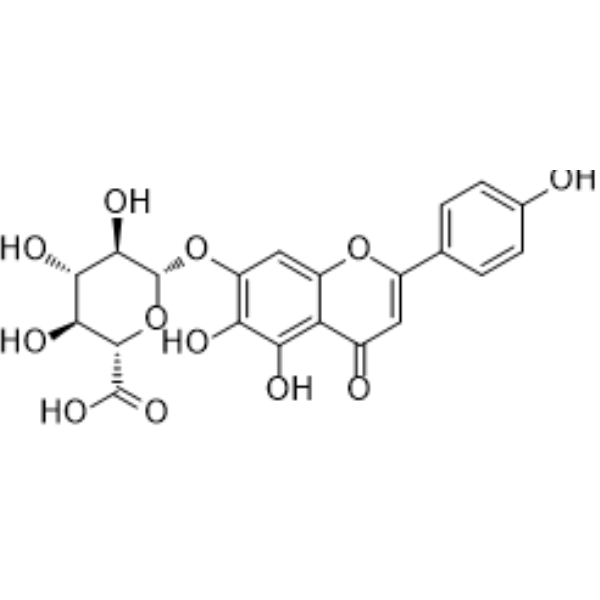
Scutellarin, an active flavone isolated from Scutellaria baicalensis, can down-regulates the STAT3/Girdin/Akt signaling in HCC cells, and inhibits RANKL-mediated MAPK and NF-κB signaling pathway in osteoclasts. Scutellarin is active against HIV-1IIIB, HIV-1(74V) and HIV-1KM018 with EC50s of 26 μM, 253 μM and 136 μM, respectively.
loading...
    loading...
24
24 Cited Publications
Cat. No.: HY-16706
CAS No.: 949912-58-7
Research Areas:  

Cancer

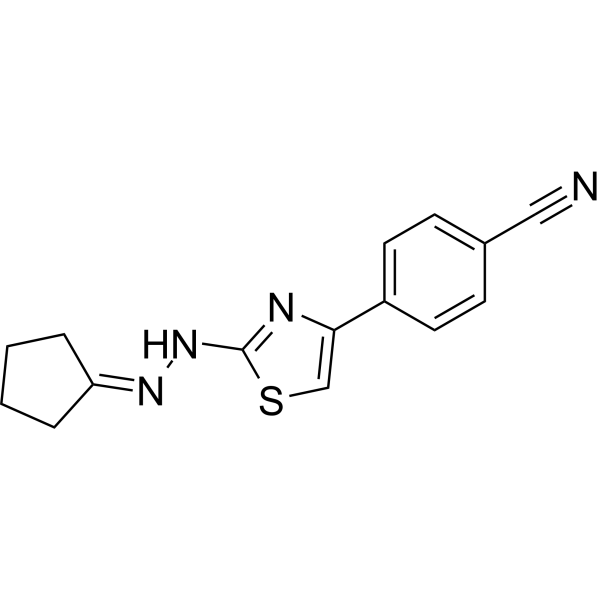
Remodelin is an orally active and selective inhibitor of acetyltransferase NAT10. Remodelin inhibits NAT10 activitity and slows DNA replication and suppresses growth of prostate cancer cells. Remodelin inhibits the growth of prostate cancer and hepatocellular carcinoma in xenograft model. Remodelin enhances the healthspan in hutchinson-gilford progeria syndrome (HGPS) mouse model .
loading...
    loading...
24
24 Cited Publications
Cat. No.: HY-16706A
CAS No.: 1622921-15-6
Research Areas:  

Cancer

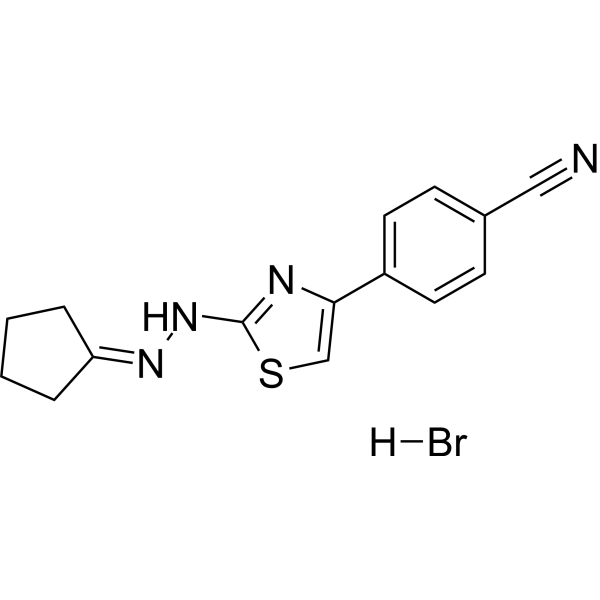
Remodelin hydrobromide is an orally active and selective inhibitor of acetyltransferase NAT10. Remodelin hydrobromide inhibits NAT10 activitity and slows DNA replication and suppresses growth of prostate cancer cells. Remodelin hydrobromide inhibits the growth of prostate cancer and hepatocellular carcinoma in xenograft model. Remodelin hydrobromide enhances the healthspan in hutchinson-gilford progeria syndrome (HGPS) mouse model .
loading...
    loading...
24
24 Cited Publications
Cat. No.: HY-164388
CAS No.: 162852-62-2
Z-VAD is an irreversible, broad-spectrum pan-caspase inhibitor that can inhibit a variety of caspases including caspase-3, -6, -7, -8, -9, etc. (with a weaker inhibitory effect on caspase-2). Z-VAD can block apoptosis signaling pathways, induce autophagy and necrosis in tumor cells, and has anti-angiogenic activity. Z-VAD can enhance the sensitivity of breast cancer and lung cancer cells to radiotherapy in vitro and in vivo, and prolong the growth delay of tumor xenograft models. Z-VAD is well tolerated and is mainly used in research related to cancer radiosensitization and cell death pathway regulation .
loading...
    loading...
23
23 Cited Publications
Cat. No.: HY-16701
CAS No.: 1001600-56-1
Target:  

IAP

Research Areas:  

Cancer

BV6 is an antagonist of cIAP1 and XIAP, members of the inhibitors of apoptosis (IAP) family. BV6 shows an IC50 of 7.2 μM in MTS assays in HCC193 cells. BV6 can be used in the research of endometrial cancer and endometriosis .
loading...
    loading...
23
23 Cited Publications
Cat. No.: HY-16701A
Target:  

IAP

Research Areas:  

Cancer

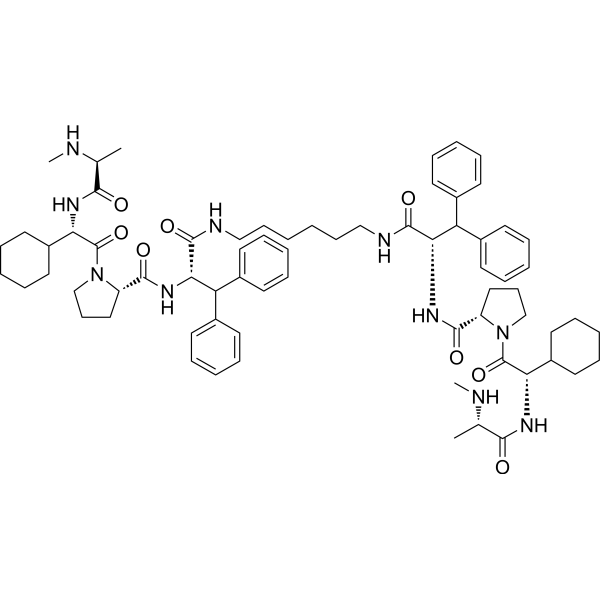
BV6 TFA is an antagonist of cIAP1 and XIAP, members of the inhibitors of apoptosis (IAP) family. BV6 TFA shows an IC50 of 7.2 μM in MTS assays in HCC193 cells. BV6 TFA can be used in the research of endometrial cancer and endometriosis .
loading...
    loading...
17
17 Cited Publications
Cat. No.: HY-101117
CAS No.: 2083627-02-3
Purity:  99.56%
Research Areas:  

Cancer

EED226 is a polycomb repressive complex 2 (PRC2) inhibitor, which binds to the K27me3-pocket on embryonic ectoderm development (EED) and shows strong antitumor activity in xenograft mice model . EED226 is a potent, selective, and orally bioavailable EED inhibitor . EED226 inhibits PRC2 with an IC50 of 23.4 nM when the H3K27me0 peptide is used as a substrate in the in vitro enzymatic assays .
loading...
    loading...
16
16 Cited Publications
Cat. No.: HY-13650
CAS No.: 165668-41-7
Purity:  99.80%
Synonyms: E 7070
Research Areas:  

Cancer

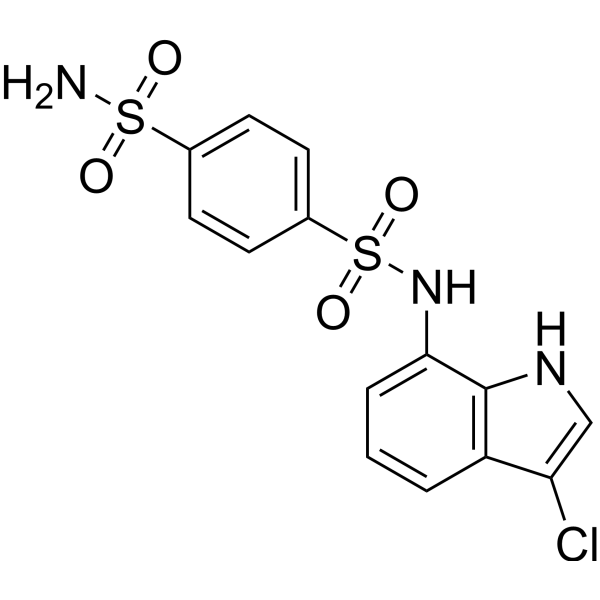
Indisulam (E 7070) is a carbonic anhydrase inhibitor and RBM39 molecular glue degrader, with Ki values of 31, 15, and 24 nM against human carbonic anhydrase I, II, and IX, respectively, and a Ki value of 65 nM against bovine carbonic anhydrase IV. Indisulam promotes the recruitment of RBM39 to the CUL4-DCAF15 E3 ubiquitin ligase complex, triggering polyubiquitination and proteasomal degradation of RBM39. Indisulam induces aberrant pre-mRNA splicing, G1 cell cycle arrest, and cell death in cancer cells. As an anticancer agent, Indisulam drives tumor regression and growth inhibition in xenograft models. Indisulam can be used in research related to solid tumors, hematologic and lymphoid malignancies, colorectal cancer, and non-small cell lung cancer .
loading...
    loading...
15
15 Cited Publications
Cat. No.: HY-145388
CAS No.: 2380274-50-8
Purity:  99.89%
Target:  

PROTACs SWI/SNF Complex

Research Areas:  

Cancer

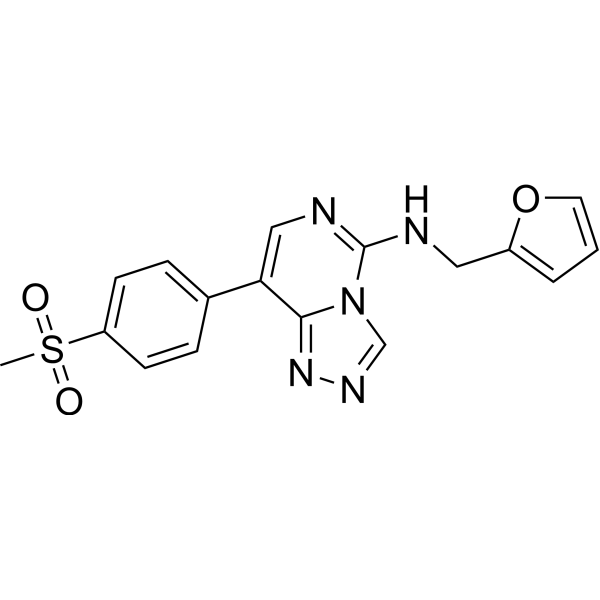
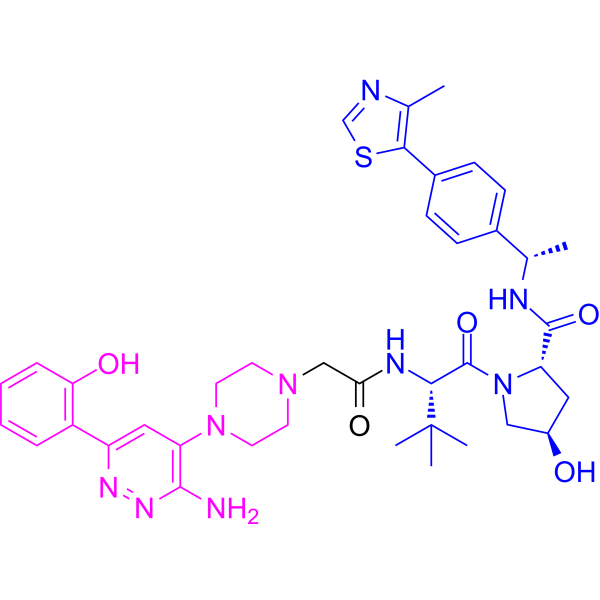
AU-15330 is a proteolysis-targeting chimera (PROTAC) degrader of the SWI/SNF ATPase subunits, SMARCA2 and SMARCA4. AU-15330 induces potent inhibition of tumour growth in xenograft models of prostate cancer and synergizes with the AR antagonist enzalutamide. AU-15330 induces disease remission in castration-resistant prostate cancer (CRPC) models without toxicity .
loading...
    loading...

