
1. Search Result
Search Result
Results for "

surgery

" in MedChemExpress (MCE) Product Catalog:

73

Inhibitors & Agonists

4

Screening Libraries

3

Fluorescent Dyes

6

Biochemical Assay Reagents

3

Peptides

3

Natural
Products

5

Isotope-Labeled Compounds

1

Click Chemistry

2

Oligonucleotides

Cat. No. Product Name Target Research Areas Chemical Structure
  • HY-B1372
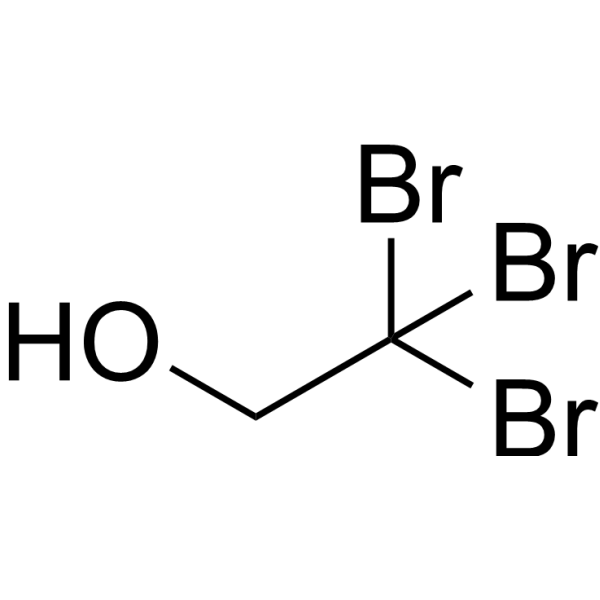
    Tribromoethyl alcohol
    10+ Cited Publications

    2,2,2-Tribromoethanol; Narcolan

    Biochemical Assay Reagents Neurological Disease
    Tribromoethyl alcohol (2,2,2-Tribromoethanol) is used to animals, particularly rodents, before surgery.
    Tribromoethyl alcohol
  • HY-A0119
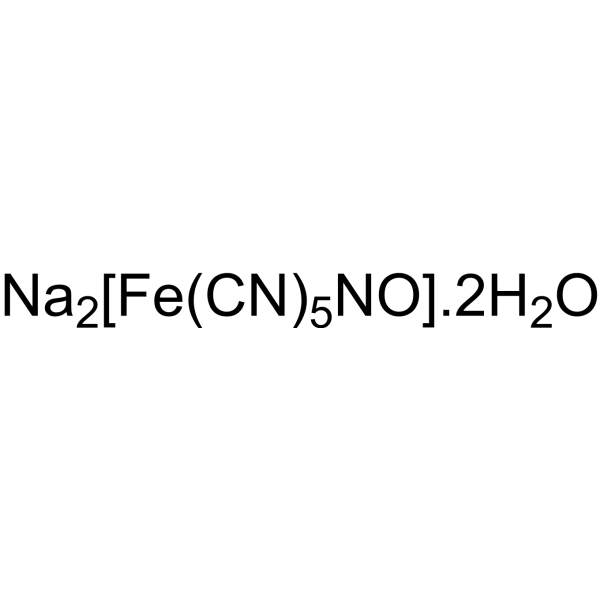
    Nitroprusside disodium dihydrate
    15+ Cited Publications

    Sodium nitroprusside dihydrate; Sodium Nitroferricyanide(III) Dihydrate

    Autophagy Cardiovascular Disease Cancer
    Nitroprusside disodium dehydrate (Sodium nitroprusside dihydrate) is a vasodilator that available for the research of acute hypertension, heart failure. Nitroprusside disodium dehydrate induces autophagy in glutathione-depleted osteoblasts. Nitroprusside disodium dehydrate acts as a nitric oxide (NO) donor in a rat intestinal ischemia reperfusion model .
    Nitroprusside disodium dihydrate
  • HY-14648A
    Dexamethasone acetate
    5+ Cited Publications

    Dexamethasone 21-acetate; Hexadecadrol acetate

    Glucocorticoid Receptor Inflammation/Immunology
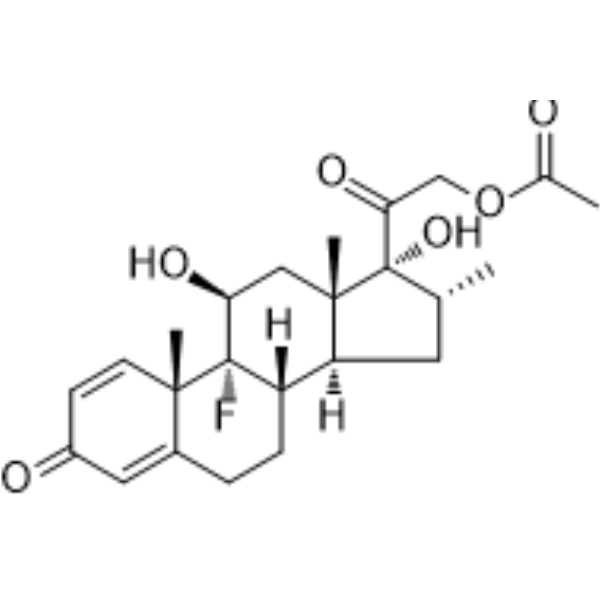
    Dexamethasone acetate (Dexamethasone 21-acetate) is the acetate form of the glucocorticoid Dexamethasone (HY-14648). Dexamethasone acetate has a longer duration of action than Dexamethasone. Dexamethasone acetate can accumulate at inflammatory sites, in mouse liver and mouse lung via nanostructured lipid carriers. Dexamethasone acetate can be used to prepare topical formulations for studies related to sensorineural hearing loss, γ-carrageenan-induced paw edema, chronic active hepatitis, pulmonary diseases, and inflammation after vitreoretinal surgery .
    Dexamethasone acetate
  • HY-17440
    Rocuronium Bromide
    2 Publications Verification

    ORG 9426 Bromide

    nAChR Neurological Disease Inflammation/Immunology Cancer
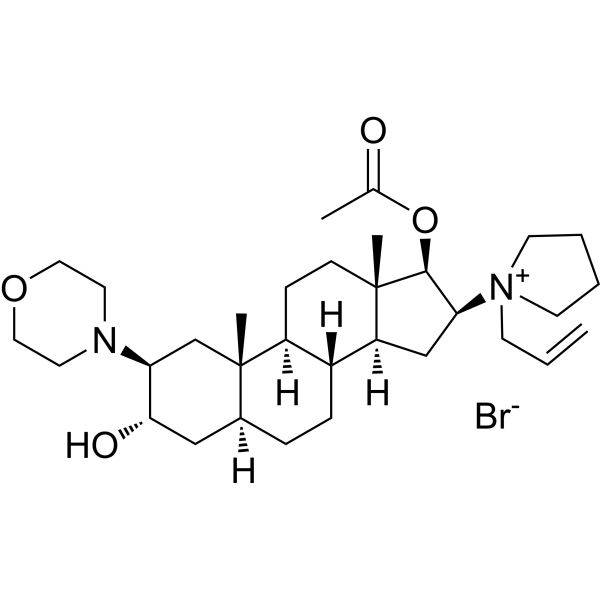
    Rocuronium Bromide (ORG 9426 Bromide) is an aminosteroid non-depolarizing neuromuscular blocker or muscle relaxant used in modern anaesthesia, to facilitate endotracheal intubation and to provide skeletal musclerelaxation during surgery or mechanical ventilation.
    Rocuronium Bromide
  • HY-108298

    PP 5; Perfluorodecahydronaphthalene

    Biochemical Assay Reagents Others
    Perfluorodecalin liquids are largrly used in vitreoretinal surgery. Perfluorodecalin with tamponade lasting more than two days is detrimental to the retina in the case of rabbit. Perfluorodecalin can be used for the research of giant retinal tears . Perfluorodecalin is a non-toxic, non-flammable, thermally stable, non-bio-accumulating O2-carrier and used as artificial blood . Perfluorodecalin enhances bone regeneration and cell viability .
    Perfluorodecalin
  • HY-B0002A

    GR 38032 hydrochloride dihydrate; SN 307 hydrochloride dihydrate

    5-HT Receptor Neurological Disease
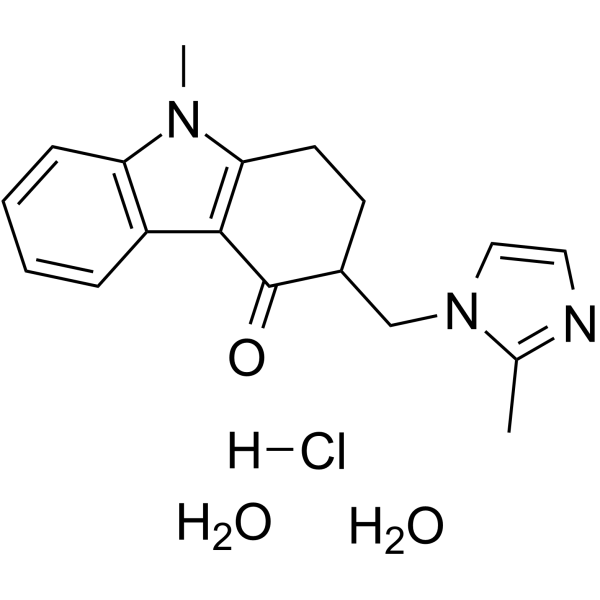
    Ondansetron (GR 38032; SN 307) hydrochloride dehydrate is a highly selective 5-HT3 receptor antagonist with an IC50 value of 103 pM. Ondansetron hydrochloride dehydrate exerts its antiemetic effect by antagonizing 5-HT receptors located in localized neurons in the peripheral and central nervous systems. Ondansetron hydrochloride dehydrate can inhibit nausea and vomiting induced by chemotherapy and radiotherapy .
    Ondansetron hydrochloride dihydrate
  • HY-111095B

    (R)-2-Hydroxypropionic acid sodium

    Endogenous Metabolite Drug Isomer Neurological Disease Metabolic Disease
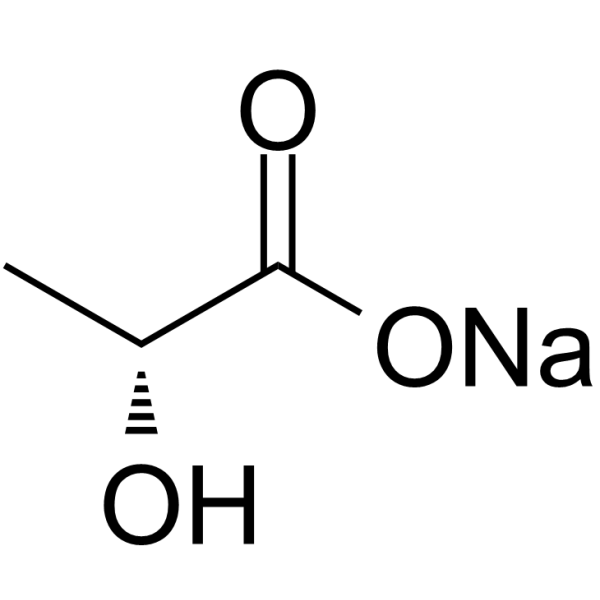
    D-(-)-Lactic acid ((R)-2-Hydroxypropionic acid) sodium is an orally active, toxic optical isomer of Lactic acid (HY-B2227), mainly derived from overproduction by intestinal bacteria or exogenous intake. D-(-)-Lactic acid sodium can induce intoxication, characterized by severe metabolic acidosis accompanied by neurological symptoms .
    D-(-)-Lactic acid sodium
  • HY-W145519

    Environmental Pollutants Biochemical Assay Reagents Cardiovascular Disease
    Hydroxyethyl starch (MW170-230 kDa) is a type of hydroxyethyl starch with a molecular weight of 170-230 kDa. A medium-molecular-weight hydroxyethyl starch (HES 200/0.62) exhibits minimal intravascular hydrolysis. The rapidly degradable medium-molecular-weight Hydroxyethyl starch 200/0.5 causes almost no coagulation disorders and improves hemorheological parameters .
    Hydroxyethyl starch (MW170-230 kDa)
  • HY-B0020
    Tropisetron Hydrochloride
    4 Publications Verification

    SDZ-ICS-930

    5-HT Receptor nAChR Neurological Disease Inflammation/Immunology Cancer
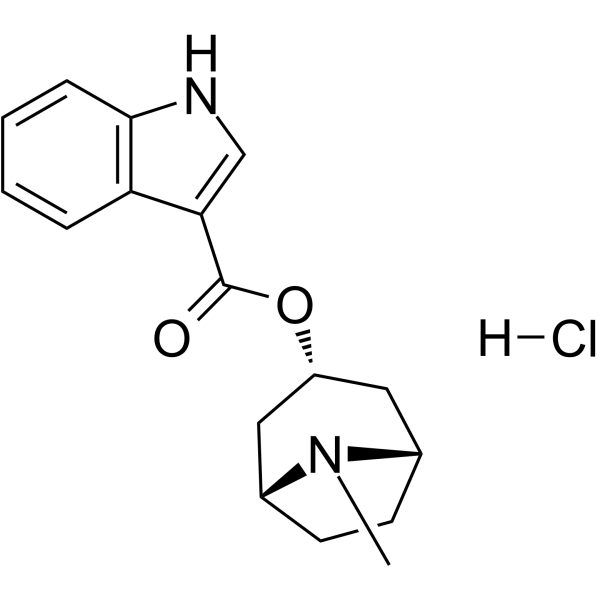
    Tropisetron Hydrochloride (SDZ-ICS-930) is an effective neuroprotective agent that acts as a 5-HT3 receptor antagonist, a calmodulin inhibitor, and an α7-nAChRreceptor agonist, with an IC50 of 70.1 nM for the 5-HT3 receptor. Tropisetron Hydrochloride has anti-inflammatory properties and immune-regulating functions, effectively alleviating symptoms associated with chemotherapy and post-surgery. Tropisetron Hydrochloride reduces Ab (HY-P4867)-induced hippocampal neuroinflammation .
    Tropisetron Hydrochloride
  • HY-160113

    Biochemical Assay Reagents Others
    Sodium phosphate buffer 0.02 M, pH 6.9 is a commonly used aqueous biological buffer that maintains a stable pH value. Sodium phosphate buffer 0.02 M, pH 6.9 is often used in enzyme activity assays, such as α-amylase assays. Sodium phosphate buffer 0.02 M, pH 6.9 is prepared by mixing disodium hydrogen phosphate (Na2HPO4) (HY-B2243) and sodium dihydrogen phosphate (NaH2PO4) (HY-Y0308) to a total concentration of 0.02 M .
    Sodium phosphate buffer 0.02 M, pH 6.9
  • HY-66012
    Proparacaine hydrochloride
    2 Publications Verification

    Proxymetacaine hydrochloride

    Sodium Channel Neurological Disease
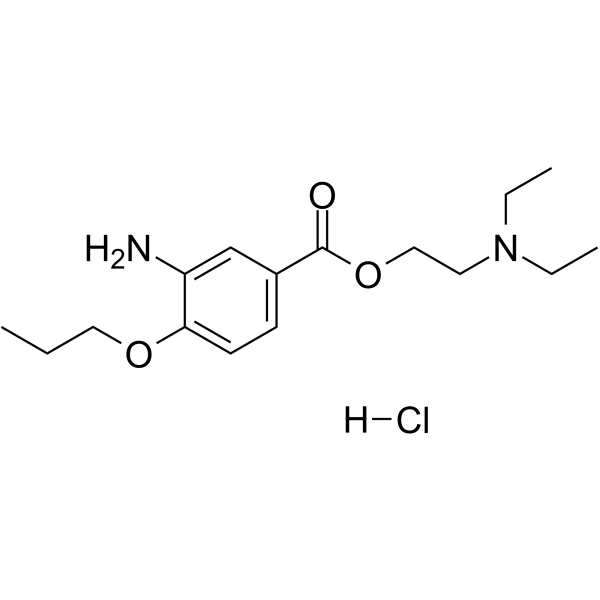
    Proparacaine (Proxymetacaine) hydrochloride is a local anesthetic. Proparacaine hydrochloride blocks voltage-gated sodium channels on neuronal cell membranes, thereby inhibiting signal conduction and nociceptive signal transmission. Proparacaine hydrochloride blocks nociceptive signals in the eye and induces ocular muscle relaxation to reduce eye movement during surgery. Proparacaine hydrochloride is used in research related to cataracts .
    Proparacaine hydrochloride
  • HY-P5225

    PGC-1α Others
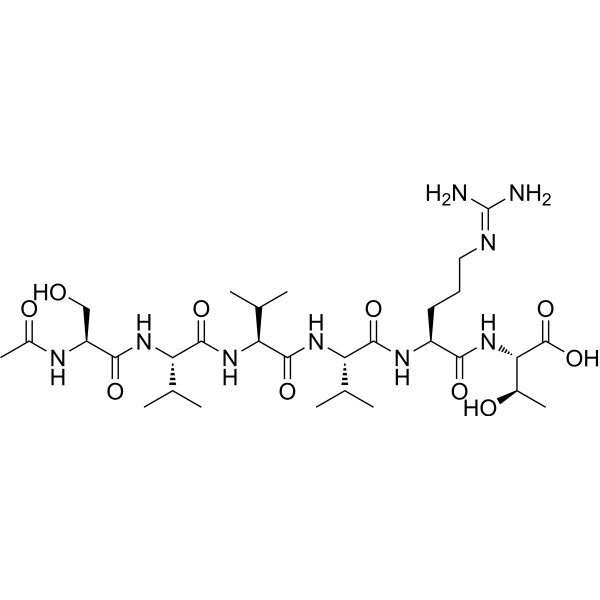
    Acetyl hexapeptide-38 is a tissue repair promoter that targets fibroblasts in the dermis of the skin. It works by promoting collagen synthesis in the dermis and thickening of subcutaneous fat. Acetyl hexapeptide-38 can activate the skin repair mechanism, increase the collagen content in the dermis, improve the skin tissue structure, and has the activity of promoting local tissue repair. Acetyl hexapeptide-38 can be used in the field of cosmetic medicine to repair congenital soft tissue defects, reduce tear grooves and nasolabial folds, eliminate postoperative scars, and conduct micro-plastic surgery of skin tissue .
    Acetyl hexapeptide-38
  • HY-152846

    GDC-8264

    RIP kinase Interleukin Related Cardiovascular Disease Inflammation/Immunology Endocrinology
    Flizasertib (GDC-8264) is an orally active, reversible and selective RIP1 inhibitor with Ki app values of 0.00071 μM and 0.0013 μM for human and cynomolgus monkey RIP1 kinase, respectively. Flizasertib blocks RIP1 autophosphorylation but does not affect RIP1 protein stability. Flizasertib inhibits pro-inflammatory cytokines (CCL3, CCL4, and IL-1β) production. Flizasertib results in inhibition of colitis and ileitis. Flizasertib can be used in the research of cardiac surgery-associated acute kidney injury .
    Flizasertib
  • HY-17357

    AHR 9434; AL 6515

    COX Prostaglandin Receptor Neurological Disease Inflammation/Immunology Endocrinology Cancer
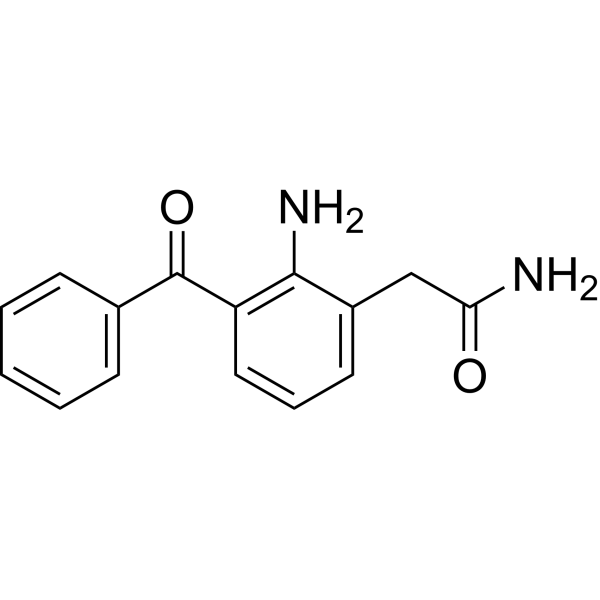
    Nepafenac (AHR 9434; AL 6515), a nonsteroidal anti-inflammatory agent, is a topically administered COX-2 inhibitor with an IC50 of 0.12 μM. Nepafenac exhibits only weak COX-1 inhibitory activity (IC50 = 64.3 μM). Nepafenac possesses unique prodrug properties, which enable it to rapidly convert into the active metabolite Amfenac (HY-17479) in the ocular tissues, thereby achieving high concentrations in the retina and choroid. Nepafenac reduces inflammation and pain by inhibiting the activity of cyclooxygenase (COX) enzymes and thereby decreasing the production of prostaglandin PGE. Nepafenac can delay the metastasis of uveal melanoma (UM) in rabbit eyes. Nepafenac is mainly used for pain management and inflammation control after ophthalmic surgeries .
    Nepafenac
  • HY-127032

    Polidronium chloride

    Biochemical Assay Reagents Infection
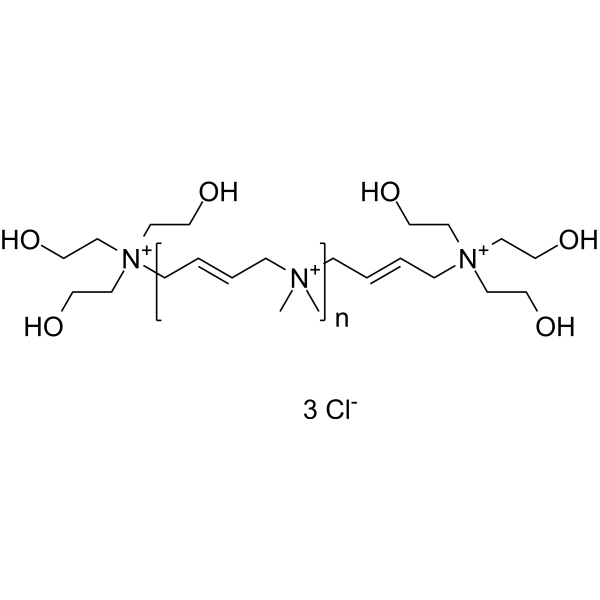
    Polyquaternium-1 (Polidronium chloride; PQ-1) is an antimicrobial preservative and an activator of NF-κB. Polyquaternium-1 targets bacterial cell membranes, commonly used in ophthalmic surgery. Polyquaternium-1 adsorbs to the surface of microbial membranes through its polycationic properties, destroying membrane integrity and inducing potassium ion leakage, leading to bacterial death. Polyquaternium-1 exerts antimicrobial effects at a concentration of 0.001% and has low toxicity to mammalian cells. Polyquaternium-1 can be used to prepare products such as glaucoma eye drops (Travoprost preparations containing PQ-1), artificial tears, and contact lens solutions to reduce the ocular surface toxicity of traditional preservatives such as benzalkonium chloride (HY-B2232) .
    Polyquaternium-1
  • HY-126395

    Fluorescent Dye Others
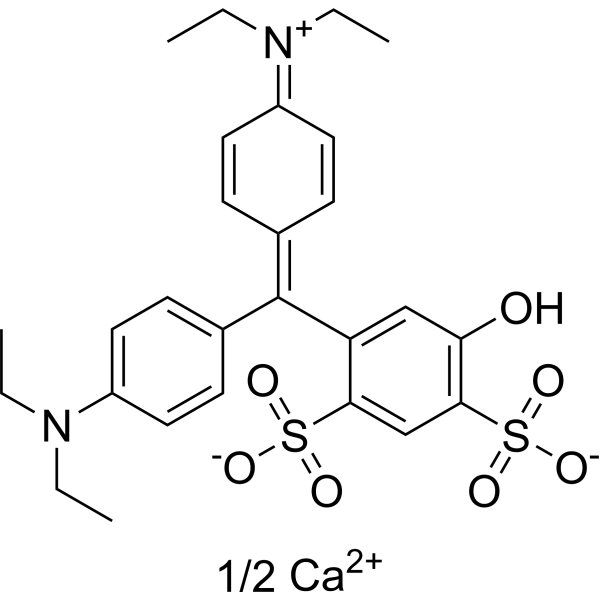
    Patent Blue V calcium salt is a triarylmethane dye used for tissue staining and lymphatic tracing, mainly applied by topical injection or eye drops. Patent Blue V calcium salt has affinity for specific tissues (such as corneal endothelium, lymphatic system), and stains the target structure by adsorption or binding, assisting in precise operation during surgery. Patent Blue V calcium salt is mainly used in ophthalmic surgery (such as graft staining for Descemet's membrane endothelial keratoplasty) and lymphatic drainage localization for sentinel lymph node biopsy of tumors .
    Patent Blue V calcium salt
  • HY-159500

    OTL-0078; OTL78

    PSMA Cancer
    Zopocianine (OTL-0078; OTL78) is a near-infrared optical probe targeting PSMA. Zopocianine binds to PSMA on the surface of PSMA-expressing cells, enters cells via receptor-mediated endocytosis, and accumulates in acidic endosomes. Zopocianine selectively accumulates in PSMA-positive cancer tissues and enables the detection of small tumors, primary prostate tumors, and locoregional metastases. Zopocianine helps achieve negative tumor surgical margins during fluorescence-guided surgery. Zopocianine is applicable to research related to prostate cancer .
    Zopocianine
  • HY-160822

    PF-5212371

    ADAMTS MMP Inflammation/Immunology
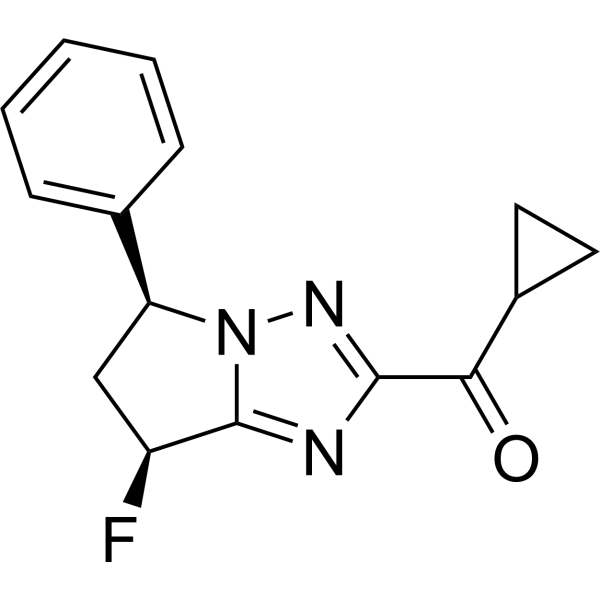
    AGG-523 (PF-5212371) is an orally active, reversible, non-hydroxamate, zinc-binding selective inhibitor of ADAMTS4 and ADAMTS5 with IC50 of <0.03 and 0.04 μM. AGG-523 also inhibits MMP-2, -8, 12 activity AGG-523 attenuates release of aggrecanase-generated ARG-aggrecan fragments into synovial fluid, reduces surgery-induced ARG-aggrecan release in rat joint models, and inhibits aggrecanase activity to slow cartilage degradation. AGG-523 can be used for the research of osteoarthritis .
    AGG-523
  • HY-B2091

    Antibiotic Bacterial Infection
    Azidocillin, a semi-synthetic Penicillin, is an orally active β-lactam antibiotic. Azidocillin bears an azide functionality and retains on-target activity within bacteria. Azidocillin can be used to research osteitis caused by dental surgery, otitis media, enterococcal septicemia and other bacterial infectious diseases . Azidocillin is a click chemistry reagent, it contains an Azide group and can undergo copper-catalyzed azide-alkyne cycloaddition reaction (CuAAc) with molecules containing Alkyne groups. It can also undergo strain-promoted alkyne-azide cycloaddition (SPAAC) reactions with molecules containing DBCO or BCN groups.
    Azidocillin
  • HY-14648AR

    Dexamethasone 21-acetate (Standard); Hexadecadrol acetate (Standard)

    Reference Standards Glucocorticoid Receptor Inflammation/Immunology
    Dexamethasone acetate (Standard) (Dexamethasone 21-acetate (Standard)) is the analytical standard of Dexamethasone acetate (HY-14648A). This product is intended for research and analytical applications. Dexamethasone acetate (Dexamethasone 21-acetate) is the acetate form of the glucocorticoid Dexamethasone (HY-14648). Dexamethasone acetate has a longer duration of action than Dexamethasone. Dexamethasone acetate can accumulate at inflammatory sites, in mouse liver and mouse lung via nanostructured lipid carriers. Dexamethasone acetate can be used to prepare topical formulations for studies related to sensorineural hearing loss, γ-carrageenan-induced paw edema, chronic active hepatitis, pulmonary diseases, and inflammation after vitreoretinal surgery.
    Dexamethasone acetate (Standard)
  • HY-W115727D

    PAM,average Mn 40000

    Biochemical Assay Reagents Others
    Polyacrylamide (PAM), average Mn 40000 is a versatile, high-molecular-weight polyacrylamide copolymer. Polyacrylamide series materials can maintain enzyme activity in enzyme immobilization, act as drug carriers to achieve controlled release, serve as smart materials responding to temperature/pH stimuli, and be used for in vitro toxin adsorption and soft tissue filling through mechanisms such as physical entrapment, covalent binding or chemical crosslinking. Polyacrylamide finds applications in biomedical engineering, environmental management and industrial applications .
    Polyacrylamide,average Mn 40000
  • HY-W115727C

    Acrylamide polymer,Nonionic,Mw 5-6 million

    Biochemical Assay Reagents Others
    Polyacrylamide (Acrylamide polymer),Nonionic,Mw 5-6 million is a multifunctional, high-molecular-weight nonionic polyacrylamide copolymer. Polyacrylamide-based materials can maintain enzyme activity in enzyme immobilization, act as drug carriers for controlled release, function as smart materials responsive to temperature/pH stimuli, and be applied in in vitro toxin adsorption and soft tissue filling, through action mechanisms such as physical entrapment, covalent binding or chemical crosslinking. Polyacrylamide finds applications in biomedical engineering, environmental management and industrial applications .
    Polyacrylamide,Nonionic,Mw 5-6 million
  • HY-17357S

    AHR-9434-d5; AL-6515-d5

    Isotope-Labeled Compounds COX Prostaglandin Receptor Neurological Disease Inflammation/Immunology Endocrinology Cancer
    Nepafenac-d5 (AHR-9434-d5; AL-6515-d5) is the deuterium labeled Nepafenac (HY-17357). Nepafenac, a nonsteroidal anti-inflammatory agent, is a topically administered COX-2 inhibitor with an IC50 of 0.12 μM. Nepafenac exhibits only weak COX-1 inhibitory activity (IC50 = 64.3 μM). Nepafenac possesses unique prodrug properties, which enable it to rapidly convert into the active metabolite Amfenac (HY-17479) in the ocular tissues, thereby achieving high concentrations in the retina and choroid. Nepafenac reduces inflammation and pain by inhibiting the activity of cyclooxygenase (COX) enzymes and thereby decreasing the production of prostaglandin PGE. Nepafenac can delay the metastasis of uveal melanoma (UM) in rabbit eyes. Nepafenac is mainly used for pain management and inflammation control after ophthalmic surgeries.
    Nepafenac-d5
  • HY-148796

    GE3126

    Fluorescent Dye Others
    Rizedisben (GE3126) is a fluorophore that can be used in fluorescence image-guided surgery. Rizedisben reduces non-specific adipose tissue fluorescence intensity and enhances nerve visibility .
    Rizedisben
  • HY-164068

    Biochemical Assay Reagents Others Inflammation/Immunology
    Cross-linked sodium hyaluronate gel is a biomaterial formed by cross-linking sodium hyaluronate. Cross-linked sodium hyaluronate gel has good moisturizing properties, viscoelasticity and biocompatibility. Cross-linked sodium hyaluronate gel can be used for the treatment of arthritis and the development of auxiliary materials in ophthalmic surgery .
    Cross-linked sodium hyaluronate gel
  • HY-14252A
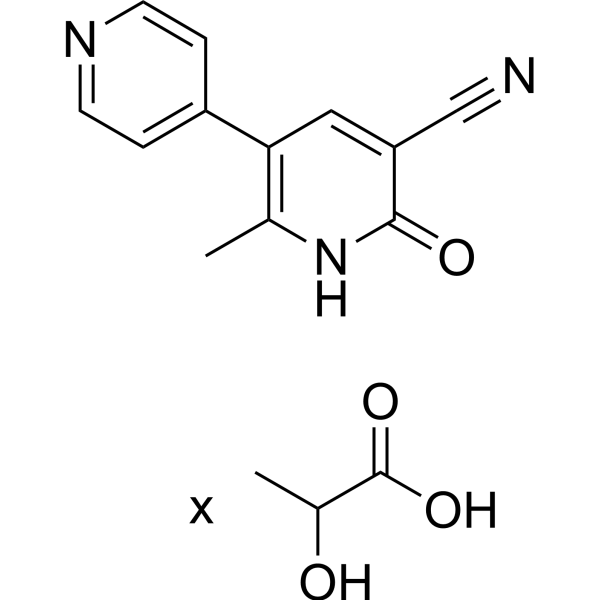
    Milrinone lactate
    Maximum Cited Publications
    33 Publications Verification

    Win 47203 lactate

    Phosphodiesterase (PDE) Cardiovascular Disease
    Milrinone lactate is a potent inotropic dilating agent. Milrinone lactate shows simultaneous positive inotropic and vasodilating activities. Milrinone lactate promotes reduction of SVR and PVR in patients with DCM and NYHA class III and IV of heart failure. Milrinone lactate has the potential for the research of cardiovascular function after cardiac surgery and in septic shock .
    Milrinone lactate
  • HY-17509
    Deracoxib
    1 Publications Verification

    SC 046; SC 46; SC 59046

    COX Apoptosis Neurological Disease Inflammation/Immunology Cancer
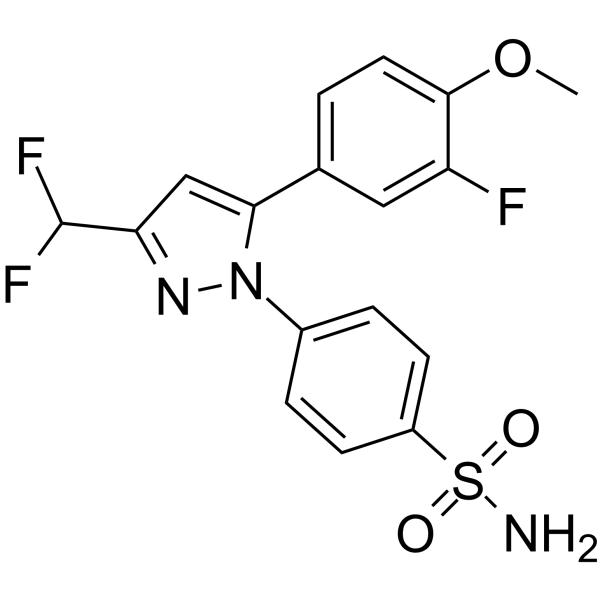
    Deracoxib (SC 046; SC 59046), an orally active COX-2 inhibitor, is a veterinary nonsteroidal anti-inflammatory agent used exclusively in dogs. Deracoxib inhibits the COX-2 enzyme to reduce the production of prostaglandins, effectively controlling pain and inflammation after canine soft tissue surgery. Deracoxib reduces the inhibition of COX-1 and lowers the risk of gastrointestinal side effects. Deracoxib induces tumor cell cycle arrest and apoptosis, and shows anti-tumor activity in canine osteosarcoma, breast tumors and bladder transitional cell carcinomas .
    Deracoxib
  • HY-107147

    Integrin Others
    CLT-28643 is an integrin α5β1 inhibitor. CLT-28643 can inhibit the high expression of integrin α5β1 in the bleb at early time-points after surgery and promote wound healing process .
    CLT-28643
  • HY-129502

    P-23924C

    HIF/HIF Prolyl-Hydroxylase Others
    Fibrostatin C (P-23924C) is an orally active prolyl hydroxylase inhibitor that also inhibits collagen biosynthesis. Fibrostatin C also increases the number of cytoplasmic granules immunoreactive with antibodies to collagen I or III. Fibrostatin C inhibits the secretion of type I collagen in Tenon's capsule fibroblasts. Fibrostatin C is promising for research of the wound fibrotic response in the wound of glaucoma filtering surgery .
    Fibrostatin C
  • HY-137555

    11-dehydro-2,3-dinor TXB2

    Endogenous Metabolite Metabolic Disease
    11-dehydro-2,3-dinor Thromboxane B2 (11-dehydro-2,3-dinor TXB2) is a metabolite of the TXA2 inactive metabolite TXB2 (Item No. 19030). It is formed from TXB2 by cytosolic aldehyde dehydrogenase (ALDH) and β-oxidation. Levels of 11-dehydro-2,3-dinor TXB2 are increased 5.2-fold in a surgery-induced rat model of tendon overuse.
    11-dehydro-2,3-dinor Thromboxane B2
  • HY-17509S

    SC 046-d3; SC 46-d3; SC 59046-d3

    Isotope-Labeled Compounds COX Apoptosis Neurological Disease Inflammation/Immunology Cancer
    Deracoxib-d3 (SC 046-d3; SC 59046-d3) is the deuterium labeled Deracoxib (HY-17509). Deracoxib, an orally active COX-2 inhibitor, is a veterinary nonsteroidal anti-inflammatory agent used exclusively in dogs. Deracoxib inhibits the COX-2 enzyme to reduce the production of prostaglandins, effectively controlling pain and inflammation after canine soft tissue surgery. Deracoxib reduces the inhibition of COX-1 and lowers the risk of gastrointestinal side effects. Deracoxib induces tumor cell cycle arrest and apoptosis, and shows anti-tumor activity in canine osteosarcoma, breast tumors and bladder transitional cell carcinomas.
    Deracoxib-d3
  • HY-100516

    UR-8880

    COX Cytochrome P450 Inflammation/Immunology
    Cimicoxib (UR-8880) is an orally active, blood-brain barrier-permeable COX-2 inhibitor that also exerts targeted inhibition on CYP2D15. It has an IC50 of 66 nM against hCOX-2, an IC50 of 1.6 μM against canine CYP2D15, and an IC50 of 0.056 μM against feline CYP2D15. By inhibiting the COX-2 pathway to reduce the production of thromboxane B2 and prostaglandin E2, Cimicoxib exerts antipyretic, anti-inflammatory and analgesic effects. Cimicoxib is metabolized by CYP2D15 to form demethyl-cimicoxib, undergoes glucuronidation via UDP-glucuronosyltransferases, and exhibits biphasic elimination kinetics in beagle dogs. Cimicoxib is widely used in studies of inflammatory diseases, osteoarthritis, and perioperative pain associated with orthopedic or soft tissue surgeries .
    Cimicoxib
  • HY-W140900

    Sodium L-aspartate monohydrate

    Biochemical Assay Reagents Cardiovascular Disease
    Sodium (S)-3-amino-3-carboxypropanoate hydrate is a biochemical assay reagent, which is utilized in bypass surgery as part of the cardioplegia solution .
    Sodium (S)-3-amino-3-carboxypropanoate hydrate
  • HY-111232

    GHSR Metabolic Disease
    GSK894281 is an orally active and highly potent ghrelin receptor full agonist with a pEC50 of <4.9 at the human motilin receptor. GSK894281 effectively enters the CNS. GSK894281 has the potential for constipation or to assist in emptying the colon prior to colonoscopy or colon surgery research .
    GSK894281
  • HY-P11265

    GnRH Receptor Fluorescent Dye Cancer
    YQGN-7 is a targeted fluorescent probe for the gonadotropin-releasing hormone receptor (RnRHR). YQGN-7 exhibits high selectivity and affinity for breast cancer cells (KD = 217.8 nM). YQGN-7 achieves precise visualization of the primary and metastatic lesions of breast cancer by targeting the highly expressed GnRHR in tumor cells. YQGN-7 can be used in the research of breast cancer breast-conserving surgery (BCS) .
    YQGN-7
  • HY-149298

    PSMA Cancer
    PSMA-IN-2 is an inhibitor of PSMA with a Ki value of 1.07 nM. PSMA-IN-2 displays favorable in vivo NIR imaging (λEM = 1088 nm, λex = 808 nm), and can be used for NIRII image-guided tumor resection surgery in PSMA-positive tumor-bearing mice .
    PSMA-IN-2
  • HY-D1905

    Fluorescent Dye Cancer
    ICG acid is a fluorescent dye used in medical diagnostics. ICG acid has absorption peaking at 800 nm and can absorb the near IR laser energy and release heat in the dyed tissue. ICG acid has been used in fluorescence-guided surgery to identify critical structures, including intra-abdominal tumors .
    ICG acid
  • HY-19500

    COX Others
    SC-75416 is a selective cyclooxygenase-2 inhibitor. Its pharmacokinetic/pharmacodynamic (PK/PD) model was used for development and clinical trial simulation to design a study protocol to verify its analgesic effect in a post-oral surgery pain model. The simulation results showed that 360 mg of SC-75416 may provide better pain relief than 400 mg of ibuprofen. The actual clinical trial results confirmed this hypothesis, and 360 mg of SC-75416 was indeed superior to 400 mg of ibuprofen in pain relief. The PK/PD model of SC-75416 showed good predictive performance and successfully predicted its clinical effect. These research results show that SC-75416, as a new selective COX-2 inhibitor, has potential clinical application value in the management of post-oral surgery pain.
    SC-75416
  • HY-W794785

    5-HT Receptor Neurological Disease
    WAY 208466 is a selective 5-HT6 receptor agonist with an EC50 of 7.3 nM. WAY-208466 increases GABA levels following both acute and chronic administration in the dorsolateral frontal cortex of rat models with stereotaxic surgery. WAY 208466 can be used for anxiety-related disorders like obsessive compulsive disorder (OCD) research .
    WAY 208466
  • HY-125856A

    BMS-986177 TFA; JNJ-70033093 TFA

    Factor Xa Cardiovascular Disease
    Milvexian TFA (BMS-986177 TFA) is a factor XIa inhibitor with biological activity to prevent venous thromboembolism. Milvexian TFA was effective in reducing the occurrence of venous thromboembolism in patients undergoing knee replacement surgery. Milvexian TFA has good selectivity and shows significant inhibitory effects on plasma kallikrein and trypsin. Milvexian TFA has a bioavailability of 32%, which means it has a high absorption rate in the body. Milvexian TFA showed a relatively low risk of bleeding in clinical trials .
    Milvexian TFA
  • HY-N17233

    Endogenous Metabolite Cardiovascular Disease
    LacCer(d18:1/24:0) is a lipid. LacCer(d18:1/24:0) can be found in plasma. LacCer(d18:1/24:0) is associated with critical illness after cardiac surgery .
    LacCer(d18:1/24:0)
  • HY-106887

    Neprilysin Neurological Disease
    SCH 32615 is an enkephalinase (the enzymes responsible for the degradation of endogenous enkephalins) inhibitor. SCH 32615 can enhance surgery- and pregnancy-induced analgesia in mice .
    SCH 32615
  • HY-B0002AR

    GR 38032 hydrochloride dihydrate (Standard); SN 307 hydrochloride dihydrate (Standard)

    Reference Standards 5-HT Receptor Neurological Disease
    Ondansetron (hydrochloride dihydrate) (Standard) is the analytical standard of Ondansetron (hydrochloride dihydrate). This product is intended for research and analytical applications. Ondansetron (GR 38032) hydrochloride dehydrate is an orally active, highly selective and competitive 5-HT3 receptor antagonist (crosses the blood-brain barrier). Ondansetron hydrochloride dehydrate can be used in studies of preventing nausea and vomiting associated with cancer chemotherapy, radiation therapy and surgery .
    Ondansetron hydrochloride dihydrate (Standard)
  • HY-121886

    Endogenous Metabolite Neurological Disease
    Bucricaine is an anesthetic compound with analgesic activity. Bucricaine is used in clinical anesthesia to reduce pain during surgery. The mechanism of action of Bucricaine involves inhibition of nerve signaling. Bucricaine's applications include local anesthesia and dental anesthesia. Bucricaine is widely used during surgery and other medical procedures to improve patient comfort .
    Bucricaine
  • HY-U00033

    Endogenous Metabolite Neurological Disease
    Iomazenil is a benzodiazepine receptor antagonist with partial inverse agonist activity. Iomazenil can assess the binding potential of central benzodiazepine receptors in the cerebral cortex and may reflect neuronal function in viable tissue. Iomazenil use is associated with improved cognitive function in adult patients with ischemic cerebral pathology after indirect revascularization surgery. Iomazenil demonstrated restoration of benzodiazepine receptor binding potential in the affected hemisphere after surgery on brain SPECT imaging .
    Iomazenil
  • HY-17569R

    Reference Standards Phospholipase Inflammation/Immunology
    Difluprednate (Standard) is the analytical standard of Difluprednate. This product is intended for research and analytical applications. Difluprednate is a topical corticosteroid, which is thought to act by the induction of phospholipase A2 inhibitory proteins (lipocortins). Difluprednate is used for the symptomatic treatment of inflammation and pain associated with ocular surgery.
    Difluprednate (Standard)
  • HY-111256

    mGluR Neurological Disease
    A-850002 is a metabotropic glutamate receptor (mGluR) antagonist (IC50=27 nM) that significantly attenuates spontaneous pain behavior after skin incision in rats. A-850002 can be used for analgesia research .
    A-850002
  • HY-17440R

    ORG 9426 Bromide (Standard)

    Reference Standards nAChR Neurological Disease Cancer
    Rocuronium (Bromide) (Standard) is the analytical standard of Rocuronium (Bromide). This product is intended for research and analytical applications. Rocuronium Bromide (ORG 9426 Bromide) is an aminosteroid non-depolarizing neuromuscular blocker or muscle relaxant used in modern anaesthesia, to facilitate endotracheal intubation and to provide skeletal musclerelaxation during surgery or mechanical ventilation.
    Rocuronium Bromide (Standard)
  • HY-E70291

    GALNT4

    MAP3K p38 MAPK JNK NF-κB Endogenous Metabolite Cancer
    N-Acetylgalactosaminyltransferase 4 (GALNT4) is a glycosyltransferase capable of inhibiting the activation of ASK1. By directly binding to ASK1, N-Acetylgalactosaminyltransferase 4 suppresses its N-terminal dimerization and subsequent phosphorylation, leading to robust inactivation of downstream JNK/p38 and NF-κB signals, and thereby improving the prognosis of liver surgery .
    N-Acetylgalactosaminyltransferase 4
  • HY-W127670

    Biochemical Assay Reagents Others
    Decamethonium (iodide) is an organic compound containing ammonium and iodide ions. It is commonly used as a neuromuscular blocking agent in anesthesia to induce muscle relaxation during surgery. Decamethonium Iodide acts by binding to nicotinic acetylcholine receptors (nAChRs) in the neuromuscular junction, causing depolarization block and subsequent skeletal muscle paralysis. In addition, it can also serve as a reference standard for pharmacological studies of nAChRs.
    Decamethonium iodide

Inquiry Online

Your information is safe with us. * Required Fields.

Salutation


Country or Region *

Applicant Name *


Organization Name *

Department *


Email Address *


Product Name *

Cat. No.


Requested quantity *

Phone Number *


Remarks

Inquiry Online

Inquiry Information

Product Name:
Cat. No.:
Quantity:
MCE Japan Authorized Agent:

