Search Result
Results for "
tocopherols
" in MedChemExpress (MCE) Product Catalog:
12
Biochemical Assay Reagents
14
Isotope-Labeled Compounds
| Cat. No. |
Product Name |
Target |
Research Areas |
Chemical Structure |
-
- HY-N0683
-
-
-
- HY-B0717
-
|
TPGS; D-α-Tocopherol polyethylene glycol 1000 succinate; Vitamin E-TPGS
|
Drug Derivative
|
Neurological Disease
Metabolic Disease
|
|
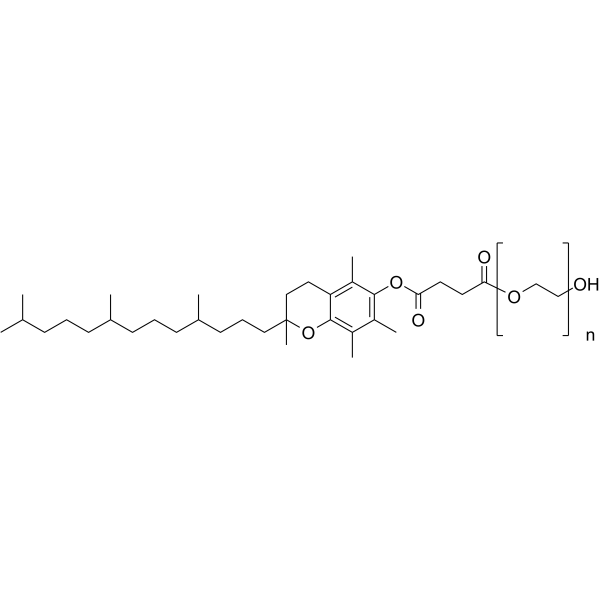
Tocofersolan is synthetic polyethylene glycol derivative of α-tocopherol. Tocofersolan is an orally active and water-soluble analog of vitamin E. Tocofersolan can reduce neurobehavioral deficits in zebrafish embryos exposed to moderate and high concentrations of BaP during early development. Tocofersolan shows antioxidant activity. Tocofersolan can be used to provide an orally bioavailable source of vitamin E .
|
-
-
- HY-W020044
-
-
-
- HY-N7148
-
|
D-γ-Tocopherol; (+)-γ-Tocopherol
|
COX
Endogenous Metabolite
|
Inflammation/Immunology
Cancer
|
|
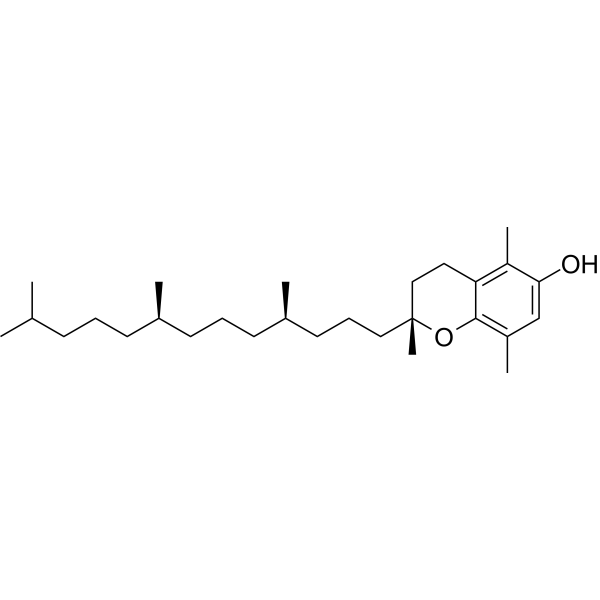
γ-Tocopherol (D-γ-Tocopherol) is a potent cyclooxygenase (COX) inhibitor. γ-Tocopherol is a naturally occurring form of Vitamin E in many plant seeds, such as corn oil and soybeans. γ-Tocopherol possesses antiinflammatory properties and anti-cancer activity .
|
-
-
- HY-B1278B
-
|
(±)-Vitamin E acetate
|
Environmental Pollutants
Biochemical Assay Reagents
|
Infection
|
|
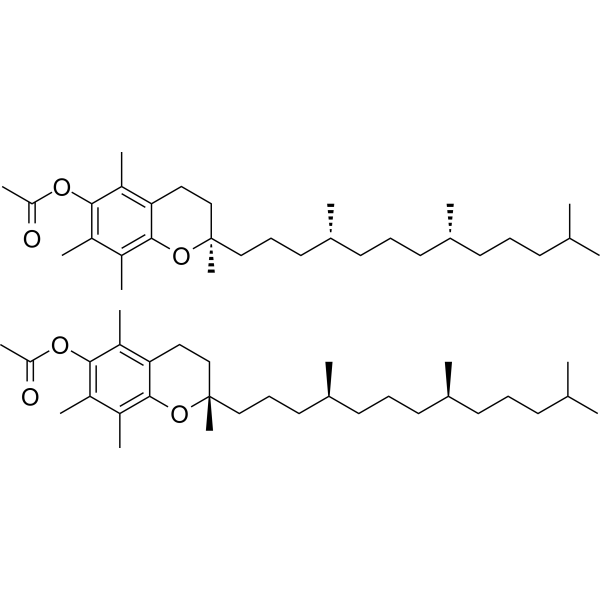
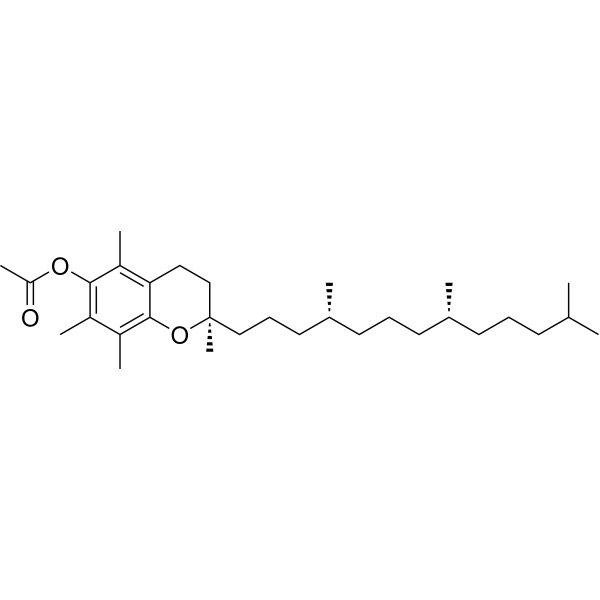
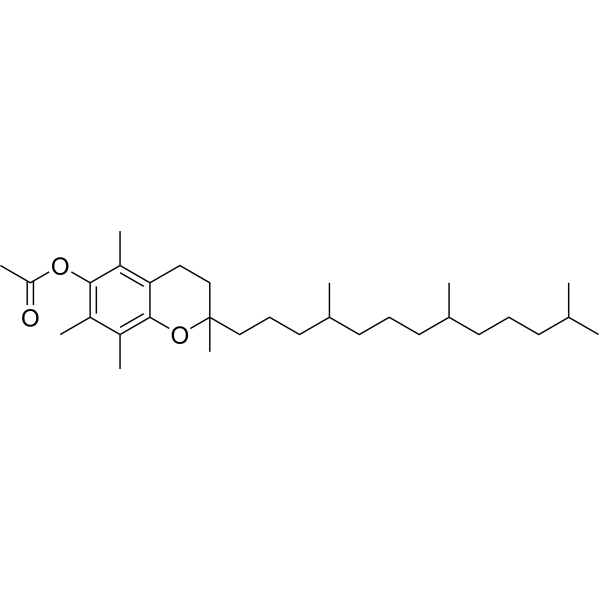
(±)-α-Tocopherol acetate ((±)-Vitamin E acetate), is a orally active synthetic form of vitamin E. (±)-α-Tocopherol acetate is the ester of acetic acid and α-tocopherol. (±)-α-Tocopherol acetate can be used for the research of the susceptibility of farmed fish to infectious diseases .
|
-
-
- HY-B1278A
-
-
-
- HY-131553
-
|
Vitamin E succinate
|
Apoptosis
|
Cancer
|
|
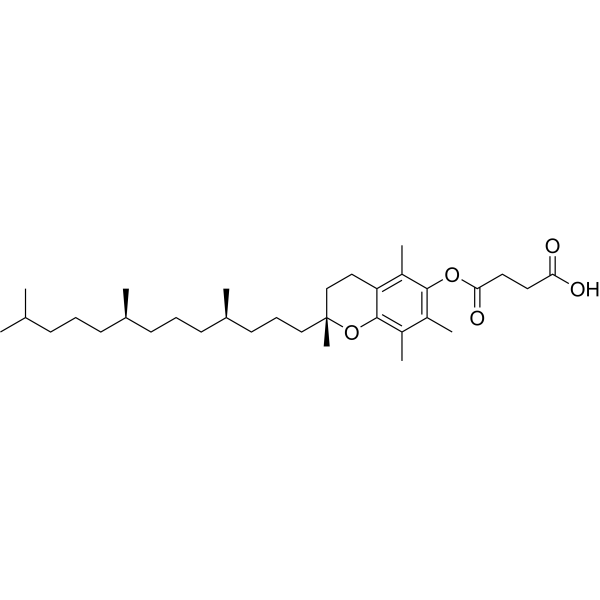
D-α-Tocopherol Succinate (Vitamin E succinate) is an antioxidant tocopherol and a salt form of vitamin E. D-α-Tocopherol Succinate inhibits Cisplatin (HY-17394)-induced cytotoxicity. D-α-Tocopherol Succinate can be used for the research of cancer .
|
-
-
- HY-B1278
-
-
-
- HY-114362
-
|
TPGS-750-M
|
Biochemical Assay Reagents
|
Others
|
|
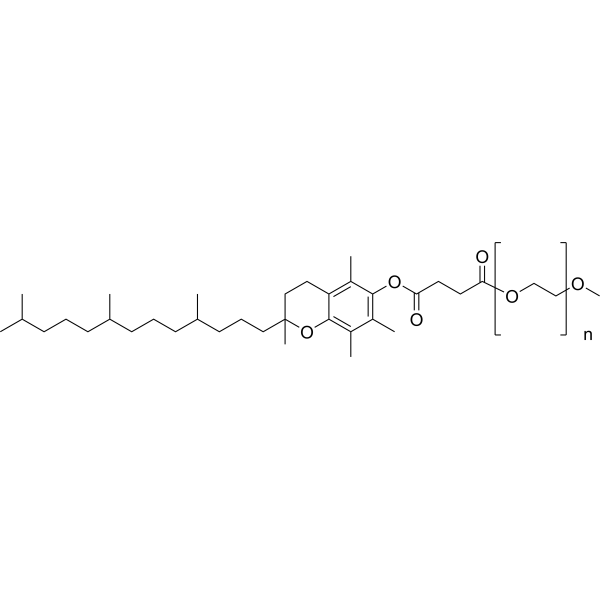
DL-alpha-Tocopherol methoxypolyethylene glycol succinate (TPGS-750-M) is an amphiphile, acts as a surfactant. DL-alpha-Tocopherol methoxypolyethylene glycol succinate has a positive effect on Suzuki-Miyaura cross coupling. DL-alpha-Tocopherol methoxypolyethylene glycol succinate increases the styrene titer. DL-alpha-Tocopherol methoxypolyethylene glycol succinate is used in the stability test of NPYM-modified drugs in biological fluids .
|
-
-
- HY-108750
-
|
VT 18 (oil); Vegetoil; Wesson
|
Environmental Pollutants
|
Cardiovascular Disease
|
|
Soybean oil (VT 18 (oil); Vegetoil; Wesson) is an edible vegetable oil. Soybean oil reduces circulating blood cholesterol levels when it replaces dietary saturated fats. Soybean oil does not affect inflammatory biomarkers or increase oxidative stress. Soybean oil contains γ-tocopherol and δ-tocopherol, which possess antioxidant properties. Soybean oil can be used in research related to coronary heart disease .
|
-
-
- HY-113068
-
|
|
Tyrosinase
|
Metabolic Disease
|
|
(rel)-β-Tocopherol is a relative configuration of β-Tocopherol. β-Tocopherol is a lipid-soluble form of vitamin E with antioxidant activity .
|
-
-
- HY-113026
-
-
-
- HY-16686
-
|
alpha-Tocopherol phosphate; TocP; vitamin E phosphate
|
Apoptosis
Reactive Oxygen Species (ROS)
|
Cancer
|
|
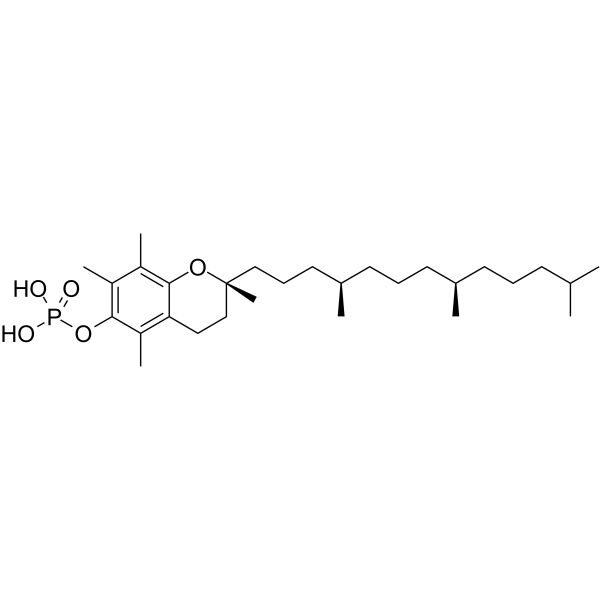
α-Tocopherol phosphate is an antioxidant that protects against long-wave UVA1 induced cell death and scavenge UVA1 induced ROS in a skin cell model. α-Tocopherol phosphate exhibits angiogenesis-promoting activity .
|
-
-
- HY-Y1887
-
|
|
Environmental Pollutants
Biochemical Assay Reagents
Insecticide
|
Cardiovascular Disease
Infection
Inflammation/Immunology
|
|
Cottonseed oil is an edible oil extracted from the seeds of cotton (Gossypium hirsutum). Its fatty acid composition includes 26-35% saturated fatty acids, 42-52% polyunsaturated fatty acids, and 18-24% monounsaturated fatty acids. Cottonseed oil is regarded as an Insecticide, as it is used to protect the trunks of apple trees from damage by the apple clearwing moth. Cottonseed oil possesses anti-inflammatory and cardioprotective properties. It also has extensive applications in many fields such as biofuels, animal husbandry, cosmetics, agriculture, and chemical industry .
|
-
-
- HY-W010040
-
|
|
Endogenous Metabolite
|
Cardiovascular Disease
Metabolic Disease
|
|
4-Hydroxyphenylpyruvic acid is an intermediate in the metabolism of the amino acid phenylalanine. 4-Hydroxyphenylpyruvic acid is a substrate of 4-hydroxyphenylpyruvic acid dioxygenase (HPPA). 4-Hydroxyphenylpyruvic acid can be used in the study of HPD-related diseases, such as type III tyrosinemia and hawkinsinuria .
|
-
-
- HY-133680
-
|
|
Tyrosinase
|
Others
|
|
β-Tocopherol is an analogue of vitamin E, exhibits antioxidant properties. β-Tocopherol can inhibit tyrosinase activity and melanin synthesis. β-Tocopherol also can prevent the inhibition of cell growth and of PKC activity caused by d-alpha-tocopherol .
|
-
-
- HY-N2853
-
|
α-Tocopherylquinone
|
Reactive Oxygen Species (ROS)
|
Others
|
|
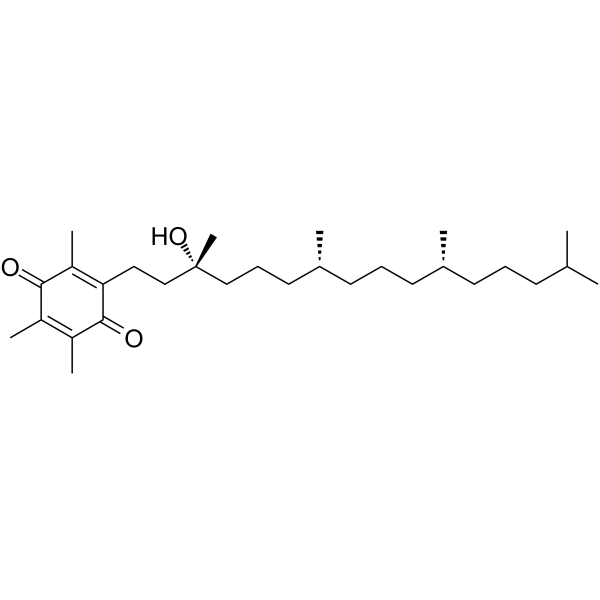
D-α-Tocopherylquinone (α-Tocopherylquinone) is a quinone, can be isolated from Phaeodactylum tricornutum. D-α-Tocopherylquinone is an oxidation product of α-Tocopherol (vitamin E). D-α-Tocopherylquinone can act as an anticoagulant and as an antioxidant. D-α-Tocopherylquinone reduces cellular oxidative damage produced by oxidized lipids. D-α-Tocopherylquinone binds to a liver cytosolic protein with a molecular mass of about 40 kDa. D-α-Tocopherylquinone binds to glurathione-S-transferase (GST) and can be transported to the site of metabolism or excreted in the bile .
|
-
-
- HY-B0757A
-
|
rel-Vitamin E Nicotinate
|
Reactive Oxygen Species (ROS)
Endogenous Metabolite
|
Cardiovascular Disease
|
|
(±)-α-Tocopherol nicotinate, vitamin E - nicotinate, is an orally active fat-soluble antioxidant that prevents lipid peroxidation in cell membranes. (±)-α-Tocopherol nicotinate is hydrolysed in the blood to α -tocopherol and niacin and may be used in studies of related vascular diseases .
|
-
-
- HY-126400
-
|
|
Endogenous Metabolite
|
Others
|
|
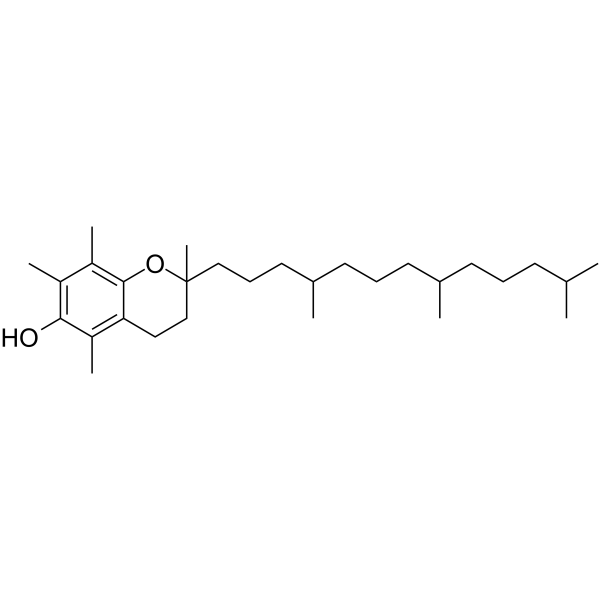
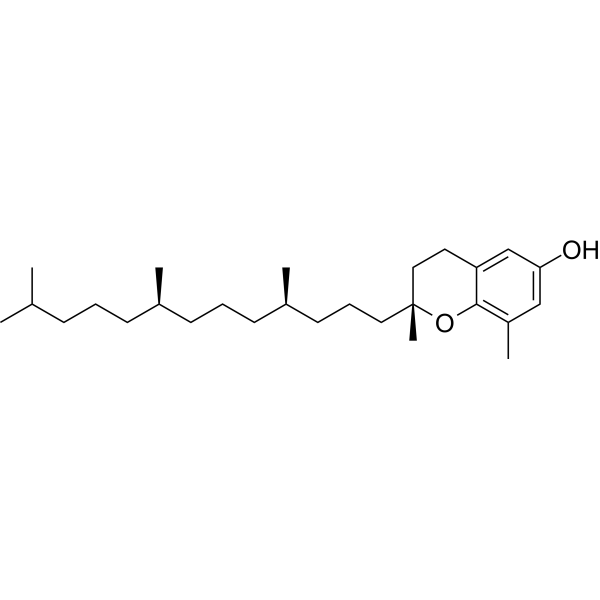
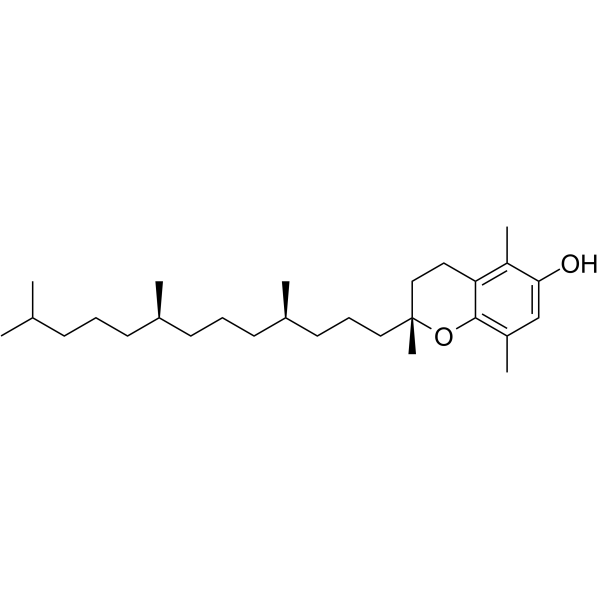
Tocopherols are an important class of fat-soluble vitamins, the most common form of which is gamma-tocopherol, followed by beta-tocopherol and alpha-tocopherol .
|
-
-
- HY-N0683R
-
-
-
- HY-111024
-
-
-
- HY-W127530
-
|
alpha-Tocopherol phosphate disodium; TocP disodium; Vitamin E phosphate disodium
|
Apoptosis
Reactive Oxygen Species (ROS)
|
Cardiovascular Disease
Cancer
|
|
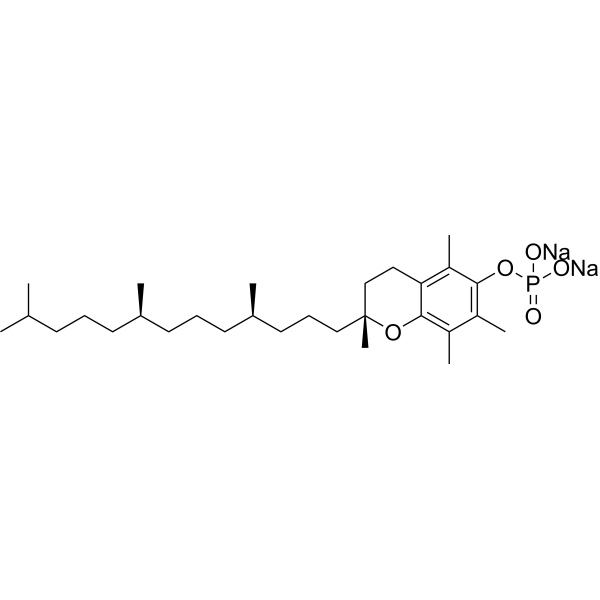
α-Tocopherol phosphate disodium is an antioxidant that protects against long-wave UVA1 induced cell death and scavenge UVA1 induced ROS in a skin cell model. α-Tocopherol phosphate disodium exhibits angiogenesis-promoting activity .
|
-
-
- HY-N0683A
-
-
-
- HY-N7148A
-
|
|
Endogenous Metabolite
|
Cancer
|
|
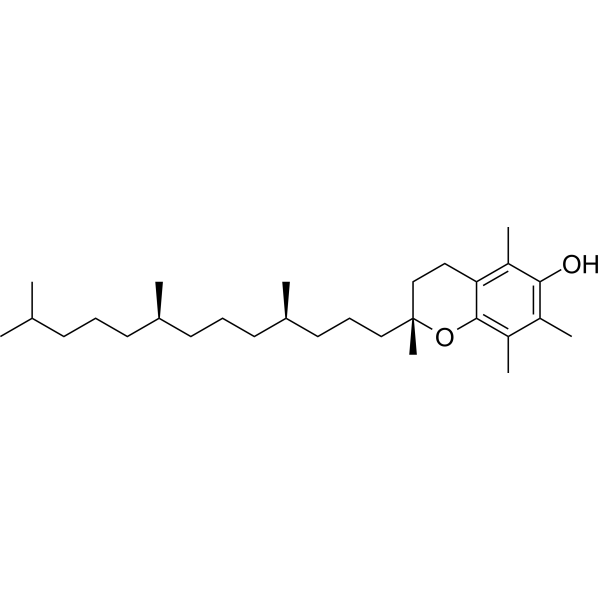
(±)-γ-Tocopherol is an endogenous metabolite present in Blood that can be used for the research of Prostate Cancer and Endometrial Cancer .
|
-
-
- HY-113269
-
|
|
Drug Metabolite
|
Others
|
|
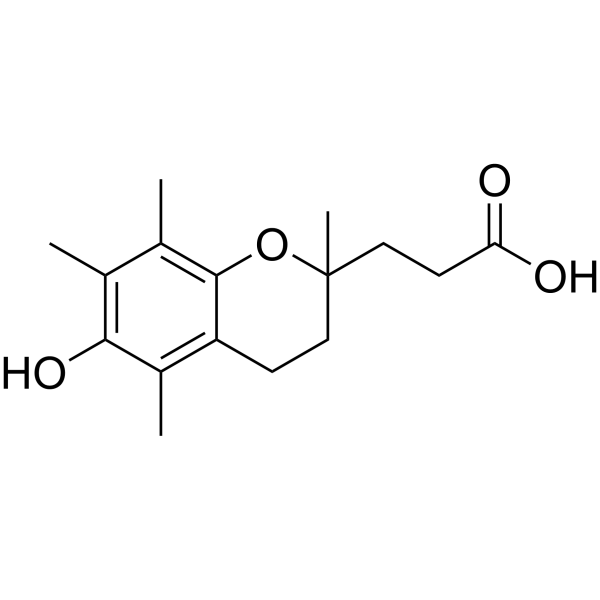
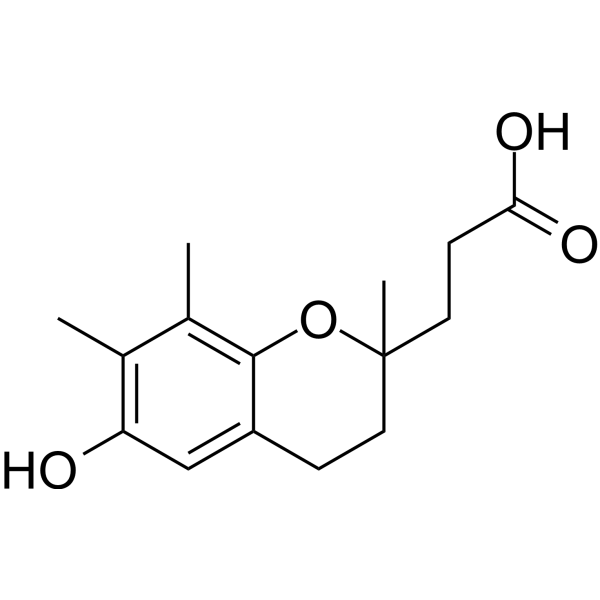
alpha-CEHC is a water-soluble metabolite of alpha-tocopherol (α-TOH) with potential antioxidant activity. alpha-CEHC slightly inhibits macrophage-induced low-density lipoprotein (LDL) oxidation, and its inhibitory potency is concentration-dependent .
|
-
-
- HY-B1278BR
-
|
(±)-Vitamin E acetate (Standard)
|
Biochemical Assay Reagents
Reference Standards
|
Infection
|
|
(±)-α-Tocopherol acetate (Standard) is the analytical standard of (±)-α-Tocopherol acetate. This product is intended for research and analytical applications. (±)-α-Tocopherol acetate ((±)-Vitamin E acetate), is a orally active synthetic form of vitamin E. (±)-α-Tocopherol acetate is the ester of acetic acid and α-tocopherol. (±)-α-Tocopherol acetate can be used for the research of the susceptibility of farmed fish to infectious diseases .
|
-
-
- HY-N7148S1
-
|
|
Isotope-Labeled Compounds
COX
|
Inflammation/Immunology
Cancer
|
|
γ-Tocopherol-d4 is the deuterium labeled γ-Tocopherol. γ-Tocopherol (D-γ-Tocopherol) is a potent cyclooxygenase (COX) inhibitor. γ-Tocopherol is a naturally occurring form of Vitamin E in many plant seeds, such as corn oil and soybeans. γ-Tocopherol possesses antiinflammatory properties and anti-cancer activity .
|
-
-
- HY-N7148R
-
|
D-γ-Tocopherol (Standard); (+)-γ-Tocopherol (Standard)
|
Reference Standards
COX
Endogenous Metabolite
|
Inflammation/Immunology
Cancer
|
|
γ-Tocopherol (Standard) is the analytical standard of γ-Tocopherol. This product is intended for research and analytical applications. γ-Tocopherol (D-γ-Tocopherol) is a potent cyclooxygenase (COX) inhibitor. γ-Tocopherol is a naturally occurring form of Vitamin E in many plant seeds, such as corn oil and soybeans. γ-Tocopherol possesses antiinflammatory properties and anti-cancer activity .
|
-
-
- HY-W020044R
-
|
DL-α-Tocopherol (Standard)
|
Reference Standards
Ferroptosis
DNA/RNA Synthesis
Apoptosis
|
Cancer
|
|
DL-alpha-Tocopherol (Standard) is the analytical standard of DL-alpha-Tocopherol. This product is intended for research and analytical applications. DL-alpha-Tocopherol is a synthetic vitamin E, with antioxidation effect. DL-alpha-Tocopherol protects human skin fibroblasts against the cytotoxic effect of UVB .
|
-
-
- HY-113095
-
γ-CEHC
1 Publications Verification
|
Drug Metabolite
Endogenous Metabolite
|
Others
|
|
γ-CEHC is a γ-tocopherol (HY-N7148) metabolite. γ-CEHC is mainly excreted into the urine rather than into the bile. γ-CEHC is present in conjugated form in human urine, mainly as glucuronide .
|
-
-
- HY-B1278S1
-
-
-
- HY-W015752
-
|
|
Drug Intermediate
|
Others
|
|
5-Methoxyresorcinol is a model molecule of the A ring of flavonoids, specifically simulating the chemical behavior of the resorcinol-type A ring found in catechins. 5-Methoxyresorcinol exhibits extremely low reactivity of tocopherol. 5-Methoxyresorcinol hardly inhibits cholesteryl ester transfer protein (CETP) .
|
-
-
- HY-133680R
-
|
|
Reference Standards
Tyrosinase
|
Others
|
|
β-Tocopherol (Standard) is the analytical standard of β-Tocopherol. This product is intended for research and analytical applications. β-Tocopherol is an analogue of vitamin E, exhibits antioxidant properties. β-Tocopherol can inhibit tyrosinase activity and melanin synthesis. β-Tocopherol also can prevent the inhibition of cell growth and of PKC activity caused by d-alpha-tocopherol .
|
-
-
- HY-107965
-
|
Safflower seed oil (from Carthamus tinctorius seed)
|
Biochemical Assay Reagents
|
Inflammation/Immunology
|
Safflower oil (from Carthamus tinctorius seed) is rich in unsaturated fatty acids such as linoleic acid and oleic acid, as well as tocopherols and phenolic compounds, and exhibits antioxidant, anti-aging and blood lipid-regulating effects. Safflower oil (from Carthamus tinctorius seed) inhibits the activities of collagenase and elastase, and exerts antioxidant activity by scavenging free radicals. Linoleic acid in safflower oil (from Carthamus tinctorius seed) reduces blood cholesterol levels. Safflower oil (from Carthamus tinctorius seed) can be applied to research in fields such as skin aging, atherosclerosis, edible oil processing and industrial raw material development .
|
-
-
- HY-113068R
-
|
|
Reference Standards
Tyrosinase
|
Metabolic Disease
|
|
(rel)-β-Tocopherol (Standard) is the analytical standard of (rel)-β-Tocopherol. This product is intended for research and analytical applications. (rel)-β-Tocopherol is a relative configuration of β-Tocopherol.(±)-β-Tocopherol is a lipid-soluble form of vitamin E with antioxidant activity. β-Tocopherol can inhibit tyrosinase activity and melanin synthesis. β-Tocopherol also can prevent the inhibition of cell growth and of PKC activity caused by d-alpha-tocopherol .
|
-
-
- HY-113026R
-
-
-
- HY-16686R
-
|
alpha-Tocopherol phosphate (Standard); TocP (Standard); vitamin E phosphate (Standard)
|
Reactive Oxygen Species (ROS)
Endogenous Metabolite
Reference Standards
|
Cancer
|
|
α-Tocopherol (phosphate) (Standard) is the analytical standard of α-Tocopherol (phosphate). This product is intended for research and analytical applications. α-Tocopherol phosphate is a compound with the high activity of vitamin E.
|
-
-
- HY-115742
-
|
DMPBQ
|
COX
|
Cancer
|
|
(Rac)-γ-Tocopherol (DMPBQ) is a Vitamin E isoform, which is converted by tocopherol cyclase to γ-Tcopherol .
|
-
-
- HY-N0683S6
-
-
-
- HY-N16587
-
|
|
Others
|
Inflammation/Immunology
|
|
Dehydro-γ-tocopherol is a naturally occurring chromanol compound found in the Stemona, and it exhibits significant antioxidant activity .
|
-
-
- HY-170473
-
|
|
Biochemical Assay Reagents
|
Others
|
|
Wheat germ oil is an oil with nutritional value, especially its high Vitamin E content. Wheat germ oil is rich in health- beneficial bioactive compounds, such as phytosterols, tocopherols, carotenoids, and omega-3 fatty acids .
|
-
-
- HY-178495
-
|
|
Mitochondrial Metabolism
Reactive Oxygen Species (ROS)
Apoptosis
|
Cancer
|
|
SDH-IN-36 (Compound 17) is a derivative of alpha-D-tocopherol. SDH-IN-36 increases ROS and induces apoptosis by inhibiting SDHC and blocking electron transfer. SDH-IN-36 can inhibit the proliferation of various tumor cells, such as SSK4 (GI50 = 0.156 µM), SSNU638 (GI50 = 0.659 µM), and SKATOIII (GI50 = 0.490 µM) cells. SDH-IN-36 can significantly inhibit tumor growth. SDH-IN-36 can be used for research on cancers such as gastric cancer .
|
-
-
- HY-113068S
-
|
|
Isotope-Labeled Compounds
Tyrosinase
|
Metabolic Disease
|
|
β-Tocopherol-d3 is the deuterium labeled β-Tocopherol. β-Tocopherol is an analogue of vitamin E, exhibits antioxidant properties. β-Tocopherol can inhibit tyrosinase activity and melanin synthesis. β-Tocopherol can also prevent the inhibition of cell growth and of PKC activity caused by d-alpha-tocopherol .
|
-
-
- HY-177833
-
|
|
Liposome
|
Metabolic Disease
|
|
Liposomal α-Tocopherol acetate is a specialized delivery system that encapsulates α-tocopherol acetate within tiny liposomes. These liposomes act as protective shells, enhancing the absorption and bioavailability of α-tocopherol acetate. α-tocopherol acet
|
-
-
- HY-131553R
-
|
Vitamin E succinate (Standard)
|
Reference Standards
Apoptosis
|
Cancer
|
|
D-α-Tocopherol Succinate (Standard) is the analytical standard of D-α-Tocopherol Succinate. This product is intended for research and analytical applications. D-α-Tocopherol Succinate (Vitamin E succinate) is an antioxidant tocopherol and a salt form of vitamin E. D-α-Tocopherol Succinate inhibits Cisplatin (HY-17394)-induced cytotoxicity. D-α-Tocopherol Succinate can be used for the research of cancer .
|
-
-
- HY-144509S
-
-
-
- HY-W020044S1
-
|
|
Ferroptosis
|
Others
|
|
DL-alpha-Tocopherol-d9 is the deuterium labeled DL-alpha-Tocopherol . DL-alpha-Tocopherol is a synthetic vitamin E, with antioxidation effect. DL-alpha-Tocopherol protects human skin fibroblasts against the cytotoxic effect of UVB .
|
-
-
- HY-W020044S
-
|
|
Isotope-Labeled Compounds
Ferroptosis
|
Others
|
|
DL-alpha-Tocopherol- 13C3 is the 13C-labeled DL-alpha-Tocopherol. DL-alpha-Tocopherol is a synthetic vitamin E, with antioxidation effect. DL-alpha-Tocopherol protects human skin fibroblasts against the cytotoxic effect of UVB .
|
-
-
- HY-B0757AR
-
|
rel-Vitamin E Nicotinate (Standard)
|
Reference Standards
Reactive Oxygen Species (ROS)
Endogenous Metabolite
|
Cardiovascular Disease
|
|
(±)-α-Tocopherol nicotinate (Standard) is the analytical standard of (±)-α-Tocopherol nicotinate. This product is intended for research and analytical applications. (±)-α-Tocopherol nicotinate, vitamin E - nicotinate, is an orally active fat-soluble antioxidant that prevents lipid peroxidation in cell membranes. (±)-α-Tocopherol nicotinate is hydrolysed in the blood to α -tocopherol and niacin and may be used in studies of related vascular diseases[1][2].
|
-
-
- HY-N7807
-
-
- HY-B1278AR
-
|
Vitamin E acetate (Standard)
|
Reference Standards
Endogenous Metabolite
|
Inflammation/Immunology
|
|
DL-α-Tocopherol acetate (Standard) is the analytical standard of DL-α-Tocopherol acetate. This product is intended for research and analytical applications. DL-α-Tocopherol acetate is a vitamin E derivative which is often included in the formulations of enteral nutrition.
|
-
- HY-W127530R
-
|
alpha-Tocopherol phosphate disodium (Standard); TocP disodium (Standard); Vitamin E phosphate disodium (Standard)
|
Reference Standards
Apoptosis
Reactive Oxygen Species (ROS)
|
Cardiovascular Disease
Cancer
|
|
α-Tocopherol phosphate (Standard) (alpha-Tocopherol phosphate (Standard)) disodium is the analytical standard of α-Tocopherol phosphate disodium (HY-W127530). This product is intended for research and analytical applications.
α-Tocopherol phosphate disodium is an antioxidant that protects against long-wave UVA1 induced cell death and scavenge UVA1 induced ROS in a skin cell model. α-Tocopherol phosphate disodium exhibits angiogenesis-promoting activity .
|
-
- HY-144241S
-
-
- HY-B1278AS
-
|
Vitamin E acetate-13C4,d6
|
Isotope-Labeled Compounds
|
Inflammation/Immunology
|
|
DL-α-Tocopherol acetate- 13C4,d6 is the deuterium and 13C labeled DL-α-Tocopherol acetate . DL-α-Tocopherol acetate is a vitamin E derivative which is often included in the formulations of enteral nutrition .
|
-
- HY-N3713
-
|
|
Others
|
Others
|
|
Dehydro-δ-tocopherol (compound 1) is isolated from S. collinsae or S. tuberosa. Dehydro-δ-tocopherol shows antioxidant capacity, with the EC50 of 25 μM .
|
-
- HY-116757
-
-
- HY-113026S
-
-
- HY-125141
-
-
- HY-115731
-
|
Desmethyltocopherol; DL-Tocol; rac-Tocol
|
Endogenous Metabolite
|
Metabolic Disease
|
|
(±)-Tocol is a synthetic vitamin E derivative.nlike (±)-α-tocopherol, (±)-tocol does not suppress retinol-induced erythrocyte hemolysis or increase microviscosity of rat liver phosphatidylcholine (PC) liposomes.
|
-
- HY-N0683S
-
-
- HY-N0683S1
-
-
- HY-N4289R
-
|
|
Reference Standards
Cathepsin
|
Cancer
|
|
α-Vitamin E (Standard) is the analytical standard of α-Vitamin E. This product is intended for research and analytical applications. α-Vitamin E ((+)-α-Tocopherol), a naturally occurring vitamin E form, is a potent antioxidant .
|
-
- HY-N13182
-
|
|
Others
|
Others
|
|
Taxoquinone is an antioxidant derived from Metasequoia glyptostroboides and belongs to the diterpenoid class of compounds. At a concentration of 150 μg/mL, Taxoquinone exhibits a maximum inhibition of DPPH radicals of 81.29%, demonstrating superior antioxidant activity compared to Ascorbic acid and α-tocopherol at the same concentration .
|
-
- HY-119975
-
|
DC118
|
Reactive Oxygen Species (ROS)
|
Cancer
|
|
Carazostatin (DC118), an antioxidant, can be isolated from Streptomycs chromofuscus. Carazostatin (DC118) exhibits strong inhibitory activity against free radical-induced lipid peroxidation and shows stronger antioxidant activity in liposomal membranes than α-tocopherol (VE) .
|
-
- HY-W015752R
-
|
|
Reference Standards
Drug Intermediate
|
Others
|
|
5-Methoxyresorcinol (Standard) is an analytical standard for 5-Methoxyresorcinol (HY-W015752). This product is intended for research and analytical applications. 5-Methoxyresorcinol is a model molecule for the A ring of flavonoids, specifically mimicking the chemical behavior of the resorcinol-type A ring in catechins. 5-Methoxyresorcinol exhibits very low tocopherol regeneration activity. 5-Methoxyresorcinol shows little inhibition of cholesteryl ester transfer protein (CETP).
|
-
- HY-111024R
-
|
PMC (Standard)
|
Reference Standards
Androgen Receptor
NF-κB
|
Cardiovascular Disease
Inflammation/Immunology
Cancer
|
|
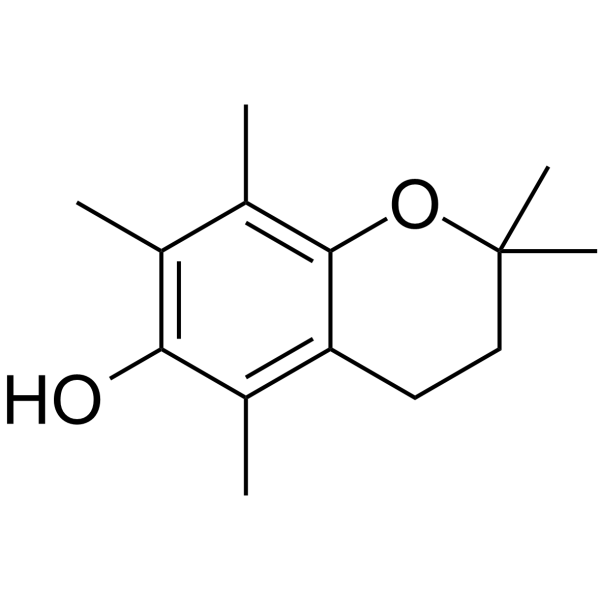
2,2,5,7,8-Pentamethyl-6-Chromanol (Standard) is the analytical standard of 2,2,5,7,8-Pentamethyl-6-Chromanol. This product is intended for research and analytical applications. 2,2,5,7,8-Pentamethyl-6-Chromanol (PMC) is the anti-oxidant moiety of vitamin E (α-tocopherol). 2,2,5,7,8-Pentamethyl-6-Chromanol has potent androgen receptor (AR) signaling modulation and anti-cancer activity against prostate cancer cell lines[1].
|
-
- HY-N2853R
-
|
α-Tocopherylquinone (Standard)
|
Reference Standards
Reactive Oxygen Species (ROS)
|
Others
|
|
D-α-Tocopherylquinone (α-Tocopherylquinone) (Standard) is the analytical standard of D-α-Tocopherylquinone. This product is intended for research and analytical applications. D-α-Tocopherylquinone is a quinone, can be isolated from Phaeodactylum tricornutum. D-α-Tocopherylquinone is an oxidation product of α-Tocopherol (vitamin E). D-α-Tocopherylquinone can act as an anticoagulant and as an antioxidant. D-α-Tocopherylquinone reduces cellular oxidative damage produced by oxidized lipids. D-α-Tocopherylquinone binds to a liver cytosolic protein with a molecular mass of about 40 kDa. D-α-Tocopherylquinone binds to glurathione-S-transferase (GST) and can be transported to the site of metabolism or excreted in the bile .
|
-
- HY-133680S
-
|
|
Isotope-Labeled Compounds
|
Others
|
|
β-Tocopherol-d4 is a deuterium labeled β-Tocopherol (HY-133680). β-Tocopherol is an analogue of vitamin E, exhibits antioxidant properties. β-Tocopherol can inhibit tyrosinase activity and melanin synthesis. β-Tocopherol also can prevent the inhibition of cell growth and of PKC activity caused by d-alpha-tocopherol .
|
-
- HY-N17629
-
|
|
Drug Derivative
|
Cancer
|
|
13'-Carboxy-α-tocopherol is a vitamin E derivative and antiproliferative agent. 13'-Carboxy-α-tocopherol inhibits proliferation of glioma cancer cells. 13'-Carboxy-α-tocopherol can be used for the research of glioma .
|
-
- HY-N17652
-
|
|
Apoptosis
Mitochondrial Metabolism
|
Cancer
|
|
13′-Hydroxy-δ-tocopherol is a metabolite of long-chain vitamin E. 13′-Hydroxy-δ-tocopherol can induces cells apoptosis and minor reduction in mitochondrial membrane potential. 13′-Hydroxy-δ-tocopherol can be used for the research of hepatocellular carcinoma .
|
-
- HY-N17653
-
|
|
Apoptosis
Mitochondrial Metabolism
Reactive Oxygen Species (ROS)
Caspase
PARP
Drug Metabolite
|
Cancer
|
|
13'-Carboxy-δ-tocopherol is a metabolite of long-chain vitamin E.13'-Carboxy-δ-tocopherol exhibits antiproliferative properties in cancer cells. 13'-Carboxy-δ-tocopherol activates caspase-3, caspase-9, causes PARP-1 cleavage, reduces mitochondrial membrane potential, increases ROS formation, and drives apoptosis.13'-Carboxy-δ-tocopherol can be used for the research of hepatocellular carcinoma .
|
-
- HY-Z11709
-
|
|
Endogenous Metabolite
|
Cancer
|
|
13-Hydroxy-alpha-tocopherol is a fat-soluble vitamin E derivative and anticancer agent with antioxidant and antiproliferative activities. 13-Hydroxy-alpha-tocopherol scavenges peroxyl free radicals and protects polyunsaturated fatty acids from oxidative damage. 13-Hydroxy-alpha-tocopherol not only inhibits the growth of glioma cancer cells, but its deficiency is also closely associated with recurrent miscarriage, embryonic growth retardation and death. Clinical observations show that the expression of 13-Hydroxy-alpha-tocopherol is downregulated in the follicular fluid of patients with recurrent miscarriage. 13-Hydroxy-alpha-tocopherol has important application potential in the research of recurrent miscarriage and glioma .
|
-
- HY-132519S
-
|
|
Isotope-Labeled Compounds
|
Others
|
|
Delta-Tocopherol-5-formyl-chroman-5-carboxylic acid-d3 is the deuterium labeled Delta-Tocopherol-5-formyl-chroman-5-carboxylic acid .
|
-
- HY-182130
-
-
- HY-N18779
-
|
|
Bacterial
|
Infection
Inflammation/Immunology
|
|
Phoenix dactylifera extract is rich in dietary fiber, phenols, tocopherols, carotenoids, and flavonoids, among other bioactive compounds, offering significant health and beauty benefits. It also possesses antioxidant, anti-inflammatory, antibacterial, and antiviral properties.
|
-
- HY-183232
-
|
|
Necroptosis
|
Cancer
|
|
SRS6-11 is an iron death-independent necrotic cell death (Necrosis) inducer. SRS6-11 retains significant lethality in the presence of α-tocopherol (HY-W020044). SRS6-11 can be used in fibrosarcoma research .
|
-
- HY-W419221
-
|
|
Herbicide
|
Others
|
|
Bixlozone, a proherbicide that requires in planta activation to its phytotoxic form, 5-ketobixlozone, is used to selectively control annual ryegrass (Lolium rigidum) in Australian cereal and canola crops. .
|
-
| Cat. No. |
Product Name |
Type |
-
- HY-B1278B
-
|
(±)-Vitamin E acetate
|
Biochemical Assay Reagents
|
|
(±)-α-Tocopherol acetate ((±)-Vitamin E acetate), is a orally active synthetic form of vitamin E. (±)-α-Tocopherol acetate is the ester of acetic acid and α-tocopherol. (±)-α-Tocopherol acetate can be used for the research of the susceptibility of farmed fish to infectious diseases .
|
-
- HY-131553
-
|
Vitamin E succinate
|
Biochemical Assay Reagents
|
|
D-α-Tocopherol Succinate (Vitamin E succinate) is an antioxidant tocopherol and a salt form of vitamin E. D-α-Tocopherol Succinate inhibits Cisplatin (HY-17394)-induced cytotoxicity. D-α-Tocopherol Succinate can be used for the research of cancer .
|
-
- HY-108750
-
|
VT 18 (oil); Vegetoil; Wesson
|
Biochemical Assay Reagents
|
|
Soybean oil (VT 18 (oil); Vegetoil; Wesson) is an edible vegetable oil. Soybean oil reduces circulating blood cholesterol levels when it replaces dietary saturated fats. Soybean oil does not affect inflammatory biomarkers or increase oxidative stress. Soybean oil contains γ-tocopherol and δ-tocopherol, which possess antioxidant properties. Soybean oil can be used in research related to coronary heart disease .
|
-
- HY-Y1887
-
|
|
Biochemical Assay Reagents
|
|
Cottonseed oil is an edible oil extracted from the seeds of cotton (Gossypium hirsutum). Its fatty acid composition includes 26-35% saturated fatty acids, 42-52% polyunsaturated fatty acids, and 18-24% monounsaturated fatty acids. Cottonseed oil is regarded as an Insecticide, as it is used to protect the trunks of apple trees from damage by the apple clearwing moth. Cottonseed oil possesses anti-inflammatory and cardioprotective properties. It also has extensive applications in many fields such as biofuels, animal husbandry, cosmetics, agriculture, and chemical industry .
|
-
- HY-B0757A
-
|
rel-Vitamin E Nicotinate
|
Biochemical Assay Reagents
|
|
(±)-α-Tocopherol nicotinate, vitamin E - nicotinate, is an orally active fat-soluble antioxidant that prevents lipid peroxidation in cell membranes. (±)-α-Tocopherol nicotinate is hydrolysed in the blood to α -tocopherol and niacin and may be used in studies of related vascular diseases .
|
-
- HY-W127530
-
|
alpha-Tocopherol phosphate disodium; TocP disodium; Vitamin E phosphate disodium
|
Biochemical Assay Reagents
|
|
α-Tocopherol phosphate disodium is an antioxidant that protects against long-wave UVA1 induced cell death and scavenge UVA1 induced ROS in a skin cell model. α-Tocopherol phosphate disodium exhibits angiogenesis-promoting activity .
|
-
- HY-B1278BR
-
|
(±)-Vitamin E acetate (Standard)
|
Biochemical Assay Reagents
|
|
(±)-α-Tocopherol acetate (Standard) is the analytical standard of (±)-α-Tocopherol acetate. This product is intended for research and analytical applications. (±)-α-Tocopherol acetate ((±)-Vitamin E acetate), is a orally active synthetic form of vitamin E. (±)-α-Tocopherol acetate is the ester of acetic acid and α-tocopherol. (±)-α-Tocopherol acetate can be used for the research of the susceptibility of farmed fish to infectious diseases .
|
-
- HY-107965
-
|
Safflower seed oil (from Carthamus tinctorius seed)
|
Biochemical Assay Reagents
|
Safflower oil (from Carthamus tinctorius seed) is rich in unsaturated fatty acids such as linoleic acid and oleic acid, as well as tocopherols and phenolic compounds, and exhibits antioxidant, anti-aging and blood lipid-regulating effects. Safflower oil (from Carthamus tinctorius seed) inhibits the activities of collagenase and elastase, and exerts antioxidant activity by scavenging free radicals. Linoleic acid in safflower oil (from Carthamus tinctorius seed) reduces blood cholesterol levels. Safflower oil (from Carthamus tinctorius seed) can be applied to research in fields such as skin aging, atherosclerosis, edible oil processing and industrial raw material development .
|
-
- HY-170473
-
|
|
Biochemical Assay Reagents
|
|
Wheat germ oil is an oil with nutritional value, especially its high Vitamin E content. Wheat germ oil is rich in health- beneficial bioactive compounds, such as phytosterols, tocopherols, carotenoids, and omega-3 fatty acids .
|
-
- HY-131553R
-
|
Vitamin E succinate (Standard)
|
Biochemical Assay Reagents
|
|
D-α-Tocopherol Succinate (Standard) is the analytical standard of D-α-Tocopherol Succinate. This product is intended for research and analytical applications. D-α-Tocopherol Succinate (Vitamin E succinate) is an antioxidant tocopherol and a salt form of vitamin E. D-α-Tocopherol Succinate inhibits Cisplatin (HY-17394)-induced cytotoxicity. D-α-Tocopherol Succinate can be used for the research of cancer .
|
-
- HY-B0757AR
-
|
rel-Vitamin E Nicotinate (Standard)
|
Biochemical Assay Reagents
|
|
(±)-α-Tocopherol nicotinate (Standard) is the analytical standard of (±)-α-Tocopherol nicotinate. This product is intended for research and analytical applications. (±)-α-Tocopherol nicotinate, vitamin E - nicotinate, is an orally active fat-soluble antioxidant that prevents lipid peroxidation in cell membranes. (±)-α-Tocopherol nicotinate is hydrolysed in the blood to α -tocopherol and niacin and may be used in studies of related vascular diseases[1][2].
|
-
- HY-W127530R
-
|
alpha-Tocopherol phosphate disodium (Standard); TocP disodium (Standard); Vitamin E phosphate disodium (Standard)
|
Biochemical Assay Reagents
|
|
α-Tocopherol phosphate (Standard) (alpha-Tocopherol phosphate (Standard)) disodium is the analytical standard of α-Tocopherol phosphate disodium (HY-W127530). This product is intended for research and analytical applications.
α-Tocopherol phosphate disodium is an antioxidant that protects against long-wave UVA1 induced cell death and scavenge UVA1 induced ROS in a skin cell model. α-Tocopherol phosphate disodium exhibits angiogenesis-promoting activity .
|
| Cat. No. |
Product Name |
Category |
Target |
Chemical Structure |
-
- HY-N0683
-
-
-
- HY-W020044
-
-
-
- HY-N7148
-
-
-
- HY-B1278A
-
-
-
- HY-B1278
-
-
-
- HY-113068
-
-
-
- HY-113026
-
-
-
- HY-W010040
-
-
-
- HY-133680
-
-
-
- HY-N2853
-
-
-
- HY-B0757A
-
-
-
- HY-126400
-
-
-
- HY-N0683R
-
-
-
- HY-N0683A
-
-
-
- HY-113269
-
|
|
Microorganisms
Source Classification
|
Drug Metabolite
|
|
alpha-CEHC is a water-soluble metabolite of alpha-tocopherol (α-TOH) with potential antioxidant activity. alpha-CEHC slightly inhibits macrophage-induced low-density lipoprotein (LDL) oxidation, and its inhibitory potency is concentration-dependent .
|
-
-
- HY-N7148R
-
-
-
- HY-W020044R
-
-
-
- HY-113095
-
-
-
- HY-W015752
-
-
-
- HY-133680R
-
-
-
- HY-113068R
-
-
-
- HY-113026R
-
-
-
- HY-N16587
-
-
-
- HY-B0757AR
-
-
-
- HY-N7807
-
-
-
- HY-B1278AR
-
-
-
- HY-N3713
-
-
-
- HY-116757
-
-
-
- HY-N4289R
-
-
-
- HY-N13182
-
-
-
- HY-W015752R
-
|
|
Phenols
Polyphenols
Endogenous metabolite
Source Classification
|
Reference Standards
Drug Intermediate
|
|
5-Methoxyresorcinol (Standard) is an analytical standard for 5-Methoxyresorcinol (HY-W015752). This product is intended for research and analytical applications. 5-Methoxyresorcinol is a model molecule for the A ring of flavonoids, specifically mimicking the chemical behavior of the resorcinol-type A ring in catechins. 5-Methoxyresorcinol exhibits very low tocopherol regeneration activity. 5-Methoxyresorcinol shows little inhibition of cholesteryl ester transfer protein (CETP).
|
-
-
- HY-N2853R
-
|
α-Tocopherylquinone (Standard)
|
Quinones
Microorganisms
Benzene Quinones
Source Classification
|
Reference Standards
Reactive Oxygen Species (ROS)
|
|
D-α-Tocopherylquinone (α-Tocopherylquinone) (Standard) is the analytical standard of D-α-Tocopherylquinone. This product is intended for research and analytical applications. D-α-Tocopherylquinone is a quinone, can be isolated from Phaeodactylum tricornutum. D-α-Tocopherylquinone is an oxidation product of α-Tocopherol (vitamin E). D-α-Tocopherylquinone can act as an anticoagulant and as an antioxidant. D-α-Tocopherylquinone reduces cellular oxidative damage produced by oxidized lipids. D-α-Tocopherylquinone binds to a liver cytosolic protein with a molecular mass of about 40 kDa. D-α-Tocopherylquinone binds to glurathione-S-transferase (GST) and can be transported to the site of metabolism or excreted in the bile .
|
-
-
- HY-N17629
-
-
-
- HY-N17652
-
-
-
- HY-N17653
-
-
-
- HY-Z11709
-
|
|
Structural Classification
Natural Products
Garcinia kola Heckel
Guttiferae
Plants
Source Classification
|
Endogenous Metabolite
|
|
13-Hydroxy-alpha-tocopherol is a fat-soluble vitamin E derivative and anticancer agent with antioxidant and antiproliferative activities. 13-Hydroxy-alpha-tocopherol scavenges peroxyl free radicals and protects polyunsaturated fatty acids from oxidative damage. 13-Hydroxy-alpha-tocopherol not only inhibits the growth of glioma cancer cells, but its deficiency is also closely associated with recurrent miscarriage, embryonic growth retardation and death. Clinical observations show that the expression of 13-Hydroxy-alpha-tocopherol is downregulated in the follicular fluid of patients with recurrent miscarriage. 13-Hydroxy-alpha-tocopherol has important application potential in the research of recurrent miscarriage and glioma .
|
-
-
- HY-N18779
-
|
|
Structural Classification
Extract
|
Bacterial
|
|
Phoenix dactylifera extract is rich in dietary fiber, phenols, tocopherols, carotenoids, and flavonoids, among other bioactive compounds, offering significant health and beauty benefits. It also possesses antioxidant, anti-inflammatory, antibacterial, and antiviral properties.
|
-
| Cat. No. |
Product Name |
Chemical Structure |
-
- HY-N7148S1
-
|
|
|
γ-Tocopherol-d4 is the deuterium labeled γ-Tocopherol. γ-Tocopherol (D-γ-Tocopherol) is a potent cyclooxygenase (COX) inhibitor. γ-Tocopherol is a naturally occurring form of Vitamin E in many plant seeds, such as corn oil and soybeans. γ-Tocopherol possesses antiinflammatory properties and anti-cancer activity .
|
-
-
- HY-B1278S1
-
|
|
|
α-Tocopherol-d6 (acetate) is the deuterium labeled D-α-Tocopherol acetate. D-α-Tocopherol acetate (D-Vitamin E acetate) can be hydrolyzed to d-alpha-tocopherol (VE) and absorbed in the small intestine .
|
-
-
- HY-N0683S6
-
|
|
|
α-Vitamin E-d11 ((+)-α-Tocopherol-d11) is the deuterium labeled α-Vitamin E (HY-N0683). α-Vitamin E ((+)-α-Tocopherol), a naturally occurring vitamin E form, is a potent antioxidant .
|
-
-
- HY-113068S
-
|
|
|
β-Tocopherol-d3 is the deuterium labeled β-Tocopherol. β-Tocopherol is an analogue of vitamin E, exhibits antioxidant properties. β-Tocopherol can inhibit tyrosinase activity and melanin synthesis. β-Tocopherol can also prevent the inhibition of cell growth and of PKC activity caused by d-alpha-tocopherol .
|
-
-
- HY-144509S
-
|
|
|
l-α-tocopherol acetate- 13C4,d6 is the 13C- and deuterium-labeled l-α-tocopherol acetate. l-α-tocopherol acetate is a natural tocopherol and has potent antioxidant activities .
|
-
-
- HY-W020044S1
-
|
|
|
DL-alpha-Tocopherol-d9 is the deuterium labeled DL-alpha-Tocopherol . DL-alpha-Tocopherol is a synthetic vitamin E, with antioxidation effect. DL-alpha-Tocopherol protects human skin fibroblasts against the cytotoxic effect of UVB .
|
-
-
- HY-W020044S
-
|
|
|
DL-alpha-Tocopherol- 13C3 is the 13C-labeled DL-alpha-Tocopherol. DL-alpha-Tocopherol is a synthetic vitamin E, with antioxidation effect. DL-alpha-Tocopherol protects human skin fibroblasts against the cytotoxic effect of UVB .
|
-
-
- HY-144241S
-
|
|
|
DL-Alpha-tocopherol nicotinate-d9 is the deuterium labeled DL-Alpha-tocopherol nicotinate .
|
-
-
- HY-B1278AS
-
|
|
|
DL-α-Tocopherol acetate- 13C4,d6 is the deuterium and 13C labeled DL-α-Tocopherol acetate . DL-α-Tocopherol acetate is a vitamin E derivative which is often included in the formulations of enteral nutrition .
|
-
-
- HY-113026S
-
|
|
|
(2RS,4R,8R)-δ-Tocopherol-d4 (Mixture of Diastereomers) is the deuterium labeled (2RS,4R,8R)-δ-Tocopherol (Mixture of Diastereomers) .
|
-
-
- HY-N0683S
-
|
|
|
α-Vitamin E- 13C6 is the 13C-labeled α-Vitamin E. α-Vitamin E ((+)-α-Tocopherol), a naturally occurring vitamin E form, is a potent antioxidant .
|
-
-
- HY-N0683S1
-
|
|
|
α-Vitamin E- 13C3 is the 13C-labeled α-Vitamin E. α-Vitamin E ((+)-α-Tocopherol), a naturally occurring vitamin E form, is a potent antioxidant .
|
-
-
- HY-133680S
-
|
|
|
β-Tocopherol-d4 is a deuterium labeled β-Tocopherol (HY-133680). β-Tocopherol is an analogue of vitamin E, exhibits antioxidant properties. β-Tocopherol can inhibit tyrosinase activity and melanin synthesis. β-Tocopherol also can prevent the inhibition of cell growth and of PKC activity caused by d-alpha-tocopherol .
|
-
-
- HY-132519S
-
|
|
|
Delta-Tocopherol-5-formyl-chroman-5-carboxylic acid-d3 is the deuterium labeled Delta-Tocopherol-5-formyl-chroman-5-carboxylic acid .
|
-
| Cat. No. |
Product Name |
|
Classification |
-
- HY-108750
-
|
VT 18 (oil); Vegetoil; Wesson
|
|
Solvents
|
|
Soybean oil (VT 18 (oil); Vegetoil; Wesson) is an edible vegetable oil. Soybean oil reduces circulating blood cholesterol levels when it replaces dietary saturated fats. Soybean oil does not affect inflammatory biomarkers or increase oxidative stress. Soybean oil contains γ-tocopherol and δ-tocopherol, which possess antioxidant properties. Soybean oil can be used in research related to coronary heart disease .
|
-
- HY-Y1887
-
|
|
|
Solvents
|
|
Cottonseed oil is an edible oil extracted from the seeds of cotton (Gossypium hirsutum). Its fatty acid composition includes 26-35% saturated fatty acids, 42-52% polyunsaturated fatty acids, and 18-24% monounsaturated fatty acids. Cottonseed oil is regarded as an Insecticide, as it is used to protect the trunks of apple trees from damage by the apple clearwing moth. Cottonseed oil possesses anti-inflammatory and cardioprotective properties. It also has extensive applications in many fields such as biofuels, animal husbandry, cosmetics, agriculture, and chemical industry .
|
-
- HY-107965
-
|
Safflower seed oil (from Carthamus tinctorius seed)
|
|
Solvents
|
Safflower oil (from Carthamus tinctorius seed) is rich in unsaturated fatty acids such as linoleic acid and oleic acid, as well as tocopherols and phenolic compounds, and exhibits antioxidant, anti-aging and blood lipid-regulating effects. Safflower oil (from Carthamus tinctorius seed) inhibits the activities of collagenase and elastase, and exerts antioxidant activity by scavenging free radicals. Linoleic acid in safflower oil (from Carthamus tinctorius seed) reduces blood cholesterol levels. Safflower oil (from Carthamus tinctorius seed) can be applied to research in fields such as skin aging, atherosclerosis, edible oil processing and industrial raw material development .
|
-
- HY-177833
-
|
|
|
Liposome
|
|
Liposomal α-Tocopherol acetate is a specialized delivery system that encapsulates α-tocopherol acetate within tiny liposomes. These liposomes act as protective shells, enhancing the absorption and bioavailability of α-tocopherol acetate. α-tocopherol acet
|
-
- HY-182130
-
Your information is safe with us. * Required Fields.
Inquiry Information
- Product Name:
- Cat. No.:
- Quantity:
- MCE Japan Authorized Agent:

