1. Search Result
Search Result
Pathways Recommended: MAPK/ERK Pathway
Results for "

ubiquitin ligase pathway

" in MedChemExpress (MCE) Product Catalog:

37

Inhibitors & Agonists

1

Screening Libraries

1

Peptides

1

Inhibitory Antibodies

1

Click Chemistry

Cat. No. Product Name Target Research Areas Chemical Structure
  • HY-157228

    PROTACs Ras Cancer
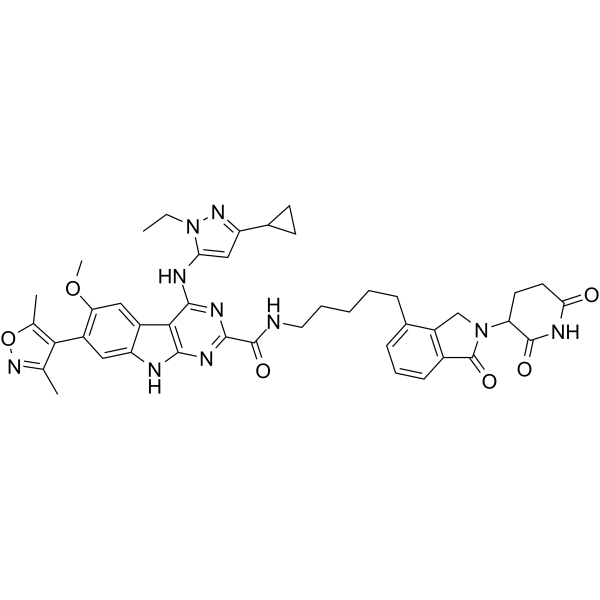
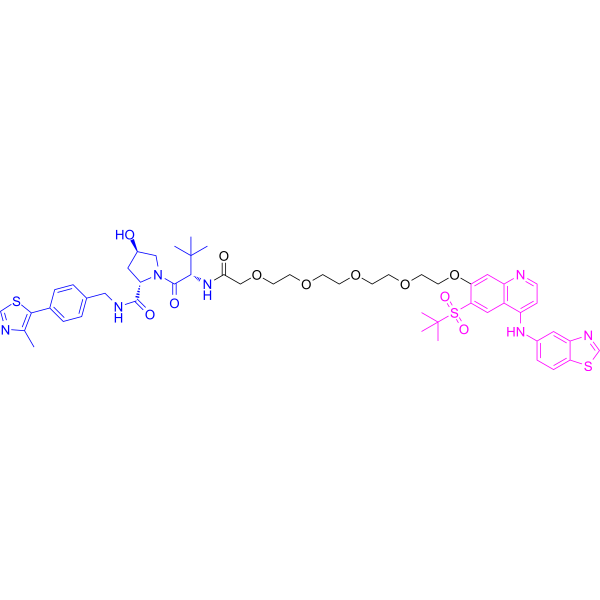
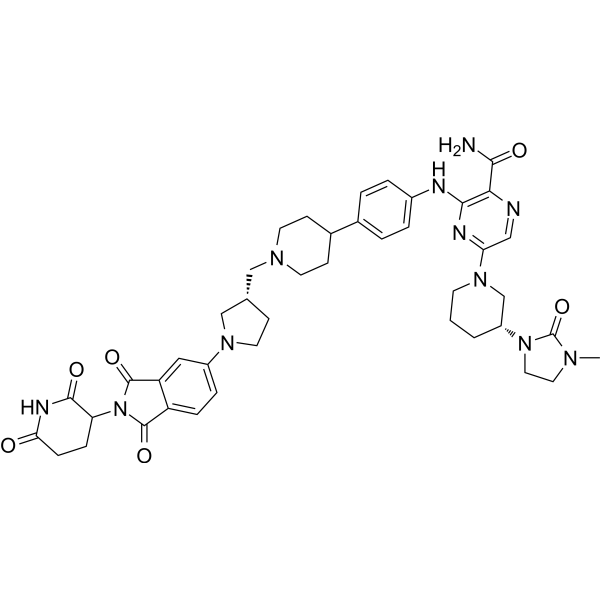
    ACBI3 (compound 7), a chemical probe, is a PROTAC targeting KRAS. ACBI3 is composed of PROTAC target protein ligand pan-KRAS degrader 1 (HY-162960) (red part), E3 ligase ligand E3 ligase Ligand 43 (HY-401613) (blue part) and PROTAC Linker 1-Bromo-4-(ethynyloxy)butane (HY-169992) (black part), among which the conjugate of E3 ubiquitin ligase ligand + Linker is E3 Ligase Ligand-linker Conjugate 143 (HY-169995). ACBI3 achieves in vivo degradation of oncogenic KRAS, resulting in durable pathway modulation and tumor regressions in KRAS mutant xenograft mouse models .
    ACBI3
  • HY-145449

    E3 Ligase Ligand-Linker Conjugates ADC Payload Cancer
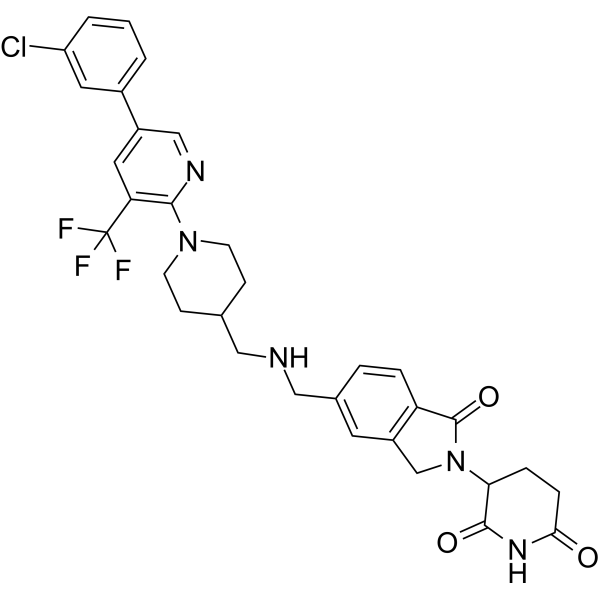
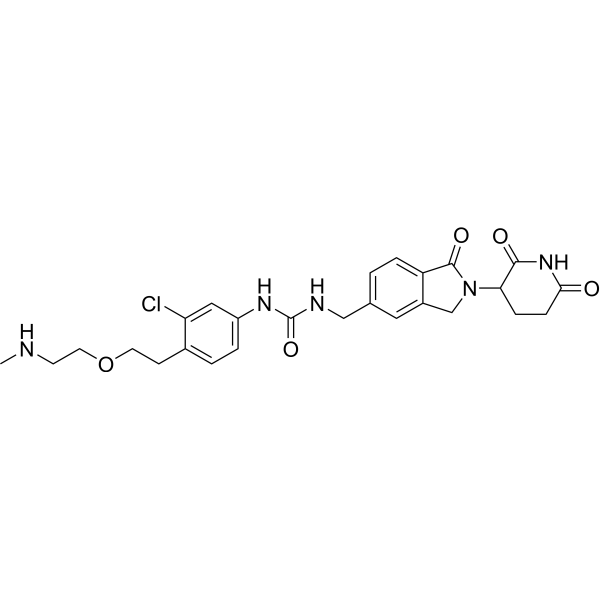
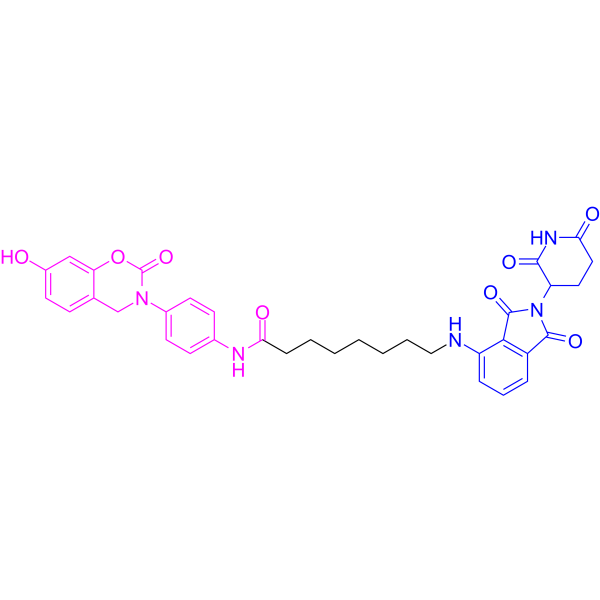
    CC-885-CH2-PEG1-NH-CH3 is a neoDegrader that can be used in the synthesis of Antibody neoDegrader Conjugate (AnDC). CC-885-CH2-PEG1-NH-CH3 is the toxic molecule of ADC, which can specifically degrade the target protein in cancer cells through the E3 ubiquitin ligase pathway .
    CC-885-CH2-PEG1-NH-CH3
  • HY-145898

    14-D-Valine-TPL

    c-Myc Molecular Glues Cancer
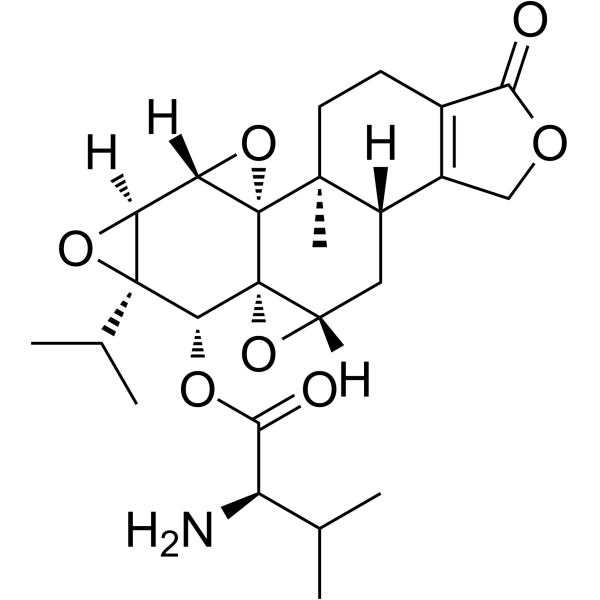
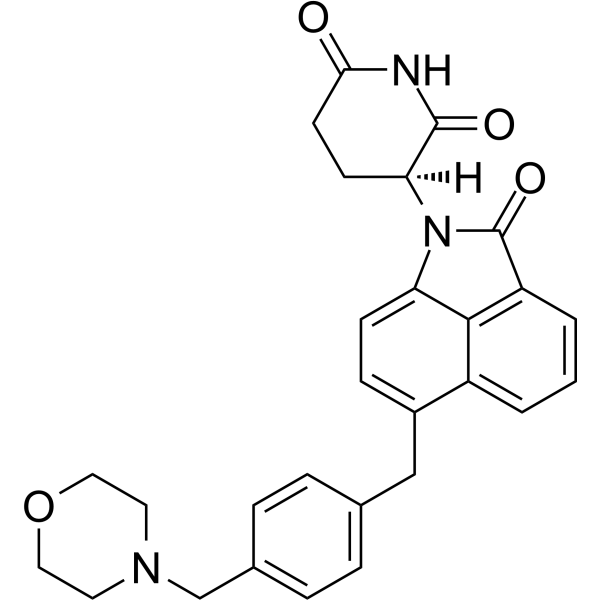
    WBC100 (14-D-Valine-TPL) is a potent, selective, and orally active c-Myc molecule glue degrader. WBC100 is a c-Myc degrader and targets ubiquitin E3 ligase CHIP mediated 26S proteasome pathway. WBC100 is used for c-Myc overexpressing tumors research .
    WBC100
  • HY-128586
    TAS4464
    5+ Cited Publications

    Apoptosis Carbonic Anhydrase NEDD8-activating Enzyme Cancer
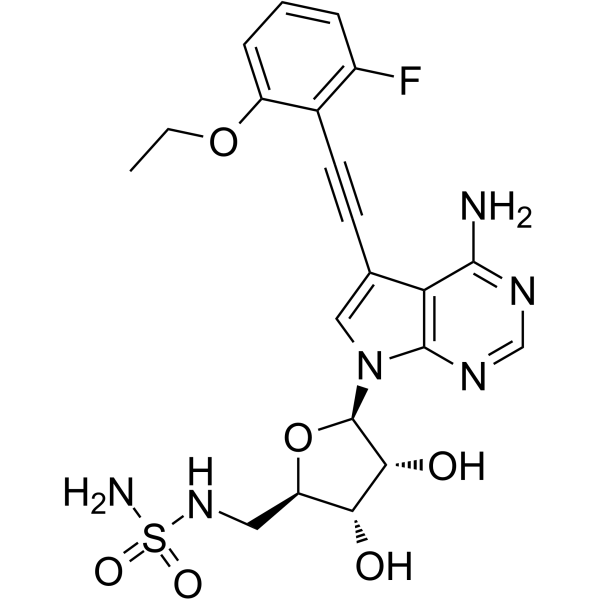
    TAS4464 is a long-acting, highly selective covalent inhibitor targeting NEDD8-activating enzyme (NAE) (IC50=0.955 nM), and also inhibits CAII with an IC50 of 0.73 μM, which is less potent than MLN4924 (HY-70062). The IC50 values of TAS4464 against other E1 enzymes UAE and SAE are 449 nM and 1280 nM, respectively. TAS4464 targets NEDD8 in an ATP-dependent manner to inhibit NAE, blocks the neddylation pathway, causes accumulation of CRL ubiquitin ligase substrates (such as CDT1, p27, phosphorylated IκBα), and further induces tumor cell apoptosis. TAS4464 exhibits antiproliferative and cytotoxic effects, and has broad-spectrum antitumor activity against various hematologic and solid tumor cell lines as well as patient-derived tumor cells. TAS4464 has a wide selcetive window, without obvious toxicity. TAS4464 can be used in the research of hematologic malignancies (leukemia, lymphoma, multiple myeloma, etc.) and solid tumors (small cell lung cancer, colorectal cancer, sarcoma, endometrial cancer, ovarian cancer, etc.) .
    TAS4464
  • HY-144841

    CFT7455

    Molecular Glues IKZF Family Cancer
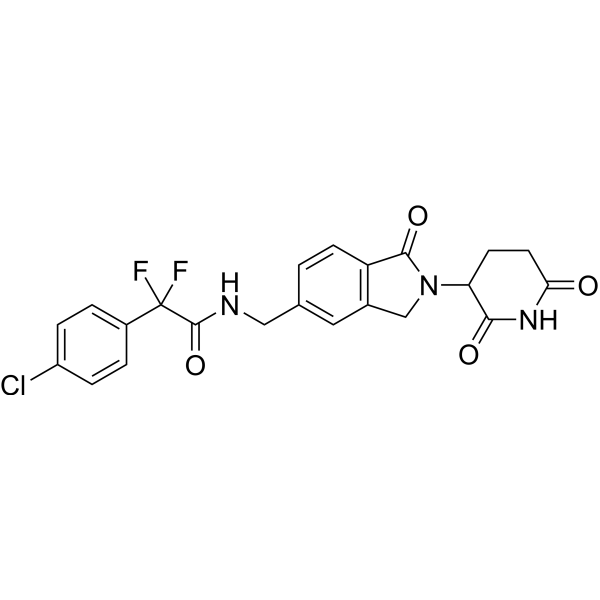
    Cemsidomide (CFT7455) is a ubiquitin ligase pathway based IKZF1/3 (Ikaros/Aiolos) degrader with molecular glue activity . Cemsidomide has a GI50 of 0.05 nM for NCIH929.1 cells. Cemsidomide is used in the research of multiple myeloma (MM) .
    Cemsidomide
  • HY-119264

    Molecular Glues Ras Apoptosis HIF/HIF Prolyl-Hydroxylase Cancer
    PRLX-93936 is a molecular Glues that binds to and reprograms the TRIM21 ubiquitin ligase to degrade nuclear pore complexes. PRLX-93936 binds to TRIM21, forms a ternary complex with TRIM21 and NUP98, and mediates the ubiquitination and proteasomal degradation of NUP98 and other nuclear pore complex proteins. PRLX-93936 induces the loss of short-lived cytoplasmic mRNA transcripts, triggers cancer cell apoptosis (Apoptosis), and inhibits the activated Ras pathway. PRLX-93936 inhibits HIF-1 under hypoxic conditions (IC50 = 0.09 μM in cell-based reporter gene assay). PRLX-93936 suppresses tumor growth in mouse models and improves survival rates in mouse models of multiple myeloma. PRLX-93936 is applicable to research related to pancreatic cancer and multiple myeloma .
    PRLX-93936
  • HY-114402

    PROTACs Androgen Receptor Cancer
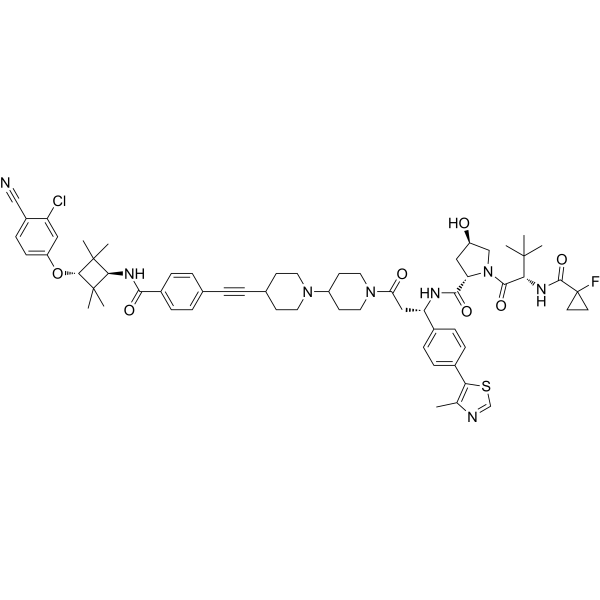
    ARD-69 is a PROTAC degrader based on the E3 ubiquitin ligase VHL and targeting the androgen receptor, which can induce androgen receptor (AR) protein degradation in AR-positive prostate cancer cells. ARD-69 inhibits AR-regulated gene expression, binds to the AR ligand binding domain at one end and binds to VHL at the other end, prompting AR to be recruited to the E3 ubiquitin ligase complex, triggering proteasome degradation, thereby inhibiting AR signaling pathways and downstream gene expression (such as PSA, TMPRSS2). ARD-69 can be used to study of castration-resistant prostate cancer (mCRPC) .
    ARD-69 is composed of a target protein ligand (pink part) AR antagonist 14 (HY-172624), a PROTAC linker (black part) tert-Butyl 4-ethynyl-[1,4'-bipiperidine]-1'-carboxylate (HY-W442074), and a VHL-type E3 ubiquitinase ligand (blue part) VH 101, acid (HY-47070); among them, the VHL ligand and the linker can form a conjugate VH 101-amide-piperidine-Pip-alkyne (HY-172625).
    ARD-69
  • HY-156106

    HIF/HIF Prolyl-Hydroxylase Ligands for E3 Ligase E1/E2/E3 Enzyme Cancer
    VHL-IN-1 (Compound 30) is an E3 ligase VHL inhibitor with a Kd value of 37 nM. VHL-IN-1 blocks VHL-mediated ubiquitination and degradation of HIF-1α. VHL-IN-1 stabilizes the protein levels of HIF-1α and hydroxylated HIF-1α, and induces the transcriptional activity of HIF-1α. VHL-IN-1 can be used for PROTAC development. VHL-IN-1 is applicable for cancer research .
    VHL-IN-1
  • HY-128586A
    TAS4464 hydrochloride
    5+ Cited Publications

    NEDD8-activating Enzyme Carbonic Anhydrase Apoptosis Cancer
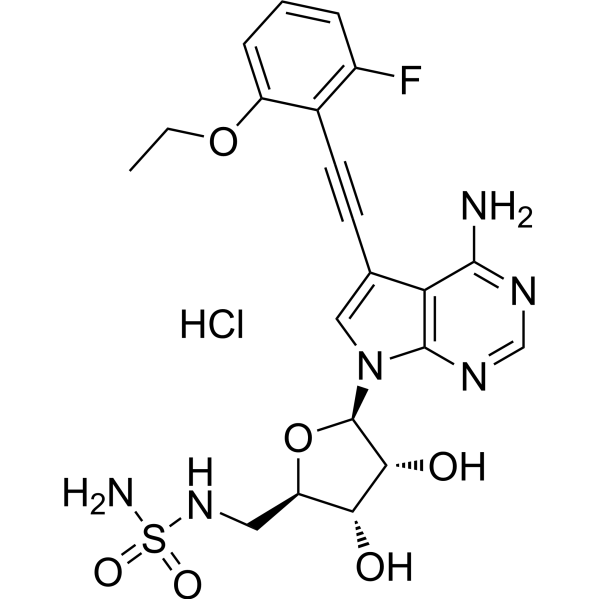
    TAS4464 hydrochloride is a long-acting, highly selective covalent inhibitor targeting NEDD8-activating enzyme (NAE) (IC50=0.955 nM), and also inhibits CAII with an IC50 of 0.73 μM, which is less potent than MLN4924 (HY-70062). The IC50 values of TAS4464 hydrochloride against other E1 enzymes UAE and SAE are 449 nM and 1280 nM, respectively. TAS4464 hydrochloride targets NEDD8 in an ATP-dependent manner to inhibit NAE, blocks the neddylation pathway, causes accumulation of CRL ubiquitin ligase substrates (such as CDT1, p27, phosphorylated IκBα), and further induces tumor cell apoptosis. TAS4464 hydrochloride exhibits antiproliferative and cytotoxic effects, and has broad-spectrum antitumor activity against various hematologic and solid tumor cell lines as well as patient-derived tumor cells. TAS4464 hydrochloride has a wide therapeutic window, without obvious toxicity. TAS4464 hydrochloride can be used in the research of hematologic malignancies (leukemia, lymphoma, multiple myeloma, etc.) and solid tumors (small cell lung cancer, colorectal cancer, sarcoma, endometrial cancer, ovarian cancer, etc.) .
    TAS4464 hydrochloride
  • HY-137341

    PROTACs YTHDF Cancer
    SK-3-91 is a PROTAC-type multi-kinase degrader that can jointly induce the degradation of the largest number of unique kinases (more than 125 unique kinases). SK-3-91 induces protein degradation through the ubiquitin biotinylation (E-STUB) pathway. SK-3-91 degrades YTHDF2. SK-3-91 inhibits cell proliferation and induces morphological changes. (Pink: TAE648 ligand (HY-169396); Blue: E3 ligase ligand (HY-131717); Black: Linker (HY-140819). The E3 ligase ligand and linker can form a conjugate (HY-169397)) .
    SK-3-91
  • HY-173351

    Epigenetic Reader Domain Cancer
    G-6599 is a monovalent molecular glue-like degrader of SMARCA2/SMARCA4. G-6599 covalently binds to a specific cysteine residue of the E3 ligase FBXO22 in a biotransformation-independent manner, promotes the formation of a ternary complex with SMARCA2/A4, and achieves efficient and specific degradation of the two proteins via the ubiquitin-proteasome pathway. G-6599 is applicable to the research of androgen-dependent prostate cancer and mutant non-small cell lung cancer .
    G-6599
  • HY-P11228

    PROTACs Apoptosis DNA/RNA Synthesis Cancer
    FPP29 is a potent peptide-based FOXM1 PROTAC degrader. FPP29 induces ubiquitination and degradation of FOXM1. FPP29 inhibits FOXM1 via the ubiquitin-proteasome degradation pathway. FPP29 induces Apoptosis. FPP29 suppresses tumor growth in hepatocellular carcinoma xenograft models. FPP29 can be used in the research of hepatocellular carcinoma (cell-penetrating peptide: (HY-P0133); VHL ligase ligand: (HY-P11493); linker: (HY-W013664); FOXM1 ligand: (HY-P11494)) .
    FPP29
  • HY-W181530

    Molecular Glues CDK Apoptosis Ligands for E3 Ligase Cancer
    NCT02 is a molecular glue degrader based on the E3 ubiquitin ligase DDB1 that targets CDK12 and its binding partner CCNK. NCT02 triggers the ubiquitination and proteasomal degradation of CCNK, thereby downregulating CDK12 protein levels and inhibiting its downstream signaling pathways. NCT02 can induce tumor cell apoptosis, arrest the cell cycle, and selectively inhibit the proliferation of colorectal cancer cells carrying TP53 defects or belonging to the consensus molecular subtype CMS4. NCT02 has the potential to inhibit tumor growth in in vitro and in vivo models .
    NCT02
  • HY-119264A

    Molecular Glues Apoptosis Ras HIF/HIF Prolyl-Hydroxylase Cancer
    PRLX-93936 dihydrochloride is a molecular Glues that binds to and reprograms the TRIM21 ubiquitin ligase to degrade nuclear pore complexes. PRLX-93936 dihydrochloride binds to TRIM21, forms a ternary complex with TRIM21 and NUP98, and mediates the ubiquitination and proteasomal degradation of NUP98 and other nuclear pore complex proteins. PRLX-93936 dihydrochloride induces the loss of short-lived cytoplasmic mRNA transcripts, triggers cancer cell apoptosis (Apoptosis), and inhibits the activated Ras pathway. PRLX-93936 dihydrochloride inhibits HIF-1 under hypoxic conditions (IC50 = 0.09 μM in cell-based reporter gene assay). PRLX-93936 dihydrochloride suppresses tumor growth in mouse models and improves survival rates in mouse models of multiple myeloma. PRLX-93936 dihydrochloride is applicable to research related to pancreatic cancer and multiple myeloma .
    PRLX-93936 dihydrochloride
  • HY-158432

    Histone Demethylase PROTACs Cancer
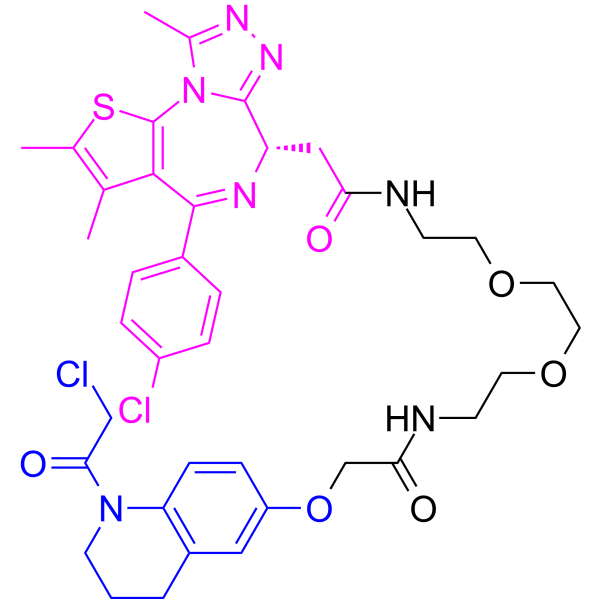
    GT-653 is a PROTAC degrader for lysine-specific demethylase 5B (KDM5B). GT-653 degrades 68.35% KDM5B at 10 μM in a ubiquitin proteasome-dependent manner, upregulates H3K4me3 levels, and activates the type-I interferon signaling pathway in prostate cancer cells 22RV1. (Pink: KDM5B ligand (HY-158433); Black: Linker (HY-W004896); Blue: E3 ligase ligand (HY-103596))
    GT-653
  • HY-170859

    PROTACs Casein Kinase Cancer
    AH078 is a PROTAC-based CK1δ/ε degrader (DC50=0.55 μM, Dmax=70%) that lacks subtype selectivity between CK1δ and CK1ε. AH078 induces target protein degradation either by recruiting the CUL4-CRBN E3 ligase complex and proteasome, or via the VHL- and ubiquitin-dependent pathway. AH078 also exhibits selectivity for CK1α, and is widely applicable to research related to colon cancer, pancreatic cancer, breast cancer, ovarian cancer, chronic lymphocytic leukemia, acute myeloid leukemia, glioma, and metastatic breast adenocarcinoma .
    AH078
  • HY-145449A

    E3 Ligase Ligand-Linker Conjugates ADC Payload Cancer
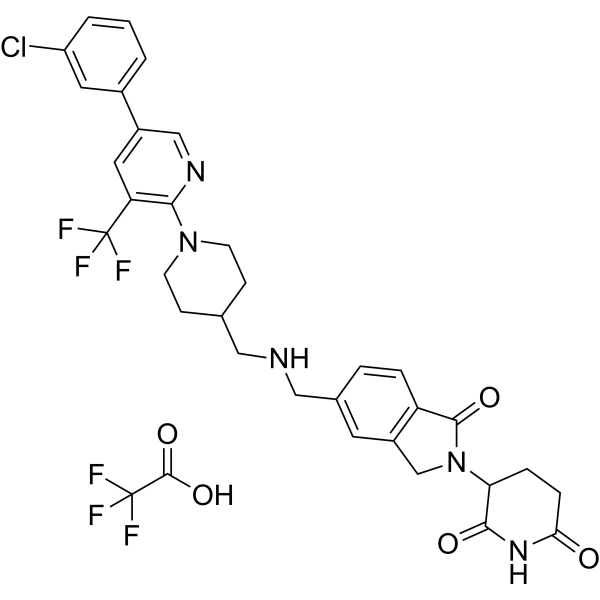
    CC-885-CH2-PEG1-NH-CH3 TFA is a new degrader that can be used to synthesize antibody-based novel degrader conjugated active molecules (AnDC). CC-885-CH2-PEG1-NH-CH3 TFA is the toxic molecule of ADC, which can specifically degrade the target protein in cancer cells through the E3 ubiquitin ligase pathway .
    CC-885-CH2-PEG1-NH-CH3 TFA
  • HY-159728

    PROTACs Histone Methyltransferase Apoptosis Early 2 Factor (E2F) c-Myc Cancer
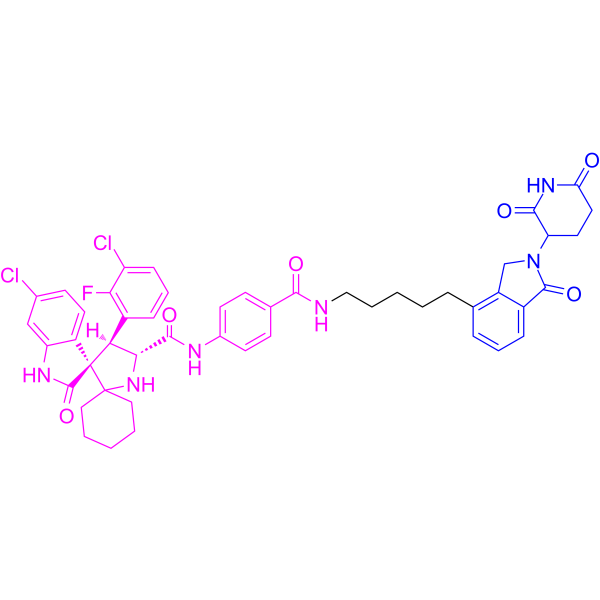
    PROTAC PRMT3 degrader 1 is a selective PRMT3 PROTAC degrader with a DC50 of 2.566 μM. PROTAC PRMT3 degrader 1 forms a ternary complex with MDM2 E3 ubiquitin ligase to induce proteasomal and neddylation-dependent degradation of PRMT3. PROTAC PRMT3 degrader 1 activates intrinsic apoptosis, endoplasmic reticulum stress signaling pathways. PROTAC PRMT3 degrader 1 downregulates E2F, MYC, oxidative phosphorylation pathways. PROTAC PRMT3 degrader 1 reduces cellular asymmetric dimethylarginine (ADMA) levels. PROTAC PRMT3 degrader 1 inhibits acute leukemia cell growth. PROTAC PRMT3 degrader 1 acts with glycolysis inhibitor 2-DG to reduce ATP production, induce intrinsic apoptosis, drive synergistic antiproliferative effects. PROTAC PRMT3 degrader 1 can be used for the research of acute leukemia .
    PROTAC PRMT3 degrader 1
  • HY-137340

    PROTACs Casein Kinase Cancer
    WH-10417-099 is a CRBN-based PROTAC multi-kinase degrader that induces the degradation of the maximum number of unique kinases (over 125 unique kinases, such as CSNK1E and PI3Kγ) simultaneously. WH-10417-099 induces protein degradation via the ubiquitin biotinylation (E-STUB) pathway, exhibits synergistic effects with SB-405483 (HY-W1135319). The E3 ligase ligand and linker of WH-10417-099 can form the conjugate Pomalidomide 4'-PEG5-acid (HY-131647) .
    WH-10417-099
  • HY-173097

    VH032-Boc derivative 1

    MALT1 Cancer
    (S,R,S)-AHPC-Boc derivative 1 (Compound 80-9; VH032-Boc derivative 1) is a selective proteasomal degrader targeting MALT1, which recruits the E3 ubiquitin ligase CRBN to form a ternary complex with MALT1, leading to ubiquitination and subsequent proteasomal degradation of MALT1. (S,R,S)-AHPC-Boc derivative 1 inhibits the NF-κB signaling pathway by disrupting the CBM complex, demonstrating potential for inducing apoptosis in ABC-DLBCL cells. (S,R,S)-AHPC-Boc derivative 1 is promising for research of MALT1-dependent cancers, such as diffuse large B-cell lymphoma (DLBCL) .
    (S,R,S)-AHPC-Boc derivative 1
  • HY-168274

    PROTACs Apoptosis Cancer
    PROTAC TRIB2 degrader-1 (Compound 5k) is an effective TRIB2 degrader that selectively induces TRIB2 degradation through the CRBN-dependent ubiquitin-proteasome pathway. PROTAC TRIB2 degrader-1 can inhibit cell proliferation and induce cell apoptosis, and can be used in cancer research. (Target protein ligand (Pink): HY-168275; linker (black): HY-168276; E3 Ligase Ligand-Linker Conjugates: HY-168277; E3 ligase (Blue): HY-W023573) .
    PROTAC TRIB2 degrader-1
  • HY-157213

    Apoptosis PROTACs FLT3 Cancer
    LWY713 is a PROTAC-class FLT3 degrader (DC50=0.64 nM), which selectively induces FLT3 degradation via cereblon and proteasome-dependent pathways. LWY713 inhibits cell proliferation and induces G0/G1 phase arrest and apoptosis in MV4-11 cells. LWY713 shows effective in vivo antitumor activity in MV4-11 xenograft models . LWY713 consists of a target protein ligand (red part) Gilteritinib (HY-12432), an E3 ubiquitin ligase ligand (blue part) Lenalidomide-F (HY-W039233), and a PROTAC linker (black part) Glycolic acid (HY-W015967). E3 ubiquitin ligase and linker can form Lenalidomide-Glycolic acid (HY-169373); the active control for the target protein ligand is Naproxen Gilteritinib (HY-169374).
    LWY713
  • HY-163709

    PROTACs FAK Akt ERK Cancer
    PROTAC FAK degrader 2 is an orally active PROTAC FAK degrader with a DC50 of 60.10 nM. PROTAC FAK degrader 2 forms a ternary complex with FAK and CRBN E3 ubiquitin ligase, driving proteasome-mediated degradation of total and phosphorylated FAK. PROTAC FAK degrader 2 inhibits phosphorylation of AKT and ERK, suppressing their downstream signaling pathways. PROTAC FAK degrader 2 reduces cancer cell viability, adhesion, migration, and invasion. PROTAC FAK degrader 2 exerts anti-tumor activity in HCT8/T tumor xenografts in mice. PROTAC FAK degrader 2 can be used for the research of breast cancer, colorectal cancer, lung cancer .
    PROTAC FAK degrader 2
  • HY-144983

    Ligands for E3 Ligase Cancer
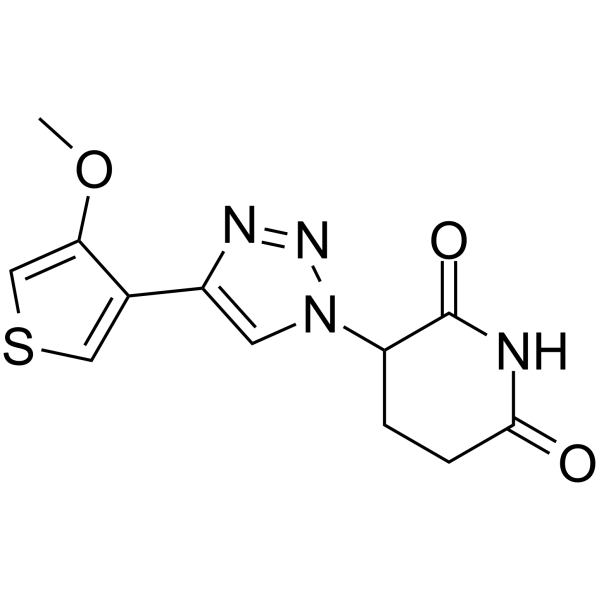
    E3 ligase Ligand 22 (compound 139) is a cereblon binder for the degradation of Ikaros or Aiolos by the ubiquitin proteasome pathway .
    E3 ligase Ligand 22
  • HY-144841A

    (Rac)-CFT7455

    Molecular Glues Cancer
    (Rac)-Cemsidomide ((Rac)-CFT7455) is the racemate of Cemsidomide (HY-144841) with antitumor activity . Cemsidomide is a ubiquitin ligase pathway Ikaros/Aiolos degrader with molecular glue activity. Cemsidomide has a GI50 of 0.05 nM for NCIH929.1 cells.
    (Rac)-Cemsidomide
  • HY-177783

    Molecular Glues Indoleamine 2,3-Dioxygenase (IDO) Cancer
    iDeg-1 is a molecular glucose degrading agent that targets the IDO1 protein. iDeg-1 relies on the ubiquitin-proteasome degradation pathway mediated by its natural E3 ligase KLHDC3. iDeg-1 can be used for cancer research .
    iDeg-1
  • HY-174266

    MDM-2/p53 Cancer
    WB156 is a dual MDM2 and GSPT1 degrader. WB156 can recruit CRBN (Cereblon, a substrate receptor of the E3 ubiquitin-ligase complex) to induce the ubiquitination-proteasome pathway-mediated degradation of MDM2 and GSPT1. WB156 is promising for research of cancers, such as leukemia .
    WB156
  • HY-179562

    Btk Cancer
    BTK degrader-2 (Example 2) is a BTK dual-functional degrading agent, which causes the degradation of BTK through the ubiquitin-proteasome pathway. BTK degrader-2 can be used for the study of B-cell-related diseases .
    BTK degrader-2
  • HY-144980

    Ligands for E3 Ligase Cancer
    E3 ligase Ligand 21 (compound 2) is a cereblon binder for the degradation of Ikaros or Aiolos by the ubiquitin proteasome pathway .
    E3 ligase Ligand 21
  • HY-144985

    Ligands for E3 Ligase Cancer
    E3 ligase Ligand 23 (compound 17-6) is a cereblon binder for the degradation of Ikaros or Aiolos by the ubiquitin proteasome pathway .
    E3 ligase Ligand 23
  • HY-181620

    Molecular Glues CDK Cancer
    CDK2 degrader 9 (compound 1) is a CDK2-targeting Molecular Glue with selectivity for GSPT1 and CDK1. CDK2 degrader 9 promotes the ubiquitination and degradation of CDK2 via the ubiquitin ligase pathway. CDK2 degrader 9 is applicable to research related to cancer, solid tumors and hematologic malignancies .
    CDK2 degrader 9
  • HY-180961

    PROTACs Estrogen Receptor/ERR Cancer
    His-TERRα is a ERRα PROTAC degrader. His-TERRα uses a single amino acid (His) as the E3 ligand and employs the N-end rule pathway to induce the degradation of the target protein, significantly reducing the molecular size, and thus is called a mini-PROTAC. His-TERRα significantly inhibits the proliferation and migration of MCF7 breast cancer cells. His-TERRα can be used for the study of breast cancer .
    His-TERRα
  • HY-180962

    PROTACs Bcr-Abl Cancer
    Phe-PEG1-Dasa is a BCR-ABL PROTAC degrader, with its DC50 being 1.56 nM. Phe-PEG1-Dasa uses a single amino acid (Phe) as the E3 ligand and employs the N-end rule pathway to induce the degradation of the target protein, significantly reducing the molecular size, thus being called a mini-PROTAC. Phe-PEG1-Dasa significantly inhibits the proliferation of K562 cells. Phe-PEG1-Dasa can be used for the study of leukemia .
    Phe-PEG1-Dasa
  • HY-186146

    Pim c-Myc Apoptosis Cancer
    SGI-1776-VHL-02 is a stereoselective PIM PROTAC degrader. SGI-1776-VHL-02 promotes the ubiquitination and degradation of PIM1, PIM2 and PIM3. SGI-1776-VHL-02 downregulates c-myc protein levels, induces Apoptosis. SGI-1776-VHL-02 has anti-cancer activity against prostate cancer. SGI-1776-VHL-02 can be used in studies related to prostate cancer .
    SGI-1776-VHL-02
  • HY-182924

    PROTACs Enterovirus Infection
    Jun15702 is a PROTAC degrader targeting the capsid protein VP1 of enterovirus D68. Jun15702 recruits the Cereblon (CRBN) E3 ligase and activates the ubiquitin-proteasome pathway. Jun15702 inhibits viral entry and exerts inhibitory effects during the early, middle and late stages of viral replication. Jun15702 exhibits antiviral activity against multiple wild-type enterovirus D68 strains, and also shows submicromolar antiviral activity against the Pleconaril (HY-19952)-resistant enterovirus D68 variant rMO-VP1 F159V. Jun15702 can be used in studies related to enterovirus D68 (EV-D68) infection .
    Jun15702
  • HY-182971

    PROTACs Enterovirus Infection
    PROTAC EV-A71 Degrader-1 is a PROTAC degrader targeting EV-A71 3D polymerase, with broad-spectrum activity against a variety of enteroviruses. PROTAC EV-A71 Degrader-1 induces the degradation of EV-A71 3D polymerase through the ubiquitin-proteasome and autophagy-lysosome pathways, and blocks viral replication. PROTAC EV-A71 Degrader-1 protects infected mice from death, alleviates tissue damage, and exhibits safety profiles. PROTAC EV-A71 Degrader-1 can be used in the research of enterovirus infections. (Pink: EV-A71 ligand (HY-19339); Blue: E3 ligase ligand (HY-W012479); Black: linker (HY-W105744)) .
    PROTAC EV-A71 Degrader-1
  • HY-P9S0124

    ORM-6151 Antibody; BMS-986497 Antibody

    Cancer
    Anti-CD33 Antibody (OR000283) (ORM-6151 Antibody; BMS-986497 Antibody) is an antibody targeting CD33. It is generated by grafting the FAb (H&L) sequence of Gemtuzumab (HY-P99971) onto an IgG1 Fc carrying the N297A mutation, which inhibits Fc-γR binding. Anti-CD33 Antibody (OR000283) can be used to construct degrader-antibody conjugates (DACs), such as ORM-6151 (HY-171792) .
    Anti-CD33 Antibody (OR000283)

Inquiry Online

Your information is safe with us. * Required Fields.

Salutation


Country or Region *

Applicant Name *


Organization Name *

Department *


Email Address *


Product Name *

Cat. No.


Requested quantity *

Phone Number *


Remarks

Inquiry Online

Inquiry Information

Product Name:
Cat. No.:
Quantity:
MCE Japan Authorized Agent:

