1. Search Result
Search Result
Results for "

violet

" in MedChemExpress (MCE) Product Catalog:

65

Inhibitors & Agonists

39

Fluorescent Dye

16

Biochemical Assay Reagents

1

MCE Kits

3

Natural
Products

3

Isotope-Labeled Compounds

1

Click Chemistry

Cat. No. Product Name Target Research Areas Chemical Structure
  • HY-B0324A
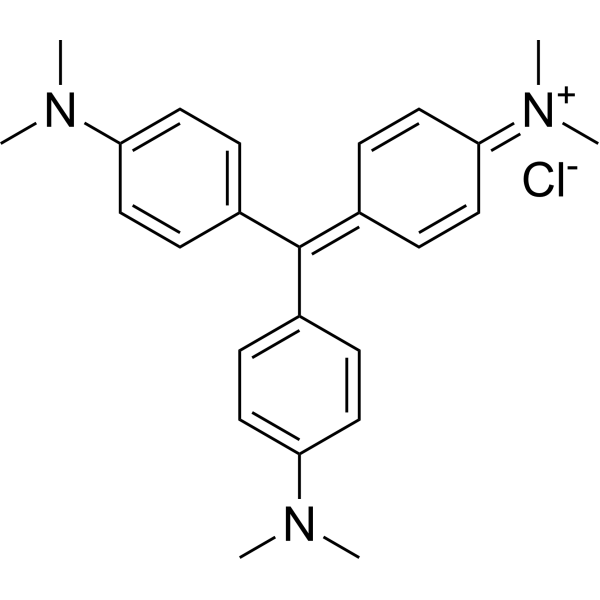
    Crystal Violet
    Maximum Cited Publications
    64 Publications Verification

    Basic violet 3; Gentian violet; Methyl violet 10B

    Environmental Pollutants Fluorescent Dye Influenza Virus Bacterial Infection
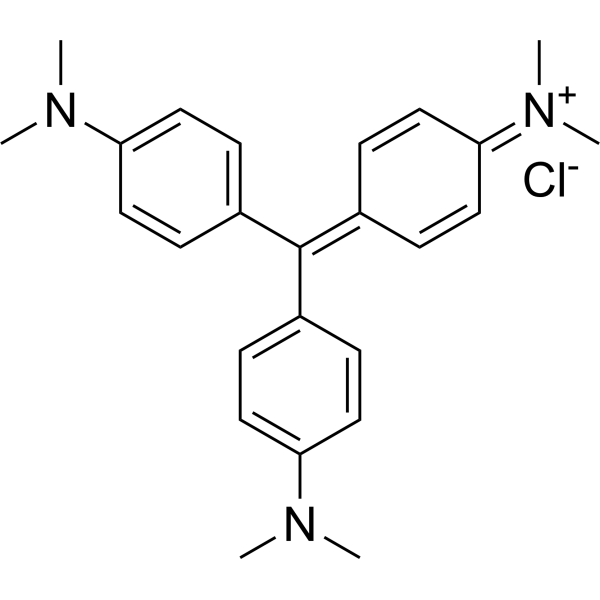
    Crystal Violet, also known as Gentian violet, methyl violet 10B, is a triphenyl-methane, an alkaline dye that binds to DNA in the nucleus of a cell, staining it a deep purple. It is often used for Gram staining to classify bacteria, or for cell or histological staining[1].
    Crystal Violet
  • HY-Y0016
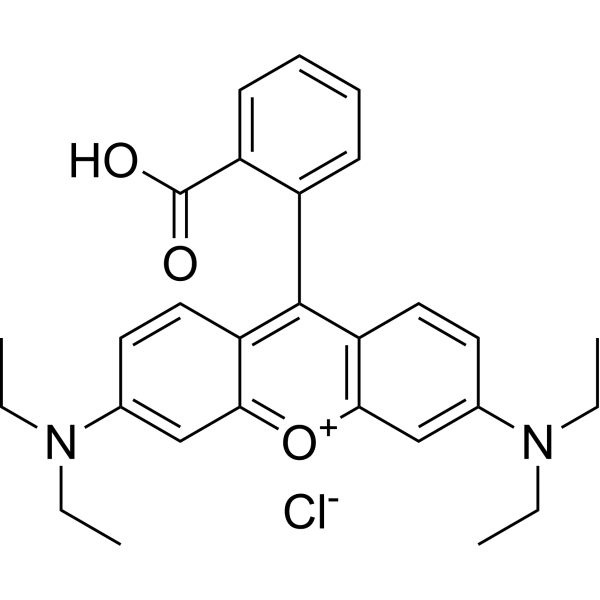
    Rhodamine B
    15+ Cited Publications

    Basic violet 10; Brilliant Pink B; Rhodamine O; Tetraethylrhodamine

    Environmental Pollutants Fluorescent Dye Others
    Rhodamine B is a staining fluorescent dye, commonly used for dyeing textiles, paper, soap, leather, and agents.
    Rhodamine B
  • HY-15920
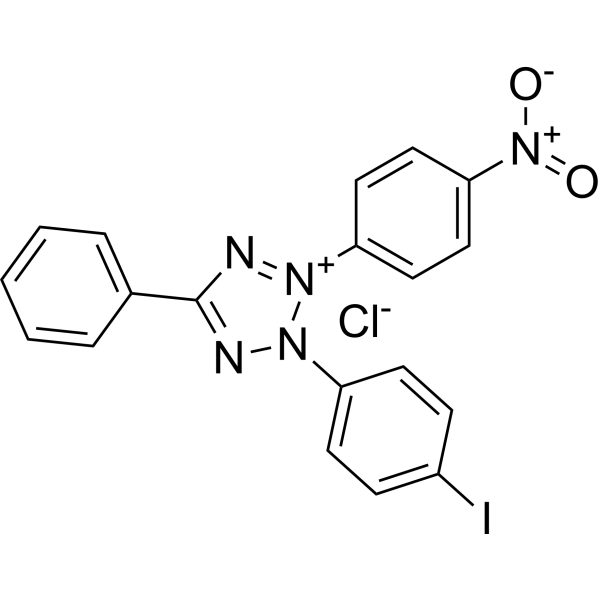
    INT
    3 Publications Verification

    Iodonitrotetrazolium chloride; p-Iodonitrotetrazolium violet

    Biochemical Assay Reagents Others
    INT (Iodonitrotetrazolium chloride) is a biochemical reagent mainly used in the iodonitrotetrazolium chloride (INT) colorimetric method to assess the metabolic activity of cells and the activity of enzymes .
    INT
  • HY-101888
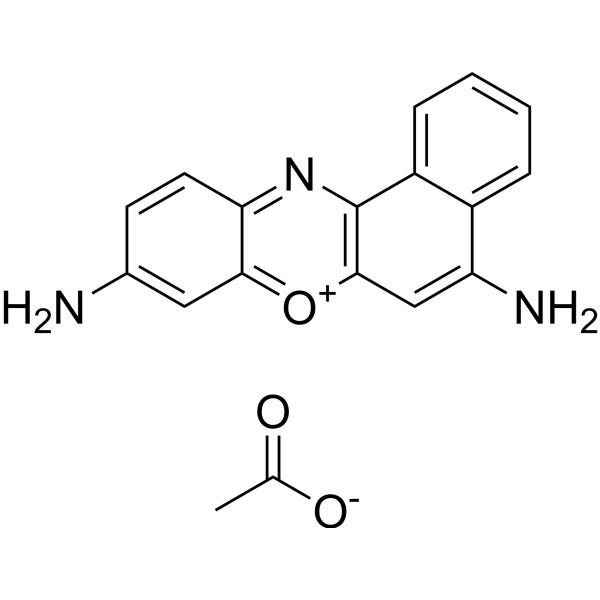
    Cresyl Violet acetate
    2 Publications Verification

    Fluorescent Dye Neurological Disease
    Cresyl Violet acetate is a dye, which can be used to stain neurons.
    Cresyl Violet acetate
  • HY-15932

    TOOS sodium salt

    Biochemical Assay Reagents Others
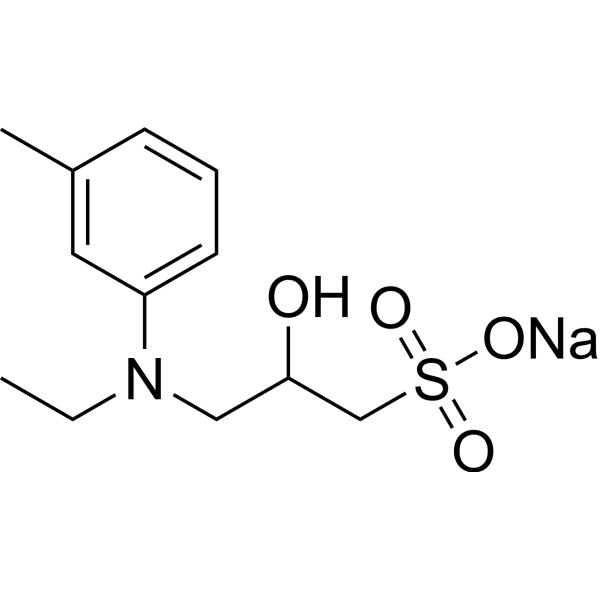
    TOOS (TOOS sodium salt) is a highly water-soluble aniline derivative widely used in diagnostics and biological experiments. TOOS can be combined with 3-methyl-2-benzothiazolinone hydrazone hydrochloride (MBTH) to form a chromogenic system to measure oxidase activity. In the MBTH-TOOS chromogenic system, MBTH is catalytically oxidized to produce (-NH) free radicals, which react with TOOS to form colorless compounds. Furthermore, the colorless compound undergoes a disproportionation reaction to produce a blue-violet quinoid compound .
    TOOS
  • HY-DY2001

    Fluorescent Dye Influenza Virus Bacterial Infection
    Crystal Violet (solution) , also known as Gentian violet, methyl violet 10B, is a triphenyl-methane, an alkaline dye that binds to DNA in the nucleus of a cell, staining it a deep purple. It is often used for Gram staining to classify bacteria, or for cell or histological staining .
    Solvent and Concentration: Sterile water: 5 mg/mL (0.5%)
    Crystal Violet (solution)
  • HY-W110794

    Environmental Pollutants Biochemical Assay Reagents Others
    Crystal violet, IND (0.0-2.0) is a specialized indicator suitable for strongly acidic systems, which reflects changes in pH within the range of 0.0-2.0 through color changes. Crystal violet, IND (0.0-2.0) is widely used in acid-base titration, chemical analysis, and industrial testing fields .
    Crystal violet, IND (0.0-2.0)
  • HY-D0957

    Fluorescent Dye Bacterial Infection
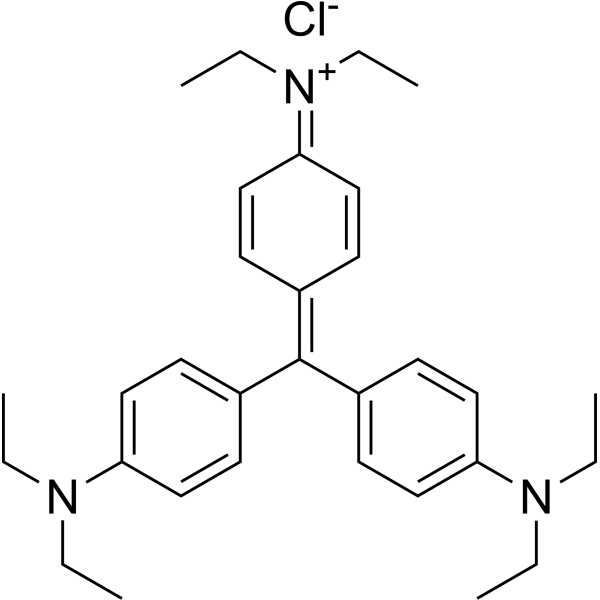
    Ethyl Violet is a triphenylmethane cationic dye with antibacterial activity. Ethyl Violet is applicable to research related to antibacterial therapy and histological staining .
    Ethyl Violet
  • HY-D0233

    Fluorescent Dye Others
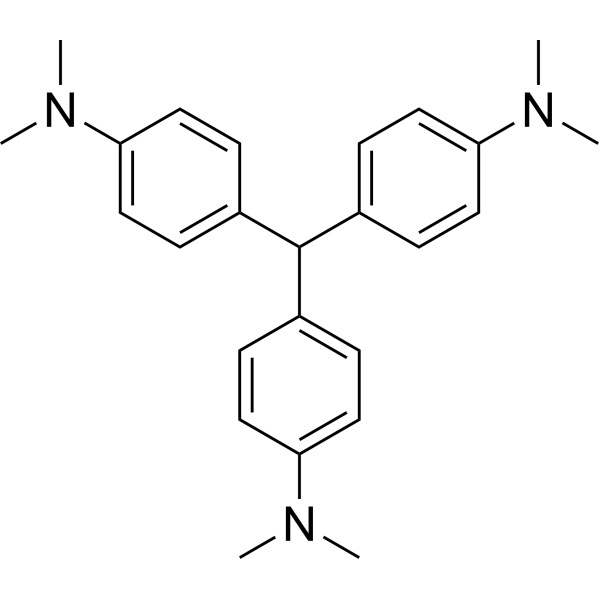
    Leucocrystal violet is a cationic triarylmethane dye. Leucocrystal violet generates a colored purple product in the presence of hydrogen peroxide and horseradish peroxidase, or when oxidized by periodate under the catalysis of horseradish peroxidase. Leucocrystal violet serves as a chromogenic reagent for the determination of submicrogram-level hydrogen peroxide, with no interference from tryptophan, persulfate or chromate. Leucocrystal violet reacts with blood to produce a purple/violet color in the presence of hydrogen peroxide; it forms a very weak fluorophore when acting with whole blood in an unbuffered solution, with a maximum absorption wavelength of 630 nm and a maximum fluorescence emission wavelength of 665 nm upon excitation at 630 nm. Leucocrystal violet is widely used for staining blood residues on porous and non-porous materials .
    Leucocrystal violet
  • HY-D1491A

    Fluorescent Dye Others
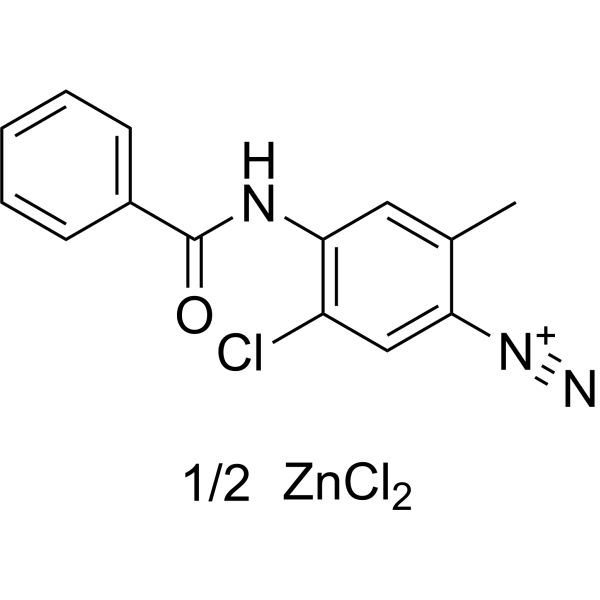
    Fast Red Violet LB Zinc chloride is a stain that stains tartrate-resistant acid phosphatase (TRAP) and Fast Red Violet LB Zinc chloride can be used to stain alkaline phosphatase (ALP) activity .
    Fast Red Violet LB Zinc chloride
  • HY-W130236

    Cholinesterase (ChE) Cancer
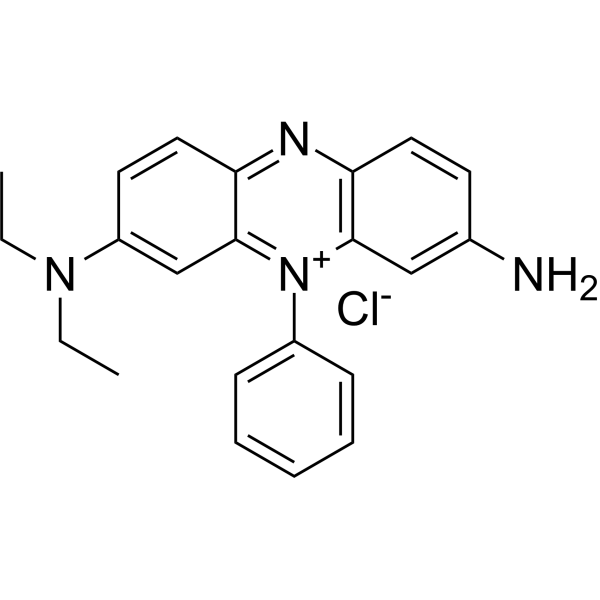
    Methylene Violet 3RAX is a phenazine dye to stain the mitochondria of cells. Methylene Violet 3RAX can change the molecular structure of DNA, undermine the module of DNA, and induce the generation of the reactive singlet oxygen. Methylene Violet 3RAX shows inhibition for human erythrocyte AChE and human plasma BChE with an Kis of 1.58, 0.51 μM, respectively. Methylene Violet 3RAX has the potential for the research of potential photosensitizers for mitochondrial targeting action in PDT (photodynamic therapy) .
    Methylene Violet 3RAX
  • HY-D0854

    Acid violet 19; Acid fuchsin sodium

    Environmental Pollutants Biochemical Assay Reagents Others
    Acid Red is a class of synthetic dyes commonly used in the textile, paper and ink industries. They are in the category of acid dyes, which means they are water soluble and have acidic properties. Acid Red dye produces bright, vibrant colors that don't fade easily, but are not as durable as some other dyes. They can be used to dye a wide variety of fibers including wool, silk and nylon, as well as paper and leather.
    Acid Red sodium
  • HY-D0798

    Fluorescent Dye Others
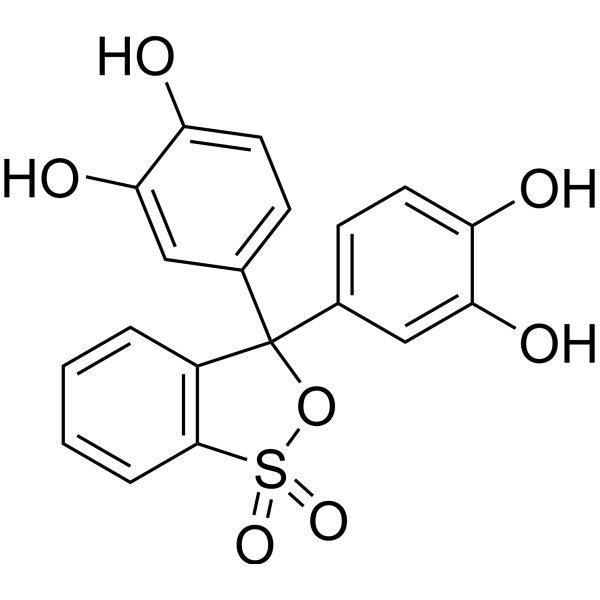
    Catechol violet is an efficient and versatile ligand for Cu(I)-catalyzed C-S coupling reactions. Catechol violet is also a complexometric indicator dye .
    Catechol violet
  • HY-131490

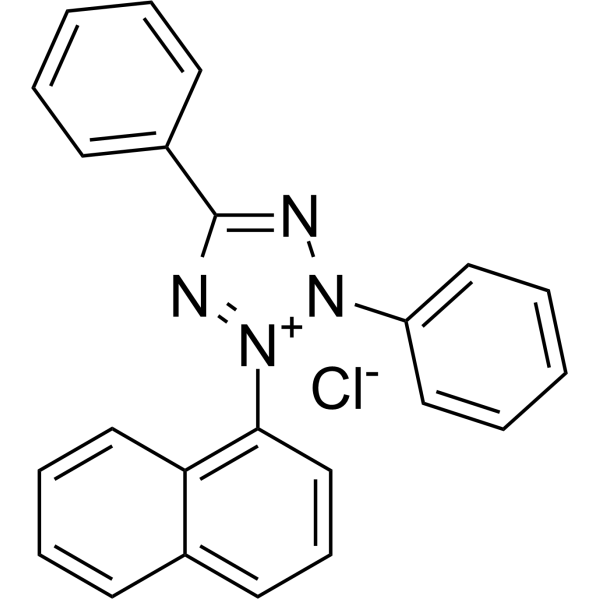
    violet tetrazolium

    Biochemical Assay Reagents Others
    Tetrazolium violet is a redox indicator commonly used in various biochemical assays to measure cell viability and metabolic activity. Tetrazolium Violet has unique chemical properties that allow it to be reduced by cellular enzymes such as dehydrogenases to form a purple formazan product that can be detected spectrophotometrically. This makes it a useful tool for assessing cell health and growth in culture or tissue samples.
    Tetrazolium violet
  • HY-D0228

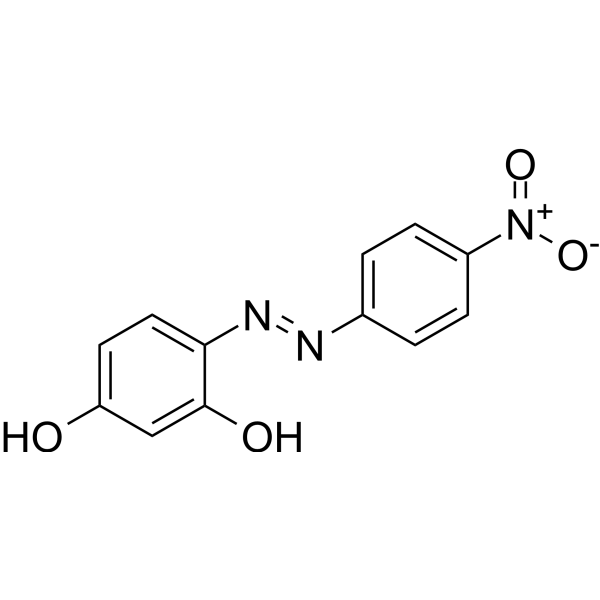
    Azo violet; Magneson I

    Fluorescent Dye Others
    4-(4-Nitrophenylazo)resorcinol (Azo Violet) is an azo purple dye used experimentally as a pH indicator, showing yellow when the pH value is lower than 11 and purple when the pH value is higher than 13. In slightly alkaline or alkaline environments, it also turns dark blue in the presence of magnesium salts. Azo Violet can also be used to test for the presence of ammonium ions. The color of the ammonium chloride or ammonium hydroxide solution will change depending on the concentration of azo violet used .
    4-(4-Nitrophenylazo)resorcinol
  • HY-Y0016R

    Basic violet 10 (Standard); Brilliant Pink B (Standard); Rhodamine O (Standard); Tetraethylrhodamine (Standard)

    Fluorescent Dye Reference Standards Others
    Rhodamine B (Standard) is the analytical standard of Rhodamine B. This product is intended for research and analytical applications. Rhodamine B is a staining fluorescent dye, commonly used for dyeing textiles, paper, soap, leather, and agents.
    Rhodamine B (Standard)
  • HY-W127515

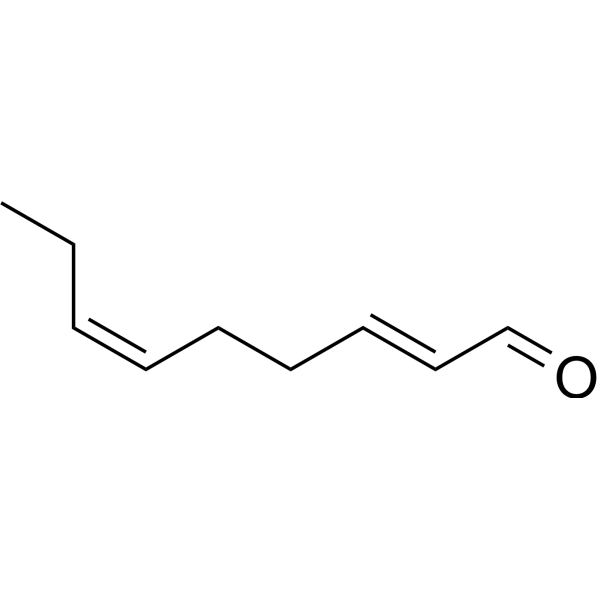
    violet leaf aldehyde

    Environmental Pollutants Biochemical Assay Reagents Others
    Trans-2, cis-6-NonadienalIt is an organic compound belonging to aldehydes. It has a strong, pungent smell and is commonly found in a variety of foods, including fruits and vegetables. Trans-2, cis-6-NonadienalIt has a variety of applications in the flavor and fragrance industry, especially as a fragrance agent in products such as perfume, cologne and air fresheners. In addition, it can also be used as an intermediate in the synthesis of various chemicals and drugs.
    Trans-2,cis-6-Nonadienal
  • HY-106784A

    Fungal Apoptosis Neurological Disease
    (E)-Ajoene is a oxygenated ajoene and organosulfur compound, which can be acquired via allicin decomposing. The polysulfides from garlic can be converted by human red blood cells into hydrogen sulfide (H2S) and allyl glutathione. (E)-Ajoene has been proved to show neuroprotective effects against ischemic damage. (E)-Ajoene is orally active to inhibit lipid peroxidation. (E)-Ajoene increases the number of cresyl violet-positive neurons and decreases the number of reactive gliosis in the CA1 region .
    (E)-Ajoene
  • HY-D1270

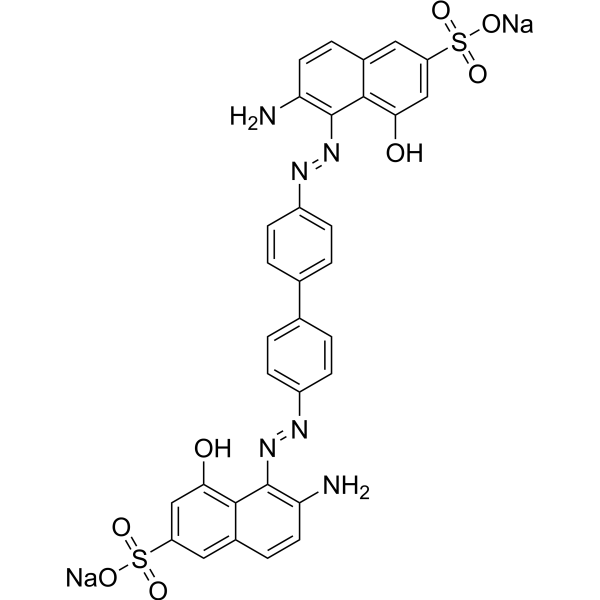
    SARS-CoV Infection
    Direct Violet 1, an azo dye, is a textile dye. Direct Violet 1 is also the protein-protein interaction (PPI) between the SARS-CoV-2 spike protein and ACE2 inhibitor with IC50s of 1.47-2.63 μM .
    Direct Violet 1
  • HY-B0324AS

    Basic violet 3-d6; Gentian violet-d6; Methyl violet 10B-d6

    Isotope-Labeled Compounds Others
    Crystal Violet-d6 is the deuterium labeled Crystal Violet (HY-B0324A). Crystal Violet, also known as Gentian violet, methyl violet 10B, is a triphenyl-methane, an alkaline dye that binds to DNA in the nucleus of a cell, staining it a deep purple. It is often used for Gram staining to classify bacteria, or for cell or histological staining .
    Crystal Violet-d6
  • HY-D1491

    Fluorescent Dye Others
    Fast Red Violet LB is a dye for staining tartrate resistant acid phosphatase (TRAP). Fast Red Violet LB can be used for alkaline phosphatase (ALP) activity staining .
    Fast Red Violet LB
  • HY-101889

    Oxazine 9 perchlorate

    Fluorescent Dye Neurological Disease
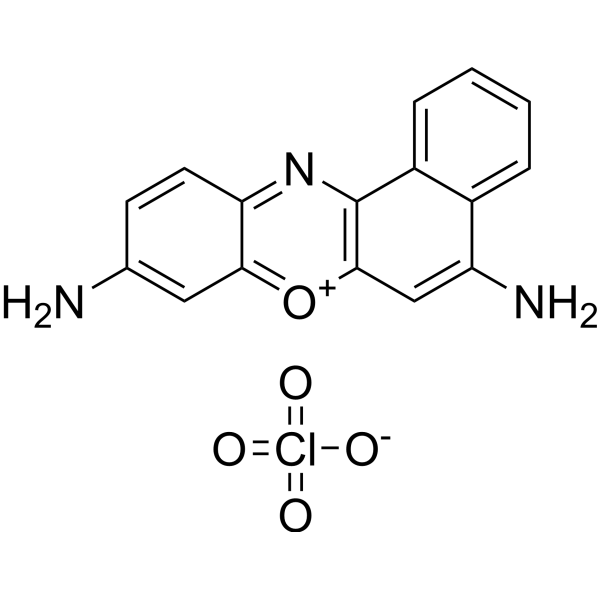
    Cresyl Violet perchlorate is a red fluorescent stain, which can be used to stain neurons.
    Cresyl Violet perchlorate
  • HY-D1181

    Basic violet 2

    Biochemical Assay Reagents Others
    New Fuchsin is a biochemical reagent that can be used as a biological material or organic compound for life science related research.
    New Fuchsin
  • HY-N7171

    4,4'-DiOMEA; Nasutin C

    Wnt Cancer
    4,4'-Di-O-methylellagic acid (4,4'-DiOMEA; Nasutin C) can be isolated from the Australian termites. 4,4'-Di-O-methylellagic acid is blue-fluorescent under ultra-violet light . 4,4'-Di-O-methylellagic acid inhibits colon cancer cell proliferation via the wnt signal pathway .
    4,4'-Di-O-methylellagic acid
  • HY-D0575

    Fluorescent Dye
    Disperse violet 93 is a violet dye commonly used for fiber dyeing.
    Disperse violet 93
  • HY-D0610

    Fluorescent Dye
    Disperse Violet 33 is a violet dye commonly used for fiber dyeing.
    Disperse Violet 33
  • HY-D2771

    Fluorescent Dye Others
    BP Fluor 405 NHS Ester is a water-soluble, blue-fluorescent dye that is often used in multi-color applications, including flow cytometry and super-resolution microscopy using STORM. Its excitation is ideally suited for the 407 nm spectral line of the krypton laser or the 408 nm violet laser diode. BP Fluor 405 conjugates are pH-insensitive from pH 4 to pH 10. The NHS ester (or succinimidyl ester) is the most popular amine reactive group for labeling with the primary amines of proteins (Lys), amine-modified oligonucleotides, and other amine-containing molecules. Proteins can be labeled with BP Fluor 405 NHS Ester at high molar ratios without significant self-quenching, leading to brighter conjugates and more sensitive detection. BP Fluor 405 conjugates can also be used for the detection of abundance targets.
    BP Fluor 405 NHS ester
  • HY-W110783

    Methyl violet

    Environmental Pollutants Biochemical Assay Reagents Others
    Methyl violet indicator (Methyl violet) is a kind of biological materials or organic compounds that are widely used in life science research .
    Methyl violet indicator
  • HY-118755

    Biochemical Assay Reagents Others
    Acid violet 43 is a biochemical reagent.
    Acid violet 43
  • HY-D0650

    Fluorescent Dye
    Acid violet 54 is an acidic dye that is adsorbed by Musa extract.
    Acid violet 54
  • HY-N8408

    Others Others
    Peonidin 3,5-diglucoside is a classic anthocyanin isolated from violet flowers .
    Peonidin 3,5-diglucoside
  • HY-D0724

    Fluorescent Dye
    Basic violet 16 (phosphate) is an alkaline dye that can be removed from aqueous solutions in intermittent adsorption systems using tree ferns as biosorbents.
    Basic violet 16 phosphate
  • HY-D0486

    Fluorescent Dye
    C.I. Pigment violet 32 is the most important colorant used to add color or change the color of something and is chemically essentially unaffected by the carrier or medium into which it is incorporated. It can be widely used in textile, medicine, food, cosmetics, plastics, paint, ink, photography and paper industries.
    C.I. Pigment violet 32
  • HY-D1545

    Acid violet 9

    Fluorescent Dye Others
    Violamine R (Acid Violet 9) is a potent fluorophore. Violamine R shows environment and temperature-dependent photoluminescence (PL) intermittency in poly(vinyl alcohol) (PVOH) and potassium acid phthalate (KAP). Violamine R can be used to measure the temperatures spanning the glass-transition temperature (Tg) of the polymer host by the fluorescence intermittency or blinking in poly(vinyl alcohol) (PVA) .
    Violamine R
  • HY-D0951

    Fluorescent Dye Others
    Methyl violet dye is a multifunctional dye. Dyes are important tools in biological experiments. They can help researchers observe and analyze cell structures, track biomolecules, evaluate cell functions, distinguish cell types, detect biomolecules, study tissue pathology and monitor microorganisms. Their applications range from basic scientific research to clinical A wide range of diagnostics. Dyes are also widely used in traditional fields such as textile dyeing, as well as in emerging fields such as functional textile processing, food pigments and dye-sensitized solar cells.
    Methyl violet dye
  • HY-D0461

    Fluorescent Dye Others
    beta-Naphthol violet is a multifunctional dye. Dyes are important tools in biological experiments. They can help researchers observe and analyze cell structures, track biomolecules, evaluate cell functions, distinguish cell types, detect biomolecules, study tissue pathology and monitor microorganisms. Their applications range from basic scientific research to clinical A wide range of diagnostics. Dyes are also widely used in traditional fields such as textile dyeing, as well as in emerging fields such as functional textile processing, food pigments and dye-sensitized solar cells.
    beta-Naphthol violet
  • HY-158765

    Biochemical Assay Reagents Neurological Disease
    Leuco ethyl violet is a photooxidation catalyst for amyloid selectivity and blood-brain barrier (BBB) permeability. Leuco ethyl violet can be used in the study of Alzheimer's disease (AD) .
    Leuco ethyl violet
  • HY-157361

    Biochemical Assay Reagents Others
    Ethyl Violet Aziode Broth is a special medium for growth culture of streptococcus. The composition of 1 litre medium is 35.8 g Ethyl Violet Aziode Broth.
    Ethyl Violet Aziode Broth
  • HY-D0341

    Solvent violet 26

    Fluorescent Dye
    Disperse Red 11 is a red dye derived from anthraquinone. It is used in plastics, textiles and cosmetics.
    Disperse Red 11
  • HY-D0524

    Fluorescent Dye
    Disperse black 9 is a violet dye commonly used for fiber dyeing.
    Disperse black 9
  • HY-D1366

    Fluorescent Dye
    Sulfo-Cyanine5.5 carboxylic acidCI Pigment violet 32 is a water-soluble, far-red emitting fluorophore. Due to its four sulfo groups, this dye has a negative charge at neutral pH and is very hydrophilic. As a cyanine dye, sulfo-Cyanine5.5 shows a very low dependence of fluorescence on pH and a very high extinction coefficient.
    Sulfo-Cyanine5.5 carboxylic acid
  • HY-D1222

    Fluorescent Dye
    Vat violet 13 is a violet dye.
    Vat violet 13
  • HY-D1202

    Fluorescent Dye
    Disperse Violet 63 is a violet dye commonly used for fiber dyeing.
    Disperse Violet 63
  • HY-D0289

    Fluorescent Dye
    Disperse violet 8 is a violet dye commonly used for fiber dyeing.
    Disperse violet 8
  • HY-D1179

    Fluorescent Dye
    Solvent violet 38 is a violet dye. Its series of products, such as Solvent orange 60 (HY-D1177), has been used in dyeing applications of plastic materials.
    Solvent violet 38
  • HY-D0366

    violet bnp

    Fluorescent Dye
    Acid Violet 17 is an acidic dye that can be adsorbed from aqueous solution by orange peel.
    Acid Violet 17
  • HY-125786

    DNA Stain Others
    Solvent violet 9 is a dye for recognizing DNA .
    Solvent violet 9
  • HY-D1226

    Fluorescent Dye
    Direct violet 51 is a good dyeing agent for cotton fabrics.
    Direct violet 51
  • HY-D0233R

    Reference Standards Fluorescent Dye Others
    Leucocrystal violet (Standard) is the analytical standard of Leucocrystal violet (HY-D0233). This product is intended for research and analytical applications. Leucocrystal violet is a cationic triarylmethane dye. Leucocrystal violet generates a colored purple product in the presence of hydrogen peroxide and horseradish peroxidase, or when oxidized by periodate under the catalysis of horseradish peroxidase. Leucocrystal violet serves as a chromogenic reagent for the determination of submicrogram-level hydrogen peroxide, with no interference from tryptophan, persulfate or chromate. Leucocrystal violet reacts with blood to produce a purple/violet color in the presence of hydrogen peroxide; it forms a very weak fluorophore when acting with whole blood in an unbuffered solution, with a maximum absorption wavelength of 630 nm and a maximum fluorescence emission wavelength of 665 nm upon excitation at 630 nm. Leucocrystal violet is widely used for staining blood residues on porous and non-porous materials.
    Leucocrystal violet (Standard)
  • HY-D1227

    Fluorescent Dye
    Acid violet 1 is an acidic dye that can be adsorbed from aqueous solution by orange peel.
    Acid violet 1

Inquiry Online

Your information is safe with us. * Required Fields.

Salutation


Country or Region *

Applicant Name *


Organization Name *

Department *


Email Address *


Product Name *

Cat. No.


Requested quantity *

Phone Number *


Remarks

Inquiry Online

Inquiry Information

Product Name:
Cat. No.:
Quantity:
MCE Japan Authorized Agent:

