



Camellia sinensis (L.) O. Ktze.
-
Camellia sinensis (L.) O. Ktze. (72)

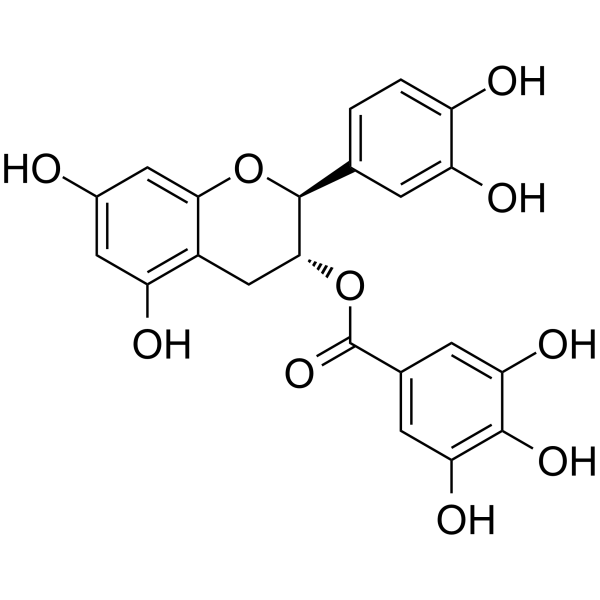
- Formula: C22H18O10
- Molecular Weight: 442.37
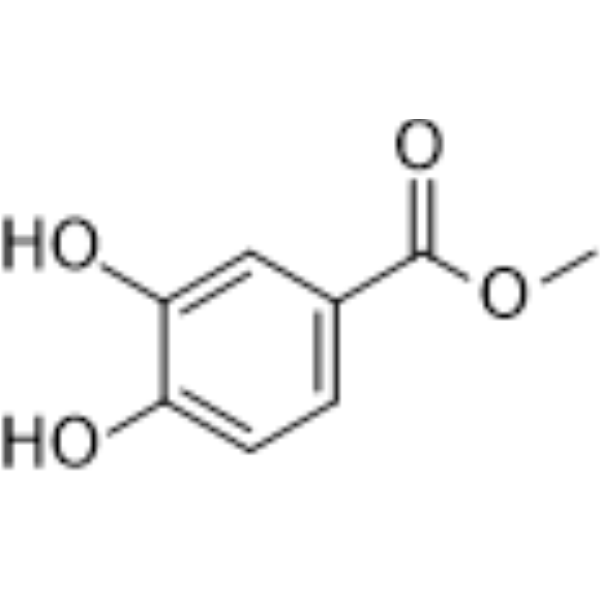
- Formula: C8H8O4
- Molecular Weight: 168.15
Methyl 3,4-dihydroxybenzoate (Protocatechuic acid methyl ester; Methyl protocatechuate) is a major metabolite of antioxidant polyphenols found in green tea. Antioxidant and anti-inflammatory effect.
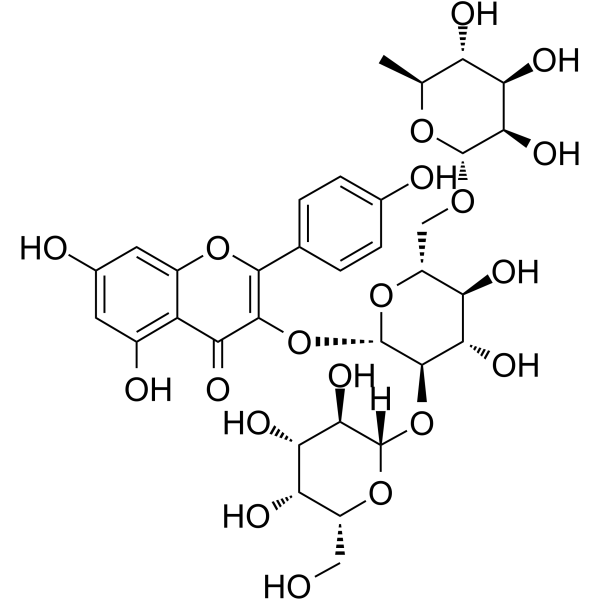
- Formula: C33H40O20
- Molecular Weight: 756.66
Camelliaside A is a phytochemical and also a HER2 ligand. Camelliaside A shows no inhibitory effect on mycelial growth of Rhizoctonia solani, indicating no antifungal activity against this pathogen. Camelliaside A is applicable to breast cancer-related research.
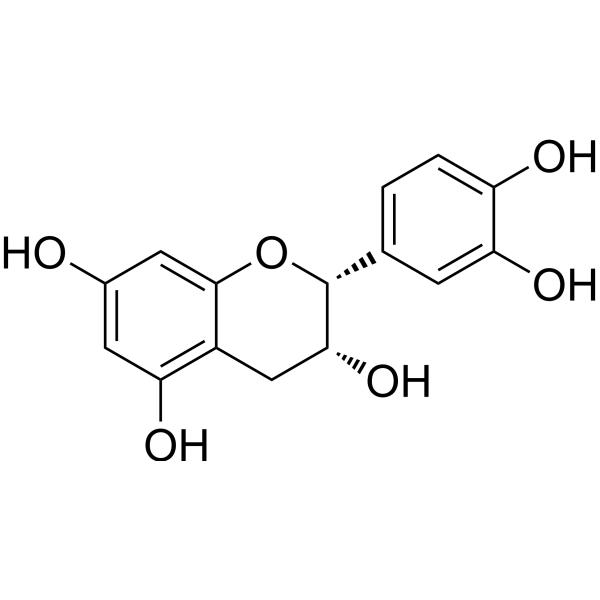
- Formula: C₁₅H₁₄O₆
- Molecular Weight: 290.27
(-)-Epicatechin (Standard) is the analytical standard of (-)-Epicatechin. This product is intended for research and analytical applications. (-)-Epicatechin inhibits cyclooxygenase-1 (COX-1) with an IC50 of 3.2 μM. (-)-Epicatechin inhibits the IL-1β-induced expression of iNOS by blocking the nuclear localization of the p65 subunit of NF-κB.
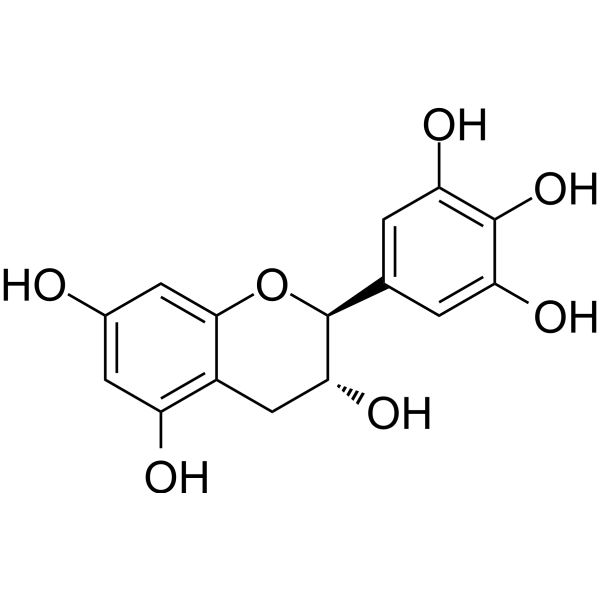
- Formula: C15H14O7
- Molecular Weight: 306.27
(-)-Gallocatechin, an epimer of (-)-Epigallocatechin (EGC) (HY-N0225), is contained in various tea products. (-)-Gallocatechin demonstrates antioxidant activity in vitro, including inhibition of LDL oxidation and DPPH radical scavenging.
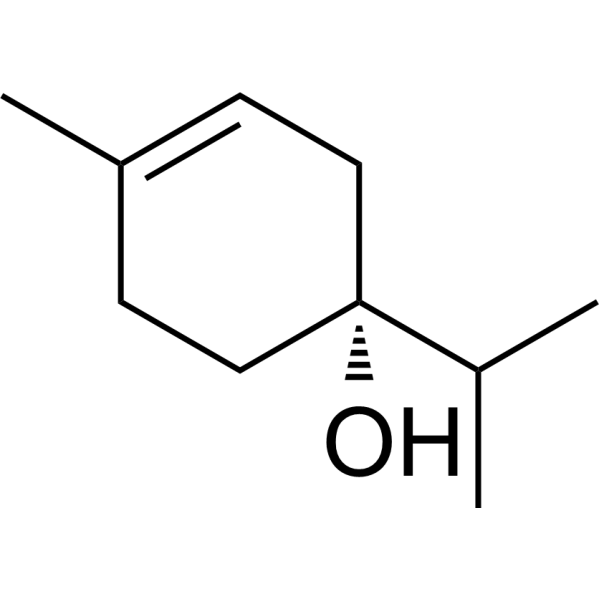
- Formula: C10H18O
- Molecular Weight: 154.25
(-)-Terpinen-4-ol is a terpene alcohol and male-specific aggregating pheromone found in the scolytid bark beetle Polygraphus poligraphus. (-)-Terpinen-4-ol functions as an attractant for Polygraphus poligraphus beetles.
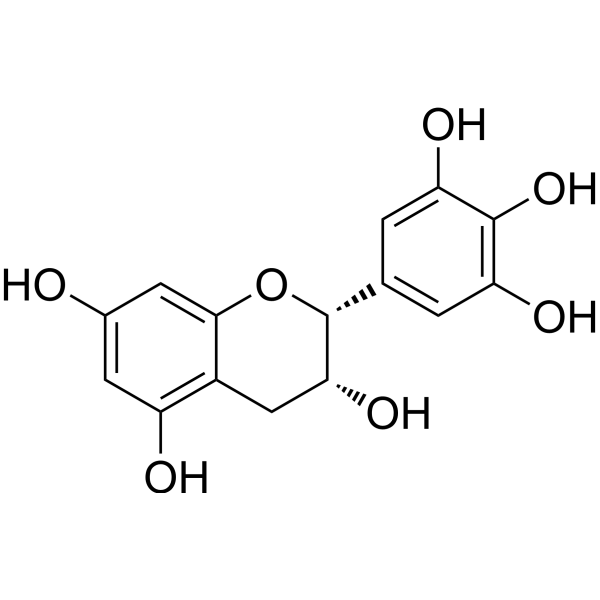
- Formula: C₁₅H₁₄O₇
- Molecular Weight: 306.27
(-)-Epigallocatechin (Standard) is the analytical standard of (-)-Epigallocatechin. This product is intended for research and analytical applications. (-)-Epigallocatechin (Epigallocatechin) is the most abundant flavonoid in green tea, can bind to unfolded native polypeptides and prevent conversion to amyloid fibrils.
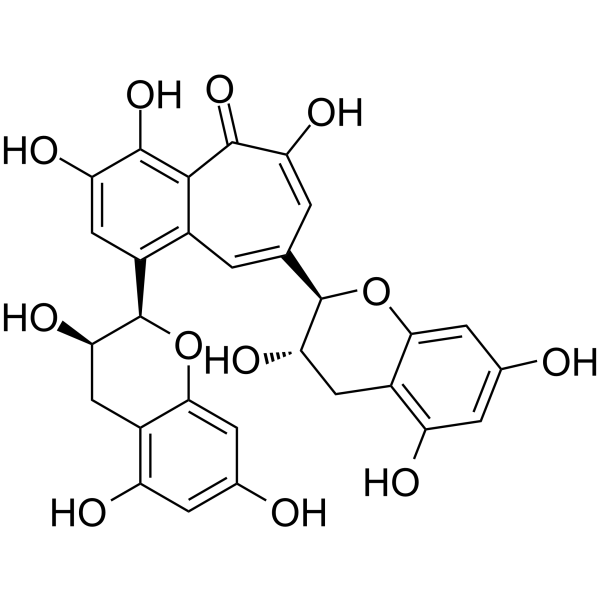
- Formula: C29H24O12
- Molecular Weight: 564.49
Isotheaflavin is one of antioxidant polyphenols in black tea.
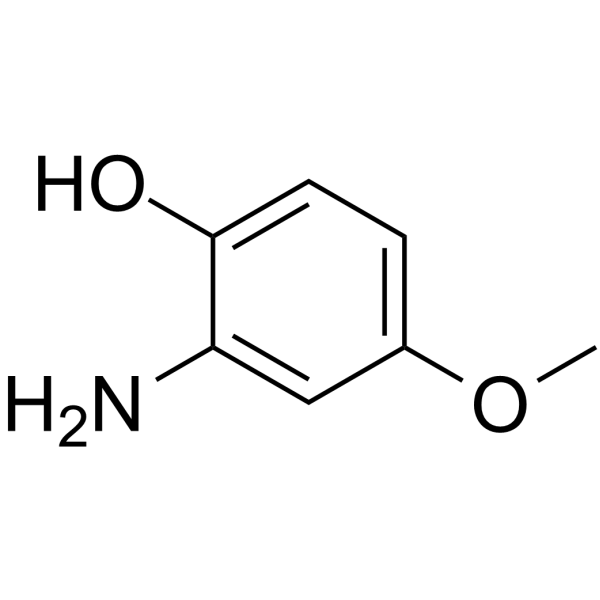
- Formula: C7H9NO2
- Molecular Weight: 139.15
2-Amino-4-methoxyphenol is a volatile constituent in the aroma concentrate of Tieguanyin teas. 2-Amino-4-methoxyphenol is used for the synthesis of pyridine analogues.

- Formula: C5H4N4O2
- Molecular Weight: 152.11
Xanthine (Standard) is the analytical standard of Xanthine. This product is intended for research and analytical applications. Xanthine, a plant alkaloid found in tea, coffee, and cocoa, is a mild stimulant of the central nervous system. Xanthine also acts as an intermediate product on the pathway of purine degradation. In Vitro: A number of stimulants are derived from Xanthine including caffeine and theobromine. Xanthine is a product on the pathway of purine degradation. Xanthine is subsequently converted to uric acid by the action of the Xanthine oxidase enzyme.

- Formula: C7H14N2O3
- Molecular Weight: 174.20
L-Theanine (Standard) is the analytical standard of L-Theanine. This product is intended for research and analytical applications. L-Theanine (L-Glutamic Acid γ-ethyl amide) is a non-protein amino acid contained in green tea leaves, which blocks the binding of L-glutamic acid to glutamate receptors in the brain, and with neuroprotective, anticancer and anti-oxidative activities. L-Theanine can pass through the blood–brain barrier and is orally active.
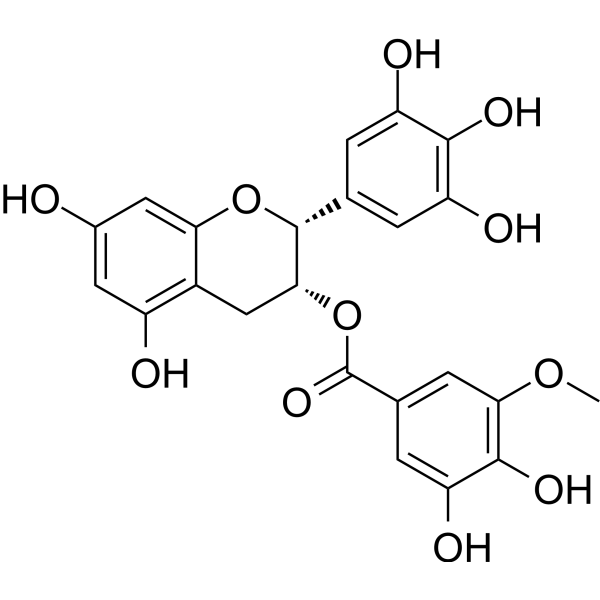
- Formula: C23H20O11
- Molecular Weight: 472.40
(-)-Epigallocatechin-3-(3''-O-methyl) gallate ((-)-EGCG-3''-O-ME) is a natural product that can be isolated from the tea leaf, with strong antioxidative activity. (-)-Epigallocatechin-3-(3''-O-methyl) gallate has a strong cytotoxic activity for rat cancer cells.
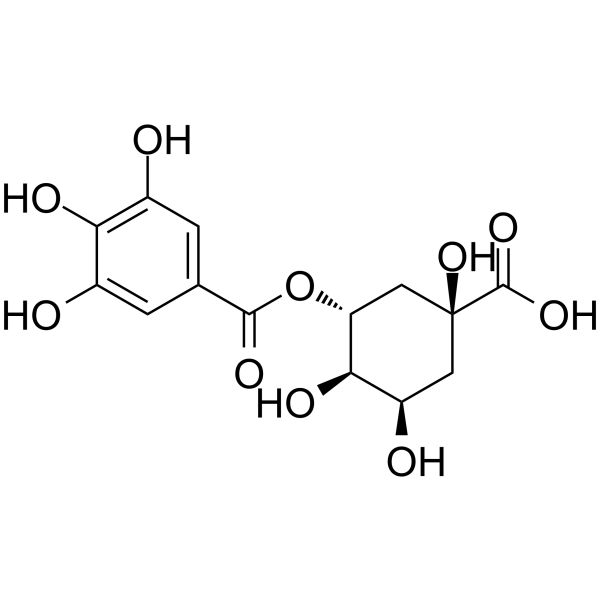
- Formula: C14H16O10
- Molecular Weight: 344.27
Theogallin (3-Galloylquinic acid) is an active ingredient in decaffeinated green tea extract. Theogallin has antidepressive and cognition enhancing effect.
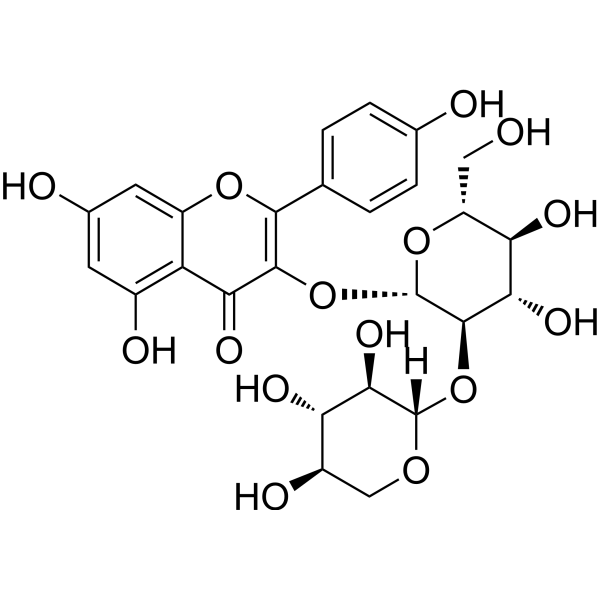

- Formula: C23H20O11
- Molecular Weight: 472.40
(-)-Epigallocatechin-3-O-(4-O-methyl)gallate is an orally active catechin derivative found in Taiwanese oolong tea. (-)-Epigallocatechin-3-O-(4-O-methyl)gallate can inhibit histamine release and exhibits anti-inflammation and anti-allergic effect. (-)-Epigallocatechin-3-O-(4-O-methyl)gallate can be used for the researches of immunology and inflammation, such as type I allergic.
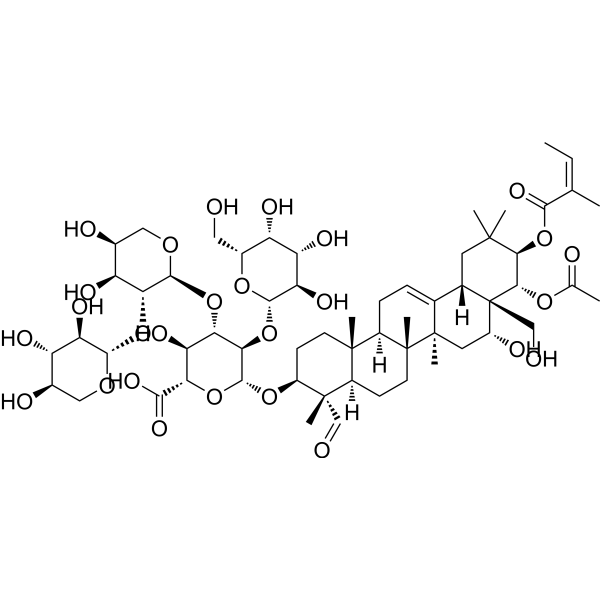
- Formula: C59H90O27
- Molecular Weight: 1231.33
Theasaponin E1 is an orally effective tea saponin. Theasaponin E1 inhibits the proliferation of cancer cells by activating apoptosis. Theasaponin E1 inhibits angiogenesis in ovarian cancer cells and HUVECs by reducing the expression of VEGF. Theasaponin E1 upregulates the phosphorylation level of ATM protein and the expression level of PTEN protein in cancer cells, decreases the phosphorylation levels of Akt, mTOR, p70S6K and 4E-BP1 proteins, downregulates the expression of HIF-1α and NF-κB, and reduces the protein expression of Notch ligands Dll4 and Jagged1. Theasaponin E1 exerts neuroprotective effects by inhibiting the activity of acetylcholinesterase, activating α-secretase and neprilysin, reducing the concentration of Aβ, and inhibiting the activities of β-secretase and γ-secretase. Theasaponin E1 exhibits toxic effects on cancer cells and quinone reductase-inducing activity, and inhibits tumor growth in vivo. Theasaponin E1 induces ferroptosis in Pomacea canaliculata by synergistically disrupting cholesterol homeostasis and sphingolipid metabolism. Theasaponin E1 possesses anti-biofilm activity against Candida albicans. Theasaponin E1 can be used in the research of ovarian cancer, obesity, Alzheimer's disease and fungal infections.
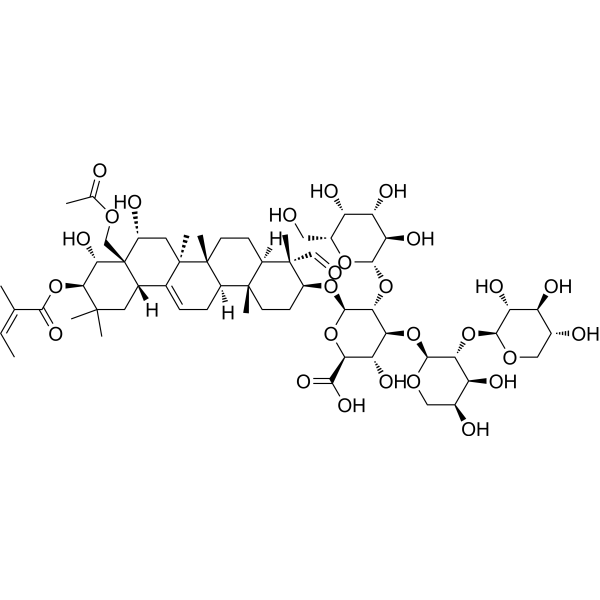
- Formula: C59H90O27
- Molecular Weight: 1231.33
Theasaponin E2 shows cytotoxicity against K562 and HL60 cells (IC50: 14.7 μg/mL). Theasaponin E2 can be isolated from Camellia sinensis.
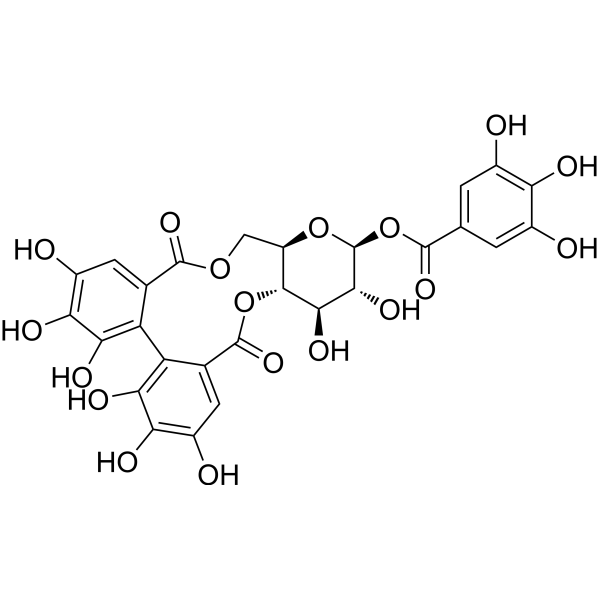
- Formula: C27H22O18
- Molecular Weight: 634.45
Strictinin is an orally active phenolic compound. Strictinin reduces xanthine oxidase activity, uric acid production, and the activation of ERK1/2, JNK, NF-κB, and NLRP3 inflammasome components in hepatocytes treated with Xanthine (HY-W017389). Strictinin decreases elevated serum uric acid levels and enhanced xanthine oxidase activity in mice treated with potassium oxonate. Strictinin acts as a ROR1 inhibitor and exhibits anticancer activity against highly aggressive non-androgen-dependent prostate cancer. Strictinin induces cancer cell apoptosis (apoptosis), arrests cell cycle, and inhibits cancer cell migration, invasion, and epithelial-mesenchymal transition. Strictinin modulates gut microbiota, inhibits bacterial growth and biofilm formation, accelerates small intestinal transit, and blocks viral entry and replication. Strictinin can be used in research related to hyperuricemia, androgen receptor-negative non-androgen-dependent prostate cancer, triple-negative breast cancer, bacterial infections, constipation, coronavirus infections, dental caries, and infections caused by influenza A, influenza B, and human parainfluenza virus type 1.

- Formula: C₁₅H₁₄O₆
- Molecular Weight: 290.27
(±)-Catechin (Standard) is the analytical standard of (±)-Catechin. This product is intended for research and analytical applications. (±)-Catechin (rel-Cianidanol) is the racemate of the green tea polyphenol Catechin. Catechin has anticancer activity and induces apoptosis. (±)-Catechin has two forms, (+)-Catechin and its enantiomer (-)-Catechin. (+)-Catechin inhibits cyclooxygenase-1 (COX-1) with an IC50 of 1.4 μM. (-)-Catechin can effectively promote hBM-MSC adipocyte differentiation and increase adiponectin and PPARγ levels. (±)-Catechin has anti-tumor, anti-obesity, anti-diabetic, anti-cardiovascular, anti-infectious, hepatoprotective and neuroprotective effects.

- Formula: C30H26O14
- Molecular Weight: 610.52
Theasinensin C is an orally effective renin inhibitor and gut microbiota modulator, with an IC50 of 40.21 μM against renin activity. Theasinensin C selectively enriches Akkermansia muciniphila in the gut microbiota, enhances the Akkermansia muciniphila-mediated hydrolysis of the PTS domain of mucin, drives the accumulation of luminal glutamine and serine, and regulates the gut-kidney-liver glutamine/serine metabolic signaling pathway to promote creatine biosynthesis. Theasinensin C improves cognitive function, reduces pro-inflammatory cytokines, alleviates neuropathological changes and restores intestinal barrier integrity. Theasinensin C can be used in research related to hypertension and neuroinflammation induced by high-fructose diet.



