



Cancer Immunotherapy
Cancer immunotherapy (CIT) is a type of biological therapy, aiming to improve anti-tumor immune responses with fewer off-target effects than chemotherapy. Several types of immunotherapy include: oncolytic virus therapies, cancer vaccines, cytokine therapies, adoptive cell transfer (ACT), and immune checkpoint inhibitors (ICIs). In particular, ICIs and ACT have obtained immense clinical response, but their efficacy varies from person to person. Immune cells can be harnessed to eliminate tumor cells, such as T cells, B cells, NK cells, and myeloid cells. T cells have potent tumor-killing capability, therefore, a plethora of cancer immunotherapy research have focused on inducing T-cell-mediated anti-tumor responses. CTLA-4 and PD-1 are found on the cell surface of T cells as co-inhibitory receptors. The breakthrough in cancer immunotherapy results from the identification and subsequent targeting of checkpoint mechanisms in T cells with monoclonal antibodies against CTLA-4 and programmed death-ligand 1/programmed death-1 (PD-L1/PD-1).
Several types of cancers (e.g., melanoma, mismatch repair-deficient cancers, bladder cancer, and non-small cell lung cancer) have achieved significant clinical responses in T-cell checkpoint blockade therapies. However, single-mode immunotherapy faces challenges such as low immune response, low tumor infiltration, and complex immunosuppressive tumor microenvironment. Recently, combined therapies based on tumor immunity have received extensive attention in the research of enhancing tumor cells immunogenicity and inhibiting their growth. For example, anti CTLA-4 and PD-1, immune checkpoint blockade (ICB) combined with chemotherapy, anti-angiogenic drugs and kinase inhibitors.
-
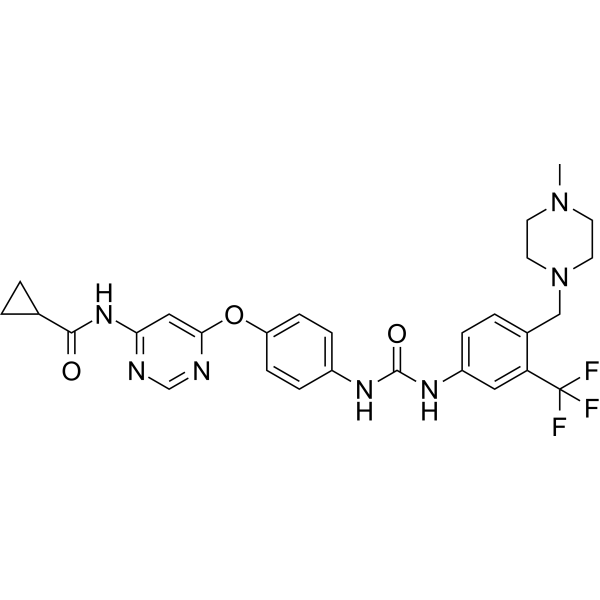
WS3
 0 Images
WS3 is an allosteric inhibitor of 14-3-3 (14-3-3ζ: Kd = 2.29 μM). WS3 activates GSK3β by disrupting the binding of 14-3-3-pGSK3β, promotes the ubiquitination and degradation of NRF2, and inhibits the NRF2-ARE signaling pathway (IC50 = 135 nM). It exerts antioxidant inhibition and chemotherapeutic/ferroptosis sensitizing effects in tumors with hyperactivated NRF2. WS3 binds to EBP1/IKKε and promotes the proliferation of β cells and retinal pigment epithelial (RPE) cells, which can be applied to islet regeneration and RPE expansion transplantation. WS3 is applicable to research related to age-related macular degeneration, retinal degeneration and non-small cell lung cancer.
-
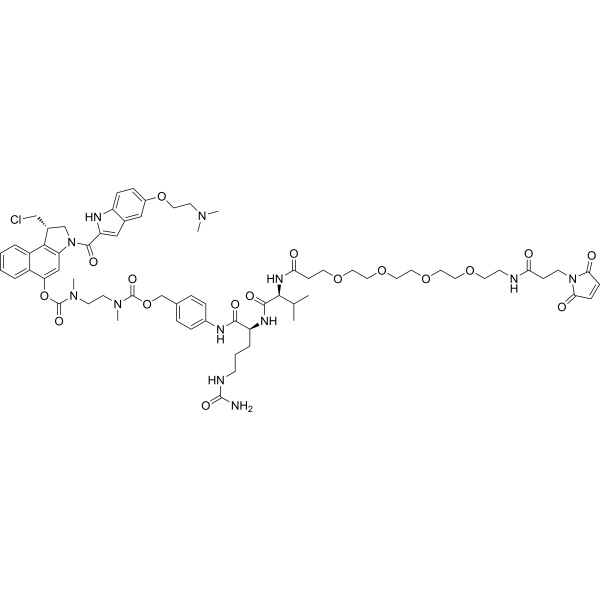
MA-PEG4-VC-PAB-DMEA-duocarmycin DM
 0 ImagesCat. No.: HY-157465Purity: 99.84%
MA-PEG4-VC-PAB-DMEA-duocarmycin DM is a drug-linker conjugate for ADC by using the DNA minor-groove alkylator Duocarmycin DM (HY-130978), linked via MA-PEG4-vc-PAB-DMEA (HY-126668).
-
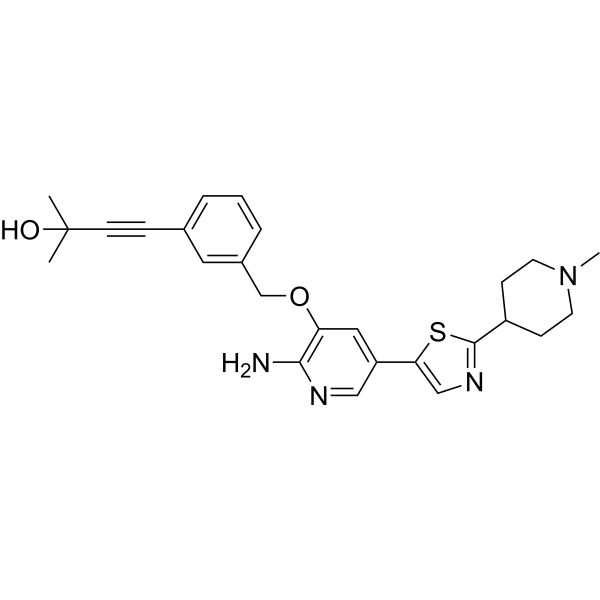
ZYF0033
 0 ImagesSynonyms: HPK1-IN-22
ZYF0033 is an orally active inhibitor of the hematopoietic progenitor cell kinase HPK1 with an IC50 of less than 10 nM based on the phosphorylation inhibition of MBP protein. ZYF0033 promotes anti-cancer immune responses and reduces phosphorylation of SLP76 (serine 376). ZYF0033 inhibits tumor growth in the 4T-1 syngeneic mouse model and leads to increased intratumoral infiltration of DCs, NK cells, and CD107a+CD8+ T cells, but not T cells, PD-1+CD8+ T cells, TIM-3+CD8+ Infiltration of T cells and LAG3+CD8+ T cells was reduced.
-
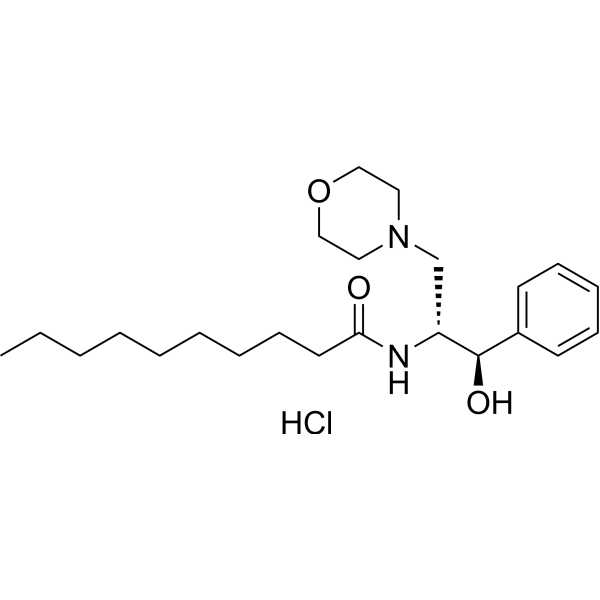
DL-threo-PDMP hydrochloride
 0 Images
DL-threo-PDMP hydrochloride is a competitive glucosylceramide synthase (GCS) inhibitor and antimalarial agent. DL-threo-PDMP hydrochloride competitively inhibits the activity of GCS. DL-threo-PDMP hydrochloride restores cisplatin sensitivity in cisplatin-resistant testicular germ cell tumor cells. DL-threo-PDMP hydrochloride blocks the growth of ring-stage Plasmodium falciparum parasites.
-
20-(tert-Butoxy)-20-oxoicosanoic acid
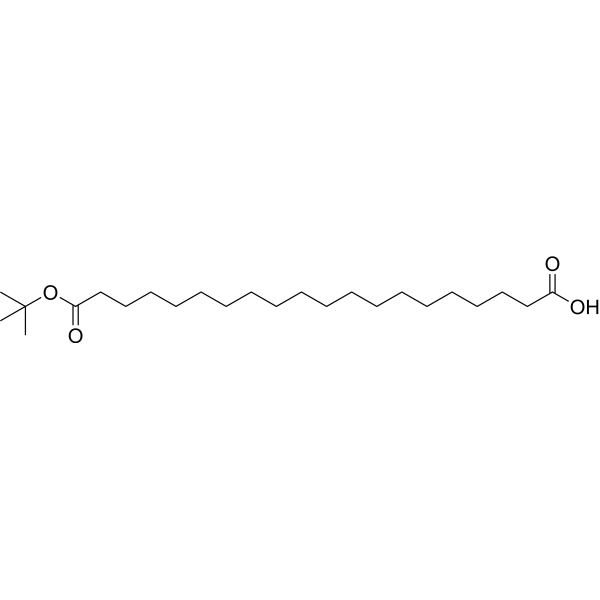 0 Images
20-(tert-Butoxy)-20-oxoicosanoic acid is a non-cleavable ADC linker used in the synthesis of antibody-drug conjugates (ADCs). 20-(tert-Butoxy)-20-oxoicosanoic acid is also a alkyl chain-based PROTAC linker that can be used in the synthesis of PROTACs
-
Kamebakaurin
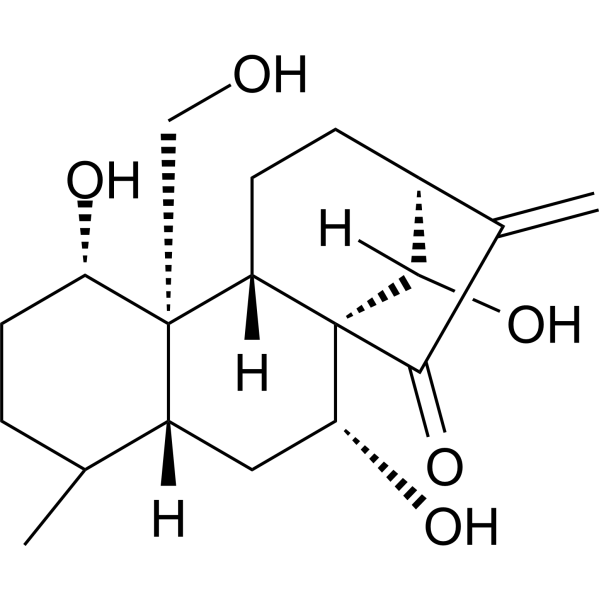 0 Images
Kamebakaurin is an orally active diterpenoid compound that can be isolated from Isodon excia (Maxin.). Kamebakaurin can inhibit NF-κB activation by directly targeting the DNA-binding activity of p50. Kamebakaurin can induce apoptosis and cell cycle arrest in tumor cells. Kamebakaurin has anti-inflammatory and anti-tumor activities.
-
DuP-697
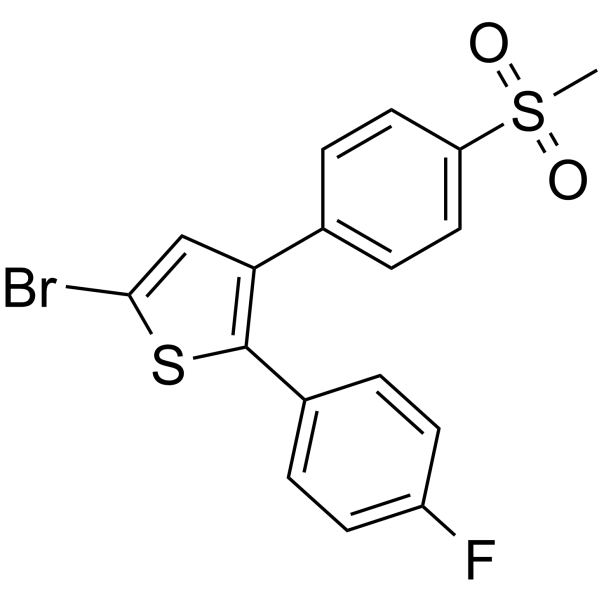 0 Images
DuP-697 is a member of the vicinal diaryl heterocycles and a potent, irreversible, selective and orally active COX-2 inhibitor (IC50 of 10 nM and 800 nM for human COX-2 and COX-1, respectively). DuP-697 exerts antiproliferative (IC50 of 42.8 nM), antiangiogenic and apoptotic effects on HT29 colorectal cancer cells. DuP-697 inhibits prostaglandin synthesis and has anti-inflammatory, anticancer and antipyretic effects.
-
BpV(phen) trihydrate
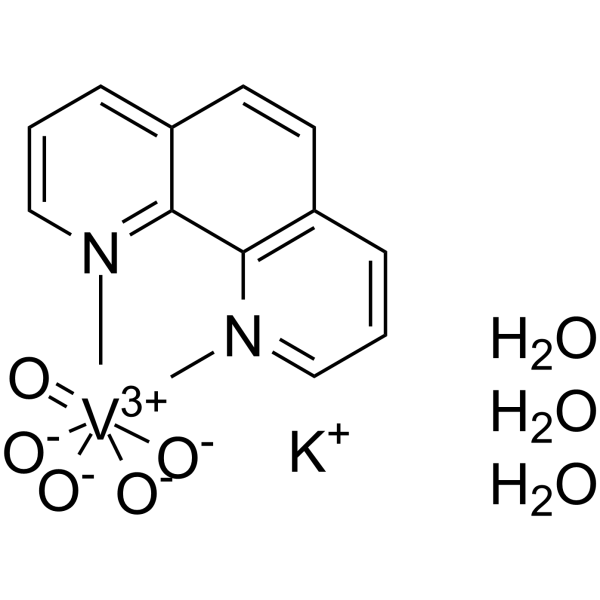 0 ImagesSynonyms: Bisperoxovanadium(phen) trihydrate
BpV(phen) trihydrate, a insulin-mimetic agent, is a potent protein tyrosine phosphatase (PTP) and PTEN inhibitor with IC50s of 38 nM, 343 nM and 920 nM for PTEN, PTP-β and PTP-1B, respectively. BpV(phen) trihydrate inhibits proliferation of the protozoan parasite Leishmania in vitro. bpV(phen) trihydrate strongly induces the secretion of a large number of chemokines and pro-inflammatory cytokines, and it activates a Th1-type pathway (IL-12, IFNγ). BpV(phen) trihydrate can also induce cell apoptosis, and has anti-angiogenic and anti-tumor activity.
-
ODN D-SL03 sodium
 0 ImagesCat. No.: HY-150749APurity: 98.57%
ODN D-SL03 sodium is a C class CpG oligonucleotides, and can induce stimulate PBMCs to produce high level of IFN-α. ODN D-SL03 sodium can activate human B cells, NK cells and mononuclear cells and up-regulate expression of CD80, CD86 and HLA-DR on the surface of subsets in human PBMCs. ODN D-SL03 sodium also can inhibit the growth of the tumor. ODN D-SL03 sequence: 5'-tcgcgaacgttcgccgcgttcgaacgcgg-3'.
-
SKI-178
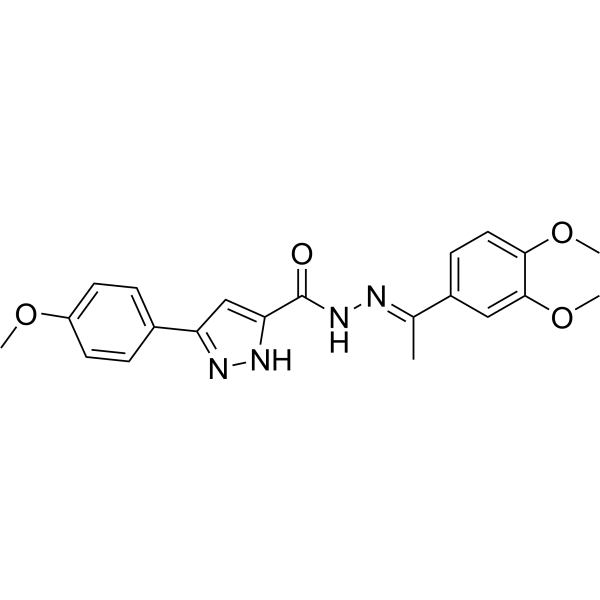 0 Images
SKI-178 is a potent sphingosine kinase-1 (SphK1) and SphK2 inhibitor. SKI-178 is cytotoxic at IC50 concentrations ranging from 1.8 to 0.1 μM in both agent sensitive and multi-agent resistant cancer cell lines (i.e., MTR3, NCI-ADR and HL60/VCR cells). SKI-178 induces apoptosis in a CDK1-dependent manner in human acute myeloid leukemia cell lines.
-
Fmoc-Gly-Gly-OH
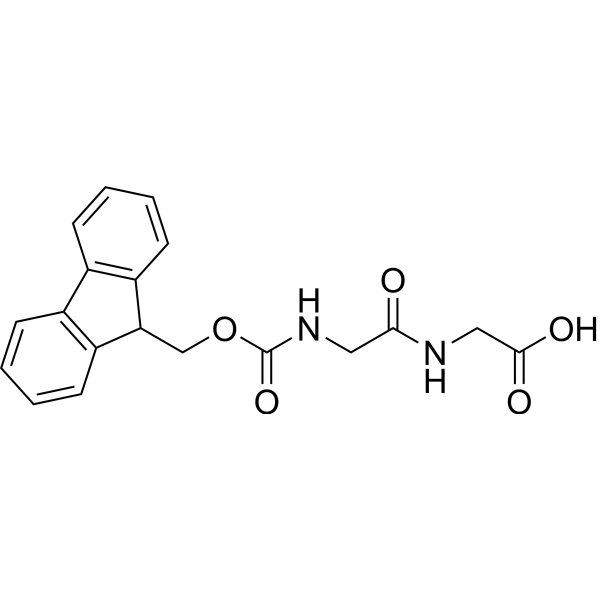 0 Images
Fmoc-Gly-Gly-OH is a cleavable ADC linker used in the synthesis of antibody-drug conjugates (ADCs).
-
Bis-PEG6-NHS ester
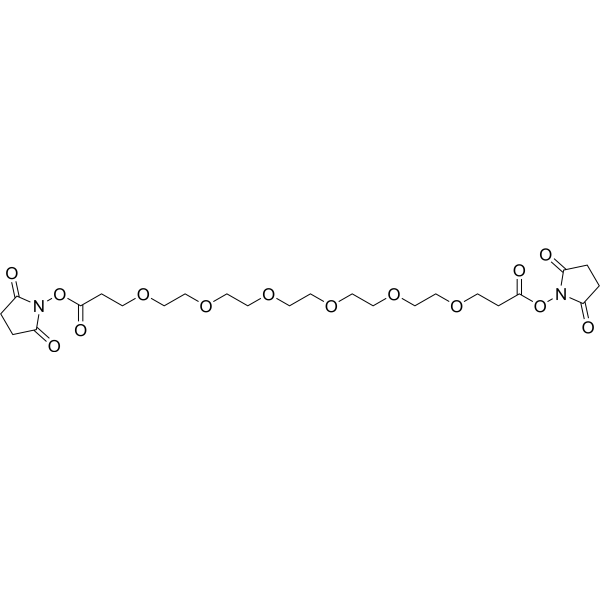 0 Images
Bis-PEG6-NHS ester is a PEG-based PROTAC linker can be used in the synthesis of PROTACs. Bis-PEG6-NHS ester is a cleavable ADC linker used in the synthesis of antibody-drug conjugates (ADCs).
-
(+)-Usnic acid
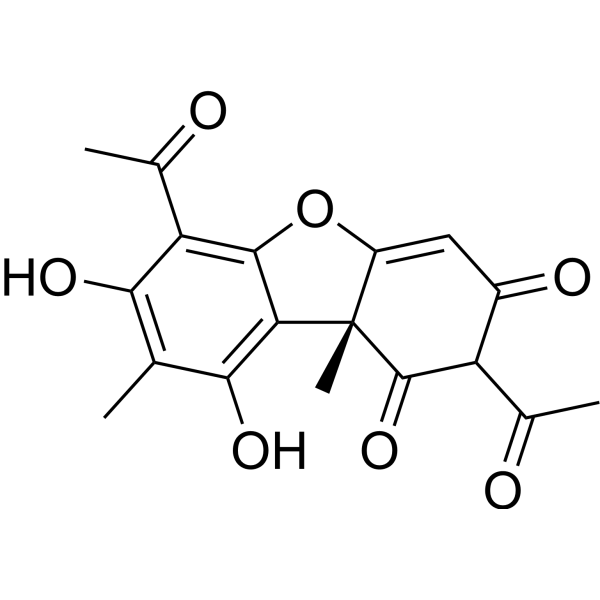 0 Images
(+)-Usnic acid is isolated from isolated from lichens, binds at the ATP-binding pocket of mTOR, and inhibits mTORC1/2 activity. (+)-Usnic acid inhibits the phosphorylation of mTOR downstream effectors: Akt (Ser473), 4EBP1, S6K, induces autophay, with anti-cancer and anti-inflammatory activity. (+)-Usnic acid possesses antimicrobial activity against a number of planktonic gram-positive bacteria, including Staphylococcus aureus, Enterococcus faecalis, and Enterococcus faecium.
-
Stem bromelain
 0 ImagesCat. No.: HY-P2970CAS No.: 37189-34-7
Stem bromelain (EC 3.4.22.32) is a cysteine protease and antibacterial agent. Stem bromelain can be isolated from the stem of the pineapple (Ananas comosus). Stem bromelain induces dose-dependent secretion of IL-12p70, and IL-6, induces Apoptosis, causes cleavage of full-length PARP protein, Caspase 3, and Caspase 9, increases Bax, and decreases Bcl-2. Stem bromelain possesses various fibrinolytic, antiedema, antithrombotic, and anti-inflammatory activities. Stem bromelain also exhibits in vivo antitumor and antileukemic activities, as well as antimetastatic effects. Stem bromelain has antimycobacterial activity. Stem bromelain provides protection against lead poisoning.
-
FR901464
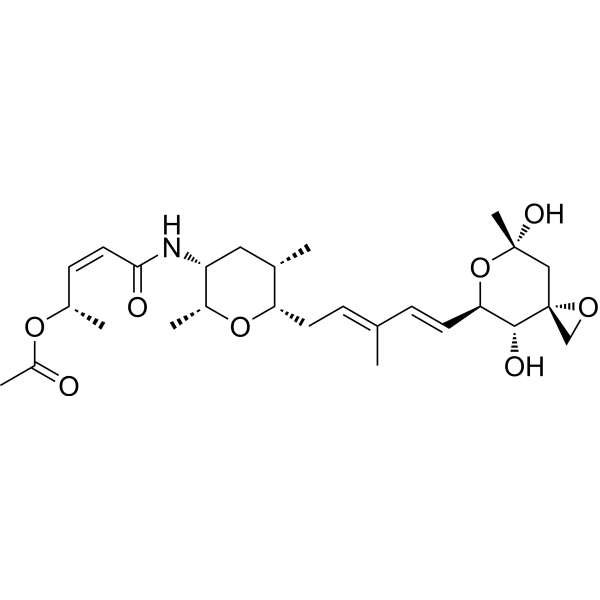 0 Images
FR901464 is a potent spliceosome inhibitor with prominent anti-tumor and anti-cancer effects.
-
2-Undecanone
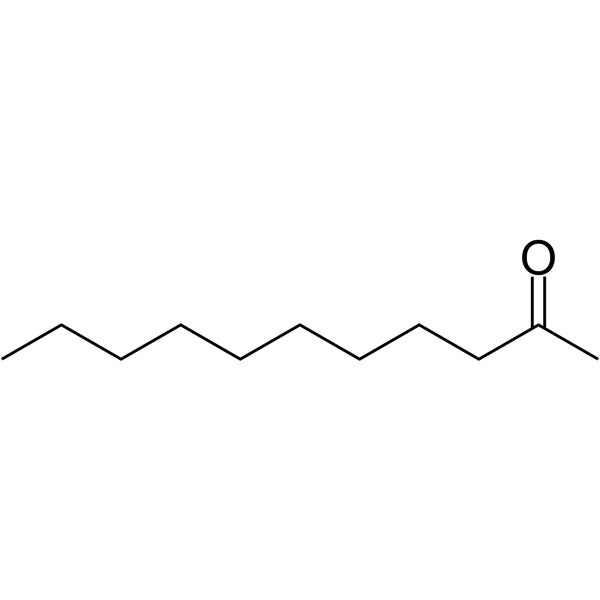 0 Images
2-Undecanone is an orally active organic ketone. 2-Undecanone exerts antibacterial effects by inhibiting bacterial chaperone systems and interfering with the refolding of heat-inactivated proteins. 2-Undecanone also ameliorates asthmatic inflammation and airway remodeling by blocking the NF-κB pathway, and activates the Nrf2 pathway to reduce oxidative damage and prevent lung cancer induced by Benzo[a]pyrene (HY-107377). 2-Undecanone can be used in research related to cancer, asthma and infections.
-
Atraric acid
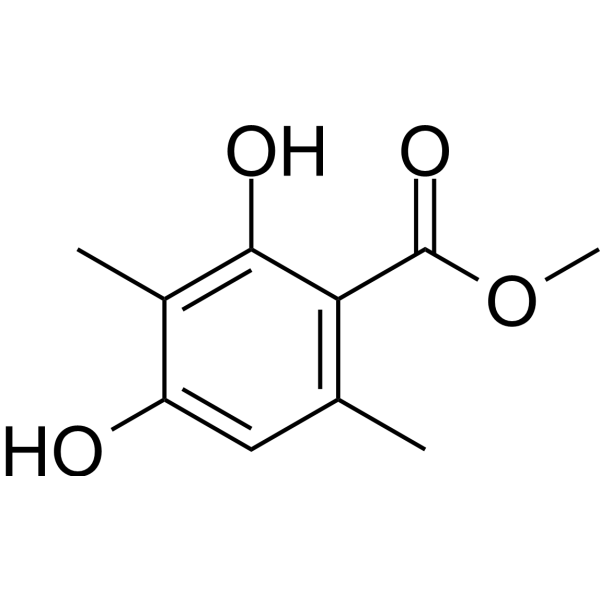 0 Images
Atraric acid (Methyl atrarate) is a specific androgen receptor (AR) antagonist with anti-inflammatory and anticancer effects. Atraric acid represses the expression of the endogenous prostate specific antigen gene in both LNCaP and C4-2 cells. Atraric acid can also inhibit the synthesis of NO and cytokine, and suppress the MAPK-NFκB signaling pathway. Atraric acid can be used to research prostate diseases and inflammatory diseases.
-
Chalcone
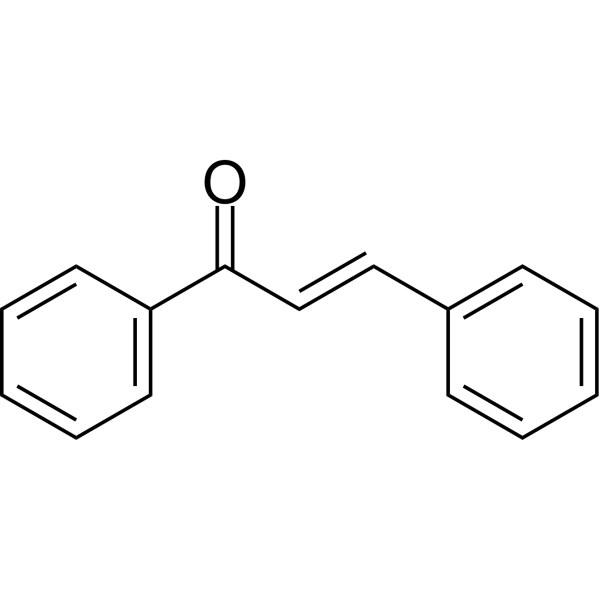 0 Images
Chalcone is isolated from Glycyrrhiza uralensis and used to synthesize chalcone derivatives. Chalcone derivatives possess varied biological and pharmacological activity, including anti-inflammatory, antioxidative, antibacterial, anticancer, and anti-parasitic activities.
-
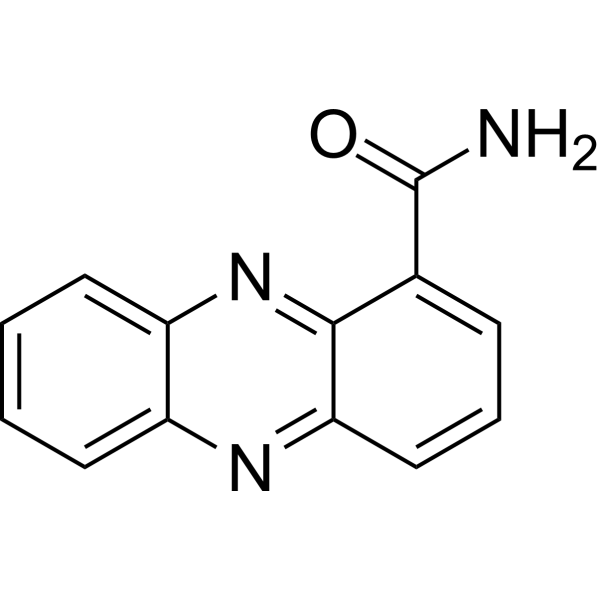
Oxychlororaphine
 0 Images
Oxychloroaphine could be isolated from the bacterium Pantoea agglomerans naturally present in soil. Oxychloroaphine has broad-spectrum antifungal activity. Oxychloroaphine has cytotoxicity in a dose-dependent manner and induces apoptosis. Oxychloroaphine can be used in research of cancer.
-
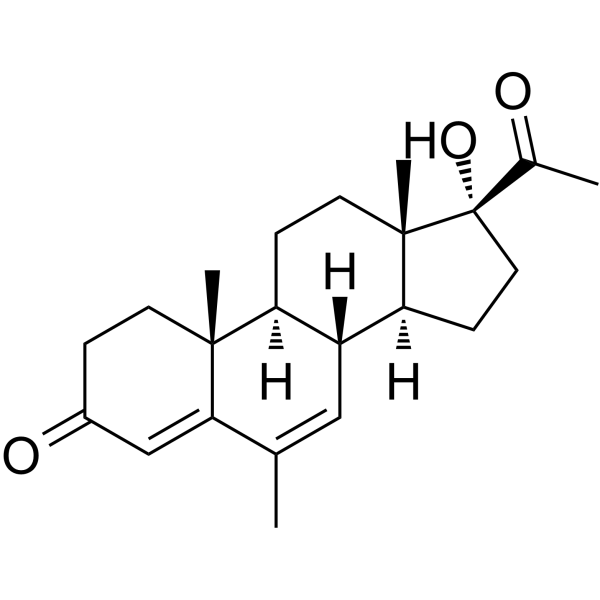
Megestrol
 0 Images
Megestrol is an orally active glucocorticoid and progesterone receptor agonist. Megestrol can alleviate anorexia, cachexia or unexplained significant weight loss associated with acquired immunodeficiency syndrome (AIDS). Megestrol may cause manifestations similar to those of glucocorticoids and increase the risk of mental disorders.



