



Cancer Immunotherapy
Cancer immunotherapy (CIT) is a type of biological therapy, aiming to improve anti-tumor immune responses with fewer off-target effects than chemotherapy. Several types of immunotherapy include: oncolytic virus therapies, cancer vaccines, cytokine therapies, adoptive cell transfer (ACT), and immune checkpoint inhibitors (ICIs). In particular, ICIs and ACT have obtained immense clinical response, but their efficacy varies from person to person. Immune cells can be harnessed to eliminate tumor cells, such as T cells, B cells, NK cells, and myeloid cells. T cells have potent tumor-killing capability, therefore, a plethora of cancer immunotherapy research have focused on inducing T-cell-mediated anti-tumor responses. CTLA-4 and PD-1 are found on the cell surface of T cells as co-inhibitory receptors. The breakthrough in cancer immunotherapy results from the identification and subsequent targeting of checkpoint mechanisms in T cells with monoclonal antibodies against CTLA-4 and programmed death-ligand 1/programmed death-1 (PD-L1/PD-1).
Several types of cancers (e.g., melanoma, mismatch repair-deficient cancers, bladder cancer, and non-small cell lung cancer) have achieved significant clinical responses in T-cell checkpoint blockade therapies. However, single-mode immunotherapy faces challenges such as low immune response, low tumor infiltration, and complex immunosuppressive tumor microenvironment. Recently, combined therapies based on tumor immunity have received extensive attention in the research of enhancing tumor cells immunogenicity and inhibiting their growth. For example, anti CTLA-4 and PD-1, immune checkpoint blockade (ICB) combined with chemotherapy, anti-angiogenic drugs and kinase inhibitors.
-
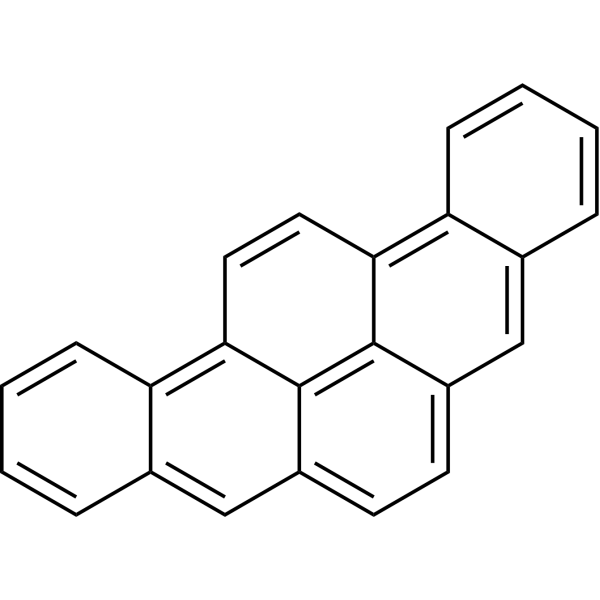
Dibenzo(a,i)pyrene
 0 Images
Dibenzo (a,i) pyrene is a polycyclic aromatic hydrocarbon and also a carcinogenic ligand of the TCDD (Ah) receptor. Dibenzo (a,i) pyrene binds to the TCDD (Ah) receptor in rat liver. Dibenzo (a,i) pyrene induces DNA adduct formation and upregulates the protein levels of p53 and p21WAF1 in diploid lung fibroblasts. Dibenzo (a,i) pyrene alters the cell cycle distribution of diploid lung fibroblasts, increasing the proportion of cells in the S phase, decreasing the proportions of cells in the G0/G1 and G2/M phases, and causing S phase delay/arrest. Dibenzo (a,i) pyrene is applicable for cancer research.
-
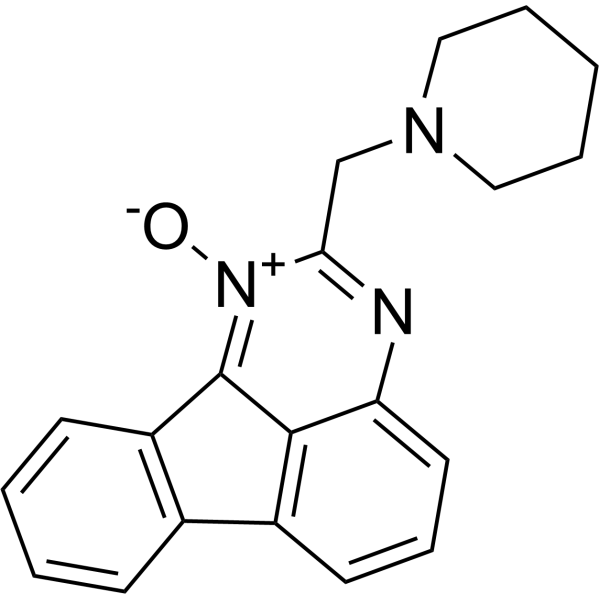
NSC194598
 0 Images
NSC194598 is a p53 DNA-binding inhibitor with an IC50 value of 180 nM. NSC194598 inhibits p53 DNA binding and induction of target genesn when p53 is stabilized and activated by irradiation or chemotherapy. NSC194598 can interfere with transcriptional activation of mutated rearranged during transfection (RET) gene, induce apoptosis and G0/G1 phase arrest. NSC194598 can be used for the researches of acute radiation toxicity and medullary thyroid carcinoma.
-
Octahydrocurcumin
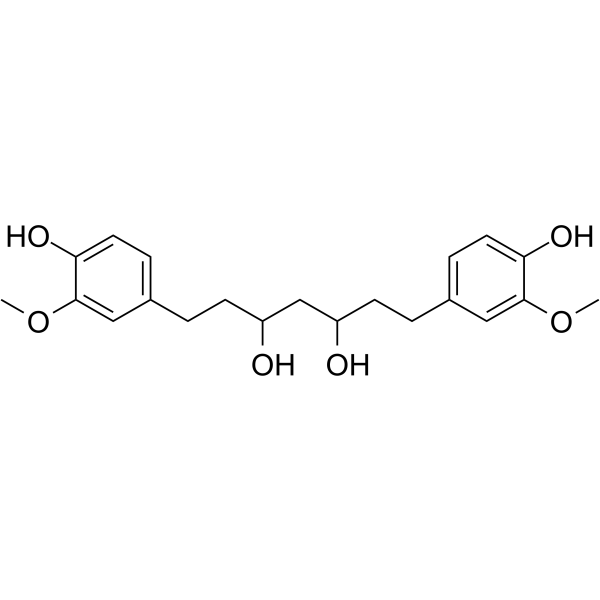 0 ImagesSynonyms: Hexahydrobisdemethoxycurcumin
Octahydrocurcumin (Hexahydrobisdemethoxycurcumin) is an orally active anticancer and anti-inflammatory agent, and is the final hydrogenated metabolite of Curcumin (HY-N0005) in vivo. Octahydrocurcumin exerts its anti-tumor and anti-inflammatory effects by inducing the mitochondrial apoptosis pathway and inhibiting the TAK1-NF-κB-COX-2 pathway, respectively.
-
KIF2C-IN-1
 0 ImagesCat. No.: HY-173522Purity: 98.08%
KIF2C-IN-1 is a cell-penetrating, selective KIF2C inhibitor with fluorescent properties (Ex/Em = 410/510 nm). KIF2C-IN-1 exhibits notable cytotoxicity and weak inhibitory effects on KIF2A/B. KIF2C-IN-1 prohibits the dissociation of KIF2C from microtubules. KIF2C-IN-1 inhibiting KIF2C reverses cross-resistance to microtubule-targeting agents. KIF2C-IN-1 reduces tumorigenesis in chemoresistant triple-negative breast cancer (TNBC) model in mice with the combination of Paclitaxel (HY-B0015).
-
WDR5-IN-6
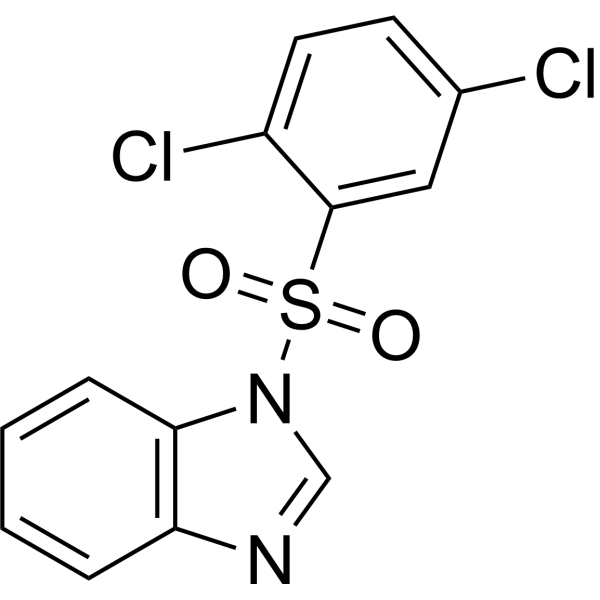 0 Images
WDR5-IN-6 is a WDR5 inhibitor, targeting to WBM site. WDR5-IN-6 inhibits cell proliferation of neuroblastoma cell lines with potent anti-tumor activity. WDR5-IN-6 shows high synergy with OICR-9429 (HY-16993), a WDR5 inhibitor targeting to WIN site. WDR5-IN-6 can be used for reasearch in neuroblastoma.
-
Vinburnine
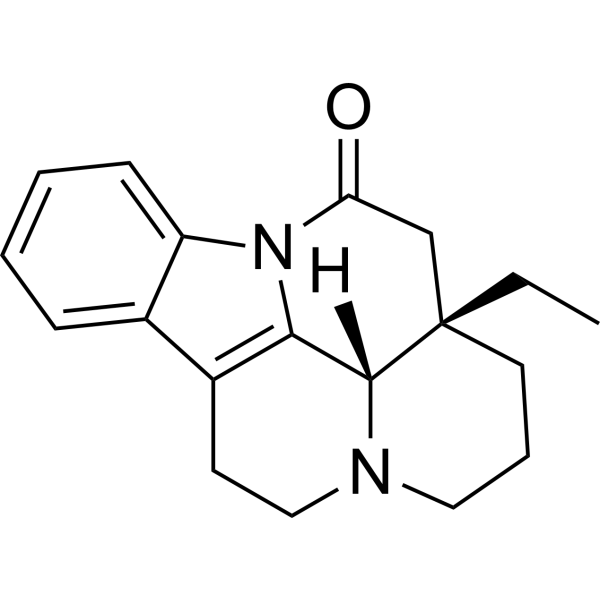 0 Images
Vinburnine ((-)-Eburnamonine; (-)-Vincamone) is an orally active, blood-brain barrier permeable immunomodulator and apoptosis inducer. Vinburnine drives the secretion of IL-24 by activating the P38/MAPK/ATF3 signaling axis. Vinburnine induces reactive oxygen species production and DNA damage in cancer cells, thereby inhibiting cancer cell proliferation, activating the apoptotic cascade, and enhancing CD8+ T cell function to remodel the tumor immune microenvironment. Vinburnine can be used in the research of diseases such as melanoma.
-
Azido-C6-OH
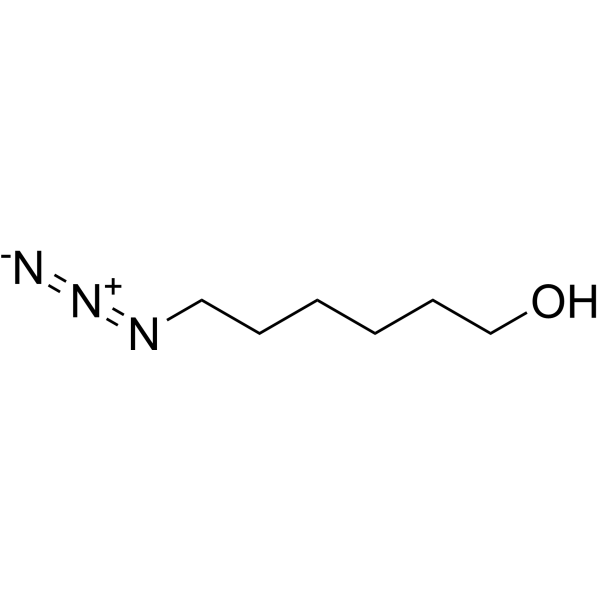 0 Images
Azido-C6-OH is a cleavable ADC linker used in the synthesis of antibody-drug conjugates (ADCs). Azido-C6-OH is a click chemistry reagent, it contains an Azide group and can undergo copper-catalyzed azide-alkyne cycloaddition reaction (CuAAc) with molecules containing Alkyne groups. It can also undergo strain-promoted alkyne-azide cycloaddition (SPAAC) reactions with molecules containing DBCO or BCN groups.
-
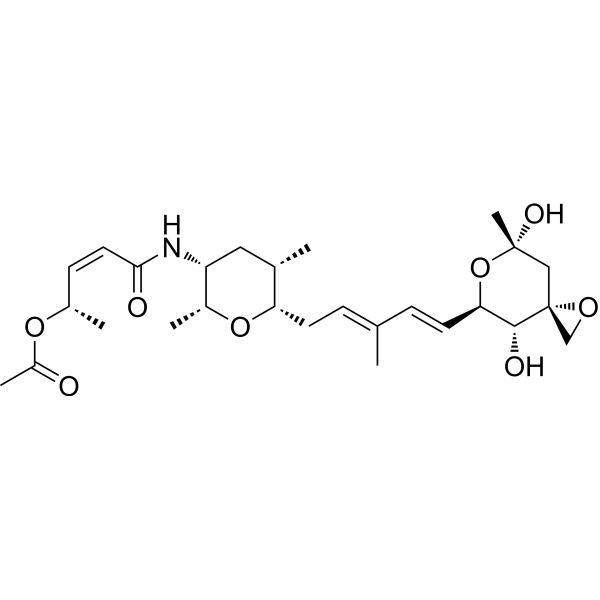
FR901464
 0 Images
FR901464 is a potent spliceosome inhibitor with prominent anti-tumor and anti-cancer effects.
-
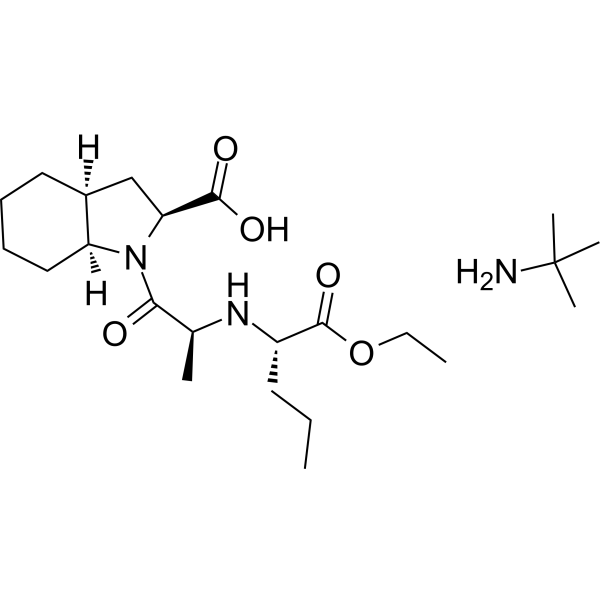
Perindopril erbumine
 0 ImagesSynonyms: Perindopril (tert-butylamine salt); S-9490 erbumine
Perindopril erbumine is an angiotensin-converting enzyme inhibitor. Perindopril erbumine modulates NF-κB and STAT3 signaling and inhibits glial activation and neuroinflammation. Perindopril erbumine can be used for the research of Chronic Kidney Disease and high blood pressure.
-
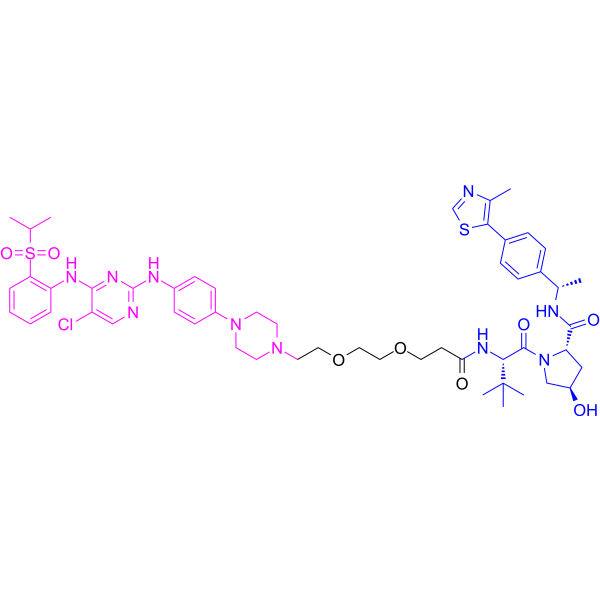
FMF-06-098-1
 0 Images
FMF-06-098-1 is a multi-target kinase PROTAC degrader. FMF-06-098-1 can be used to target degradation kinases which degrades AAK1, AΒL2, AURKA, AURKB, BUBIB, CDC7, CDK1, CDK12, CDK13, CDK2, CDK4, CDk6, CDK7, CDK9, CHEK1, CSNKID, EPHA1, PER, FGFR1, GAK, IRAK4, ITK, LIMK2, MAP4K2, MAP4K3, MAPK6, MAPK7, MARK4, MELK, PKN3, PLK4, PRKAA1, PTK2, PTK6, RPS6KA4, S1K2, STK35, TNK2, UHMK1, ULK1, and WEE1.
-
(+)-Usnic acid
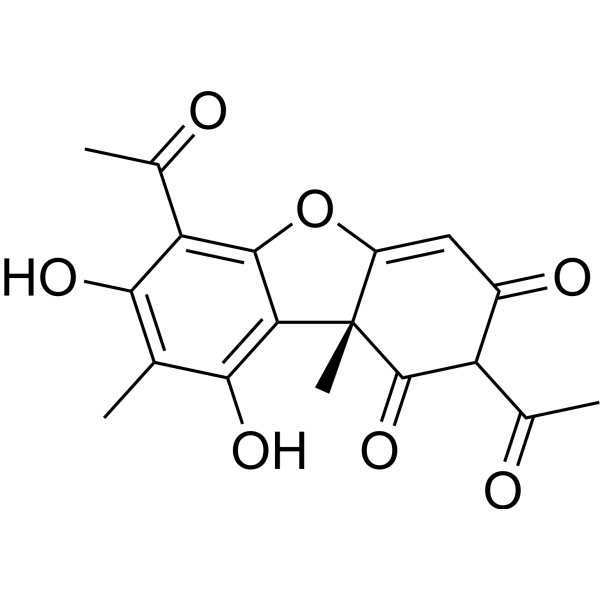 0 Images
(+)-Usnic acid is isolated from isolated from lichens, binds at the ATP-binding pocket of mTOR, and inhibits mTORC1/2 activity. (+)-Usnic acid inhibits the phosphorylation of mTOR downstream effectors: Akt (Ser473), 4EBP1, S6K, induces autophay, with anti-cancer and anti-inflammatory activity. (+)-Usnic acid possesses antimicrobial activity against a number of planktonic gram-positive bacteria, including Staphylococcus aureus, Enterococcus faecalis, and Enterococcus faecium.
-
N-Acetylneuraminic acid (Standard)
 0 ImagesSynonyms: NANA (Standard); Lactaminic acid (Standard)
N-Acetylneuraminic acid (Standard) is the analytical standard of N-Acetylneuraminic acid. This product is intended for research and analytical applications. N-Acetylneuraminic acid (NANA; Lactaminic acid), a nonphenolic structure, is the predominant form of sialic from Collocalia esculenta. N-Acetylneuraminic acid plays a biological role in myocardial injury, melanoma and viral or bacterial infection. N-Acetylneuraminic acid inhibits melanogenesis by reducing tyrosinase activity and triggers myocardial injury in vitro and in vivo by activation of the Rho/Rho-associated signaling pathway through binding to RhoA and Cdc42. N-Acetylneuraminic acid may prevent high fat diet (HFD)-induced inflammation and oxidative stress, thereby prevents hyperlipidemia-associated inflammation and oxidative stress. N-Acetylneuraminic acid is promising for research in the field of melanoma, coronary artery, obesity-related diseases and hyperlipidemia.
-
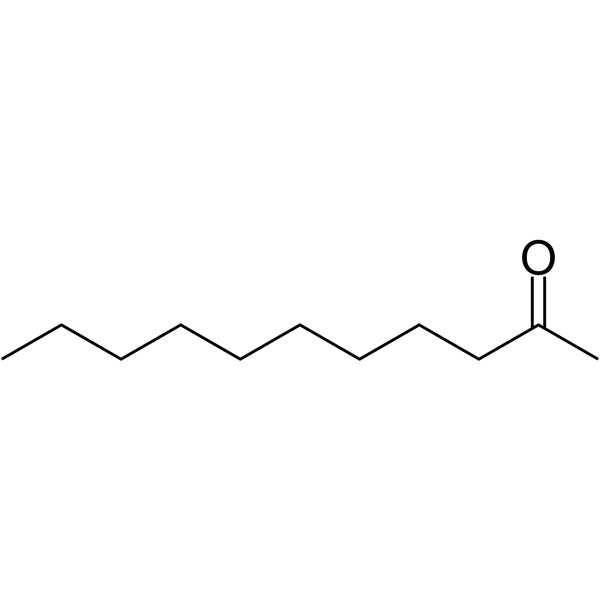
2-Undecanone
 0 Images
2-Undecanone is an orally active organic ketone. 2-Undecanone exerts antibacterial effects by inhibiting bacterial chaperone systems and interfering with the refolding of heat-inactivated proteins. 2-Undecanone also ameliorates asthmatic inflammation and airway remodeling by blocking the NF-κB pathway, and activates the Nrf2 pathway to reduce oxidative damage and prevent lung cancer induced by Benzo[a]pyrene (HY-107377). 2-Undecanone can be used in research related to cancer, asthma and infections.
-
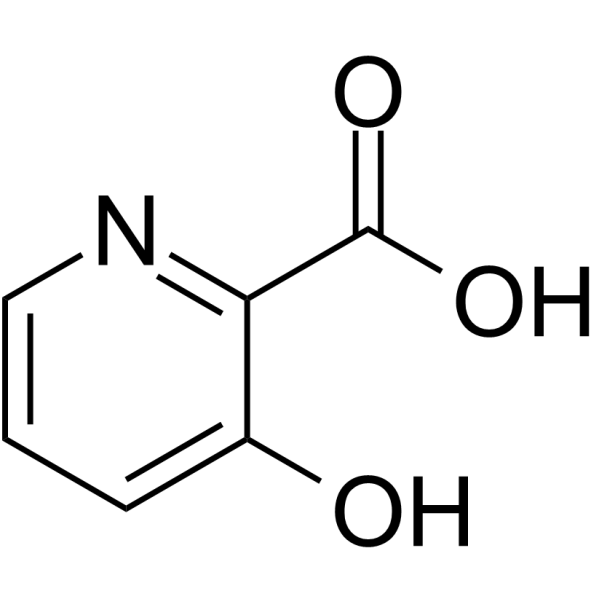
3-Hydroxypicolinic acid
 0 Images
3-Hydroxypicolinic acid is a heterocyclic carboxylic acid ligand and cytotoxin, with a MIC90 of >25 μg/mL against Mycobacterium tuberculosis H37Rv. 3-Hydroxypicolinic acid inhibits the growth of cancer cells and normal fibroblasts. 3-Hydroxypicolinic acid is applicable to research related to chronic myeloid leukemia, human lung adenocarcinoma, and tuberculosis.



