



Cancer Immunotherapy
Cancer immunotherapy (CIT) is a type of biological therapy, aiming to improve anti-tumor immune responses with fewer off-target effects than chemotherapy. Several types of immunotherapy include: oncolytic virus therapies, cancer vaccines, cytokine therapies, adoptive cell transfer (ACT), and immune checkpoint inhibitors (ICIs). In particular, ICIs and ACT have obtained immense clinical response, but their efficacy varies from person to person. Immune cells can be harnessed to eliminate tumor cells, such as T cells, B cells, NK cells, and myeloid cells. T cells have potent tumor-killing capability, therefore, a plethora of cancer immunotherapy research have focused on inducing T-cell-mediated anti-tumor responses. CTLA-4 and PD-1 are found on the cell surface of T cells as co-inhibitory receptors. The breakthrough in cancer immunotherapy results from the identification and subsequent targeting of checkpoint mechanisms in T cells with monoclonal antibodies against CTLA-4 and programmed death-ligand 1/programmed death-1 (PD-L1/PD-1).
Several types of cancers (e.g., melanoma, mismatch repair-deficient cancers, bladder cancer, and non-small cell lung cancer) have achieved significant clinical responses in T-cell checkpoint blockade therapies. However, single-mode immunotherapy faces challenges such as low immune response, low tumor infiltration, and complex immunosuppressive tumor microenvironment. Recently, combined therapies based on tumor immunity have received extensive attention in the research of enhancing tumor cells immunogenicity and inhibiting their growth. For example, anti CTLA-4 and PD-1, immune checkpoint blockade (ICB) combined with chemotherapy, anti-angiogenic drugs and kinase inhibitors.
-
Quinacrine hydrochloride hydrate
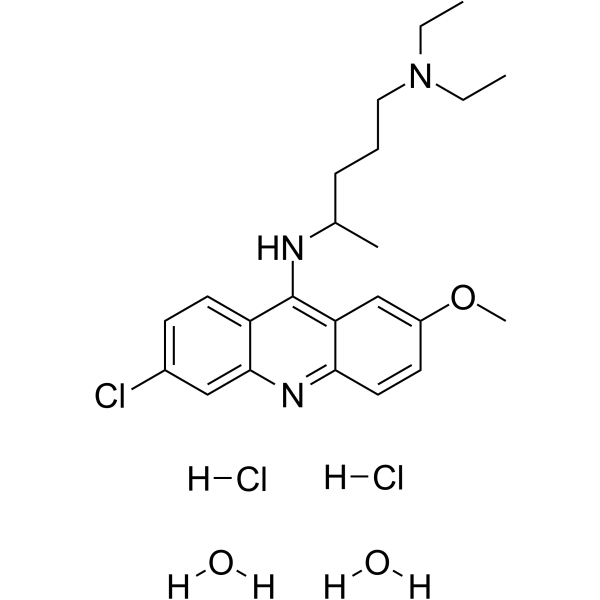 0 ImagesSynonyms: Mepacrine hydrochloride hydrate; SN-390 hydrochloride hydrate
Quinacrine hydrochloride hydrate (Mepacrine hydrochloride hydrate) is an antimalarial agent, which possess anticancer effect both in vitro and vivo. Quinacrine hydrochloride hydrate suppresses NF-κB and activates p53 signaling, which results in the induction of the apoptosis.
-
Pavurutamab
 0 ImagesSynonyms: AMG-701
Pavurutamab (AMG-701) is a bispecific T cell engager molecule that anti-CD3 and anti-B cell maturation antigens (BCMA). Pavurutamab has an extended half-life based on Pacanalotamab (HY-P99798). The Fc of Pavurutamab is coupled to molecules to improve pharmacokinetic parameters. Pavurutamab has potential applications in immune regulation and multiple myeloma (MM).
-
NH2-PEG8-acid
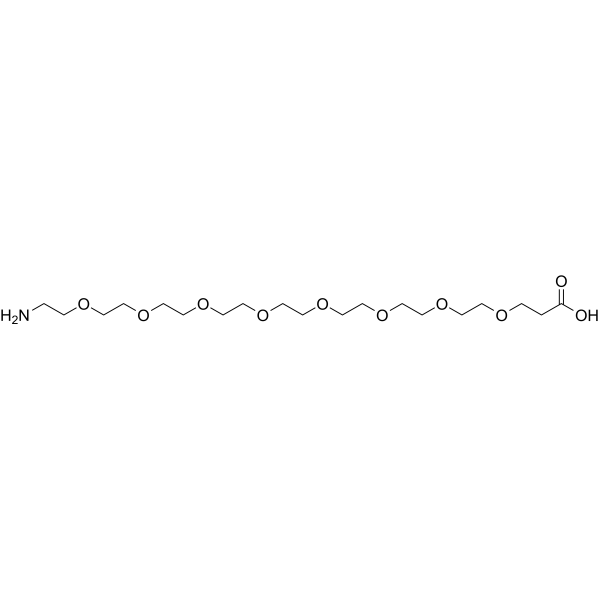 0 Images
NH2-PEG8-acid is a non-cleavable 8 unit PEG ADC linker used in the synthesis of antibody-drug conjugates (ADCs). NH2-PEG8-acid also is a PEG-based PROTAC linker that can be used in the synthesis of PROTACs.
-
Crebanine
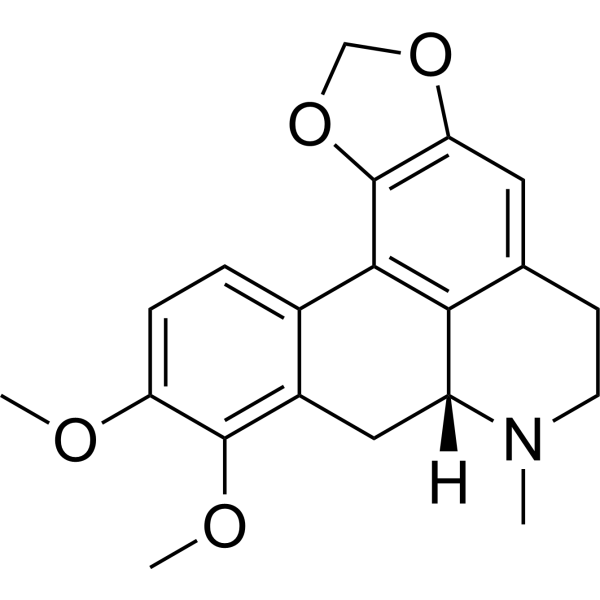 0 Images
Crebanine is an isoquinoline-like alkaloid that can be derived from Stephania. Crebanine is an antagonist of the α7-nAChR with an IC50 of 19.1 μM. Crebanine suppresses the proliferation, migration, and invasion of cancer cells, triggers reactive oxygen species (ROS) burst, and promotes apoptosis. Crebanine inhibits the AKT/FoxO3a, NF-κB and MAPK signaling pathways. Crebanine attenuates NOX2 hyperactivation, exhibits antioxidant properties by reducing reactive oxygen species and peroxidation in microglia cells. Crebanine inhibits voltage-dependent Na+ current in guinea-pig ventricular myocytes. Crebanine has high inhibitory activity against gram-positive animal pathogenic bacteria. Crebanine ameliorates ischemia-reperfusion brain damage in middle cerebral artery occlusion and reperfusion (MCAO/R) rats. Crebanine significantly improves Scopolamine (HY-N0296)-induced cognitive deficits in ICR mice. Crebanine can be used for the study of hepatocellular carcinoma (HCC), cerebral ischemia and Alzheimer's disease.
-
Histamine (Standard)
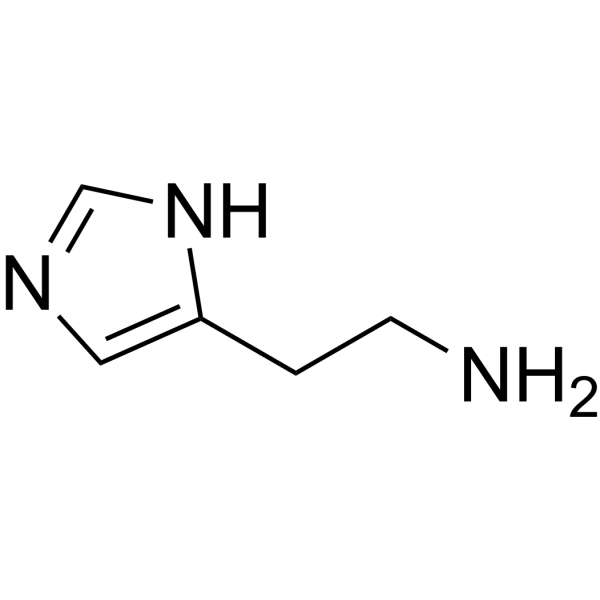 0 Images
Histamine (Standard) is the analytical standard of Histamine (HY-B1204). This product is intended for research and analytical applications. Histamine is the agonist for histamine receptor and a vasodilator. Histamine is an organic nitrogen compound that participates in local immune responses, regulates intestinal physiological functions, and acts as a neurotransmitter. Histamine affects p38 MAPK/Akt signaling pathway, exhibits antitumor, antioxidant and anti-inflammatory activities. Histamine can be used in the research of acute myeloid leukemia, malignant melanoma, and renal cell carcinoma.
-
Propargyl-C1-NHS ester
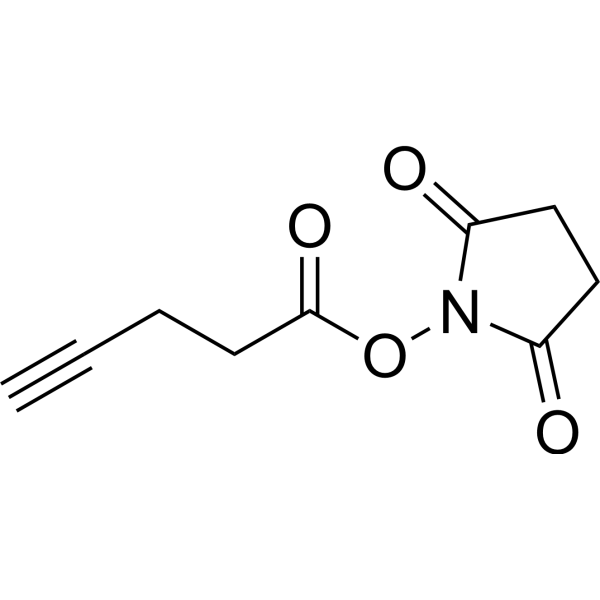 0 ImagesCat. No.: HY-126511CAS No.: 132178-37-1
Propargyl-C1-NHS ester is a nonclaevable linker for antibody-agent-conjugation (ADC). Propargyl-C1-NHS ester is a click chemistry reagent, it contains an Alkyne group and can undergo copper-catalyzed azide-alkyne cycloaddition (CuAAc) with molecules containing Azide groups.
-
Aminooxy-PEG2-azide
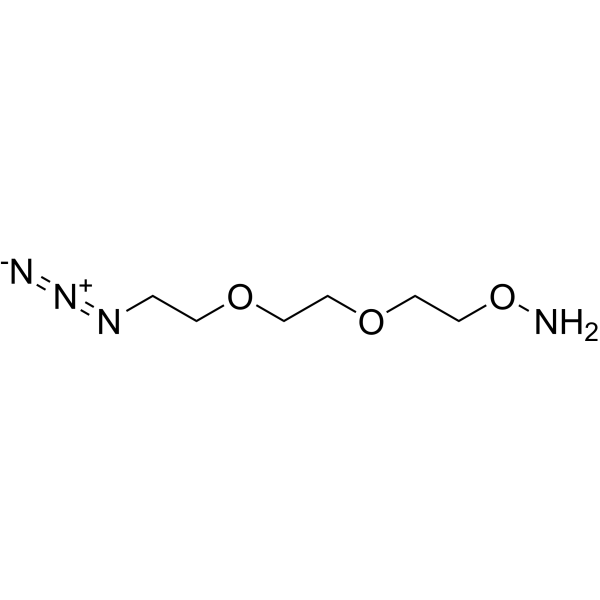 0 ImagesCat. No.: HY-113931CAS No.: 1043426-13-6
Aminooxy-PEG2-azide is a PEG-based PROTAC linker that can be used in the synthesis of PROTACs. Aminooxy-PEG2-azide is also a non-cleavable 2 unit PEG ADC linker used in the synthesis of antibody-drug conjugates (ADCs). Aminooxy-PEG2-azide is a click chemistry reagent, it contains an Azide group and can undergo copper-catalyzed azide-alkyne cycloaddition reaction (CuAAc) with molecules containing Alkyne groups. It can also undergo strain-promoted alkyne-azide cycloaddition (SPAAC) reactions with molecules containing DBCO or BCN groups.
-
Glucosamine sulfate
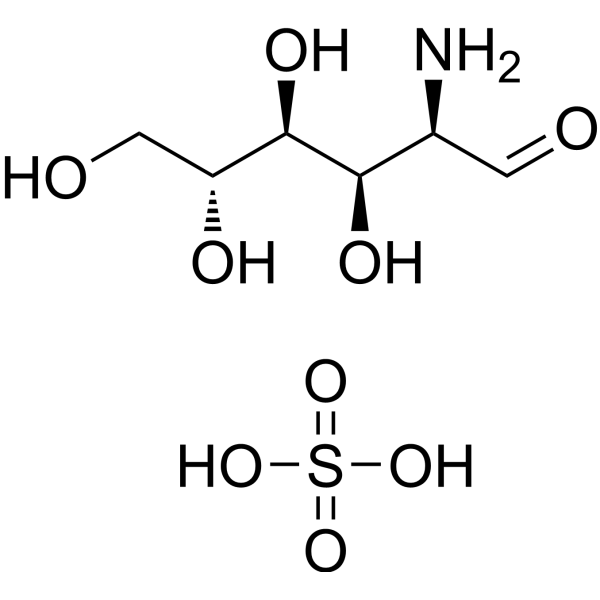 0 ImagesSynonyms: D-Glucosamine sulfate
Glucosamine sulfate (D-Glucosamine sulfate) is an amino sugar and a prominent precursor in the biochemical synthesis of glycosylated proteins and lipids, is used as a dietary supplement. Glucosamine sulfate also is a natural constituent of glycosaminoglycans in the cartilage matrix and synovial fluid, which when administered exogenously, exerts pharmacological effects on osteoarthritic cartilage and chondrocytes.
-
Norgestrel
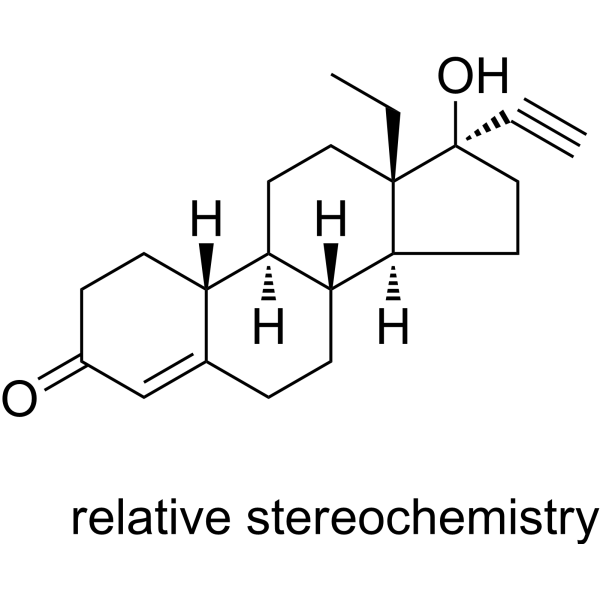 0 Images
Norgestrel is a synthetic analog of progesterone, a compound commonly found in oral contraceptive pill, and a powerful neuroprotective antioxidant, preventing light-induced ROS in photoreceptor cells, and cell death. Norgestrel is a click chemistry reagent, it contains an Alkyne group and can undergo copper-catalyzed azide-alkyne cycloaddition (CuAAc) with molecules containing Azide groups.
-
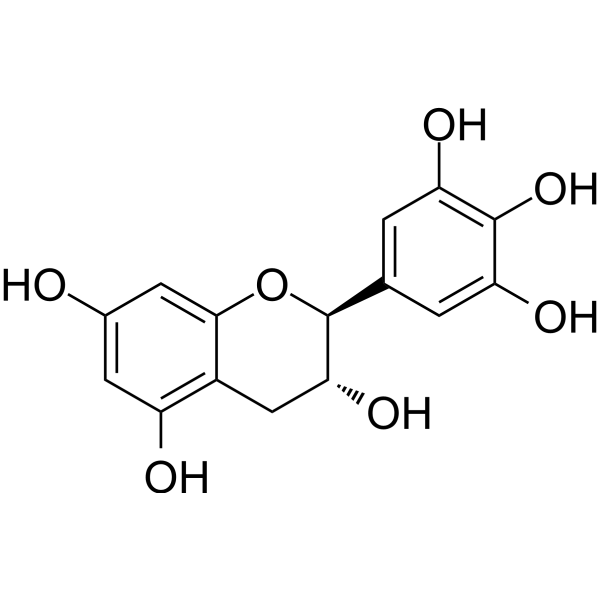
(-)-Gallocatechin
 0 Images
(-)-Gallocatechin, an epimer of (-)-Epigallocatechin (EGC) (HY-N0225), is contained in various tea products. (-)-Gallocatechin demonstrates antioxidant activity in vitro, including inhibition of LDL oxidation and DPPH radical scavenging.
-
PT109
 0 Images
PT109 is an orally active, blood-brain barrier permeable multi-kinase inhibitor. By inhibiting PTBP1, PT109 promotes the switch of pyruvate kinase isoform from PKM2 to PKM1, thereby effectively inhibiting the proliferation and migration of glioblastoma multiforme and inducing its reprogramming into oligodendrocytes. PT109 also targets and regulates key signaling molecules such as JNK, SGK1, GSK3β to exert neuroprotective effects including promoting neurogenesis, inducing synapse formation and alleviating neuroinflammation. In Alzheimer's disease models, PT109 exhibits significant efficacy in improving spatial learning ability, along with excellent in vivo pharmacokinetic properties. PT109 can be used to investigate metabolic reprogramming of glioblastoma multiforme and neuroprotective mechanisms of Alzheimer's disease.
-
LD4172
 0 Images
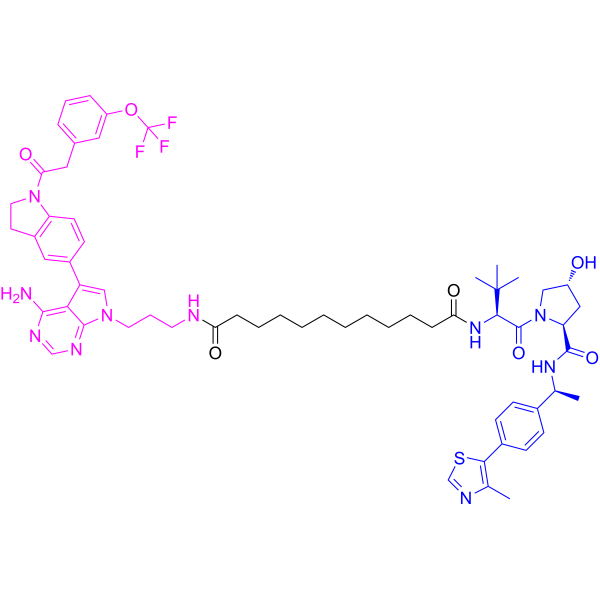
LD4172 is a selective RIPK1 PROTAC degrader with a Ki of 4.8 nM. LD4172 induces RIPK1 protein degradation via ternary complex formation with RIPK1 and VHL E3 ligase, driving ubiquitination and proteasomal breakdown. LD4172 abrogates TNF-induced classical NF-κB signaling in TRAF2-deficient cells, impairing IκBα phosphorylation and degradation, and reducing IL-8 production. LD4172 induces apoptosis and immunogenic cell death in tumor cells, enhances tumor-infiltrating lymphocyte responses, and sensitizes tumors to anti-PD1 therapy. LD4172 acts as a chemical probe for investigating RIPK1 scaffolding functions. LD4172 can be used for the research of melanoma, colon cancer.
-
(R)-(-)-Ibuprofen
 0 ImagesSynonyms: (R)-Ibuprofen
-
Actinomycin X2 (purity≥85%)
 0 ImagesSynonyms: Actinomycin V (purity≥85%)
-
Isosteviol
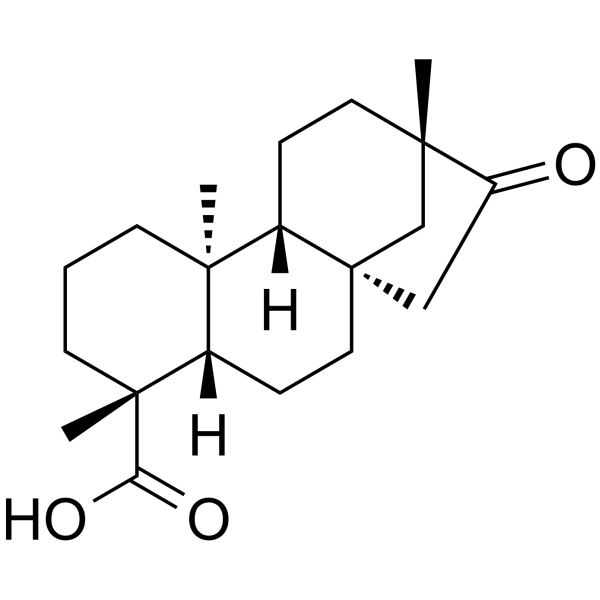 0 ImagesSynonyms: (-)-Isosteviol; iso-Steviol
Isosteviol ((-)-Isosteviol) is a derivative of Stevioside through acid catalyzed hydrolysis of Stevioside. Isosteviol inhibits DNA polymerase and DNA topoisomerase and has antibacterial, anticancer and anti-tuberculosis effects.
-
Oxfendazole
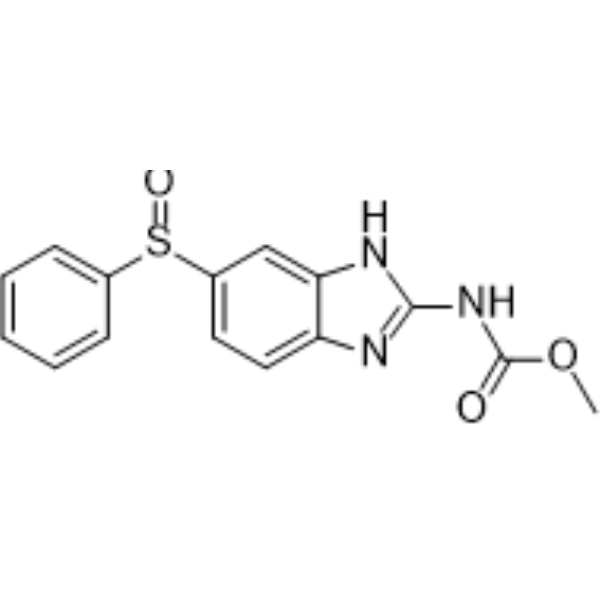 0 Images
Oxfendazole is a sulfoxide form of fenbendazole that is effective when taken orally. Oxfendazole fights parasites and has tumor-promoting activity.
-
Rotundic acid
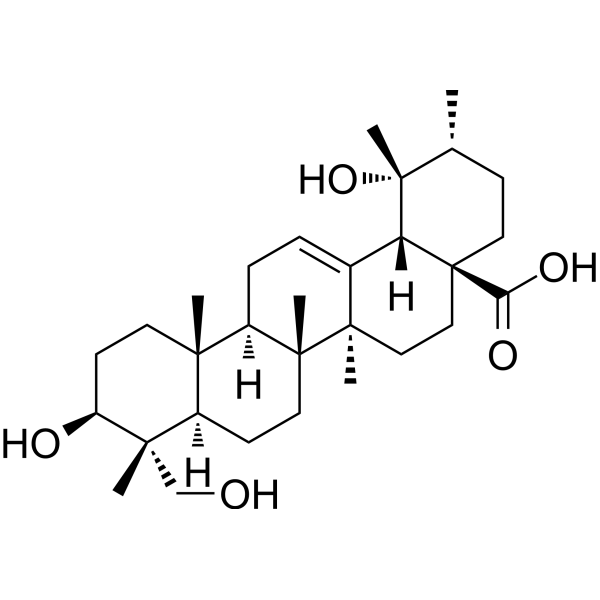 0 Images
Rotundic acid is an orally effective triterpenoid with a Kd value of 51.3 µM for PTP1B. Rotundic acid downregulates the AKT/mTOR pro-survival pathway and modulates the MAPK pathway. Rotundic acid induces cell cycle S-phase arrest, DNA damage and apoptosis; it inhibits migration, invasion, angiogenesis and proliferation of cancer cells. Rotundic acid improves leptin sensitivity, regulates gut microbiota and reduces cellular senescence. Rotundic acid can be used in research related to hepatocellular carcinoma, obesity, aging, acute lung injury and type 2 diabetes.
-
(-)-Epicatechin gallate (Standard)
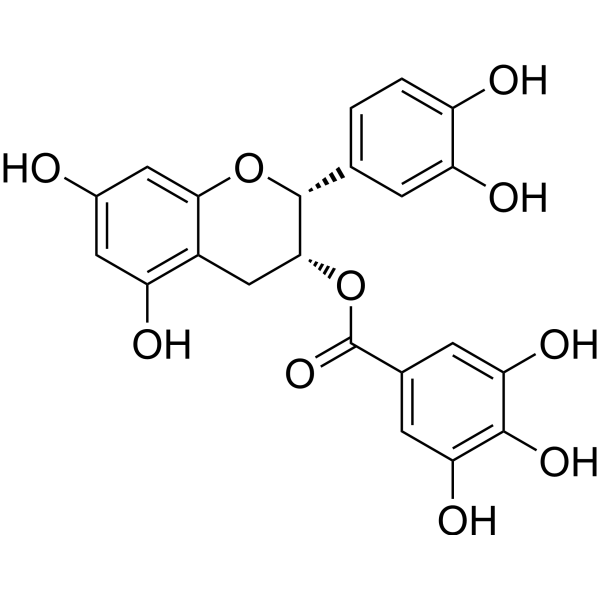 0 ImagesSynonyms: Epicatechin gallate(Standard); ECG(Standard); (-)-Epicatechin 3-O-gallate (Standard)
(-)-Epicatechin gallate (Standard) is the analytical standard of (-)-Epicatechin gallate. This product is intended for research and analytical applications. (-)-Epicatechin gallate (Epicatechin gallate) inhibits cyclooxygenase-1 (COX-1) with an IC50 of 7.5 μM. (-)-Epicatechin gallate is a GLUT1 and GLUT5 inhibitor. (-)-Epicatechin gallate decreases cell growth of GLUT5-expressing hxt0 yeast cells.
-
Ciprofloxacin (Standard)
 0 ImagesSynonyms: Bay-09867 (Standard)
Ciprofloxacin (Standard) is the analytical standard of Ciprofloxacin. This product is intended for research and analytical applications. Ciprofloxacin (Bay-09867) is an orally active, blood-brain barrier permeable fluoroquinolone antibacterial agent. Ciprofloxacin exerts bactericidal effects primarily by inhibiting topoisomerase II and IV. Ciprofloxacin inhibits the proliferation of human dental pulp stem cells and chondrocytes from young rats, and also activates the Akt signaling pathway and upregulates markers such as β-catenin and Nanog to maintain the morphological characteristics of stem cells. Ciprofloxacin induces significant neurotoxicity and tissue damage, including reducing serotonin and glutathione levels in the brain, inducing oxidative stress and depression-like behaviors, and causing articular cartilage damage. Ciprofloxacin can be applied to research related to infections of necrotic young permanent teeth and neurotoxicity.
-
N-Arachidonoyl-L-alanine
 0 ImagesSynonyms: NALA
N-Arachidonoyl-L-alanine is an endocannabinoid analog with anti-cancer effects. N- Arachidonoyl-L-alanine kills HNSCC cells through 5-LO-mediated ROS productio.



