Cancer Targeted Therapy
Cancer targeted therapy is the foundation of precision medicine; it uses drugs or other substances to target specific genes and proteins that control cancer cells’ growth, division and spreading. Compared to traditional chemotherapy drugs, targeted-drugs can specifically act on cancer cells with high efficacy without damaging normal cells. Drugs used in cancer targeted therapy mainly includes small molecules and macromolecules (e.g., monoclonal antibodies), which can target cancer cells and constituents in the tumor microenvironment to activate the immune system. Anti-angiogenesis drugs, such as those targeting vascular endothelial growth factor (VEGF), epidermal growth factor receptor (EGFR), transforming growth factor (TGF)-α, TGF-β, Tumor necrosis factor (TNF)-α, and platelet-derived endothelial growth factor (PDGFR) inhibit the proliferation and metastasis of cancer cells. In recent years, the proportion of antibody drugs in cancer treatment has gradually become prominent. Antibody-drug conjugates (ADCs) are a new type of targeted drugs that are composed of monoclonal antibody, cytotoxic drug and linker. ADCs can deliver drugs to tumor cells and minimize the toxicity to normal tissues. Proteolysis-targeting chimera (PROTAC) is a useful technology for targeted protein degradation. PROTAC exploits the ubiquitin-proteasome system and forms a ternary complex with a hijacked E3 ubiquitin ligase and target protein, leading to polyubiquitination and degradation of the target protein.
Targeted therapy is a useful strategy in treatment of cancer either alone or in combination with standard chemotherapy. At present, targeted therapy has proved significant clinical success in the treatment of many types of cancer, including breast cancer, colorectal cancer, leukemia, ovarian cancer and lung cancer.
-
RECQL5-IN-1
 0 Images
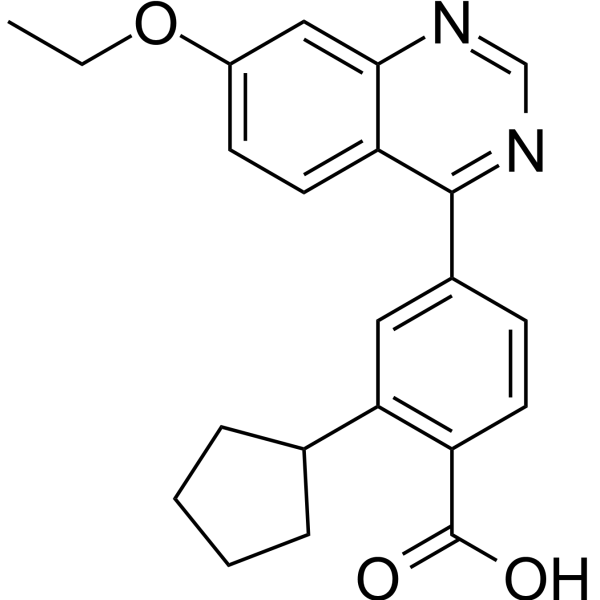
RECQL5-IN-1 (Compound 4a) acts as an orally effective RECQL5 inhibitor (targeting both enzymatic and nonenzymatic domain). RECQL5-IN-1 is a potent inhibitor of RECQL5 helicase activity (IC50=46.3 nM), stabilizes the interaction between RECQL5-RAD51 proteins, causes RAD51 aggregation and homologous recombination repair (HRR) inhibition, thereby exhibiting selective cytotoxicity in RECQL5-expressing cancer cells.

-
β-catenin-IN-2
 0 Images
β-catenin-IN-2 (Compound H1B1) is a potent β-catenin inhibitor. β-catenin-IN-2 can be used for the study of colorectal cancer.
-
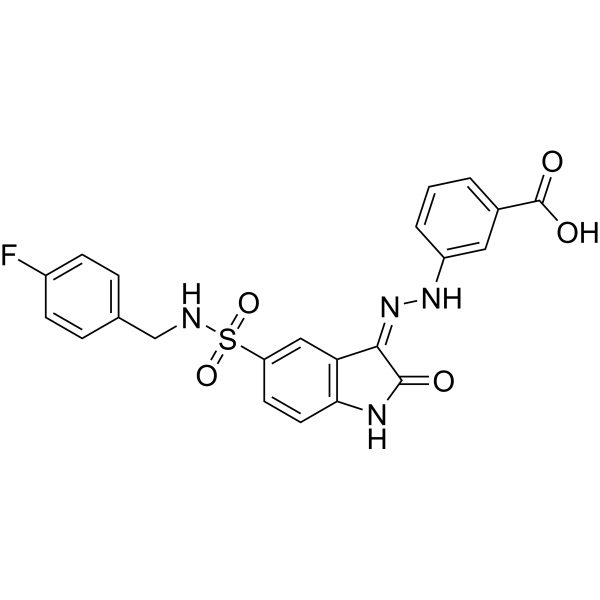
SPI-112
 0 Images
SPI-112 is a potent, selective and competitive SHP2 (PTPN11) inhibitor with IC50s of 1 μM, 18.3 μM and 14.5 μM for SHP2, protein tyrosine phosphatase (PTP) and PTP1B, respectively.
-
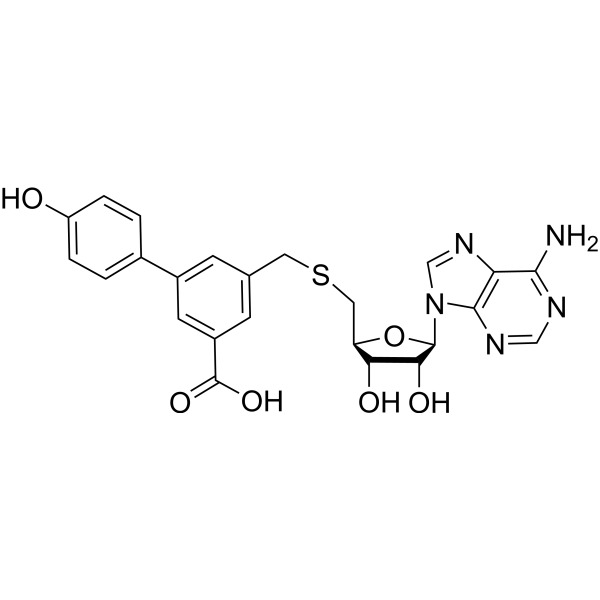
TCIP3
 0 ImagesSynonyms: KAT-TCIP
TCIP3 is a bivalent molecular glue degrader that binds dually to p300/CBP and BCL6. TCIP3 redirects p300 and CBP, thereby activating programmed cell death genes that are normally repressed by the oncogenic driver gene BCL6. TCIP3 induces acetylation of BCL6 and histone tails, inhibits c-MYC transcription. TCIP3 can be used for the research of diffuse large B-cell lymphoma (DLBCL).
-
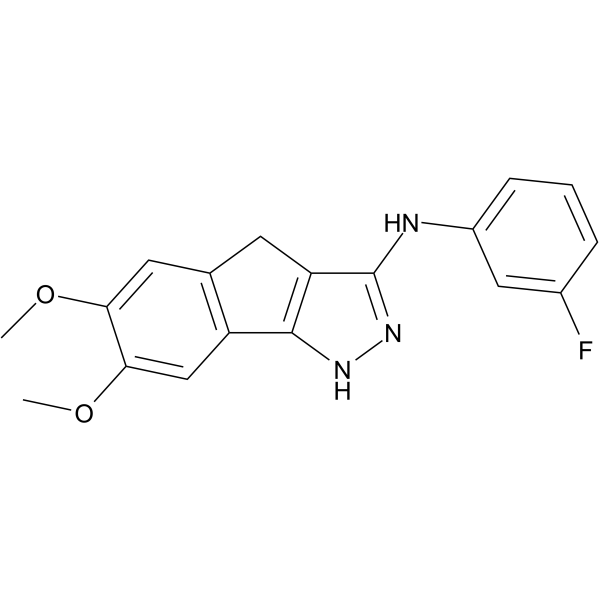
JNJ-10198409
 0 Images
JNJ-10198409 is a relatively selective, orally active, and ATP competitive PDGF-RTK (platelet-derived growth factor receptor tyrosine kinase) inhibitor (IC50=2 nM). It is a dual-mechanism, antiangiogenic, and tumor cell antiproliferative agent. JNJ-10198409 has good activity against PDGFR-β kinase (IC50=4.2 nM) and PDGFR-α kinase (IC50=45 nM).
-
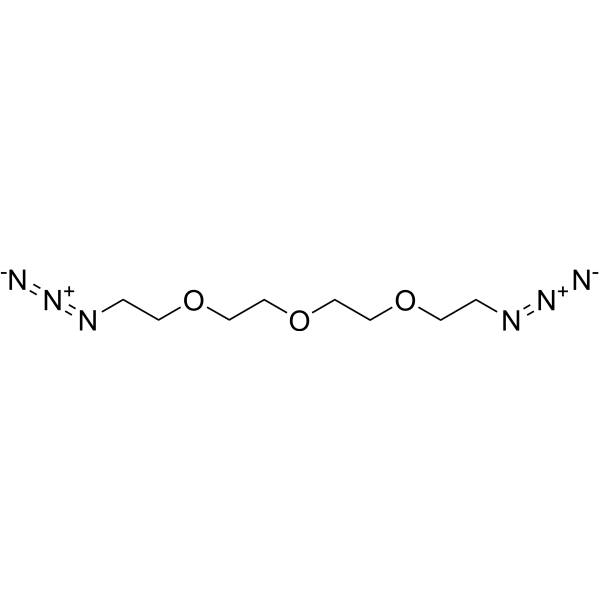
Azido-PEG3-azide
 0 Images
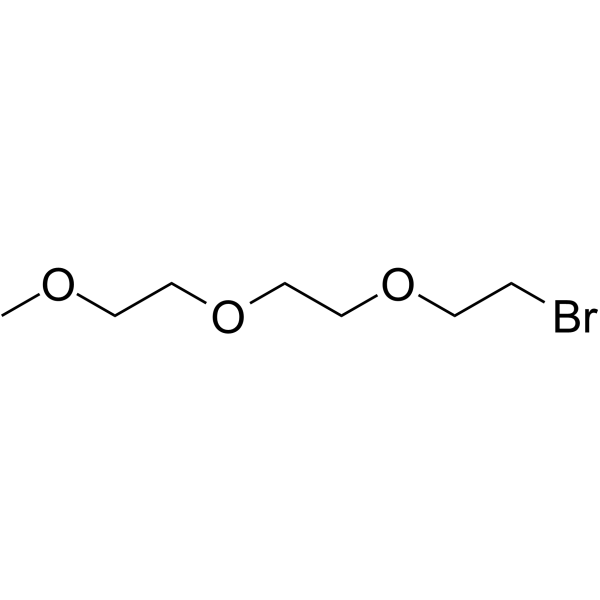
Azido-PEG3-azide is a PEG-based PROTAC linker that can be used in the synthesis of PROTACs. Azido-PEG3-azide is a click chemistry reagent, it contains an Azide group and can undergo copper-catalyzed azide-alkyne cycloaddition reaction (CuAAc) with molecules containing Alkyne groups. It can also undergo strain-promoted alkyne-azide cycloaddition (SPAAC) reactions with molecules containing DBCO or BCN groups.
-
(R)-Ketorolac
 0 ImagesSynonyms: (+)-Ketorolac
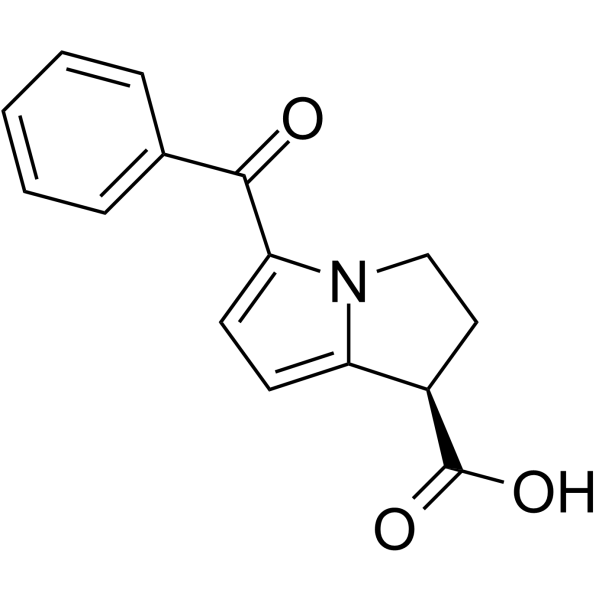
(R)-Ketorolac is an orally active Cdc42 and Rac1 inhibitor. (R)-Ketorolac inhibits GTPase. (R)-Ketorolac alters ovarian cancer cell behaviors critical for invasion and metastasis. (R)-Ketorolac ameliorates cancer-associated cachexia.
-
Aminoglutethimide
 0 Images
Aminoglutethimide (DL-Aminoglutethimide) is an orally active anticonvulsant with various endocrine-related side effects. Aminoglutethimide blocks multiple steroid hormone synthesis pathways by inhibiting several cytochrome P-450-dependent hydroxylases, such as aromatase, cholesterol side-chain cleavage enzyme, 11-hydroxylase, and 18-hydroxylase, with IC50 values of 0.3, 3.5, 120, and 20 μM, respectively. Aminoglutethimide reduces cortisol levels. Aminoglutethimide can be used in research on Cushing's syndrome, breast cancer, and other conditions.
-
Eupalinolide A
 0 Images
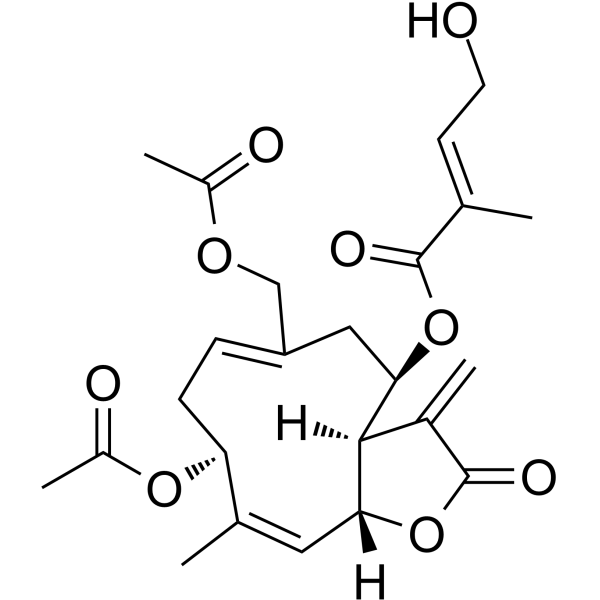
Eupalinolide A is a Yes-associated protein (YAP) degrader and HSP70 inducer. Eupalinolide A inhibits osteogenic differentiation of tendon-derived stem cells (TDSCs). Eupalinolide A induces autophagy in hepatocellular carcinoma cells via activating the ROS/ERK signaling pathway. Eupalinolide A protects PAM212 cells from UVB-, Menadione (HY-B0332)-, or heat shock-induced apoptosis. Eupalinolide A alleviates trauma-induced heterotopic ossification (HO) of Achilles tendon and inhibits growth of MHCC97-L and HCCLM3 hepatocellular carcinoma xenograft tumors in mice. Eupalinolide A can be used for the study of traumatic heterotopic ossification of tendons and hepatocellular carcinoma.
-
Pifusertib hydrochloride
 0 ImagesSynonyms: TAS-117 hydrochloride
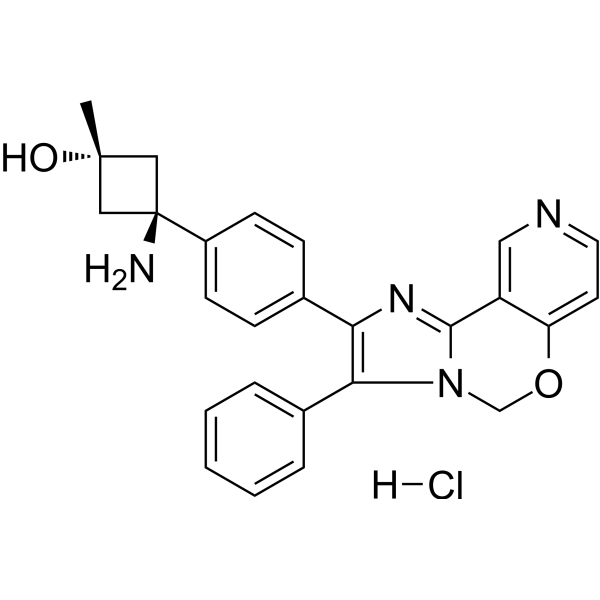
Pifusertib (TAS-117) hydrochloride is a potent, selective, orally active allosteric Akt inhibitor (with IC50s of 4.8, 1.6, and 44 nM for Akt1, 2, and 3, respectively). Pifusertib hydrochloride triggers anti-myeloma activities and enhances fatal endoplasmic reticulum (ER) stress induced by proteasome inhibition. Pifusertib hydrochloride induces apoptosis and autophagy.
-
Tabersonine
 0 Images
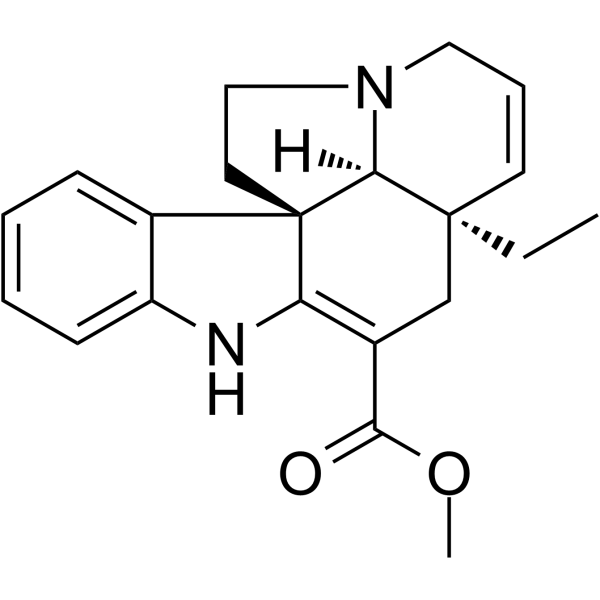
Tabersonine is a selective, orally active NLRP3 inhibitor. Tabersonine directly binds to the NACHT domain of NLRP3, inhibiting its ATPase activity and oligomerization, thereby blocking ASC spot formation and caspase-1 activation, and reducing the release of pro-inflammatory cytokines such as IL-1β. Tabersonine also inhibits K63-linked ubiquitination of TRAF6, blocking NF-κB, PI3K/Akt, and p38 MAPK signaling pathways. Tabersonine can inhibit inflammatory responses, induce apoptosis of liver cancer cells through mitochondrial pathways and death receptor pathways, reduce mitochondrial membrane potential, promote cytochrome c release, and activate caspase proteins. Tabersonine is mainly used in the study of NLRP3-driven inflammatory diseases (such as acute lung injury, sepsis, peritonitis) and tumors such as liver cancer.
-
Lunularin
 0 Images
Lunularin is an inhibitor of 11β-hydroxysteroid dehydrogenase 1, with an IC50 of 45.44 μM and a Ki of 35.8 μM against human 11β-HSD1, and an IC50 of 17.39 μM and a Ki of 10.31 μM against rat 11β-HSD1. Lunularin upregulates the transcription levels of Sirt1 and Hmox1 genes in the liver. Lunularin reduces food intake and body weight gain, and decreases blood glucose levels in mice fed a high-fat diet. Lunularin inhibits LPS-induced TLR4-mediated NF-κB pathway activation and nitric oxide production. Lunularin inhibits the proliferation and colony formation of renal cancer and colon cancer cells, and exhibits cancer cell-specific cytotoxicity. Lunularin binds to the steroid-binding site of human 11β-HSD1 and the steroid/NADPH-binding region of rat 11β-HSD1, but does not inhibit 11β-HSD2 or mouse 11β-HSD1. Lunularin can be used in research related to diet-induced obesity, renal cancer, colorectal cancer, inflammatory diseases and metabolic syndrome.
-
γ-Amanitin
 0 ImagesCat. No.: HY-131081CAS No.: 21150-23-2
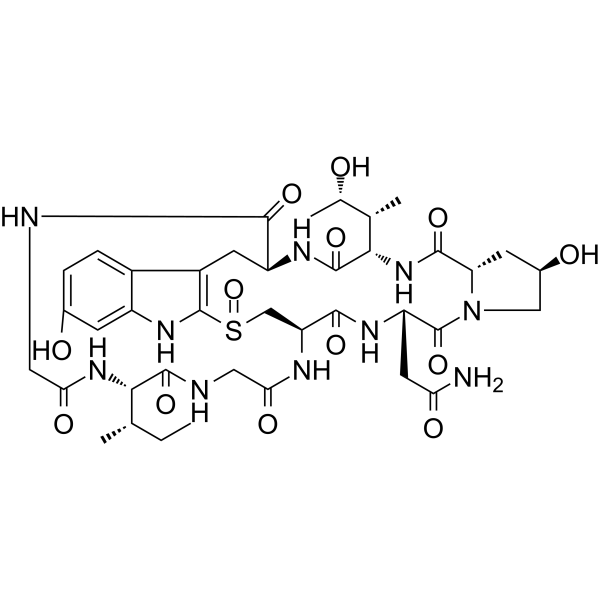
γ-Amanitin an ADC cytotoxin and isolated from the mushroom. γ-Amanitin inhibits RNA polymerase II and disrupts synthesis of mRNA. γ-Amanitin shows similar effects to α-Amanitin and β-Amanitin. γ-Amanitin competitively binds to monoclonal antibody (mAb), with an IC50 of 163.1 ng/mL. γ-Amanitin is toxic to a variety of cells.
-
INY-05-040
 0 Images
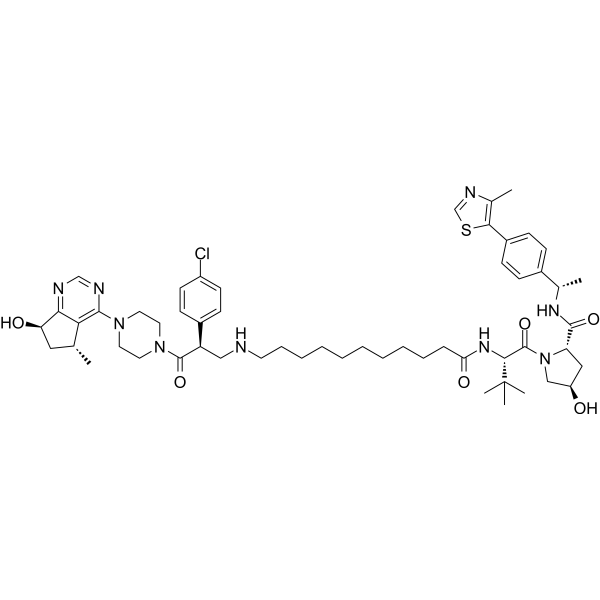
INY-05-040 is an AKT degrader that can selectively and quickly degrade all three AKT isoforms. INY-05-040 exhibits anti-cancer activity. INY-05-040 can inhibit downstream signaling and cell proliferation in 288 cancer cell lines. INY-05-040 can suppress AKT signaling and induces the stress mitogen-activated protein kinase (MAPK) c-Jun N-terminal kinase (JNK). INY-05-040 is effective for breast cancer lines with a low-baseline activation of stress MAPK pathway. INY-05-040 can be studied for anti-cancer research.
-
YX968
 0 Images
YX968 is a selective HDAC3/HDAC8 PROTAC dual degrader, with a DC50 value of 1.7 nM against HDAC3 and 6.1 nM against HDAC8. YX968 inhibits cancer cell growth, induces apoptosis, prevents global histone hyperacetylation, and exerts effects via antiproliferative activity. YX968 can be used in research related to triple-negative breast cancer, non-small cell lung cancer, and multiple myeloma.