Others
-
Others Related Products (76571)
Related Products (76571)

-
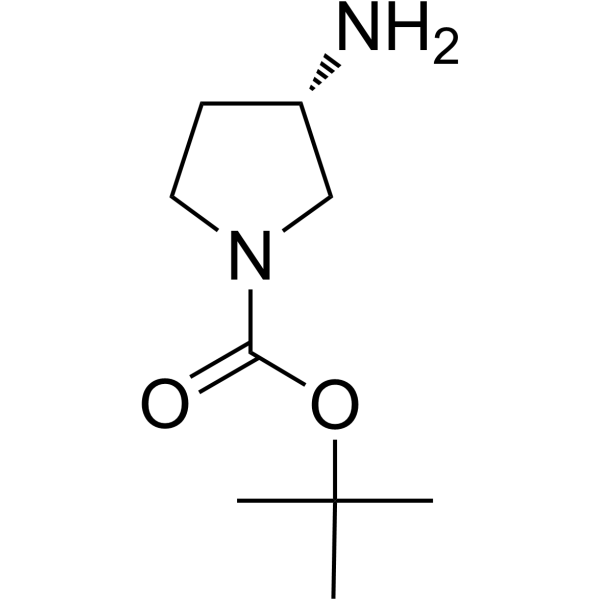
(S)-1-Boc-3-aminopyrrolidine
 0 Images
(S)-1-Boc-3-aminopyrrolidine is a chiral protected amine reagent as well as a synthetic precursor.
-
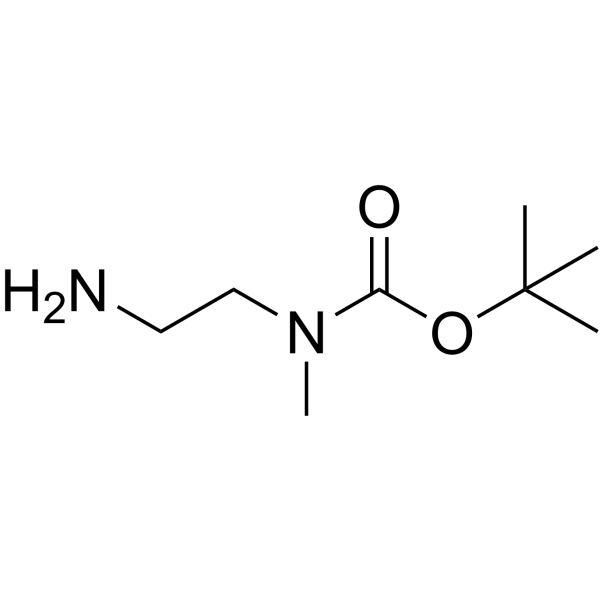
N-Boc-N-methylethylenediamine
 0 Images
tert-Butyl (2-aminoethyl)(methyl)carbamate is a biochemical reagent that can be used as a biological material or organic compound for life science related research.
-
5-DTAF
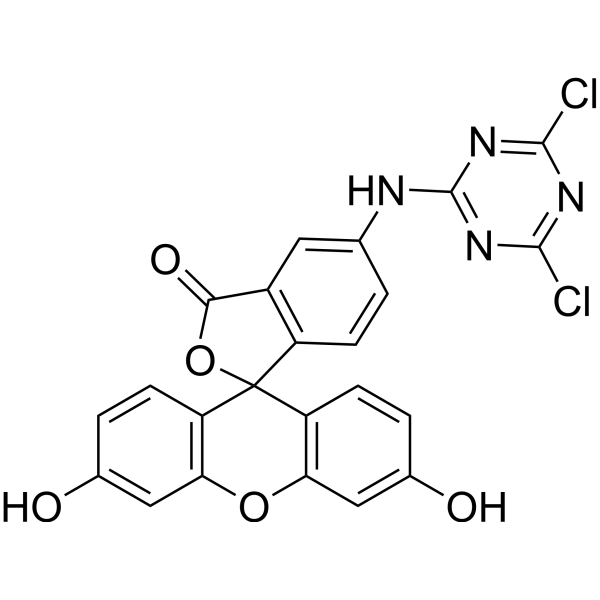 0 ImagesCat. No.: HY-D1082CAS No.: 51306-35-5
5-DTAF is a fluorescein dye that directly react with polysaccharides and other alcohols in aqueous solution at pH >9. The maximum of the 5-DTAF emission profile is at a wavelength of 518 nm after excitation at 488 nm. 5-DTAF can be used for biomolecular labeling, protein detection, and cell imaging.
-
ER Tracker Yellow
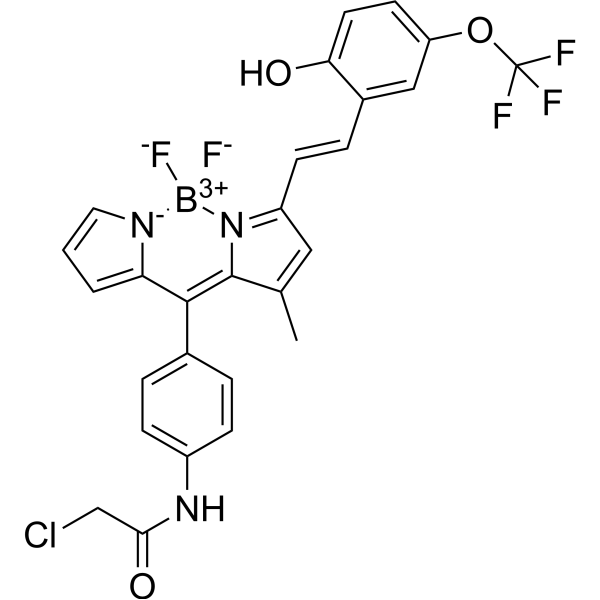 0 ImagesCat. No.: HY-D1422CAS No.: 1445108-32-6Synonyms: BDNCA-346
ER Tracker Yellow (BDNCA-346) is a Fluorescent probe for targeted visualization of temperature at the endoplasmic reticulum. Its detection mechanism depends on temperature, with fluorescence intensity decreasing at higher temperatures due to preferential non-radiative processes; this intensity reversibly returns to baseline when cooled, provided the probe does not precipitate or degrade. It localizes specifically to the endoplasmic reticulum, where it may covalently attach to biomacromolecules via a thiol-reactive moiety, and its fluorescence remains stable after cell fixation; its fluorescence intensity is unaffected by physiological pH ranges of 5.0–8.0 and free Ca²⁺ concentrations of 0–800 μM. Its excitation/emission wavelength is Ex/Em = 559/581 nm[1].
-
Cyanine7 DBCO
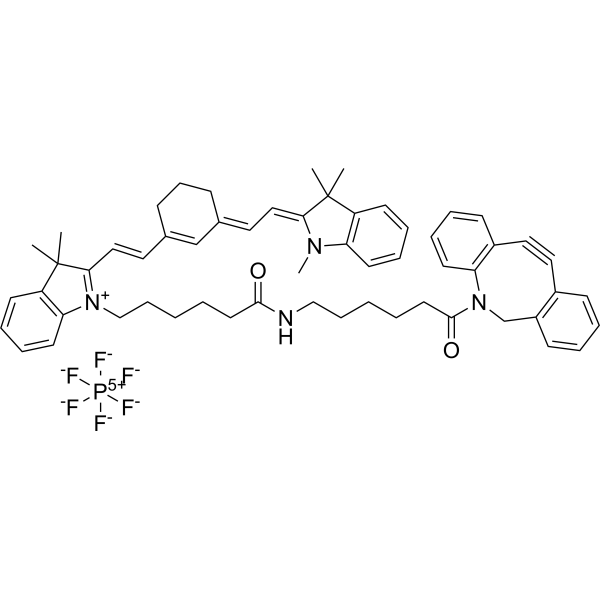 0 ImagesCat. No.: HY-D1555CAS No.: 2692677-77-1Synonyms: Cy7 DBCO
Cyanine7 DBCO (Cy7 DBCO) is a near-infrared fluorescent dye and an efficient bio-orthogonal quencher. Cyanine7 DBCO is formed by covalent connection of the near-infrared fluorescent dye Cy7 and the dibenzocyclooctyne (DBCO) functional group. After reacting with N3-Cy5-COOH, the fluorescence of Cy5 decreases by 90% within 90 minutes, and rapid signal attenuation can be observed within 2-5 minutes. Cyanine7 DBCO can be used for the study of deep tissue imaging and receptor-targeted therapeutic strategies.
-
EDTA-AM
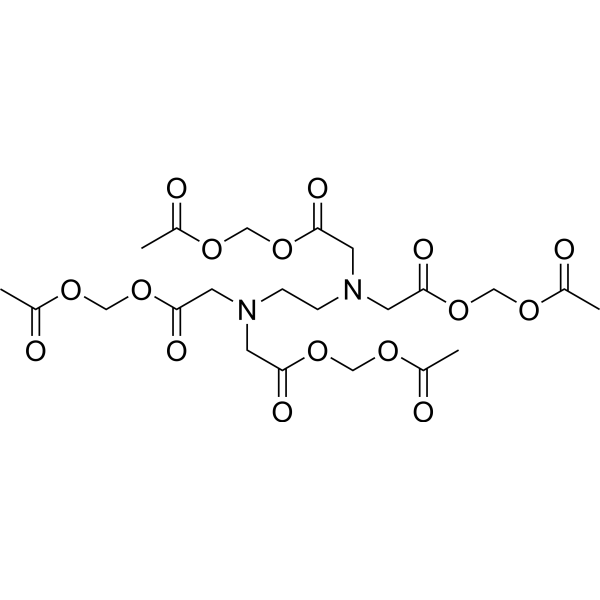 0 ImagesSynonyms: EDTA acetoxymethyl ester; Ethylenediaminetetraacetic acid acetoxymethyl ester
EDTA-AM (ethylenediaminetetraacetic acid, acetoxymethyl ester) is the membrane-permeant form of the metal chelator EDTA (HY-Y0682). Live cells passively load EDTA-AM by incubating with EDTA-AM. Once internalized, cytoplasmic esterase decomposes AM esters, releasing the active ligand EDTA, which isolates metal ions within the cell. EDTA-AM induces an arrest of mitotic progression and chromosome decondensation.
-
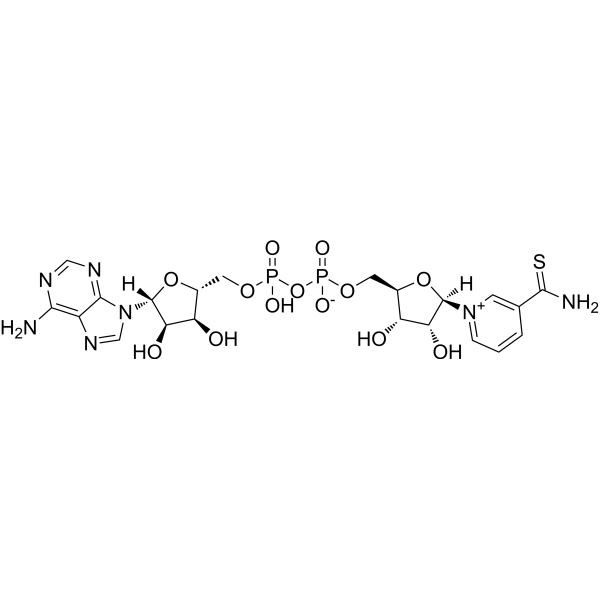
Thionicotinamide adenine dinucleotide
 0 Images
Thionicotinamide adenine dinucleotide (Thio-NAD) is a thione-modified analog of the coenzyme nicotinamide adenine dinucleotide (NAD+). Thionicotinamide adenine dinucleotide can replace NAD+ in enzymatic reactions and shift the absorption peak to 405 nM, enabling sensitive, real-time kinetic detection of enzyme activity, which is particularly suitable for high-sensitivity diagnostic cyclic detection systems.
-
Polysucrose 400
 0 ImagesCat. No.: HY-131960CAS No.: 26873-85-8
Polysucrose 400 is a synthetic polymer of sucrose, can be used for cells and organelles isolation.
-
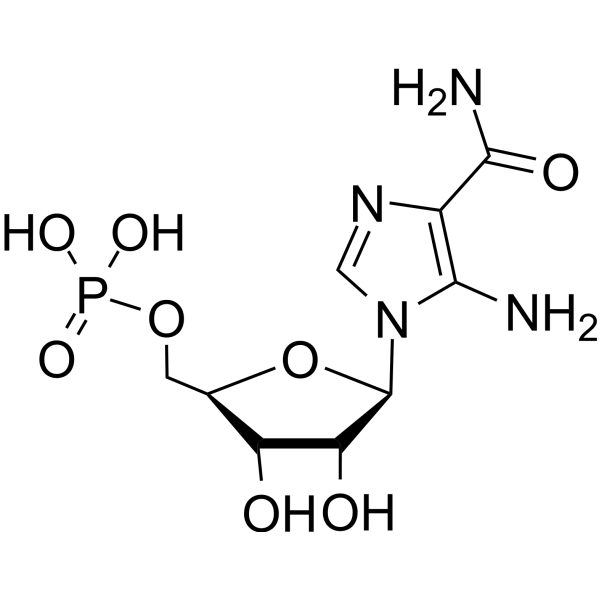
AICA-riboside, 5′-phosphate
 0 Images
AICA-riboside, 5′-phosphate is AICA riboside with a phosphate group. The functions of AICA riboside include: 1) conversion into AMP mimetic to selectively activate AMPK; 2) competition with adenosine for the uptake of nucleoside transporters, reversible blocking of adenosine reuptake, increasing extracellular adenosine concentration, and indirectly activating adenosine A1 receptors. AICA riboside is involved in metabolic regulation (promoting catabolism and inhibiting anabolism) and adenosine-dependent neuroprotection (inhibiting excitatory synaptic transmission). AICA riboside can be used in the study of metabolic diseases (such as diabetes and obesity) and neurological diseases (such as ischemia and epilepsy), and has central nervous system protective activity.
-
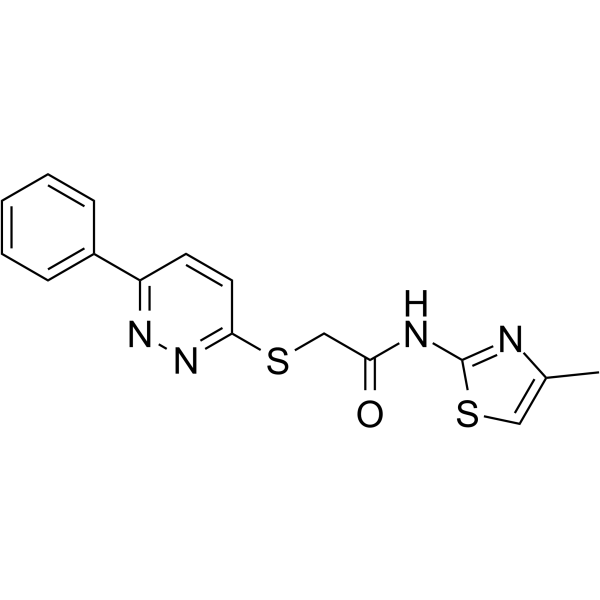
VU 0240551
 0 Images
VU 0240551 is a potent neuronal K-Cl cotransporter KCC2 inhibitor (IC50=560 nM) and is selective versus NKCC1. VU 0240551 also inhibits hERG and L-type Ca2+ channels. VU 0240551 attenuates GABA-induced hyperpolarization of P cells, produces a positive shift in the P cell GABA reversal potential and enhances P cell synaptic transmission.
-
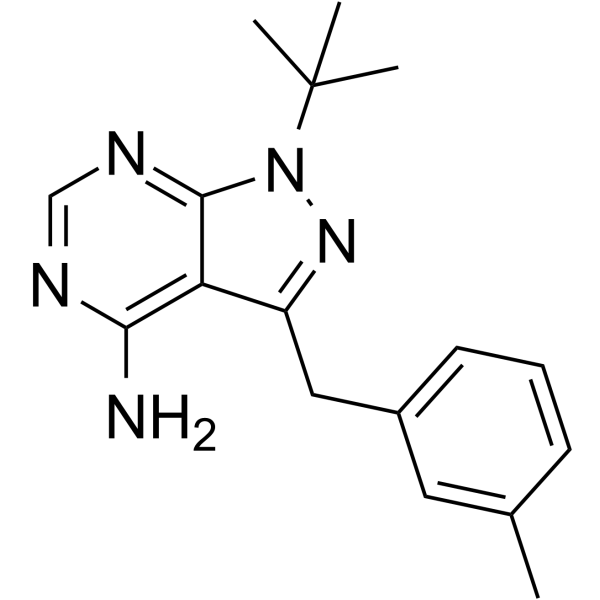
3MB-PP1
 0 Images
3MB-PP1, a bulky purine analog, is a Polo-like kinase 1 (Plk1) inhibitor. 3MB-PP1 blocks mitotic progression and cell division arise through target Plk1 in in cells expressing analog-sensitive Plk1 alleles. 3MB-PP1 specifically inhibits the activity of analog-sensitive Ssn3 (Cdk8). 3MB-PP1 inhibits Leu93 Mutant Zipper-interacting protein kinase (Leu93-ZIPK; IC50=2 μM). 3MB-PP1 can be used for the research of hypha formation of Candida albicans and cell division.
-
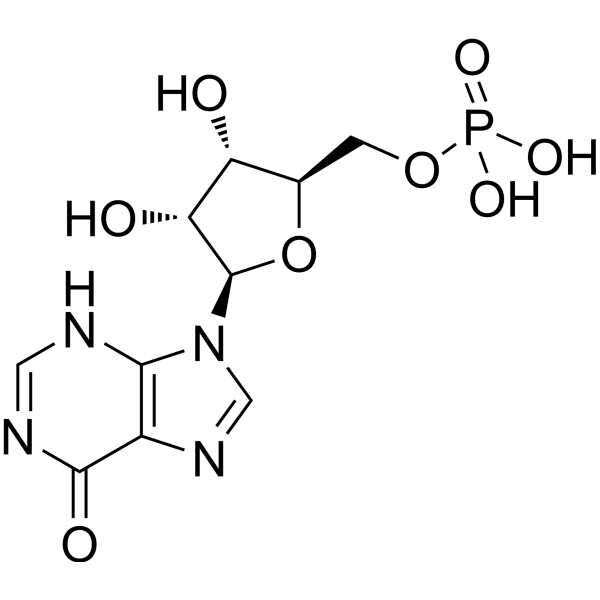
Inosinic acid (Standard)
 0 ImagesSynonyms: 5'-IMP (Standard); IMP (Standard); Inosine 5'-dihydrogen phosphate (Standard)
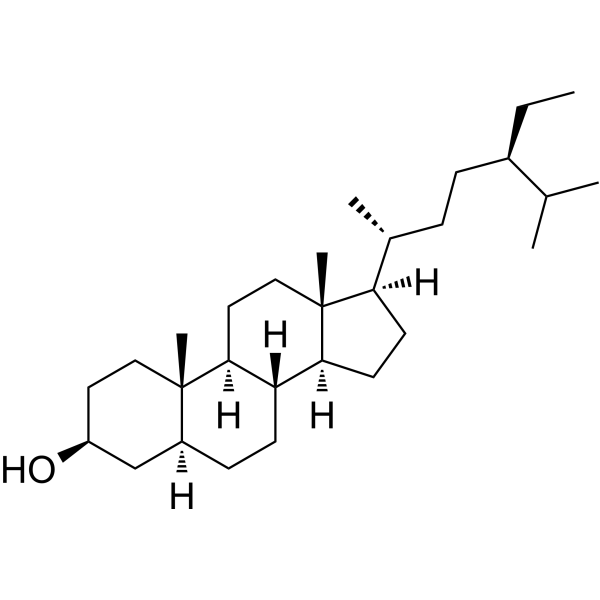
Inosinic acid (Standard) is the analytical standard of Inosinic acid. This product is intended for research and analytical applications. Inosinic acid is an endogenous metabolite. Inosinic acid is an endogenous metabolite. Inosinic acid is used as umami tastant, or as the dietary supplement to improve the yield and meat quality of pigs.
-
DEPMPO
 0 Images
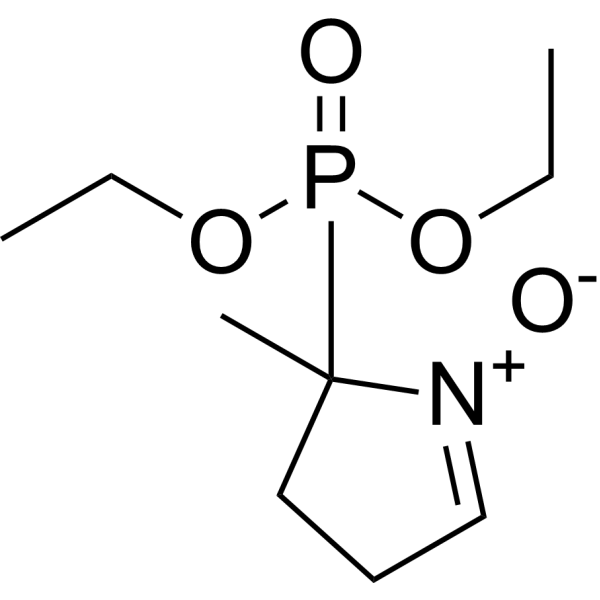
DEPMPO is a phosphorus-substituted nitrone spin trap probe that can capture superoxide anions and hydroxyl radicals. DEPMPO forms stable spin adducts with hydroxyl, aryl, sulfite and superoxide radicals, and the formation of these adducts can be inhibited by catalase or superoxide dismutase. DEPMPO is rapidly absorbed after intraperitoneal injection and distributes uniformly in the liver, heart and blood of mice. DEPMPO can be used in studies related to oxygen radical detection.
-
FH1
 0 Images
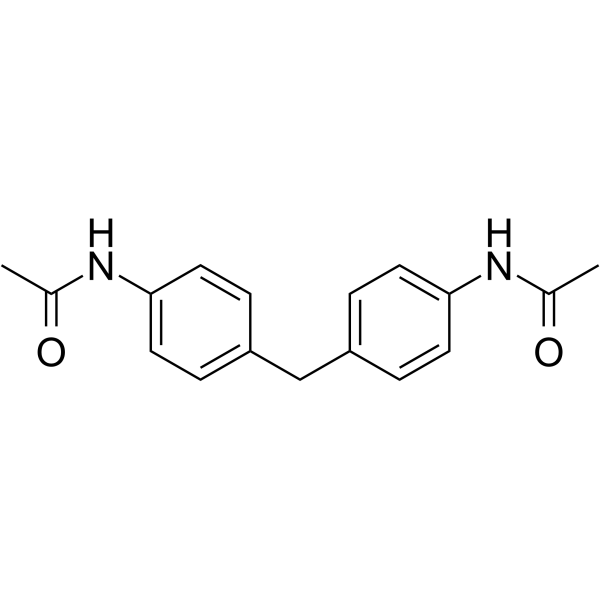
FH1 (NSC 12407) is a NQO2 inhibitor with hepatoprotective effects. FH1 enhances hepatocyte function and promotes differentiation of induced pluripotent stem (iPS)-derived hepatocytes to a more mature phenotype and maturation of well-differentiated hepatocyte-like cell (iHeps) cultures. FH1 protects against Acetaminophen (HY-66005)-induced hepatotoxicity in both embryos and adult zebrafish.