



TH287 hydrochloride
Based on 3 publication(s) in Google Scholar
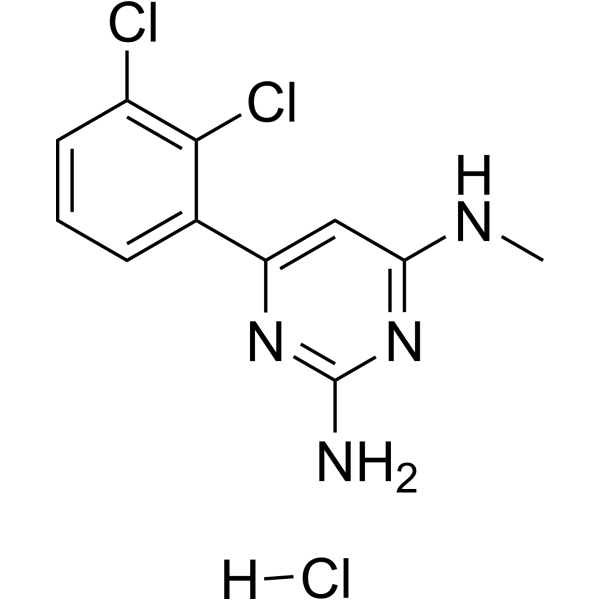
TH287 hydrochloride is a potent and selective inhibitor of MTH1, with an IC50 of 0.8 nM. TH287 hydrochloride is highly selective towards MTH1, with no relevant inhibition of MTH2, NUDT5, NUDT12, NUDT14, NUDT16, dCTPase, dUTPase and ITPA at 100 μM. TH287 hydrochloride could act as a chemotherapeutic agent for cancer research.
商品は「研究用試薬」です。人や動物の医療用・臨床診断用・食品用の製品ではありません。
研究用途以外に使用した場合、当社は一切の責任を負いかねます。
- CAS 番号: 1638211-05-8
- 分子式: C11H11Cl3N4
- 分子量:305.59
-
保管条件:
Please store the product under the recommended conditions in the Certificate of Analysis.

To place orders, for customer services and technical support, please contact: MedChemExpress USA
Tel: 609-228-6898 E-mail: [email protected] [email protected]


-
 生物活性
生物活性
-
化学情報
- 純度とドキュメンテーション
- 参考文献
-
 Help & FAQs


-
HY-12814
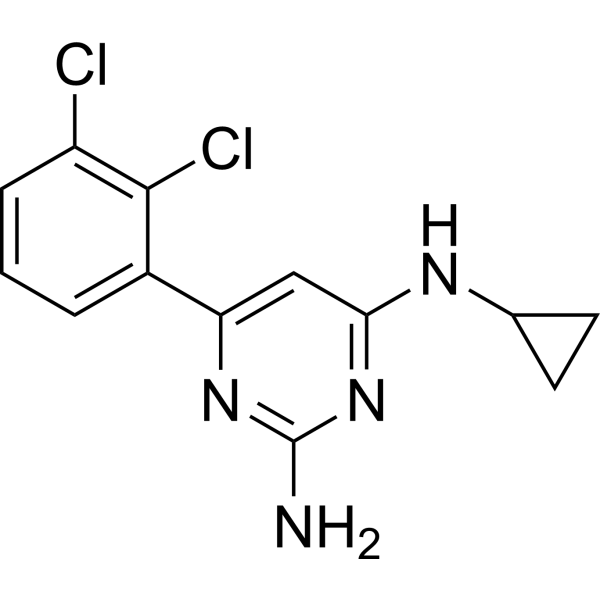
TH588MTH1 (NUDT1) Inhibitor -
HY-16965
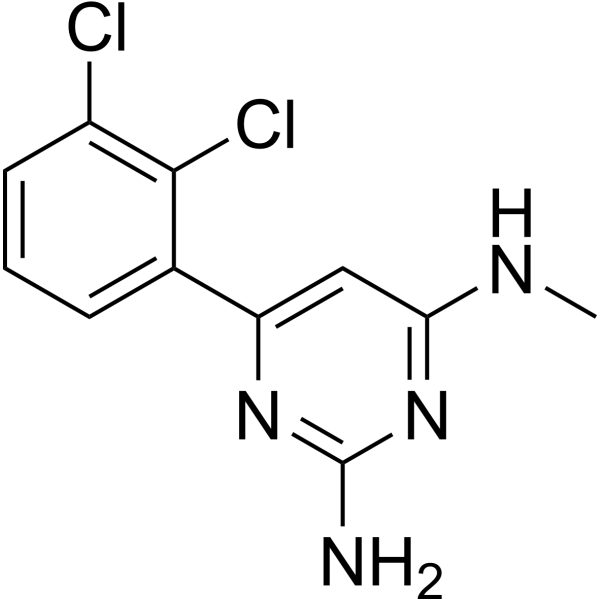
TH287MTH1 Inhibitor -
HY-13323
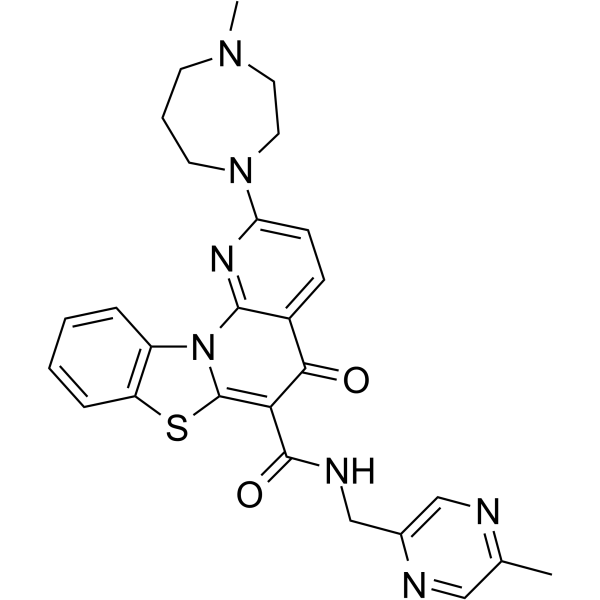
CX-5461RNA Polymerase I Inhibitor -

HY-12814R
TH588 (Standard)MTH1 (NUDT1) Inhibitor -
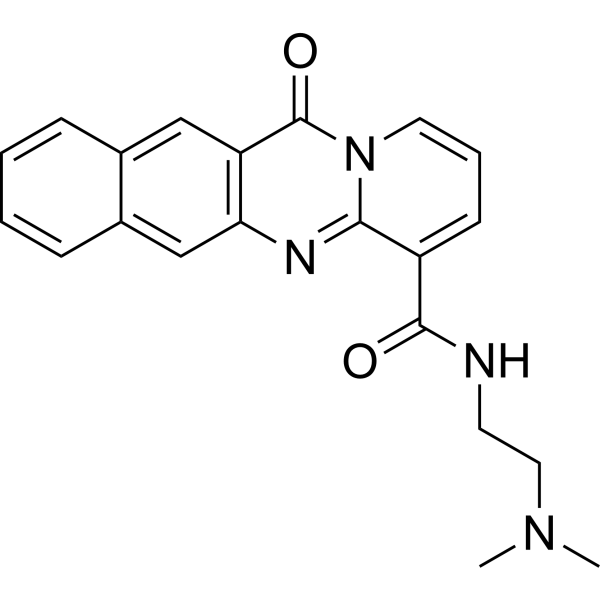
HY-12484
BMH-21DNA Intercalator/Pol I Elongation Inhibitor -
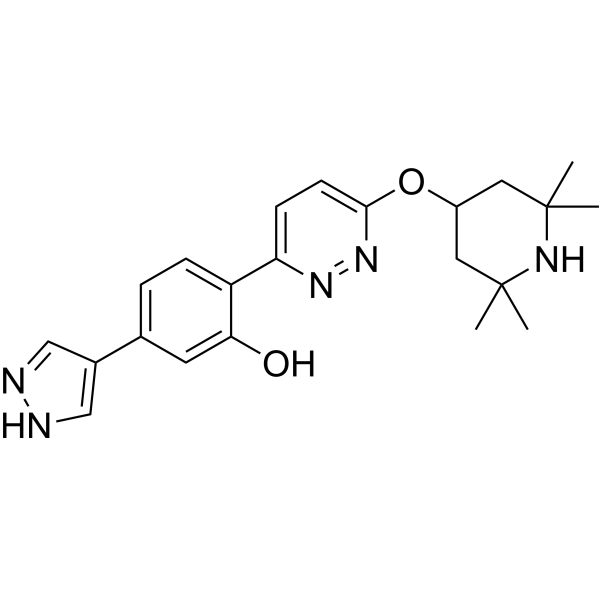
HY-19620
BranaplamSMN2 Splicing Modulator -
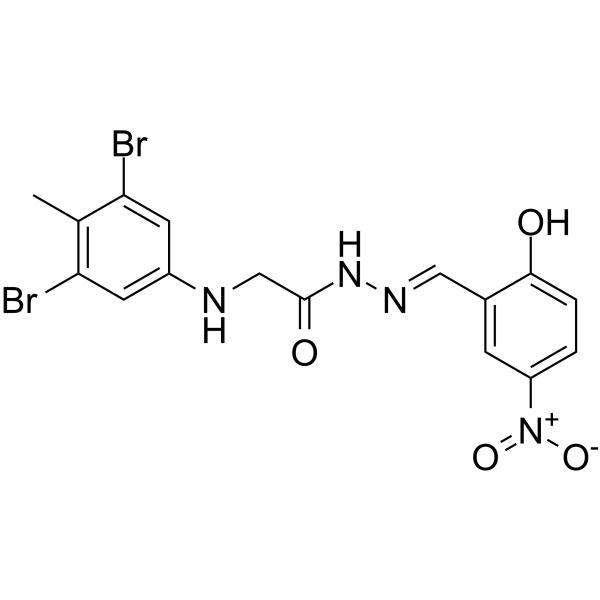
HY-15586
L67DNA Ligase Inhibitor -
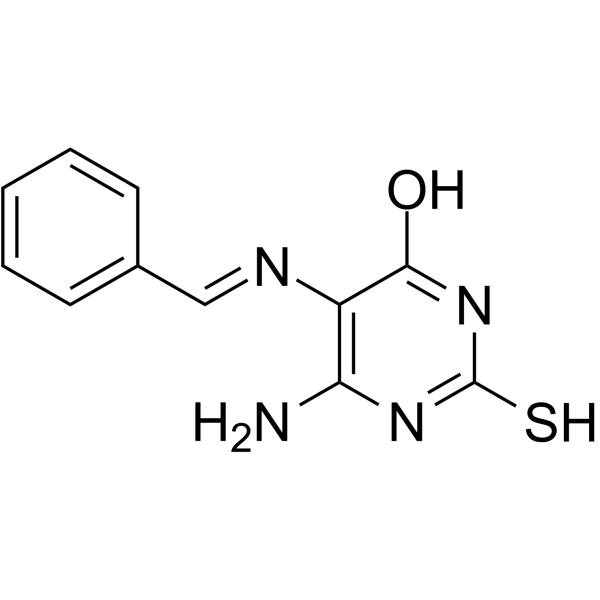
HY-15588
L189DNA Ligase Inhibitor -
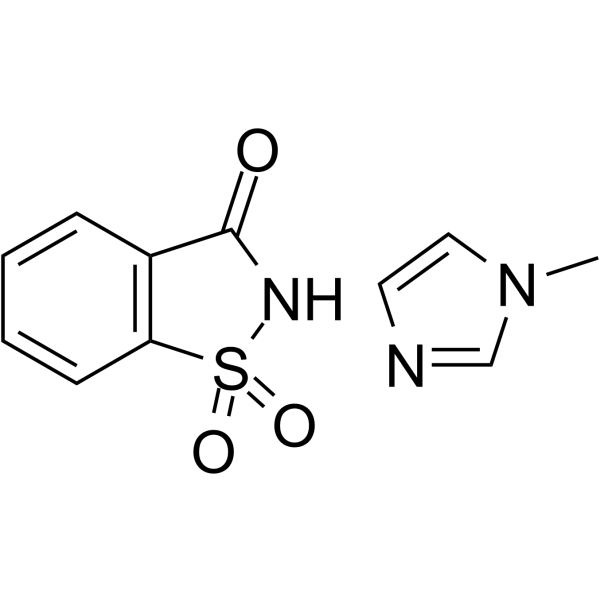
HY-112060
Saccharin 1-methylimidazoleDNA/RNA Synthesis Activator -
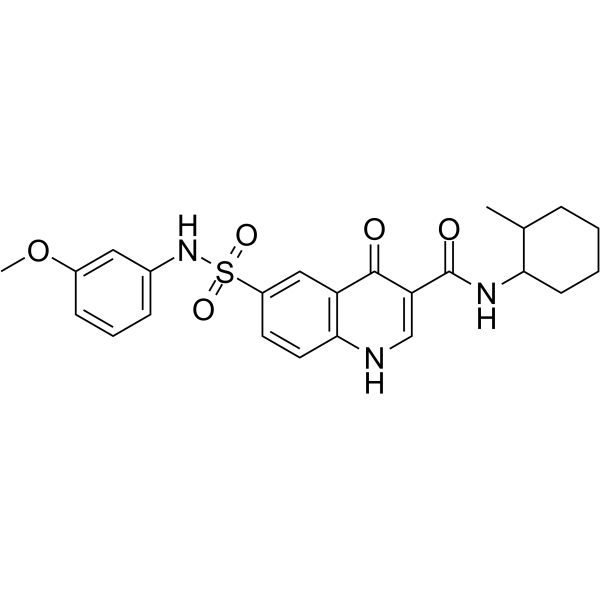
HY-135967
MTH1-IN-2MTH1 Inhibitor -
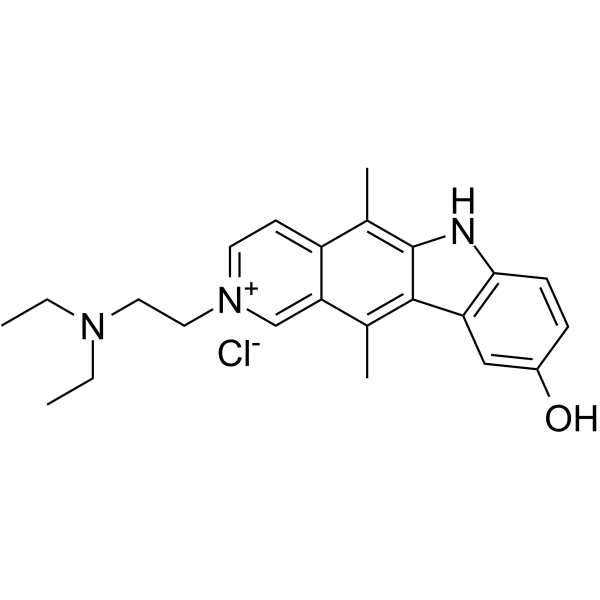
HY-U00337
Datelliptium chloride -

HY-13323R
CX-5461 (Standard)Reference Standard
MedChemExpress(MCE)の使用を引用している文献 TH287 hydrochloride
MoreDNA/RNA Synthesis アイソフォーム固有の製品をすべて表示
More

生物活性
製品説明
IC50 & Target
IC50: 0.8 nM (MTH1)[1]
体外実験
体内実験
MedChemExpress (MCE) has not independently confirmed the accuracy of these methods. They are for reference only.


化学情報
-
CAS 番号 1638211-05-8
-
分子量 305.59
-
分子式 C11H11Cl3N4
-
SMILES
NC1=NC(C2=CC=CC(Cl)=C2Cl)=CC(NC)=N1.[H]Cl
-
輸送条件
Room temperature in continental US; may vary elsewhere.
-
保管条件
Please store the product under the recommended conditions in the Certificate of Analysis.


Publications (3)
-
Journal Impact Factor
-
Most Recent
-
Sci Adv
A genetic screen for modifiers of cohesin clustering identifies regulators of genome folding. [Abstract]2026 Jan 30;12(5):eadx5130. PMID: 41616049 -
Acta Biomater
Delivery of MutT homolog 1 inhibitor by functionalized graphene oxide nanoparticles for enhanced chemo-photodynamic therapy triggers cell death in osteosarcoma. [Abstract]2020 Jun;109:229-243. PMID: 32294550 -
J Mol Med (Berl)
2019 Aug;97(8):1183-1193. PMID: 31201471


純度とドキュメンテーション
参考文献
[1]. Gad H, et al. MTH1 inhibition eradicates cancer by preventing sanitation of the dNTP pool. Nature. 2014 Apr 10;508(7495):215-21. [Content Brief]
[2]. Saleh A, et, al. Development and validation of method for TH588 and TH287, potent MTH1 inhibitors and new anti-cancer agents, for pharmacokinetic studies in mice plasma. J Pharm Biomed Anal. 2015 Feb;104:1-11. [Content Brief]

Calculators
濃度 (開始) × 体積 (開始) = 濃度 (終了) × 体積 (終了)


TH287 hydrochloride 関連分類
HY-16965A 関連分類
 Powered by Bioz