



AMPK
AMP-activated protein kinase
AMPK (AMP-activated protein kinase) is an enzyme that plays a role in cellular energy homeostasis. It consists of three proteins (subunits) that together make a functional enzyme. The net effect of AMPK activation is stimulation of hepatic fatty acid oxidation andketogenesis, inhibition of cholesterol synthesis, lipogenesis, and triglyceride synthesis, inhibition of adipocyte lipolysis and lipogenesis, stimulation of skeletal muscle fatty acid oxidation and muscle glucose uptake by pancreatic beta-cells. AMPK acts as a metabolic master switch regulating several intracellular systems including the cellular uptake of glucose, the β-oxidation of fatty acids and the biogenesis of glucose transporter 4 (GLUT4) and mitochondria.
AMPK Isoform Specific Products
-
NUAK1
(10)
View all products
-
NUAK2
(5)
View all products
-
AMPK
(341)
View all products
-
AMPK α1β1γ1
(12)
View all products
-
AMPK α2β1γ1
(8)
View all products
-
AMPK α1β2γ1
(5)
View all products
-
AMPK α2β2γ1
(6)
View all products
-
BRSK1
(1)
View all products
-
BRSK2
(1)
View all products
-
HUNK
(1)
View all products
-
AMPKα
(2)
View all products
All Product Categories
-
AMPK Inhibitors
(73)
View all products
-
AMPK Agonists
(16)
View all products
-
AMPK Antagonists
(2)
View all products
-
AMPK Activators
(318)
View all products
-
AMPK Modulators
(5)
View all products
-
AMPK Inducers
(4)
View all products
-
AMPK Substrate
(1)
View all products
-
AMPK Proteins
(7)
View all products
-
AMPK Related Products (470)
Related Products (470)

-
Recombinant Proteins (7)
-
Antibodies (17)
-
AMPK Isoform Comparison
-
Bisdemethoxycurcumin
 0 ImagesCat. No.: HY-N2942CAS No.: 52328-96-8Bisdemethoxycurcumin is an orally effective curcuminoid. Bisdemethoxycurcumin downregulates pro-inflammatory cytokines in macrophages by inhibiting the phosphorylation of PI3K/Akt and p38 MAPK. Bisdemethoxycurcumin relieves autophagy inhibition and promotes lipophagy to clear vascular smooth muscle foam cells by inhibiting the PDK1/Akt/mTOR pathway. Bisdemethoxycurcumin activates the cAMP/Epac/AMPKα axis and the NRF2/HO-1 antioxidant axis, thereby indirectly inhibiting the phosphorylation of NF-κB p65 and pro-inflammatory outputs such as IL-1β/IL-6/TNF-α, so as to alleviate pulmonary oxidative stress, inflammatory infiltration and pulmonary edema. Bisdemethoxycurcumin blocks NLRP3-mediated pyroptosis and protects cartilage extracellular matrix degradation by activating NRF2/HO-1. Bisdemethoxycurcumin also exerts a synergistic effect with potassium iodide against Candida.
-
AMPK activator 18
 0 ImagesCat. No.: HY-115549CAS No.: 1364692-88-5AMPK activator 18 is a potent allosteric activator of AMPK complexes containing the β2 isoform. AMPK activator 18activates α2-containing AMPK α2β2γ1 and α2β2γ3 complexes, with EC50 values of 17.2 and 82.1 nM. AMPK activator 18 stimulates β2-AMPK in cells, and glucose uptake by isolated skeletal muscle. AMPK activator 18 induces acetyl-coenzyme A carboxylase (ACC) and AMPK α-T172 phosphorylation. AMPK activator 18 can be used for the research of type 2 diabetes.
-
AMPK activator 7
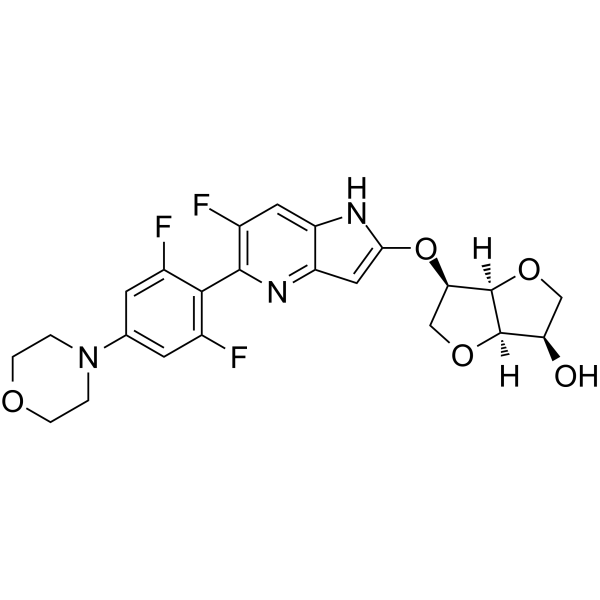 0 ImagesCat. No.: HY-147037CAS No.: 1623138-03-3AMPK activator 7 (compound I-3-24) is a an AMPK activator with the EC50 of 8.8 nM. AMPK activator 7 can be used for the research of diseases involving AMPK, particularly diseases such as type 2 diabetes, hyperglycemia, metabolic syndrome, obesity, hypercholesterolemia and/or hypertension.
-
D-Arabinose-13C-3
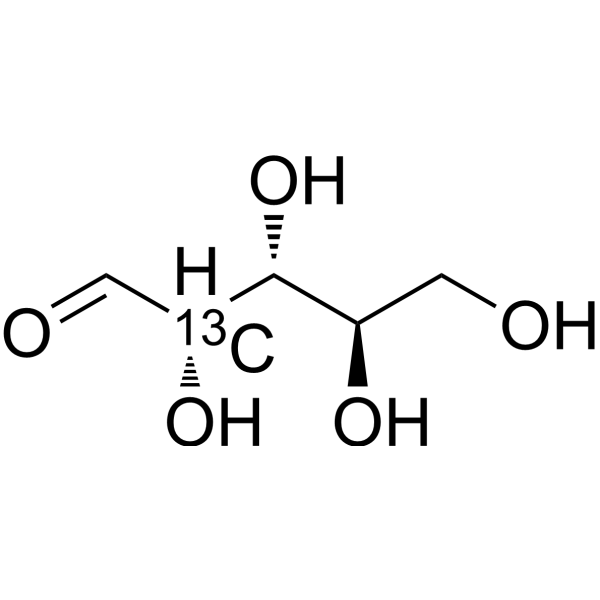 0 ImagesCat. No.: HY-N0059S3CAS No.: 101615-87-6D-Arabinose-13C-3 is the 13C-labeled D-Arabinose (HY-N0059). D-Arabinose is is an orally active antidepressant and a growth inhibitor of C. elegans (IC50 is 7.5 mM). D-Arabinose can penetrate the blood-brain barrier, selectively interfere with the metabolism of D-ribose and D-fructose, and inhibit the growth of nematodes. D-Arabinose can also inhibit the synthesis of cell biofilm and exert antibacterial activity. D-Arabinose activates the ACSS2-PPARγ/TFEB-CRTC1 axis through the lysosomal AXIN-LKB1-AMPK pathway, inducing CRTC1 transcription, exerts antidepressant-like activity. D-Arabinose is the ring-opened form of the aldopentose D-Arabinose (HY-N7082).
-
Alginate oligosaccharides
 0 ImagesCat. No.: HY-N20693Synonyms: AOSAlginate oligosaccharides (AOS) are orally effective linear oligosaccharides with anti-inflammatory, antioxidant and antimicrobial activities. Alginate oligosaccharides inhibit the activation of NLRP3 inflammasome and NF-κB, promote nuclear translocation of Nrf2 and phosphorylation of AMPK, and reduce the enhanced functional level of TRPV1. Alginate oligosaccharides improve oxidative stress, ROS production, mitochondrial bioenergetic dysfunction and gait impairment. Alginate oligosaccharides inhibit the release of neuropeptides; alter the structure and viscoelasticity of mucin matrix; disrupt bacterial and fungal biofilms; regulate gut microbiota; and exert anti-apoptotic effects.
-
AMPK activator 11
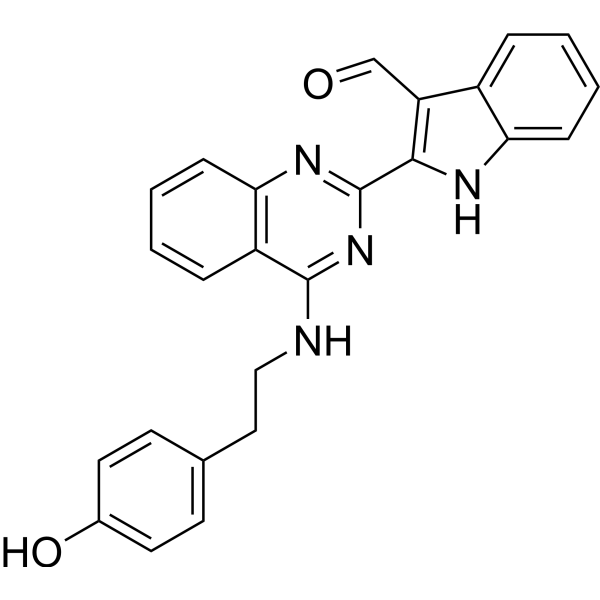 0 ImagesCat. No.: HY-154973CAS No.: 2948304-00-3AMPK activator 11 is an AMP-activated protein kinase (AMPK) activator with nanomolelevel antiproliferation activities against several CRCs. AMPK activator 11 selectively inhibits the RKO xenograft growth along by activating AMPK and upregulating oxidative phosphorylation (OXPHOS) ( mitochondrial metabolism ) and can be used for anti-tumor and metabolic disease research.
-
Lipid-lowering agent-2
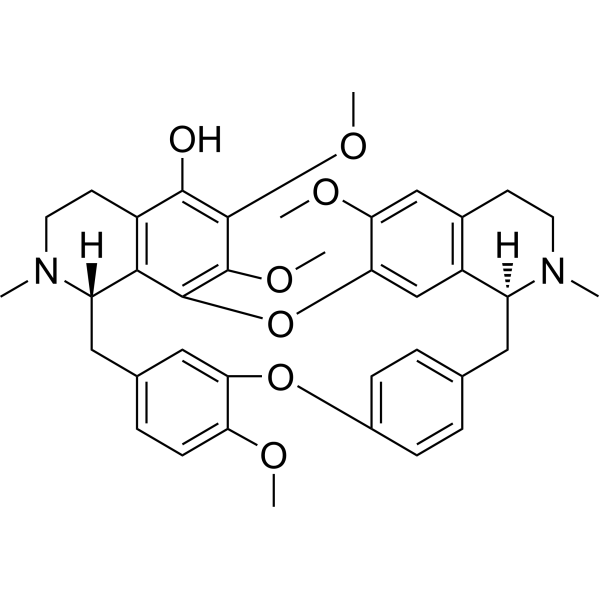
 0 ImagesCat. No.: HY-162703Lipid-lowering agent-2 (Compound 14d) is an orally active lipid-lowering agent with an EC50 of 0.06 μM. Lipid-lowering agent-2 inhibits the lipid synthesis, activates the AMPK signaling pathway, and exhibits anti-obesity effect. Lipid-lowering agent-2 inhibits food intake, improves the glucose metabolism, and reduces the body weight and adipose tissue in high-fat diet (HFD)-induced obese mice.
-
AR493
 0 ImagesCat. No.: HY-174157CAS No.: 1290546-06-3AR493 is an autophagy activator acting on AMPK (adenosine monophosphate-activated protein kinase). AR493 regulates pathways related to cellular energy sensing and increases autophagy levels. AR493 is promising for research of aging-associated diseases (such as diabetes, neurodegenerative diseases) and autophagy regulation.
-
4-O-Methyl-ascochlorin
 0 ImagesCat. No.: HY-N15121CAS No.: 38561-40-94-O-Methyl-ascochlorin (Compound MAC) is a derivative of Ascochlorin (HY-101021). 4-O-Methyl-ascochlorin can selectively induce apoptosis of K562 leukemia cells, cause G1 phase arrest and downregulate c-Myc expression. 4-O-Methyl-ascochlorin can promote the phosphorylation of AMPK and inhibit the phosphorylation of mTOR and its target proteins, including p70S6 K and 4E-BP-1. 4-O-Methyl-ascochlorin can be used for research of leukemia.
-
D-Arabinose-d5
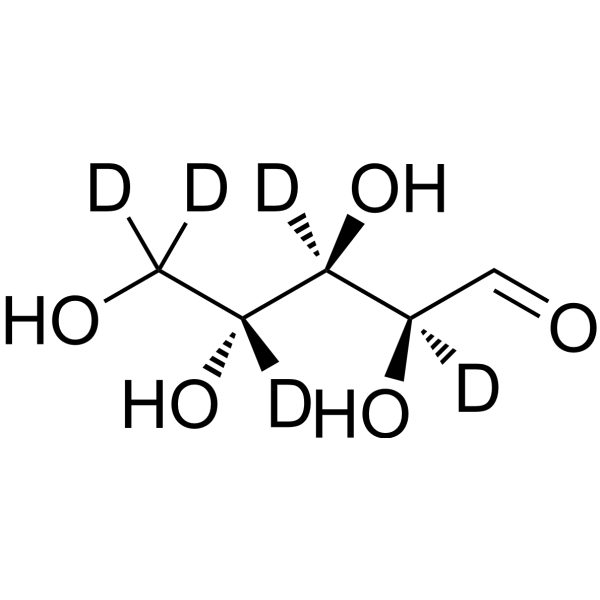 0 ImagesCat. No.: HY-N0059S5D-Arabinose-d5 is the deuterated-labeled D-Arabinose (HY-N0059). D-Arabinose is is an orally active antidepressant and a growth inhibitor of C. elegans (IC50 is 7.5 mM). D-Arabinose can penetrate the blood-brain barrier, selectively interfere with the metabolism of D-ribose and D-fructose, and inhibit the growth of nematodes. D-Arabinose can also inhibit the synthesis of cell biofilm and exert antibacterial activity. D-Arabinose activates the ACSS2-PPARγ/TFEB-CRTC1 axis through the lysosomal AXIN-LKB1-AMPK pathway, inducing CRTC1 transcription, exerts antidepressant-like activity. D-Arabinose is the ring-opened form of the aldopentose D-Arabinose (HY-N7082).
-
Luteolin 7-diglucuronide (Standard)
 0 ImagesCat. No.: HY-N7269RCAS No.: 96400-45-2Luteolin 7-diglucuronide (Standard) is the analytical standard of Luteolin 7-diglucuronide. This product is intended for research and analytical applications. Luteolin 7-diglucuronide is the major flavonoid isolated from Aloysia triphylla and Verbena officinalis.
-
Relaxin H3 (human)
 0 ImagesCat. No.: HY-P4890CAS No.: 1158181-62-4Relaxin H3 (human) is a relaxin peptide with anti-inflammatory, anti-apoptotic, anti-pyroptotic, anti-migratory, protective and anti-fibrotic activities. Relaxin H3 (human) acts on RXFP1 to generate cAMP and reduce the levels of ATP and ROS. Relaxin H3 (human) inhibits renal inflammatory pyroptosis (pyroptosis), NLRP3 inflammasome activation, caspase-1 activation, IL-1β/IL-18 secretion, collagen synthesis, TGF-β1 signaling pathway, Smad2 phosphorylation, myofibroblast differentiation, TIMP expression, and HRMEC migration. Relaxin H3 (human) activates AMPK, upregulates MFN2 expression, improves mitochondrial quality control and membrane potential, inhibits apoptosis (apoptosis) and pyroptosis, restores retinal ultrastructure, and reverses excessive left ventricular collagen expression. Relaxin H3 (human) can be used in studies related to kidney stones, nephrocalcinosis, diabetic cardiomyopathy, fibrotic cardiomyopathy, and diabetic retinopathy.
-
Atractyloside potassium salt (Standard)
 0 ImagesCat. No.: HY-N1462RCAS No.: 102130-43-8Atractyloside (potassium salt) (Standard) is the analytical standard of Atractyloside (potassium salt). This product is intended for use in research and analytical applications. Atractyloside potassium salt is a powerful and specific inhibitor of mitochondrial ADP/ATP transport. Atractyloside potassium salt inhibits chloride channels from mitochondrial membranes of rat heart. Atractyloside potassium salt activates autophagy, inhibits ANT2, mTOR and promotes the activation of p-AMPK. Atractyloside potassium salt has anti-cancer effects on non-small cell lung cancer and can inhibit liver steatosis. Atractylodesin potassium salt has nephrotoxicity.
-
Sodium acetate trihydrate, United States Pharmacopeia (USP) Reference Standard
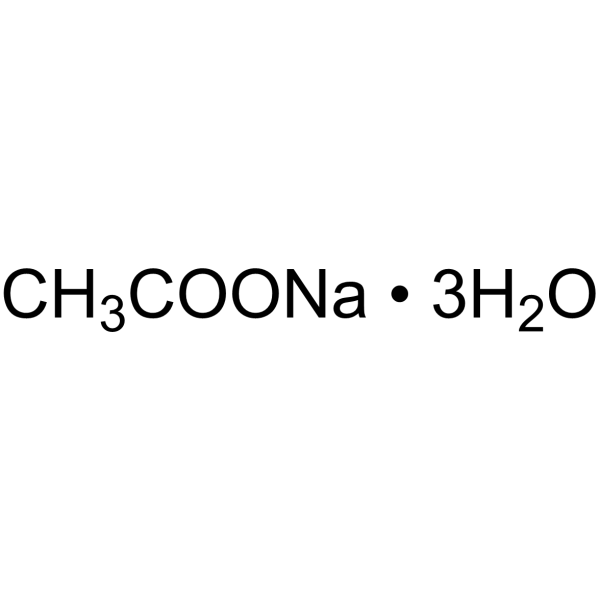 0 ImagesSynonyms: Sodium acetate trihydrate (Pharmaceutical primary standard, USP)Sodium acetate trihydrate, United States Pharmacopeia (USP) Reference Standard (Sodium acetate trihydrate (Pharmaceutical primary standard, USP)) is a carboxylic acid and short-chain fatty acid (SCFAs). Sodium acetate trihydrate activates AMPK, increases ROS, cleaved caspase 9, PPARα, downregulates SREBP-1c, ChREBP expression. Sodium acetate trihydrate exhibits antifungal activity against Saccharomyces cerevisiae W303-1A. Sodium acetate trihydrate regulates energy metabolism. Sodium acetate trihydrate has anticancer activity against gastric cancer. Sodium acetate trihydrate induces writhing reaction and ulcerative colitis. Sodium acetate trihydrate can be used in the researches for gastric cancer, ulcerative colitis, hepatic steatosis, and pain.
-
Kazinol B
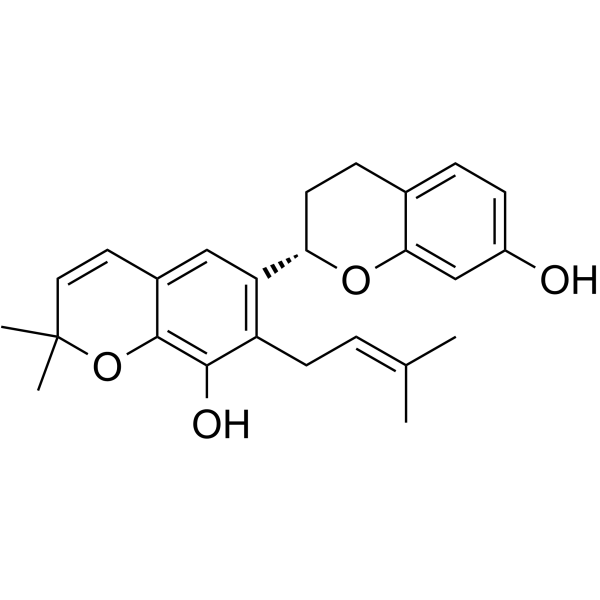 0 ImagesCat. No.: HY-N3426CAS No.: 99624-27-8
-
CX-5461 hydrochloride
 0 ImagesCat. No.: HY-13323BCAS No.: 2101314-20-7CX-5461 hydrochloride is a selective, orally active RNA polymerase I inhibitor. CX-5461 hydrochloride disrupts the formation of the SL1-rDNA complex, thereby blocking the transcription initiation of ribosomal RNA without altering the activity of RNA polymerase II, DNA replication, or protein translation processes. CX-5461 hydrochloride upregulates the expression of p21, MDM2, Sestrin1/2, and phosphorylated AMPKα, and reduces the level of phosphorylated Akt. CX-5461 hydrochloride induces G2/G2/M cell cycle arrest, Autophagy, Apoptosis, and cellular senescence, and activates CHK1, CHK2, and RPA. CX-5461 hydrochloride can be used in research related to osteosarcoma, cervical cancer, hematologic malignancies, high-grade serous ovarian cancer, and solid tumors.
-
Methyl cinnamate-d7
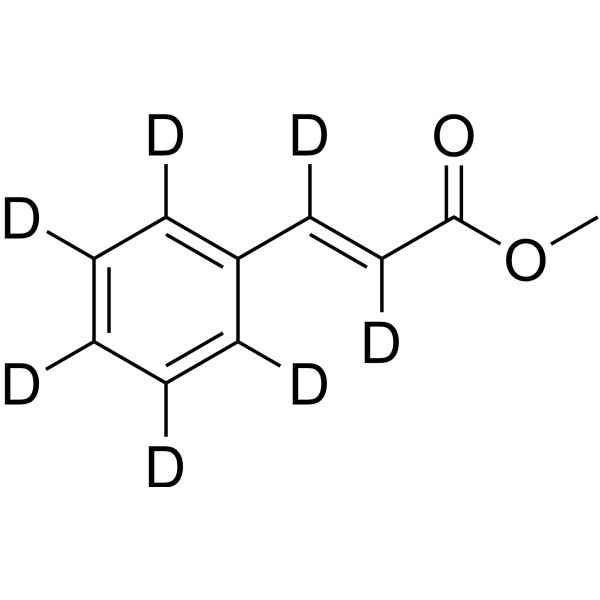 0 ImagesCat. No.: HY-W017212SCAS No.: 1219806-38-8Synonyms: Methyl 3-phenylpropenoate-d7Methyl cinnamate-d7 is deuterated labeled Methyl cinnamate (HY-W017212). Methyl cinnamate (Methyl 3-phenylpropenoate), an active component of Zanthoxylum armatum, is a widely used natural flavor compound. Methyl cinnamate (Methyl 3-phenylpropenoate) possesses antimicrobial activity and is a tyrosinase inhibitor that can prevent food browning. Methyl cinnamate (Methyl 3-phenylpropenoate) has antiadipogenic activity through mechanisms mediated, in part, by the CaMKK2-AMPK signaling pathway.
-
Vaccarin (Standard)
 0 ImagesCat. No.: HY-N1419RCAS No.: 53452-16-7Vaccarin (Standard) is the analytical standard of Vaccarin. This product is intended for research and analytical applications. Vaccarin is an active flavonoid glycoside associated with various biological functions. Vaccarin significantly promote wound healing and endothelial cells and fibroblasts proliferation in the wound site. Vaccarin ameliorates insulin resistance and steatosis by activating the AMPK signaling pathway.
-
Methyl cinnamate (Standard)
 0 ImagesSynonyms: Methyl 3-phenylpropenoate (Standard)Methyl cinnamate (Methyl 3-phenylpropenoate), an active component of Zanthoxylum armatum, is a widely used natural flavor compound. Methyl cinnamate (Methyl 3-phenylpropenoate) possesses antimicrobial activity and is a tyrosinase inhibitor that can prevent food browning. Methyl cinnamate (Methyl 3-phenylpropenoate) has antiadipogenic activity through mechanisms mediated, in part, by the CaMKK2-AMPK signaling pathway.




