



AMPK Activator
-
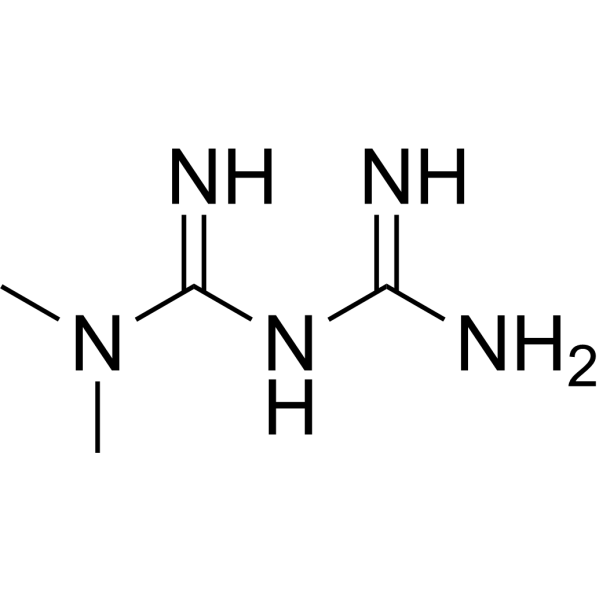
Metformin
 0 Images
Metformin (1,1-Dimethylbiguanide) inhibits the mitochondrial respiratory chain in the liver, leading to AMPK activation and enhancing insulin sensitivity, and can be used in the study of type 2 diabetes. Metformin exerts central glucose-lowering effects by inhibiting Ras-related protein 1 (Rap1) in SF1 hypothalamic neurons. Metformin also inhibits liver oxidative stress, nitrosative stress, inflammation, and apoptosis caused by liver ischemia/reperfusion injury. In addition, Metformin regulates the expression of autophagy-related proteins by activating AMPK and inhibiting the mTOR signaling pathway, thereby inducing tumor cell autophagy and inhibiting the growth of renal cell carcinoma in vitro and in vivo.
-
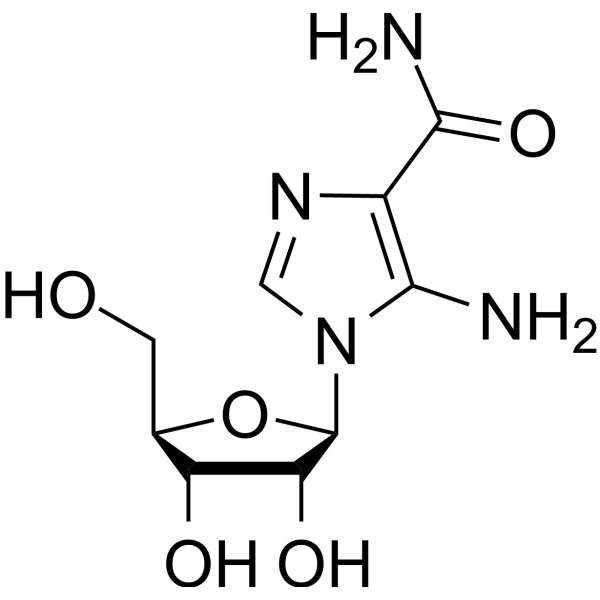
AICAR
 0 Images
AICAR (Acadesine) is an adenosine analog and a AMPK activator. AICAR is also an autophagy, YAP and mitophagy inhibitor. AICAR regulates the glucose and lipid metabolism, and inhibits proinflammatory cytokines and iNOS production. AICAR inhibits autophagy through a mechanism independent of AMPK activity.
-
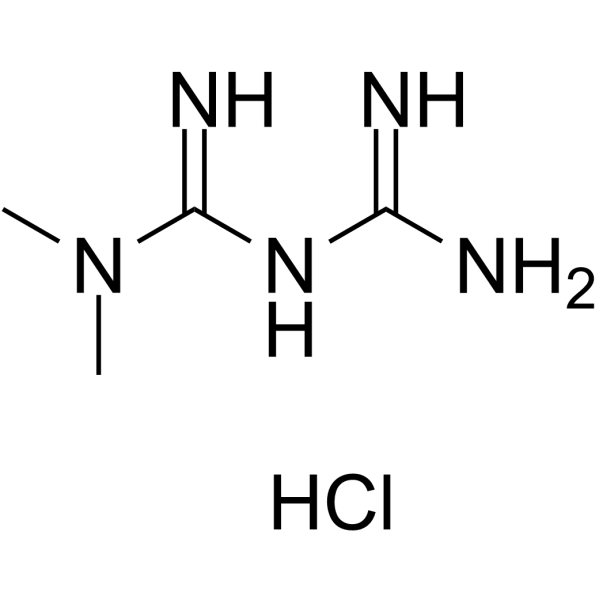
Metformin hydrochloride
 0 Images
Metformin (1,1-Dimethylbiguanide) hydrochloride inhibits the mitochondrial respiratory chain in the liver, leading to AMPK activation and enhancing insulin sensitivity, and can be used in the study of type 2 diabetes. Metformin hydrochloride exerts central glucose-lowering effects by inhibiting Ras-related protein 1 (Rap1) in SF1 hypothalamic neurons. Metformin hydrochloride also inhibits liver oxidative stress, nitrosative stress, inflammation, and apoptosis caused by liver ischemia/reperfusion injury. In addition, Metformin hydrochloride regulates the expression of autophagy-related proteins by activating AMPK and inhibiting the mTOR signaling pathway, thereby inducing tumor cell autophagy and inhibiting the growth of renal cell carcinoma in vitro and in vivo.
-
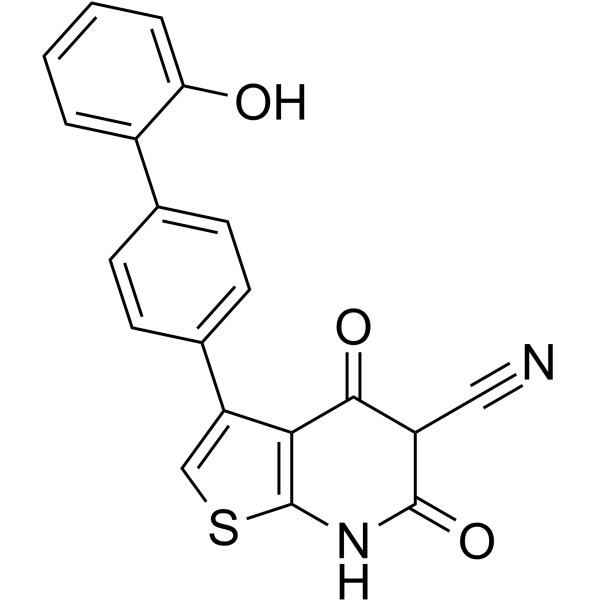
A-769662
 0 Images
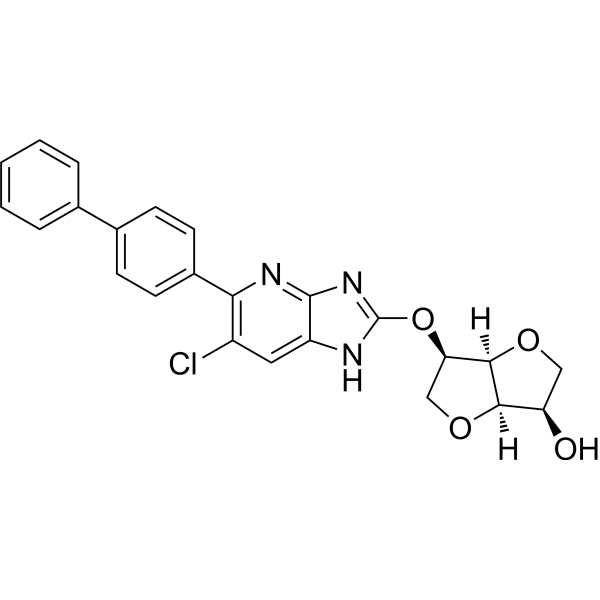
A-769662 is a AMP-activated protein kinase (AMPK) activator. A-769662 inhibits the function of the 26S proteasome by an AMPK-independent mechanism and leads to cell cycle arrest. A-769662 directly stimulates partially purified rat liver AMPK (EC50 = 0.8 μM) and inhibits fatty acid synthesis in primary rat hepatocytes (IC50 = 3.2 μM). A-769662 can alleviate the symptoms of metabolic diseases such as type 2 diabetes.
-
[6]-Gingerol
![[6]-Gingerol](https://file.medchemexpress.com/product_pic/hy-14615.gif "Click to View [6]-Gingerol Product Detail") 0 ImagesSynonyms: (S)-(+)-[6]Gingerol
0 ImagesSynonyms: (S)-(+)-[6]Gingerol[6]-Gingerol is an active compound isolated from Ginger (Zingiber officinale), exhibits a variety of biological activities including anticancer, anti-inflammation, and anti-oxidation.
-
AICAR phosphate
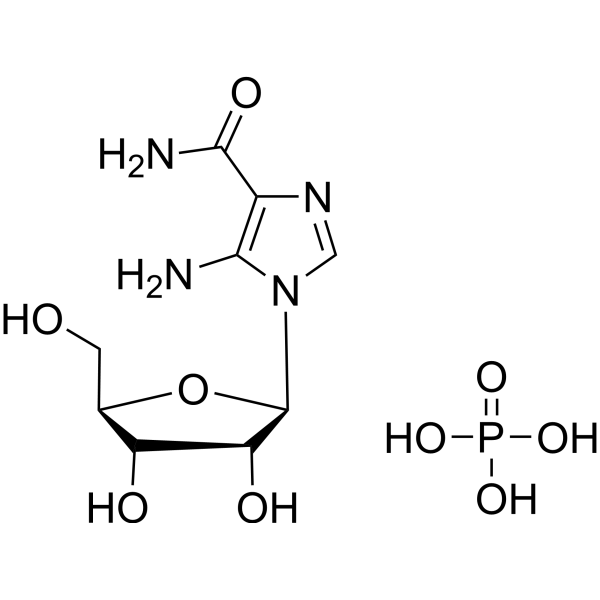 0 ImagesSynonyms: Acadesine phosphate; AICA Riboside phosphate
-
Phenformin hydrochloride
 0 Images
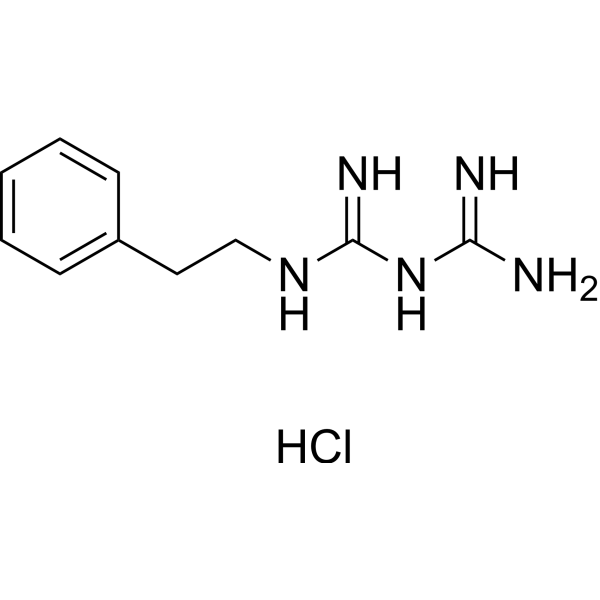
Phenformin (Phenethylbiguanide) hydrochloride is an orally active biguanide hypoglycemic agent. Phenformin hydrochloride inhibits mitochondrial respiratory chain complex I, leading to an increased AMP/ATP ratio, activation of AMPK, and subsequent inhibition of the mTOR pathway, thereby suppressing cell proliferation, inducing apoptosis and autophagy. Phenformin hydrochloride inhibits cancer stem cells (CSCs) and possesses potent antitumor potential.
-
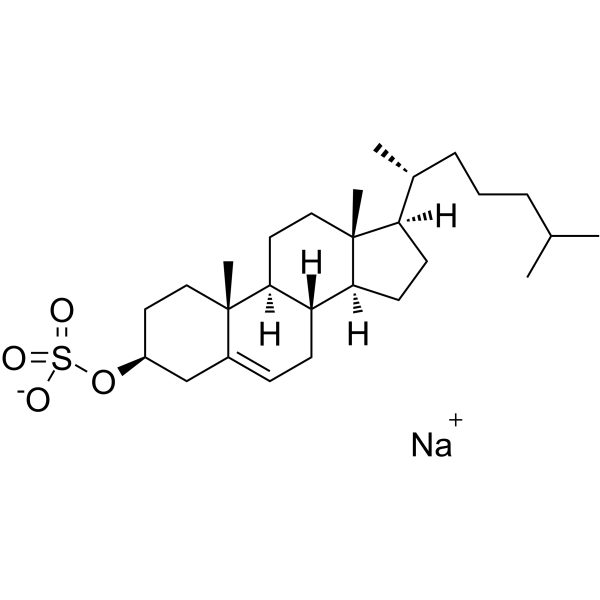
Cholesteryl sulfate sodium
 0 Images
Cholesterol sulfate sodium is a naturally occurring, orally active cholesterol derivative that is widely distributed in various tissues and body fluids. Cholesterol sulfate sodium acts as a DOCK2 inhibitor, with IC50 values of 2 μM and 2.9 μM against mouse and human targets, respectively. Cholesterol sulfate sodium restricts excessive neutrophil infiltration and alleviates intestinal inflammation and damage. Cholesterol sulfate sodium serves as an activator of protein kinase C (PKC), which promotes squamous cell differentiation and inhibits skin carcinogenesis. Cholesterol sulfate sodium regulates cholesterol homeostasis and cellular metabolism by activating the AMPK-Sirt1 pathway. Cholesterol sulfate sodium can be used in research related to actinic keratitis, ulcerative colitis, skin cancer, and other conditions.
-
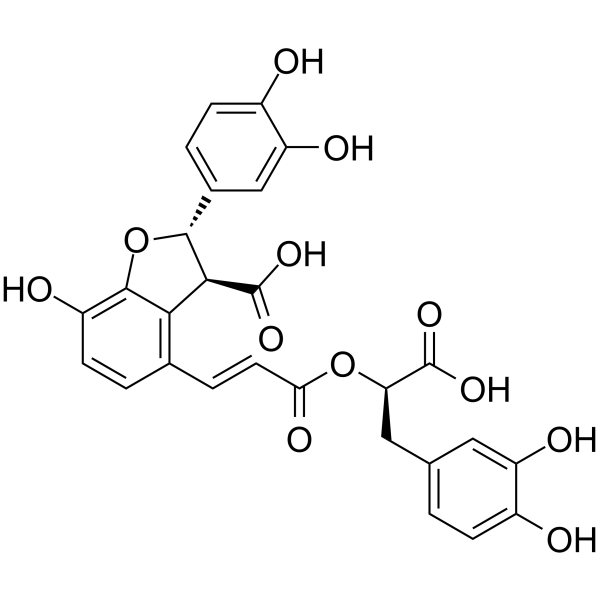
Lithospermic acid
 0 ImagesSynonyms: (+)-Lithospermic acid
Lithospermic acid ((+)-Lithospermic acid) is a plant-derived polycyclic phenolic carboxylic acid isolated from Salvia miltiorrhiza, and has the anti-oxidative and hepatoprotective activity on carbon tetrachloride (CCl4)-induced acute liver damage in vitro and in vivo.
-
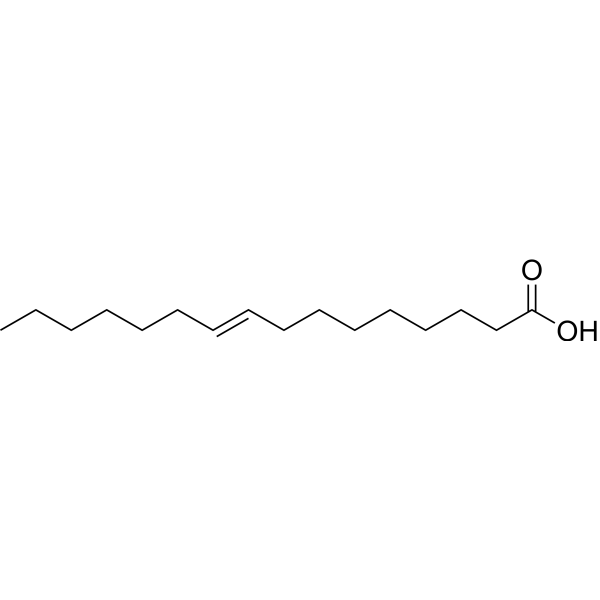
Palmitelaidic acid
 0 ImagesSynonyms: 9-trans-Hexadecenoic acid; trans-Palmitoleic acid
Palmitelaidic acid (9-trans-Hexadecenoic acid) is the trans isomer of palmitoleic acid. Palmitoleic acid is one of the most abundant fatty acids in serum and tissue.
-
Phenformin
 0 Images
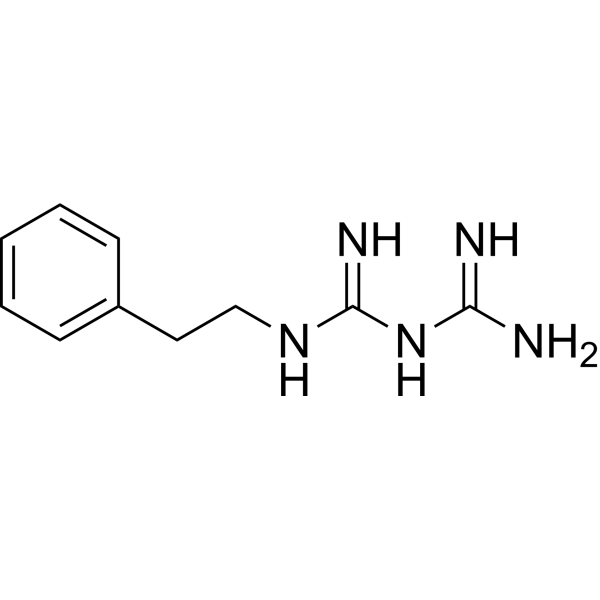
Phenformin (Phenethylbiguanide) is an orally active biguanide hypoglycemic agent. Phenformin inhibits mitochondrial respiratory chain complex I, leading to an increased AMP/ATP ratio, activation of AMPK, and subsequent inhibition of the mTOR pathway, thereby suppressing cell proliferation, inducing apoptosis and autophagy. Phenformin inhibits cancer stem cells (CSCs) and possesses potent antitumor potential.
-
Danthron
 0 ImagesSynonyms: Dantron; Chrysazin; 1,8-Dihydroxyanthraquinone
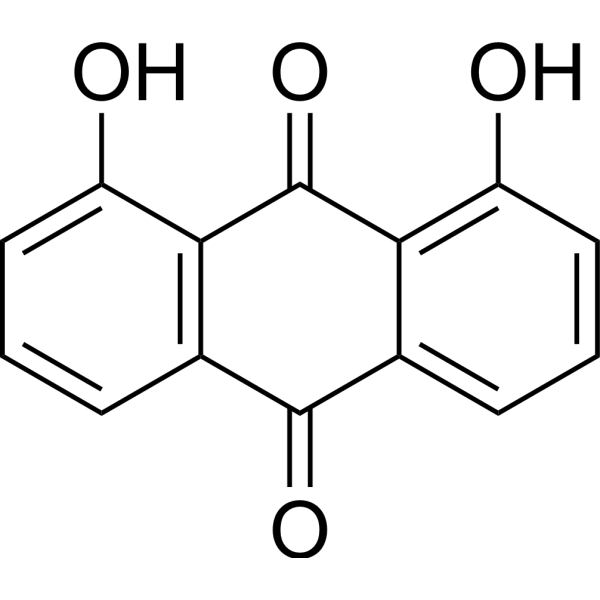
Danthron is a natural product extracted from the traditional Chinese medicine Salvia miltiorrhiza Bunge. Danthron functions in regulating glucose and lipid metabolism by activating AMPK.
-
Alizarin
 0 Images
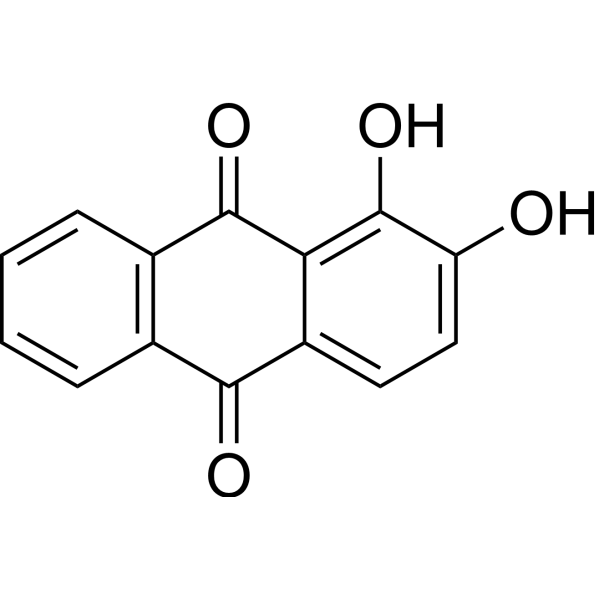
Alizarin is a natural dye. Alizarin can be extracted from the roots of madder plant. Alizarin activates AMPK and VEGFR2/eNOS pathway. Alizarin regulates PI3K/Akt and inhibits NF-κB pathway. Alizarin enhances CYP1A1 enzyme activity. Alizarin has protective effects on hypertension and vascular endothelial dysfunction. Alizarin has anti-tumor activity against multiple cancers including pancreatic cancer, breast cancer, osteosarcoma and liver cancer. Alizarin has been widely used as a pigment in textile fabrics and paintings.
-
Miglitol
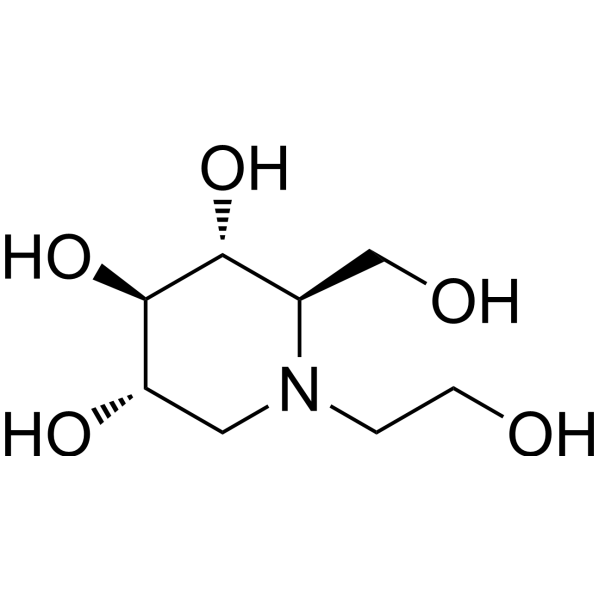 0 ImagesSynonyms: BAY1099; BAY-m1099
Miglitol (BAY-m1099) is an orally active antidiabetic compound that inhibits the breakdown of glycoconjugates into glucose. Miglitol inhibits glycoside hydrolase enzymes called α-glucosidases. Miglitol inhibits oxidative stress-induced apoptosis and mitochondrial ROS over-production in endothelial cells by enhancement of AMP-activated protein kinase. Dietary supplementation with Miglitol from pre-onset stage in OLETF rats delays the onset and development of diabetes and preserves the insulin secretory function of pancreatic islets.
-
MOTS-c (human)
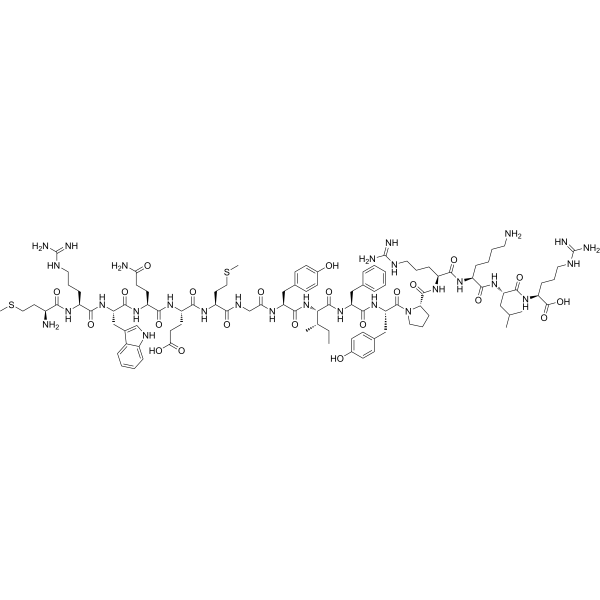 0 Images
MOTS-c (human) is a mitochondrial-derived peptide that modulates the AMPK/PGC-1α pathway to enhance insulin sensitivity. MOTS-c (human) inhibits the folate cycle and de novo purine synthesis, increases AICAR levels to activate AMPK, and then regulates the Nrf2/Keap1 antioxidant pathway and inhibits the NF-κB inflammatory pathway, while promoting mitochondrial biogenesis and energy metabolism. MOTS-c (human) has the effects of improving glucose and lipid metabolism, anti-oxidative stress, anti-inflammatory and neuroprotection, and can be used in the study of type 2 diabetes, traumatic brain injury, inflammatory diseases and aging-related metabolic disorders.
-
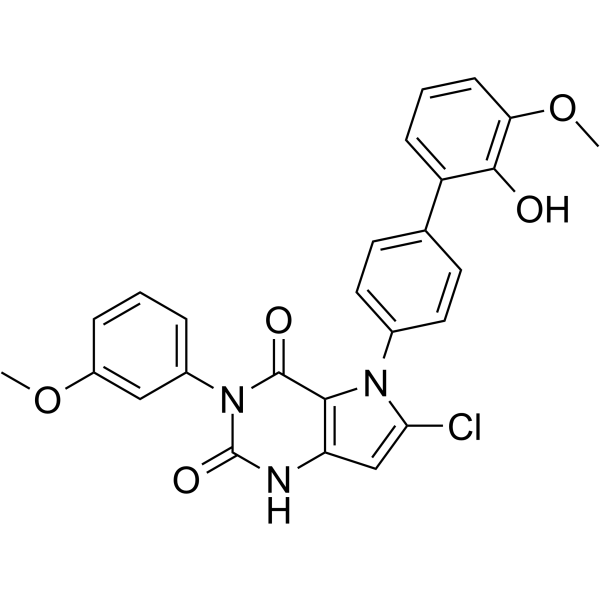
O-304
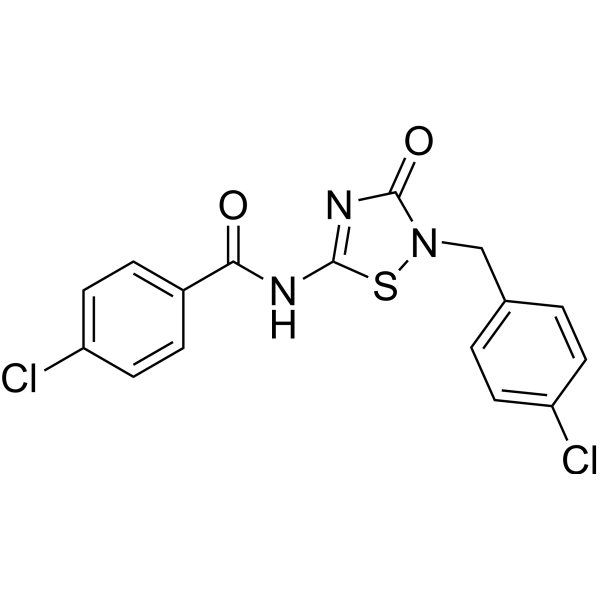 0 Images
O-304 is a first-in-class, orally available pan-AMPK activator, which increases AMPK activity by suppressing the dephosphorylation of pAMPK. O-304 exhibits a great potential as a agent to treat type 2 diabetes (T2D) and associated cardiovascular complications .



