



Bcl-2 Family
Bcl-2 is a family of evolutionarily related proteins. These proteins govern mitochondrial outer membrane permeabilization (MOMP) and can be either pro-apoptotic (Bax, Bad, Bak and Bok among others) or anti-apoptotic (including Bcl-2 proper, Bcl-xL, and Bcl-w, among an assortment of others). There are a total of 25 genes in the Bcl-2 family known to date. Human genes encoding proteins that belong to this family include: Bak1, Bax, Bal-2, Bok, Mcl-1.
Bcl-2 Family Isoform Specific Products
-
Bcl-2 Family
(441)
View all products
-
Bcl-2
(314)
View all products
-
Bcl-xL
(121)
View all products
-
Bcl-W
(17)
View all products
-
Mcl-1
(97)
View all products
-
Bfl-1
(11)
View all products
-
Bcl-B
(6)
View all products
-
Bax
(208)
View all products
-
Bak
(14)
View all products
-
Bim
(12)
View all products
-
BNIP3
(1)
View all products
-
Bad
(10)
View all products
All Product Categories
-
Bcl-2 Family Inhibitors
(555)
View all products
-
Bcl-2 Family Agonists
(5)
View all products
-
Bcl-2 Family Antagonists
(9)
View all products
-
Bcl-2 Family Activators
(89)
View all products
-
Bcl-2 Family Modulators
(141)
View all products
-
Bcl-2 Family Inducers
(12)
View all products
-
Bcl-2 Family Degraders
(20)
View all products
-
Bcl-2 Family Controls
(2)
View all products
-
Bcl-2 Family Ligands
(9)
View all products
-
Bcl-2 Family Related Products (1016)
Related Products (1016)

-
Antibodies (31)
-
Bcl-2 Family Signaling Pathway
-
Bcl-2 Family Isoform Comparison
-
(R)-MIK665
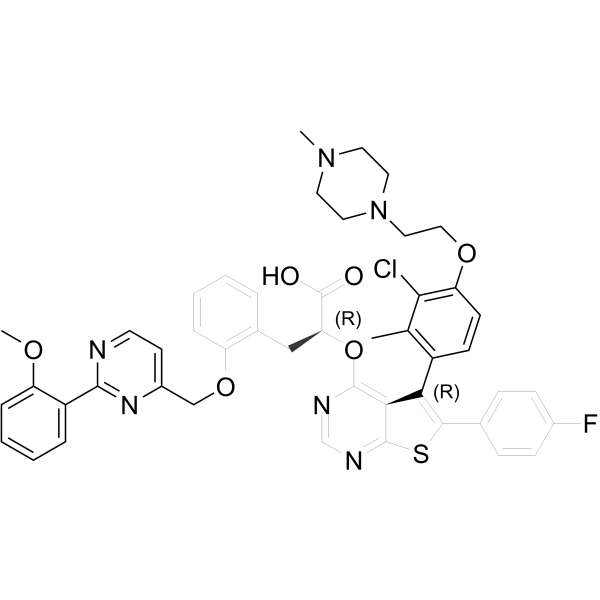 0 ImagesCat. No.: HY-112218ACAS No.: 1799831-02-9(R)-MIK665 is the less active enantiomer of MIK665. MIK665 is a special Mcl-1 inhibitor with an IC50 of 1.81 nM.
-
AS 1411 sodium scrambled negative control
 0 ImagesCat. No.: HY-147081IAS 1411 sodium scrambled negative control is the sequence scrambled negative control of AS 1411 sodium.
-
Sulforaphane (Standard)
 0 ImagesSulforaphane (Standard) is the analytical standard of Sulforaphane (HY-13755). This product is intended for research and analytical applications. Sulforaphane is an orally active inducer of the Keap1/Nrf2/ARE pathway. Sulforaphane promotes the transcription of tumor-suppressing proteins and effectively inhibits the activity of HDACs. Through the activation of the Keap1/Nrf2/ARE pathway and further induction of HO-1 expression, Sulforaphane protects the heart. Sulforaphane suppresses high glucose-induced pancreatic cancer through AMPK-dependent signal transmission. Sulforaphane exhibits both anticancer and anti-inflammatory properties.
-
Sorafenib-d4
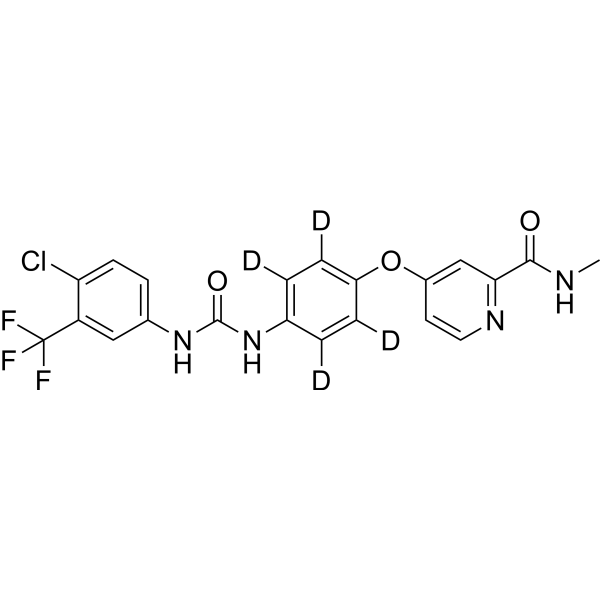 0 ImagesSynonyms: Bay 43-9006-d4Sorafenib-d4 (Bay 43-9006-d4) is the deuterated-labeled Sorafenib (HY-10201). Sorafenib (Bay 43-9006) is a potent oral active multikinase inhibitor. Sorafenib blocks autophosphorylation and activity of receptor tyrosine kinases (VEGFR-2, VEGFR-3) and RAF family kinases, thereby suppressing the RAF/MEK/ERK and PI3K/Akt pathways, inhibiting STAT3 phosphorylation, and selectively inhibiting the MAPK pathway in cancer cells. Sorafenib induces cell cycle arrest, autophagy, apoptosis, and PARP cleavage, reduces Bcl-2, Bcl-XL, cyclin D1 levels, and activates Bak and Bax. Sorafenib inhibits tumor growth and metastasis in mouse and rat models. Sorafenib can be used for cancer research, such as colon, breast, non-small-cell lung cancer (NSCLC), ovarian, pancreatic, melanoma, colorectal and hepatocellular carcinoma.
-
Mcl1-IN-9
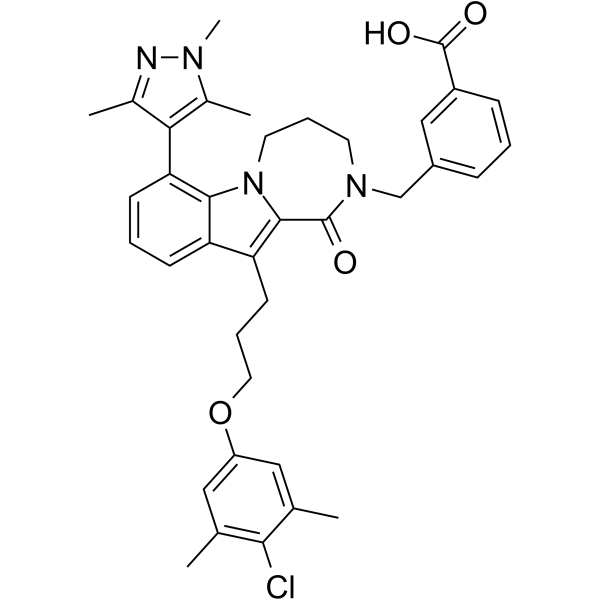 0 ImagesCat. No.: HY-128607CAS No.: 1810769-31-3Mcl1-IN-9 is a potent myeloid cell leukemia-1 (Mcl-1) Inhibitor with an IC50 of 446 nM in reengineered BCR-ABL+ B-ALL cells and a Ki of 0.03 nM.
-
NWP-0476
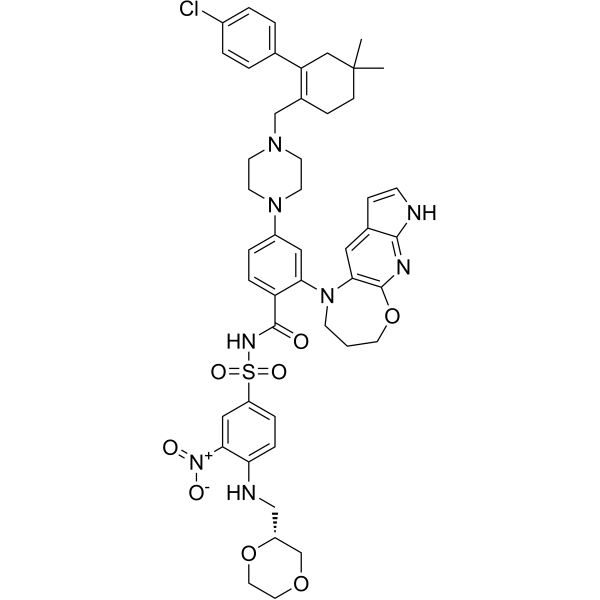 0 ImagesCat. No.: HY-155188CAS No.: 2290611-26-4NWP-0476 is BCL-2/BCL-xL inhibitor. NWP-0476 has a modified structure with fine-tuned BCL-xL activity. NWP-0476 can be used for relapsed T-acute lymphoblastic leukemia (T-ALL) research.
-
Atiprimod
 0 ImagesCat. No.: HY-13559CAS No.: 123018-47-3Synonyms: Azaspirane ; SKF 106615-12; SKF 106615A12Atiprimod (Azaspirane) is a STAT3 inhibitor with antitumor, anti-inflammatory, and anti-angiogenic activities. Atiprimod blocks the signaling pathways of IL-6 and VEGF by inhibiting the phosphorylation of signal transducer and activator of STAT3. Atiprimod blocks the JAK-STAT signaling pathway by inhibiting the phosphorylation of JAK2 and JAK3. Atiprimod also inhibits cell proliferation, induces cell cycle arrest, and induces autophagy and apoptosis. Atiprimod triggers persistent ER stress-mediated apoptosis in breast cancer cells by activating the PERK/eIF2α/ATF4/CHOP axis and inhibiting the nuclear translocation of STAT3/NF-κB. Atiprimod shows great anti-tumor activities in tumor xenograft mouse models. Atiprimod can be used for the study of pituitary adenoma, breast cancer, multiple myeloma and acute myeloid leukemia (AML).
-
F1324
 0 ImagesCat. No.: HY-100866CAS No.: 2607975-44-8
-
A-1210477-piperazinyl
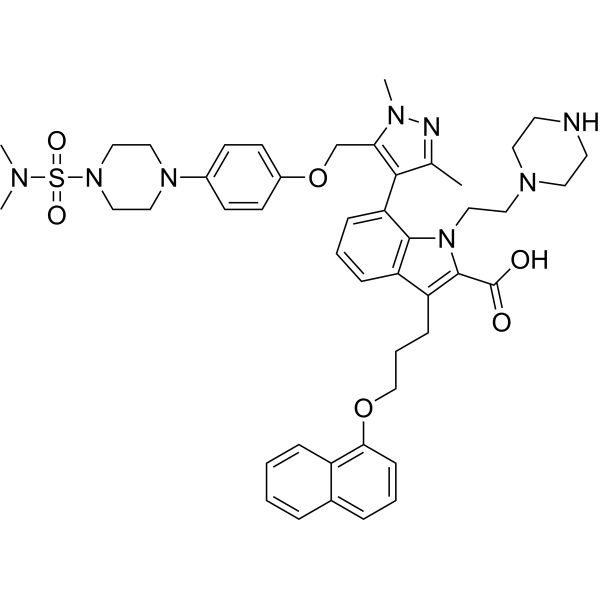 0 ImagesCat. No.: HY-125908CAS No.: 2351218-72-7Synonyms: PROTAC Mcl1-binding moiety 1A-1210477-piperazinyl is a compound binds to protein myeloid cell leukemia 1 (MCL1) used for PROTAC technology.
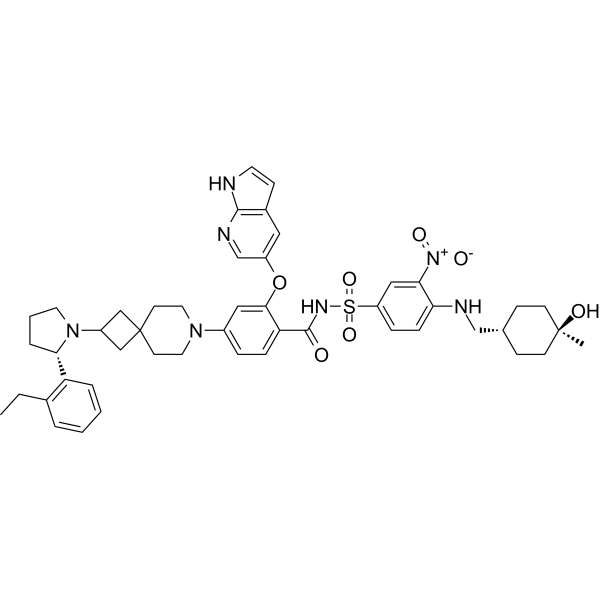
-
PRT543
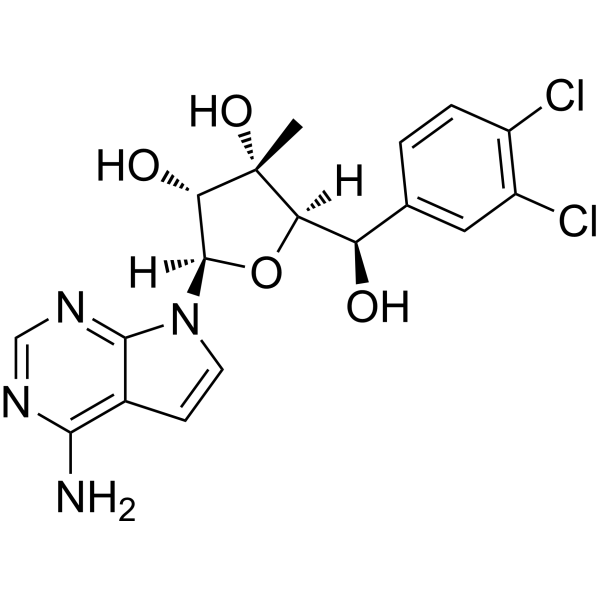 0 ImagesCat. No.: HY-141876CAS No.: 2278356-90-2PRT543 is an orally active selective PRMT5 inhibitor. PRT543 reduces intracellular symmetric dimethylarginine (sDMA) levels, downregulates the expression of genes related to DNA damage repair and DNA replication pathways, and induces abnormal alternative splicing. PRT543 inhibits the MYB, NOTCH1 and PI3K/AKT signaling pathways, promotes nuclear translocation of FOXO1, upregulates the pro-apoptotic protein BAX, and enhances cellular sensitivity to BCL-2 inhibition. PRT543 disrupts the normal RNA splicing process and exerts a synthetic lethal effect on myeloid tumor cells carrying splicing factor mutations. PRT543 can be used in research related to various cancers including breast cancer, ovarian cancer and acute myeloid leukemia.
-
Prexigebersen
 0 ImagesCat. No.: HY-153495CAS No.: 202484-91-1Synonyms: BP1001Prexigebersen (BP1001) is an antisense oligonucleotide targeting Bcl-2 and Grb2. Prexigebersen exhibits antileukemic activity in cell models. Prexigebersen induces apoptosis (apoptosis), cell cycle arrest and ROS production in leukemia cells. Prexigebersen inhibits Grb2 expression, thereby suppressing tumor growth and survival. Prexigebersen can be used in studies related to acute myeloid leukemia.
-
E7107
 0 ImagesCat. No.: HY-19482CAS No.: 630100-90-2E7107 is a pre-mRNA spliceosome inhibitor and apoptosis (Apoptosis) inducer. E7107 binds to spliceosome-associated protein 130, inhibits spliceosome assembly and pre-mRNA splicing, regulates cellular protein expression, induces G1 and G2/M phase cell cycle arrest, triggers DNA damage, alters R-loop levels, reduces CHEK2 expression, impairs transcriptional elongation, and shifts MCL1 splicing toward pro-apoptotic isoforms. E7107 inhibits tumor growth in xenograft models and reduces leukemia burden. E7107 can be used in the research of advanced solid tumors, acute myeloid leukemia, T-cell acute lymphoblastic leukemia, and triple-negative breast cancer.
-
rel-AZ5576
 0 ImagesCat. No.: HY-111537CAS No.: 1333468-05-5rel-AZ5576 is a selective CDK9 inhibitor with the activity of downregulating Mcl-1 and MYC mRNA transcription and protein expression in diffuse large B-cell lymphoma by inhibiting CDK9, promoting MYC protein turnover, reducing MYC phosphorylation on the stable Ser62 residue and downregulating MYC transcriptional targets, inhibiting the growth of diffuse large B-cell lymphoma cell lines in vitro and in vivo and independent of the cell origin.
-
Mesaconic acid (Standard)
 0 ImagesSynonyms: Citronic acid (Standard); Methylfumaric acid (Standard)Mesaconic acid (Standard) is the analytical standard of Mesaconic acid. This product is intended for research and analytical applications. Mesaconic acid (Citronic acid; Methylfumaric acid) is an orally active anti-inflammatory and antioxidant agent. Mesaconic acid reduces the level of NF-κB in colon tissues, downregulates the expression of Keap1 and Bax, upregulates the expression of Nrf2 and Bcl2, and decreases the expression of Caspase-1. Mesaconic acid reduces the levels of NLRP3, ASC and Casp-1 in colon, liver and kidney tissues. Mesaconic acid reduces pro-inflammatory cytokine levels, increases the level of the anti-inflammatory cytokine IL-10, elevates NAD+ levels, regulates oxidative stress markers and antioxidant enzyme levels, and upregulates intestinal barrier proteins in colon, liver and kidney tissues. Mesaconic acid increases the abundance of beneficial gut bacteria and reduces the abundance of harmful gut bacteria in rapidly aging mice, and exhibits anti-aging properties. Mesaconic acid acts as a flame retardant and serves as a competitive inhibitor of fumarate reduction. Mesaconic acid can be used in the research of aging-related inflammation.
-
Oblimersen
 0 ImagesCat. No.: HY-118874CAS No.: 190977-41-4
-
Mcl-1 antagonist 1
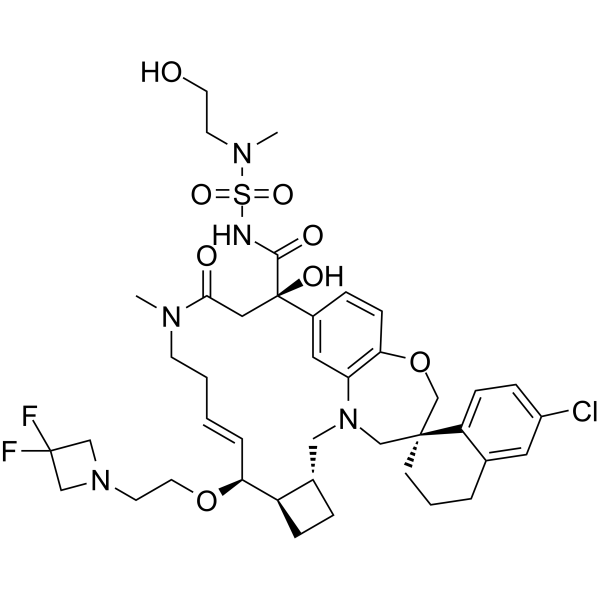 0 ImagesCat. No.: HY-130261CAS No.: 2376775-05-0
-
Bcl-2-IN-25
 0 ImagesCat. No.: HY-184107CAS No.: 2290611-27-5
-
Mcl1-IN-11
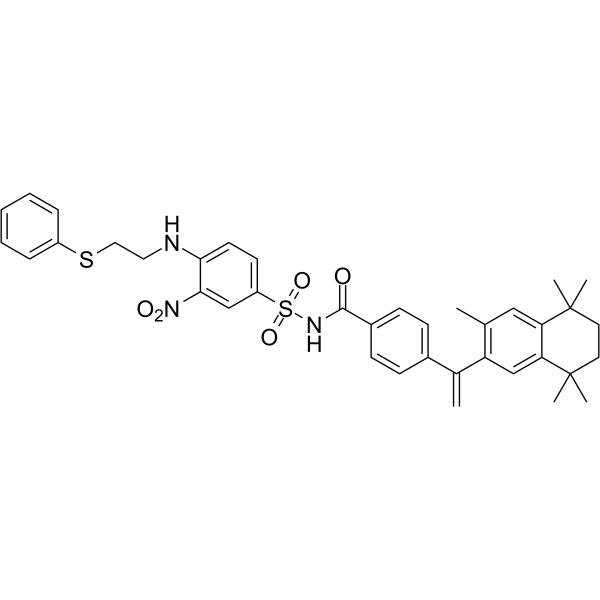 0 ImagesCat. No.: HY-100762CAS No.: 2042211-13-0
-
(E)-Mcl-1 inhibitor 7
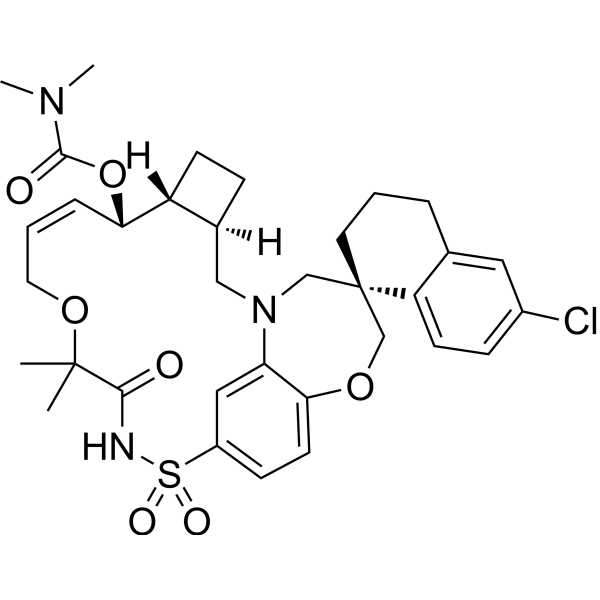 0 ImagesCat. No.: HY-145825ACAS No.: 2417463-86-4(E)-Mcl-1 inhibitor 7 (Example 34) is a Mcl-1 inhibitor (Ki: <1 nM, IC50: <500 nM). (E)-Mcl-1 inhibitor 7 can be used for research of cancers.




