



Caspase
Caspase is a family of cysteine proteases that play essential roles in apoptosis (programmed cell death), necrosis, and inflammation. There are two types of apoptotic caspases: initiator (apical) caspases and effector (executioner) caspases. Initiator caspases (e.g., CASP2, CASP8, CASP9, and CASP10) cleave inactive pro-forms of effector caspases, thereby activating them. Effector caspases (e.g., CASP3, CASP6, CASP7) in turn cleave other protein substrates within the cell, to trigger the apoptotic process. The initiation of this cascade reaction is regulated by caspase inhibitors. CASP4 and CASP5, which are overexpressed in some cases of vitiligo and associated autoimmune diseases caused by NALP1 variants, are not currently classified as initiator or effector in MeSH, because they are inflammatory enzymes that, in concert with CASP1, are involved in T-cell maturation.
Alle Caspase Isoform-spezifische Produkte anzeigen
-
Caspase 1
(75)
View all products
-
Caspase 2
(11)
View all products
-
Caspase 3
(513)
View all products
-
Caspase 4
(11)
View all products
-
Caspase 5
(5)
View all products
-
Caspase 6
(12)
View all products
-
Caspase 7
(100)
View all products
-
Caspase 8
(103)
View all products
-
Caspase 9
(185)
View all products
-
Caspase 10
(6)
View all products
-
Caspase 12
(3)
View all products
-
Caspase
(588)
View all products
-
Caspase 11
(2)
View all products
-
Caspase-13
(1)
View all products
All Product Categories
-
Caspase Inhibitors
(430)
View all products
-
Caspase Agonists
(40)
View all products
-
Caspase Activators
(601)
View all products
-
Caspase Modulators
(42)
View all products
-
Caspase Chemicals
(4)
View all products
-
Caspase MDM2 Inhibitor
(1)
View all products
-
Caspase Inducers
(47)
View all products
-
Caspase Degrader
(1)
View all products
-
Caspase Control
(1)
View all products
-
Caspase Substrates
(3)
View all products
-
Caspase Proteins
(10)
View all products
-
Caspase-1 Proteins
(3)
View all products
-
Caspase-3 Proteins
(3)
View all products
-
Caspase 7 Proteins
(1)
View all products
-
Caspase-8 Proteins
(1)
View all products
-
Caspase-10 Proteins
(1)
View all products
-
Caspase Verwandte Produkte (1349)
Verwandte Produkte (1349)

-
Recombinant Proteins (10)
-
Antibodies (35)
-
Caspase Signalweg
-
Caspase Isoform Comparison
-
RP-182
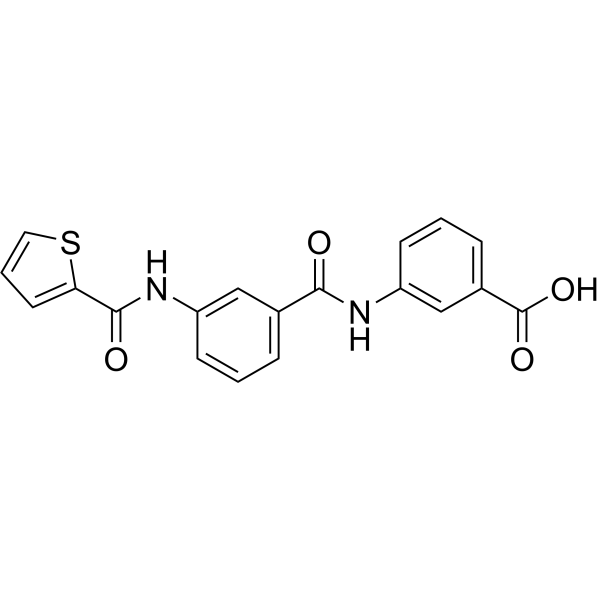
 0 ImagesRP-182 is a synthetic immunomodulatory peptide that exerts anti-tumor effects by targeting the mannose receptor CD206 (Kd = 8 μM) on the surface of tumor-associated macrophages (TAMs). RP-182 induces a conformational switch of the CD206 receptor, which activates NF-κB signaling and phagocytosis in CD206high TAMs. RP-182 has dual function: activation of canonical NF-κB signaling, triggering TNFα secretion and autocrine activation of the TNF receptor 1 (TNFR1), leading to activation of caspase 8, apoptosis, and cell death. RP-182 is used in pancreatic cancer and melanoma research.
-
Fenobucarb
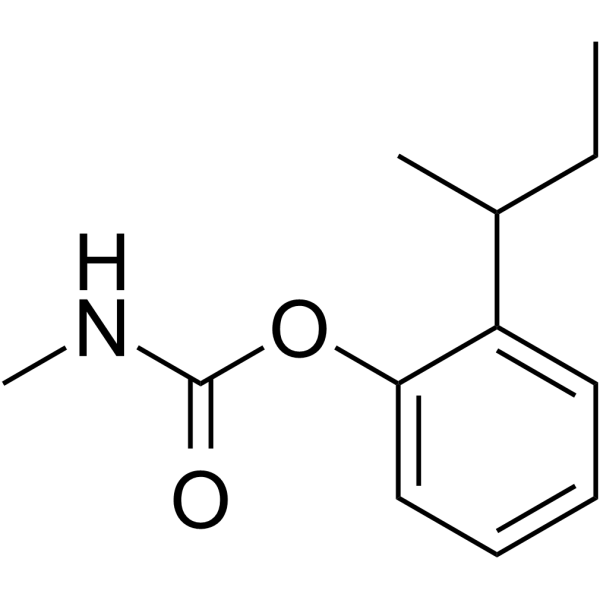 0 ImagesFenobucarb is a carbamate insecticide. Fenobucarb induces zebrafish developmental neurotoxicity through pathways involved in inflammation, oxidative stress, degeneration and apoptosis. Fenobucarb is a possible risk factor to cardiovascular and cerebrovascular systems in animals.
-
Satratoxin H
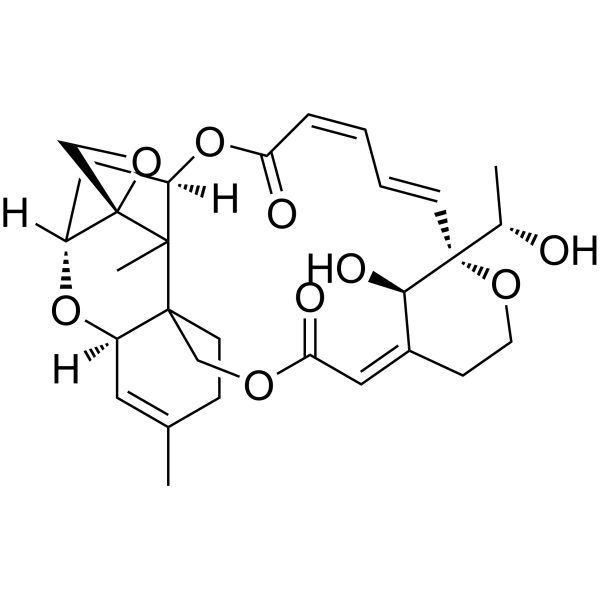 0 ImagesSatratoxin H is a toxic metabolite of Stachybotrys atra. Satratoxin H induces caspase-3 and PARP cleavage via p38 MAPK and JNK pathways, stimulates JNK, ERK, and p38 MAPK phosphorylation, and activates JNK and p38 MAPK in a glutathione-sensitive manner. Satratoxin H induces DNA double-stranded breaks, apoptotic body formation, intracellular reactive oxygen species generation, and endoplasmic reticulum stress via ATF6, PERK, and IRE1 pathways. Satratoxin H can be used for the research of central nervous system disorders and melanoma.
-
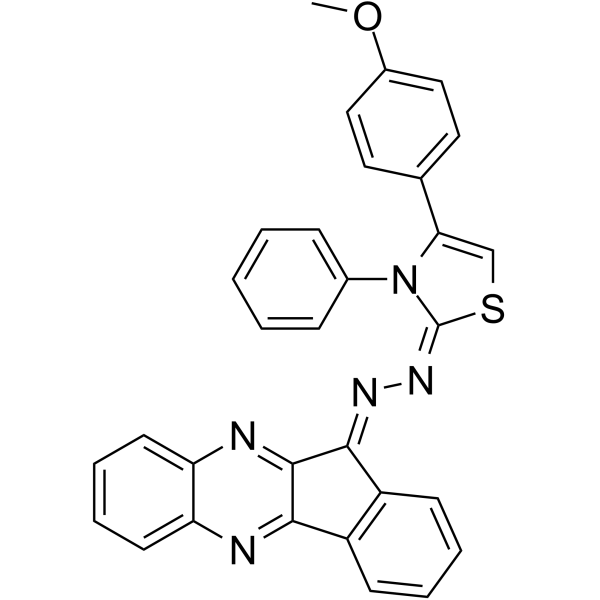
M464
 0 ImagesArt. -Nr.: HY-179494Reinheit: 99.58%M464, a non-steroidal anti-inflammatory compound, is a potent and orally active NLRP3 inflammasome inhibitor. M464 inhibits pyroptosis and hinders the activation of downstream Caspase-1 expression and the release of IL-1β by impeding ASC oligomerisation and curtailing ROS production. M464 exhibits protective effects against acute lung and liver injury in mice. M464 can be used for the research of NLRP3-related inflammatory diseases.
-
Brevetoxin B
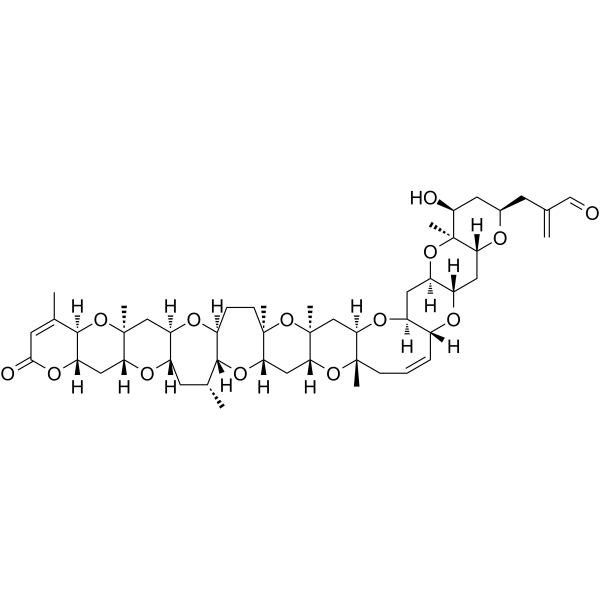 0 ImagesArt. -Nr.: HY-12546CAS. Nr.: 79580-28-2Synonyms: Brevetoxin-2; PbTx-2Brevetoxin B (Brevetoxin-2) is a red tide toxin. Brevetoxin B affects sodium, potassium and calcium currents in nerve terminals. Brevetoxin B also modulates the metabolic activity of Jurkat cells, reduces cell viability and induces apoptosis. Brevetoxin B can be used in research on synaptic transmission and tumors.
-
Isolinderalactone
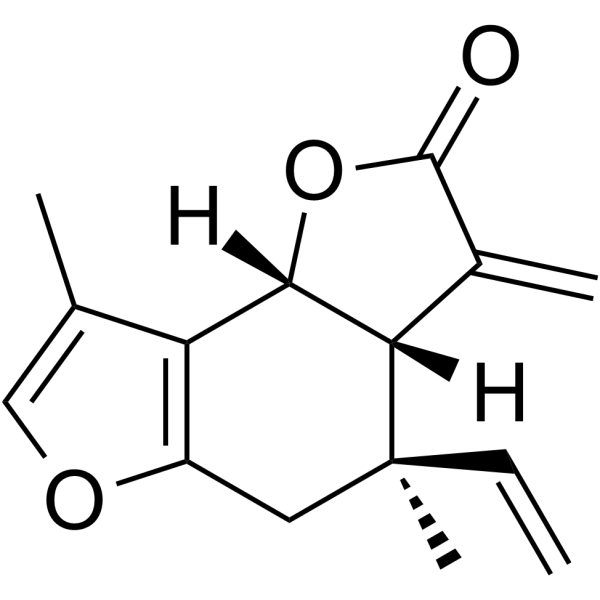 0 ImagesIsolinderalactone is a sesquiterpene that exhibits anti-cancer, anti-inflammatory, and neuroprotective effects. Isolinderalactone inhibits VEGF expression and tyrosine phosphorylation of VEGFR2. Isolinderalactone decreases viability and induces apoptosis in U-87 glioblastoma (GBM) cells and colorectal cancer (CRC) cells. Isolinderalactone induces G2/M phase cell cycle arrest, ROS generation, pJNK/p38 MAPK activation, in colorectal cancer (CRC) cells. Isolinderalactone blocks LPS (HY-D1056)-induced NF-κB activation while activating Nrf2-HMOX1 signaling in RAW264.7 macrophages. Isolinderalactone improves cognitive dysfunction in APP/PS1 mice. Isolinderalactone can be used for the study of Glioblastoma multiforme (GBM), colorectal cancer, Alzheimer’s disease and acute lung injury.
-
TD1092
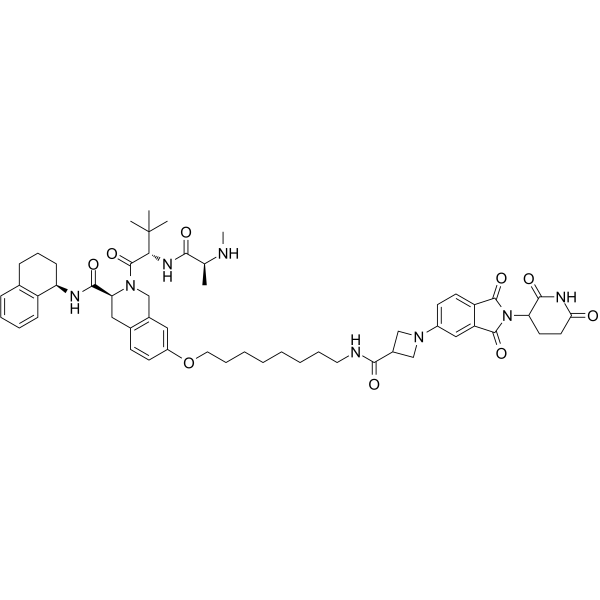 0 ImagesTD1092 is a pan-IAP degrader, degrades cIAP1, cIAP2, and XIAP. TD1092 activates Caspase 3/7, and promotes cancer cells apoptosis via IAP degradation. TD1092 inhibits TNFα mediated NF-κB pathway and reduces the phosphorylation of IKK, IkBα, p65, and p38. TD1092 can act as PROTAC, and is used for cancer research.
-
Tryptophol-d4
 0 ImagesSynonyms: Indole-3-ethanol-d4Tryptophol-d4 (Indole-3-ethanol-d4) is the deuterium labeled Tryptophol (HY-W010155). Tryptophol is an aromatic alcohol and secondary metabolite produced by microorganisms. Tryptophol induces apoptosis and cleavage of caspase-8. Tryptophol inhibits Cunninghamella blakesleeana biofilm. Tryptophol has anti-phage infection, biofilm formation regulation, anti-inflammatory, hemolytic, sleep induction, temperature change, seizure susceptibility and immune regulation activities. Tryptophol is used in the research of African trypanosomiasis, sleep disorders, epilepsy.
-
(+)-Erinacin A
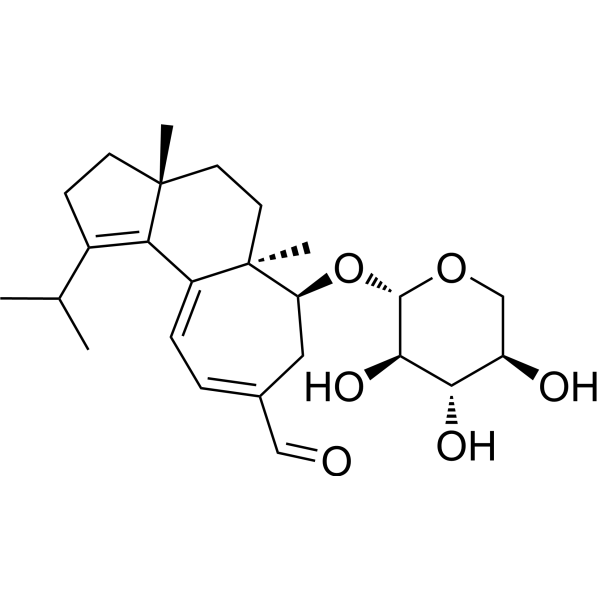 0 ImagesSynonyms: Erinacine A(+)-Erinacin A (Erinacine A) is a cyanoditerpenoid isolated from Hericium erinaceus with anticancer, anti-inflammatory and neuroprotective activities. (+)-Erinacin A can induce cancer cell death by activating extrinsic and intrinsic apoptosis pathways. (+)-Erinacin A can also inhibit the expression of NO synthase (iNOS) and the production of nitrotyrosine to exert inflammatory and neuroprotective effects, thereby reducing ischemic brain damage.
-
5,7-Dihydroxychromone
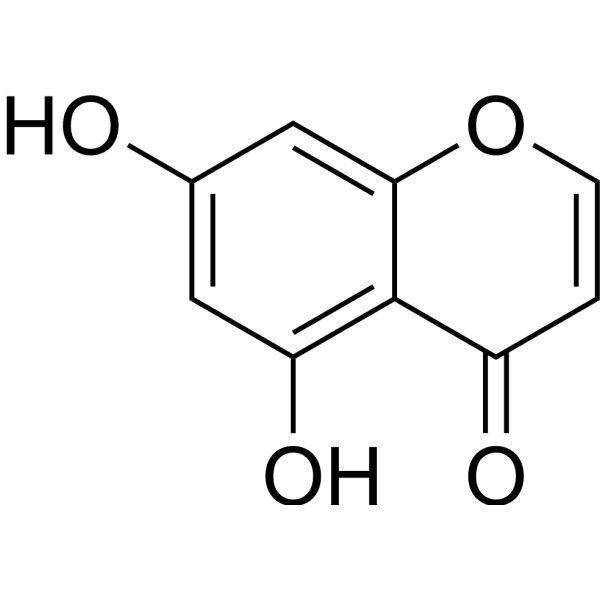 0 Images5,7-Dihydroxychromone is a flavonoid compound with antioxidant properties. 5,7-Dihydroxychromone induces Nrf2 nuclear translocation, increases Nrf2/ARE binding activity, and up-regulates Nrf2-dependent antioxidant genes HO-1, NQO1, GCLc. 5,7-Dihydroxychromone attenuates excessive ROS generation, inhibits activated caspase-3, caspase-9, cleaved PARP expression, and prevents neuronal apoptosis and cell death. 5,7-Dihydroxychromone increases LXRα and PPARγ mRNA expression, induces preadipocyte differentiation, and regulates blood glucose levels. 5,7-Dihydroxychromone inhibits radial growth of soil pathogenic fungi, radicle elongation of select seedlings, and transiently inhibits Bradyrhizobium sp. growth in high mannitol medium. 5,7-Dihydroxychromone can be used for the research of Parkinson’s disease, type 2 diabetes mellitus and pathogenic fungal infection.
-
Tauroursodeoxycholate-d4
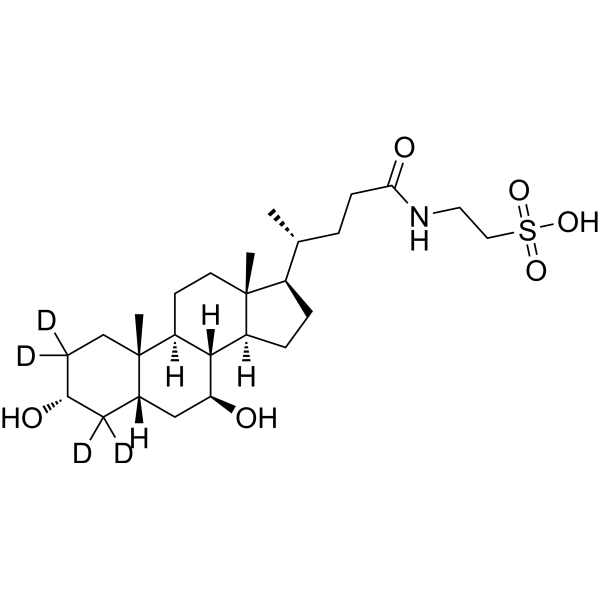 0 ImagesSynonyms: Tauroursodeoxycholic acid-d4; TUDCA-d4; UR 906-d4Tauroursodeoxycholate-d4 is deuterium labeled Tauroursodeoxycholate. Tauroursodeoxycholate (Tauroursodeoxycholic acid) is an endoplasmic reticulum (ER) stress inhibitor. Tauroursodeoxycholate significantly reduces expression of apoptosis molecules, such as caspase-3 and caspase-12. Tauroursodeoxycholate also inhibits ERK.
-
Karacoline
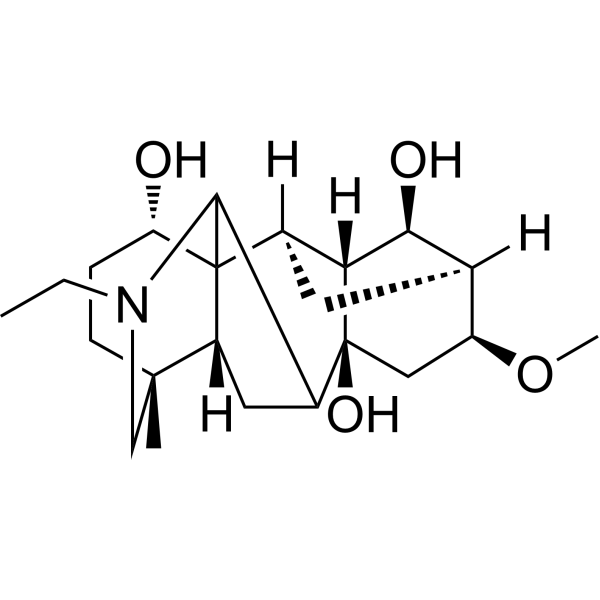 0 ImagesKaracoline is an orally active PPARγ activator and ERK/JNK MAPK inhibitor. Karacoline restricts ROS production, maintains mitochondrial membrane potential, and inhibits pulmonary cell apoptosis. Karacoline inhibits NF-κB pathway activation, reduces acetylation levels of p65 and the expression of MMP14 and MMP9, enhances the expression of type II collagen (collagen II) and aggrecan (aggrecan), and suppresses extracellular matrix degradation. In a mouse model of sepsis-induced acute lung injury, Karacoline alleviates lung injury, inhibits the release of IL-1β, IL-6 and TNF-α, increases the Bcl-2/BAX ratio, and reduces caspase 3 expression. Karacoline can be used in research related to acute lung injury and intervertebral disc degeneration.
-
Orellanine
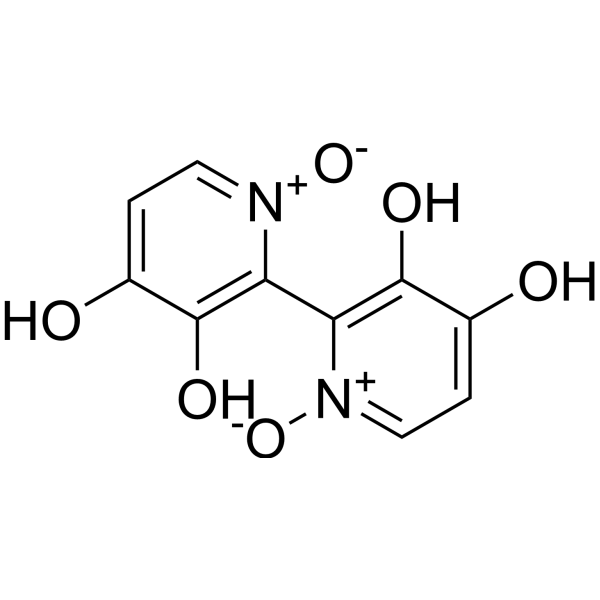 0 ImagesOrellanine, a nephrotoxic alkaloid found in Cortinarius orellanus, is an orally active and selective non-competitive inhibitor of alkaline phosphatase. Orellanine chelates iron, generates reactive oxygen species (ROS), induces DNA scission, forms ortho-semiquinone radicals, downregulates antioxidant defenses, and inhibits mitochondrial function. Orellanine induces caspase 8/9-mediated apoptosis. Orellanine inhibits synthesis of proteins, RNA, DNA, and mitochondrial protein synthesis, with metabolic activation required for cell-free protein synthesis inhibition. Orellanine can be used for the research of metastatic clear cell renal cell carcinoma, acute renal failure, chronic renal insufficiency, and kidney damage.
-
Satratoxin G
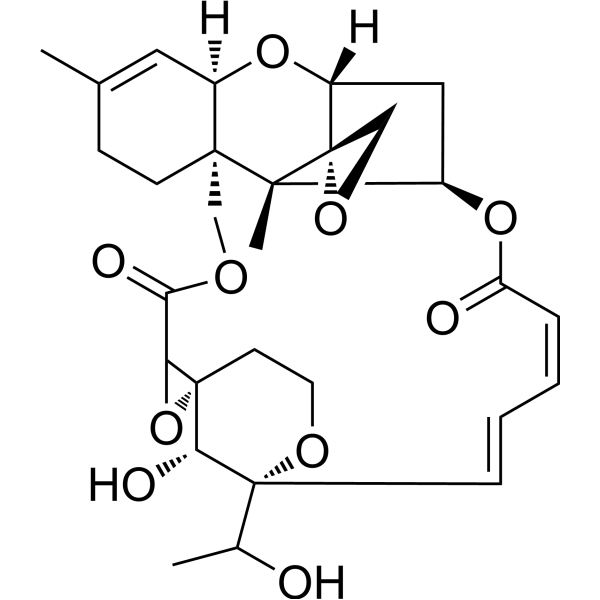 0 ImagesArt. -Nr.: HY-130476CAS. Nr.: 53126-63-9
-
Citicoline-d9 sodium
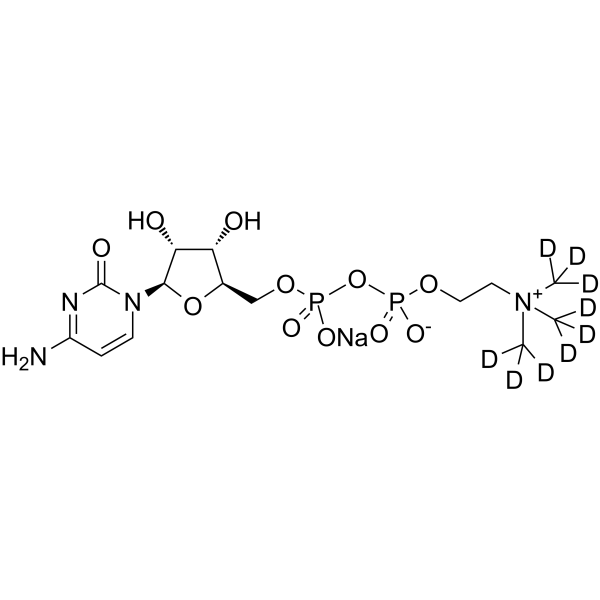 0 ImagesArt. -Nr.: HY-B0739ASSynonyms: Cytidine diphosphate-choline-d9 sodium; CDP-Choline-d9 sodium; Cytidine 5'-diphosphocholine-d9 sodiumCiticoline-d9 (Cytidine diphosphate-choline-d9) sodium is the deuterium labeled Citicoline sodium (HY-B0739A). Citicoline sodium is an endogenous intermediate in the synthesis of phosphatidylcholine which is a component of cell membranes. Citicoline sodium inhibits reactive oxygen species (ROS) and apoptosis. Citicoline sodium can be used for neurological disease and hearing loss study.
-
(E/Z)-Necrosulfonamide
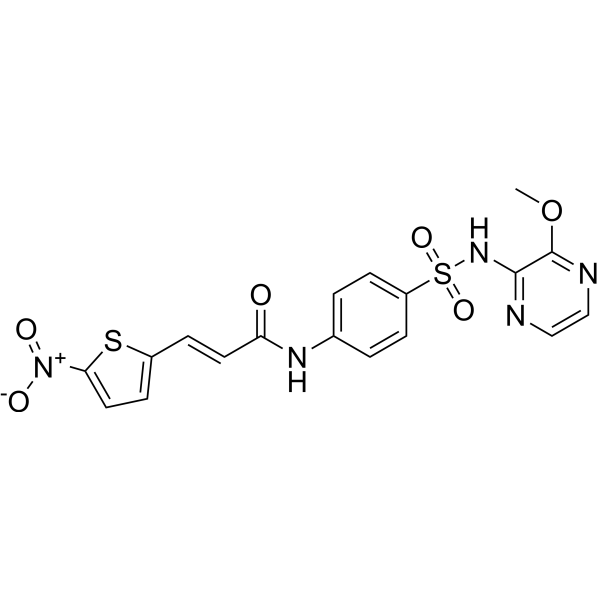 0 Images(E/Z)-Necrosulfonamide is a racemic compound of Necrosulfonamide (HY-100573). Necrosulfonamide is a MLKL and Gasdermin D (GSDMD) inhibitor, capable of separately inhibiting necroptosis and pyroptosis of cells. Necrosulfonamide does not affect the activation of upstream signals, but specifically inhibits the downstream executor oligomerization step. Necrosulfonamide reduces the expression of the key kinases NLRP3 and caspase-1 involved in necroptosis and pyroptosis, activate the Nrf2 pathway and the downstream antioxidant enzymes, and also downregulates a variety of inflammatory factors. Necrosulfonamide plays significant roles in various diseases such as neurodegenerative diseases (such as Parkinson’s disease), tissue damage and ischemia-reperfusion injury, inflammatory bowel disease, osteoarthritis and fracture repair, and hair loss by regulating two important programmed necrosis pathways.
-
PI-1840
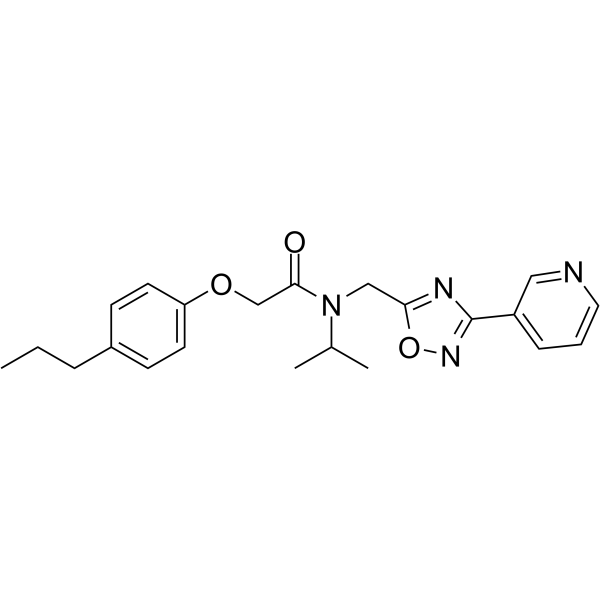 0 ImagesPI-1840 is a potent and selective chymotrypsin-like (CT-L) inhibitor for with an IC50 value of 27 nM. PI-1840 inhibits cell proliferation and arrest cell cycle at G2/M phase. PI-1840 induces apoptosis and induces autophagy. PI-1840 induces the accumulation of proteasome substrates p27, Bax, and IκB-α.




