



Fungal
An antifungal agent is a drug that selectively eliminates fungal pathogens from a host with minimal toxicity to the host.
Classes: 1. Polyene Antifungal Drugs: Amphotericin, nystatin, and pimaricin interact with sterols in the cell membrane (ergosterol in fungi, cholesterol in humans) to form channels through which small molecules leak from the inside of the fungal cell to the outside. 2. Azole Antifungal Drugs: Fluconazole, itraconazole, and ketoconazole inhibit cytochrome P450-dependent enzymes (particularly C14-demethylase) involved in the biosynthesis of ergosterol, which is required for fungal cell membrane structure and function. 3. Allylamine and Morpholine Antifungal Drugs: lylamines (naftifine, terbinafine) inhibit ergosterol biosynthesis at the level of squalene epoxidase. The morpholine drug, amorolfine, inhibits the same pathway at a later step. 4. Antimetabolite Antifungal Drugs: 5-Fluorocytosine acts as an inhibitor of both DNA and RNA synthesis via the intracytoplasmic conversion of 5-fluorocytosine to 5-fluorouracil.
All Product Categories
-
Fungal Related Products (2751)
Related Products (2751)

-
Antibodies (1)
-
Related Compound Screening Libraries (1)
-
Tolprocarb
 0 ImagesTolprocarb is an oomyces fungicide, which has a strong inhibitory effect on rice blast fungus Magnaporthe grisea by inhibiting polyketide synthase in melanin synthesis pathway .
-
Geraniol-d6 (Major)
 0 ImagesCat. No.: HY-W782079CAS No.: 1660976-93-1Geraniol-d6 (Major) is the deuterated labeled Geraniol (Major). Geraniol is an olefin terpene with oral activity. Geraniol inhibits cell proliferation and promotes apoptosis. Geraniol has antibacterial, antifungal, antioxidant, anti-inflammatory and antitumor activities. Geraniol can be used to study diabetes.
-
Mansonone E
 0 ImagesMansonone E (Compound 5) is a pesticide. Mansonone E can be isolated from heartwood of Mansonia gagei. Mansonone E has significant antifungal activity against Cladosporium cucumerinum, Candida albicans and Phytophthora parasitica. Mansonone E has potent antibacterial activity with MIC50s of both 7.8 μg/mL for Xanthomonas oryzae pv. oryzae and X. oryzae pv. Oryzicola. Mansonone E also has antifeedant and herbicidal activities.
-
5-Hydroxymethylfurfural (Standard)
 0 ImagesSynonyms: 2-Hydroxymethyl-5-furfural (Standard); 2-Formyl-5-hydroxymethylfuran (Standard)5-Hydroxymethylfurfural (Standard) is the analytical standard of 5-Hydroxymethylfurfural. This product is intended for research and analytical applications. 5-Hydroxymethylfurfural (2-Hydroxymethyl-5-furfural), derived from Cornus officinalis, inhibits yeast growth and fermentation as stressors.
-
Polypodine B
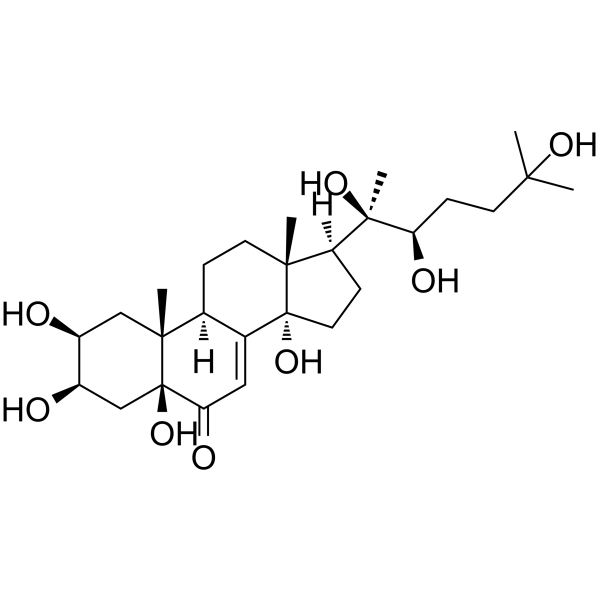 0 ImagesSynonyms: 5β-HydroxyecdysteronePolypodine B is a natural ecdysone ester isolated from the bark of Dacrydium intermedium. Polypodine B significantly inhibits the activity of Acanthamoeba castellani. Polypodine B has moderate antifungal activity. Polypodine B can be used for research on parasitic diseases and fungal infections.
-
Spiroxamine
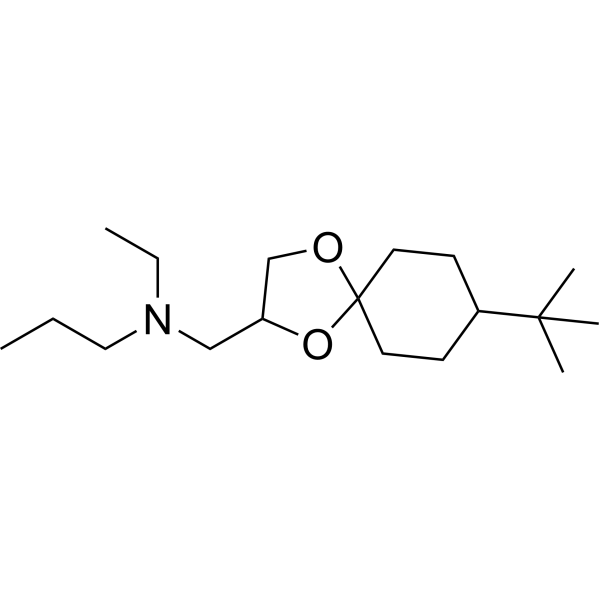 0 ImagesSpiroxamine is a fungicide that can be used to kill grapes with less residue.
-
Antifungal agent 18
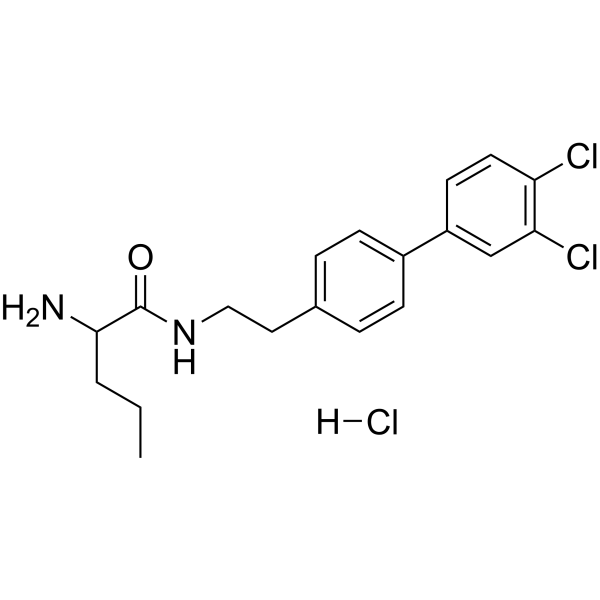 0 ImagesAntifungal agent 18 is an antifungal agent. Antifungal agent 18 shows a broad-spectrum antifungal activity against major human fungal pathogens. Antifungal agent 18 compromises fungal cell wall integrity by targeting the unfolded protein response (UPR), calcineurin, and MAPK pathways. Antifungal agent 18 shows antifungal activity in virto and vivo. Antifungal agent 18 can be used for the research of invasive fungal pathogens and cutaneous dermatophytes.
-
1-Methyl-4-nitroimidazole
 0 Images1-Methyl-4-nitroimidazole is an antibacterial agent. 1-Methyl-4-nitroimidazole is reduced by bacterial nitroreductases to form toxic derivatives, which cause DNA damage, inhibit bacterial nucleic acid synthesis, generate toxic superoxides through futile cycling of reduced radical anions, and induce bacterial cell death. 1-Methyl-4-nitroimidazole exhibits moderate in vitro activity against bacteria and fungal. 1-Methyl-4-nitroimidazole can be used in the research of skin infections, purulent infections and urinary tract infections.
-
Rapamycin-13C,d3
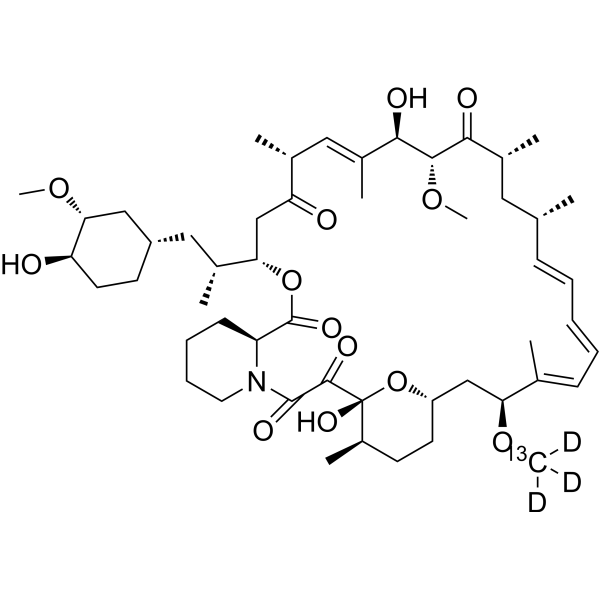 0 ImagesCat. No.: HY-10219S1Synonyms: Sirolimus-13C,d3; AY-22989-13C,d3 NSC 226080-13C,d3Rapamycin-13C,d3 (Sirolimus-13C,d3) is the 13C, deuterated-labeled Rapamycin (HY-10219). Rapamycin (Sirolimus; AY 22989) is a potent and specific blood-brain barrier-transmissible mTOR inhibitor with an IC50 of 0.1 nM in HEK293 cells. Rapamycin is a molecular glue that binds FKBP12 and mTOR proteins together, thereby inhibiting mTOR kinase activity. Rapamycin binds to FKBP12 and specifically acts as an allosteric inhibitor of mTORC1. Rapamycin is an autophagy activator, an immunosuppressant.
-
5-Bromo-5-nitro-1,3-dioxane
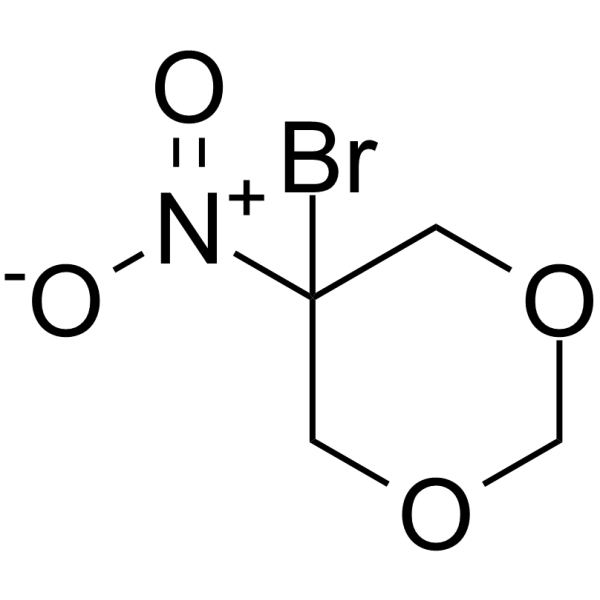 0 Images5-Bromo-5-nitro-1,3-dioxane is a broad-spectrum antimicrobial agent active against Gram-positive bacteria, Gram-negative bacteria and fungi. 5-Bromo-5-nitro-1,3-dioxane oxidizes free thiol groups to their corresponding disulfides. 5-Bromo-5-nitro-1,3-dioxane induces intracellular substance leakage in Escherichia coli and Staphylococcus aureus. 5-Bromo-5-nitro-1,3-dioxane modulates the oxygen consumption of Escherichia coli and Staphylococcus aureus.
-
6-Methylpurine riboside
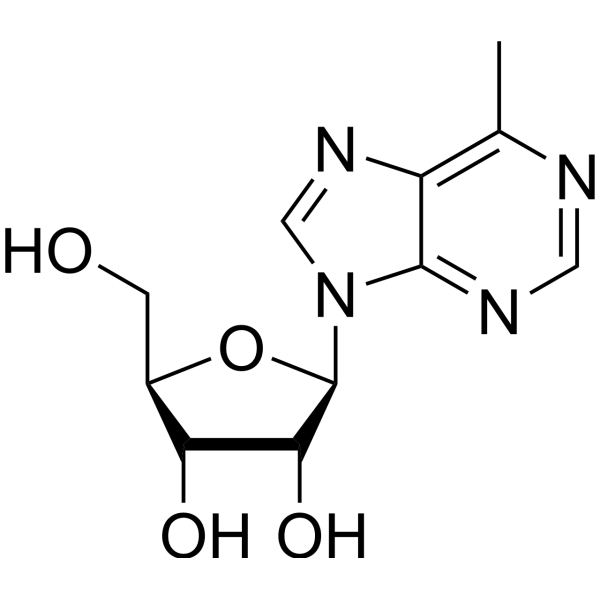 0 ImagesSynonyms: 6-MPR6-Methylpurine riboside (6-MPR) is an antibiotic extracted from the culture medium of the basidiomycete fungi Collybia dryophilia and Collybia maculata. 6-Methylpurine riboside possesses antifungal, antiviral, and antitumor activities.
-
4-Chlorocinnamic acid
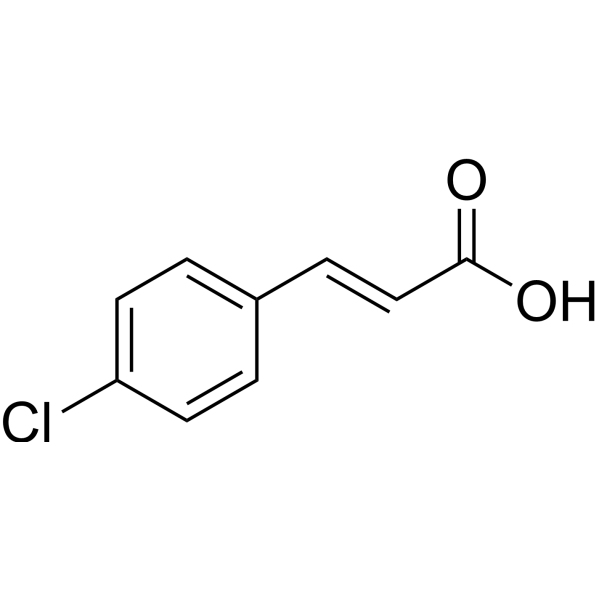 0 Images4-Chlorocinnamic acid is a derivative of Cinnamic acid (HY-N0610A). 4-Chlorocinnamic acid inhibits the monophenolase and diphenolase activities of mushroom tyrosinase with IC50 values of 0.477 mM and 0.229 mM, respectively. 4-Chlorocinnamic acid inhibits the mycelial growth of Colletotrichum gloeosporioides. 4-Chlorocinnamic acid exhibits anticonvulsant activity against acute epilepsy induced by pentylenetetrazol.

-
Fluindapyr
 0 ImagesFluindapyr is a broad-spectrum pyrazolamide chiral fungicide of succinate dehydrogenase inhibitor (SDHIs) with broad bactericidal spectrum and good efficacy. Fluopimomide is effective against M. incognita in vitro and application of fuopimomide shows some growth promotion effect in cucumber.
-
4-Methylcinnamic acid
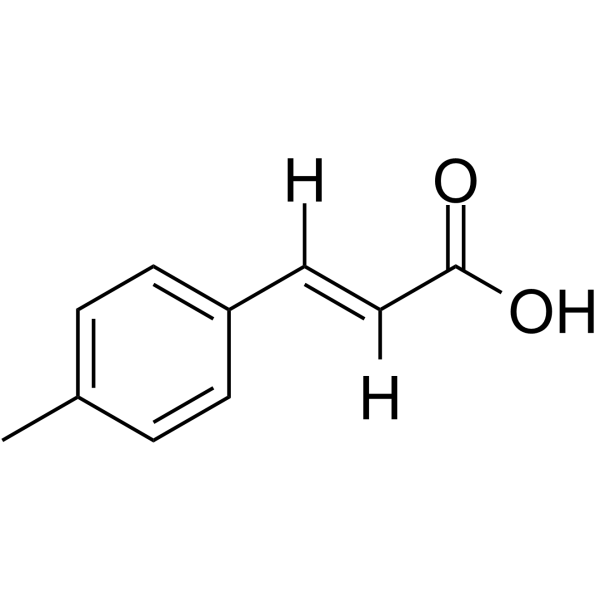 0 Images4-Methylcinnamic acid is a cinnamic acid derivative with antifungal activity. 4-Methylcinnamic acid can overcome the tolerance of glutathione reductase mutants to 4-Methoxycinnamic acid (HY-N1387). When 4-Methylcinnamic acid is used in combination with traditional antifungal agents, it can reduce their minimum inhibitory concentrations. 4-Methylcinnamic acid can act as an intervention catalyst to enhance the efficacy of traditional antifungal agents and has application potential in targeting fungal cell wall disruption and controlling drug-resistant fungi.
-
Fumonisin B3
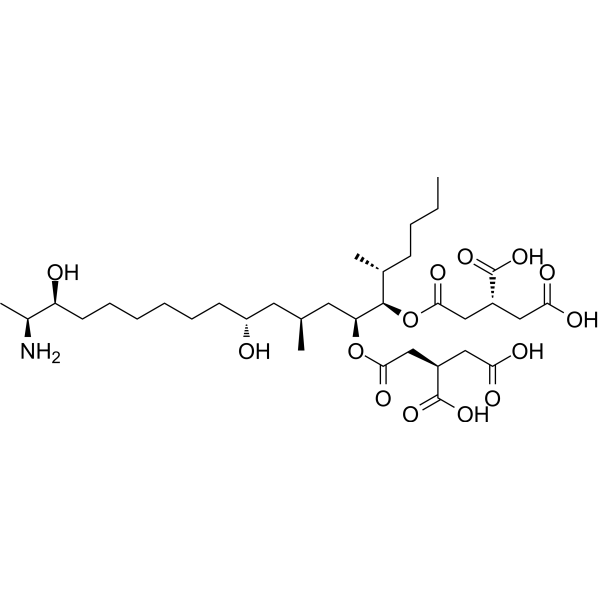 0 ImagesFumonisin B3 is an orally active fumonisin Mycotoxin. Fumonisin B3 can be isolated from Fusarium moniliforme, Fusarium proliferatum and Fusarium nygamai. Fumonisin B3 induces precancerous lesions, triggers embryonic death of chicken embryos, causes severe hemorrhage in dead chicken embryos. Fumonisin B3 can be used in studies related to hepatocellular carcinoma.
-
Tolclofos-methyl
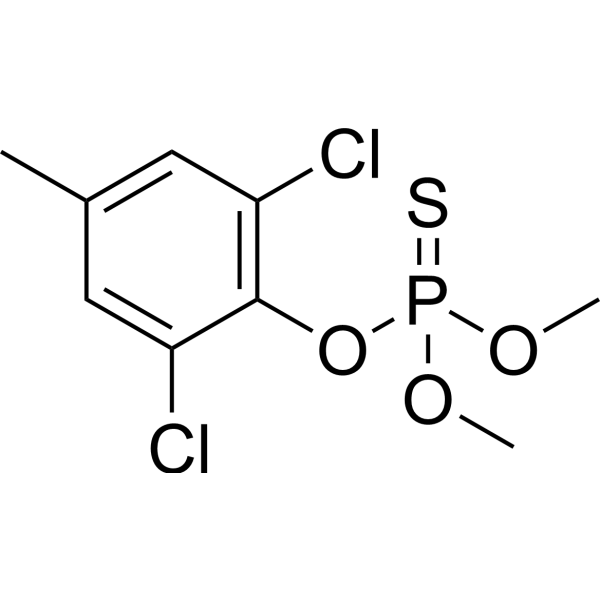 0 ImagesTolclofos-methyl is an organophosphorus fungicide. Tolclofos-methyl undergoes photoinduced oxidative degradation to form oxo-analog derivatives. Tolclofos-methyl inhibits spore division in fungi and oomycetes, induces cytoplasmic leakage, and interferes with flagellar movement. Tolclofos-methyl is rapidly metabolized and excreted in rodents. Tolclofos-methyl can be used in studies related to fungal infections.
-
Metalaxyl (Standard)
 0 ImagesMetalaxyl (Standard) is the analytical standard of Metalaxyl. This product is intended for research and analytical applications. Metalaxyl is a fungicide agent that inhibits the protein synthesis in fungi. Metalaxyl against downy mildews and soil-borne diseases by Phytium ssp. and Phytophthora ssp..
-
Methyl dehydroabietate
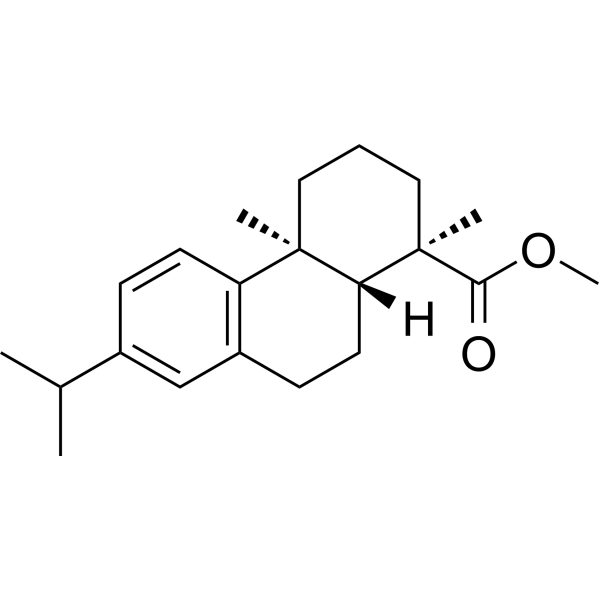 0 ImagesMethyl dehydroabietate is an orally active resin acid. Methyl dehydroabietate disrupts microbial cell walls and exhibits significant antibacterial activity. Methyl dehydroabietate induces the expression of PPARα in the liver and PPARγ in adipose tissue, and promotes adipocyte differentiation. Methyl dehydroabietate improves insulin resistance, reduces TNFα levels, and alleviates adipocyte hypertrophy and hepatic steatosis in obese mice. Methyl dehydroabietate can be used in research related to obesity, insulin resistance and hepatic steatosis.
-
Thifluzamide
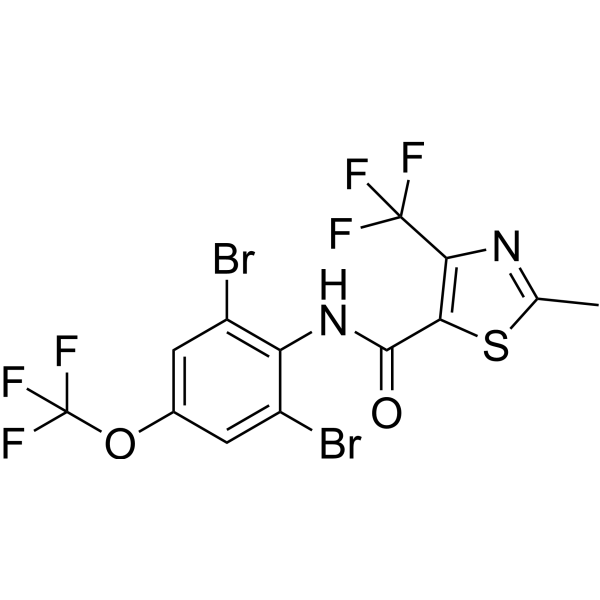 0 ImagesThifluzamide is a fungicide that inhibits fungal respiration by blocking the ubiquinone-binding site in mitochondrial complex II. Thifluzamide exhibits significant activity against Basidiomycota pathogens (such as Rhizoctonia cerealis, Ustilago and Puccinia genera) and is commonly used in studies on wheat sharp eyespot. Thifluzamide displays a dual mechanism in regulating lipid metabolism: it reduces fatty acid synthase activity to inhibit endogenous fatty acid synthesis, and increases carnitine palmitoyltransferase-I activity to accelerate fatty acid β-oxidation, thereby reducing total cholesterol and triglyceride levels in the liver. Thifluzamide also induces hepatotoxicity in zebrafish models and carries a risk of developmental toxicity. Thifluzamide inhibition of Rhizoctonia cerealis may result in low to moderate levels of drug resistance, leading to the generation of stable drug-resistant mutants.




