Free Fatty Acid Receptor
FFAR
Free fatty acid receptors (FFARs) are G protein-coupled receptors (GPCRs) activated by free fatty acids (FFAs). The four well-characterized FFARs are FFAR1/GPR40, FFAR2/GPR43, FFAR3/GPR41, and FFAR4/GPR120. FFARs are categorized according to the chain length of FFA ligands that activate each FFAR; FFA2 and FFA3 are activated by short chain FFAs, mainly acetate, butyrate, and propionate. GPR84 is activated by medium-chain FFAs, whereas FFA1 and GPR120 are activated by medium- or long-chain FFAs. Thus, each FFAR can act as an FFA sensor with selectivity for a particular FFA carbon chain length derived from food or food derived metabolites. FFARs have been reported to have physiological functions such as facilitation of insulin and incretin hormone secretion, adipocyte differentiation, anti-inflammatory effects, neuronal responses, and taste preferences. These physiological functions of FFARs could be considered to regulate energy and immune homeostasis. Therefore, FFARs have been targeted in therapeutic strategies for the treatment of metabolic disorders including type 2 diabetes and metabolic syndrome.
Free Fatty Acid Receptor Isoform Specific Products
All Product Categories
-
Free Fatty Acid Receptor Inhibitors
(3)
View all products
-
Free Fatty Acid Receptor Agonists
(92)
View all products
-
Free Fatty Acid Receptor Antagonists
(7)
View all products
-
Free Fatty Acid Receptor Activators
(7)
View all products
-
Free Fatty Acid Receptor Modulators
(3)
View all products
-
Free Fatty Acid Receptor Controls
(3)
View all products
-
Free Fatty Acid Receptor Ligand
(1)
View all products
-
Free Fatty Acid Receptor Related Products (132)
Related Products (132)

-
Antibodies (4)
-
Free Fatty Acid Receptor Isoform Comparison
-
CATPB
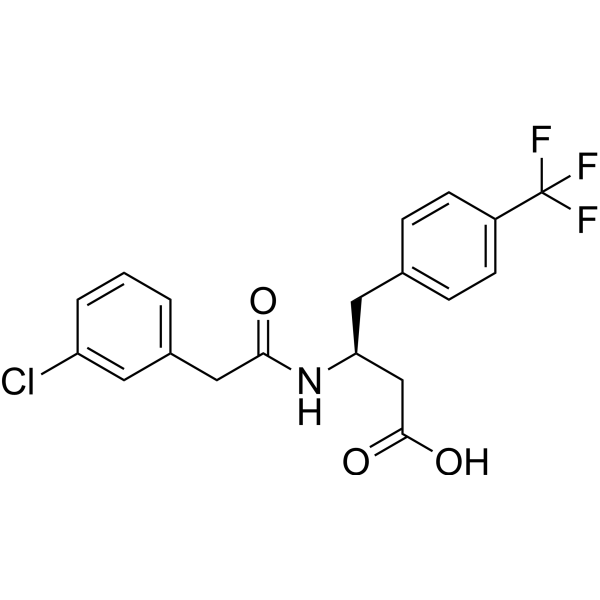 0 ImagesCATPB is a potent, selective free fatty acid receptor 2 (FFA2R/GPR43) antagonist.
-
AMG7703
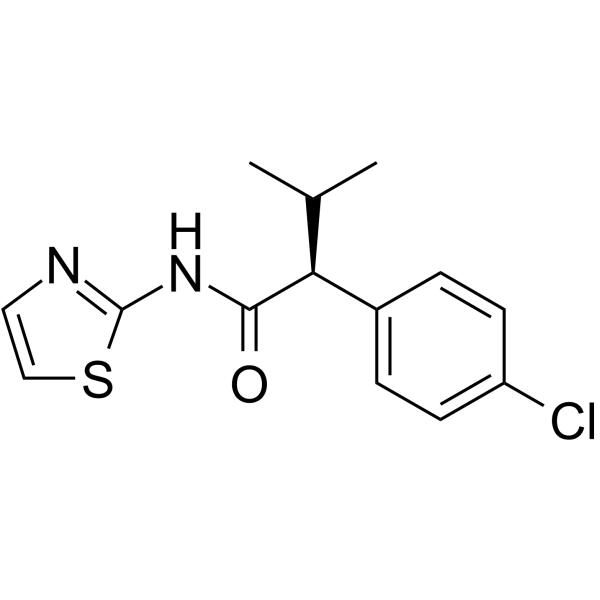 0 ImagesAMG7703 is a selective and allosteric agonists of FFA2 (GPR43), the receptor for short-chain fatty acids (SCFAs), acetate, and propionate. AMG7703 can be used to research for in inflammatory and metabolic.
-
AMG 837 calcium hydrate
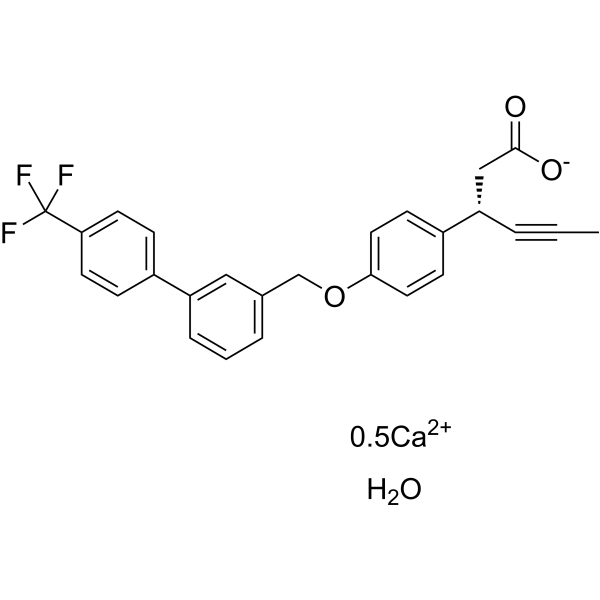 0 ImagesAMG 837 calcium hydrate is an orally active, selective GPR40/FFA1 agonist with an EC50 of 1.5 nM against human GPR40. AMG 837 calcium hydrate stimulates insulin secretion in a glucose-dependent manner, and effectively improves glycemic control in both normal and diabetic rodent models. AMG 837 calcium hydrate binds to the BacA protein and impairs the survival and replication of Brucella. AMG 837 calcium hydrate can be used in research related to type 2 diabetes and brucellosis.
-
GR148672X
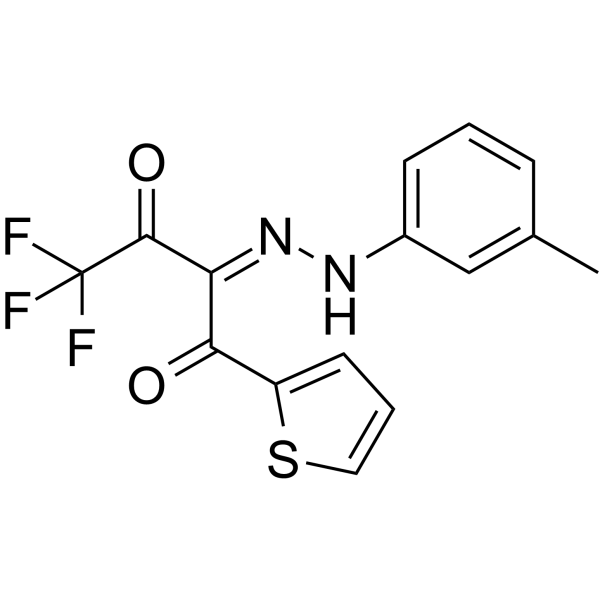 0 ImagesGR148672X is an inhibitor of carboxylesterase 1 (CES1) and hepatic microsomal triglyceride hydrolase (TGH). GR148672X blocks the catalytic activity of CES1, impairs the functions of triglyceride and cholesteryl ester lipase, reduces triglyceride mobilization and secretion, and decreases apolipoprotein B-100 secretion in primary rat hepatocytes. Under low-glucose conditions, GR148672X inhibits the survival of colorectal cancer cells by reducing free fatty acid availability, inducing toxic triglyceride accumulation, ROS production, mitochondrial damage, ferroptosis and apoptosis. GR148672X can be used in studies related to colorectal cancer and atherosclerosis.
-
GPR120 Agonist 3
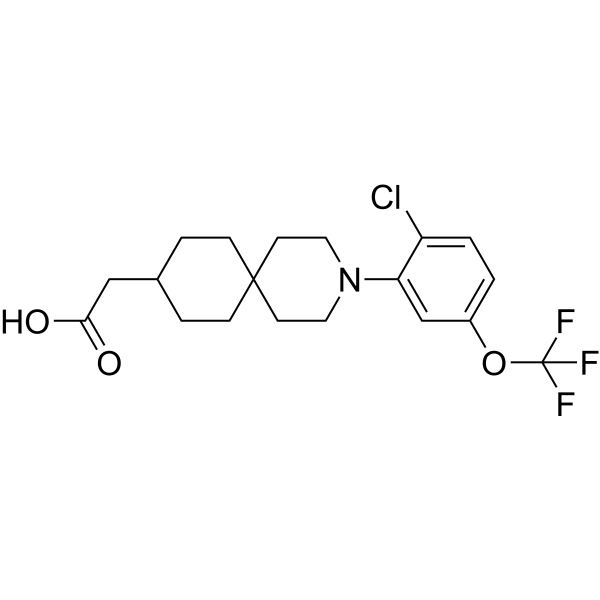 0 ImagesGPR120 Agonist 3 is a selective Gpr120 agonist with a logEC50 of 7.62.
-
GPR40 agonist 6
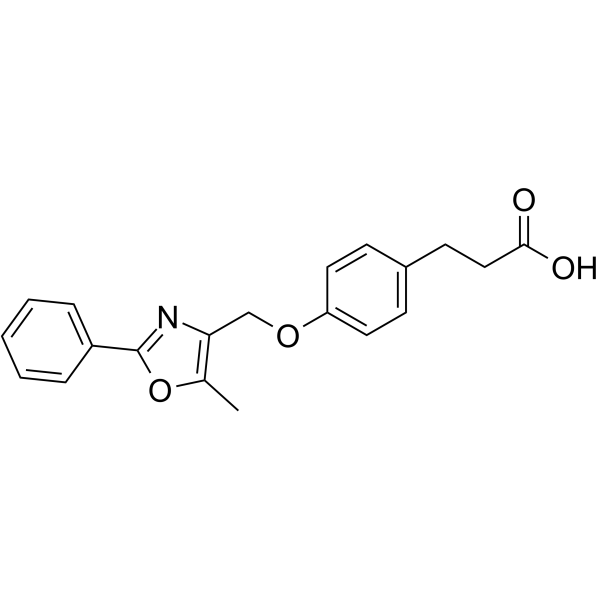 0 ImagesGPR40 agonist 6 (Compound 7a) is a potent and selective free fatty acid receptor 1 (FFAR1 or GPR40) agonist with an EC50 of 0.058 μM.
-
GSK137647A
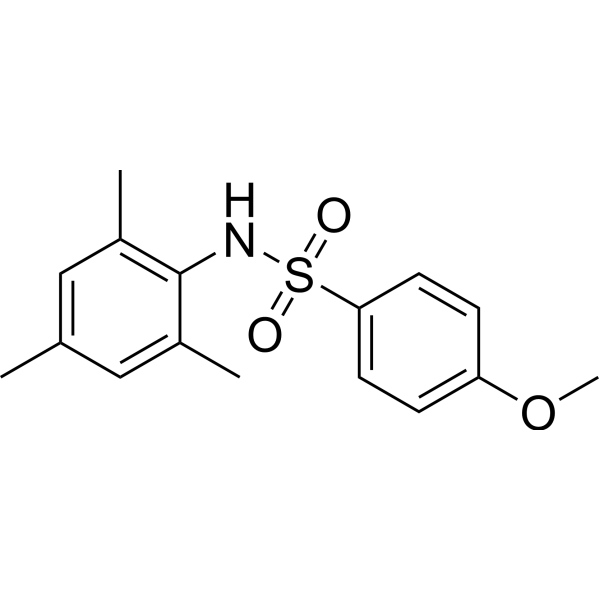 0 ImagesSynonyms: GSK 137647GSK137647A (GSK 137647) is a potent, selective free fatty acid receptor 4 (FFA4) agonist with pEC50 values of 6.3, 6.2, and 6.1 for human, mouse and rat FFA4, and pEC50 values < 4.5 for all three species for FFA1, FFA2, and FFA3, respectively. GSK137647A has anti-inflammatory activity. GSK137647A induces insulin secretion and inhibits epithelial ion transport, GSK137647A is related to regulation of glucose homeostasis and anti-inflammatory response.
-
GPR41 agonist-1
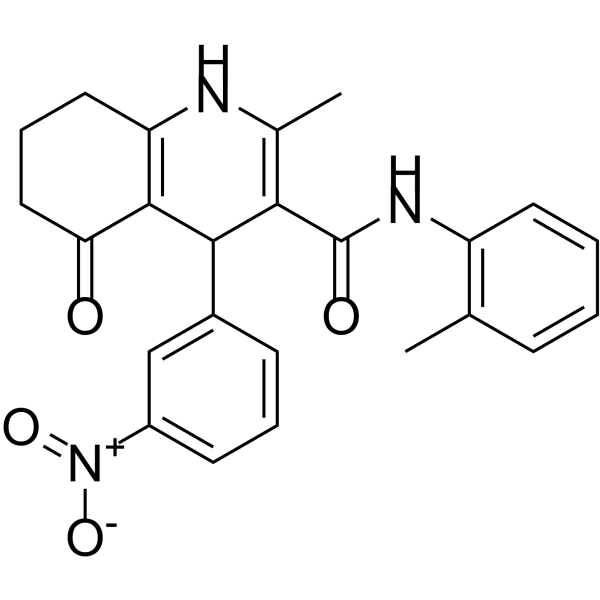 0 ImagesGPR41 agonist-1 (compound 9) is a potent GPR41 agonist. GPR41 agonist-1 can be used for researching insulin-related disorders.
-
LY2922470
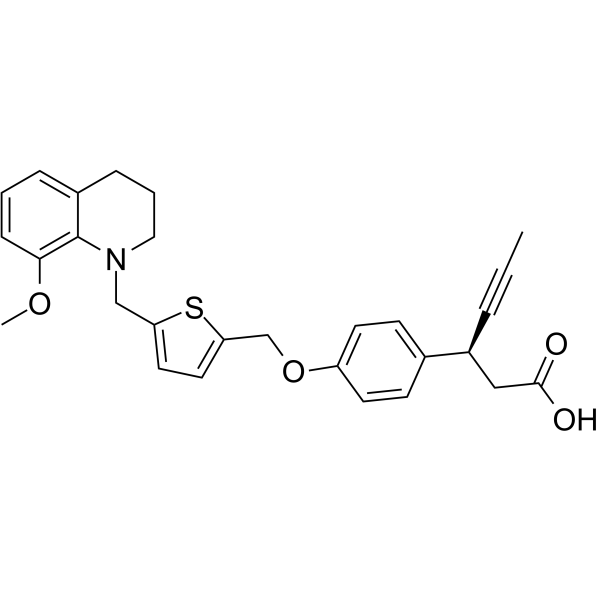 0 ImagesLY2922470 is a selective and orally active agonist for the G protein-coupled receptor 40 (GPR40). LY2922470 activates GPR40-mediated β-arrestin recruitment with EC50s of 7 nM (human GPR40), 1 nM (mouse GPR40) and 3 nM (rat GPR40). LY2922470 can be used for research of type 2 diabetes mellitus (T2DM).
-
HWL-088
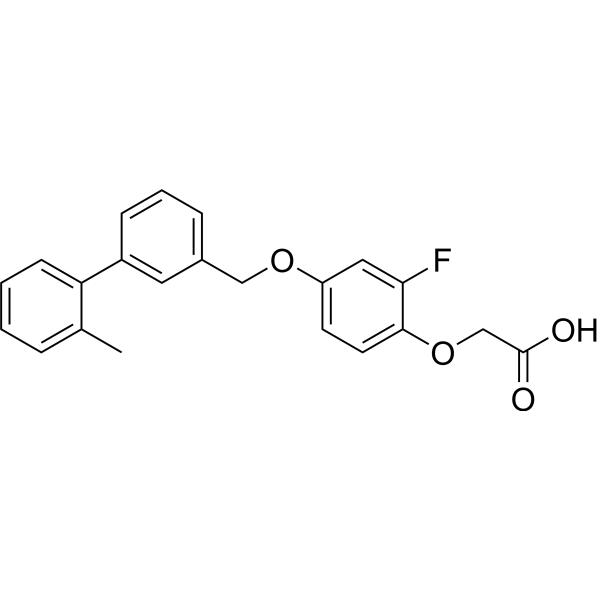 0 ImagesHWL-088 is a highly potent and orally active free fatty acid receptor 1 (FFA1/GPR40) agonist (EC50 of 18.9 nM) with moderate PPARδ activity (EC50 of 570.9 nM) . HWL-088 improves glucose and lipid metabolism, and has anti-diabetic effects.
-
GPR40 agonist 4
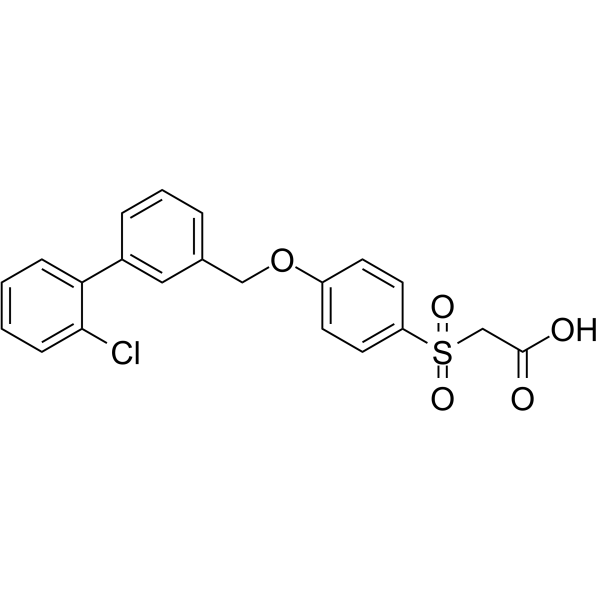 0 ImagesGPR40 agonist 4 is a potent free fatty acid receptor 1 (FFA1/ GPR40) agonist with a pEC50 of 7.54.
-
TUG-469
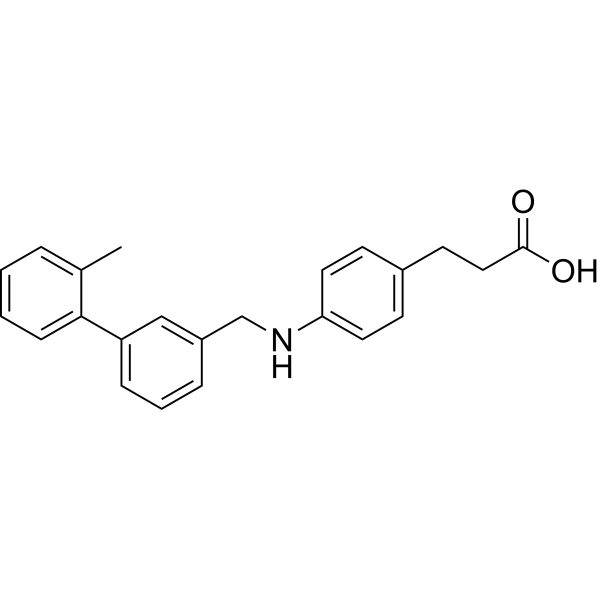 0 ImagesTUG-469 is a selective free fatty acid receptor 1 (FFA1/GPR40) agonist with an EC50 value of 19 nM. TUG-469 is >200-fold selective for FFA1 over FFA4. TUG-469 significantly improves glucose tolerance in pre-diabetic mice. TUG-469 can be used for the research of diabetes.
-
MEDICA16
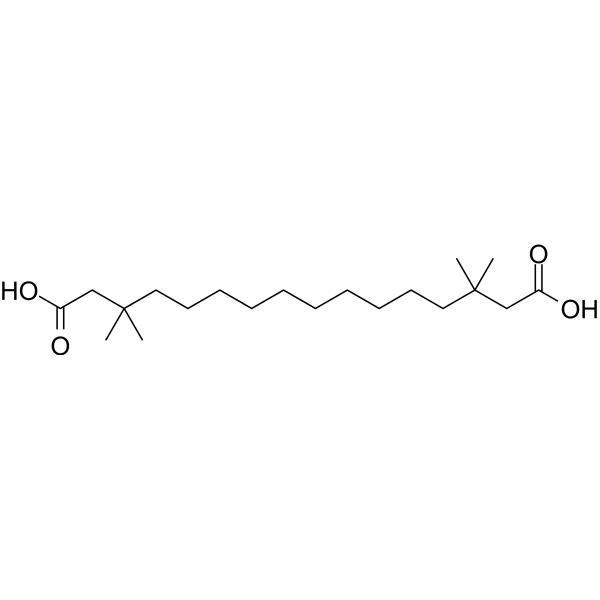 0 ImagesMEDICA16 is an orally active acetyl-CoA carboxylase and ATP-citrate lyase inhibitor. MEDICA16 limits the acetyl-CoA supply for acetyl-CoA carboxylase, inhibits acetyl-CoA carboxylase activity, exerts citrate-competitive inhibitory effects on ATP-citrate lyase, and reduces hepatic AMPK activity. MEDICA16 can be used in research related to insulin resistance, hyperlipidemia, and obesity.
-
1,1'-(Azodicarbonyl)-dipiperidine
 0 ImagesCat. No.: HY-Y1624CAS No.: 10465-81-3Synonyms: ADDP; SR 40771,1'-(Azodicarbonyl)-dipiperidine (ADDP) can be used in the condensation reaction of alcohols with acidic compounds. 1,1'-(Azodicarbonyl)-dipiperidine can also be used in the synthesis of GPR120 agonists with antidiabetic activity, as well as the synthesis of triple agonists for PPARα, PPARγ, and PPARδ. 1,1'-(Azodicarbonyl)-dipiperidine can be used in metabolic disease research.
-
TUG-770
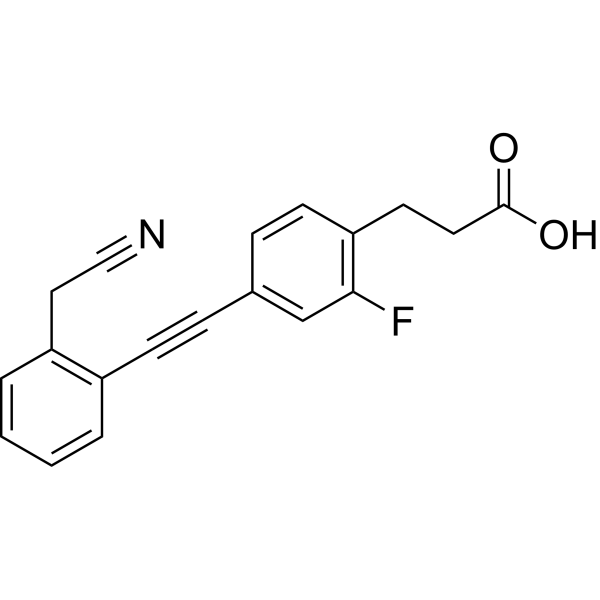 0 ImagesTUG-770 is a potent, selective and orally active GPR40/FFA1 agonist with an EC50 of 6 nM for human FFA1. TUG-770 shows a high selectivity for FFA1 over FFA2, FFA3, FFA4, PPARγ, other receptors, transporters, and enzymes. TUG-770 can be uesd for type 2 diabetes research. TUG-770 is a click chemistry reagent, it contains an Alkyne group and can undergo copper-catalyzed azide-alkyne cycloaddition (CuAAc) with molecules containing Azide groups.
-
CFMB
 0 ImagesCFMB is a full agonist of FFAR2- and FFAR3-specific with EC50 value of 0.8 μM target hFFAR2 and 0.2 μM target rFFAR2.
-
BTI-A-404
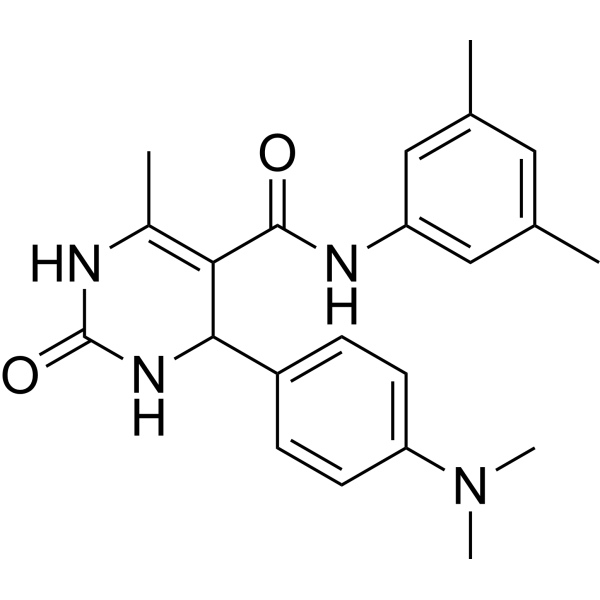 0 ImagesBTI-A-404 is a potent, selective and competitive inverse agonist of human GPR43. BTI-A-404 can be used for the research of inflammation, obesity and type 2 diabetes.
-
GPR40/FFAR1 modulator 1
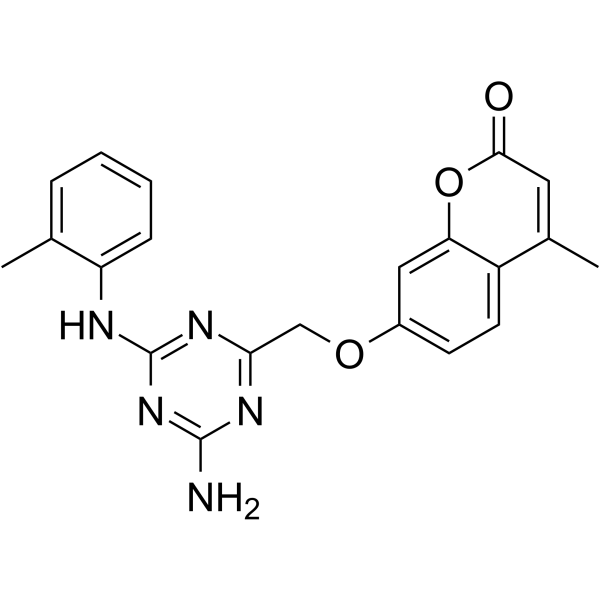 0 ImagesGPR40/FFAR1 modulator 1 is an agonist and an allosteric modulator for Gq-coupled free fatty acid receptor 1 (GPR40/FFAR1).