



Free Fatty Acid Receptor
All Product Categories
-
Free Fatty Acid Receptor Inhibitors
(3)
View all products
-
Free Fatty Acid Receptor Agonists
(80)
View all products
-
Free Fatty Acid Receptor Antagonists
(6)
View all products
-
Free Fatty Acid Receptor Activators
(6)
View all products
-
Free Fatty Acid Receptor Modulators
(3)
View all products
-
Free Fatty Acid Receptor Controls
(3)
View all products
-
Free Fatty Acid Receptor Ligand
(1)
View all products
-
Free Fatty Acid Receptor Related Products (115)
Related Products (115)

-
GLPG0974
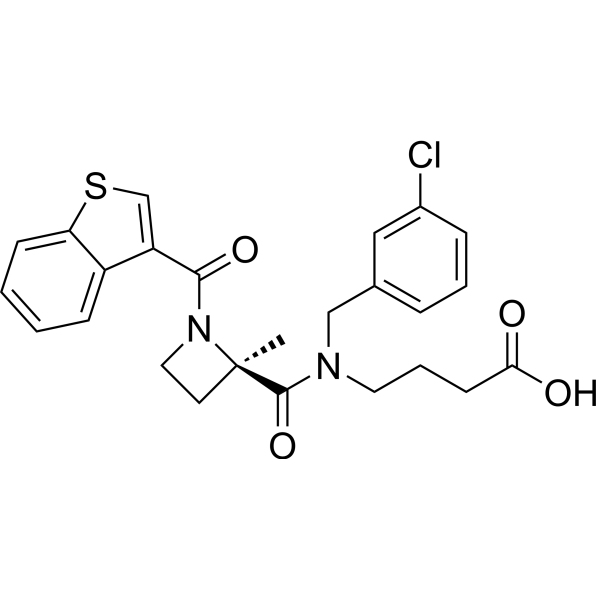 0 ImagesGLPG0974 is a free fatty acid receptor-2 (FFA2/GPR43) antagonist with an IC50 of 9 nM.
-
AH-7614
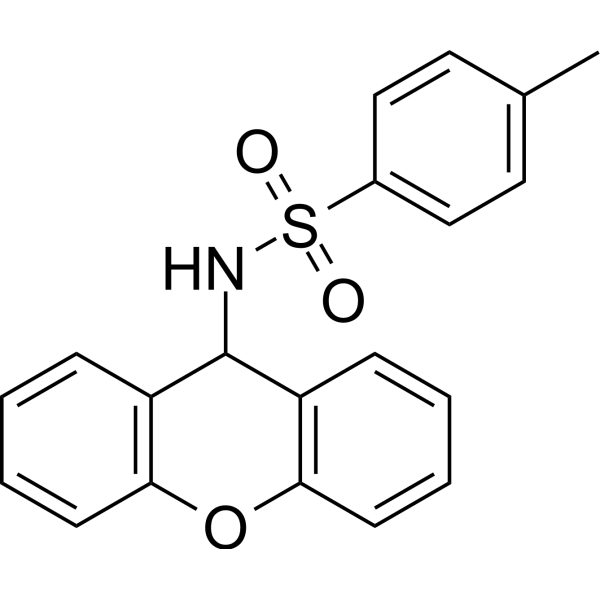 0 ImagesAH-7614 is a potent and selective FFA4 (GPR120) antagonist, with pIC50s of 7.1, 8.1, and 8.1 for human, mouse, and rat FFA4, respectively. AH-7614 has selectivity for FFA4 over FFA1 (pIC50<4.6). AH-7614 is able to block effects of both the polyunsaturated ω-6 fatty acid linoleic acid and the synthetic FFA4 agonist.
-
TUG-891
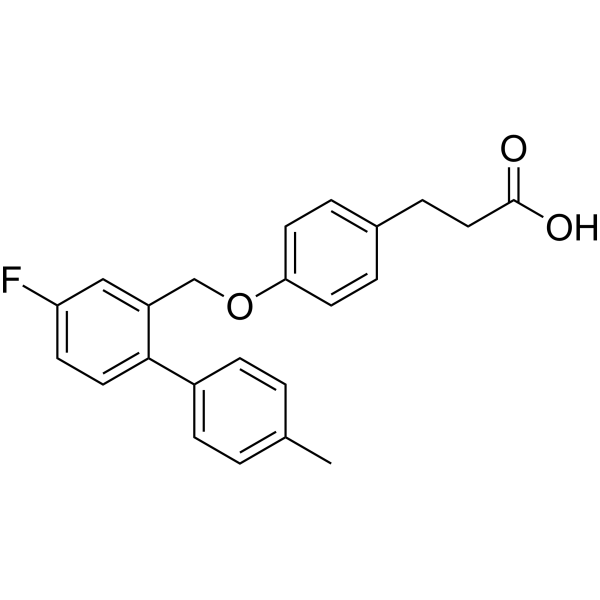 0 ImagesTUG-891 is a potent and selective agonist for the long chain free fatty acid (LCFA) receptor 4 (FFA4/GPR120).
-
GW-1100
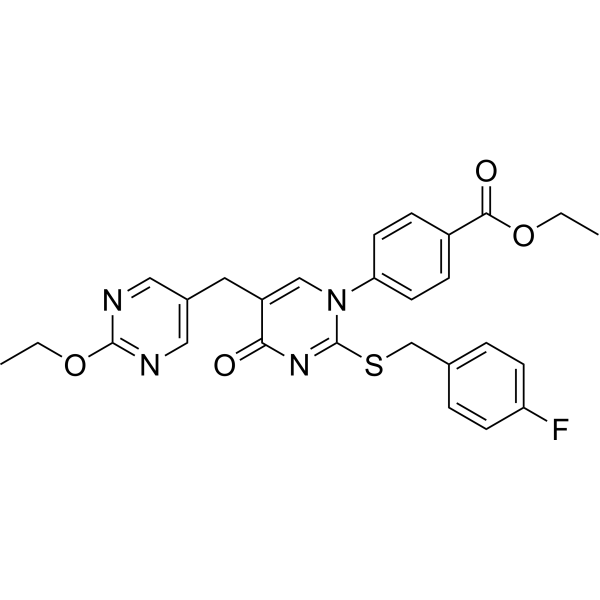 0 ImagesCat. No.: HY-50691CAS No.: 306974-70-9GW-1100 is a selective GPR40 antagonist with a pIC50 of 6.9.
-
Fasiglifam
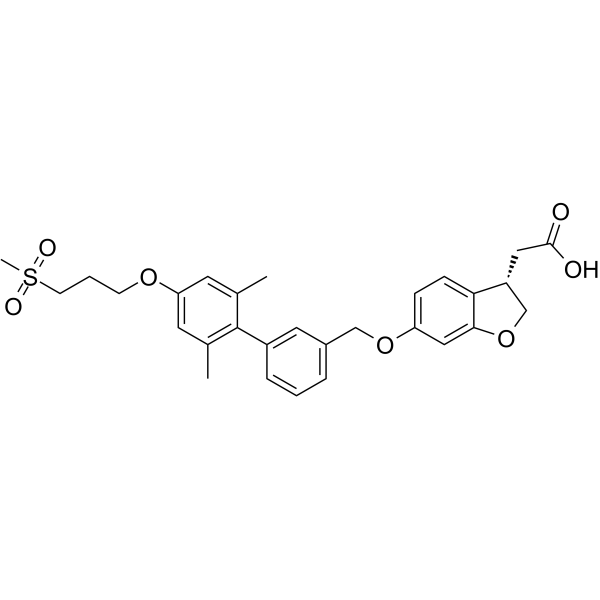 0 ImagesSynonyms: TAK-875Fasiglifam (TAK-875) is a potent, selective and orally bioavailable GPR40 agonist with EC50 of 72 nM.
-
3-Amino-3-(p-tolyl)propionic acid
 0 ImagesCat. No.: HY-W002852CAS No.: 68208-18-4Synonyms: 3-Amino-3-(4-methylphenyl)propanoic acid3-Amino-3-(p-tolyl) propionic acid (3-Amino-3-(4-methylphenyl) propanoic acid) is a GPR40 agonist. 3-Amino-3-(p-tolyl) propionic acid is used for research on type 2 diabetes, obesity, metabolic syndrome and lipid disorders.
-
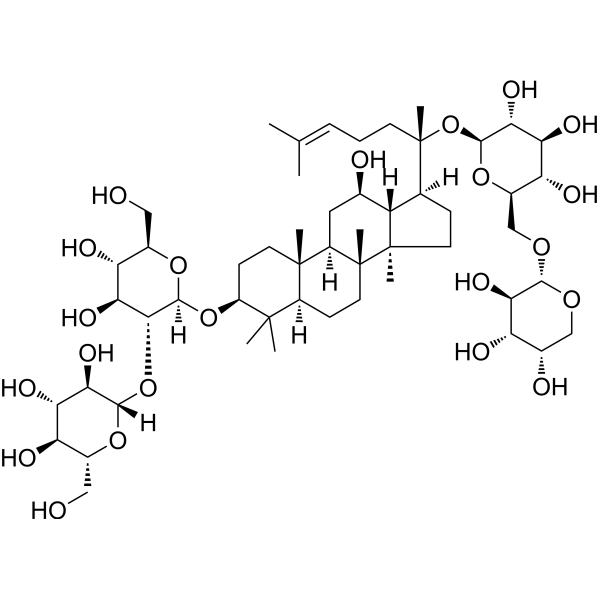
Ginsenoside Rb2 (Standard)
 0 ImagesCat. No.: HY-N0040RCAS No.: 11021-13-9Synonyms: Ginsenoside C (Standard)Ginsenoside Rb2 (Standard) is the analytical standard of Ginsenoside Rb2. This product is intended for research and analytical applications. Ginsenoside Rb2 is one of the main bioactive components of ginseng extracts. Rb2 can upregulate GPR120 gene expression. Ginsenoside Rb2 has antiviral effects.
-
GW9508
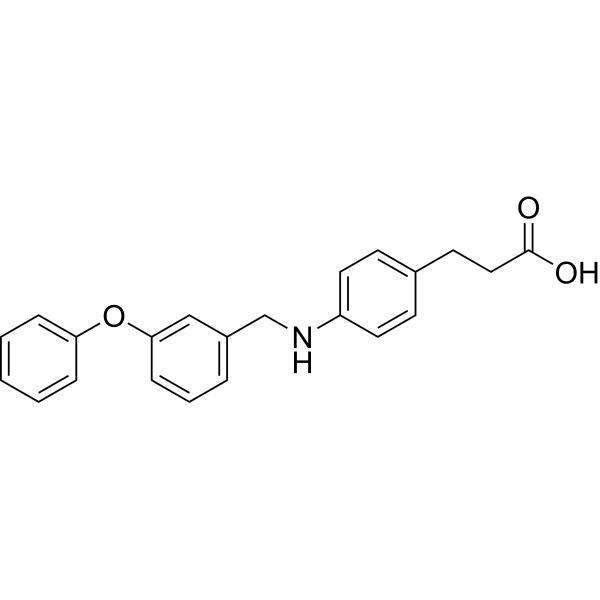 0 ImagesGW9508 is a potent and selective G protein-coupled receptors FFA1 (GPR40) and GPR120 agonist with pEC50s of 7.32 and 5.46, respectively. GW9508 shows ~100-fold selectivity for GPR40 over GPR120. GW9508 is inactive against other GPCRs, kinases, proteases, integrins and PPARs. GW9508 is a glucose-sensitive insulin secretagogue and an ATP-sensitive potassium (KATP) channels opener. Anti-inflammatory and anti-atherosclerotic activities.
-
AR420626
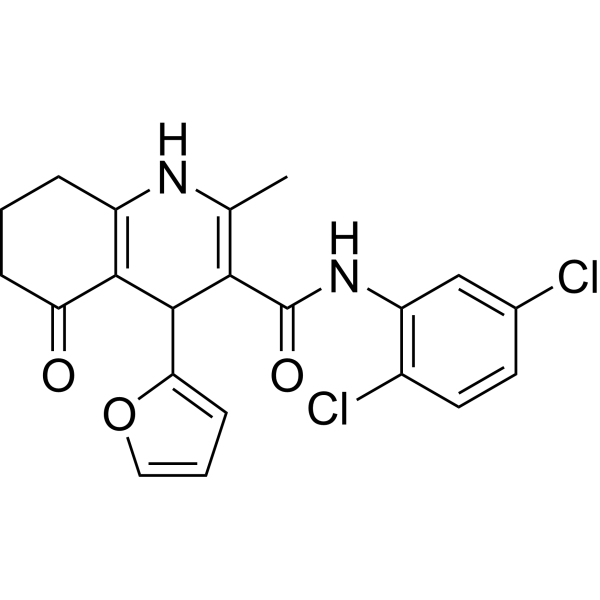 0 ImagesAR420626 is a selective agonist of free fatty acid receptor 3 (FFAR3) (IC50=117 nM). AR420626 has anti-inflammatory, anticancer and antidiabetic activities. AR420626 improves neurogenic diarrhea by inhibiting nAChR mediated neural pathways. AR420626 inhibits the growth of HepG2 xenografts and inhibits the proliferation of hepatoma cells by inducing apoptosis. AR420626 also suppresses allergic asthma and eczema and has the ability to activate GPR41 to increase Ca2+ signal-mediated glucose uptake and improve diabetes.
-
4-CMTB
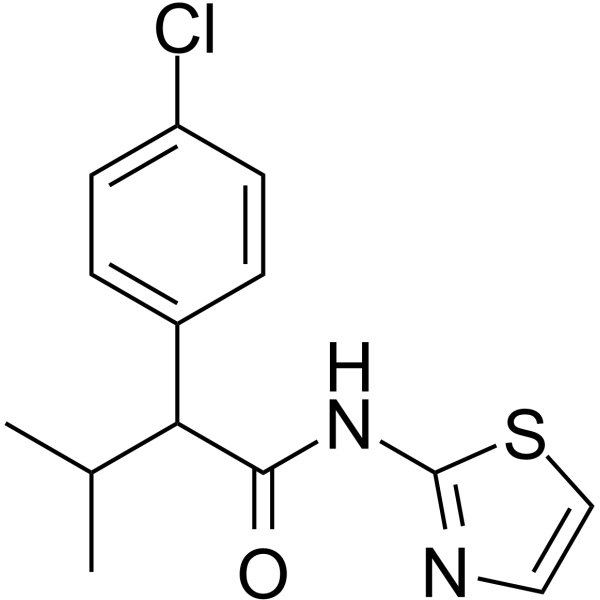 0 Images4-CMTB is a selective free fatty acid receptor 2 (FFA2/GPR43) agonist and a positive allosteric modulator (pEC50=6.38).
-
DC260126
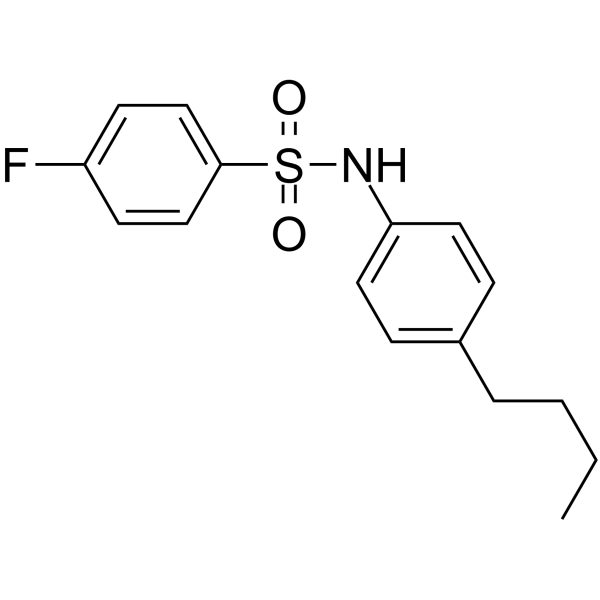 0 ImagesDC260126 is a potent antagonist of GPR40 (FFAR1). DC260126 dose-dependently inhibits GPR40-mediated Ca2+ elevations stimulated by linoleic acid, oleic acid, palmitoleic acid and lauric acid (IC50: 6.28, 5.96, 7.07, 4.58 μM, respectively). DC260126 could protect MIN6 β cells from palmitate-induced ER stress and apoptosis.
-
AM-1638
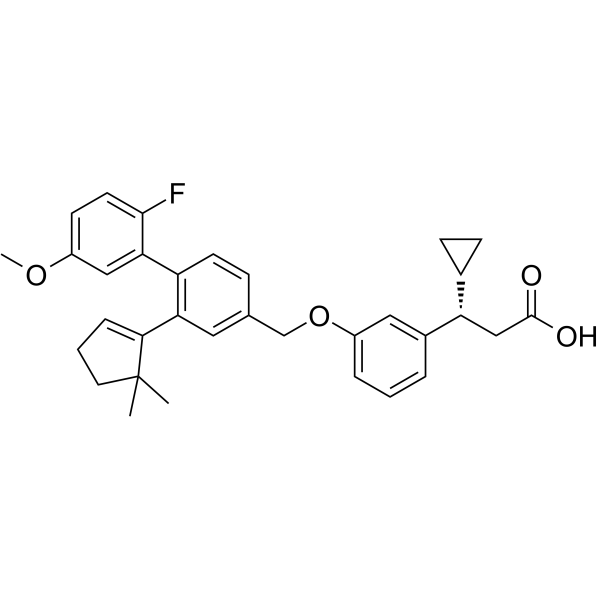 0 ImagesAM-1638 is an orally active full agonist of GPR40 (EC50: 0.16 μM). AM-1638 increases the expression of antioxidant molecules (HO-1 and NQO-1). AM1638 blocks Palmitate (HY-N0830)-mediated superoxide production and ER stress. AM-1638 has antidiabetic activity and improves glycemic control in BDF mice with diet-induced obesity (DIO). AM-1638 demonstrates excellent oral bioavailability (mouse, >100%; rat, 72%; and cyno, 71%).
-
TUG-1375
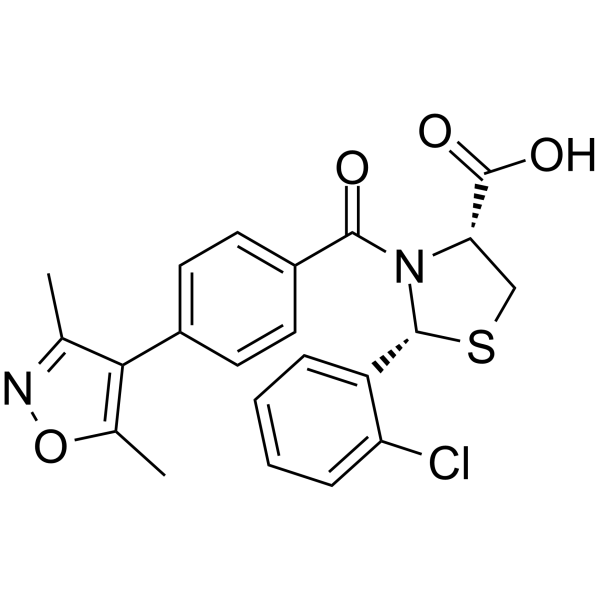 0 ImagesTUG-1375 is an agonist of free fatty acid receptor 2 (FFA2/GPR43), with a pKi of 6.69. TUG-1375 is inactive on FFA3, FFA4, PPARα, PPARγ, PPARδ, LXRα or LXRβ.
-
SCO-267
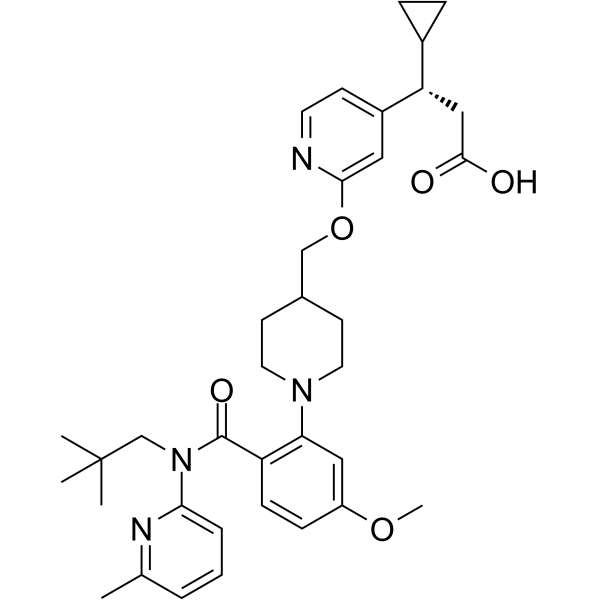 0 ImagesSCO-267 is an allosteric GPR40 full agonist. SCO-267 can be used for the research of chronic diseases including diabetes.
-
Vincamine
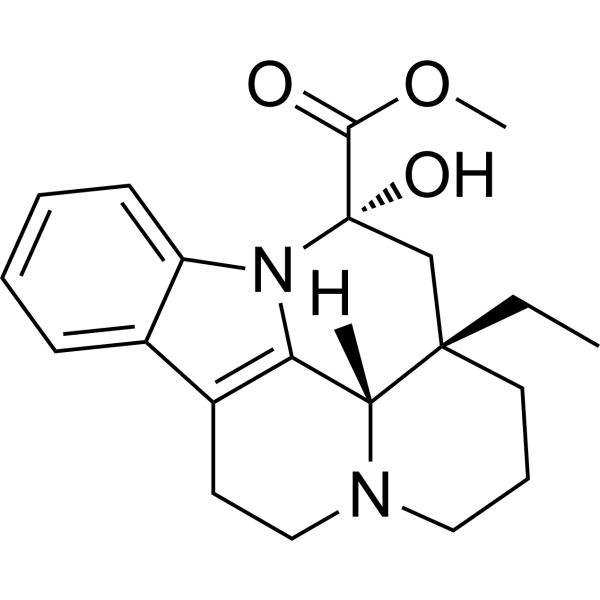 0 ImagesVincamine is a monoterpenoid indole alkaloid extracted from the Madagascar periwinkle. Vincamine is a peripheral vasodilator and exerts a selective vasoregulator action on the brain microcapilar circulation. Vincamine is a GPR40 agonist and acts as a β-cell protector by ameliorating β-cell dysfunction and promoting glucose-stimulated insulin secretion (GSIS). Vincamine improves glucose homeostasis in vivo, and has the potential for the type 2 diabetes mellitus (T2DM) research.
-
Fezagepras sodium
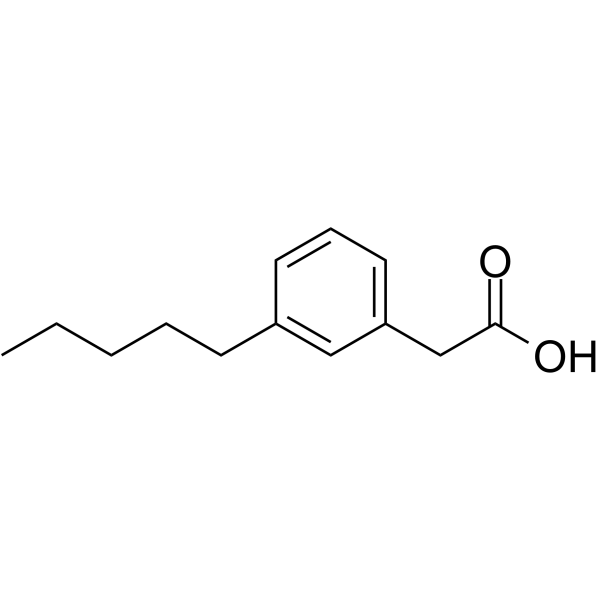
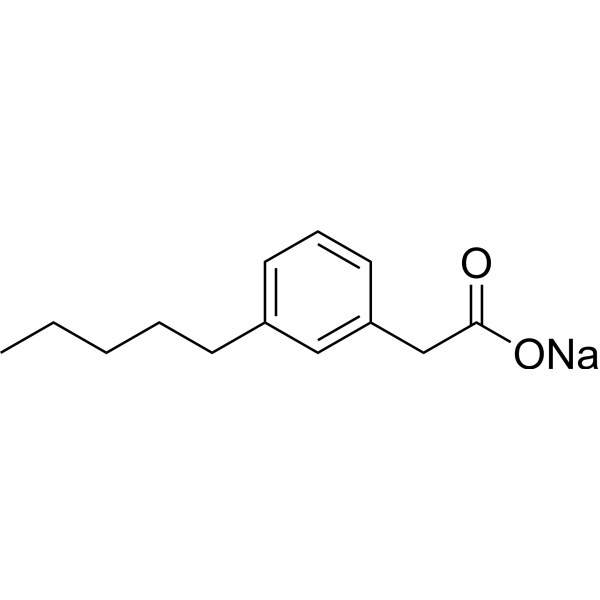 0 ImagesSynonyms: Setogepram sodium; PBI-4050 sodiumFezagepras (Setogepram) sodium acts as an orally active agonist for GPR40 and as an antagonist or inverse agonist for GPR84. Fezagepras sodium decreases renal, liver and pancreatic fibrosis. Fezagepras sodium exerts anti-fibrotic, anti-inflammatory and anti-proliferative actions.
-
CATPB
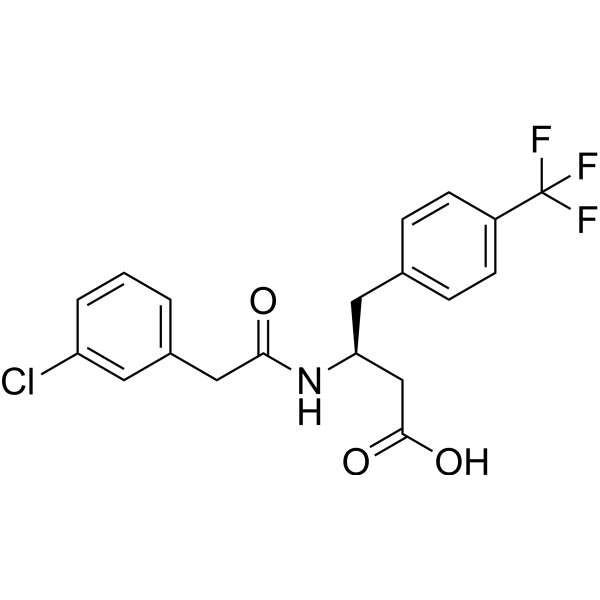 0 ImagesCATPB is a potent, selective free fatty acid receptor 2 (FFA2R/GPR43) antagonist.
-
AMG7703
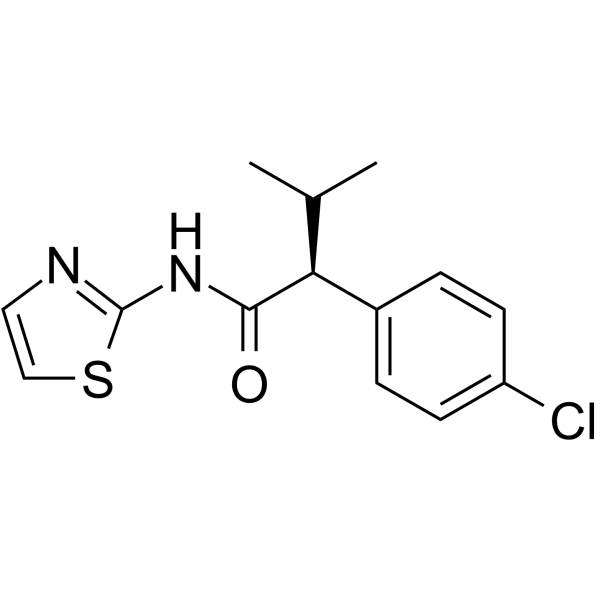 0 ImagesAMG7703 is a selective and allosteric agonists of FFA2 (GPR43), the receptor for short-chain fatty acids (SCFAs), acetate, and propionate. AMG7703 can be used to research for in inflammatory and metabolic.



