



IFNAR
Interferon-α/β receptor; Interferon-alpha/beta receptor
The interferon-α/β receptor (IFNAR) is composed of two subunits, IFNAR1 and IFNAR2, encoding transmembrane polypeptides. Type-I IFNs, interferon α (IFN-α) and interferon β (IFN-β), act through a shared receptor complex, IFNAR. Binding of type-I IFN to IFNAR1 will robustly activate Janus activated kinase-signal transducer and activator of transcription (JAK-STAT) signaling pathway. Aberrant activation of the type-I IFN response results in a spectrum of disorders called interferonopathies.
Type-I IFN response occurs when IFN-α/β binds to their receptor complex, IFNAR. The ligand-receptor complex is phosphorylated, presumably by pre-associated Janus activated kinases (JAKs) namely tyrosine kinase 2 (TYK2) on IFNAR1 and JAK1 on IFNAR2. The phosphorylated receptors are docking sites for signal transducers and activators of transcription (STAT) factors that dimerise and translocate to the nucleus. STATs 1, 2, 3, 4, and 5 are activated by type-I IFNs in many cell types. Other kinases (e.g., mitogen-activated protein kinases) and transcription factors (e.g., nuclear factor-κB) can also be activated in response to type-I IFNs. Multiple pathways and IFN-regulated genes are activated by IFNs, many of which remain unknown.
All Product Categories
-
IFNAR Inhibitors
(130)
View all products
-
IFNAR Agonists
(11)
View all products
-
IFNAR Antagonists
(6)
View all products
-
IFNAR Activators
(87)
View all products
-
IFNAR Modulators
(4)
View all products
-
IFNAR Inducers
(23)
View all products
-
IFNAR Degrader
(1)
View all products
-
IFNAR Control
(1)
View all products
-
IFNAR Ligand
(1)
View all products
-
IFN-α/β Receptor Proteins
(16)
View all products
-
IFN-alpha/beta R2 Proteins
(6)
View all products
-
IFNAR Related Products (336)
Related Products (336)

-
Recombinant Proteins (16)
-
Antibodies (14)
-
RDN2150 TFA
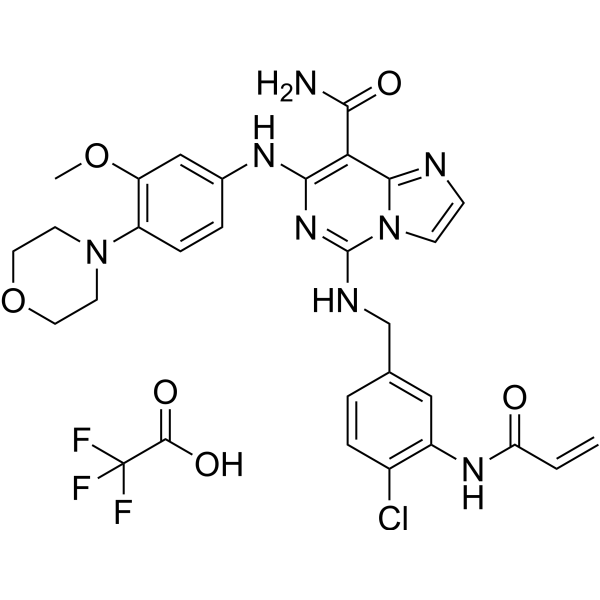 0 ImagesCat. No.: HY-155978APurity: 99.80%RDN2150 TFA is a ZAP-70 inhibitor with an IC50 of 14.6 nM, and it exhibits selectivity for Syk over other kinases. RDN2150 TFA inhibits signal transduction and activation of T cells/CAR-T cells, reduces the phosphorylation level of Erk1/2, suppresses the induction of CD69 and IL-2, and downregulates phosphotyrosine signaling pathways including hnRNP sites in T cells. RDN2150 TFA can be used for psoriasis-related research.
-
Actarit
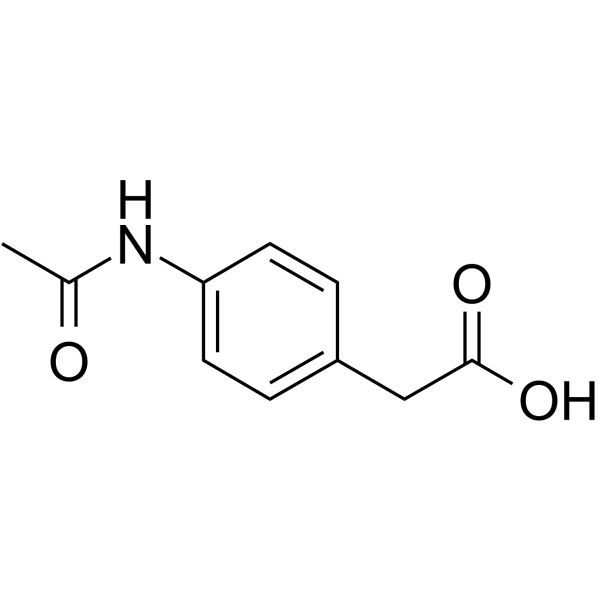 0 ImagesSynonyms: 4-Acetylaminophenylacetic acid; MS-932Actarit (4-Acetylaminophenylacetic acid) is an orally active Carbonic Anhydrase II (CAII) inhibitor with an IC50 of 422 nM. Actarit shows suppressive effects experimental autoimmune encephalomyelitis in rats. Actarit inhibits the development of type ll collagen (CII)-induced arthritis in mice by suppressing delayed-type hypersensitivity to CII. Actarit can be used for the study of Multiple Sclerosis (MS) and rheumatoid arthritis.
-
Anti-Mouse Galectin-9 Antibody (RG9-1)
 0 ImagesCat. No.: HY-P990242Anti-Mouse Galectin-9 Antibody (RG9-1) is an anti-mouse Galectin-9 IgG2b monoclonal antibody. Anti-Mouse Galectin-9 Antibody (RG9-1) promotes inflammatory response by enhancing the secretion of IFN-γ, TNF-α, and IL-6. Anti-Mouse Galectin-9 Antibody (RG9-1) can increase CD8 T cell and Treg frequency. Anti-Mouse Galectin-9 Antibody (RG9-1) reduces graft survival time by increasing CD4+ and CD8+ T cell infiltration. Anti-Mouse Galectin-9 Antibody (RG9-1) can be used for researches on inflammation conditions, cancer and xenotransplantation such as ischemia-reperfusion, colon cancer, breast cancer and leukemia.
-
Interferon alfa-2b
 0 ImagesCat. No.: HY-P99666Interferon alfa-2b is a type I interferon that activates novel genes and exerts potent antiviral and antiproliferative activity on target cells. Signaling by Interferon alfa-2b requires receptor-dependent activation of Stat1 and Stat2 to form a heterodimeric STAT that binds to the DNA-binding protein IRF-9 (p48) and forms ISGF-3 (IFN-stimulated gene factor 3). The driver genes are then further activated by ISGF-3 to achieve antiviral function.
-
ODN D-SL03 sodium
 0 ImagesCat. No.: HY-150749APurity: 98.57%ODN D-SL03 sodium is a C class CpG oligonucleotides, and can induce stimulate PBMCs to produce high level of IFN-α. ODN D-SL03 sodium can activate human B cells, NK cells and mononuclear cells and up-regulate expression of CD80, CD86 and HLA-DR on the surface of subsets in human PBMCs. ODN D-SL03 sodium also can inhibit the growth of the tumor. ODN D-SL03 sequence: 5'-tcgcgaacgttcgccgcgttcgaacgcgg-3'.
-
Carcinoembryonic antigen peptide 1
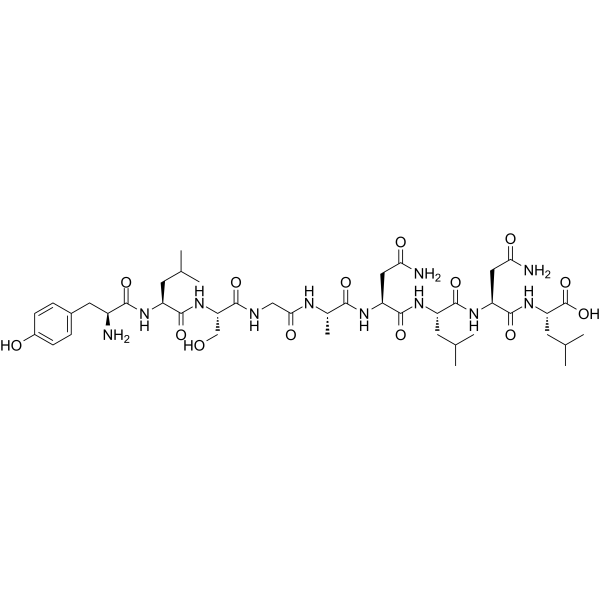 0 ImagesSynonyms: CEA peptideCarcinoembryonic antigen peptide 1 (CEA peptide) is a 9-amino acid HLA-A0201-binding cytotoxic T lymphocyte (CTL) epitope peptide derived from carcinoembryonic antigen (CEA). The IC50 of Carcinoembryonic antigen peptide 1 binding to HLA-A0201 is 2 μM. Carcinoembryonic antigen peptide 1 binds to HLA-A0201 to form a peptide-MHC I complex, which is recognized by the T cell receptor (TCR) of CAP1-specific CD8+ CTLs, thereby inducing antigen-specific T cell activation, IFN-γ production, and CTL-mediated lysis of target cells. Carcinoembryonic antigen peptide 1 is used in research on CEA-specific CTL responses and colorectal cancer.
-
2’3’-c-di-AM(PS)2 (Rp,Rp) enantiomer ammonium salt
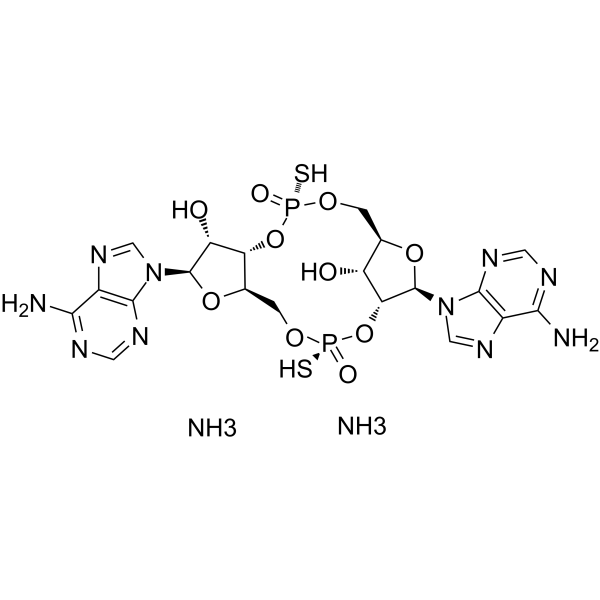 0 ImagesCat. No.: HY-12885CPurity: 98.94%Synonyms: ADU-S100 enantiomer ammonium salt; MIW815 enantiomer ammonium salt; ML RR-S2 CDA enantiomer ammonium salt2’3’-c-di-AM(PS)2 (Rp,Rp) enantiomer ammonium salt (ADU-S100 enantiomer ammonium salt) is the less active enantiomer of 2’3’-c-di-AM(PS)2 (Rp,Rp). 2’3’-c-di-AM(PS)2 (Rp,Rp) is an activator of stimulator of interferon genes (STING).
-
Platycodin D2
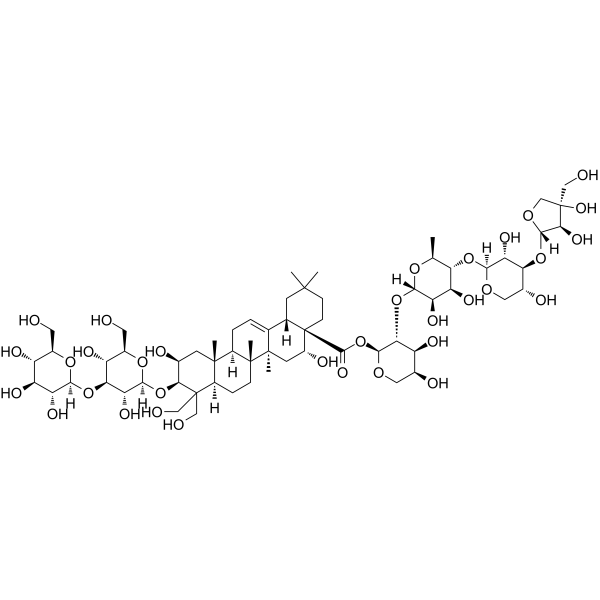 0 ImagesPlatycodin D2 is an orally active triterpenoid saponin found in Platycodon grandiflorum. Platycodin D2 induces mitophagy in cancer cells through NIX, thereby activating the P21/CyclinA2 pathway and promoting cell senescence. Platycodin D2 induces mitochondrial dysfunction, enhances autophagy, inhibits hepatocellular carcinoma cell proliferation, and exhibits anti-tumor activity against multiple cancer cell types. Platycodin D2 promotes mRNA expression of T-bet, GATA-3, Th1 cytokines IL-2 and IFN-γ, and Th2 cytokines IL-4 and IL-10, enhances splenocyte proliferation, and acts as a vaccine adjuvant with low rabbit red blood cell hemolytic activity. Platycodin D2 induces mitochondrial ROS production, incomplete autophagy, and ferroptosis to inhibit breast cancer cell proliferation. Platycodin D2 can be used for the research of cancer, inflammation and immunology.
-
Cirsilineol
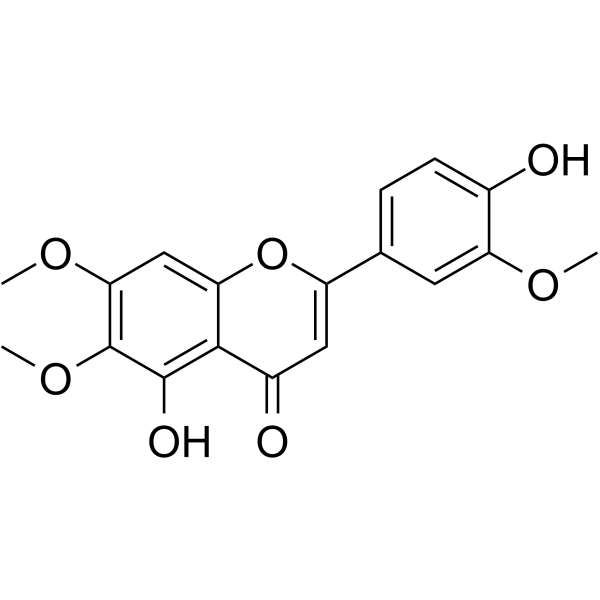 0 ImagesCirsilineol, a natural flavone compound, selectively inhibits IFN-γ/STAT1/T-bet signaling in intestinal CD4+ T cells. Cirsilineol has potent immunosuppressive and anti-tumor properties. Cirsilineol significantly ameliorates trinitro-benzene sulfonic acid (TNBS)-induced T-cell-mediated experimental colitis in mice.
-
Alcudacigib TFA
 0 ImagesCat. No.: HY-153793APurity: 99.13%Synonyms: DGKζ-IN-1 TFAAlcudacigib (ASP1570; DGKζ-IN-1) TFA is an orally active diacylglycerol kinase ζ (DGKζ) inhibitor, with an IC50 of 4.7 nM against human DGKζ and an IC50 of 3.0 nM against mouse DGKζ. Alcudacigib TFA selectively inhibits the kinase activity of DGKζ and induces proteasome-dependent degradation of DGKζ protein. Alcudacigib TFA enhances the anti-tumor functions of T cells and NK cells. Alcudacigib TFA can be used for the research of advanced/metastatic solid tumors.
-
AX-024 hydrochloride
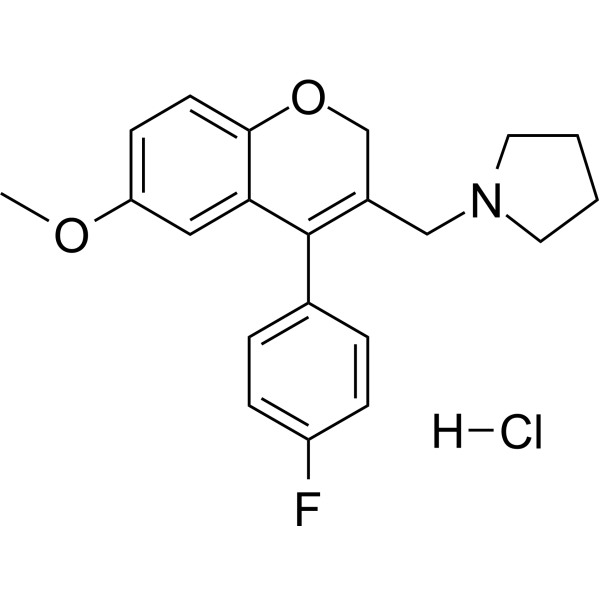 0 ImagesAX-024 hydrochloride is an orally available, first-in-class inhibitor of the TCR-Nck interaction that selectively inhibits TCR-triggered T cell activation with an IC50 ~1 nM. AX-024 hydrochloride modulates cell signaling by targeting SH3 domains. AX-024 hydrochloride has low-acute toxicity and high potency and selectivity, and strongly inhibit the production of IL-6, TNF-α, IFN-γ, IL-10 and IL-17A.
-
Tepoditamab
 0 ImagesSynonyms: MCLA 117Tepoditamab (MCLA-117) is a full-length human IgG1 bispecific monoclonal antibody that binds to CLEC12A of myeloid cells and CD3 of cytotoxic T cells. Among others, CLEC12A is a myeloid differentiation antigen. Tepoditamab kills AML leukaemia mother cells and AML leukaemia stem cells, induces T cell-mediated proliferative lysis of AML cells. Tepoditamab induces upto 30-fold T-cell expansion. Tepoditamab results in moderate to strong cytokine (IFNγ, IL-6, IL-8, IL-10, and TNFα) and IFNγ release in human whole blood and PBMC, respectively. Tepoditamab can be used in acute myeloid leukaemia (AML) research.
-
Z36-MP5
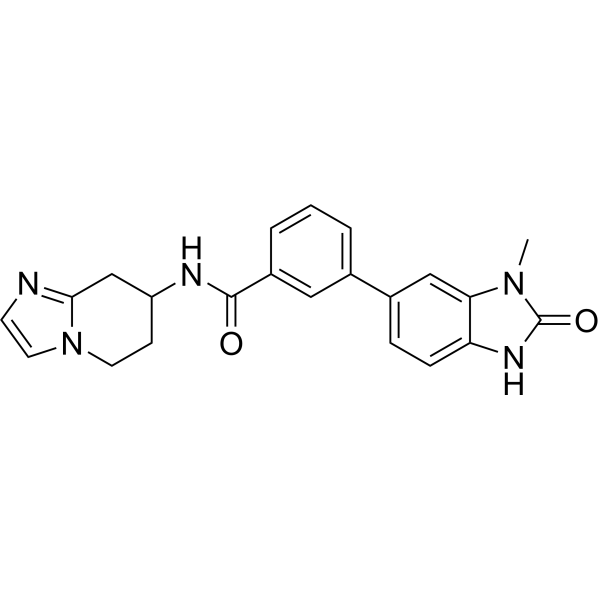 0 ImagesZ36-MP5 is an Mi-2β-targeted inhibitor, with IC50 of 0.082 μM. Z36-MP5 can reduce Mi-2β ATPase activity and reactivates ISG transcription. Z36-MP5 can stimulate T-cell-mediated cytotoxicity.
-
PLP (180-199) TFA
 0 ImagesCat. No.: HY-P5462APurity: 99.22%PLP (180-199) TFA is a myelin proteolipid protein-derived peptide corresponding to amino acids 180-199 of PLP. PLP (180-199) TFA acts as an encephalitogenic peptide and induces experimental autoimmune encephalomyelitis (EAE) in susceptible BALB/c mice. PLP (180-199) TFA can stimulate antigen-specific T-cell responses, promote inflammatory cytokine production including IFN-γ and TNF-α, and is used for the study of autoimmune encephalomyelitis and multiple sclerosis-related immune responses.
-
XL-3158
 0 ImagesXL-3158 is a selective and cross-species Cyclic GMP-AMP synthase (cGAS) inhibitor (IC50: 11.1 μM for human cGAS, 2.19 μM for mouse cGAS). XL-3158 simultaneously occupy allosteric and orthosteric sites, stabilizing the activation loop in a closed, inactive conformation and thereby attenuating the cGAS-DNA interactions. XL-3158 inhibits cGAS by targeting phase separation. XL-3158 efficiently penetrates cells by inhibiting aggregate formation, effectively reducing the local concentration of cGAS within cells. XL-3158 can be used for the study of cGAS-dependent inflammatory diseases.
-
GT-653
 0 ImagesGT-653 is a selective KDM5B PROTAC degrader. GT-653 induces ubiquitination and degradation of KDM5B without altering the transcriptional level of KDM5B. GT-653 upregulates the level of H3K4me3. GT-653 activates the type I Interferon signaling pathway. GT-653 can be used for the research of prostate cancer.
-
Anti-Mouse IFN gamma Antibody (R4-6A2)
 0 ImagesCat. No.: HY-P990797Purity: 99%Anti-Mouse IFN gamma Antibody (R4-6A2) is an anti-mouse IFN gamma IgG1 monoclonal antibody. Anti-Mouse IFN gamma Antibody (R4-6A2) can increase the total serum IgG level. Anti-Mouse IFN gamma Antibody (R4-6A2) can be used for researches on immunology and infection conditions such as nymphs infection. The recommend isotype control of Anti-Mouse IFN gamma Antibody (R4-6A2): Rat IgG1 kappa, Isotype Control (HY-P99979).
-
InsB (9-23)
 0 ImagesSynonyms: Insulin B chain (9-23)InsB (9-23) (Insulin B chain (9-23)) is an HLA-DQ8-restricted insulin B-chain peptide composed of amino acid residues 9-23. InsB (9-23) serves as a major MHC II class-restricted antigen. InsB (9-23) supports the recognition and activation of T cells, stimulates the secretion of IFN-γ and cytokines, and induces cross-reactive immune responses. InsB (9-23)-specific CD4 T cells can initiate diabetes. InsB (9-23) can be used in research related to type 1 diabetes and autoimmune diabetes.
-
Fontolizumab
 0 ImagesCat. No.: HY-P99292CAS No.: 326859-36-3Synonyms: HuZAF; Anti-Human IFNG Recombinant AntibodyFontolizumab (HuZAF) is a human monoclonal antibody targeting interferon γ (IFN-γ). Fontolizumab binds specifically and with high affinity to secreted IFN-γ, neutralizes its activity, blocks receptor binding, and inhibits downstream signal transduction and the expression of IFNγ-responsive genes. Fontolizumab reduces serum C-reactive protein levels, inhibits the expression of IL-1α, IL-1β and IL-12Rβ2, and decreases the number of IFNγ-producing T cells in activated peripheral blood mononuclear cells. Fontolizumab can be used in research related to Crohn's disease.
-
P60-L3-VHL
 0 ImagesCat. No.: HY-162943Purity: 99.84%P60-L3-VHL is a PROTAC degrader targeting Foxp3. P60-L3-VHL triggers the ubiquitination modification of Foxp3 by conjugating the Foxp3-targeting peptide P60 with the VHL E3 ubiquitin ligase ligand via a long linker, and mediates protein degradation through the proteasome pathway. P60-L3-VHL blocks the nuclear translocation of Foxp3, relieves the transcriptional inhibition of IL2 and IFN-γ, and inhibits the differentiation of iTreg cells. P60-L3-VHL is applicable to cancer-related research.




